Cart
0
You may also like

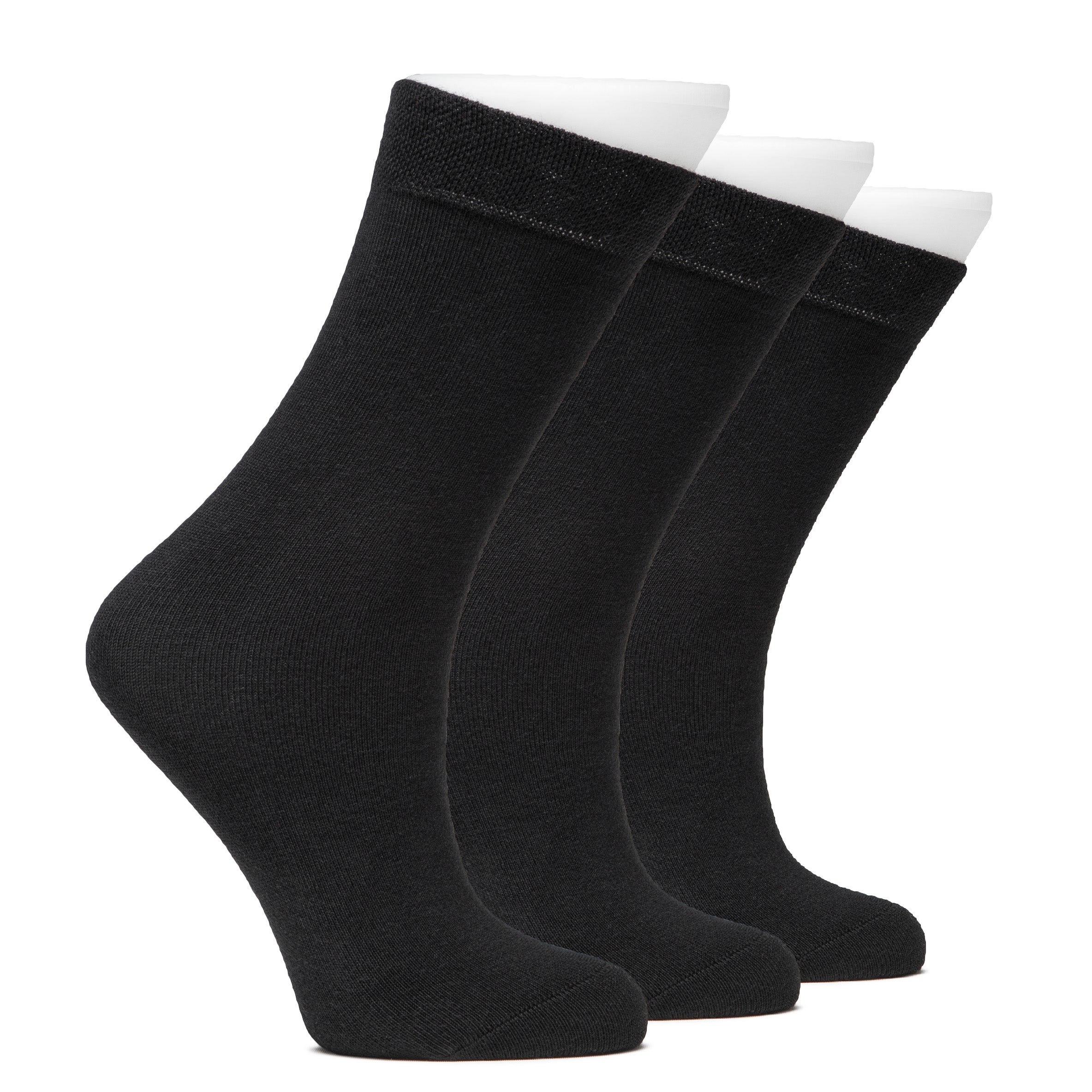
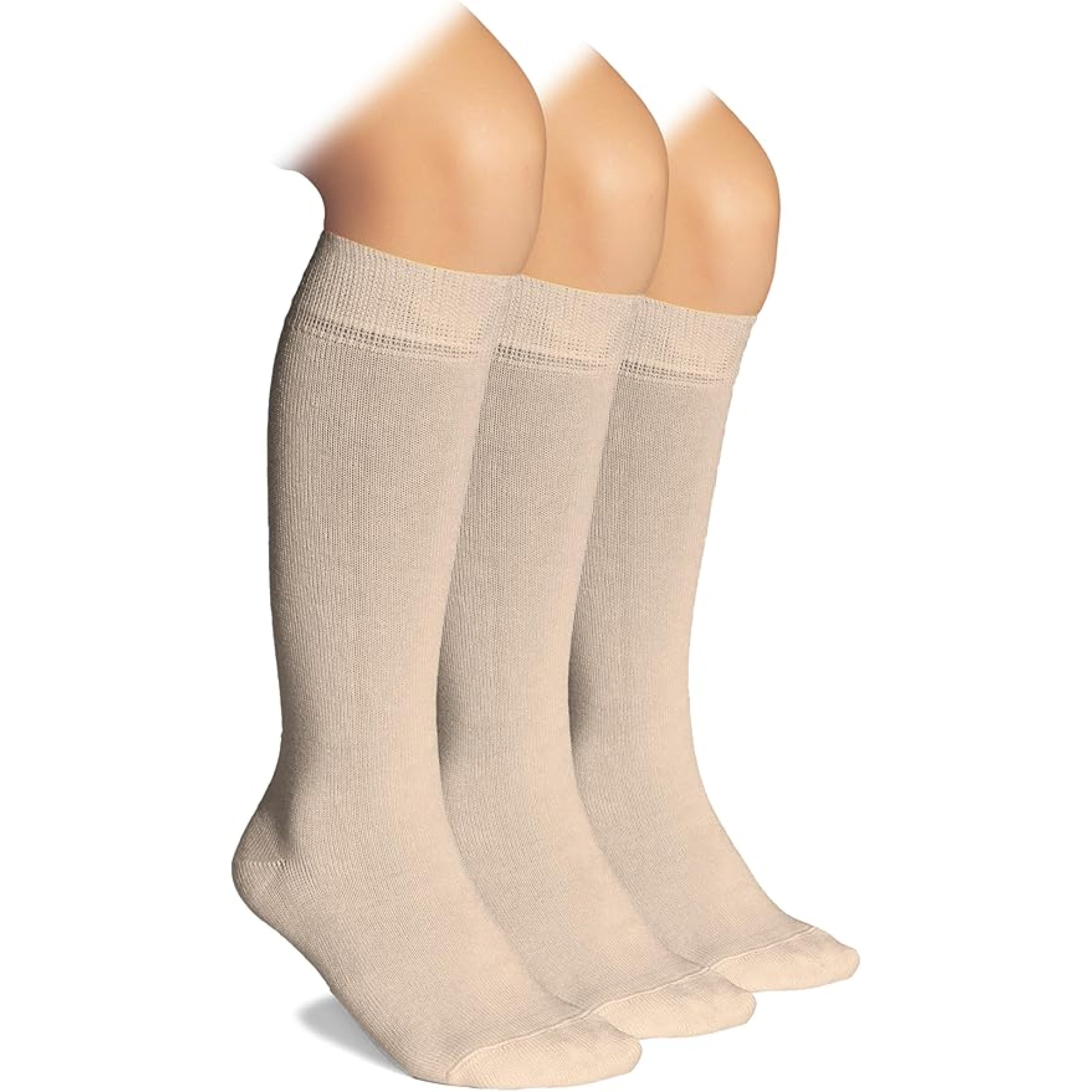


Most people replace socks when they develop a hole large enough to be inconvenient. Everything short of that — thinning fabric, lost elasticity, stretched-out cuffs, fabric that no longer sits right on the foot — tends to get ignored. Socks are inexpensive and easy to overlook, and the decline in their condition is gradual enough that each individual change is barely noticeable on its own.
The result is that most people's sock drawers contain a significant number of pairs that are well past the point where they're doing their job properly. Understanding what to look for makes it easier to make the call before the sock fails completely — and before it starts affecting your foot comfort in ways you might not be connecting back to the sock itself.
Some indicators that a sock has reached the end of its useful life are obvious enough that most people do eventually act on them. These are worth naming clearly, because obvious doesn't always mean people respond promptly.
A hole that has broken through the fabric is the most clear-cut signal, but the more useful moment to act is the one just before: when the fabric at the heel or toe has thinned enough to be visibly translucent when held up to light. At this stage, the protective function of the sock is already compromised — the remaining fabric provides almost no cushioning and very little friction management against the shoe. The hole is the last stage, not the only stage worth acting on. If you can see your fingertip through the heel of a sock, the sock has functionally reached the end of its life even if it hasn't torn yet.
Pilling — the formation of small fiber balls on the surface of the fabric — is a normal result of friction and washing, and some degree of it is expected over a sock's life. The relevant question is whether the pilling has become dense enough to change how the fabric feels against the skin. Heavily pilled fabric creates a rougher, less even surface that can contribute to friction and discomfort, particularly in enclosed shoes where the foot generates heat and moisture. When the inner surface of a sock has become noticeably rougher or more textured than it was when new, the fabric has degraded to the point where it's working against comfort rather than supporting it.
The less obvious indicators of sock decline are often the ones with the more significant effect on daily foot comfort, precisely because they're subtle enough to normalize without realizing you've done so.
The elastic in a sock cuff degrades with every wash and wear cycle. This happens gradually, and because the change is incremental, most people don't notice that a sock is slipping more than it used to, or that the cuff now sits lower on the leg than it did when the sock was newer. The test is simple: pull the cuff of the sock to roughly double its resting diameter and then release it. A sock with intact elastic snaps back firmly. A sock with degraded elastic returns slowly, incompletely, or not at all. A sock that has reached this stage will spend the day gradually sliding down the leg regardless of shoe type or walking pace, and no amount of adjustment will fix it because the fundamental grip mechanism has worn out.
Related to elastic loss is the broader loss of shape retention in the sock's body. A new sock, worn and washed several times, should return close to its original shape after each wash. An older sock that has been through many wash cycles starts to develop a permanent stretched state — the heel pocket may become too large and loose, the toe box may no longer cup the toes correctly, and the overall sock may sit with too much excess fabric that bunches under the foot. This bunching is not just uncomfortable; it creates uneven pressure distribution across the foot's contact surface with the insole, which over a long day can cause localized soreness in areas where the fabric has folded.

For most people, a worn-out sock is a comfort issue. For certain groups, it's worth treating as a more careful consideration. Thin or damaged sock fabric at the heel or toe reduces the protective layer between foot and shoe, which increases the likelihood of friction-related skin changes — calluses, blisters, and skin irritation. In people with reduced sensation in their feet, such as those managing neuropathy or diabetes, this matters more, because the normal pain feedback that would signal a problem developing isn't always present. Many healthcare professionals commonly recommend regular inspection and replacement of socks as part of foot care routines for people in this situation, since a worn sock that goes unnoticed may be contributing to skin changes before they become visible. If you manage a condition that affects foot sensation or healing, erring toward earlier replacement rather than later is generally a sensible approach — and discussing your specific footwear needs with a healthcare professional is worthwhile.
Odor retention is another health-adjacent concern. Socks that have developed a persistent odor even after washing have reached a point where the fibers have absorbed oils and bacteria to a degree that normal laundering can't fully address. This isn't merely a social inconvenience — it indicates that the fabric's environment management properties have broken down, and that the material is no longer providing the clean, fresh contact surface the foot needs across a full day of wear.
There's no universal answer, because wear frequency, washing conditions, activity level, and construction quality all affect lifespan. A useful working range for everyday socks worn regularly is roughly six months to a year of active use, with quality socks that are properly cared for and part of a larger rotation potentially lasting longer. A pair worn two or three times a week will reach the end of its lifespan faster than one worn once a week and rotated among a larger collection. A pair washed in hot water repeatedly will degrade its elastic faster than one washed in cool water.
The more practical frame is to assess socks based on condition rather than time. A pair worn infrequently and cared for well might still be performing fine after two years. A pair worn daily and washed in hot water might need replacing after six months. The calendar is a rough guide; the elastic snap test and the visual inspection of heel and toe are the more reliable signals.
The psychology of sock replacement is worth acknowledging, because it explains why most sock drawers end up containing pairs that should have been retired long ago. Socks are a low-status purchase in most people's mental hierarchy of clothing. They're bought in multipacks, often as an afterthought, and rarely receive the kind of deliberate attention given to shoes or outer clothing. Because each individual pair feels inexpensive relative to other clothing items, the perceived cost of discarding a worn-out pair feels disproportionate — even though the accumulated cost of keeping an entire drawer of worn-out socks is the daily experience of foot discomfort that could easily be avoided.
There's also the normalization factor: because sock quality declines gradually, the baseline of normal foot comfort adjusts downward in parallel. People who have been wearing the same aging socks for months often don't realize how much comfort they've lost until they put on a new pair and the comparison is immediate and striking.
When replacing worn-out everyday socks, the clearest upgrade over a standard multipack comes from paying attention to the construction details that determine longevity. Reinforced heels and toes, consistent elastic tension, and appropriate fiber blends determine how long the replacement pair lasts before the cycle starts again. A cotton dress crew sock with a reinforced heel and seamless toe is built around the areas that wear out first, which extends the useful life of the pair compared to a basic construction without those reinforcements.
For people who find themselves replacing socks frequently and want a longer-lasting option, bamboo-blend socks tend to hold up well over repeated washing cycles. The fiber is naturally softer and more resilient than standard cotton at the same thread count, and a good bamboo blend maintains its shape and softness through significantly more wash cycles than commodity cotton. A bamboo dress sock with quality construction represents the kind of replacement that rewards attention to what you're actually getting, rather than returning to the same multipack and repeating the same replacement timeline.
If you're not sure whether a particular pair has reached the end of its life, running through these checks takes about thirty seconds and produces a clear answer most of the time.
Knowing when to replace a sock isn't complicated, but it does require paying slightly more attention to something most people treat as invisible background infrastructure. The signals are real and consistent: elastic that no longer grips, fabric that has thinned at the heel, shape that doesn't return after washing, persistent odor despite laundering. Acting on those signals earlier rather than later is a small habit that pays off in daily comfort in a way that's easy to underestimate until you've actually experienced the difference between a drawer full of worn-out socks and a rotation of pairs that are all performing as they should.
The clearest signs are thinning or holes at the heel and toe, elastic that no longer snaps back firmly when stretched, fabric that has lost its shape permanently after washing, and persistent odor that remains after laundering. Any one of these consistently present means the sock has passed its useful life.
For everyday socks worn regularly, six months to a year of active use is a reasonable working range, though this varies considerably with washing conditions, wear frequency, and construction quality. Socks that are part of a larger rotation and washed in cool water will last longer than pairs worn daily and washed in hot water.
A hole in the heel or toe removes the protective layer between foot and shoe in that area, increasing friction and the likelihood of skin irritation or blisters. For people with reduced foot sensation — including those managing diabetes or neuropathy — this carries more significance, since friction-related skin changes may not be noticed as quickly. Earlier replacement is generally advisable in those situations.
Elastic fibers degrade with each wash and wear cycle, particularly when exposed to high temperatures in the wash or dryer. Over time, the elastic in the cuff loses its ability to fully recover after being stretched, which means the sock stops holding its position on the leg and begins sliding down during wear.
Yes, in the sense that each wash cycle contributes to fiber and elastic degradation. Washing in cooler water, using a gentle cycle, and air-drying rather than machine-drying all reduce the wear introduced by laundering and help extend the useful lifespan of each pair.
He has been working for more than 20 years in the textile industry and has work experience in many parts of the world.