Cart
0
You may also like
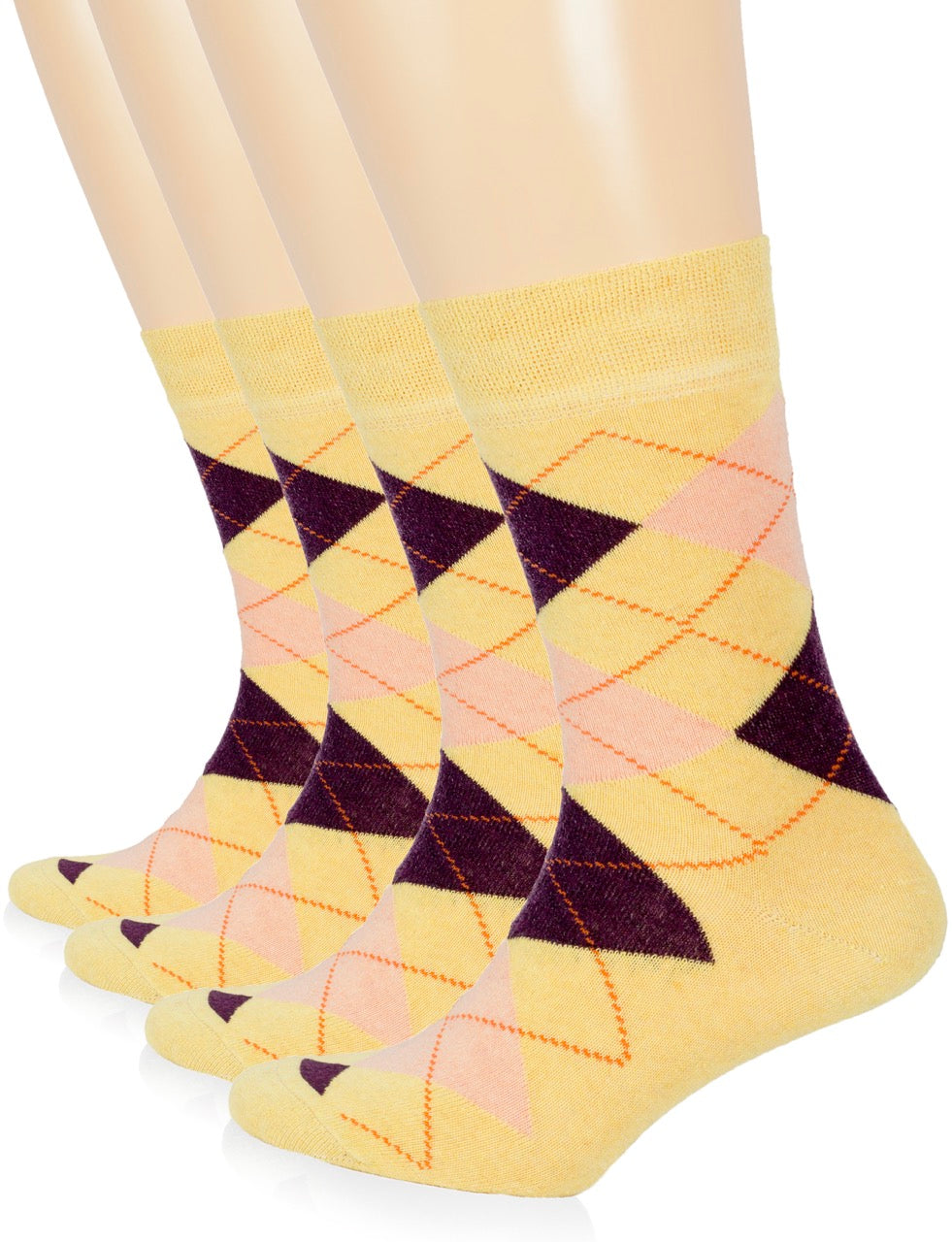


Many people remove their socks after a long day and notice visible lines or indentations around their ankles or calves. This can feel confusing because the socks may have seemed soft and comfortable while wearing them.
In most cases, these sock marks are temporary and harmless. However, understanding why they happen can help you choose more comfortable socks and recognize when swelling or circulation issues may need attention.
Soft socks can still leave marks because comfort and pressure are not the same thing. Even gentle fabrics may contain tight elastic bands that apply pressure to the skin throughout the day. Mild swelling, fluid retention, or prolonged standing can make socks leave marks more easily.
Socks need some elasticity to stay in place. Without gentle compression around the ankle or calf, they would slide down constantly.
However, over several hours, that pressure may create:
These marks on your legs are usually most noticeable at the end of the day.
Even soft socks rely on elastic bands to hold their shape.
The fabric itself may feel smooth and gentle, but the cuff can still press against the skin continuously.
This is especially common during a long time spent wearing the same socks.
Many people experience mild swelling in the lower legs and ankles as the day progresses.
This happens because gravity naturally pulls fluid downward, especially during:
As legs swell, even comfortable socks may begin pressing more firmly into the skin.
Fluid retention can make sock marks more visible.
When the body holds onto excess fluid, tissues in the lower legs become slightly swollen.
This additional swelling increases pressure from the sock cuff.
Some socks simply fit too tightly.
Tight socks may create stronger pressure around the calf or ankle, leading to more noticeable indentations.
A softer fabric does not always mean a looser fit.
Persistent swelling in the lower legs may indicate peripheral edema.
This condition occurs when fluid accumulates in the tissues of the feet and legs.
If swelling becomes frequent or severe, it should not be ignored.
Venous insufficiency affects how blood returns from the legs back toward the heart.
When circulation slows, fluid may collect in the lower legs.
This can contribute to:
Healthy circulation supports better blood flow and reduces fluid buildup.

Pressure and swelling accumulate gradually throughout the day.
By evening:
This explains why marks are usually more noticeable after a long day.
Yes.
Softness relates to fabric texture, while tightness relates to pressure.
A sock may feel soft because of:
But the cuff can still apply enough pressure to create visible indentations.
Socks with gentler cuffs apply less pressure around the ankle and calf.
Movement improves circulation and helps prevent fluid buildup during the day.
Taking time to elevate your legs may help reduce swelling after long periods of standing or sitting.
Hydration supports healthy circulation and may help manage temporary fluid retention.
Temporary sock marks are usually harmless. However, certain symptoms may require medical attention.
You should seek medical advice if sock marks are accompanied by:
These symptoms may indicate more serious circulation or cardiovascular concerns.
Soft socks can still leave marks because even gentle materials use pressure to stay in place. Swelling, prolonged standing, and fluid retention often make these marks more visible by the end of the day.
Most sock marks are harmless, but persistent swelling or unusually deep marks may signal circulation issues worth discussing with a healthcare professional.
Soft fabric may still contain elastic bands that apply pressure to the skin.
Light temporary marks are common, especially after long days of standing or sitting.
Yes. Fluid retention and leg swelling increase pressure from sock cuffs.
Choose looser socks, move regularly, stay hydrated, and elevate your legs when possible.
If sock marks are accompanied by pain, severe swelling, chest pain, or shortness of breath, medical evaluation is important.
He has been working for more than 20 years in the textile industry and has work experience in many parts of the world.