Cart
0
You may also like
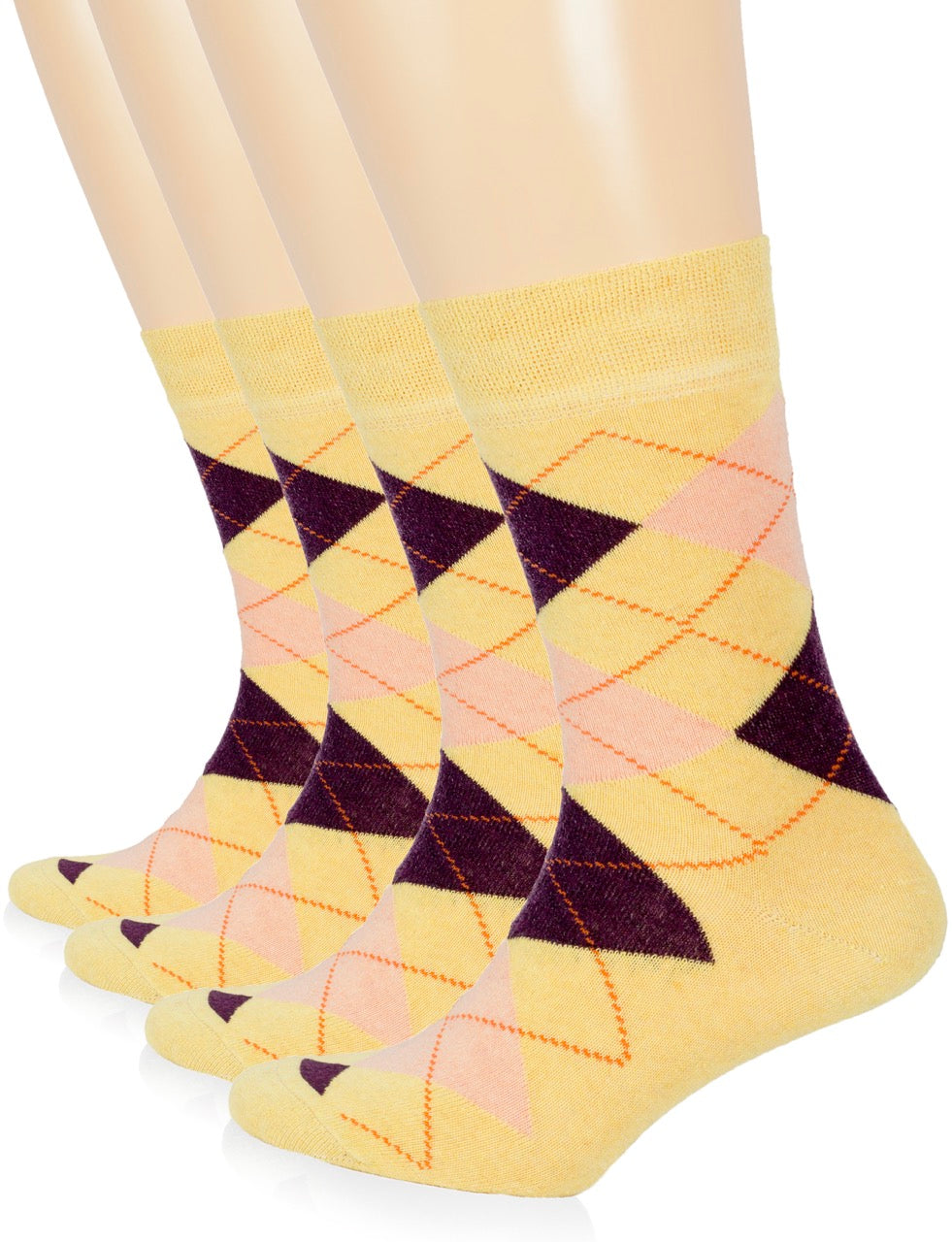
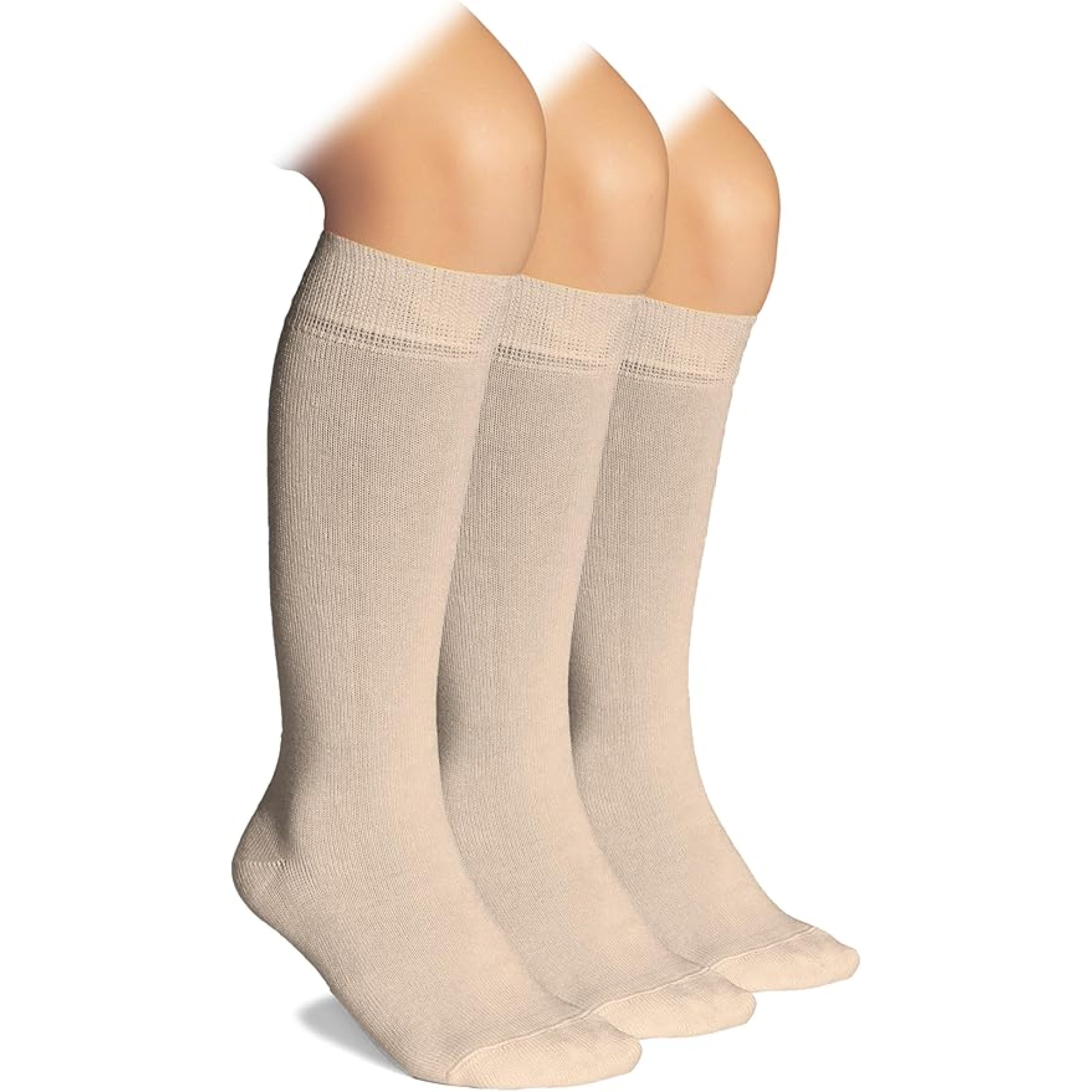


Many people notice that their shoes feel tighter or their ankles look puffier after a long flight or an extended road trip. While this can be uncomfortable, it is also a very common experience. In most cases, temporary swelling occurs because the body remains in the same position for an extended period, allowing fluid to collect in the lower legs.
Understanding why this happens can help you take simple steps to reduce discomfort and support healthy circulation while traveling.
The primary reason ankles swell during travel is gravity combined with reduced movement.
Under normal conditions, walking helps the muscles in your legs push blood and fluid back toward the heart. During air travel or long car rides, however, movement decreases significantly.
As a result:
The longer you remain seated, the greater the chance of swelling.
When you're active, the muscles in your calves act as pumps that help move blood upward through the veins.
During prolonged sitting:
This can affect how efficiently blood circulates through the legs and feet.
Although both car travel and flying can cause swelling, many travelers notice that symptoms are more pronounced after a flight.
Several factors contribute:
Combined, these factors increase the likelihood of temporary ankle swelling.

Fluid retention is another major contributor to travel-related swelling.
When circulation slows and gravity pulls fluid downward, some of that fluid may temporarily accumulate in the tissues around the ankles and feet.
This can cause:
Fortunately, this type of swelling usually improves once normal movement resumes.
Anyone can develop swelling during travel, but some individuals have a higher risk.
Risk factors may include:
The longer the trip, the greater the potential for discomfort.
A long flight often involves several uninterrupted hours of sitting.
During this time:
This combination can make swelling more noticeable than during shorter trips.
While it may not always be possible to eliminate swelling entirely, several simple strategies can help reduce it.
One of the best ways to improve circulation is to move whenever possible.
During flights:
During a road trip:
Hydration plays an important role in circulation and fluid balance.
Travelers should:
Proper hydration may help reduce some travel-related discomfort.
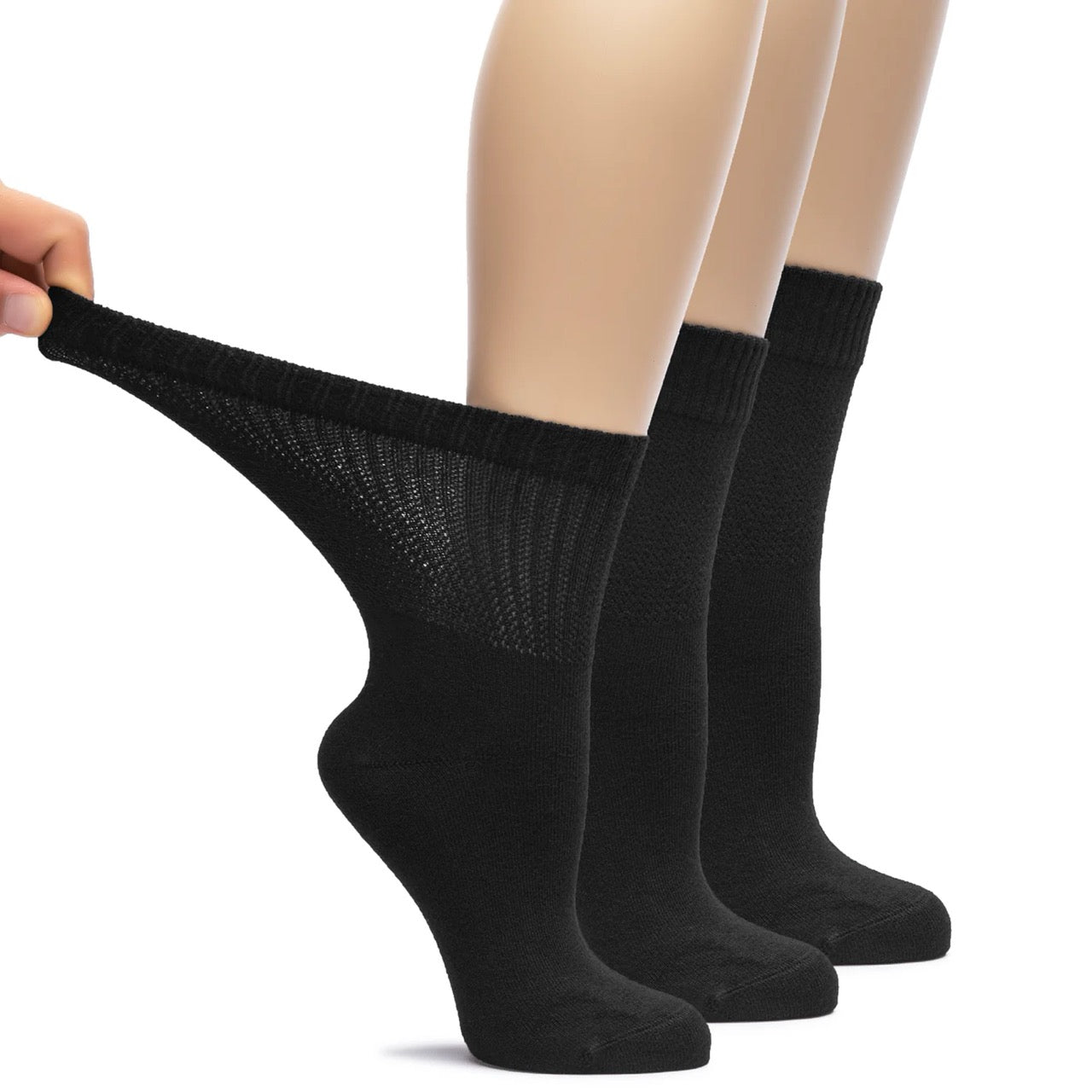
Many travelers choose to wear compression socks during long journeys.
Unlike ordinary socks, compression products provide graduated support that may help maintain circulation.
They work by applying gentle pressure to the legs, with the greatest pressure near the ankle.
Some people prefer compression stockings, while others choose travel-specific compression socks.
Not necessarily.
Many healthy travelers do well with regular movement and hydration alone.
However, some individuals choose wearing compression garments for added comfort during:
The decision often depends on personal preference and individual health considerations.
Most travel-related swelling is temporary and resolves within a day or two.
However, there are situations where swelling deserves medical attention.
You should seek professional evaluation if swelling is:
These symptoms may occasionally indicate a more serious issue.
One concern often discussed in relation to travel is deep vein thrombosis DVT.
DVT occurs when a blood clot forms in a deep vein, usually in the leg.
Although uncommon, prolonged immobility can increase risk in certain individuals.
Because DVT can be serious, travelers with risk factors should discuss prevention strategies with their healthcare provider.
To support circulation and comfort during travel:
These small habits can make a noticeable difference.
Ankle swelling during flights and long car rides is usually caused by reduced movement, gravity, and temporary fluid retention. When the body remains seated for long periods, circulation slows and fluid can accumulate in the legs and feet.
Fortunately, regular movement, hydration, and strategies that help improve circulation can significantly reduce discomfort. Understanding why swelling occurs allows travelers to stay more comfortable and better prepared for their next journey.
Reduced movement and gravity allow fluid to accumulate in the lower legs and ankles during long flights.
Yes. Remaining seated for extended periods may slow circulation and contribute to swelling.
Many travelers find that compression socks improve comfort and help reduce swelling during long trips.
Move regularly, stretch your legs, stay hydrated, and consider compression garments when appropriate.
If swelling is severe, painful, affects only one leg, or is accompanied by redness or warmth, medical evaluation is recommended.
He has been working for more than 20 years in the textile industry and has work experience in many parts of the world.