Cart
0
You may also like
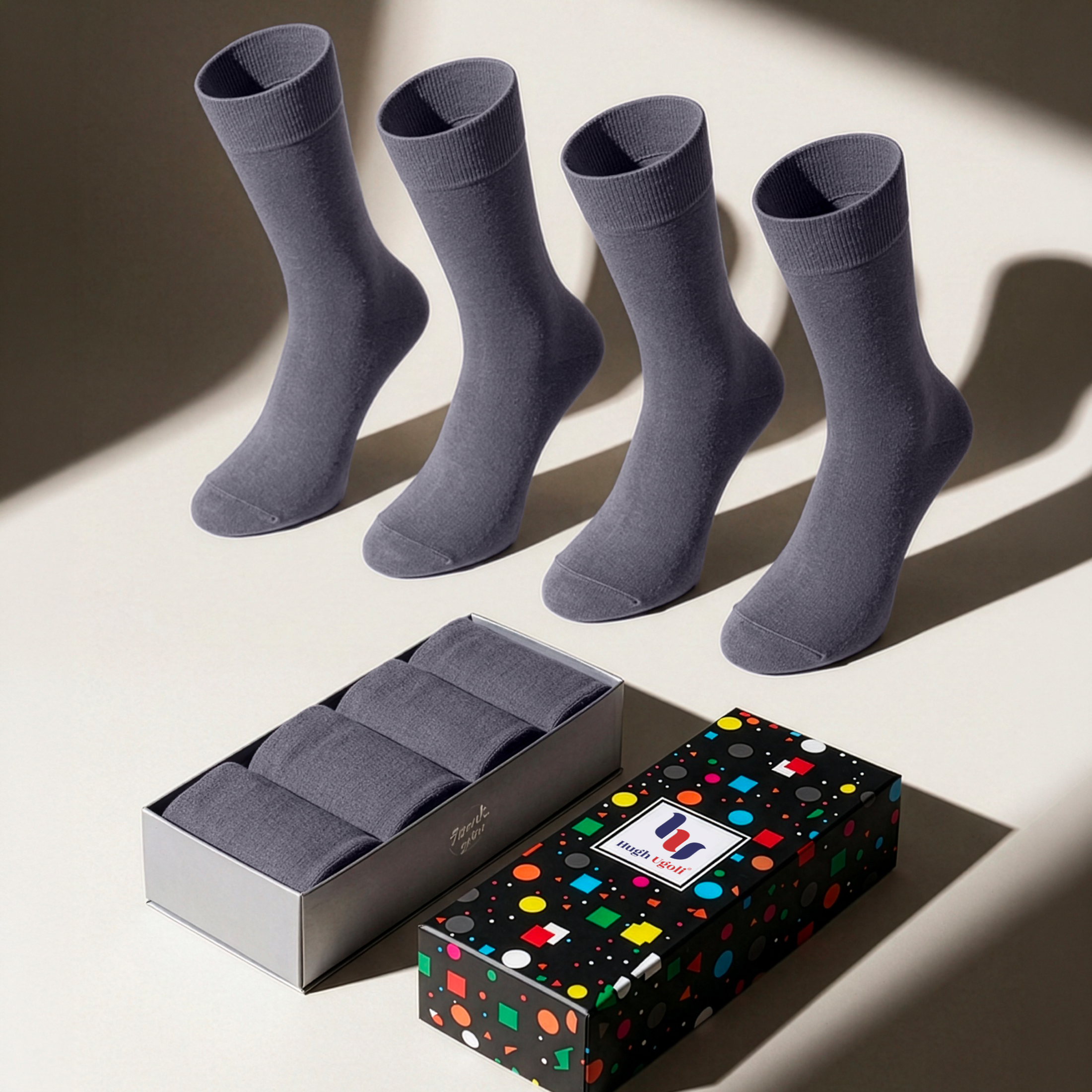
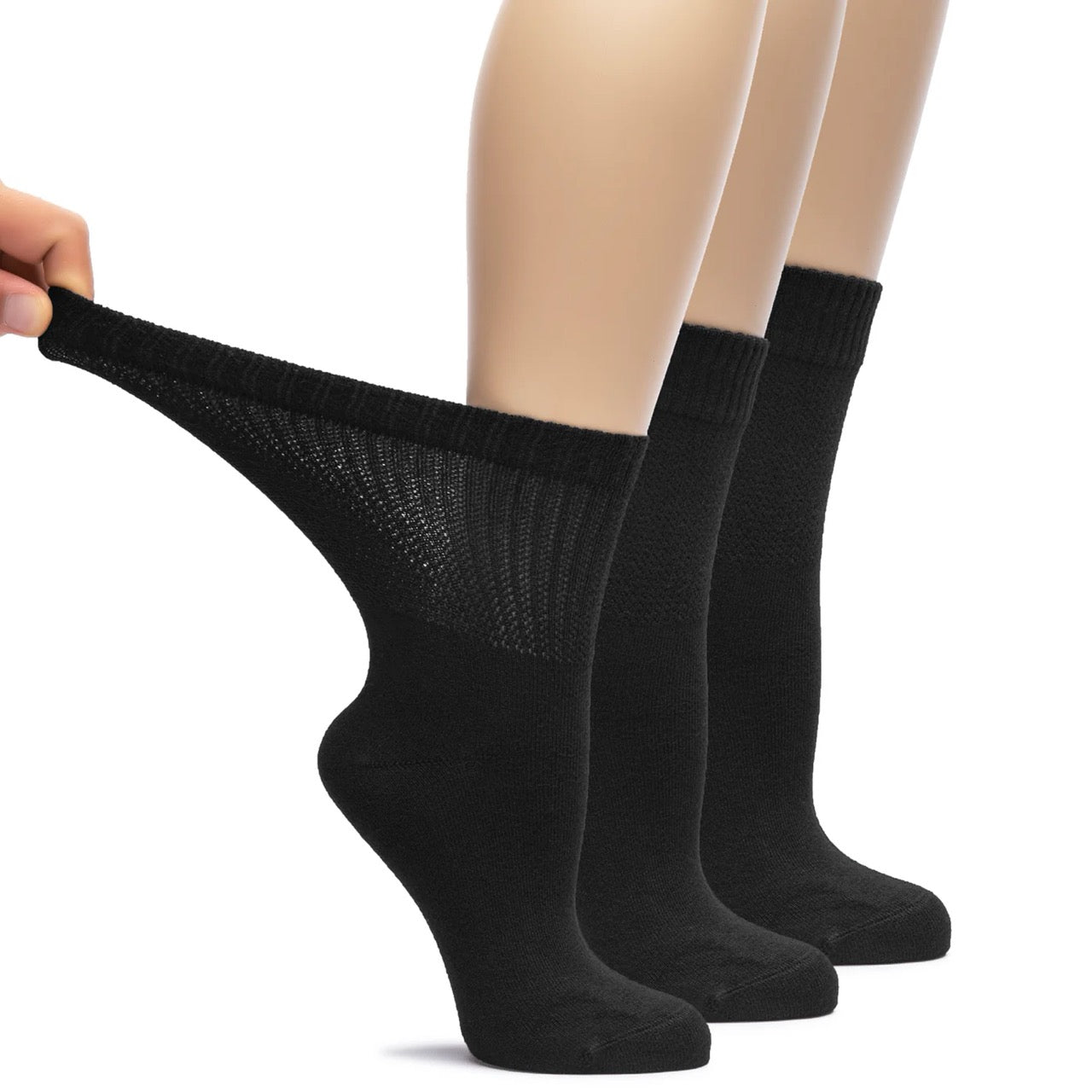
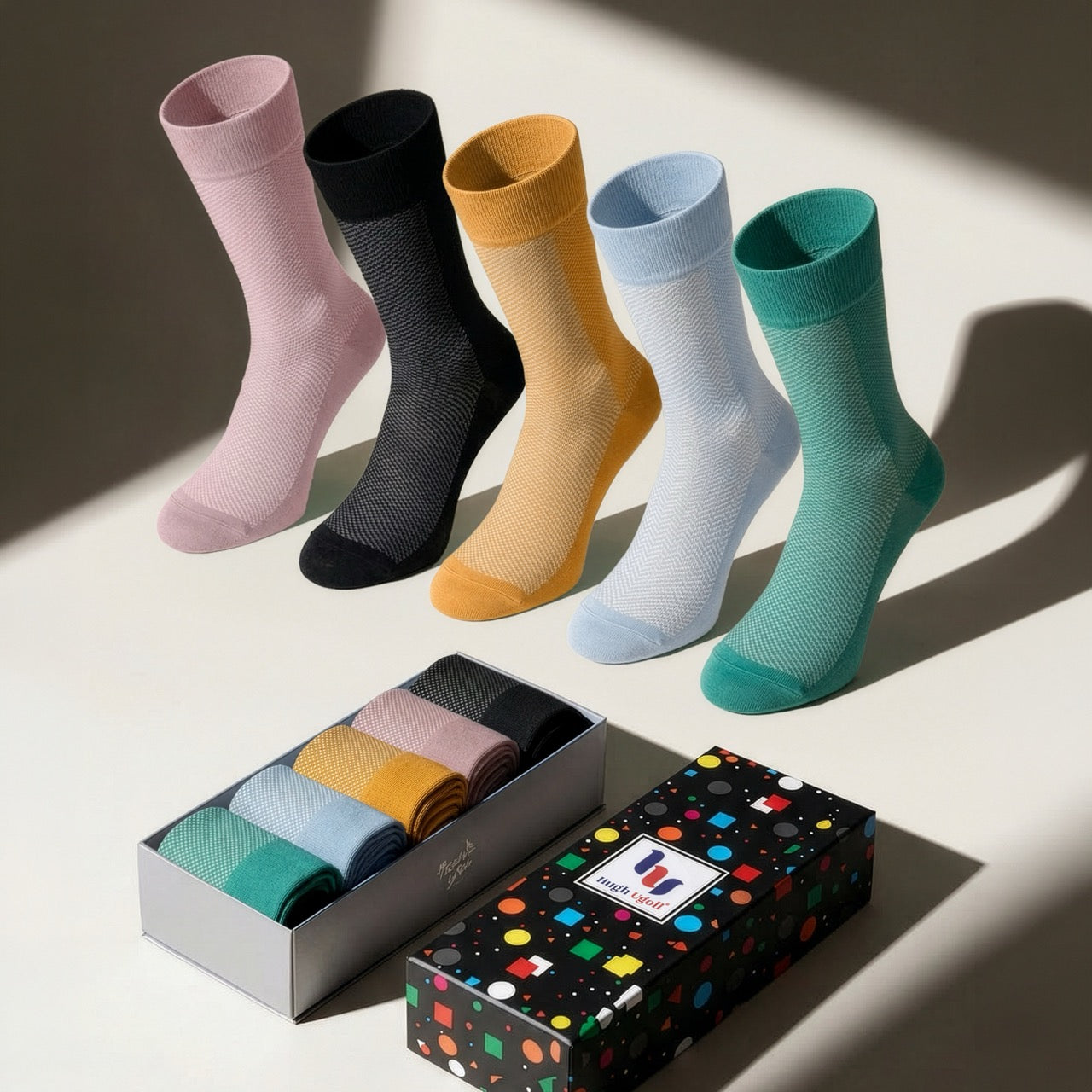
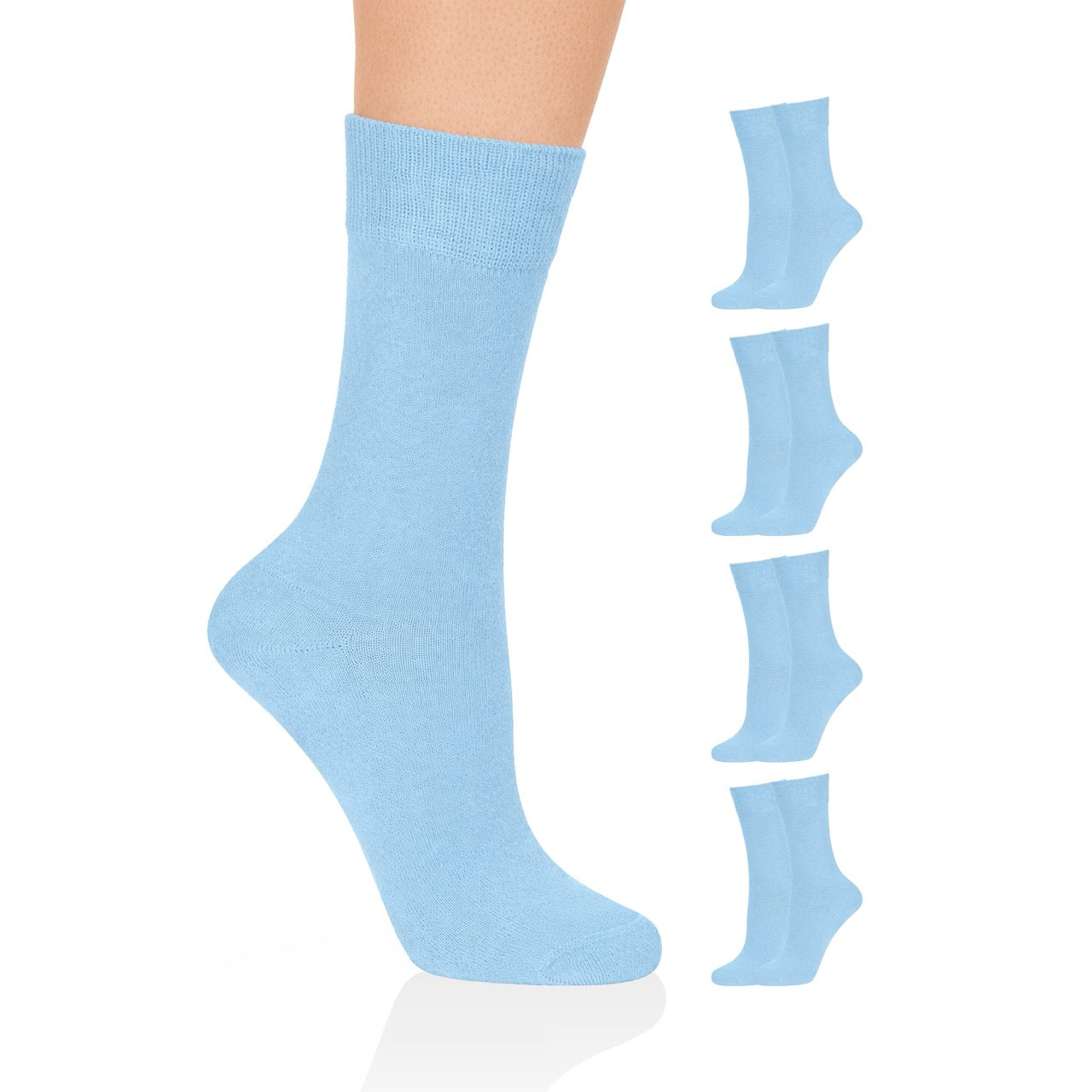
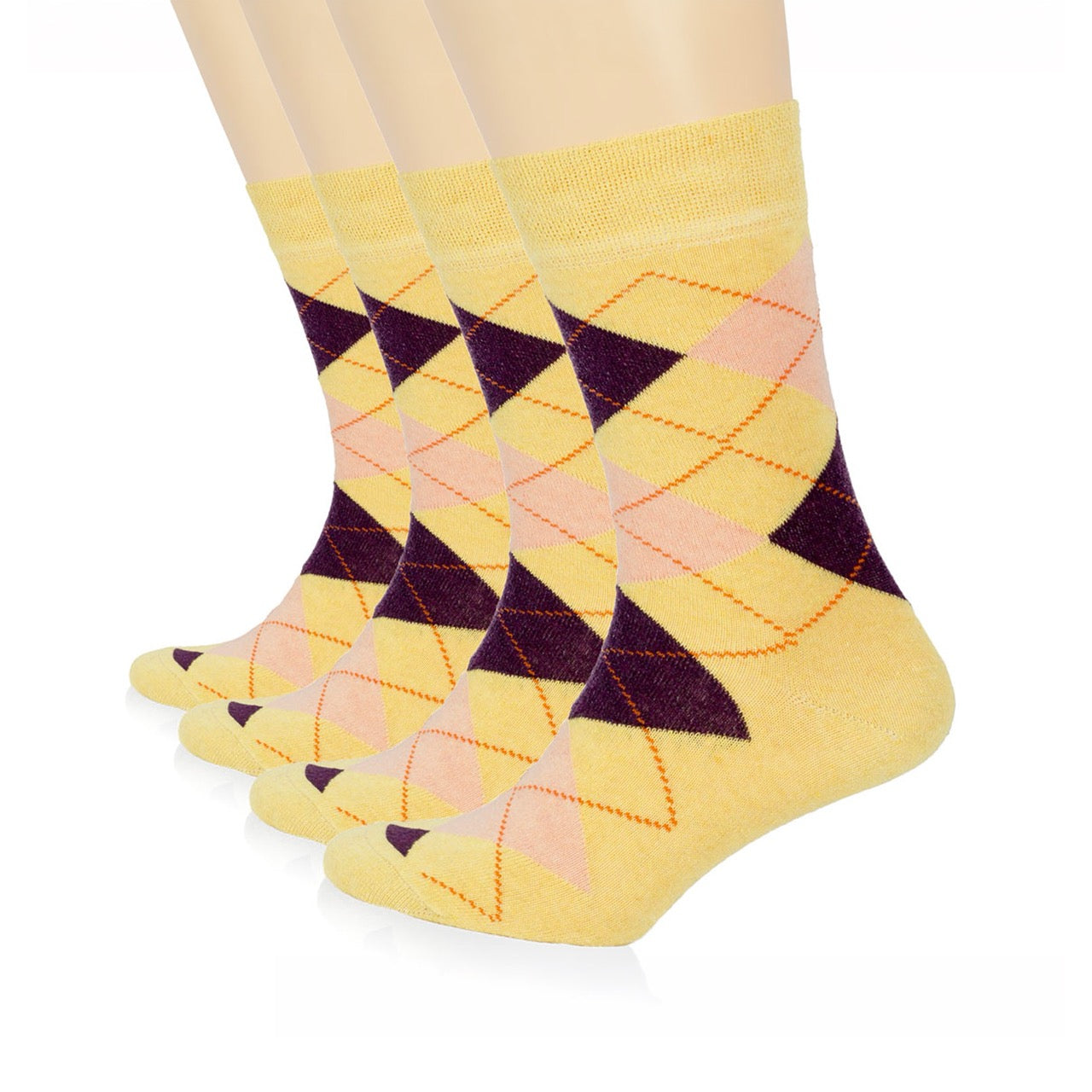
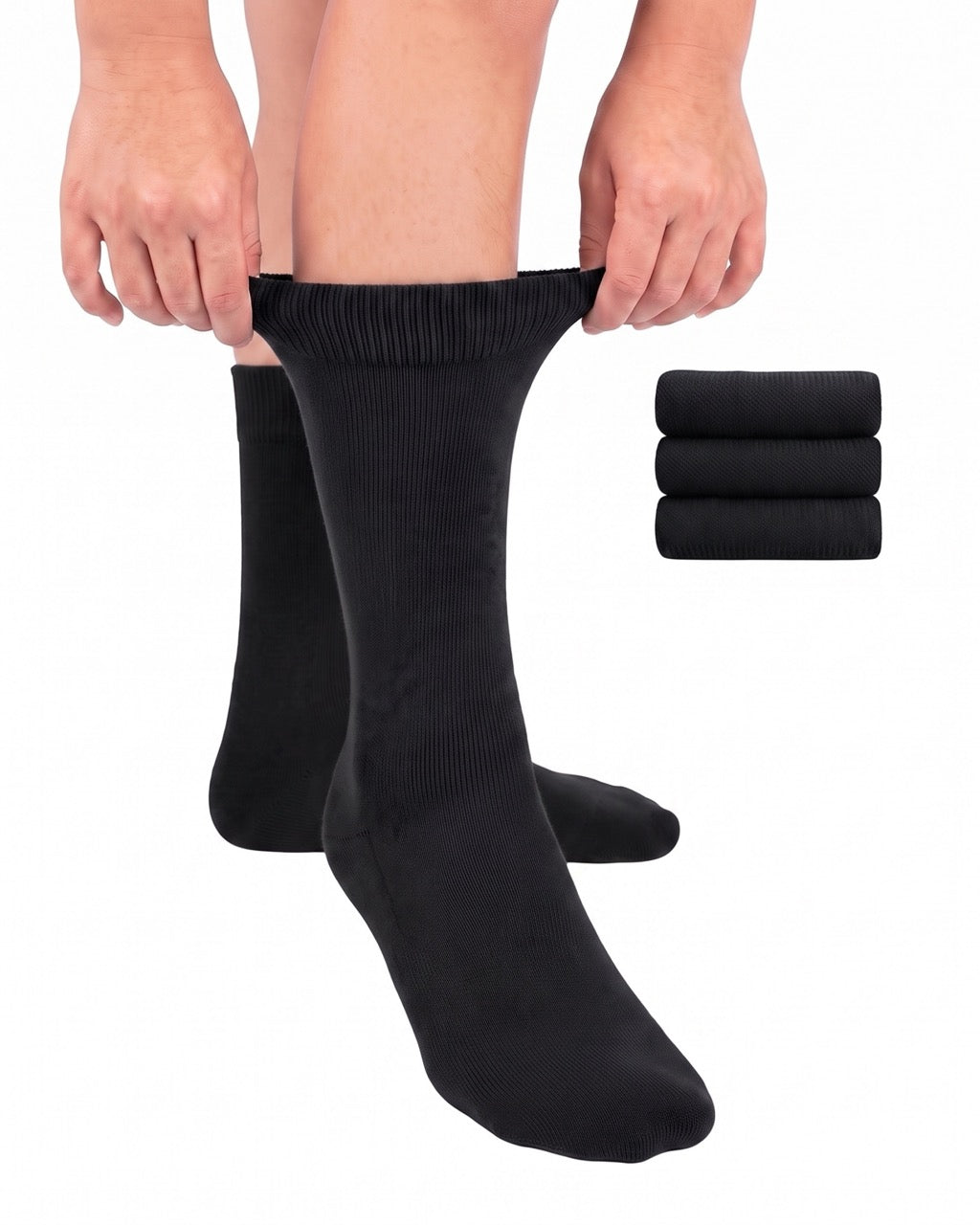
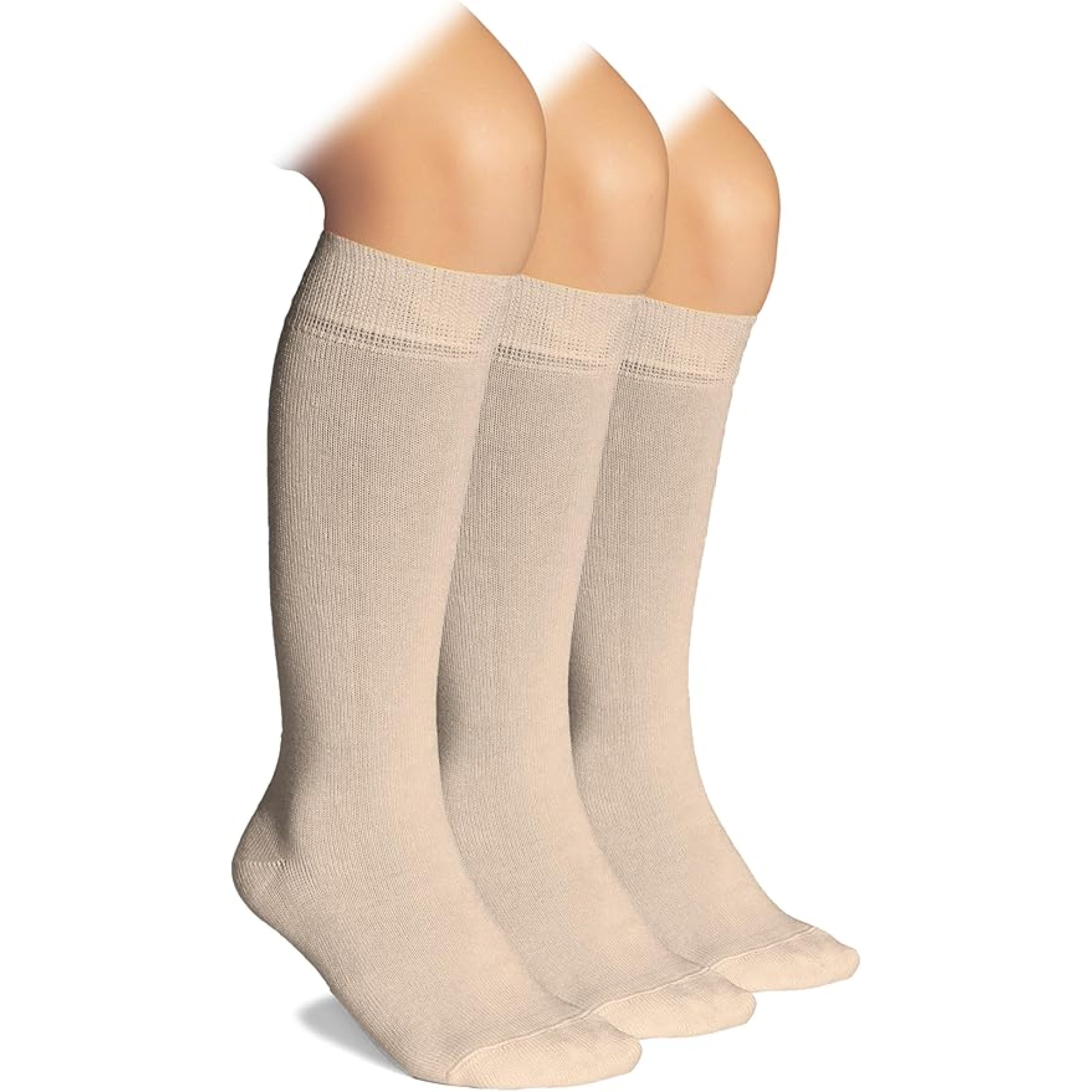


Many people assume that thick socks automatically make feet hotter. At first glance, that seems logical: more fabric should mean more heat. Yet anyone who has worn a high-quality hiking sock, performance sock, or lightweight merino sock may have experienced something surprising—a thicker sock that actually feels cooler and more comfortable than a thinner one.
This happens because comfort is about much more than thickness alone. The way a sock handles heat, airflow, and moisture often matters far more than how thick the fabric appears.
A sock can feel cool even when it is thick if the material effectively manages moisture, promotes airflow, and regulates temperature. High-performance fibers such as merino wool help prevent overheating by moving moisture away from the skin and reducing the conditions that normally trap heat inside shoes.
Many people judge socks by appearance alone.
A thin sock often looks cooler, while a thick sock appears warmer. However, two socks with similar thickness can perform very differently depending on:
In many cases, a high-quality thick sock feels more comfortable than a thin sock made from lower-performing materials.
When feet become hot and uncomfortable, moisture is often the real culprit.
Feet naturally sweat throughout the day. If that moisture stays trapped inside shoes, it creates:
This is why socks that manage moisture effectively often feel cooler, regardless of thickness.
Many premium socks use fibers designed to move moisture away from the skin.
When sweat is transported away from the foot:
This process helps prevent the warm, damp environment that makes feet feel overheated.
Thick socks are not always dense socks.
Many performance socks use specialized knitting patterns that create small air channels within the fabric.
These channels allow:
As a result, the socks feel cooler than their thickness might suggest.

Merino wool is one of the best examples of a material that challenges traditional assumptions about thickness and warmth.
Many people hear the word "wool" and immediately think of heavy winter clothing. Modern merino fibers are very different.
This is why many outdoor enthusiasts wear merino wool socks year-round, including during warm weather.
There is an important difference between insulation and temperature regulation.
Some fabrics simply hold warmth.
Others actively help balance temperature.
High-quality materials work to keep feet comfortable in changing conditions by releasing excess heat when needed and retaining warmth when temperatures drop.
This helps explain why some socks can keep feet cool in summer while also helping prevent cold feet during cooler weather.
It may seem counterintuitive, but thin socks are not always cooler.
Some very thin socks:
When moisture accumulates, feet often feel warmer and less comfortable despite the reduced fabric thickness.
Thicker socks often include additional cushioning in high-pressure areas.
This cushioning may improve comfort by:
When friction decreases, feet often feel less fatigued and more comfortable throughout the day.
Socks are only part of the equation.
Even the most breathable sock can struggle if paired with poorly ventilated footwear.
Factors that influence foot temperature include:
The best results occur when breathable socks are paired with breathable shoes.
Many hikers, runners, and outdoor enthusiasts intentionally choose moderately thick socks.
They do so because quality performance socks provide:
These benefits often outweigh the perceived advantage of extremely thin socks.
Yes.
This is one of the reasons materials like merino wool are so popular.
Quality socks can help:
The result is greater comfort across a wider range of temperatures.
If you want a thick sock that remains comfortable during daily wear, look for:
These characteristics usually matter more than thickness alone.
A thick sock does not automatically mean a hot sock. Materials, moisture control, airflow, and fabric design all influence how comfortable a sock feels throughout the day.
High-quality fibers such as merino wool help prevent the conditions that trap heat, allowing thicker socks to remain surprisingly cool and comfortable. In many cases, the best sock for warm weather is not the thinnest one—it is the one that manages moisture and temperature most effectively.
No. Breathable materials and moisture management often matter more than thickness.
Merino wool helps regulate temperature and move moisture away from the skin.
Yes. Many performance socks are designed to remain comfortable in warm conditions.
Thin socks with poor moisture control can trap sweat and create a warmer environment inside shoes.
Temperature-regulating materials like merino wool can help maintain comfort across a wide range of conditions.
He has been working for more than 20 years in the textile industry and has work experience in many parts of the world.