Cart
0
You may also like
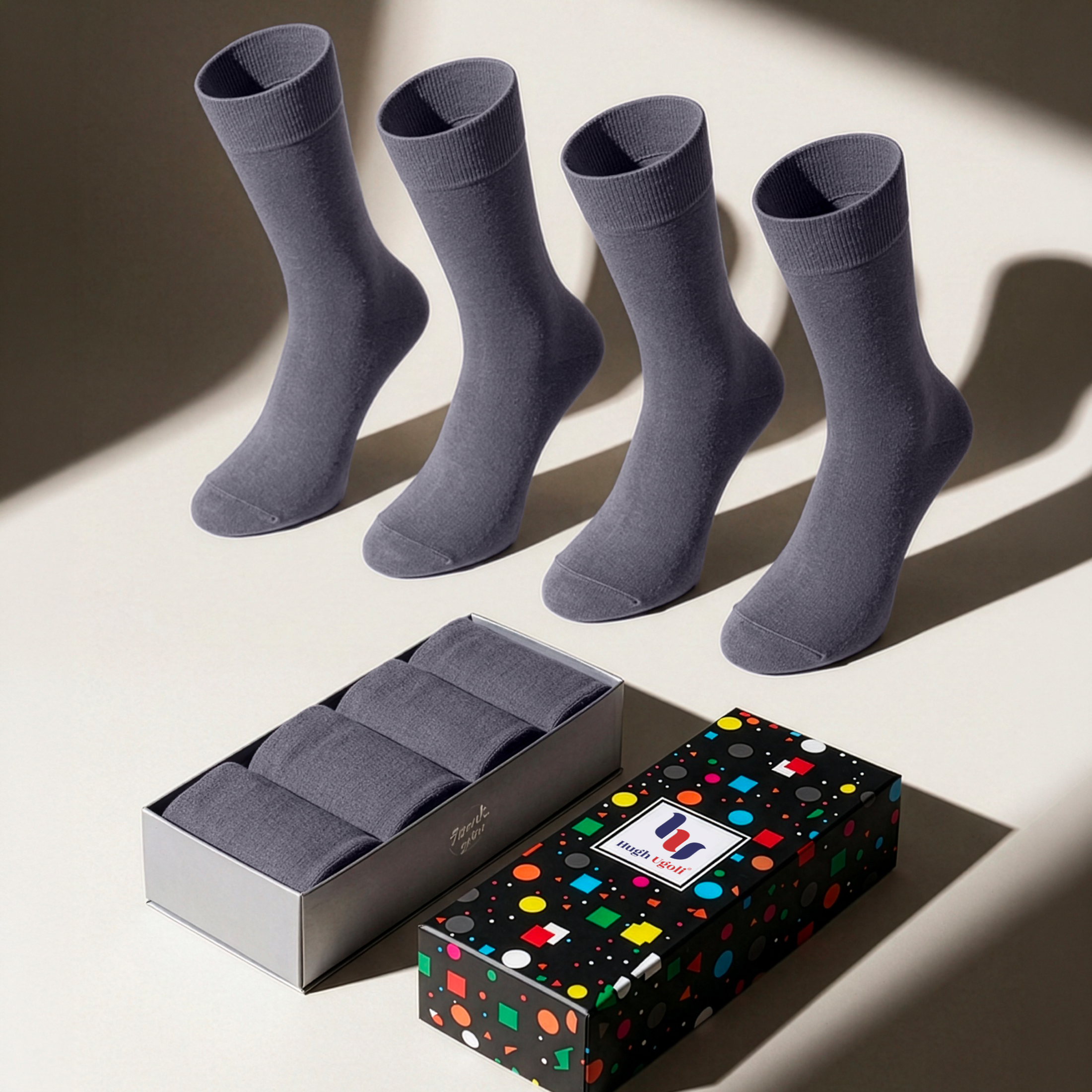
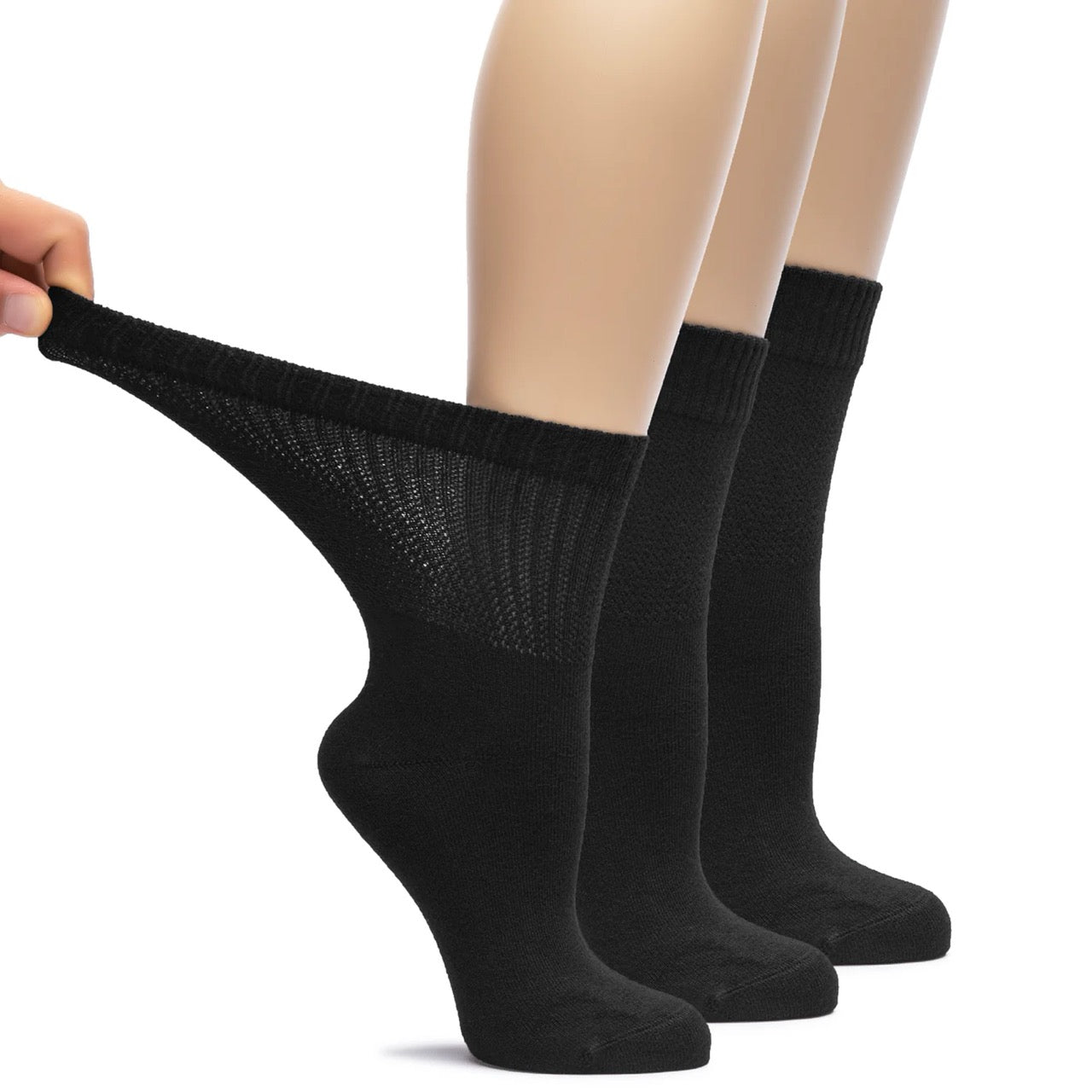
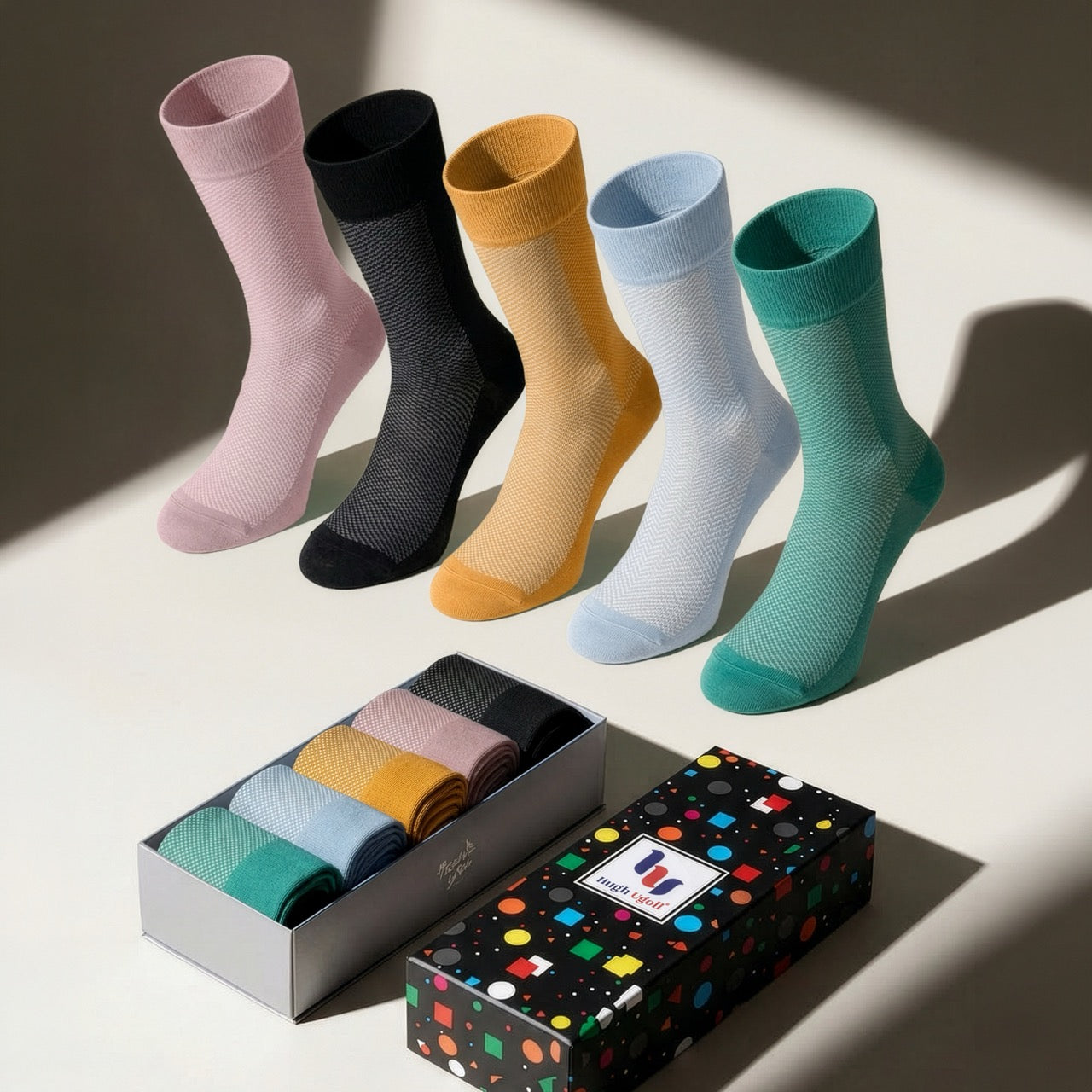
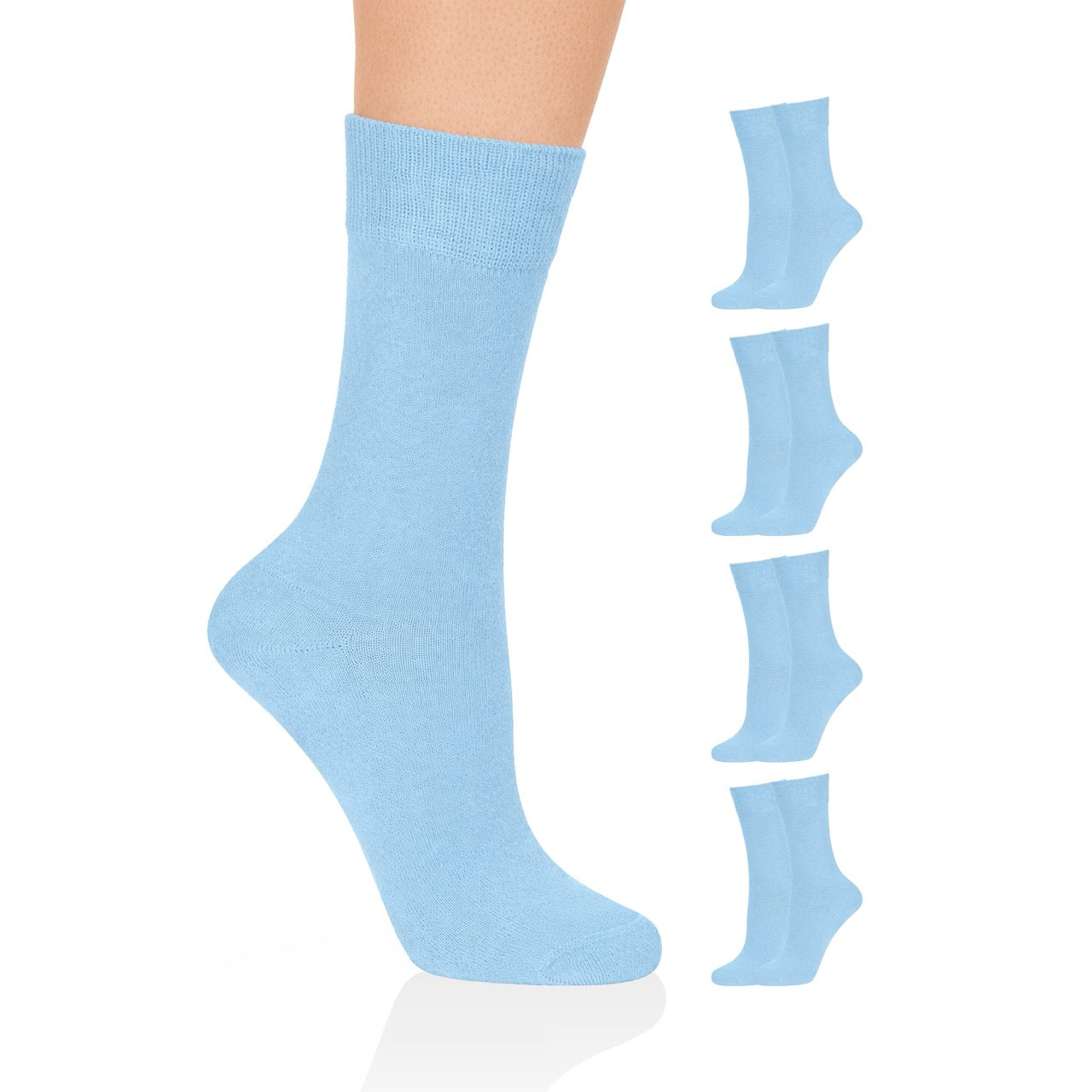


Compression socks should feel firm and even, strongest at the ankle and easing toward the knee, but never painful. They are too tight or the wrong size if your toes go numb or tingle, your skin turns pale or bluish, the top band feels like a tight ring, swelling bulges above the sock, or deep marks are still visible hours later. Common causes are sizing by shoe size instead of ankle and calf measurements, measuring in the evening, choosing a higher mmHg level than needed, and folding the top down. Take them off if something feels wrong, re-measure in the morning, and check with your healthcare provider.
Key Takeaways
Compression socks are supposed to feel tight. That is the whole point. But there is a difference between the firm, even squeeze of a well-fitted compression sock and the kind of tightness that leaves your legs numb, marked or aching. Plenty of people push through discomfort because they assume that is simply what compression feels like. Sometimes it is. Often, it is a sign that the size, the compression level or the way the sock is being worn is wrong.
This guide explains what "correctly tight" should feel like, the specific signs that your compression socks are too tight or the wrong size, the most common reasons it happens, and what to do about it. If you were prescribed compression by a doctor, the most important step is always to go back to them with any concerns. This article will help you describe what you are noticing.
Compression socks and stockings apply pressure to the lower leg. Most medical-grade versions are graduated: the pressure is strongest at the ankle and gradually decreases up the leg. That gradient is designed to encourage blood and fluid to move up toward the heart rather than pooling in the lower legs.
Pressure is measured in millimeters of mercury (mmHg). Common ranges are roughly:
| Level | Typical range | Commonly used for |
|---|---|---|
| Mild | 8–15 mmHg | Tired legs, long days sitting or standing |
| Moderate | 15–20 mmHg | Travel, mild swelling, over-the-counter use |
| Firm | 20–30 mmHg | Varicose veins, moderate swelling; often recommended by a clinician |
| Extra firm | 30–40 mmHg and above | Specific medical conditions; prescription and professional fitting |
Mayo Clinic explains that stronger compression is usually prescribed with specific measurements, and that legs are ideally measured when they are least swollen, typically in the morning. That point comes up again and again when things go wrong.

A well-fitted compression sock should feel:
The Cleveland Clinic's guide to compression socks puts it simply: they should feel snug, but if they feel uncomfortably tight, take them off. That is a good rule to hold onto.
If your feet or toes go numb, tingle or feel like they have fallen asleep while wearing compression socks, that is a warning sign. It can mean the pressure is restricting more than it should. Take the socks off and let your legs recover. If it happens repeatedly, stop wearing that pair and speak to whoever recommended them.
Toes or feet that look pale, white, bluish or dusky while wearing compression are a sign to remove the socks straight away. Cleveland Clinic lists discoloration and numbness among the signs that compression socks may be too tight.
Pressure is normal. Pain is not. Sharp pain, throbbing, or aching that gets worse the longer you wear the socks suggests something is wrong with the fit or the compression level.
Most socks leave light marks. With compression socks, faint lines that fade within an hour or so are usually fine. Deep grooves, especially at the top band, or marks that are still visible hours later, suggest the sock is too tight or the band is digging in.
If the top of the sock feels like a tight ring around your calf or below your knee, that is a problem. Compression socks are designed to be tightest at the ankle, not at the top. A tight top band can work against the whole point of graduated compression. Often this happens when the sock is too short for your leg, or when it has been rolled or folded down.
If you see swelling that bulges above the top edge of the sock, the band may be restricting flow at that point. This is a sign to stop and have your fit rechecked.
Redness, chafing, itching or blisters can mean the sock is too tight, the wrong size, or not suited to your skin. Mayo Clinic recommends checking your legs daily for irritation, redness or color changes while wearing compression, since these may point to a poor fit.
Compression socks are harder to put on than regular socks. That's expected. But if you are struggling for several minutes every morning, or you can only get them on by overstretching them, the size may be too small or the compression level may be higher than you need.
Sometimes the problem isn't that the sock is too tight overall, but that it doesn't fit your leg's shape.
Many over-the-counter compression socks are sold by shoe size. That's not enough. Compression sizing usually depends on ankle circumference and calf circumference, and sometimes on leg length. Two people with the same shoe size can need very different compression sizes.
Legs are usually smallest in the morning and largest in the evening. If you measure in the evening, the sock may fit loosely in the morning. If you measure in the morning and then try to put socks on in the afternoon after swelling has developed, they may feel far too tight.
It is easy to assume that more compression is better. It isn't. A 20–30 mmHg sock is noticeably firmer than a 15–20 mmHg sock, and higher levels are generally something a clinician should recommend. If you picked a level on your own and it feels uncomfortable, a lower level may suit you better. Ask your provider.
Folding the top band down doubles the fabric and creates a tight ring exactly where compression should be lightest. Mayo Clinic advises against folding the top down.
Some compression is designed for daytime wear only. Wearing it overnight when that hasn't been recommended can be uncomfortable. Our article on whether you can wear compression socks to bed covers this in more detail.
Weight changes, pregnancy, a new medication or a change in a health condition can all change how compression fits. A size that worked a year ago might not work now.
Compression is not suitable for everyone. The Cleveland Clinic's overview of compression therapy notes that certain health conditions call for caution. People who should talk to a clinician before using compression include those with:
If you have diabetes and are wondering whether compression is right for you, our article on whether diabetics can wear compression socks explains what the evidence says.
Numbness, color change, sharp pain, or swelling above the band are reasons to take the socks off, not to wait it out.
Measure your ankle at its narrowest point and your calf at its widest point, ideally first thing in the morning. Compare those measurements with the manufacturer's size chart. Not your shoe size, the actual chart.
Turn the sock inside out to the heel, slip your foot in, and gradually unroll the rest up your leg, smoothing as you go. Make sure the heel is seated and there are no wrinkles. A donning aid can make this much easier if grip strength or flexibility is limited.
If you chose the level yourself, a lower level may be enough. If a clinician recommended it, go back to them before switching.
Compression fabric loses elasticity over time. Old socks may slide down and bunch, creating uneven pressure. Many manufacturers suggest replacing compression garments every few months with regular wear.
If discomfort continues after resizing, or if you notice skin changes, persistent swelling or pain, contact your provider. They can check whether compression is still appropriate and whether you need a professional fitting.
Many people reach for compression socks because their regular socks leave deep marks or feel tight at the end of the day. That is a different problem. If you haven't been advised to wear compression, and what you really want is a sock that doesn't dig in, a non-binding sock may be the better fit.
Non-binding socks are designed to stay up without squeezing the leg. They don't provide graduated compression and shouldn't be used as a substitute where compression has been prescribed, but many people find them more comfortable for everyday wear, especially when feet and ankles tend to swell later in the day. Our explainer on compression socks vs regular socks breaks down the difference.
A few options from our range that people often choose for this:
If you have varicose veins and are deciding between the two approaches, our comparison of compression vs non-binding socks for varicose veins goes into more detail.
Travel is one of the most common reasons people buy compression socks for the first time, and one of the most common times they end up wearing the wrong size. Long flights involve hours of sitting, and feet can swell. If you are buying compression for a trip, try the socks at home first, ideally for a few hours, rather than wearing them for the first time on the plane. Our guide to compression socks for flying covers what the research says and practical tips for long trips.
If you answered "no" to any of these, that is the place to start.
Compression socks should feel firm, not painful. Numbness, color changes, deep marks, a tight band at the top or swelling above the sock are all signs that something is off, whether that is the size, the compression level or how the socks are being worn. Most of these problems can be solved by measuring properly, putting the socks on carefully and checking in with a healthcare provider. And if what you really need is a sock that simply doesn't dig in, a well-made non-binding sock may be the more comfortable choice.
This article is for general information and is not medical advice. Talk to your healthcare provider about your own feet.
They should feel firm and even, like a snug hug that's strongest at the ankle and eases toward the knee. They should not cause pain, numbness or tingling. If they feel uncomfortably tight, take them off.
You may notice numbness, tingling, pale or bluish toes, pain, deep grooves that don't fade, or swelling above the top band. These are signs to remove the socks and recheck the size and compression level.
Light marks that fade within an hour or so are common. Deep dents, especially at the top band, or marks still visible hours later suggest the sock is too tight or the band is digging in.
Measure your ankle at its narrowest point and your calf at its widest, ideally in the morning, and use the manufacturer's size chart. Shoe size alone isn't enough for compression sizing.
People with peripheral artery disease, diabetic neuropathy, fragile skin or leg wounds, skin infections or heart failure should talk to a healthcare provider before using compression.
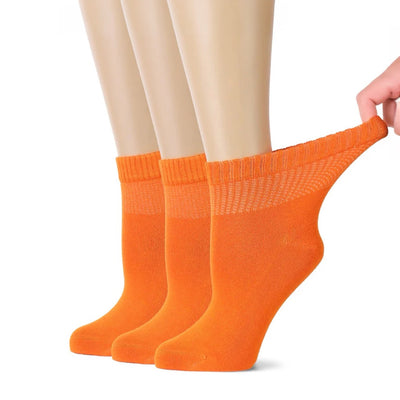
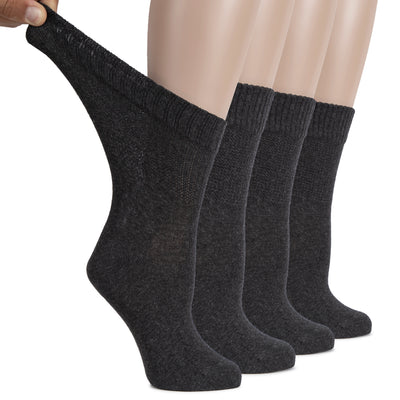
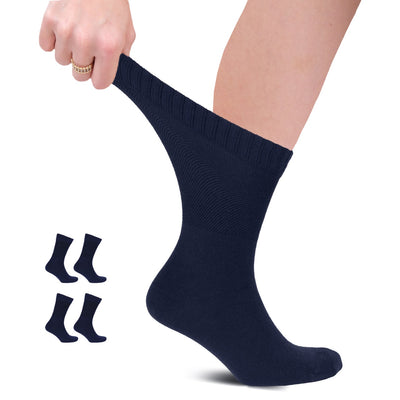
Discover All Hugh Ugoli Socks
Shop All Socks