Cart
0
You may also like
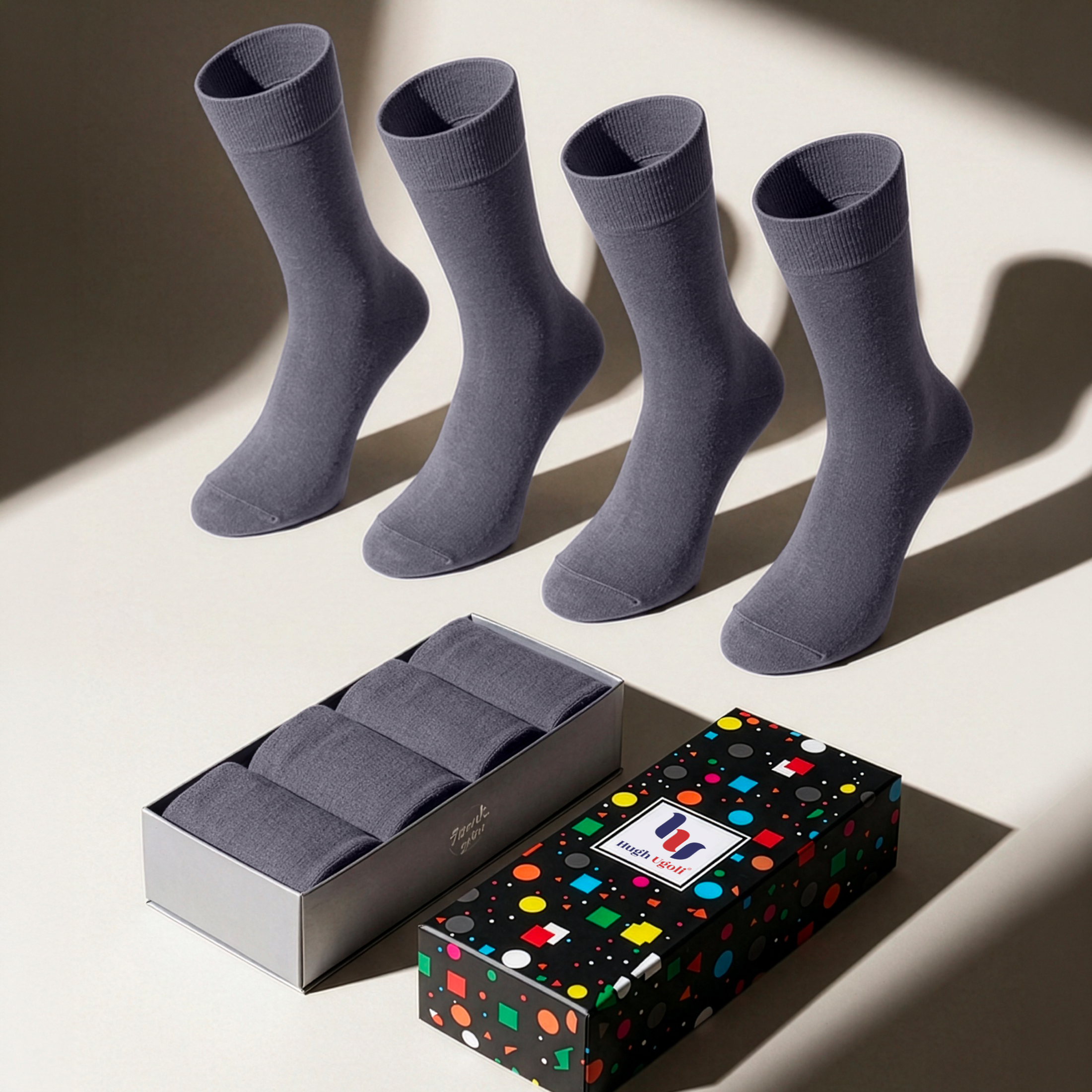
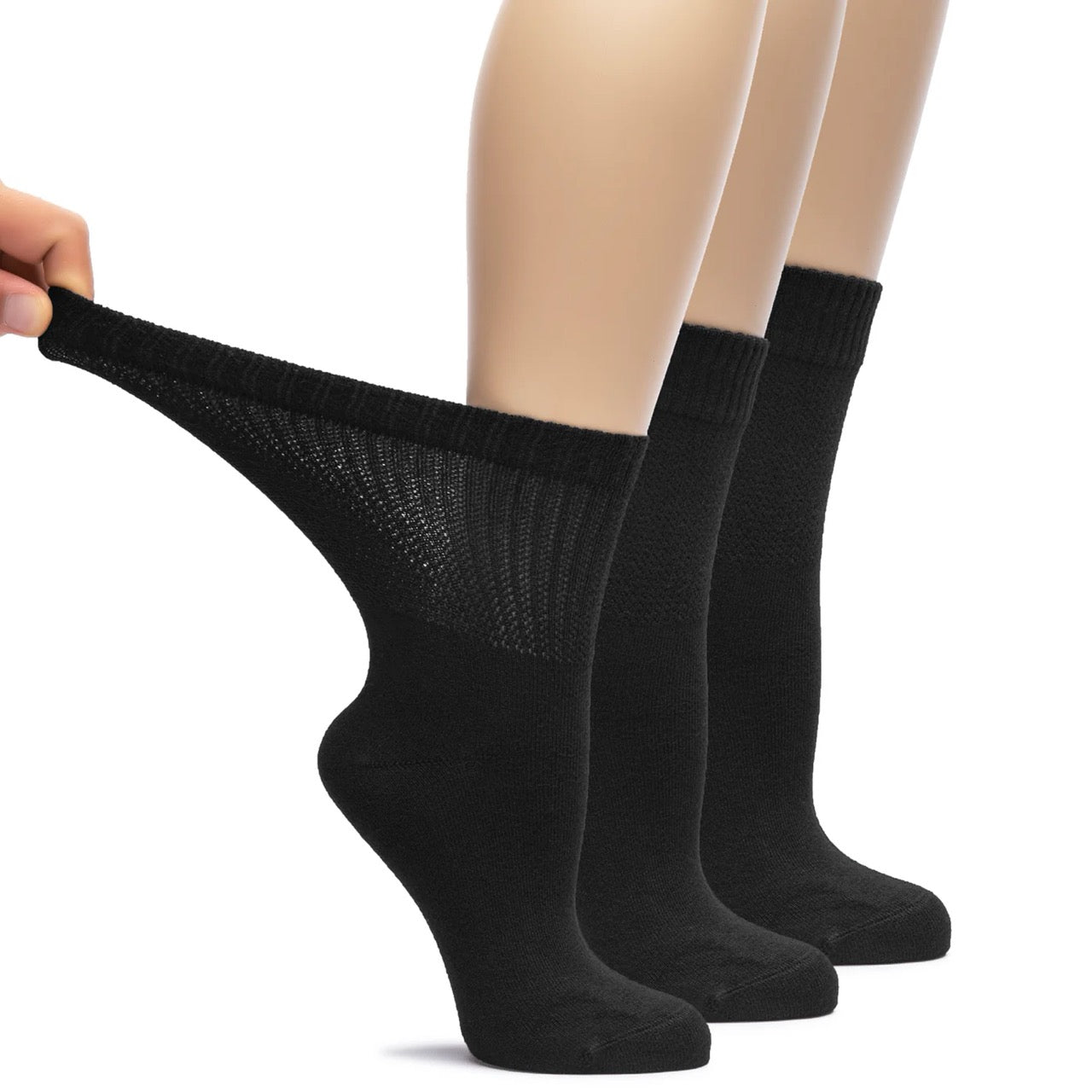
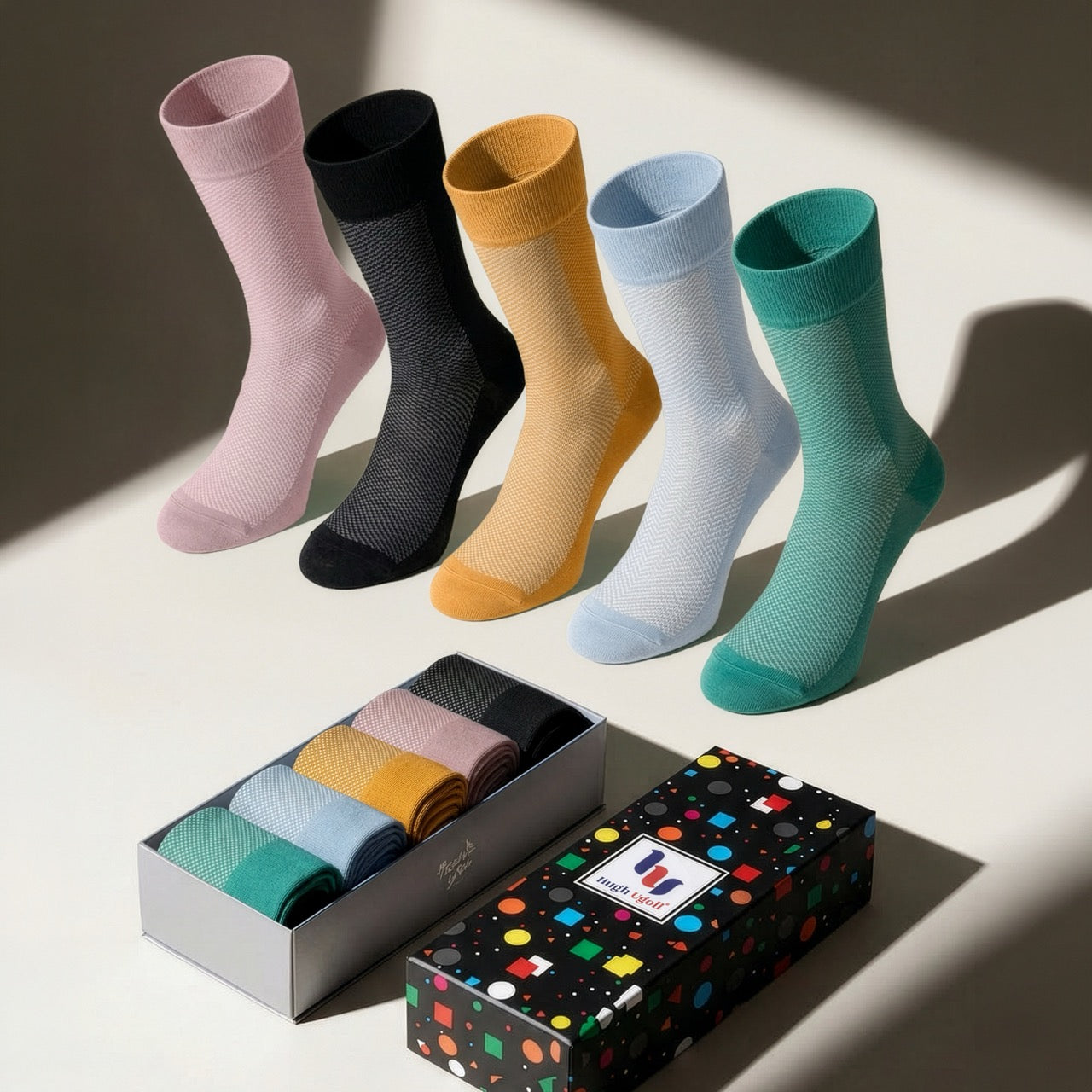
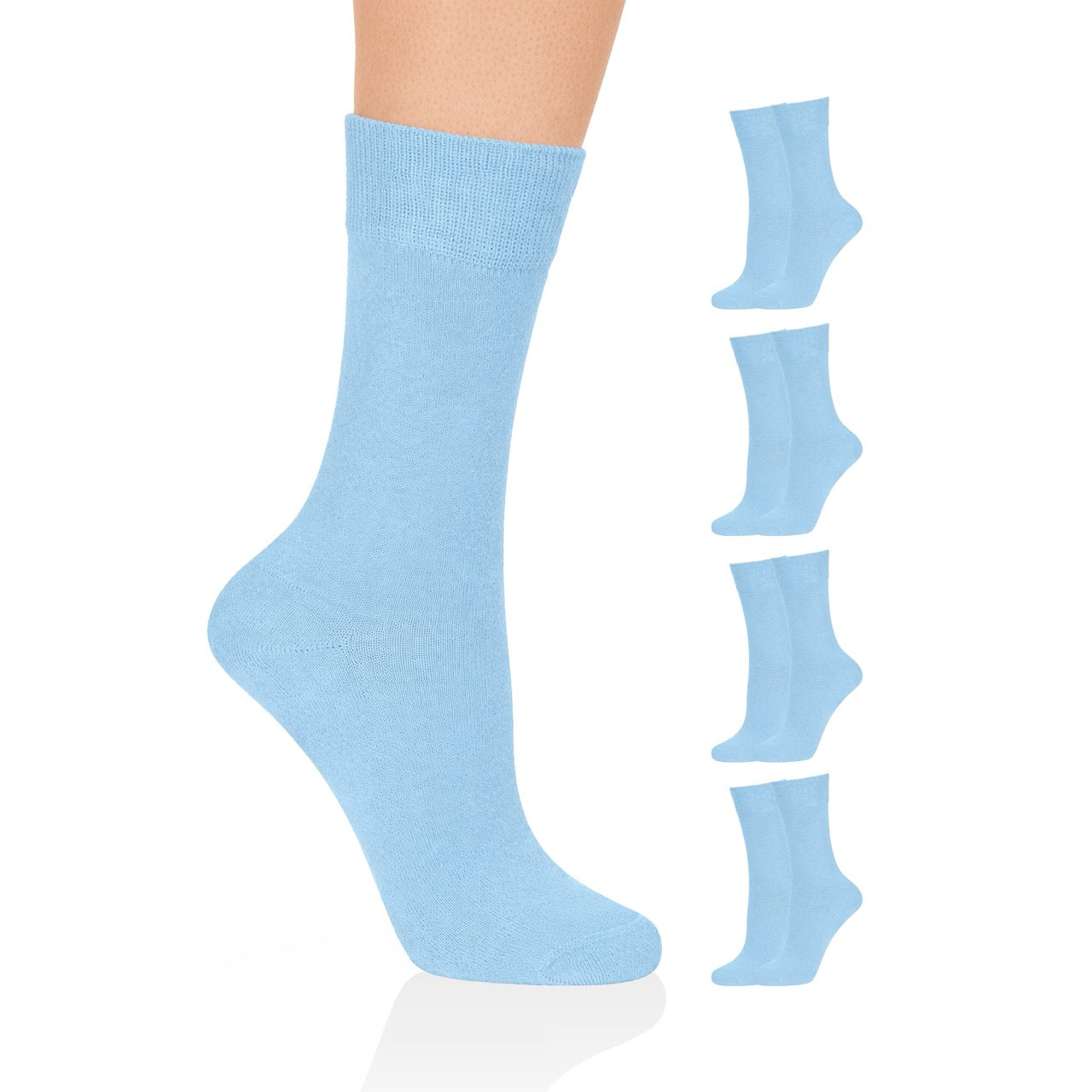
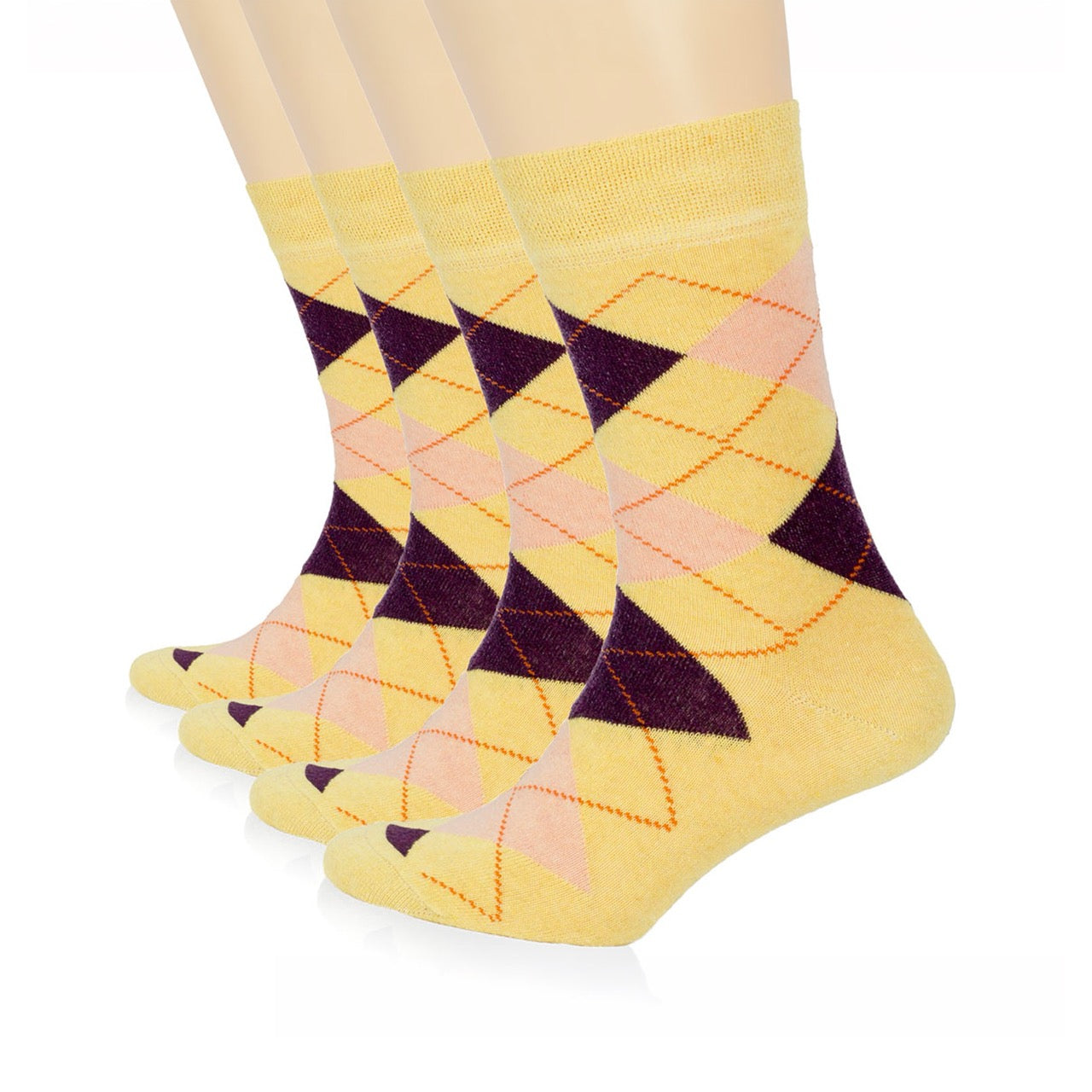
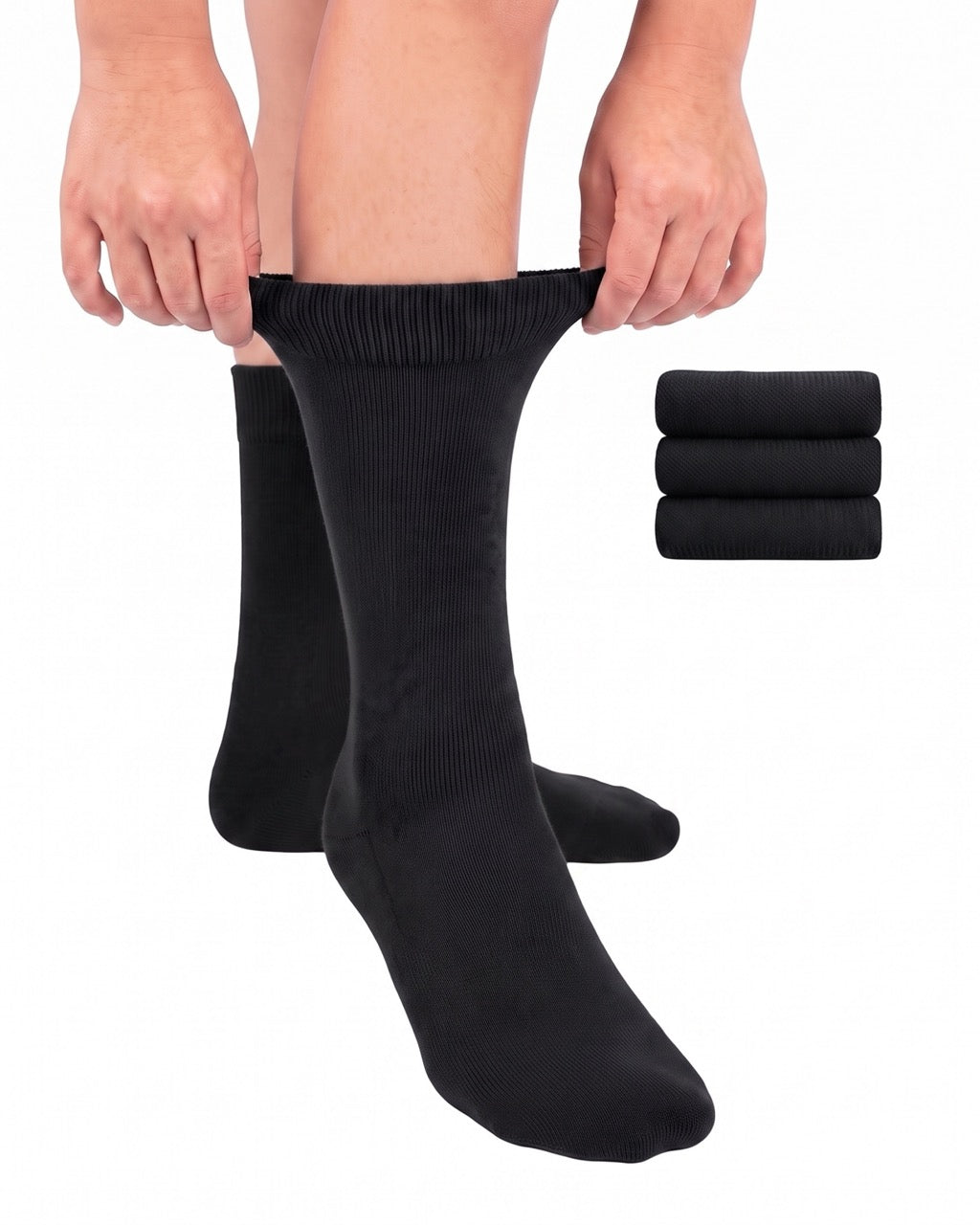
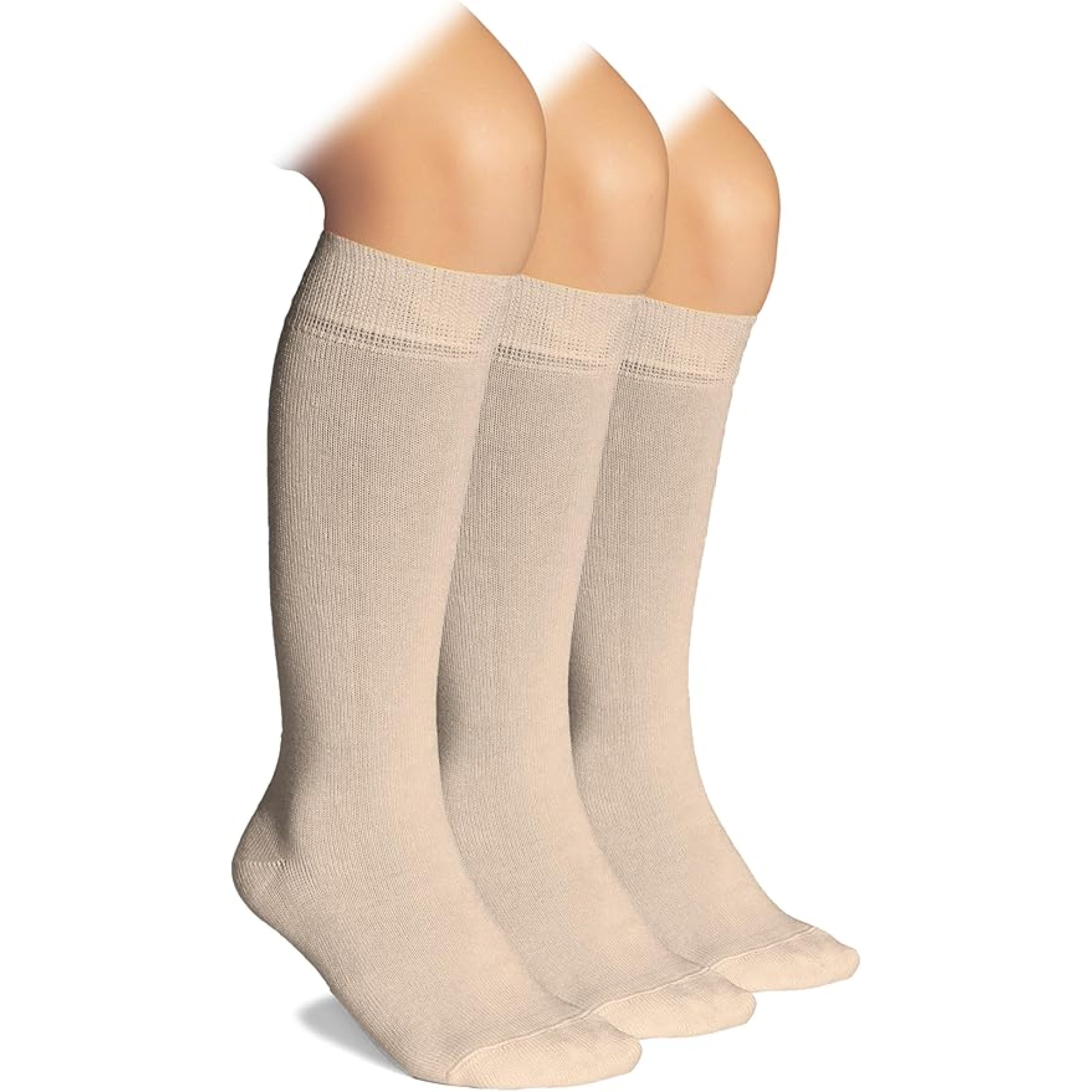


Foot discomfort can turn an otherwise normal day into a frustrating experience. Whether you're walking for hours, working on your feet, traveling, or exercising, problems like irritation, blisters, and pressure marks often start with something surprisingly simple: your socks.
While shoes usually receive most of the attention, socks play a critical role in comfort and foot protection. The right socks help manage moisture, reduce friction, and support healthy circulation, while the wrong pair can contribute to rubbing, pressure, and skin irritation.
Your socks serve as the primary layer between your feet and your shoes. Every step creates movement, pressure, and friction inside footwear.
When socks perform poorly, they may contribute to:
Choosing better socks is one of the easiest ways to protect your feet during daily activities.
Foot irritation typically develops when repeated rubbing occurs between the skin, sock, and shoe.
Several risk factors increase the likelihood of irritation:
The longer these conditions continue, the more noticeable discomfort becomes.
A blister forms when friction repeatedly irritates the skin.
The body's natural response is to create a protective pocket of fluid beneath the outer layer of skin.
Most blisters are:
Although small blisters may heal on their own, prevention is always preferable to treating a blister after it develops.
Friction is one of the leading causes of foot discomfort.
Every step creates movement between:
If the sock shifts, bunches, or retains moisture, friction increases significantly.
This can eventually lead to friction blisters and irritated skin.

Moisture softens the outer layer of skin, making it more vulnerable to damage.
Sweaty feet often experience:
This is why moisture wicking socks are often recommended for active individuals and travelers.
Moisture wicking socks are designed to move sweat away from the skin instead of trapping it against the foot.
Keeping feet dry is one of the most effective ways to prevent irritation.
Even high-quality socks can become uncomfortable if they do not fit correctly.
When socks fit properly, they stay in place and provide consistent comfort.
A properly fitted sock should feel secure without feeling restrictive.
Another common issue is pressure from tight socks.
Socks that squeeze too firmly around the ankle or calf may:
When socks leave marks regularly, it may be a sign that the fit is too tight.
Small pressure points may seem insignificant at first but become increasingly noticeable during long days of standing or walking.
Pressure often develops around:
Well-designed socks help distribute pressure more evenly.
Merino wool is one of the most effective sock materials for comfort.
Unlike traditional heavy wool, modern merino fibers are:
These qualities help reduce moisture buildup and friction throughout the day.
Warm, damp environments create favorable conditions for athlete's foot and other skin concerns.
Excess moisture may contribute to:
Keeping feet dry helps support healthier skin conditions.
While moisture buildup can be problematic, overly dry skin also deserves attention.
Dry skin may:
Comfortable socks help create a more balanced environment for skin health.
Socks should stay in place without interfering with healthy blood flow.
Gentle, non-binding cuffs help reduce unnecessary pressure around the ankle and calf.
This improves overall comfort during extended wear.
Most foot irritation improves when footwear and socks are adjusted appropriately.
However, persistent symptoms may require evaluation by a healthcare professional.
You should seek professional advice if you experience:
When selecting socks, prioritize:
These features help reduce friction and improve overall comfort.
Foot irritation, blisters, and pressure marks often develop gradually through repeated friction, moisture buildup, and poor sock fit. Fortunately, many of these problems can be prevented with better sock choices.
Socks that fit properly, manage moisture effectively, and reduce pressure points help protect your feet during work, travel, exercise, and everyday life. Investing in comfortable, breathable socks is one of the simplest ways to support long-term foot comfort and health.
Friction blisters develop when repeated rubbing creates damage between the skin, sock, and shoe.
Yes. Moisture-wicking socks help keep feet dry, reducing friction and blister risk.
Socks may leave marks when cuffs apply pressure to the skin, especially after long periods of wear.
Yes. Merino wool helps regulate moisture and temperature while providing soft comfort.
If irritation, blisters, swelling, or skin issues persist despite footwear changes, professional evaluation is recommended.
He has been working for more than 20 years in the textile industry and has work experience in many parts of the world.