Cart
0
You may also like
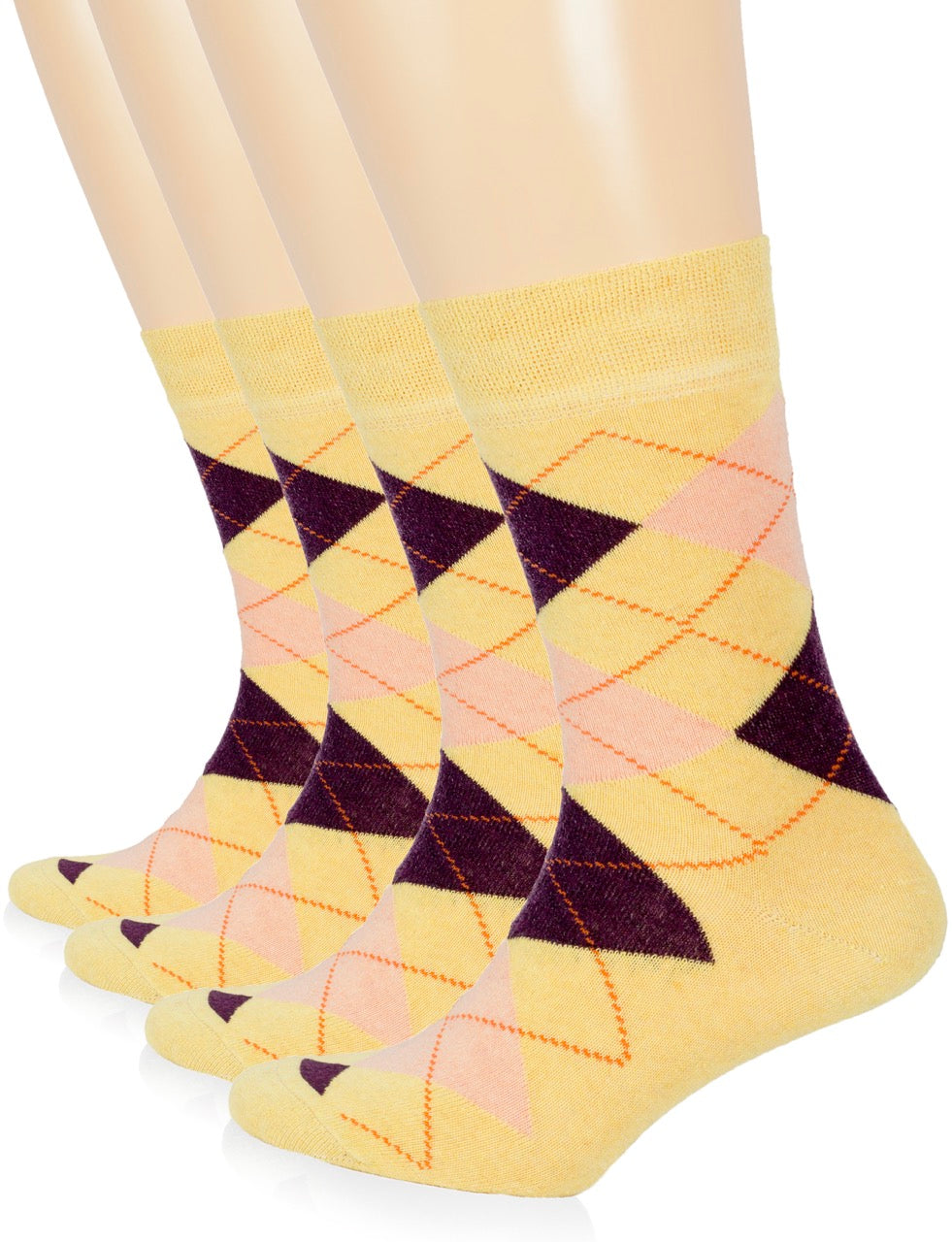


Most people rarely think about the seams inside their socks. However, for individuals with sensitive feet, even a small raised seam can become a significant source of discomfort. What feels like a minor detail at first can become increasingly noticeable after walking, working, or participating in physical activity for extended periods.
This is why seamless socks have become a popular choice for comfort-focused consumers. By eliminating bulky seams and reducing friction points, they help improve comfort, support foot health, and create a smoother wearing experience throughout the day.
Traditional socks are typically manufactured by joining fabric sections together. This process often creates a noticeable sock seam, particularly around the toe area.
Seamless socks are designed differently. Through specialized knitting and finishing techniques, they feature a much smoother interior structure with minimal or nearly imperceptible seams.
The goal is simple: create a sock that feels more natural against the skin.
A traditional sock seam may seem insignificant when first putting on socks. However, after hours of movement, even small pressure points can become uncomfortable.
As you walk, stand, or exercise, seams repeatedly:
For some people, these effects are minor. For others, they can significantly affect daily comfort.
One of the primary benefits of seamless construction is its ability to reduce friction.
Friction develops whenever skin repeatedly moves against fabric. Over time, this can contribute to:
Because seamless socks remove prominent seam lines, there are fewer areas where rubbing occurs.
This creates a smoother environment inside the shoe and helps improve overall comfort.

Individuals with sensitive feet often notice small sources of irritation much more quickly than others.
Even minor pressure points can become distracting during a busy day.
Common causes of sensitivity include:
For these individuals, seamless designs can make a meaningful difference.
People with sensitive skin frequently look for clothing and footwear that minimize irritation.
Socks are no exception.
A raised seam may create constant pressure throughout the day, especially when worn inside snug-fitting shoes.
By removing these potential friction points, seamless socks provide a gentler experience for delicate skin.
Comfort is not only about softness. Pressure management matters as well.
High-quality seamless socks help distribute pressure more evenly across the foot.
This often:
These benefits become especially noticeable during long workdays or travel.
Even the smoothest sock can become uncomfortable if moisture builds up.
Sweat increases friction and may make skin more vulnerable to irritation.
That is why many modern seamless socks combine smooth construction with moisture wicking materials.
The combination of seamless design and moisture control often provides the best results.
Foot comfort is especially important for people with diabetes.
Some individuals experience changes in sensation due to diabetes neuropathy, making it harder to detect irritation or pressure points.
This is one reason why many diabetic socks feature seamless toe construction.
The smoother interior helps reduce unnecessary friction and improves day-to-day comfort.
While both styles can be comfortable, seamless options are often preferred when comfort is the top priority.
Almost anyone can enjoy the benefits of seamless socks, but they may be especially helpful for:
These groups often experience the greatest improvement in daily comfort.
Good foot care involves more than choosing the right shoes.
The socks you wear socks every day can influence:
Reducing friction and keeping feet dry are important parts of maintaining healthy feet.
Not all seamless socks are created equal.
When shopping for a quality seamless sock, look for:
These features work together to maximize comfort throughout the day.
Seams may seem like a small detail, but they can have a significant impact on comfort, especially for individuals with sensitive feet. Seamless socks help reduce friction, minimize pressure points, and support better foot health during daily activities.
When combined with breathable, moisture-managing fabrics, seamless construction creates a smoother and more comfortable experience that many people notice from the first wear.
Seamless socks use specialized construction methods to minimize or eliminate noticeable seams, especially around the toe area.
They reduce friction and pressure points that can develop from traditional sock seams.
Yes. They are often recommended for people with sensitive feet because they help reduce rubbing and irritation.
Many diabetic socks feature seamless toe construction to help minimize friction and improve comfort.
They can help reduce friction, which may lower the likelihood of irritation and blister formation during extended wear.
He has been working for more than 20 years in the textile industry and has work experience in many parts of the world.