Cart
0
You may also like
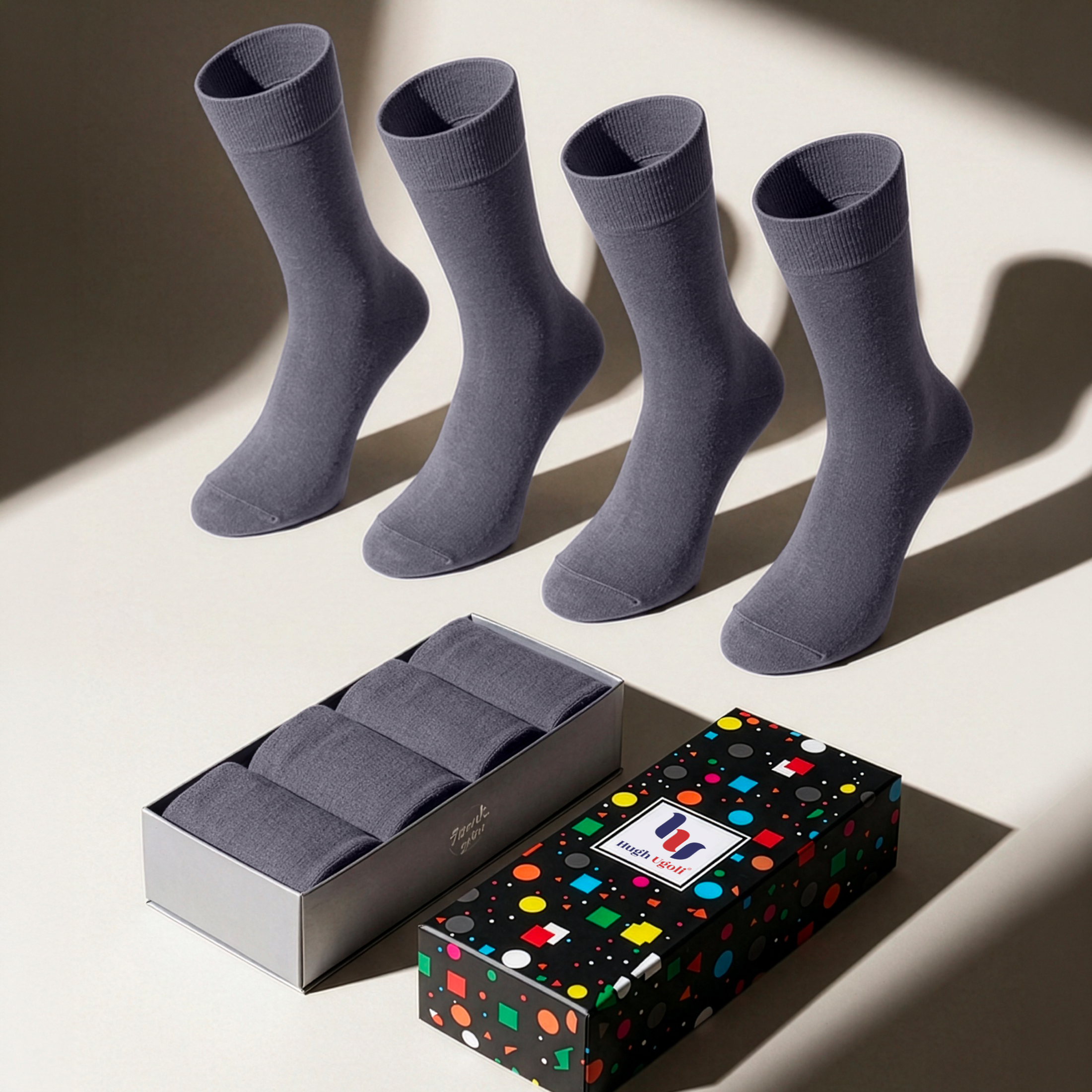
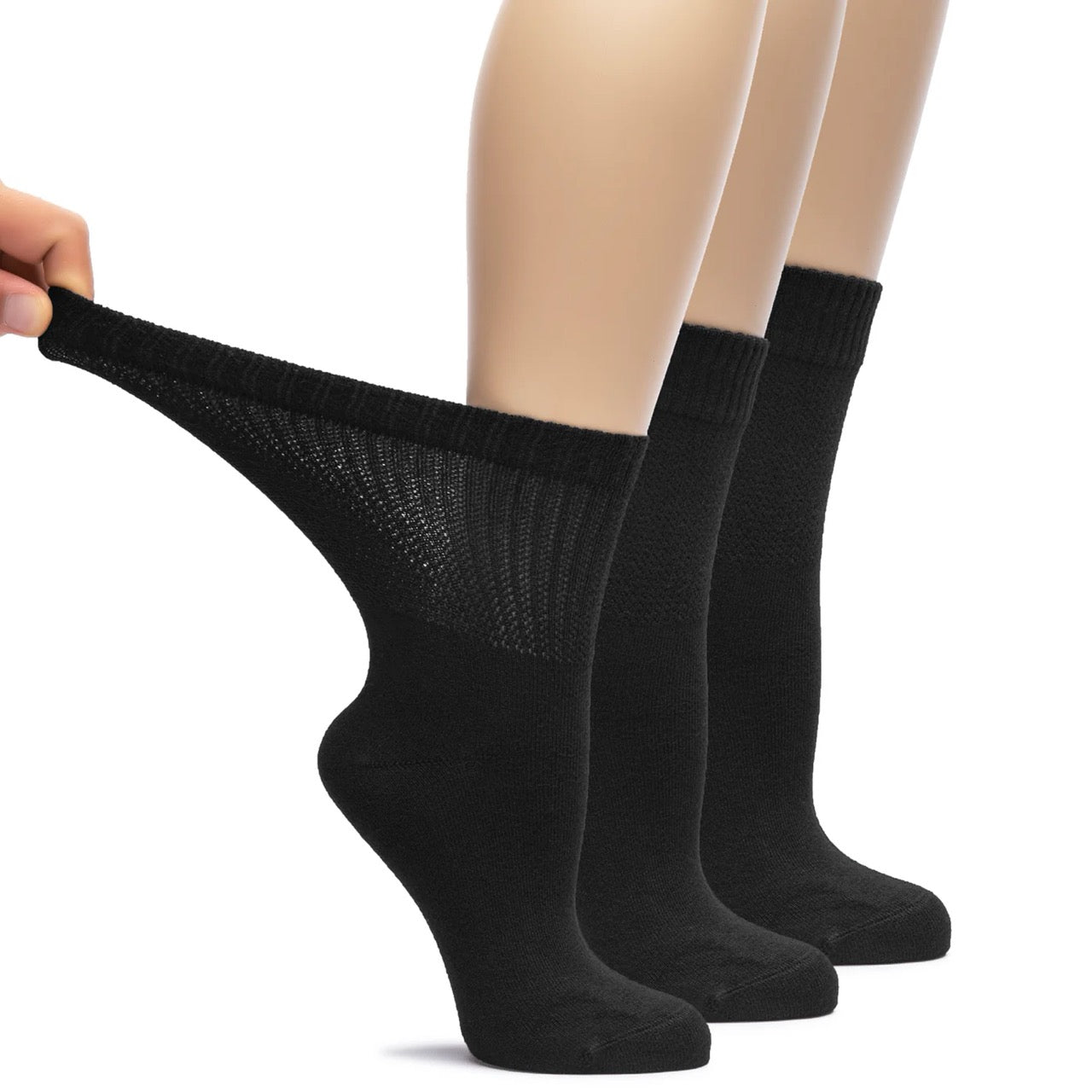
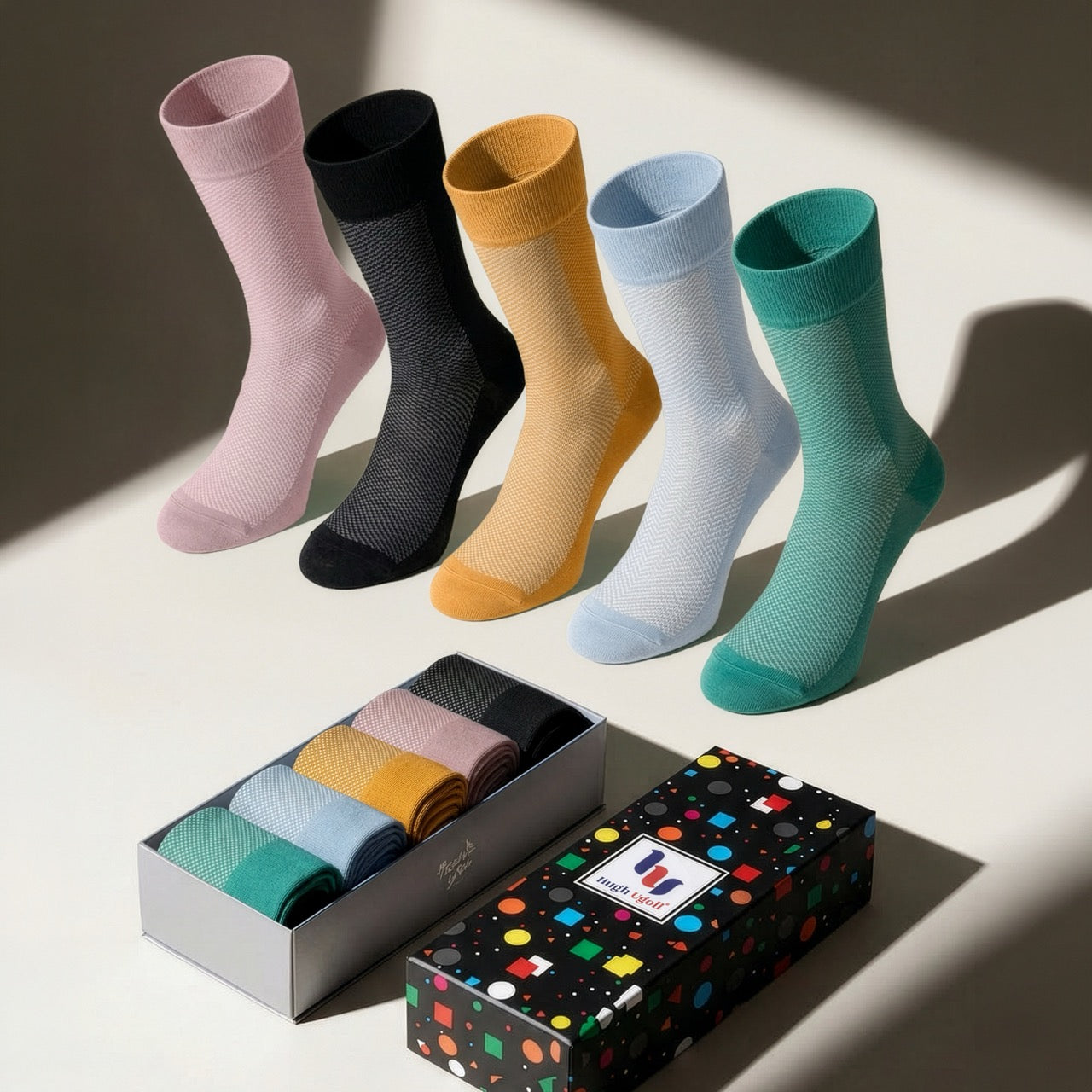
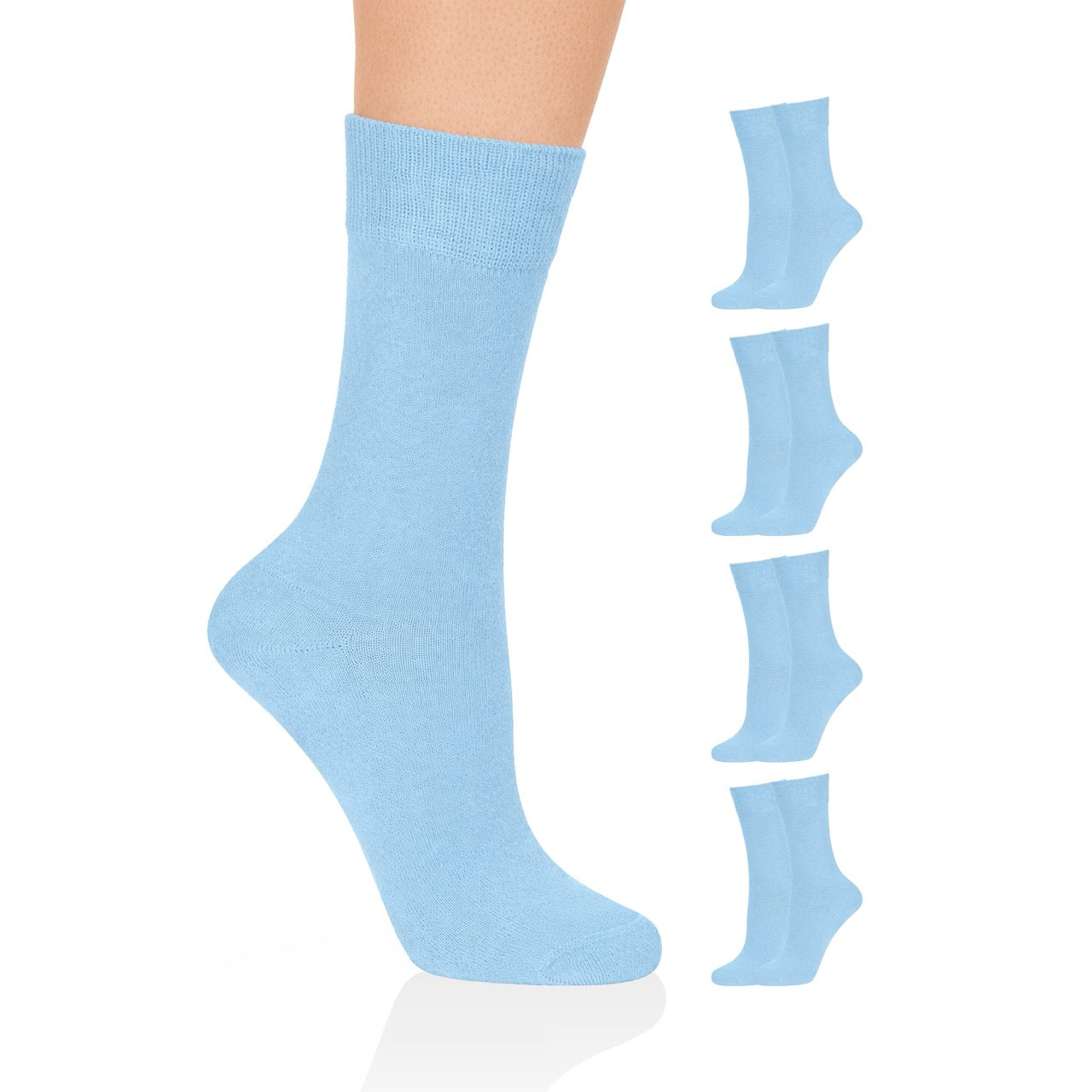
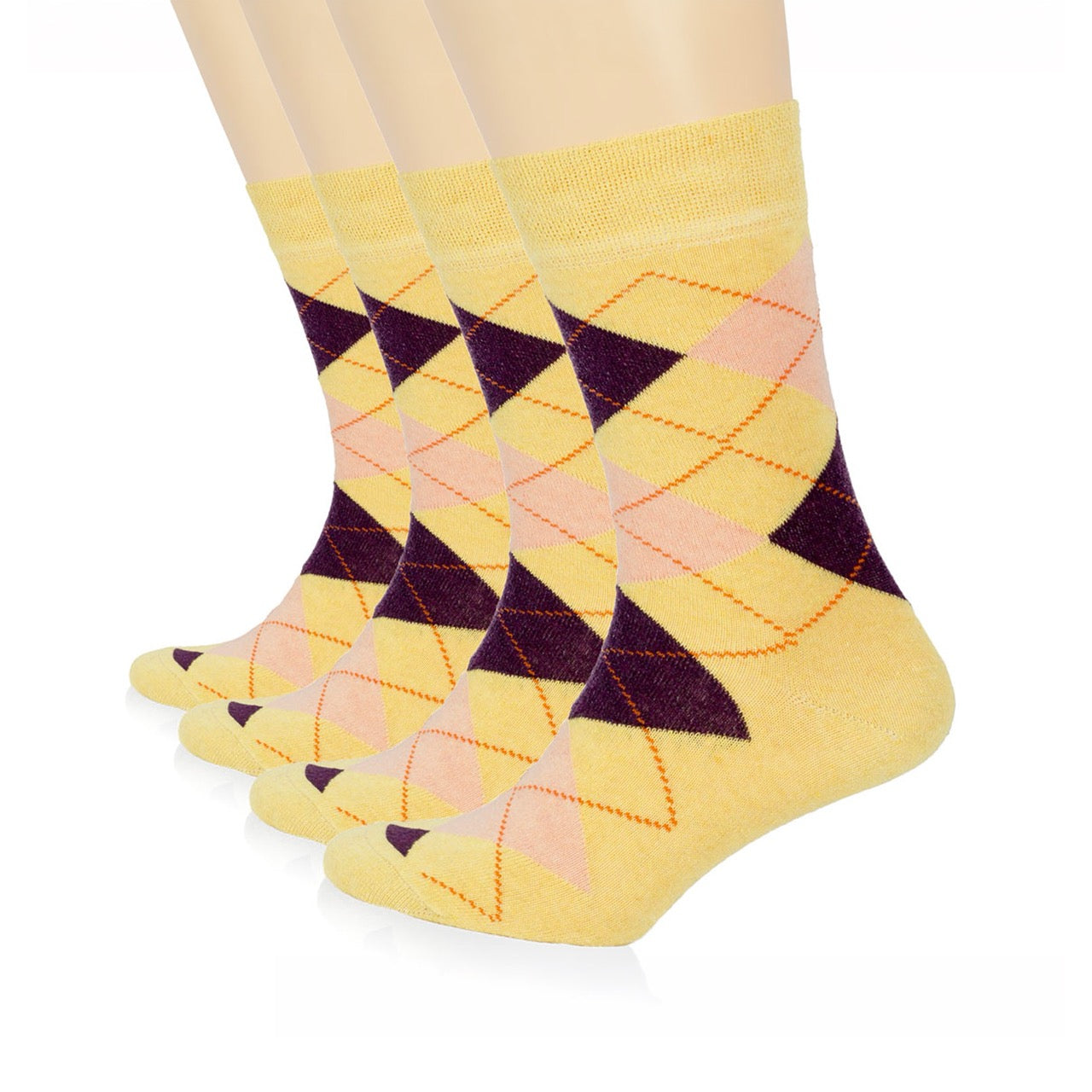
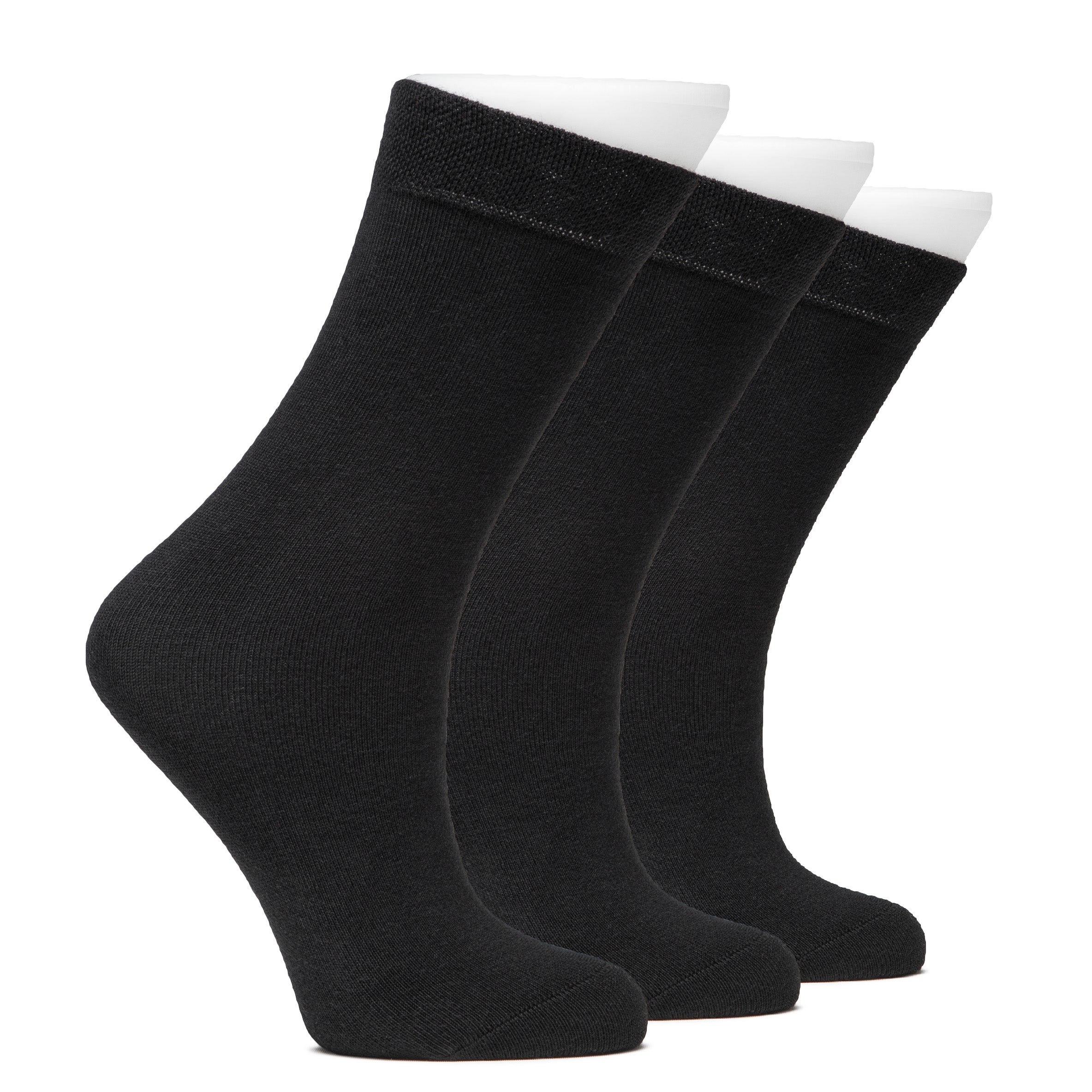
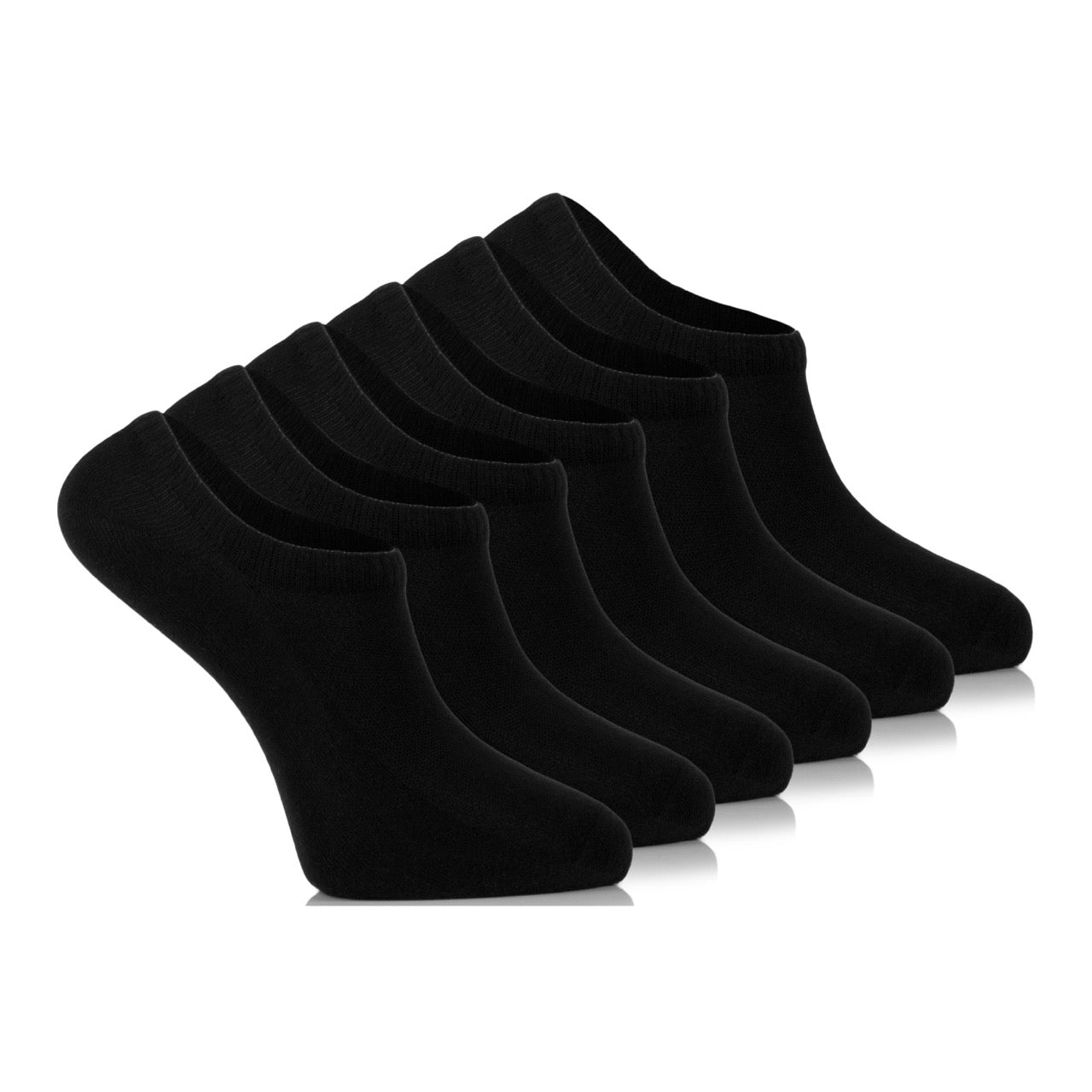
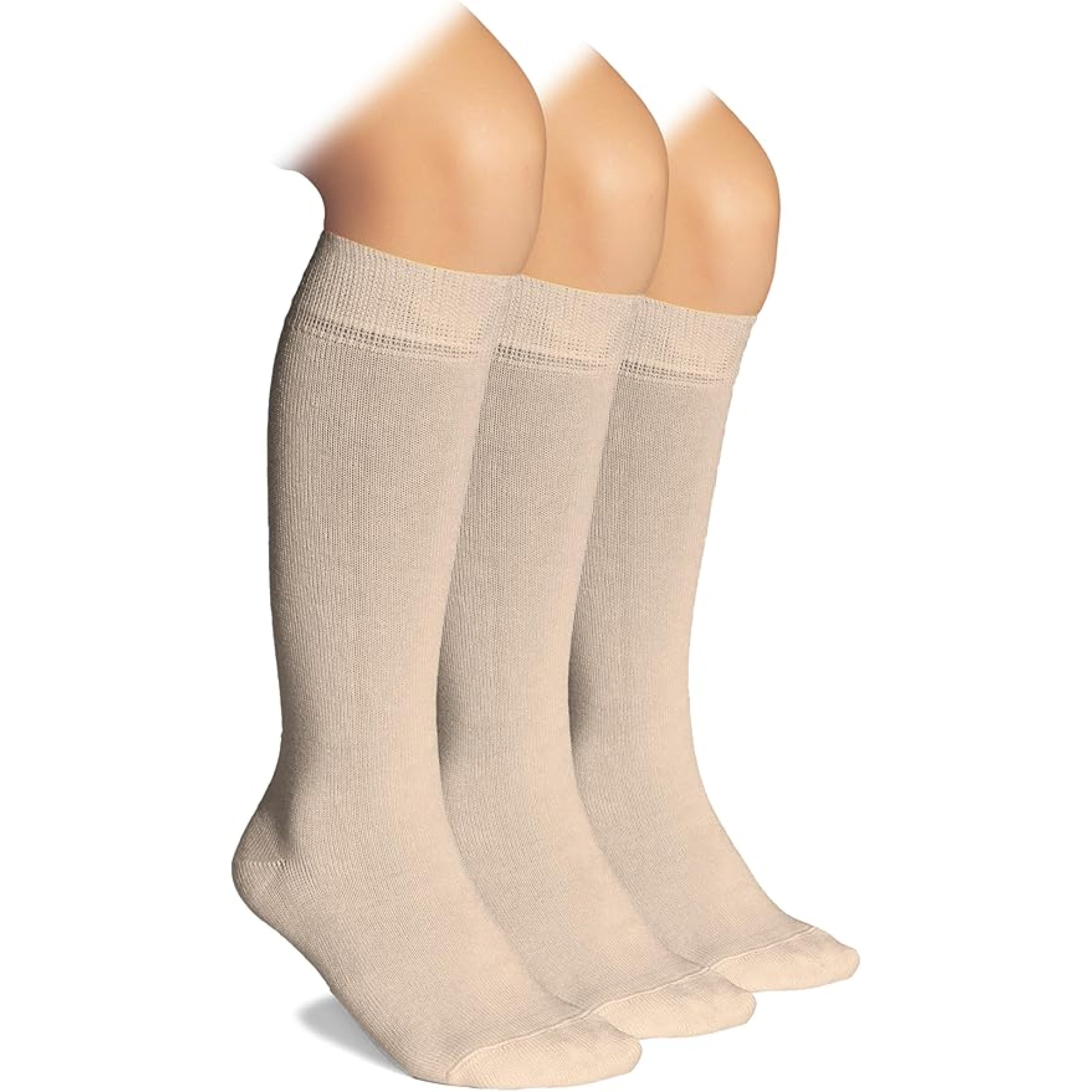



When managing diabetes, foot care deserves real attention, including what you wear on your feet. According to the American Diabetes Association, diabetes-related nerve damage and reduced circulation make foot injuries both more likely and easier to miss. Sock color is one small but genuinely useful piece of that picture: light-colored socks make it easier to notice early signs of a problem, such as blood or discharge from a cut.
One of the primary reasons white socks are often recommended for people with diabetes is visibility. Because diabetic neuropathy can reduce sensation in the feet, a small cut or sore may go unnoticed without a visual cue — and can worsen if it isn't caught early.
Dark socks can hide bleeding or wound drainage, which may delay noticing an injury. White socks make blood or discharge easier to spot. Since untreated foot wounds in people with diabetes can sometimes progress to serious complications, catching problems early — through both visible cues and daily foot checks — is a meaningful part of foot care.
The visibility benefit goes beyond spotting blood — it also helps you notice dirt or debris that could contribute to infection, which is part of why keeping feet clean is a standard recommendation for people managing diabetes.
Beyond color, comfort and reduced irritation matter for diabetic feet. Seamless socks minimize friction and pressure points that can contribute to blisters or sores. Look for options with soft cushioning for extra protection against pressure and injury.
Because diabetes can reduce sensation in the feet, a comfortable, well-fitting, seamless sock helps reduce the risk of unnoticed friction injuries for people with neuropathy.
Moisture-wicking fabrics are another feature worth looking for, since they help keep feet dry and reduce conditions where bacteria and fungus thrive.

Sock material matters alongside color. Synthetic blends can trap moisture, which can contribute to fungal infections like athlete's foot — a real concern for people with diabetes, since foot infections can be harder to heal.
Diabetic-specific socks are usually made from breathable materials designed to keep feet dry and comfortable, reducing the chances of irritation and infection.
White cotton or bamboo fibers are often recommended for their breathability alongside the visibility benefit of a light color — the combination of material and color is what supports foot health, not color alone.
Foot care is an important part of diabetes management, and choosing lighter-colored, well-fitting socks is one small, genuinely useful habit within that routine. It's not the only thing that matters, though — daily foot checks, proper hygiene, and consulting a healthcare provider about any concerning changes remain the foundation of good diabetic foot care.
Explore Hugh Ugoli's diabetic-friendly socks, designed with moisture-wicking materials, seamless construction, and a non-binding fit to support everyday foot comfort.
This article is for general information and is not medical advice. Talk to your healthcare provider or podiatrist about foot care recommendations for your situation.
He has been working for more than 20 years in the textile industry and has work experience in many parts of the world.