Cart
0
You may also like
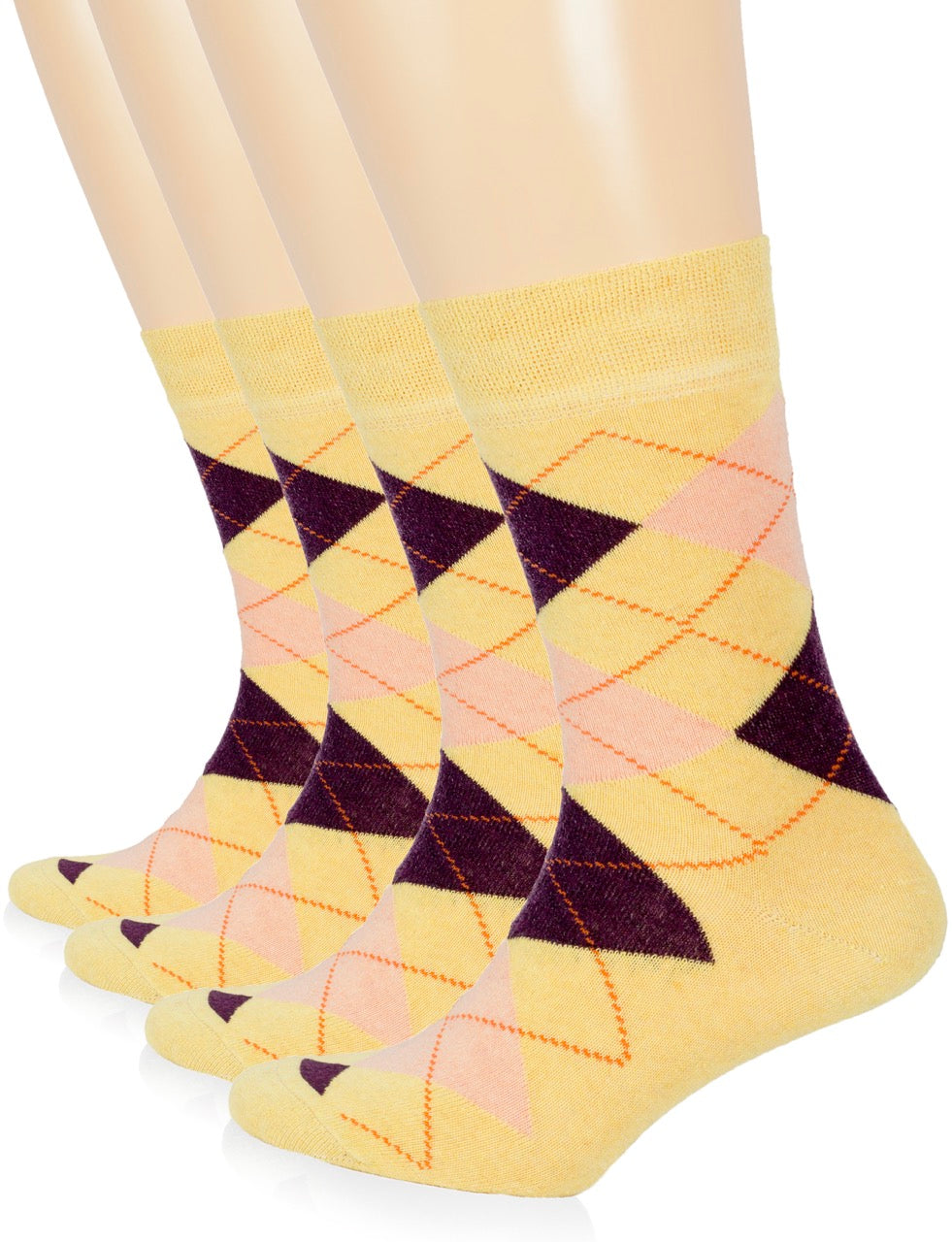
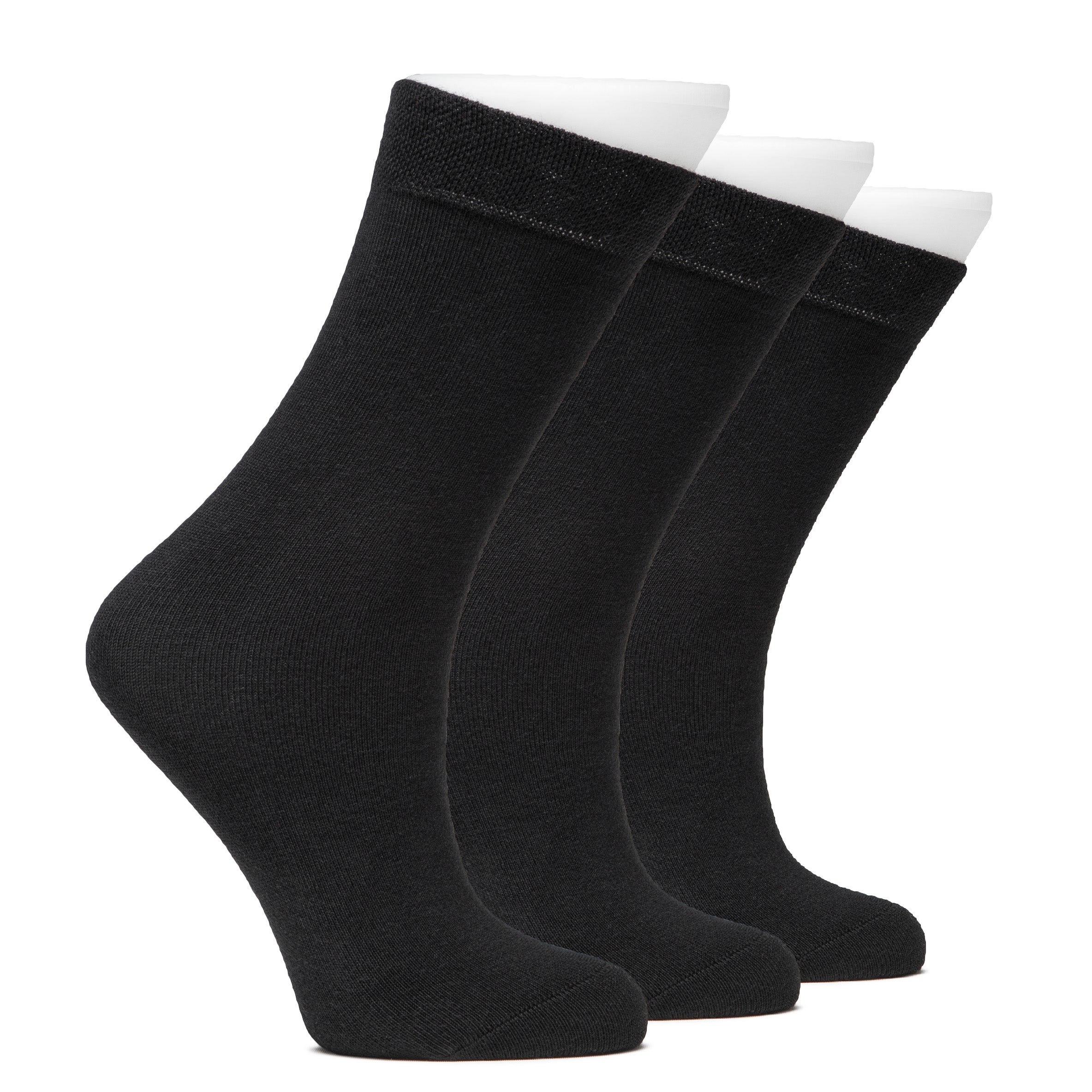
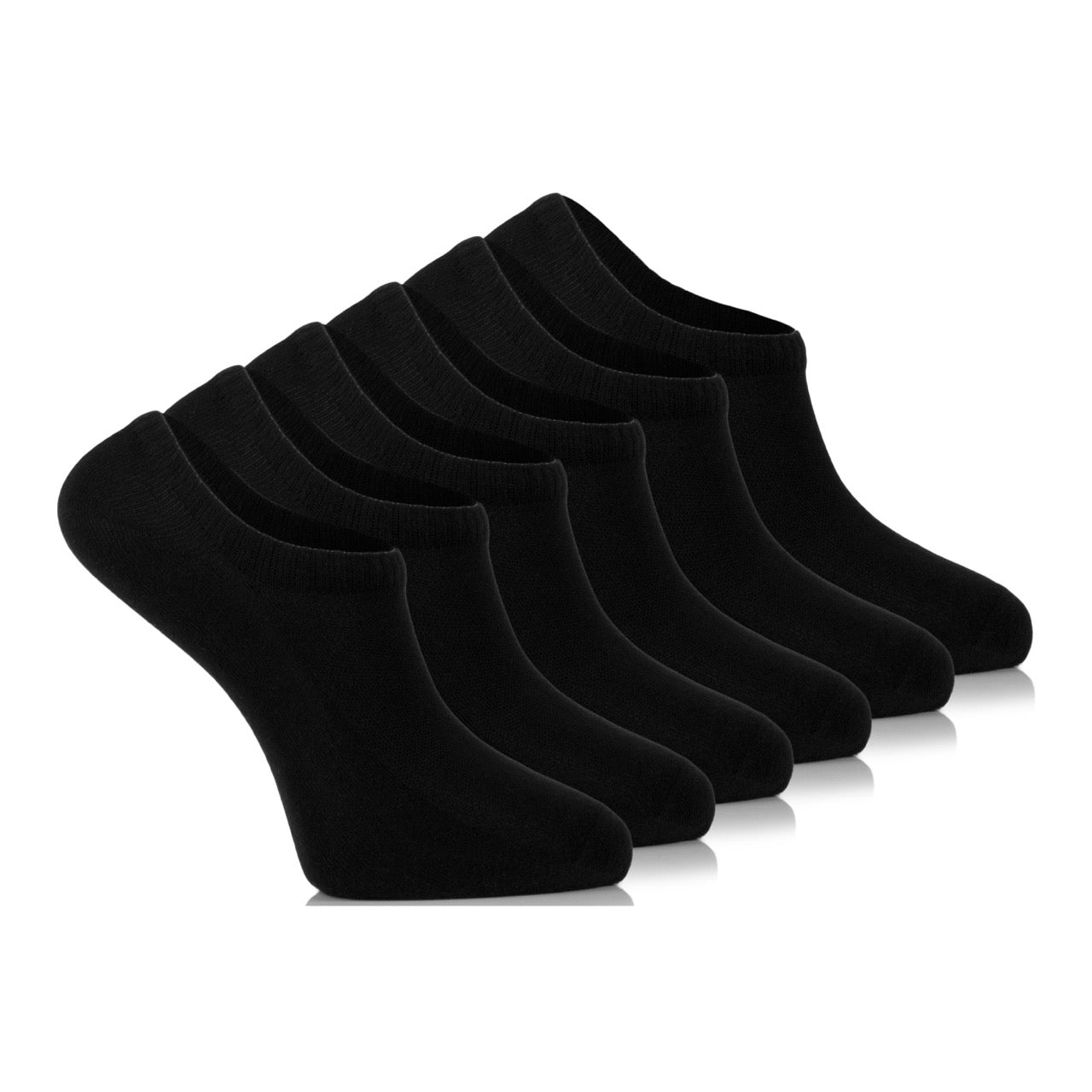
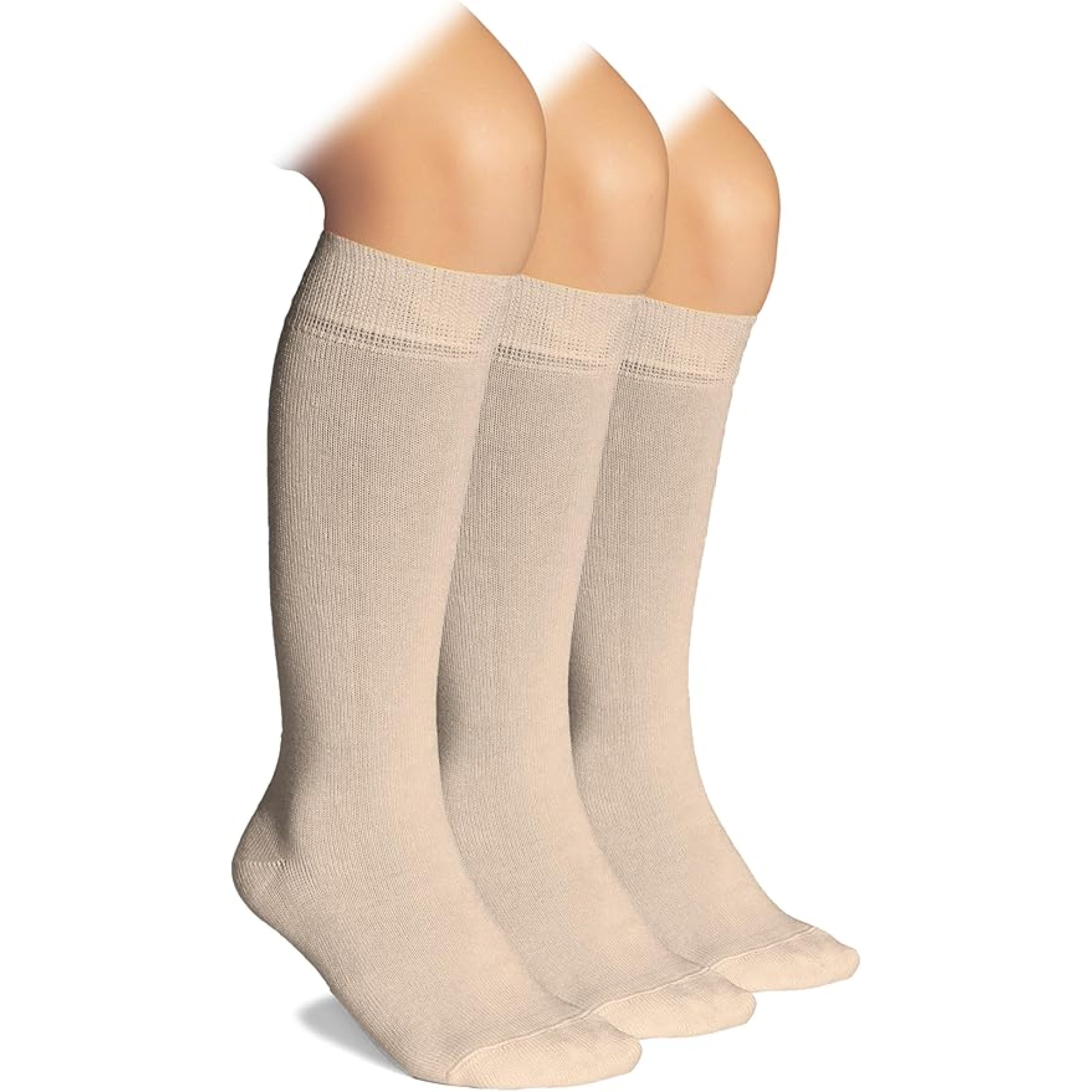


Shoes that fit fine all winter can suddenly feel tight the moment summer temperatures climb. It's a common seasonal complaint, and it's not just in your head. Heat genuinely changes how your body manages fluid, and feet, being at the bottom of that system, are often the first place it shows up.
Here's what's actually happening to your feet in hot weather, when it's worth paying closer attention, and what can help in the meantime.
Warm-weather swelling isn't random. It comes down to a couple of predictable responses your body has to rising temperatures.
When it's hot, your blood vessels naturally widen, a process called vasodilation, to help move more blood toward the skin's surface and release excess heat. That's a normal and helpful cooling mechanism, but it also allows more fluid to shift into surrounding tissue, including in your lower legs and feet, which can show up as mild swelling.
Heat also affects how your kidneys and body manage fluid balance overall. Many people retain slightly more fluid during hot weather as part of the body's effort to stay hydrated and regulate temperature, and that extra fluid doesn't distribute evenly. Feet and ankles, sitting lowest in the body, tend to be where it accumulates most noticeably.
Heat rarely acts alone. A few common summer habits and conditions tend to compound the effect.
Summer often means more time outdoors, at events, on vacation, or simply out walking in warmer conditions. Combine that extra time on your feet with heat-related vasodilation, and swelling tends to show up faster and more noticeably than it would on a cooler day with the same amount of activity.
Salty snacks at a cookout, dehydration from sweating, and inconsistent water intake can all interact with heat to make fluid retention worse. Ironically, not drinking enough water in hot weather can sometimes worsen swelling, since the body tends to hold onto more fluid when it senses a shortage.
Summer travel adds another layer. Long flights or car rides combine prolonged sitting with warm temperatures, both of which independently contribute to foot and ankle swelling. The combination during a hot-weather trip can make swelling more pronounced than either factor would on its own.

For most people, mild swelling that comes on during hot weather and improves with rest, hydration, and cooler temperatures is a normal seasonal pattern and isn't a cause for concern. Many people notice it lessens once they're back in air conditioning or after a night's rest.
That said, some patterns deserve closer attention. Swelling that's significantly worse in one foot or leg than the other, especially if it's painful or comes with redness or warmth, can sometimes be associated with a blood clot and should be evaluated by a healthcare professional promptly. Swelling that doesn't improve at all overnight, or that's accompanied by shortness of breath or chest discomfort, also warrants prompt medical attention. People who are pregnant or managing diabetes, kidney issues, heart conditions, or circulation problems should talk with their doctor about how hot weather might affect their typical swelling pattern, since these conditions can sometimes change what's considered normal for them.
While almost anyone can experience some degree of heat-related swelling, a few groups tend to notice it more consistently than others.
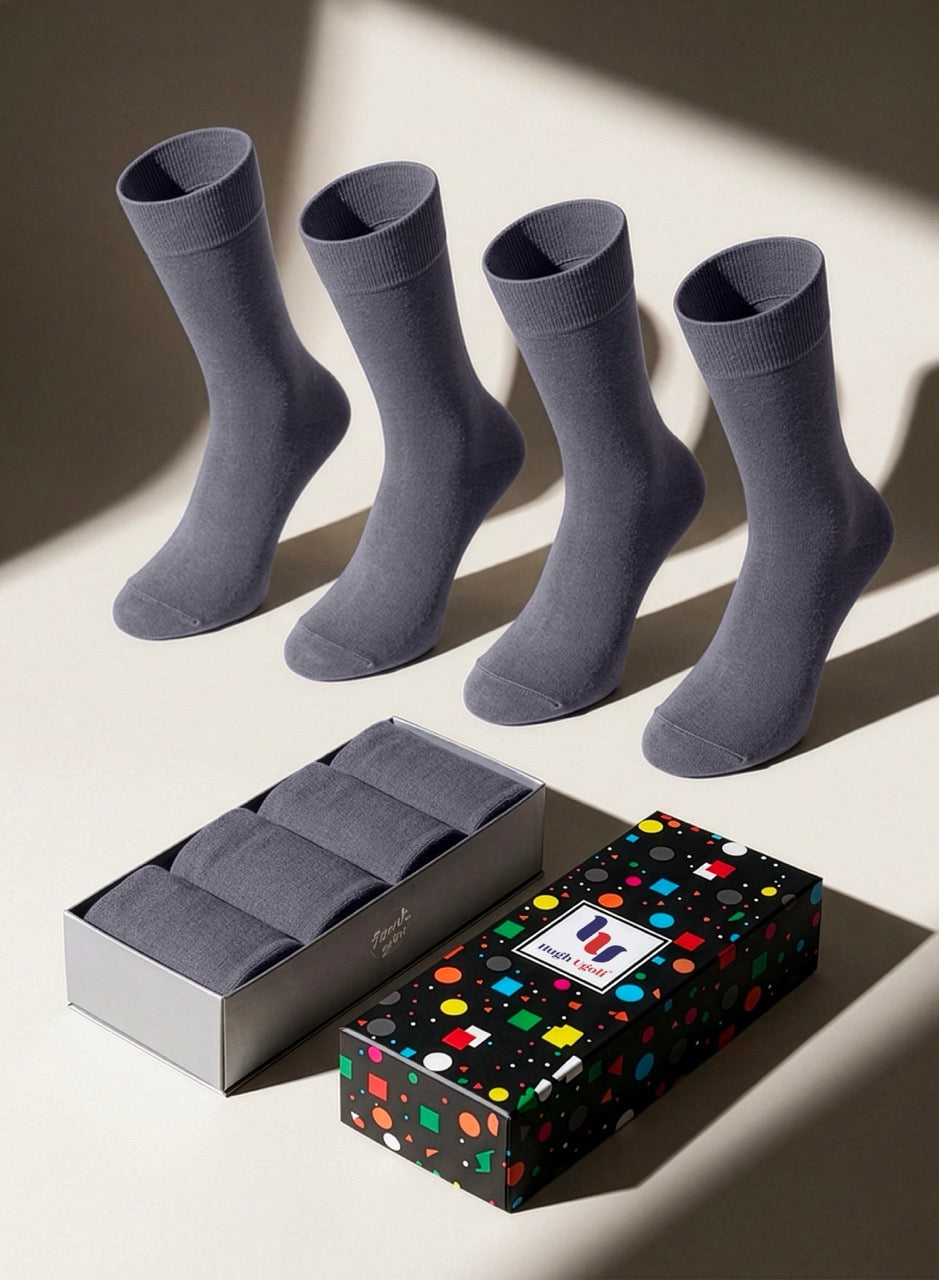
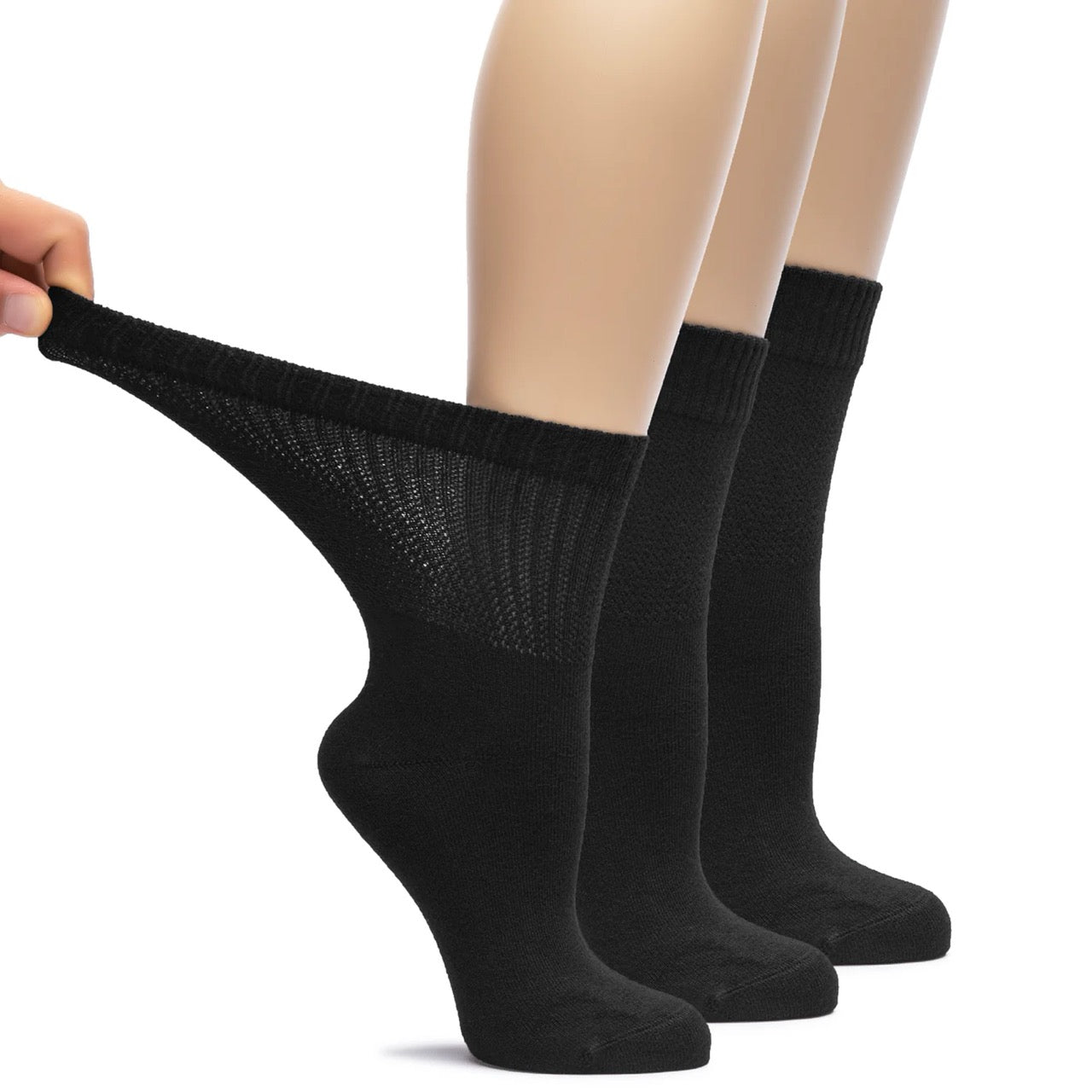
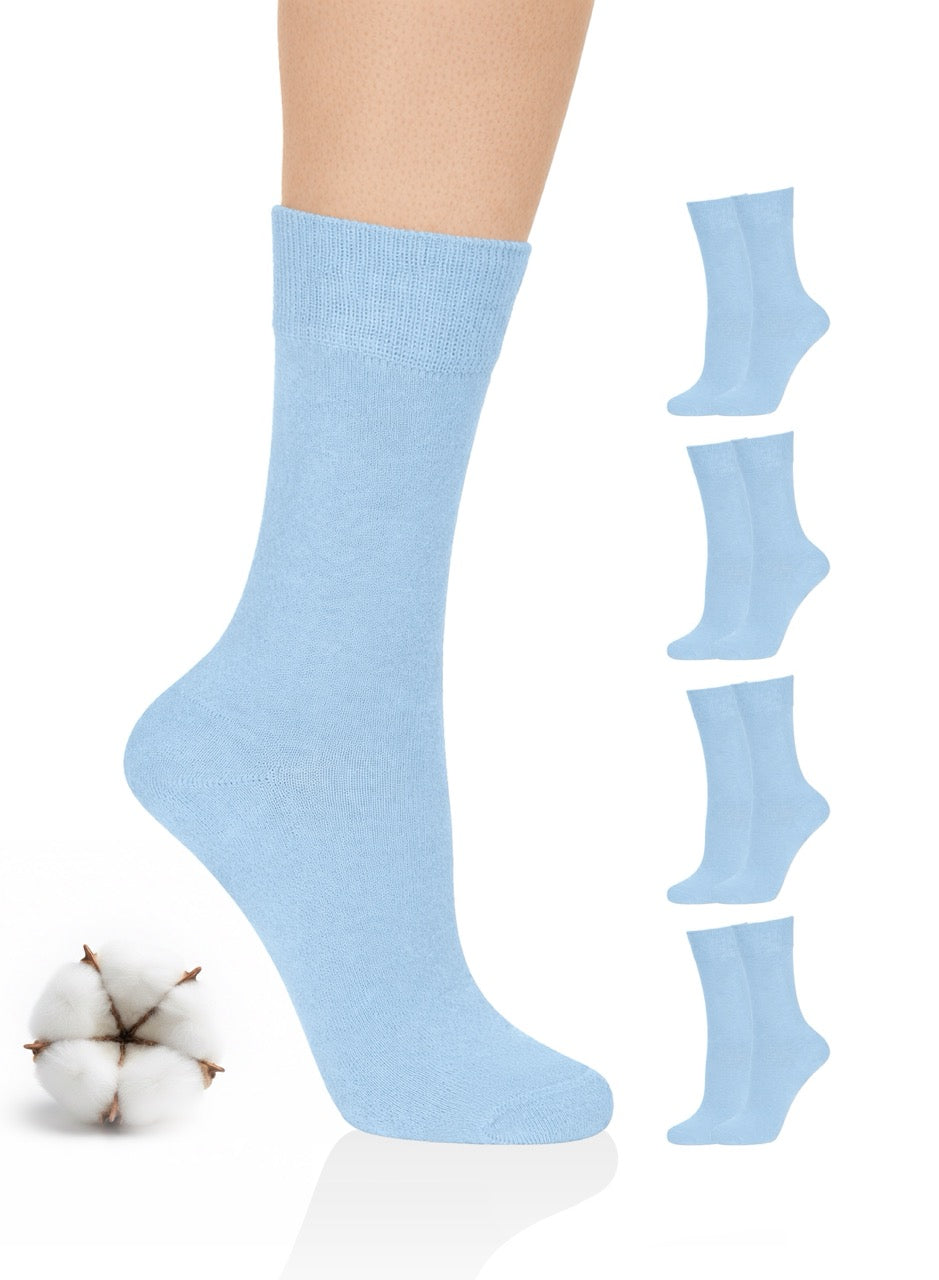
Sock choice matters more in summer swelling than people often expect. A tight, elastic-heavy cuff can dig into an ankle that's already a little fuller than usual, while a soft, non-binding top sits more comfortably without adding pressure. Many people dealing with regular heat-related swelling look for a non-binding crew sock for exactly this reason, since the relaxed top doesn't fight against a foot that's already retaining a bit more fluid than usual.
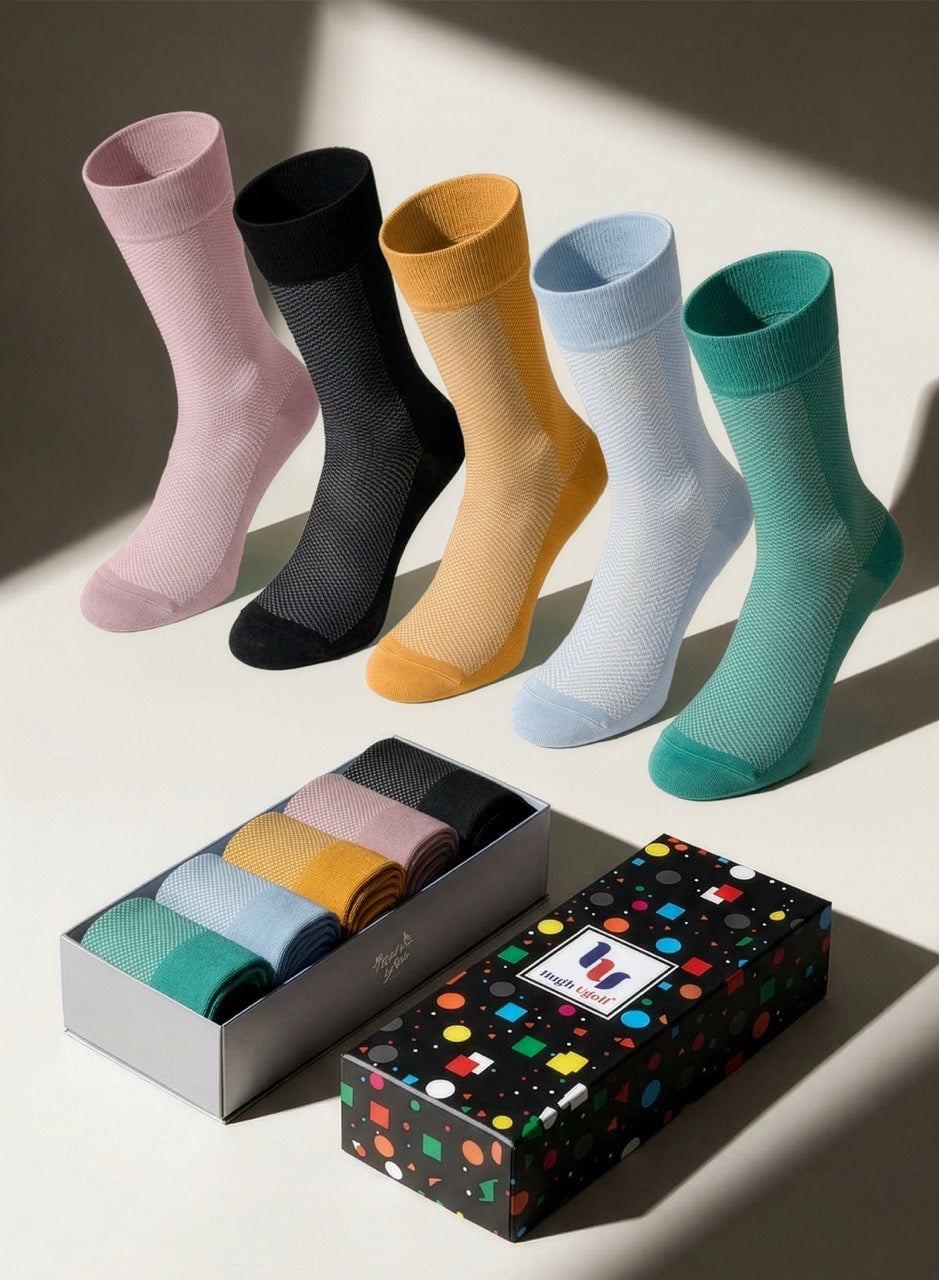
Breathability is just as important. Heat makes feet sweat more, and trapped moisture on top of swelling tends to make discomfort worse. A breathable bamboo no-show sock helps manage that extra heat and moisture, keeping feet drier through a hot day without adding bulk inside warm-weather shoes.
Feet swelling more in hot weather is a normal response to how your body manages heat and fluid, made worse by extra time on your feet, sodium, and travel. Staying hydrated, taking breaks from the heat, and choosing breathable, non-binding socks can ease a lot of that seasonal discomfort. Knowing what's typical, and what's worth a closer look, makes hot weather easier on your feet overall.
Yes, mild seasonal swelling is common. Heat causes blood vessels to widen and can increase fluid retention, both of which tend to show up most noticeably in the feet and ankles.
Often, yes. Staying consistently hydrated helps the body manage fluid balance more evenly, and dehydration can sometimes worsen fluid retention rather than improve it.
Extra time on your feet combined with heat-related vasodilation tends to compound swelling more than heat alone. Activity and standing add to whatever fluid shift the temperature is already causing.
A non-binding top and breathable fabric can make a noticeable difference in comfort, since they avoid adding pressure to an already fuller foot while helping manage extra heat and moisture.
If swelling is significantly worse on one side, painful, or comes with redness, warmth, or symptoms like shortness of breath, it's important to seek medical attention rather than assuming it's just the heat.
He has been working for more than 20 years in the textile industry and has work experience in many parts of the world.