Cart
0
You may also like
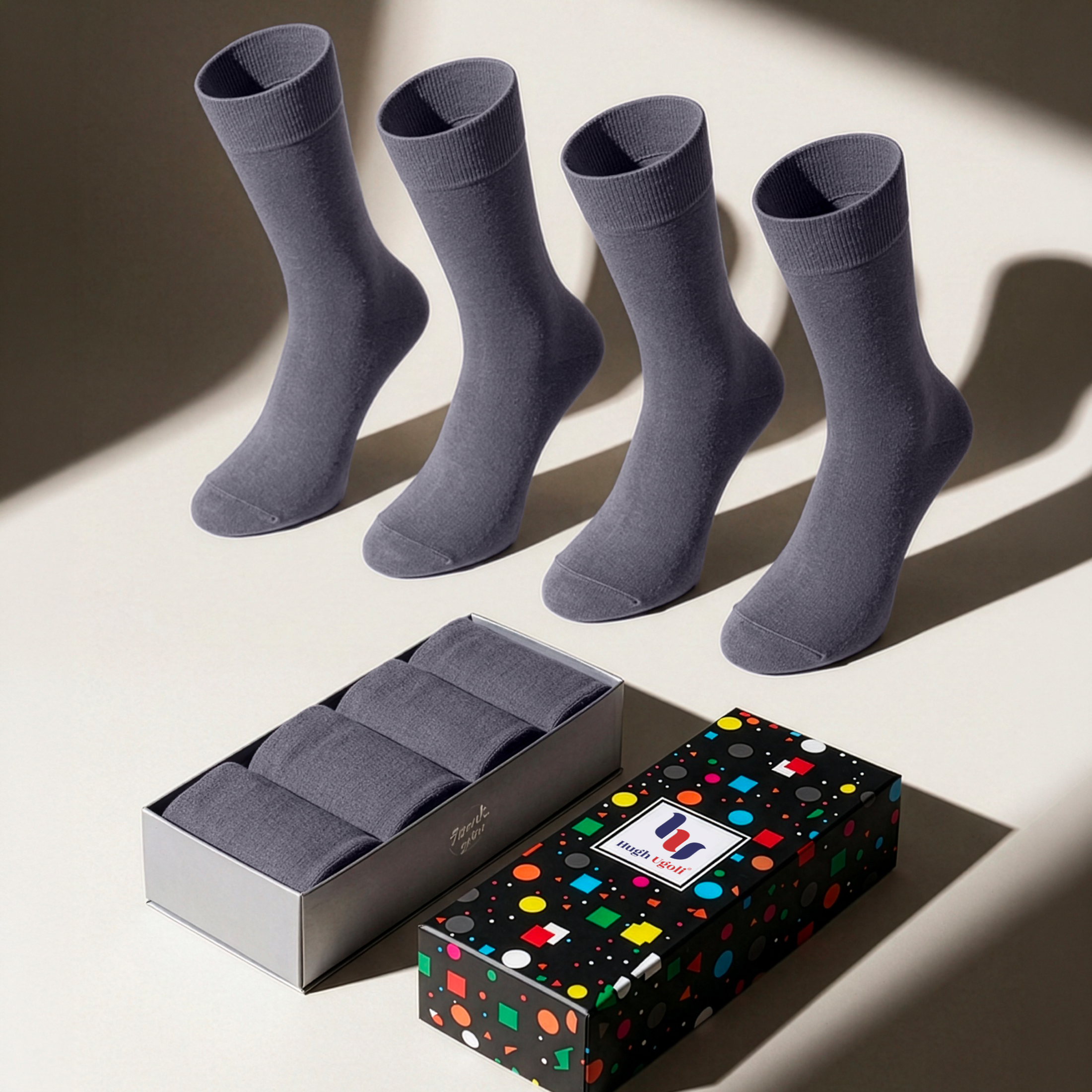
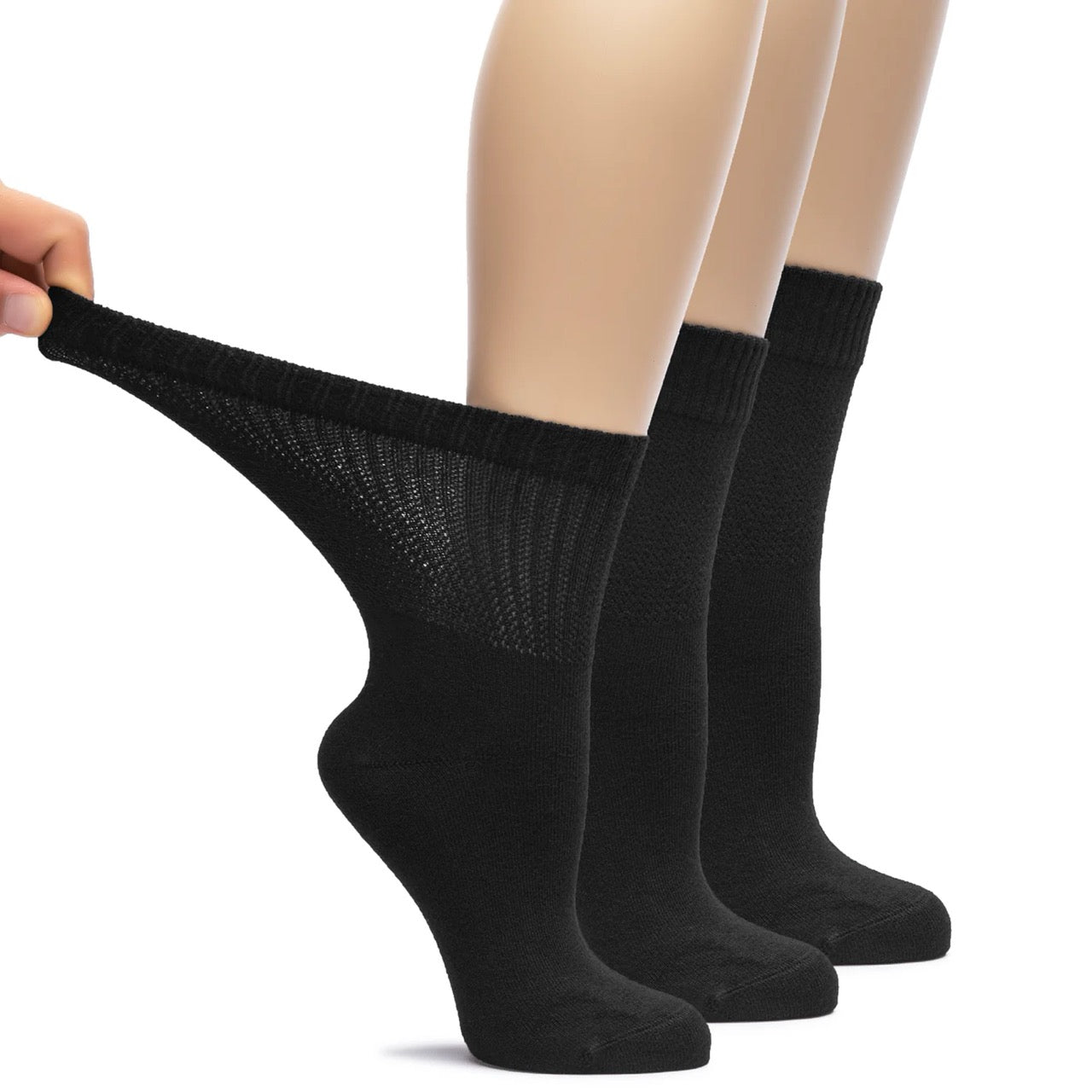
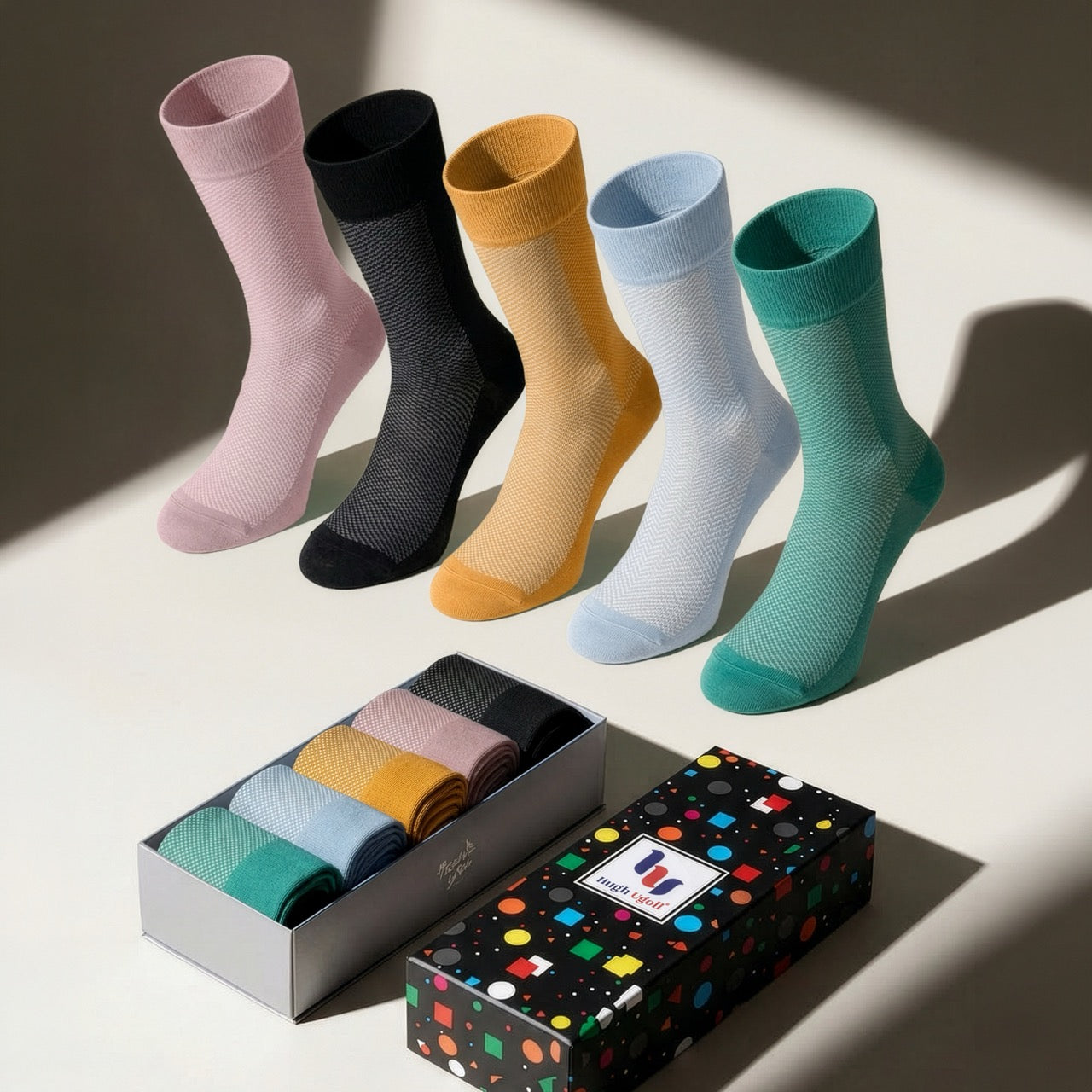
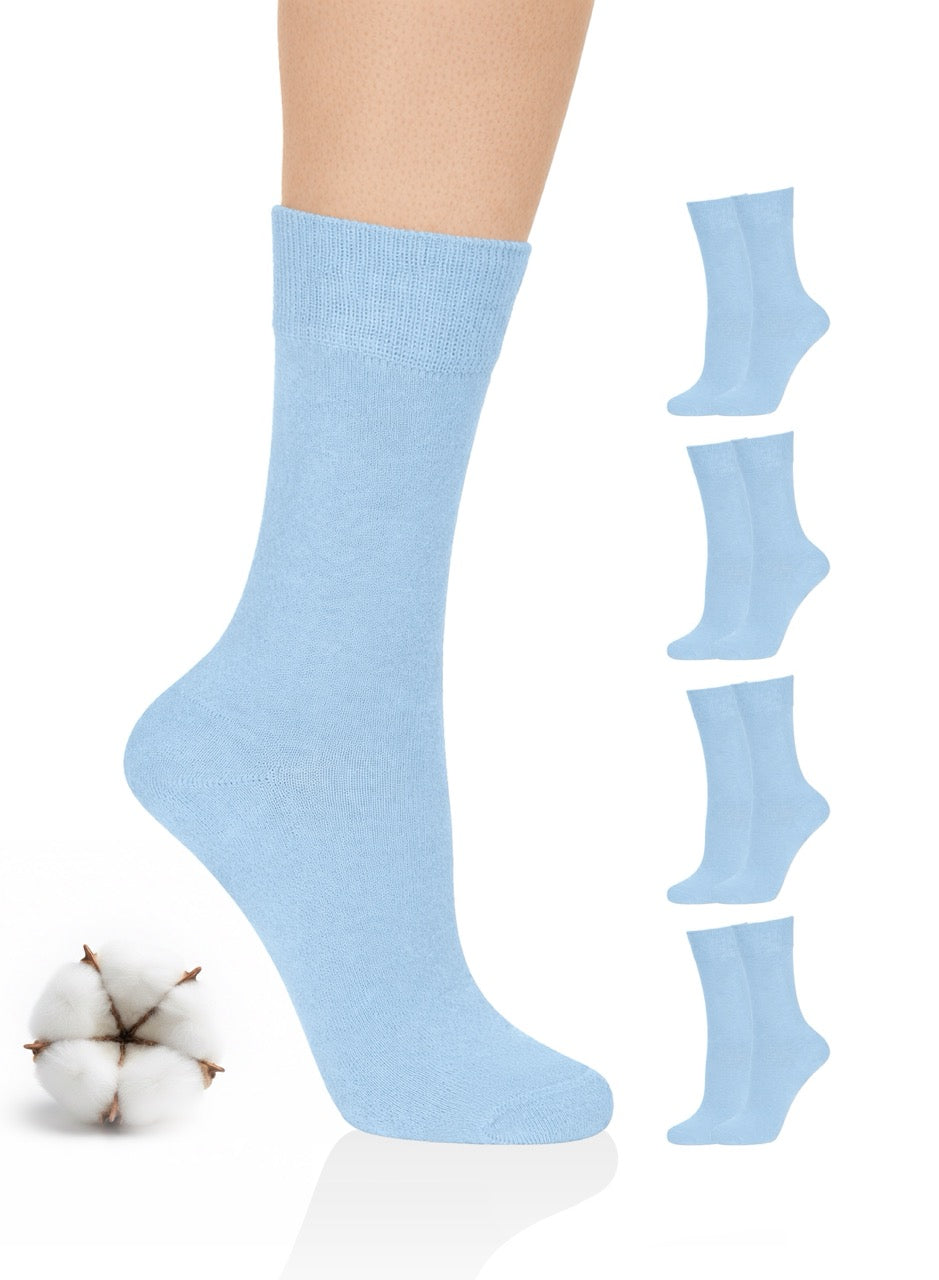
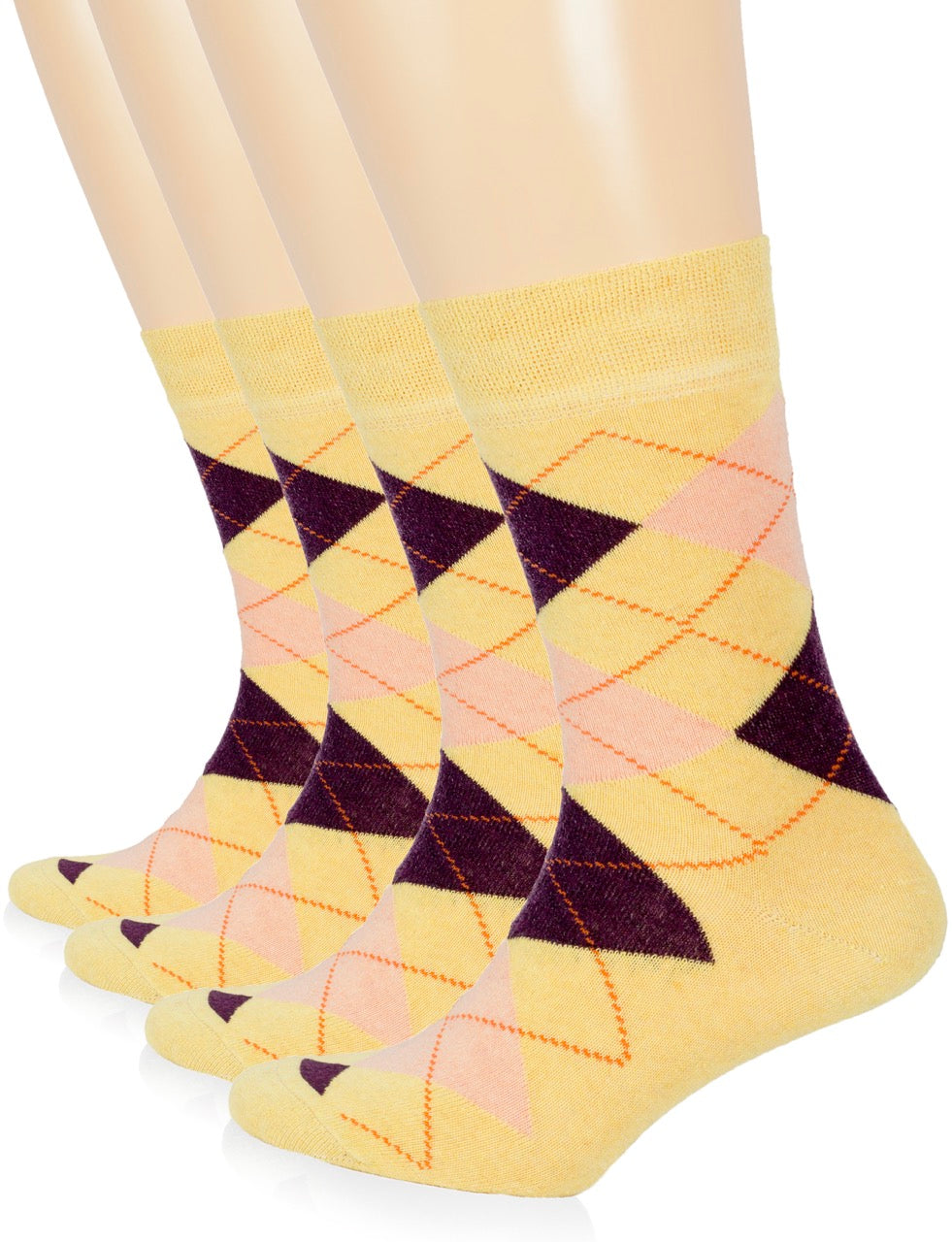
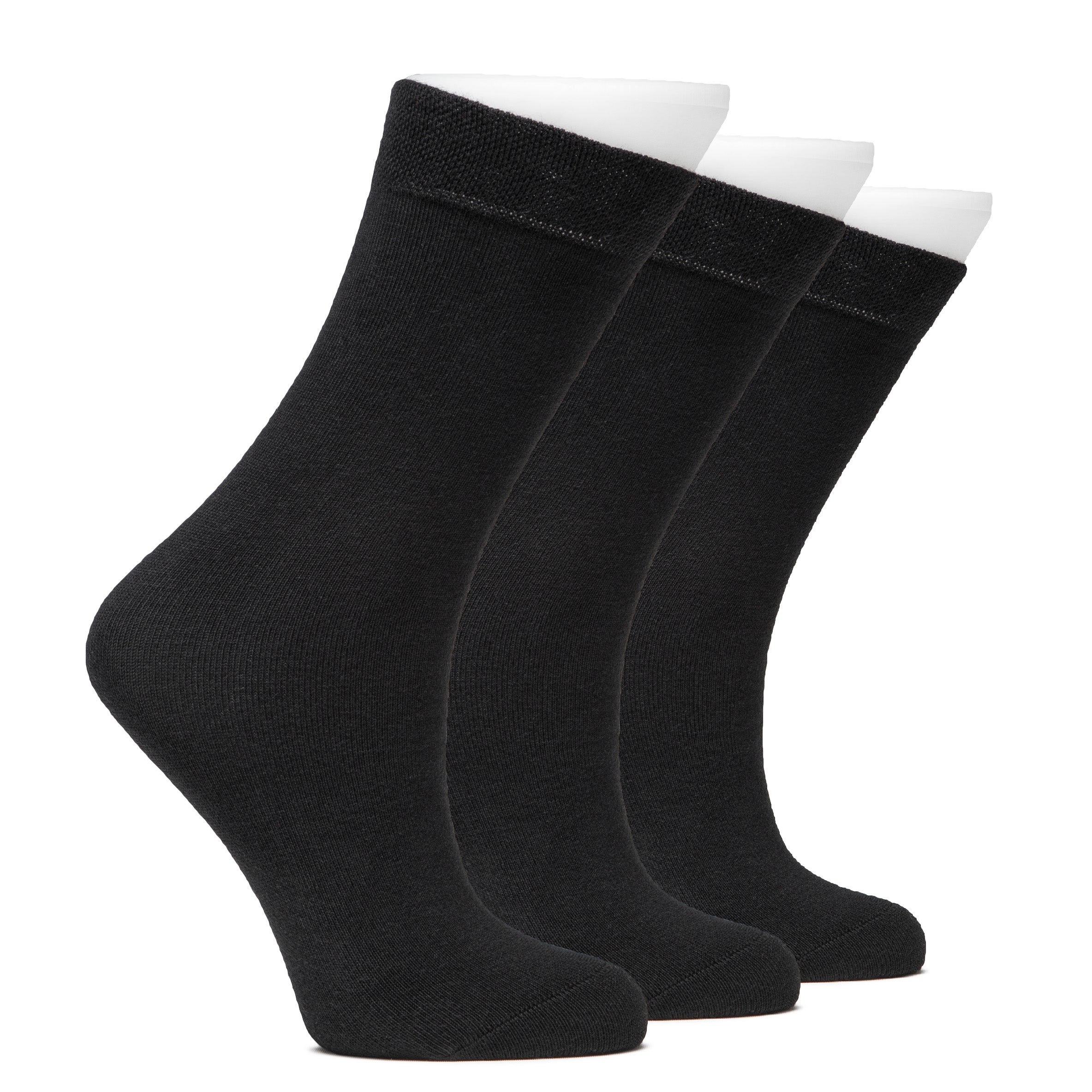
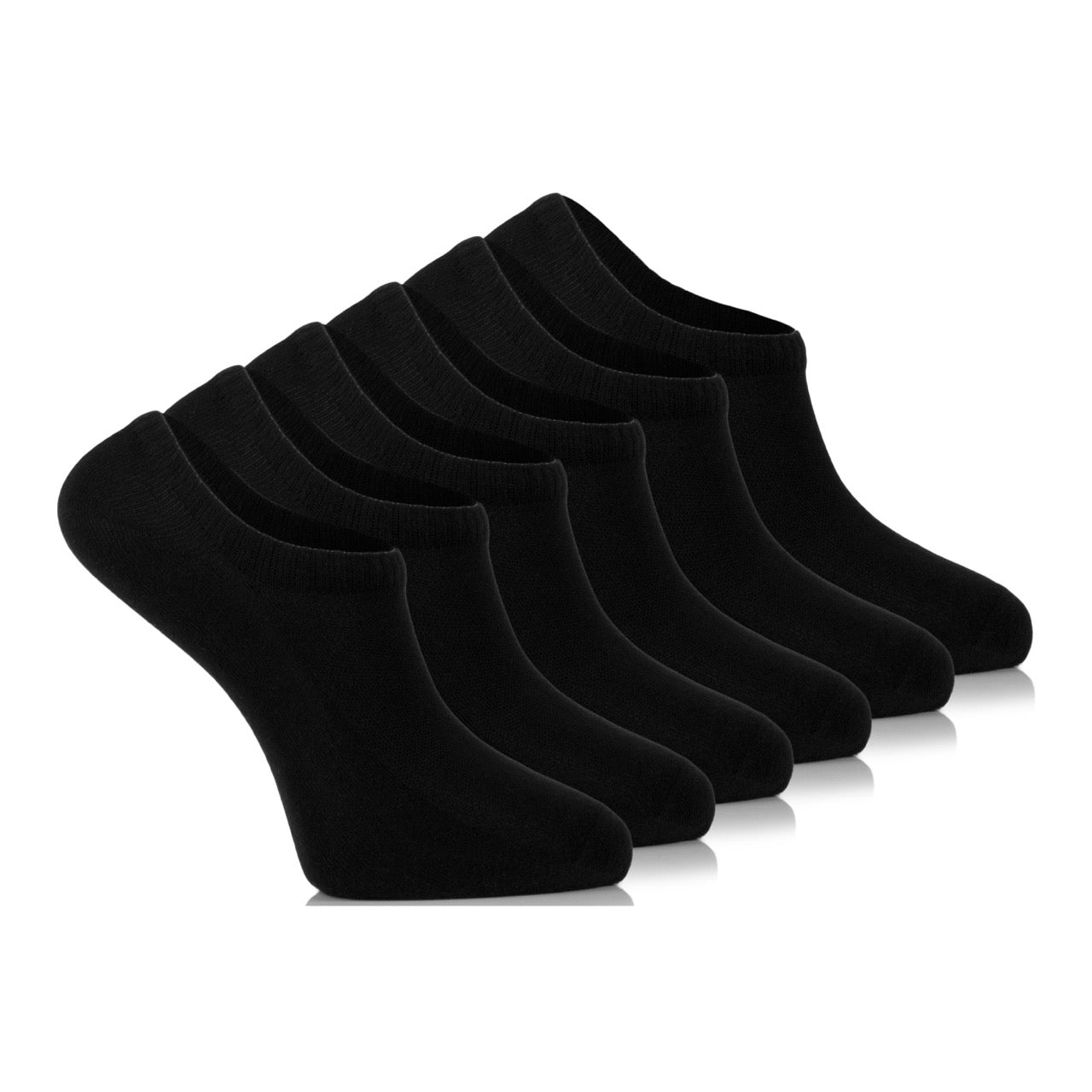
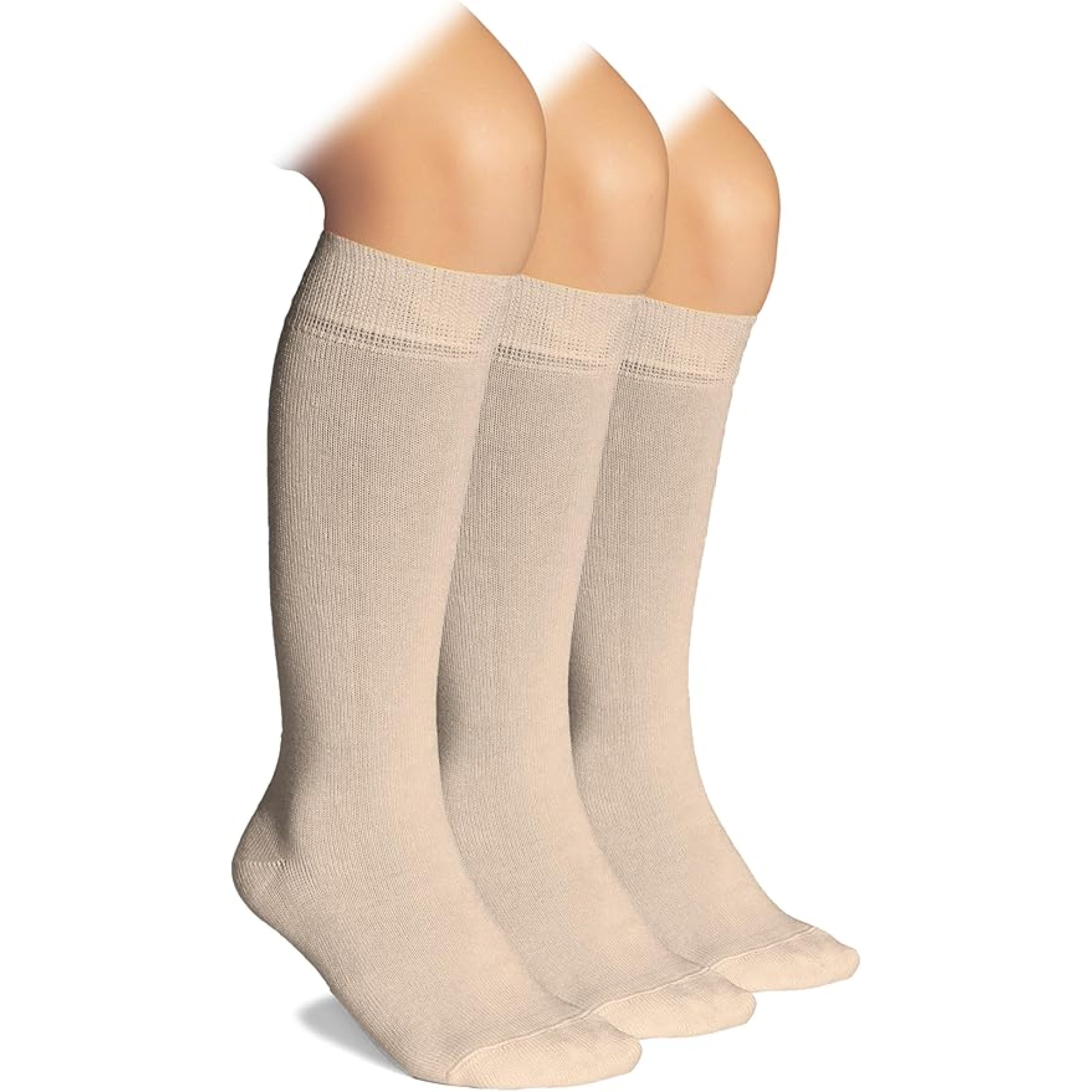


Put on a pair of shoes with a thin dress sock and the fit feels precise, close, and easy to move in. Pull on the same shoes with a thick wool sock and suddenly the toe box feels tight, the heel counter presses differently, and the shoe that felt perfect an hour ago now needs to be unlaced to be comfortable. The shoes haven't changed. But the experience of wearing them has shifted significantly, and it wasn't accidental.
Socks do far more than protect the foot from a bare shoe interior. They actively mediate every aspect of how a shoe fits, feels, and functions — and understanding that relationship changes how you think about both.
From a mechanical standpoint, the sock is a layer inserted between two surfaces that need to work together: the foot and the shoe. It occupies space inside the shoe, it transmits forces between the foot and the insole, and it determines the friction environment that governs how the foot moves within the shoe. Each of those functions is affected by the sock's thickness, fabric, construction, and fit — and each creates a different subjective experience when you lace up and walk.
Shoe fit is measured in fractions of a centimeter. A half size in most shoe standards represents a difference of roughly four to five millimeters in foot length, and width fittings are similarly precise. A sock's thickness can easily introduce two to four millimeters of additional material on each side of the foot, which is enough to effectively change the shoe's fit by half a size or more in both length and width simultaneously. This is why a shoe that feels well-fitted with one sock can feel snug with another, and genuinely tight with a third — the shoe hasn't changed, but the available internal space has.
The effect is most noticeable in shoes with a close or structured fit: leather dress shoes, fitted ankle boots, and performance footwear designed around a specific volume. It matters much less in casual shoes with generous toe boxes or athletic shoes with thick midsoles and a more forgiving internal geometry.
Beyond fit, the surface texture of a sock changes how the foot moves within the shoe during each step. A smooth cotton or bamboo sock against a leather insole creates relatively low friction, which allows the foot to make micro-adjustments in position naturally as it flexes. A thick terry sock against a fabric insole creates more friction, which can prevent some of that micro-movement and change how secure the foot feels planted in the shoe. A sock with a moisture-wicking surface against a breathable insole creates yet another friction environment. None of these is universally better — the right combination depends on the shoe, the activity, and personal preference — but each produces a genuinely different sensation that most people notice without necessarily identifying its source.

Fabric composition affects the feel of a shoe from the first step, and in ways that persist throughout the day rather than fading once your feet adjust.
Feet generate more heat and moisture than almost any other part of the body during activity, and socks play the central role in managing both. A cotton sock absorbs moisture but releases it slowly, which means that after an hour of activity, the inside of the shoe becomes progressively warmer and more humid. The foot sits in this accumulated moisture, which affects skin friction, increases the likelihood of blisters on longer walks, and alters how the insole feels underfoot — a damp cushioned insole compresses differently than a dry one.
A bamboo or moisture-wicking sock moves sweat away from the skin surface more actively, which keeps the inside of the shoe drier and cooler even during sustained activity. The shoe that felt warm and slightly sticky by midday in cotton socks can feel notably fresher and more consistent throughout a long day in a bamboo alternative. This isn't just a comfort variable — it affects how the foot interacts with the shoe mechanically, since swollen, sweaty feet take up more space and move differently inside the shoe than feet that have stayed drier.
The fabric against the skin affects what you feel when walking, independent of fit and moisture. A coarser sock creates a low-level sensation of texture with each step that most people register as a feeling of stiffness or drag in the shoe. A very soft sock, particularly bamboo or fine merino, reduces that background texture sensation enough that the shoe's own feel becomes more prominent — you notice the insole cushioning, the sole flex, and the shoe's own structure more clearly when the sock isn't adding its own texture to the experience.
For people with sensitive feet, this distinction is more significant than it might sound. A seamless, very soft sock eliminates a layer of potential irritation between foot and shoe, which changes the feel of a shoe from tolerable to genuinely comfortable over the course of a full day.
A shoe's cushioning system is designed to interact with a specific approximate load. When you add a thick, cushioned sock, you're changing the mechanical stack that the shoe's midsole and insole have to work with. The combined cushioning of a thick sock plus a heavily cushioned insole can produce a sensation of excessive softness or instability, particularly in structured dress shoes or Oxford-style footwear where the insole is relatively firm and the shoe is designed around close foot contact. The same thick sock in a running shoe with a plush midsole simply adds more total cushioning, which some people prefer and others find too soft.
A thin sock in a shoe with significant arch support or orthopedic shaping allows the foot to feel the contoured structure of the insole more directly, which provides more precise proprioceptive feedback — meaning the foot can feel what it's doing inside the shoe more clearly. Athletes and people with gait correction needs often prefer thinner socks in supportive footwear for exactly this reason. A thick sock blunts that feedback while also filling the space the insole's contours were designed to occupy, which can reduce the effectiveness of the support the shoe was intended to provide.
A shoe that is slightly too large often benefits from a thicker sock that fills the extra space and brings the foot into proper contact with the heel counter and toe box. A shoe that fits precisely with a standard sock can become uncomfortably tight with a thicker one. Understanding this relationship has practical implications for how you buy both.
Many experienced shoe buyers test a new pair with the socks they intend to wear with them, not with whatever they happen to have on. A dress shoe tried on with a thin dress sock will fit differently than one tried on with a thick athletic sock, and vice versa. Buying shoes without accounting for sock thickness is one of the most common reasons people find a shoe that seemed fine in the store uncomfortable at home — the sock they wore to the store was thinner or thicker than what they actually wear with that type of shoe.
This is a version of the sock-and-shoe relationship that most people experience but rarely identify. In summer, people tend to wear thinner socks or no-show styles. In winter, they switch to heavier wool or thicker crew socks. The shoe that felt fine all spring in lightweight cotton suddenly feels noticeably snug in December with winter socks, and the assumption is usually that the foot has changed or the shoe has shrunk. In almost every case, the sock is the variable.
Feet also swell slightly in heat and contract slightly in cold, which compounds the effect. But the single largest contributor to seasonal fit changes is almost always the sock thickness transition. People who keep a consistent sock weight through the year report far less seasonal variation in how their shoes feel.
The practical takeaway from all of this is that sock choice should be made in relation to the shoe, not independently of it. A slim, structured dress shoe calls for a correspondingly slim sock — one with enough structure to support the shoe's own design rather than fighting it for space. A thin bamboo dress sock fits this context well: the slim profile preserves the shoe's intended fit geometry, while bamboo's moisture management keeps the environment inside a closed leather shoe more comfortable across a full workday.
Boots and cold-weather footwear, by contrast, are typically designed with more interior volume that expects a thicker sock to fill it. Wearing thin socks inside a winter boot leaves excess space around the heel and ankle, which allows the foot to move more than intended and reduces both warmth and the boot's ability to support the ankle correctly. A warm wool crew sock fills that volume properly, which is why the same boot worn with a thin summer sock and a proper wool sock feels like a completely different shoe in terms of support, warmth, and how the foot sits inside it.
The sock determines more of what a shoe feels like than most people give it credit for. Thickness changes effective fit. Fabric changes moisture and temperature. Cushioning changes how the foot contacts the insole. Surface texture changes friction. These aren't subtle variables — they're the difference between a shoe that feels right and one that feels wrong, even when the shoe is identical. Understanding the relationship between sock and shoe doesn't require becoming an expert in either; it just requires thinking of them as a system rather than two unrelated purchases.
Sock thickness takes up space inside the shoe, effectively reducing the available volume. A sock even a few millimeters thicker than usual can shift the fit by the equivalent of half a shoe size, making a well-fitted shoe feel snug or tight without any actual change to the shoe or foot.
Yes. A thicker sock reduces how directly the foot contacts a contoured or supportive insole, blunting the effect of any arch shaping or orthopedic design. A thin sock allows more direct contact with the insole's structure, which delivers better proprioceptive feedback and more precise support.
Seasonal sock weight changes are the most common cause. Thicker winter socks reduce available shoe volume significantly compared to summer no-show or thin crew socks, making the same shoe feel noticeably snugger in cold weather. Slight seasonal foot swelling in heat adds to the effect but is usually the smaller variable.
Always try on shoes with the type of sock you'll actually wear with them. A dress shoe tried on with thick athletic socks will be bought too large; a boot tried on with no socks may be bought too small. The sock is part of the fit equation and should be present when the fit is assessed.
Often, yes. A slightly oversized shoe can frequently be corrected to a comfortable fit by wearing a modestly thicker sock, which fills the excess volume and brings the heel and foot into proper contact with the shoe's interior structure. It's a practical and inexpensive adjustment before considering insoles or other modifications.
He has been working for more than 20 years in the textile industry and has work experience in many parts of the world.