Cart
0
You may also like

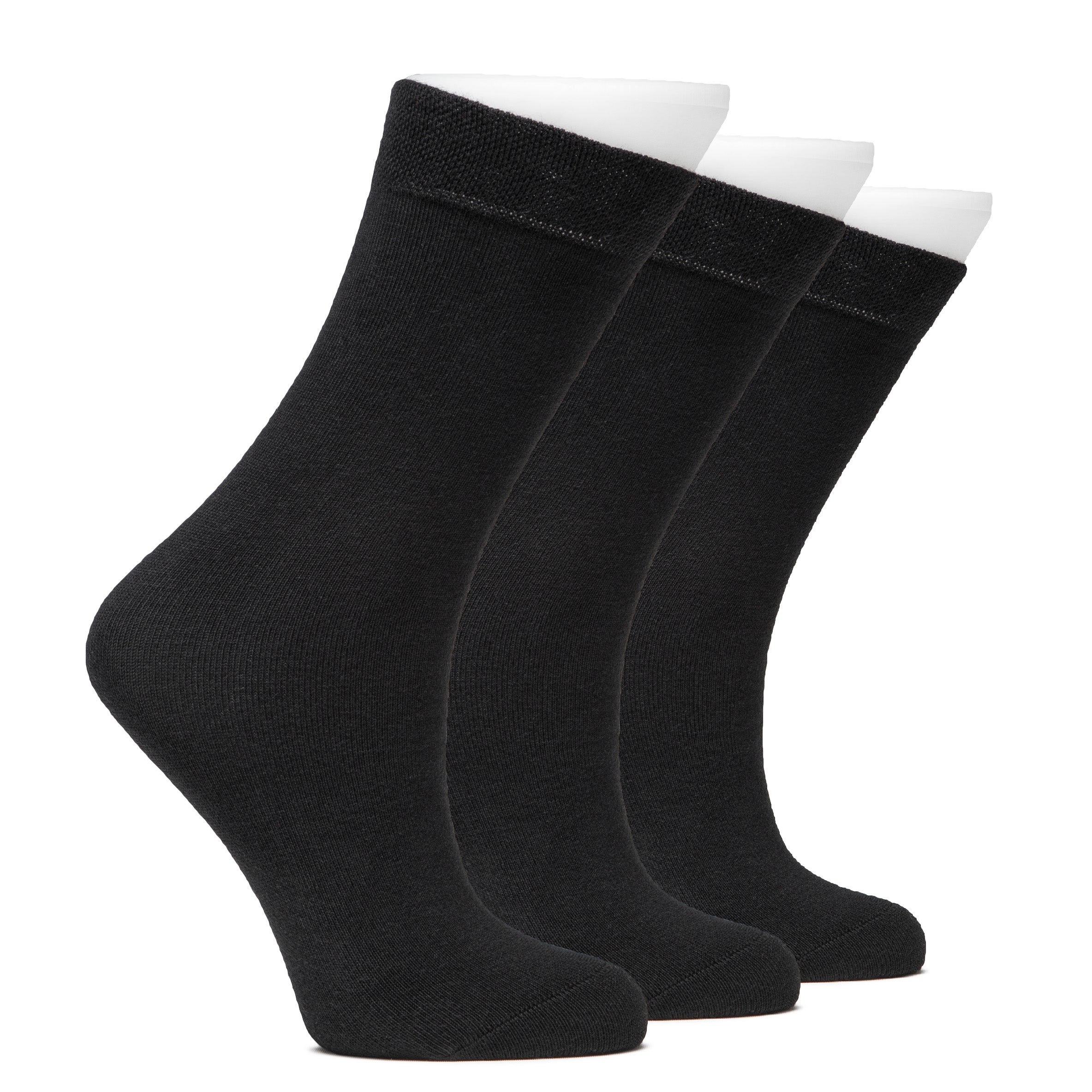
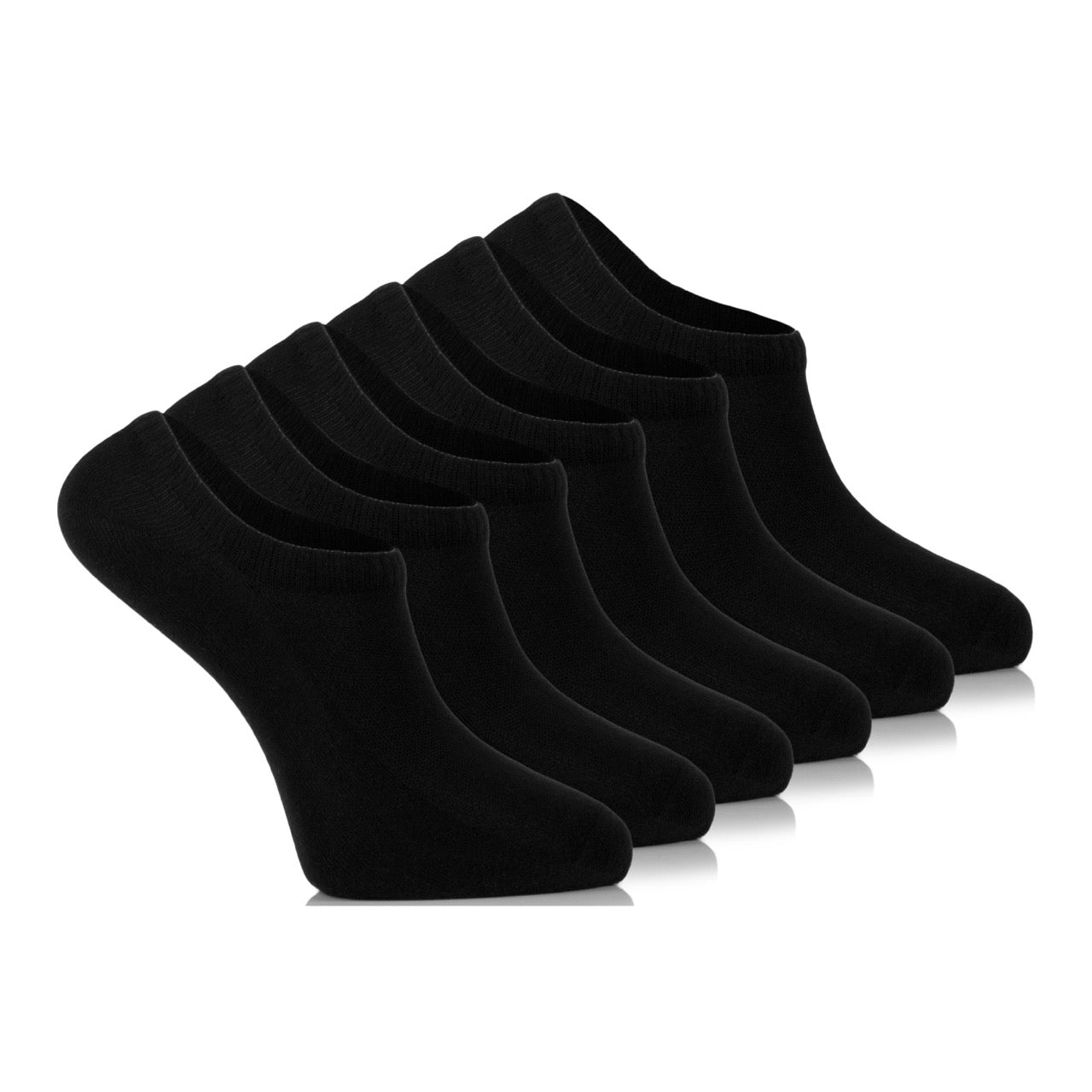
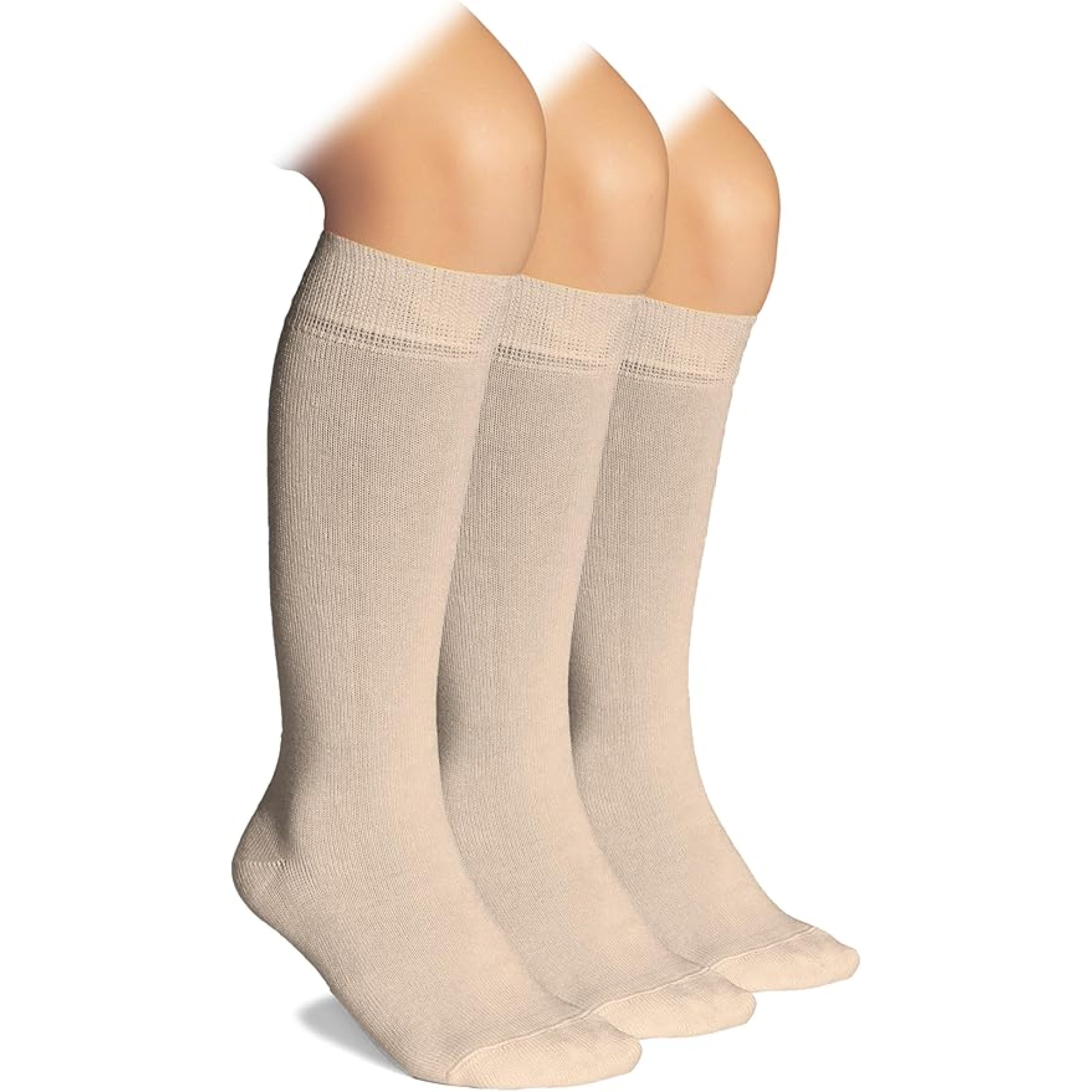


Take off a pair of socks at the end of the day and there's often a faint ring pressed into the skin around the ankle. The socks felt fine all day. They didn't slide down. Nothing seemed tight. But the mark is there anyway, and it can take a while to fade.
This is one of the more common and least explained aspects of wearing socks every day, and the reason it happens has more to do with how the cuff is built than whether the sock actually fits.
The indentation a sock leaves behind is the result of two related things happening at once.
Every sock cuff contains some form of elastic, either woven directly into the fabric or running through it in a separate band, to keep the sock from sliding down throughout the day. That elastic exerts a continuous inward pressure on the skin and underlying tissue for as long as the sock is worn. When you remove the sock, the compressed skin takes time to return to its normal state. The mark you see is essentially the temporary shape the elastic has pressed into the skin over several hours of wear.
The second factor is fluid. Throughout the day, particularly during long periods of standing or sitting, a small amount of fluid naturally accumulates in the lower legs and feet. The sock cuff sits at the border of where fluid is accumulating below it and where it isn't above it, which tends to make the boundary between the two more visible when the sock comes off. This is why marks are often more pronounced at the end of a long day than they are after a short morning walk.
The assumption most people make is that a sock mark means the sock is too small. In practice, the marks are much more about cuff design than overall size.
When most people say a sock fits, they mean it covers the foot, doesn't fall down, and isn't visibly stretched. None of those things tells you anything about how much pressure the cuff is actually exerting on the ankle. Two socks in the same size can leave dramatically different marks depending on how the elastic is constructed, how tightly it's wound into the cuff, and how much stretch the cuff has been engineered to accommodate.
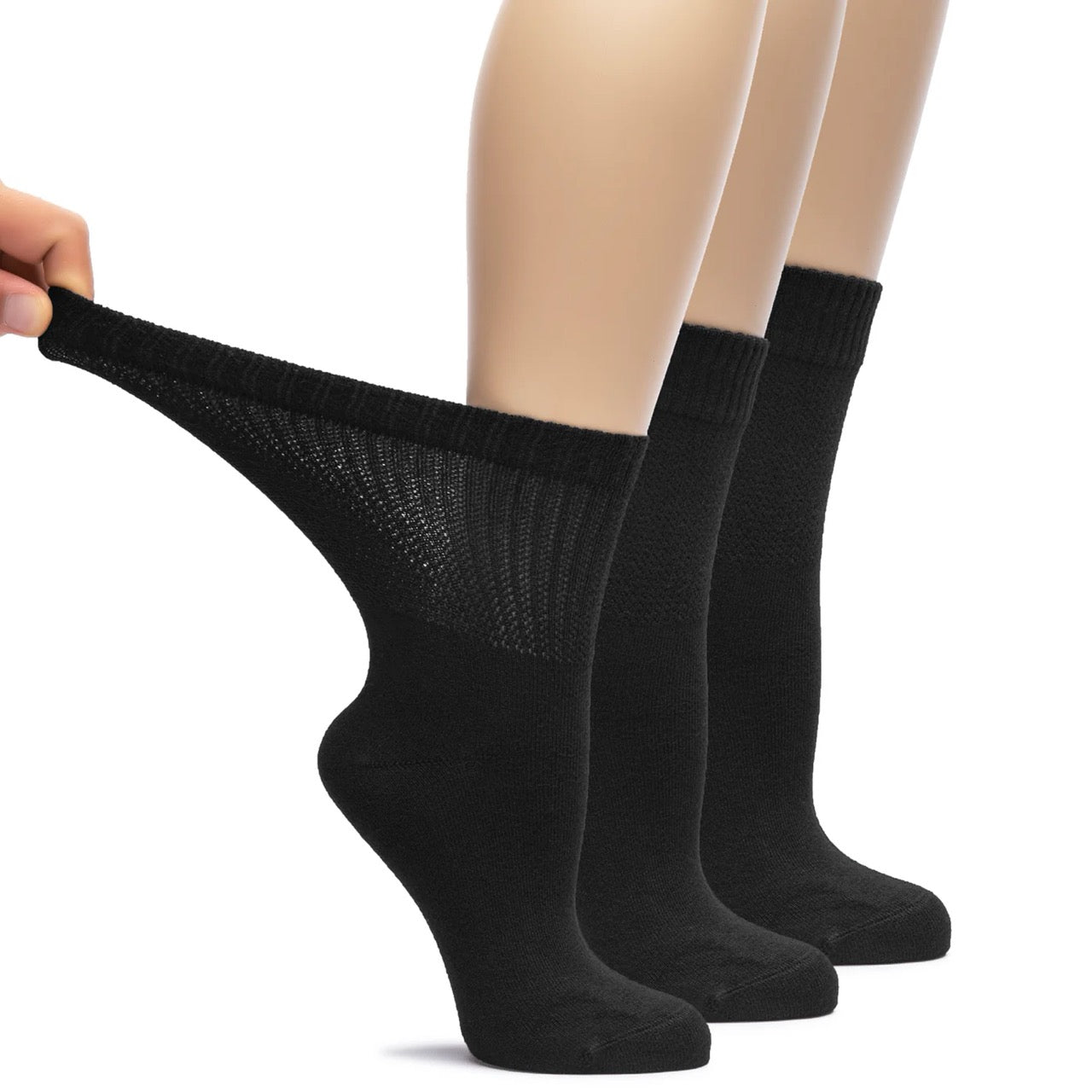
In standard mass-market socks, the cuff is usually constructed with enough elastic tension to stay up reliably across a wide range of leg sizes. That reliability comes at a cost: the same tension that keeps the sock up for most people creates more compression pressure than is comfortable or healthy for others. A sock designed with a deliberately softer, looser cuff, sometimes described as non-binding, trades some of that security for a significantly gentler grip that still holds the sock in place without leaving a deep impression in the skin.

A faint mark that appears at the end of the day and fades within fifteen to thirty minutes of removing the sock is a normal and common experience for most people. It doesn't indicate a circulation problem, a poorly fitting sock, or anything that requires attention. It's simply the temporary result of several hours of elastic pressure against skin that is doing exactly what skin does.
A few patterns shift sock marks from a normal inconvenience into something worth paying attention to. Marks that are unusually deep, take more than an hour or two to fade, or come accompanied by visible swelling, skin discoloration, or a feeling of tightness in the leg throughout the day can sometimes be a sign that fluid is accumulating in a way that's worth discussing with a healthcare professional. This is particularly relevant for anyone managing diabetes, heart conditions, kidney disease, or a condition that affects circulation, since fluid retention and skin changes in the lower legs can carry more significance in those contexts. Similarly, if the marks have noticeably worsened recently without a clear reason like new socks or a different daily routine, it's worth mentioning at a medical appointment rather than attributing it entirely to the sock.
Some people are more likely to notice significant marks regardless of what sock they're wearing.
The most practical solution for persistent or uncomfortable sock marks is choosing a sock built specifically around a softer, non-binding cuff. The key features to look for aren't always obvious from the outside of a package.
A non-binding top is the most direct design response to this issue. Instead of the standard tight elastic band, these cuffs use a looser, more flexible knit that holds the sock up without creating the sustained inward pressure that leaves deep marks. A lightweight bamboo diabetic ankle sock is built around this principle: the soft, non-binding cuff stays in place during a full day of wear without pressing hard enough into the skin to leave a significant mark when it comes off.
The same approach applies for men. A thin bamboo diabetic ankle sock with a non-binding top offers the same combination of a secure hold without aggressive elastic tension, which makes a noticeable difference for anyone who regularly ends the day with prominent marks or a feeling of pressure around the ankle.
Beyond the cuff, breathable fabric also plays a role. Heat and moisture during the day cause mild swelling in most people's lower legs, which worsens the contrast between the compressed area under the cuff and the uncompressed skin above it. A breathable bamboo fabric helps manage that heat buildup, which indirectly reduces how prominently the end-of-day marks appear.
Sock marks at the end of the day are mostly a normal result of elastic pressure and natural fluid accumulation over hours of wear. The size of the mark has more to do with how the sock's cuff is built than whether the sock fits correctly in the traditional sense. Switching to a sock with a non-binding top is the most direct way to reduce marks, and for anyone whose marks are deeper, longer-lasting, or coming with swelling or discomfort, it's worth a conversation with a healthcare professional rather than just a sock change.
Not necessarily. Sock marks are more often about cuff design than overall fit. A sock can be the right length and width and still leave marks if the cuff has a high elastic tension. Non-binding cuff designs address this without requiring a different size.
A faint mark that fades within fifteen to thirty minutes is common and normal. Marks that take significantly longer to fade, or that come with visible swelling, are worth paying attention to and potentially discussing with a healthcare professional.
Often, yes. Heat causes mild swelling in the lower legs for most people, which intensifies the contrast between the cuffed and uncuffed areas and can make end-of-day marks more prominent in warm weather.
Socks with a non-binding top, designed specifically to hold in place without high elastic tension, tend to leave significantly fewer and shallower marks than standard sock cuffs, particularly for people who are on their feet for long periods.
If marks are unusually deep, take a long time to fade, or come with swelling, discoloration, or tightness in the leg, it's worth discussing with a healthcare professional, especially for anyone managing diabetes, heart, kidney, or circulation conditions.
He has been working for more than 20 years in the textile industry and has work experience in many parts of the world.