Cart
0
You may also like
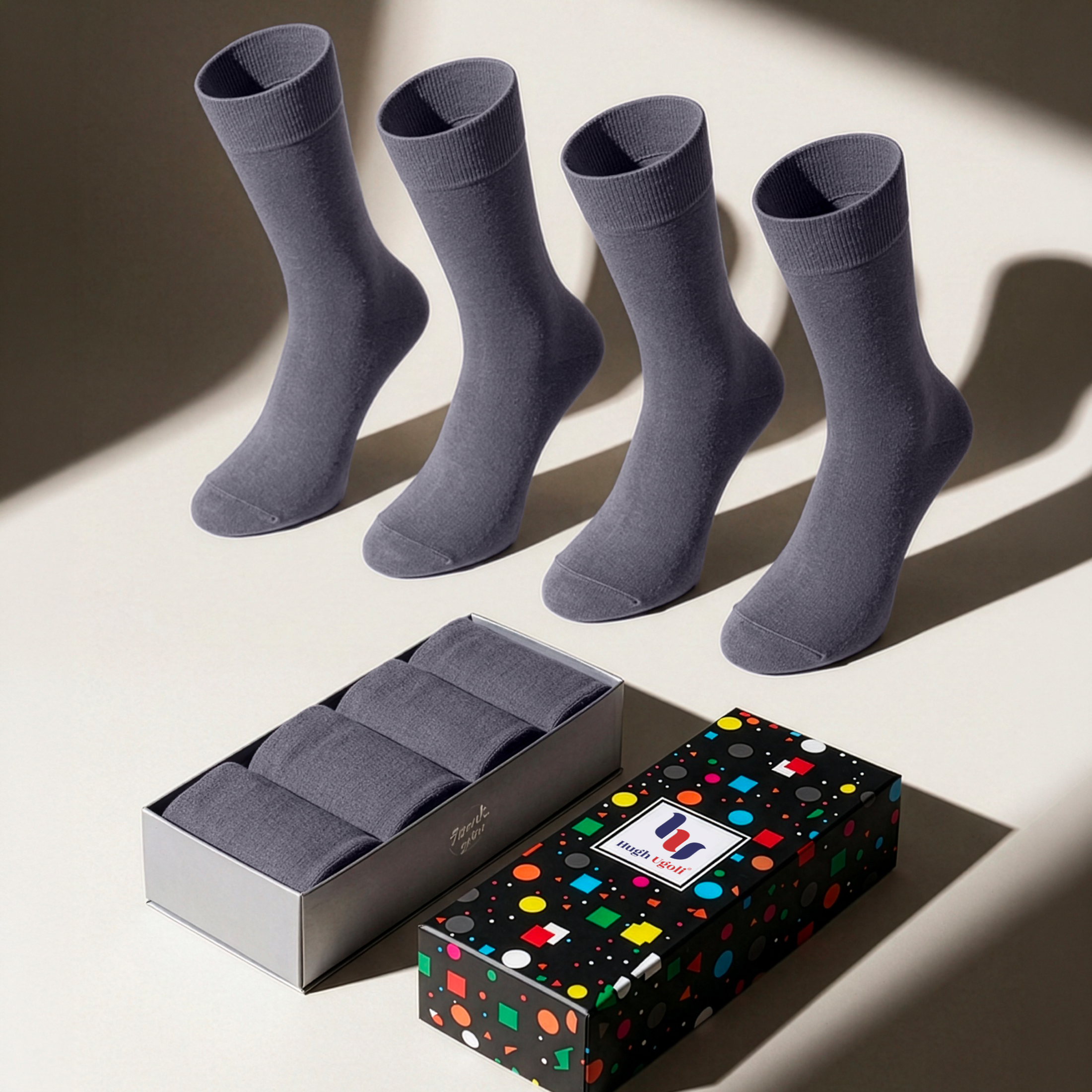
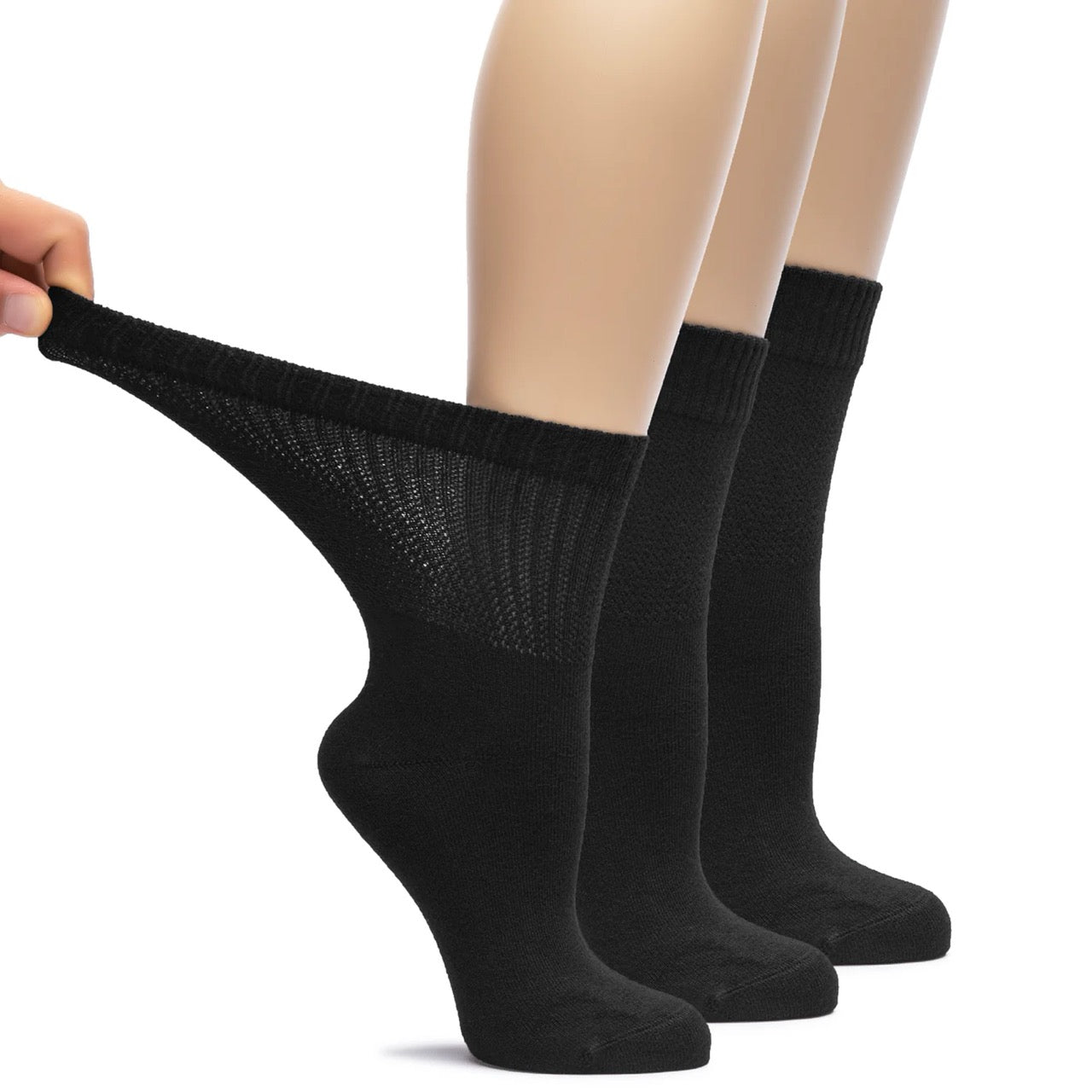
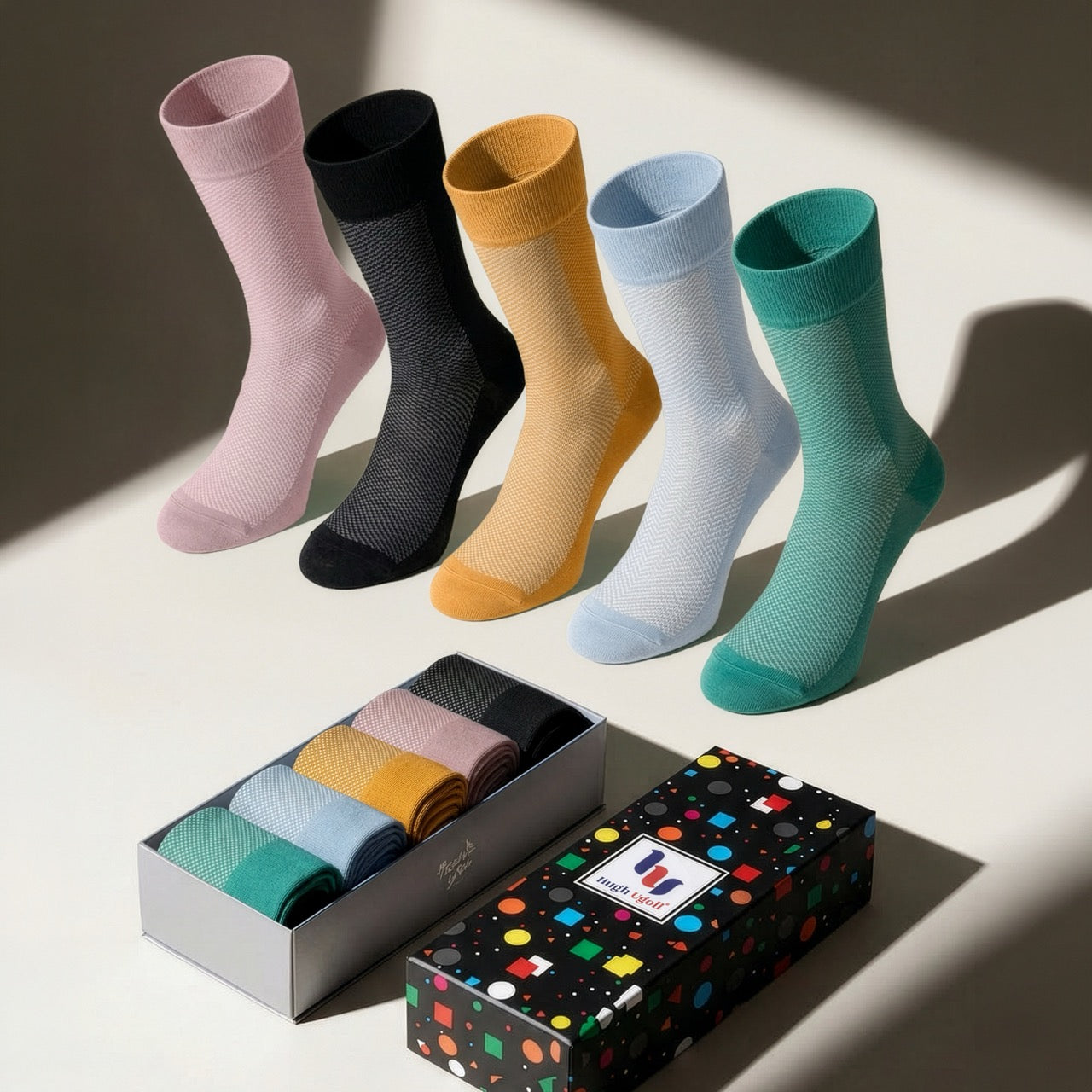
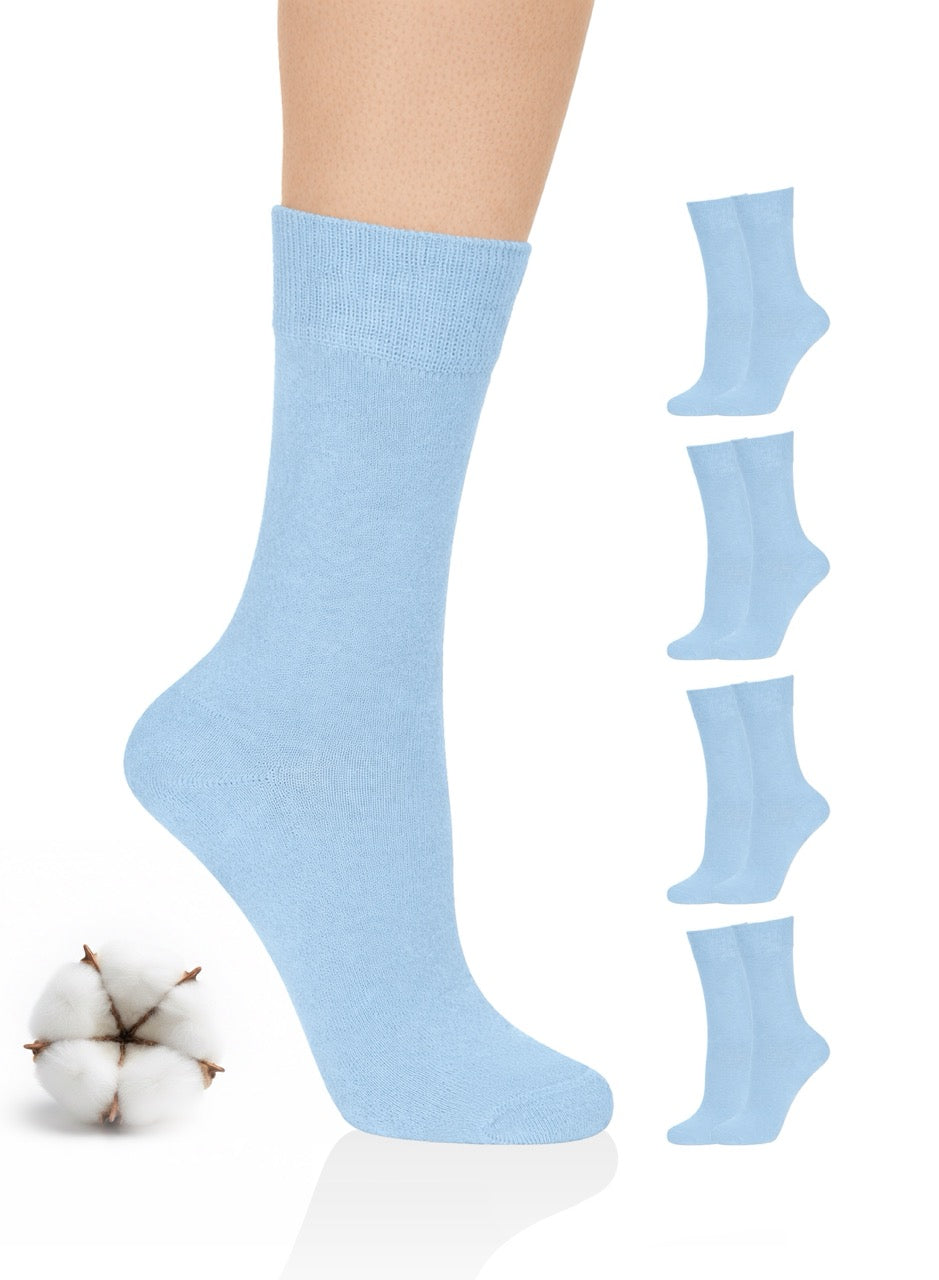
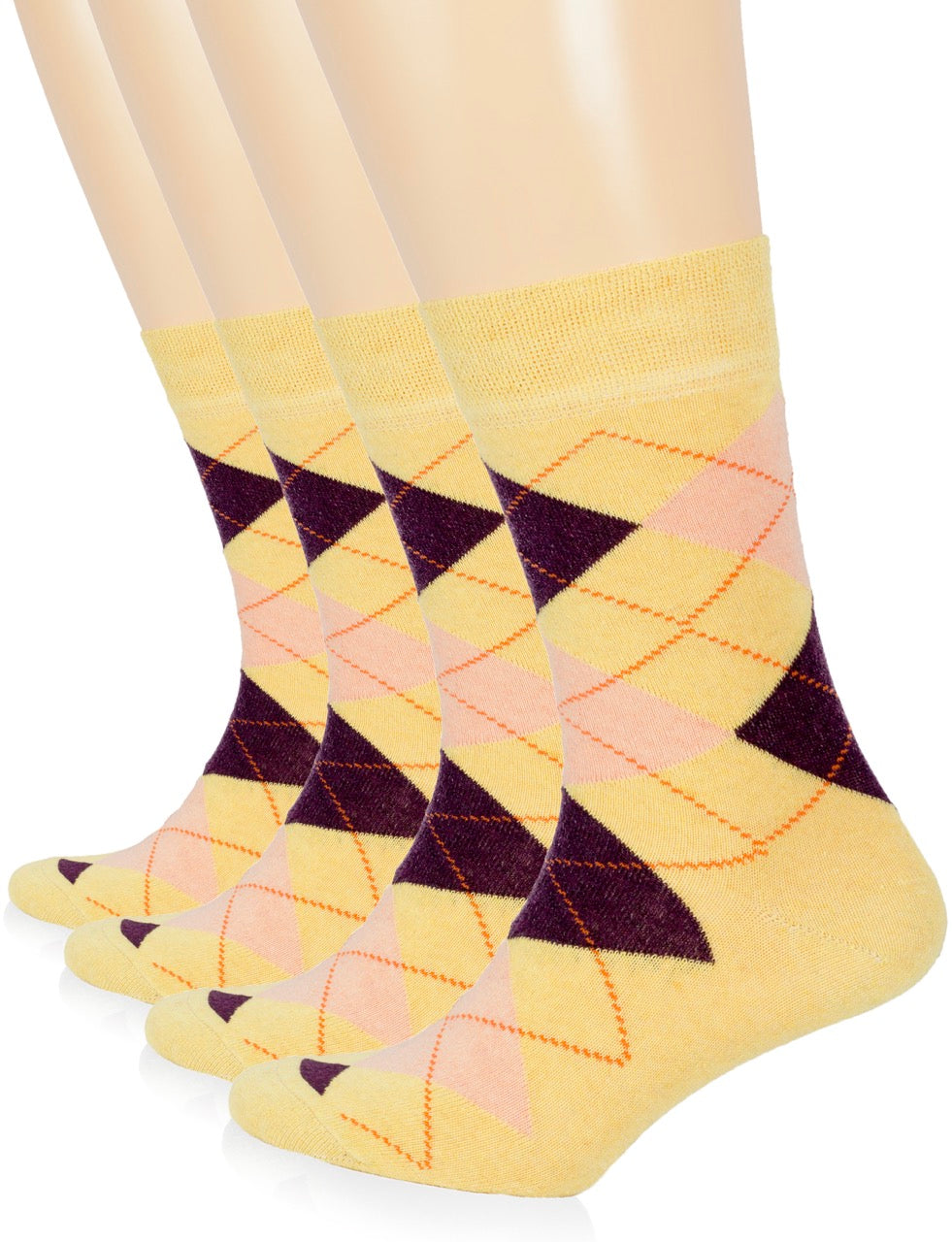


Pull out a pair of socks that's been in rotation for a few months and the pattern is almost always the same. The leg is fine. The toe might show a little wear. But the heel is where the fabric has thinned, pilled, or outright developed a hole. It happens with expensive socks and cheap ones, cotton and wool, dress socks and casual ones. The heel goes first, and it goes for reasons that are entirely predictable once you understand what's happening inside the shoe with every step you take.
Fabric wears down when fibers are repeatedly stressed beyond their ability to recover. Every time a sock is bent, compressed, and rubbed, the individual fibers that make up the fabric experience mechanical abrasion. Over hundreds and eventually thousands of repetitions, that abrasion breaks down the fiber structure, reduces the thread count in the affected area, and eventually thins the fabric to the point where it either becomes transparent or tears entirely. The process is gradual and usually invisible until it suddenly isn't.
Friction is the primary driver of sock wear, and it works in two directions simultaneously. The outer surface of the sock rubs against the shoe interior with every step. The inner surface rubs against the skin. Both surfaces experience friction independently, and the fibers in between are being squeezed and shifted with every contact. Thicker or more tightly woven areas resist this better. Thinner, more loosely constructed areas break down faster. The heel, it turns out, faces the most friction from both directions at once.
The heel isn't just any part of the foot. In normal walking, it's the first part of the foot to contact the ground on each step and the point that absorbs the initial impact of body weight before that weight transfers forward toward the ball and toes. That combination of impact, weight-bearing, and forward momentum makes the heel the single most mechanically demanding contact point in the walking cycle.
Every heel strike puts the sock in contact with a relatively hard surface, the insole of the shoe, with the full downward force of body weight behind it. The insole compresses the sock fabric between itself and the foot, and then the foot slides very slightly forward as the step completes. That small forward slide is enough to generate meaningful friction between the heel of the sock and the insole thousands of times per day. Multiply that by the number of steps a person takes daily — typically between six and ten thousand for a moderately active adult — and the accumulated friction at the heel over weeks of wear is enormous compared to any other part of the sock.
The outer surface of the sock heel faces constant rubbing against the shoe lining as the foot moves through each step. Even inside a well-fitting shoe, the heel lifts slightly off the insole during the toe-off phase and then drops back down again at heel strike. This repetitive lifting and landing creates a back-and-forth sliding motion between the sock and shoe that is essentially sandpaper action in slow motion. Leather linings are smoother and gentler. Synthetic linings are often rougher. Older shoes with worn or torn insoles expose harder material that accelerates the process considerably.

Not all heel wear looks the same, and the pattern of wear often reflects how a person walks. Someone with a strong heel strike and a neutral gait will typically wear through the center-back of the heel first. Someone who pronates — rolling the foot inward — tends to develop wear on the inner edge of the heel. Supinators wear through the outer edge first. If you've ever noticed that one sock wears out faster than the other, or that the wear pattern isn't centered, gait asymmetry is usually the explanation rather than any difference in the socks themselves.
Walking pace also matters. Faster walkers tend to generate more force at heel contact and more friction during the push-off phase, which accelerates wear at both the heel and the toe. People who spend long days on hard floors, such as concrete or tile, expose their socks to more abrasive surfaces than those on carpet or rubber matting, which further concentrates wear at the heel where impact is greatest.
Not all socks are built the same at the heel, and construction differences have a direct and significant effect on how long the heel fabric lasts.
A reinforced heel is a specific construction technique in which additional yarn — typically a stronger, more abrasion-resistant fiber like nylon or a tighter-spun cotton — is woven into the heel area during manufacture. This extra material gives the heel a denser, more durable structure that resists friction better and takes significantly longer to break down. A sock without heel reinforcement uses the same construction throughout, which means the heel fabric is no more resistant to abrasion than the leg or the arch, even though it faces far more of it.
The difference in longevity between a reinforced and unreinforced heel is not marginal. A well-reinforced heel can extend the lifespan of a sock substantially, often doubling the number of wears before thinning becomes visible. This is one of the clearest construction features that separates a genuinely durable sock from one that looks identical at the point of purchase but behaves very differently over time.
Some socks add a layer of cushioning at the heel through terry loop construction, in which the yarn is woven into small loops on the inner surface rather than lying flat. These loops create a thicker, softer layer that acts as a buffer between the foot and the shoe interior, absorbing some of the impact and friction that would otherwise go directly into the fabric fibers. Terry cushioning at the heel both improves comfort during high-impact activity and adds a physical thickness that takes longer to wear through than flat-knit fabric.
The trade-off is bulk: a heavily cushioned heel is thicker, which can affect shoe fit, and terry loop socks take longer to dry after washing. For everyday dress wear where a slim profile is preferred, a lighter reinforcement without full cushioning is typically a better fit than a thick terry heel.
The rate at which heels wear out varies significantly between people, and several factors contribute beyond just how much someone walks.
If heel wear is a persistent frustration, the construction details to look for are specific enough that they're worth knowing before buying rather than discovering by comparison after the fact.
Reinforced heels and toes are the most direct indicator of a sock built for longevity. This feature is mentioned in product descriptions when it's present, and it's worth confirming rather than assuming. A cotton dress crew sock with a reinforced heel and toe is built specifically to handle the extra abrasion those areas face, which means the heel lasts proportionally longer than the same construction without reinforcement.
For people who need additional heel protection — those who are on their feet for long shifts, who walk more than average, or whose gait places extra stress at the heel — a sock with semi-cushioning at the heel adds both comfort and durability in the area that needs it most. A semi-cushioned cotton ankle sock offers a thoughtful balance: enough cushioning at the heel to buffer impact and add resistance to friction-related wear, without the bulk of a full athletic-style terry sock.
Fiber choice also plays a role. Nylon blended into the heel area significantly improves abrasion resistance compared to pure cotton or pure bamboo. Even a small percentage of nylon in the heel construction creates a measurably more durable surface. When comparing otherwise similar socks, checking whether the heel includes a nylon reinforcement is one of the more reliable proxies for how long that area will hold up.
The heel wears out first because it works harder than any other part of the sock. It absorbs impact, generates friction against both the skin and the shoe interior simultaneously, and does all of this thousands of times per day. Understanding that makes it easier to choose socks built to handle that load — with reinforced heels, appropriate cushioning, and fiber blends that resist abrasion — and to take care of the pairs you already own in ways that extend rather than shorten their useful life.
The heel absorbs the impact of each footstep and generates friction against the shoe lining with every step. Over thousands of steps per day, this concentrated abrasion breaks down the fabric at the heel far faster than at the toe or leg, which face far less mechanical stress during normal walking.
Yes, meaningfully so. A reinforced heel uses denser construction or additional abrasion-resistant yarn in the heel area, which takes significantly longer to break down than standard fabric under the same daily friction. It's one of the clearest construction differences between socks that last and socks that don't.
Usually because of gait asymmetry — one foot strikes with more force, at a different angle, or in a slightly different pattern than the other. The shoe interior also plays a role: a more worn insole on one side creates a rougher contact surface that accelerates heel wear on that sock.
Yes. Nylon is significantly more abrasion-resistant than cotton or bamboo, which is why nylon reinforcement in the heel area extends sock life. Pure-cotton or pure-bamboo heels without any nylon content tend to wear through more quickly under equivalent conditions.
Yes. Frequent washing at high temperatures weakens fiber structure over time, making the heel area more susceptible to friction-related wear. Washing in cooler water and turning socks inside out before washing both help preserve the heel fabric for longer.
He has been working for more than 20 years in the textile industry and has work experience in many parts of the world.