Cart
0
You may also like
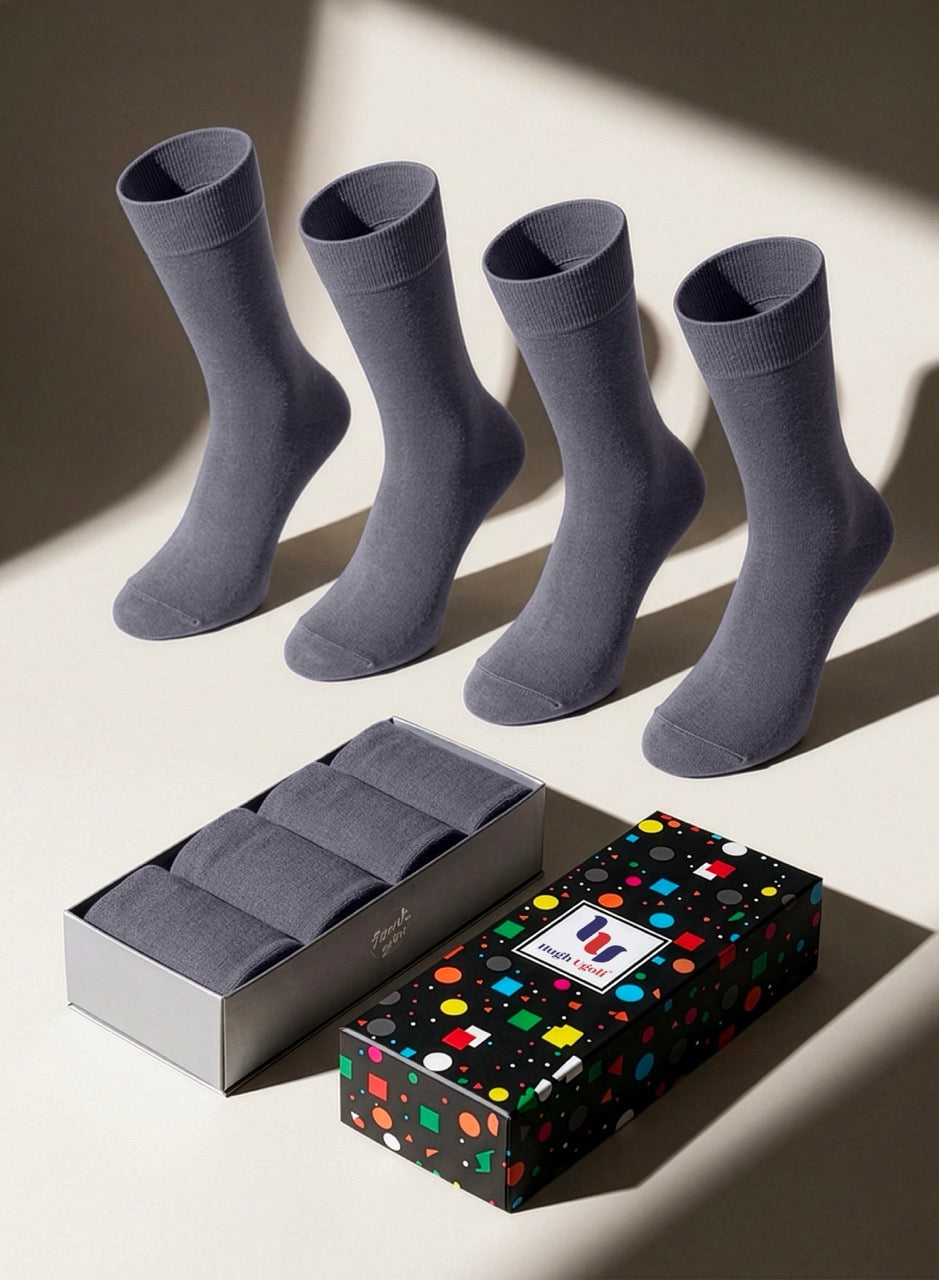

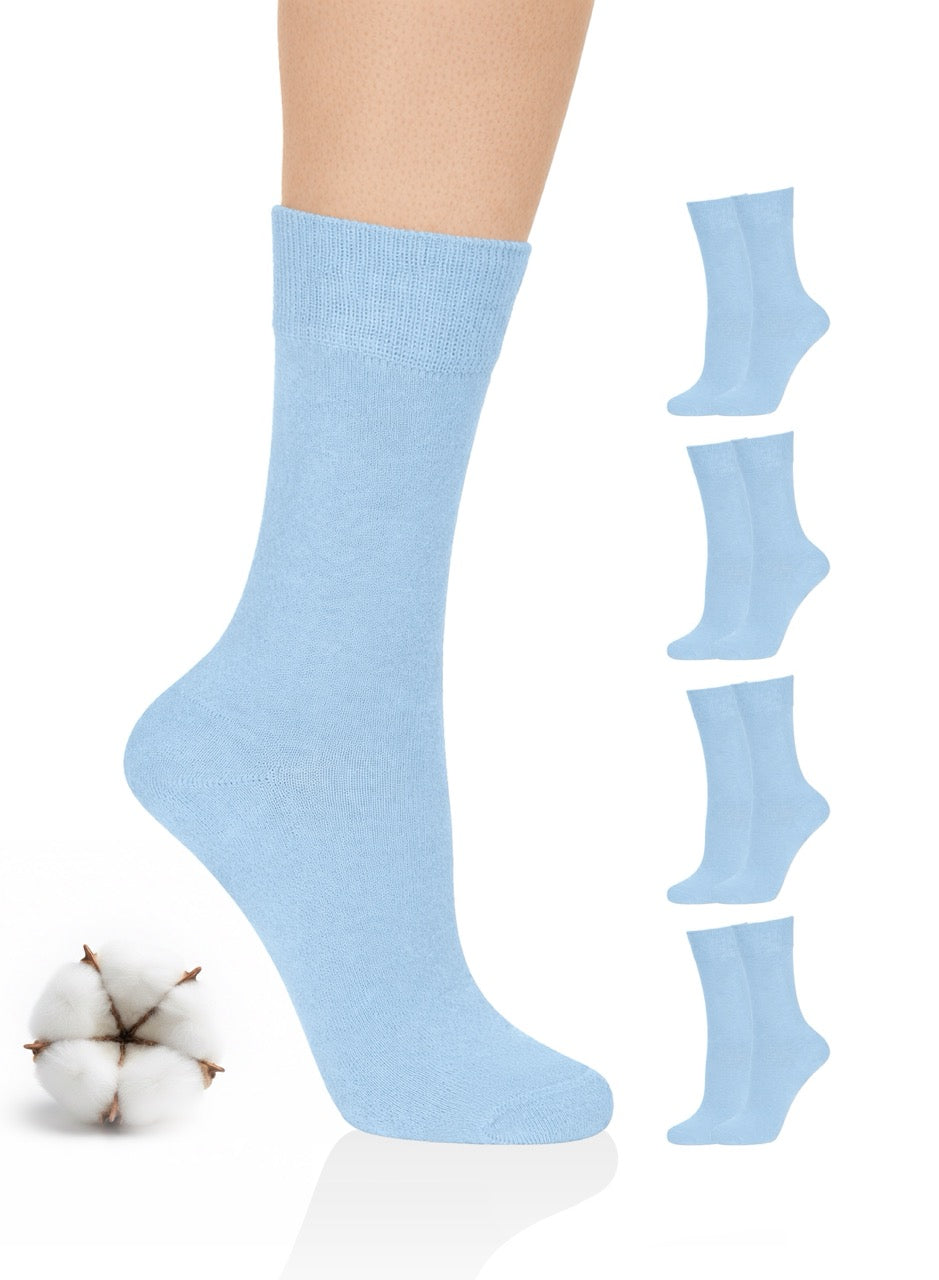


For most of your life, you probably don't think much about your feet. They do their job, you wear whatever shoes or socks are nearby, and that's that. Then, somewhere in your fifties or sixties, something shifts. Shoes that always felt fine start feeling hard by the end of the day. Your feet ache in ways they never did before. Socks that used to be unnoticeable suddenly feel too tight around the ankle.
None of this is unusual. Feet change significantly with age, and most of those changes have clear physical explanations. Understanding what's happening makes it easier to adjust and stay comfortable as the years go on.
Several structural changes happen to feet over time, and they tend to compound one another rather than show up in isolation.
The ball of the foot and the heel naturally have a layer of fat padding underneath them, which absorbs impact and cushions the bones and joints from the ground. With age, that fat pad gradually thins and loses some of its shock-absorbing ability. This is one of the most direct reasons that hard floors or thin-soled shoes become noticeably more uncomfortable as you get older — the natural cushioning that used to soften every step simply isn't as thick as it once was.
The skin on the feet also changes with age, becoming drier, thinner, and generally more sensitive to friction and pressure. What used to be a minor sock seam can become a noticeable irritant. Skin that once recovered quickly from a blister or a patch of rubbing might now take longer to heal. These aren't signs that something is wrong; they're a normal part of how skin changes over decades of use.
Tendons and ligaments loosen slightly over time, which can cause arches to flatten and feet to widen or lengthen a little. Someone who wore the same shoe size for twenty years might find that their usual size no longer fits the way it once did. Toes can also shift in shape, with conditions like bunions or hammertoes becoming more common in older adults, often linked to a combination of genetics, footwear history, and cumulative pressure over years of walking.

Beyond structural changes, two of the most significant age-related shifts happen in how blood reaches the feet and how the feet communicate with the rest of the nervous system.
Circulation to the feet and lower legs naturally becomes less efficient with age. Blood vessels lose some of their elasticity and the heart has to work slightly harder to move blood through the full length of the body. The result is that feet may feel colder more easily, take longer to warm up, and recover more slowly from a day of standing or walking. Swelling at the end of the day also tends to become more common, partly because aging circulation is slower to return fluid back up from the lower legs.
The nerves in the feet can also become less sensitive over time, which sounds like it might be a good thing but is actually more complicated. A small change in sensation is a normal part of aging. However, noticeably reduced feeling in the feet, particularly tingling, numbness, or a persistent burning sensation, can sometimes be associated with conditions like peripheral neuropathy, which is worth discussing with a healthcare professional rather than attributing entirely to normal aging. Catching any real changes in sensation early tends to lead to better outcomes.
Many foot conditions that people associate with aging aren't inevitable, but they do become more common for reasons directly tied to the changes above.
What made a sock comfortable at thirty may not be what makes one comfortable at sixty. The physical changes in aging feet shift what to look for.
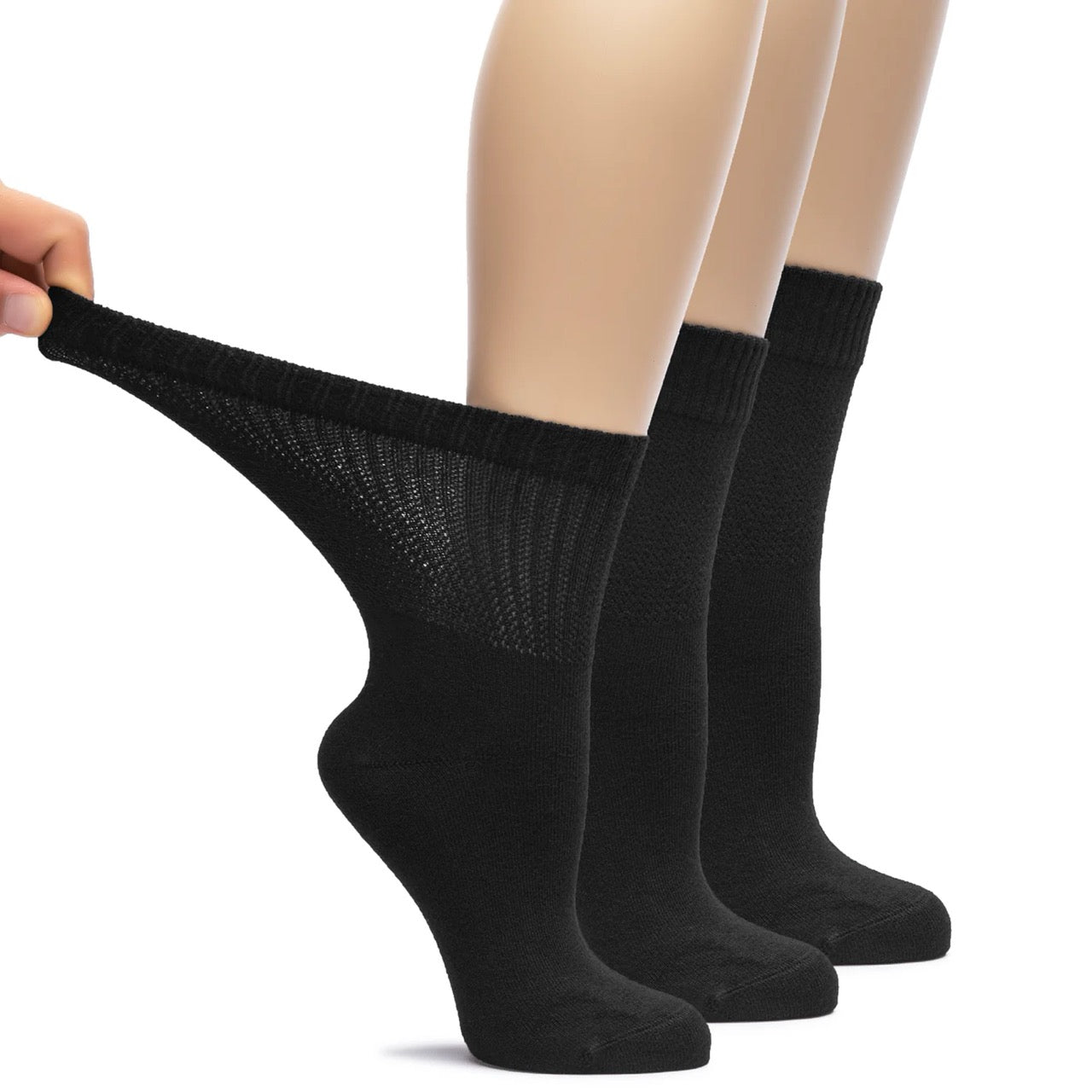
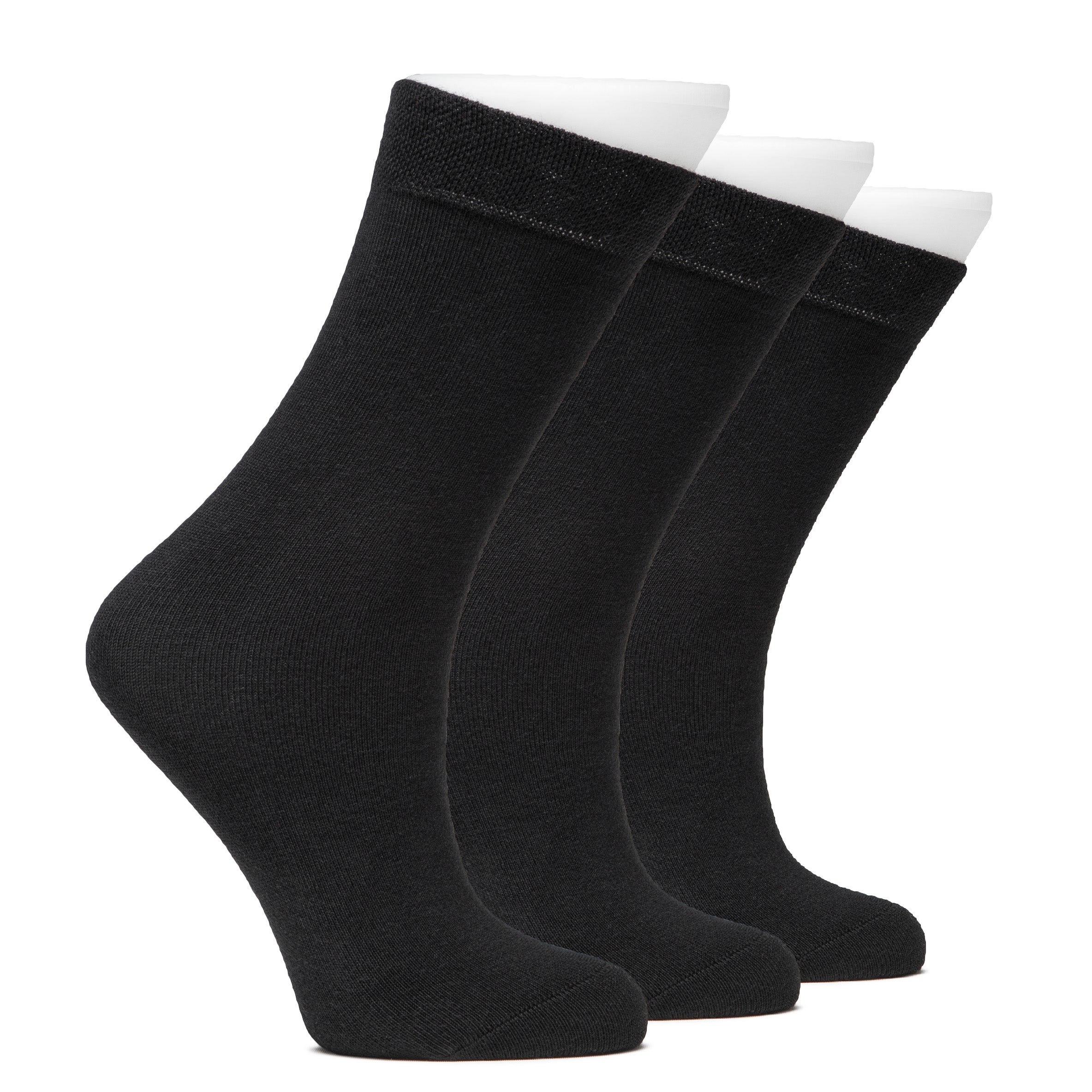
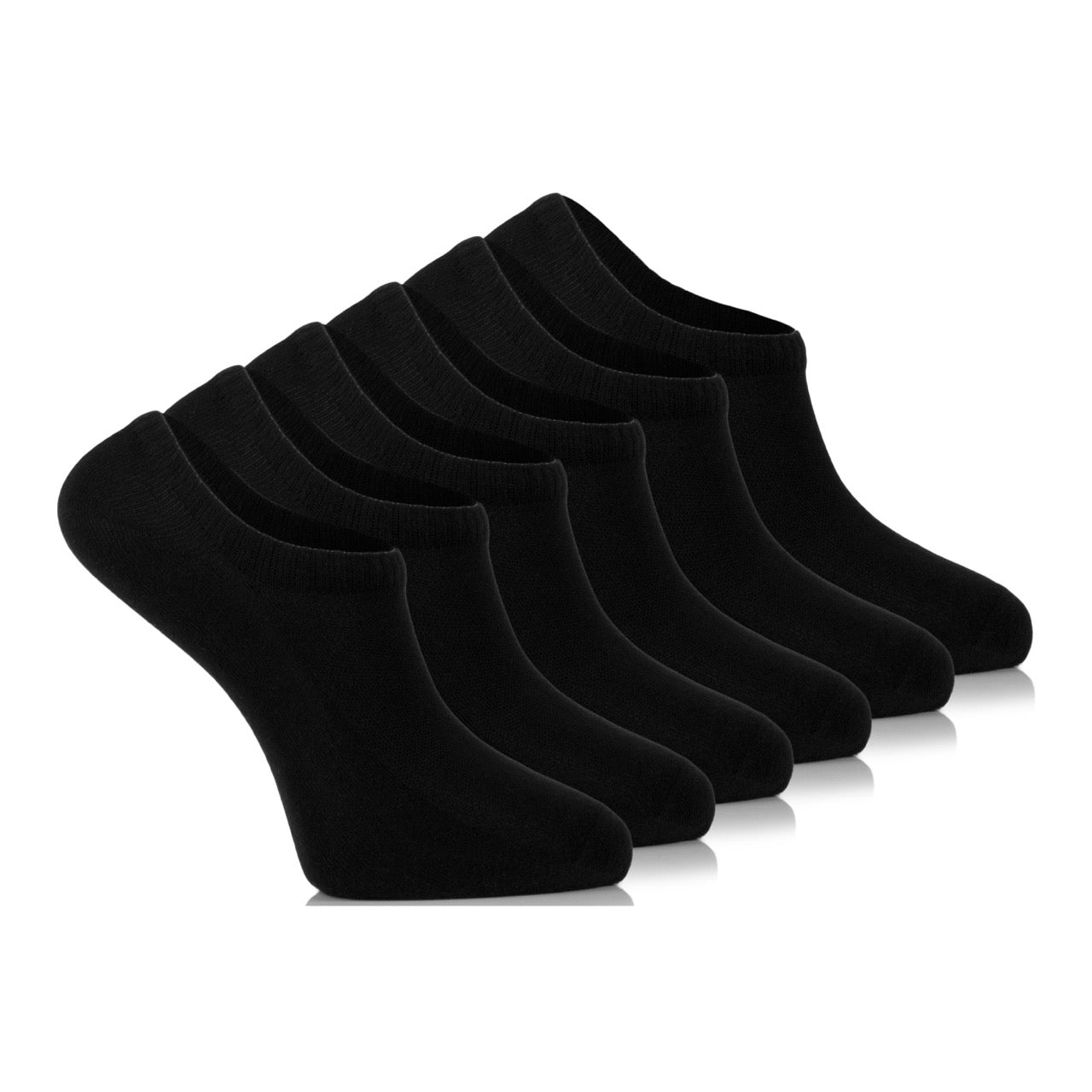
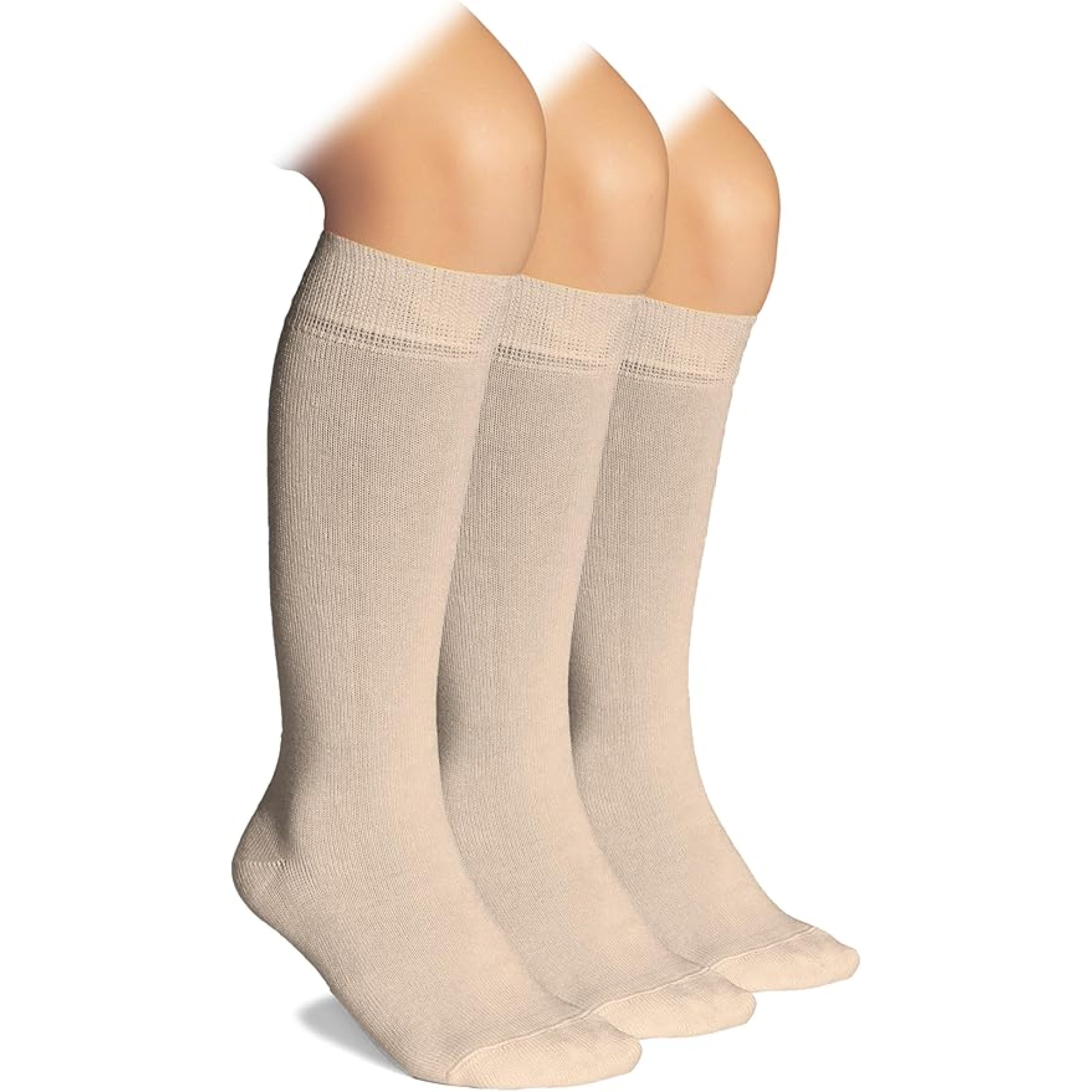
A seamless toe matters more as skin becomes thinner and more sensitive, since even a modest ridge across the toe can cause rubbing that wasn't noticeable years before. A non-binding top becomes more important as circulation slows, since a tight elastic cuff adds pressure on vessels that are already working harder to move blood back up the leg. A lightweight bamboo diabetic ankle sock addresses several of these needs together: a soft, non-binding top, breathable fabric, and a seamless toe that won't irritate more sensitive skin.
Extra cushioning underfoot also becomes more valuable as the fat pad thins. A sock with a semi-cushioned sole helps compensate for some of that lost natural padding, which is particularly noticeable on hard floors or after a long day of walking. A semi-cushioned diabetic ankle sock combines that added cushioning with a non-constricting fit, making it a practical option for older adults spending long periods on their feet.
Many of the changes described here are a normal part of aging and don't require medical attention. However, a few warrant a conversation with a doctor or podiatrist rather than just adjusting your socks or shoes. Persistent heel or arch pain that doesn't ease within a few weeks, numbness or tingling in the feet that's new or getting worse, skin wounds or ulcers that are slow to heal, significant changes in skin color or temperature in one foot, and any foot pain that's noticeably disrupting your daily activity are all worth having evaluated. This is especially true for anyone managing diabetes or a cardiovascular condition, where foot changes can sometimes point to something that benefits from early attention.
Foot comfort changes with age for real, physical reasons: thinner fat pads, drier skin, flattening arches, slower circulation, and more sensitive nerves all shift what it takes to feel comfortable on your feet. Recognizing those changes rather than dismissing them as unavoidable means you can make simple, practical adjustments that add up to noticeably better days.
Some increase in foot discomfort is common with age, driven by thinning fat pads, changes in foot shape, and slower circulation. However, significant or persistent pain is worth discussing with a healthcare professional rather than assuming it's just a normal part of aging.
Circulation to the feet and lower legs naturally becomes less efficient with age, which often makes feet feel colder more easily and slower to warm up, particularly in cool environments.
Feet don't grow in the traditional sense, but they can widen or lengthen slightly as tendons and ligaments loosen over time and arches gradually flatten. This is why many older adults find that their longtime shoe size no longer fits the way it used to.
Socks with a non-binding top, seamless toe, and some extra cushioning underfoot are often recommended for older adults, since they address the specific changes that tend to make standard socks less comfortable with age.
Occasional mild tingling can be normal, but numbness, tingling, or burning that's new, persistent, or getting worse is worth evaluating by a healthcare professional, particularly if you're managing diabetes or a condition that affects circulation.
He has been working for more than 20 years in the textile industry and has work experience in many parts of the world.