Cart
0
You may also like
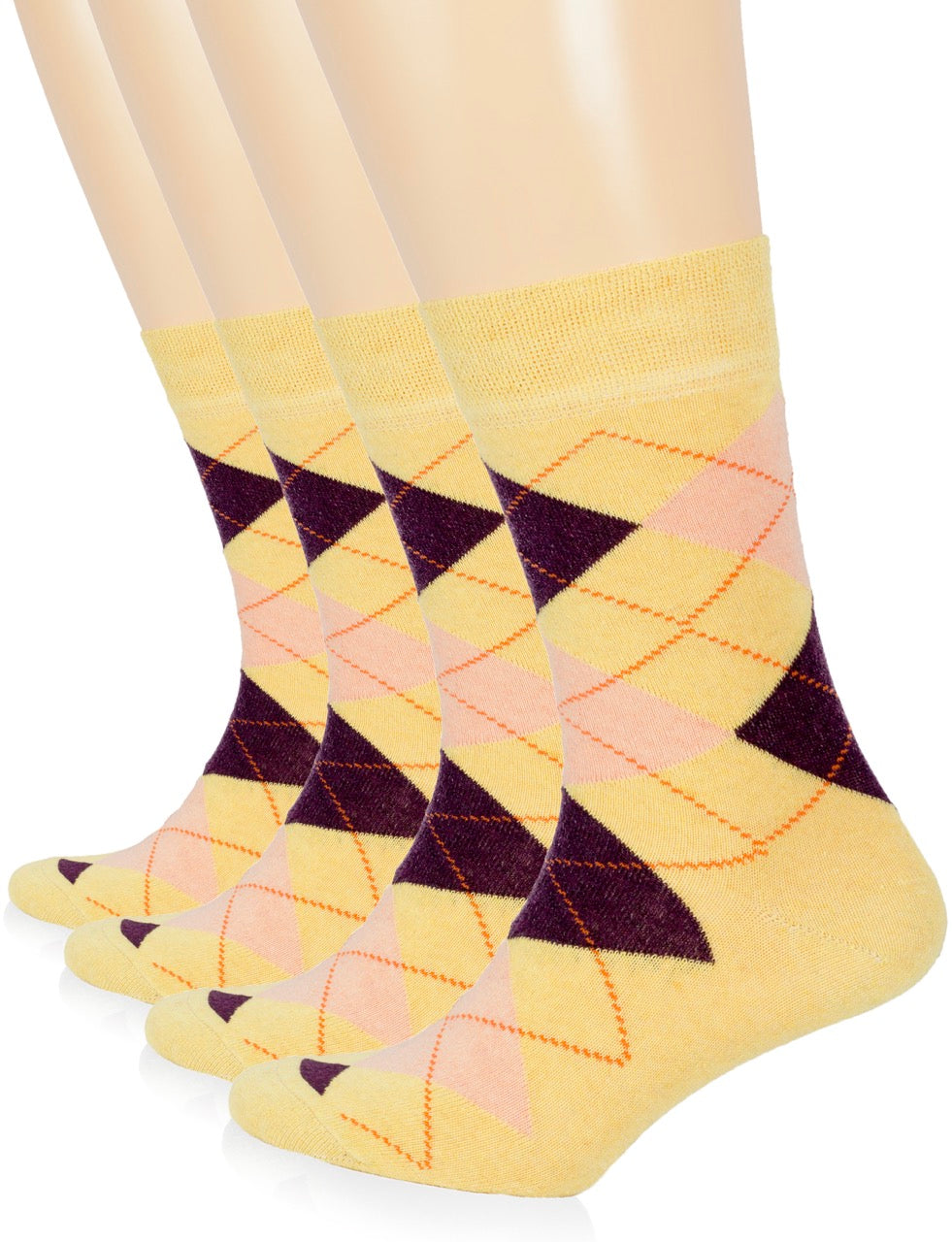
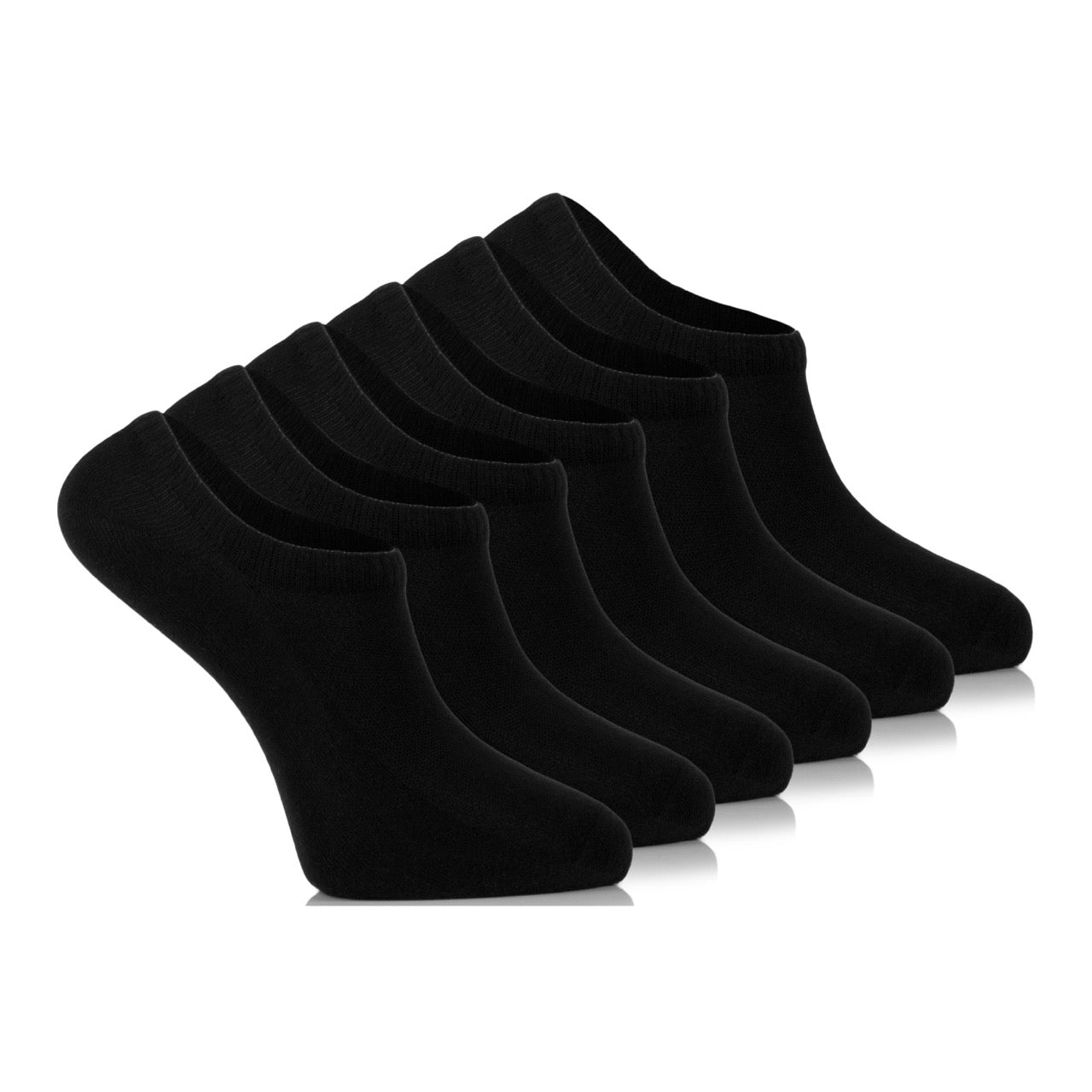


You pull on two identical socks from the same drawer, put on the same shoes, and walk out the door. By mid-morning, one sock has traveled halfway to your arch. The other is exactly where you left it. It's one of those minor daily frustrations that most people have experienced and almost no one has a clear explanation for.
The answer involves a combination of sock construction, foot anatomy, shoe fit, and the way elastic degrades unevenly over time. Most of the time, it isn't a random mystery — it's a predictable outcome of one or more specific factors that are worth understanding if you want to fix it.
Before getting to why one sock slips and the other doesn't, it helps to understand what keeps socks up in the first place and where that system breaks down.
The cuff of a sock contains elastic, either woven into the fabric or threaded through it, that creates inward pressure against the leg. That pressure is what keeps the sock up when you're walking, which involves repeated flexion at the ankle and stretching of the fabric with every step. The elastic has to be tight enough to resist that constant downward pull from movement, but not so tight that it causes discomfort or leaves marks. When that balance shifts in either direction, the sock either slips or grips uncomfortably.
Most well-made socks have a heel pocket, a reinforced, shaped section that cups the heel rather than lying flat against it. This pocket creates a physical anchor point that keeps the sock positioned correctly on the foot. When the heel pocket is properly shaped and sized for your foot, it grabs the heel and helps the rest of the sock stay in place even when the elastic is doing less work. When it's too large, too loose, or absent, the sock can rotate and migrate downward without much resistance. A slipping sock often isn't losing its grip at the cuff first — it's losing its grip at the heel first, and the cuff follows.
The puzzling part of one-sock slippage is the asymmetry. If the socks are from the same pack and the shoes are the same pair, why does one stay and one slip? There are a few consistent explanations.
Even when two socks look identical, their elastic doesn't always age at the same rate. If you consistently put the same sock on the same foot — which most people do without realizing it, reaching automatically into the drawer and following the same sequence — one sock experiences more wear than the other. Over months of repeated washing and wearing, the elastic in the more-worn sock loses tension first. The two socks may have started life identical, but by the time slippage becomes noticeable, they've diverged quietly through unequal use. Rotating which sock goes on which foot, or replacing pairs as a unit rather than individually, helps prevent this kind of asymmetric degradation.
It's common knowledge that most people have feet of slightly different sizes. What's less discussed is that foot shape also differs in ways that affect sock behavior. Calf circumference often varies between legs, the heel shape can differ enough to affect pocket fit, and the ankle can be slightly wider or narrower on one side. These differences are usually minor — sometimes less than half a shoe size — but they're enough to shift how well one sock grips versus the other. A sock that holds perfectly on the left foot might have slightly more room to migrate on the right, purely because the geometry of that foot doesn't anchor the heel pocket quite as securely.

Most people favor one side for most physical activities without being aware of it. If you're right-footed, your right leg typically does more of the driving work in walking — more push-off, more force through the toe and heel, more ankle flexion over the course of a day. That additional movement creates more dynamic stress on the sock's elastic and heel pocket on the dominant side, which can accelerate wear on that sock over time. It also means the sock on your dominant foot is being stretched and compressed more frequently with every step, giving it more opportunity to migrate if any part of its grip is less than optimal.
This isn't always the dominant foot that slips, because more movement also means more active repositioning through the gait cycle. But it's one reason why the pattern of slippage isn't always as random as it feels, and why the same sock tends to slip on the same foot consistently rather than alternating unpredictably.
The shoe the sock sits inside plays a larger role than most people realize. A sock that is gripping correctly for the leg and foot can still slip if the shoe interior is working against it.
Shoes wear down unevenly over time. The insole on one side often compresses more than the other depending on your gait. The heel counter on one shoe can become slightly more worn or distorted, giving the sock less friction to resist downward movement. If you walk with any pronation or supination, the foot moves inside the shoe differently on each side, and one foot may create more internal movement that works the sock downward over the course of a day. Even subtle differences in how two shoes from the same pair fit can create enough of a difference in sock behavior to explain why one slips and the other doesn't.
A useful diagnostic: if you wear the problematic sock on the opposite foot inside the opposite shoe for a day and it stops slipping, the shoe interior is likely the primary cause. If it slips regardless, the issue is more likely the sock's fit or elastic condition on that foot specifically.
The one-sock slippage problem is most acute with no-show or low-cut socks, and for a clear structural reason. A crew or ankle sock has the cuff sitting on the lower leg, where it has more surface area and more distance from the heel to work with. A no-show sock is anchored only by the heel and a narrow band at the very top of the foot — there's almost nothing gripping the leg itself. Any asymmetry in foot size, heel shape, shoe fit, or elastic tension is therefore magnified. A no-show sock that slips tends to slip entirely below the shoe line, creating the frustration of an invisible sock that's also become useless.
The solution in this category is a sock specifically built with a heel grip — a silicone or textured strip inside the heel pocket that creates friction between the sock and the shoe lining rather than relying solely on elastic tension. A bamboo no-show sock with a non-slip heel solves the slippage problem at the structural level rather than just adding more elastic tension, which is the difference between a sock that grips reliably and one that fights a losing battle against gravity.
For women, the same principle applies with equal force. A bamboo no-show sock with a built-in heel grip combines the breathability of bamboo fabric with the physical grip that keeps the sock positioned correctly across a full day of wear, regardless of foot size differences or shoe interior variations that might cause a standard no-show to migrate.
Once you understand what actually causes slippage, the features to look for in socks that don't slip become clearer and less about marketing language.
One sock slipping while the other stays put is almost never random. It's the predictable result of asymmetric elastic wear, subtle differences in foot shape or shoe fit, dominant-side movement patterns, or a sock design that isn't built for the specific demands of the shoe it's being worn in. Understanding which factor is at play makes it possible to actually fix the problem, whether that means rotating socks more deliberately, replacing pairs sooner, choosing a better heel structure, or switching to a no-show sock built with a physical grip at the heel rather than one that relies solely on elastic tension.
The most common reasons are subtle differences in foot or heel shape between your two feet, uneven elastic wear because you consistently put the same sock on the same foot, or slight variations in how the shoe on that side fits internally. Any of these can cause one sock to grip less reliably than the other, and the pattern tends to repeat consistently rather than alternating.
Yes, when the non-slip feature is a silicone heel grip rather than just added elastic tension. A grip strip inside the heel pocket creates friction against the shoe lining that keeps the sock in position far more reliably than elastic alone, particularly for no-show styles where there's no cuff on the leg to help hold things in place.
No-show socks have a much smaller contact area and rely almost entirely on the heel and a narrow foot band to stay in place. Ankle and crew socks have a cuff that grips the lower leg, providing a far more stable anchor. Any slippage tendency is amplified in no-show styles because there's so little fabric helping hold the sock in position.
Yes, particularly if washed frequently at high temperatures. Heat degrades elastic fibers, reducing the tension that keeps socks up. The degradation tends to happen unevenly across pairs, which is one reason a sock that once stayed up reliably starts slipping after months of use even though both socks look the same.
A sock that is too large for the foot will have excess fabric and insufficient tension to grip properly, which is a common cause of slippage that's often overlooked. If your feet are slightly different sizes, the sock on the slightly smaller foot may also fit more loosely, which can explain why slippage consistently happens on one side only.
He has been working for more than 20 years in the textile industry and has work experience in many parts of the world.