Cart
0
You may also like
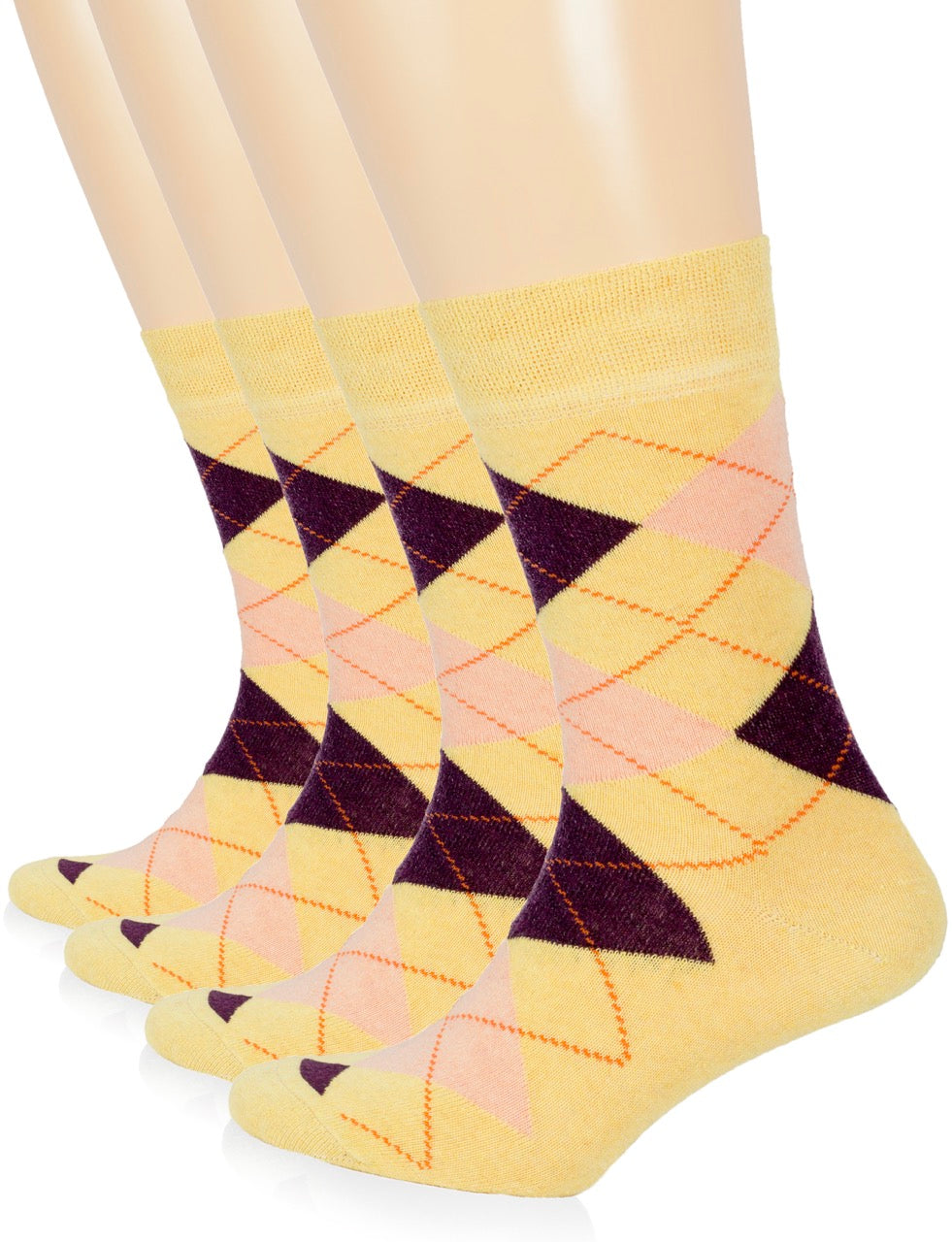


Most people spend real time choosing their shoes. They think about fit, brand, durability, and style. They'll walk around a store in them, try a second pair, and come back the next day if they're not sure. Then they go home and pull a sock from a bulk multipack without a second thought.
It's not carelessness. It's a set of deeply ingrained assumptions about what socks are and what they do. Most of those assumptions turn out to be wrong, but they're consistent enough across most people that the sock industry has spent decades quietly benefiting from being underestimated.
The most obvious reason socks get undervalued is simple: you can't see them most of the time.
Buying decisions for visible items, shoes, jackets, shirts, are shaped by the fact that you and other people will see them. That visibility creates accountability. You notice when a shoe looks worn out. You replace a shirt with a visible stain. Socks, hidden inside shoes for most of their existence, receive no such attention. Out of sight for eight to twelve hours a day, they get replaced only when they literally fall apart, if even then.
There's also a credit problem. When your feet feel comfortable after a long day, you're far more likely to attribute that to the shoes you chose than to the sock that sat between your foot and the shoe for every single step. Shoes are visible and carry a narrative. Socks don't. The result is that a significant contributor to foot comfort spends most of its life being ignored by the person it's directly serving.
With most products, price is at least a rough signal of quality. People assume a $200 jacket is probably better than a $20 one. With socks, that signal breaks down almost completely.
The reference point that most people carry for socks comes from years of buying multipacks where the per-pair cost works out to very little. That creates a ceiling in the mind. Even when a better option is available, paying meaningfully more per pair feels disproportionate to the product's perceived value, not because of the actual cost, but because it's so far from the baseline people have always used.
The other issue with price signals is that most people have never actually compared a genuinely high-quality sock against their standard pair under equal conditions. Without that direct comparison, there's no real data to build on. People underestimate socks in part because they've never been given a concrete reason to estimate them differently. The upgrade tends to come from a gift, a recommendation, or a single uncomfortable experience that finally makes the comparison possible.

A lot of what makes a good sock valuable happens silently, which is exactly why it goes underappreciated.
Perhaps the most underappreciated factor in why socks get underestimated is that most people have spent years quietly adapting to what their socks don't provide.
If you've always worn the same kind of socks, your baseline for "normal" foot comfort is shaped entirely by that experience. The faint pressure from a tight cuff, the bunching near the toe after a few hours, the way your feet feel slightly rougher and more tired at the end of the day than they maybe need to, none of these register as problems because they've always been present. They're just what feet feel like.
The moment that changes is usually not gradual. People describe it as a specific, sudden contrast: a genuinely well-made pair arrives as a gift, or gets pulled from a drawer by mistake, and the difference is immediate enough to be slightly embarrassing in retrospect. The question isn't "is this better?" It's "why did I wait so long?" That moment of comparison is the thing that breaks the underestimation cycle, and it almost always has to be experienced rather than described.
The rise of quality socks as a gift item is, in a quiet way, one of the more significant shifts in how people encounter better options. A gift bypasses the price ceiling problem entirely. The recipient doesn't have to justify paying more. They just put on a pair that comes in actual packaging, with visible attention to construction, and experience the difference without any of the normal purchase friction.
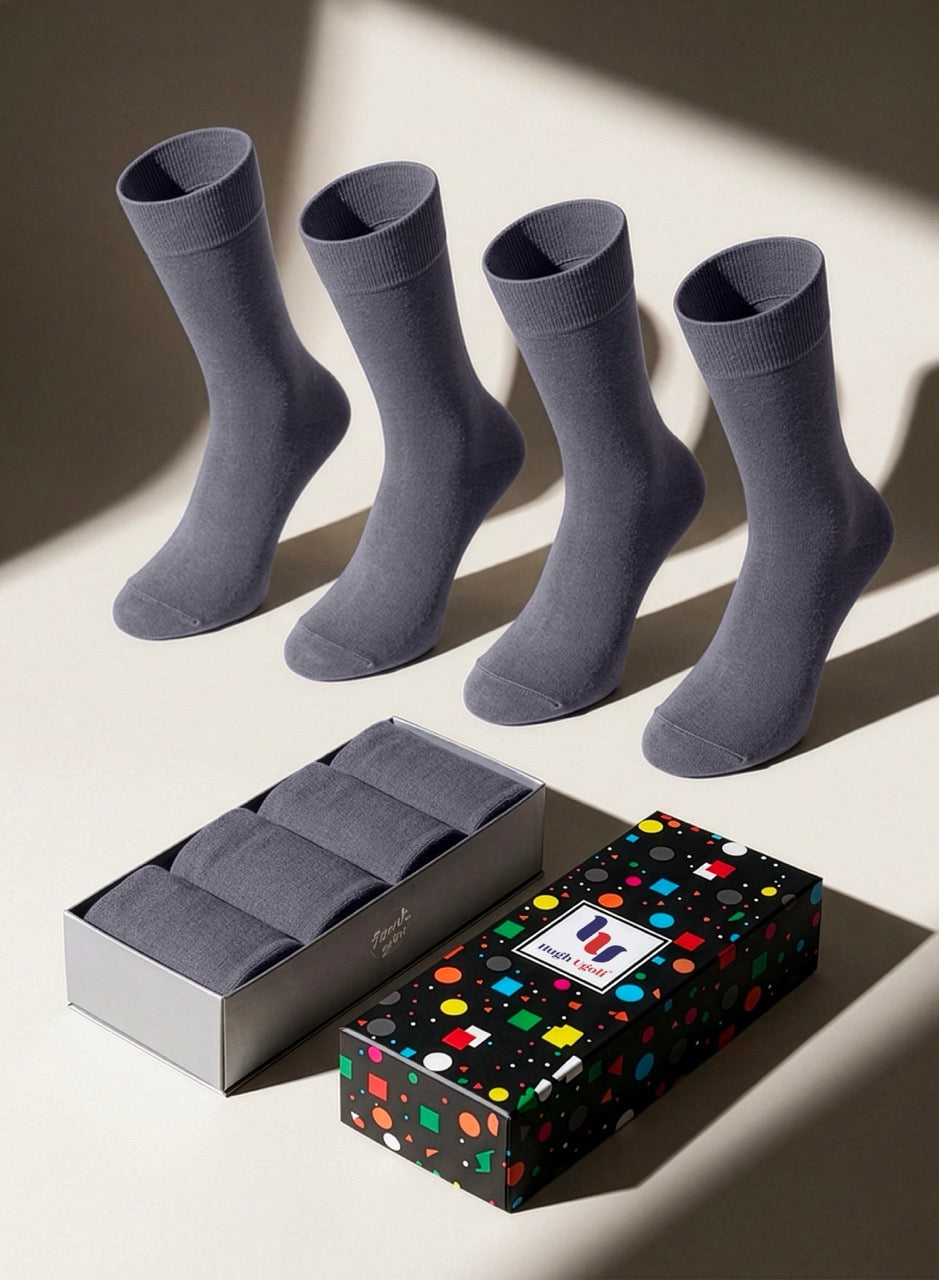
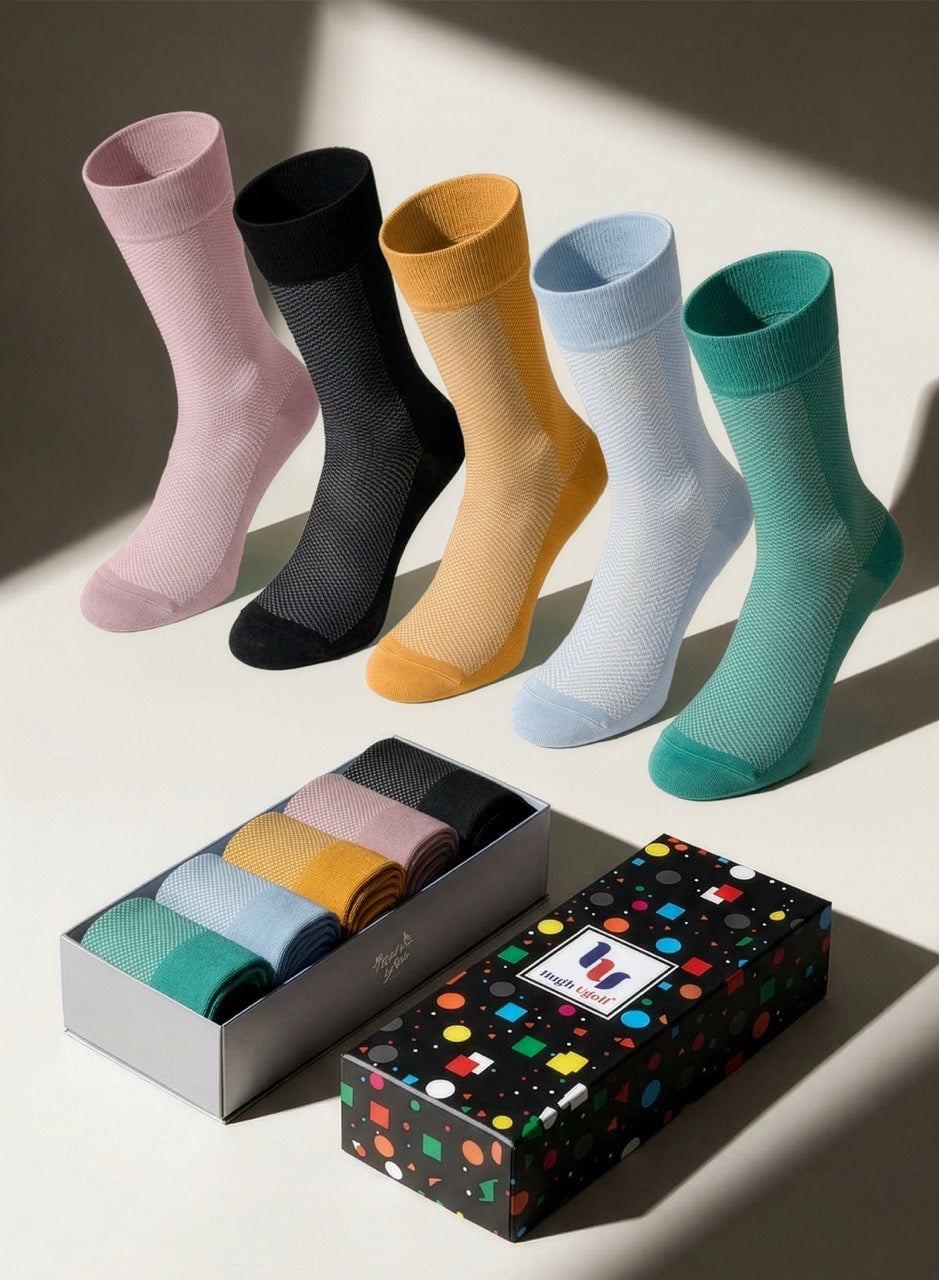
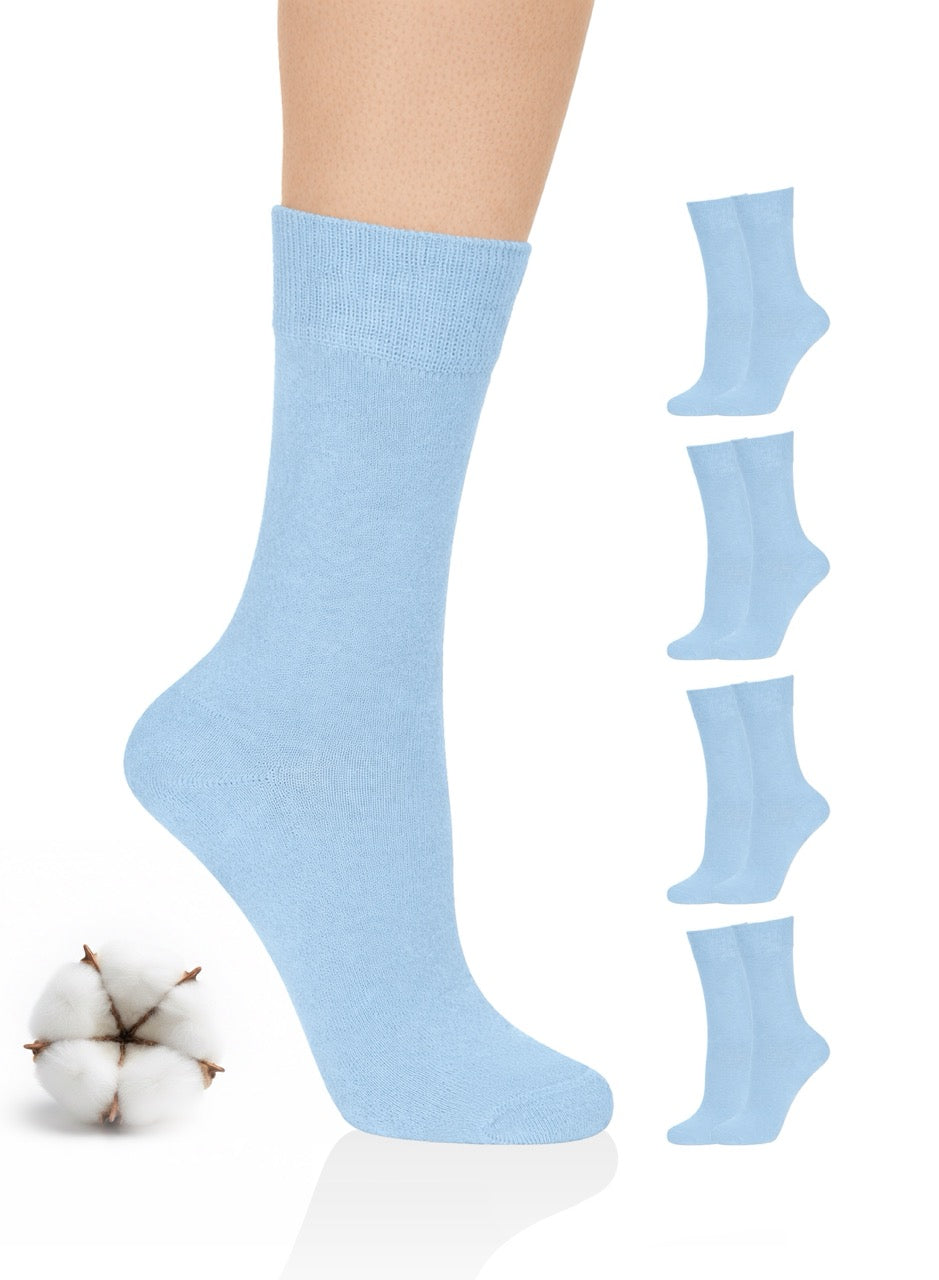
That's part of why a well-packaged cotton dress crew sock set or a bamboo dress sock gift set works so well in that context: the presentation signals that this is a considered product, which primes the recipient to actually pay attention to how the socks feel, which is the step that would never have happened with a standard multipack pulled off a shelf.
Once someone moves past the underestimation stage, a few specific features tend to make the biggest difference. Not all of them are obvious from the outside of the packaging.
The underestimation of socks isn't irrational. It's the predictable outcome of a product that works invisibly, gets purchased on autopilot, and has never forced a direct comparison with something better. The people who do discover genuinely good socks rarely go back, not because they became sock enthusiasts, but because once you know what foot comfort can feel like across a full day, there's no obvious reason to settle for less.
Socks are invisible for most of the day, rarely credited for the comfort they do provide, and have a low price reference point built up over years of buying multipacks. All of these factors combine to make thoughtful sock selection feel unnecessary until something changes the comparison.
Most people who have tried a genuinely well-made pair describe the difference as immediate and significant, particularly in areas like seamless toe construction, cuff comfort, and how feet feel at the end of a full day of wear.
Gift-giving bypasses the resistance people have to paying more than their established reference price for socks. Recipients try a quality pair without the purchase justification barrier, experience the difference directly, and often become repeat buyers on their own after that.
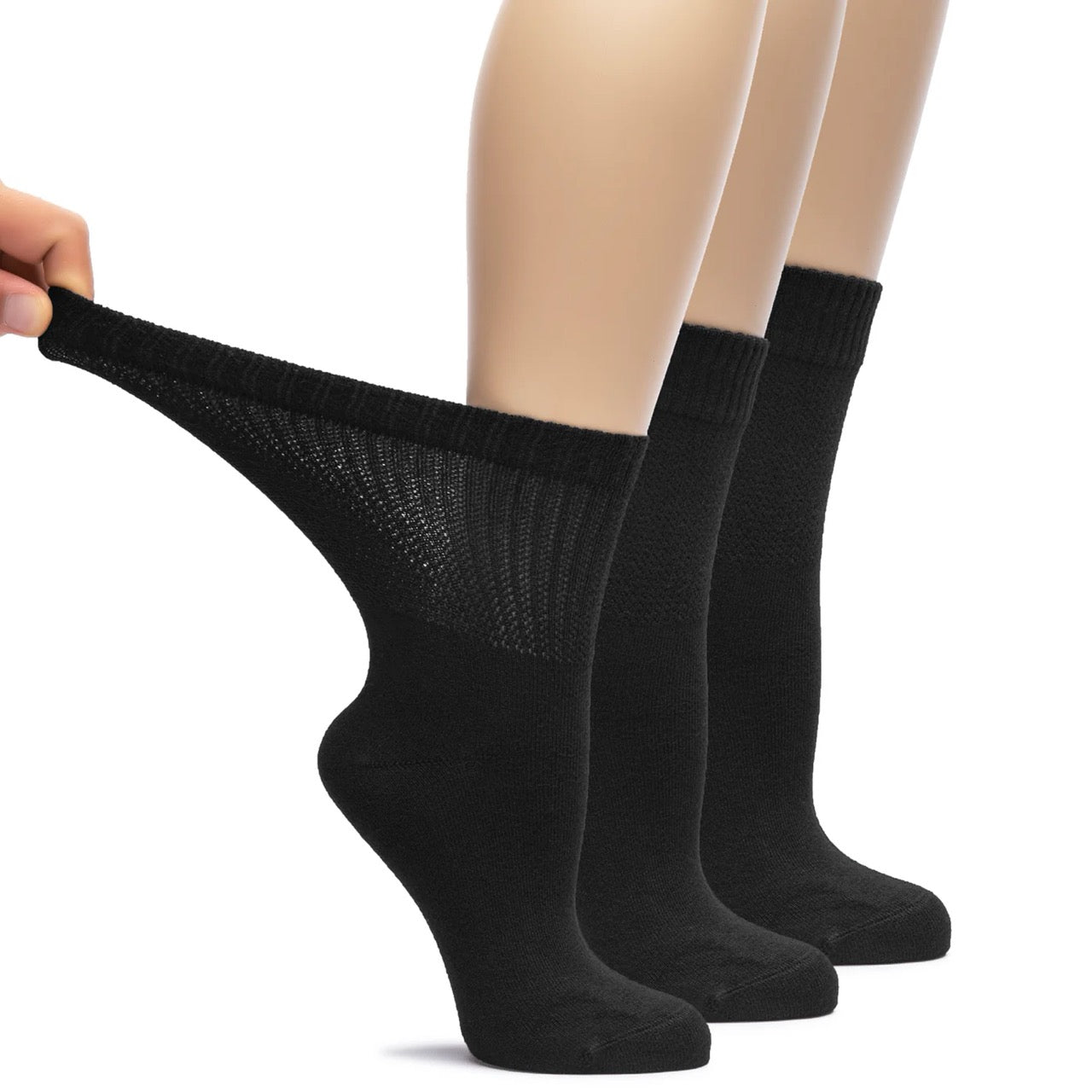
Specific construction features matter more than price alone: seamless toes, non-binding cuffs, reinforced heels and toes, and breathable natural or blended fibers are reliable indicators of a sock built around how a foot actually behaves during a day of wear.
Most people notice within the first wear, often within the first few hours, particularly if switching from a sock with a visible toe seam or a tight cuff to one built without those features.
He has been working for more than 20 years in the textile industry and has work experience in many parts of the world.