Cart
0
You may also like
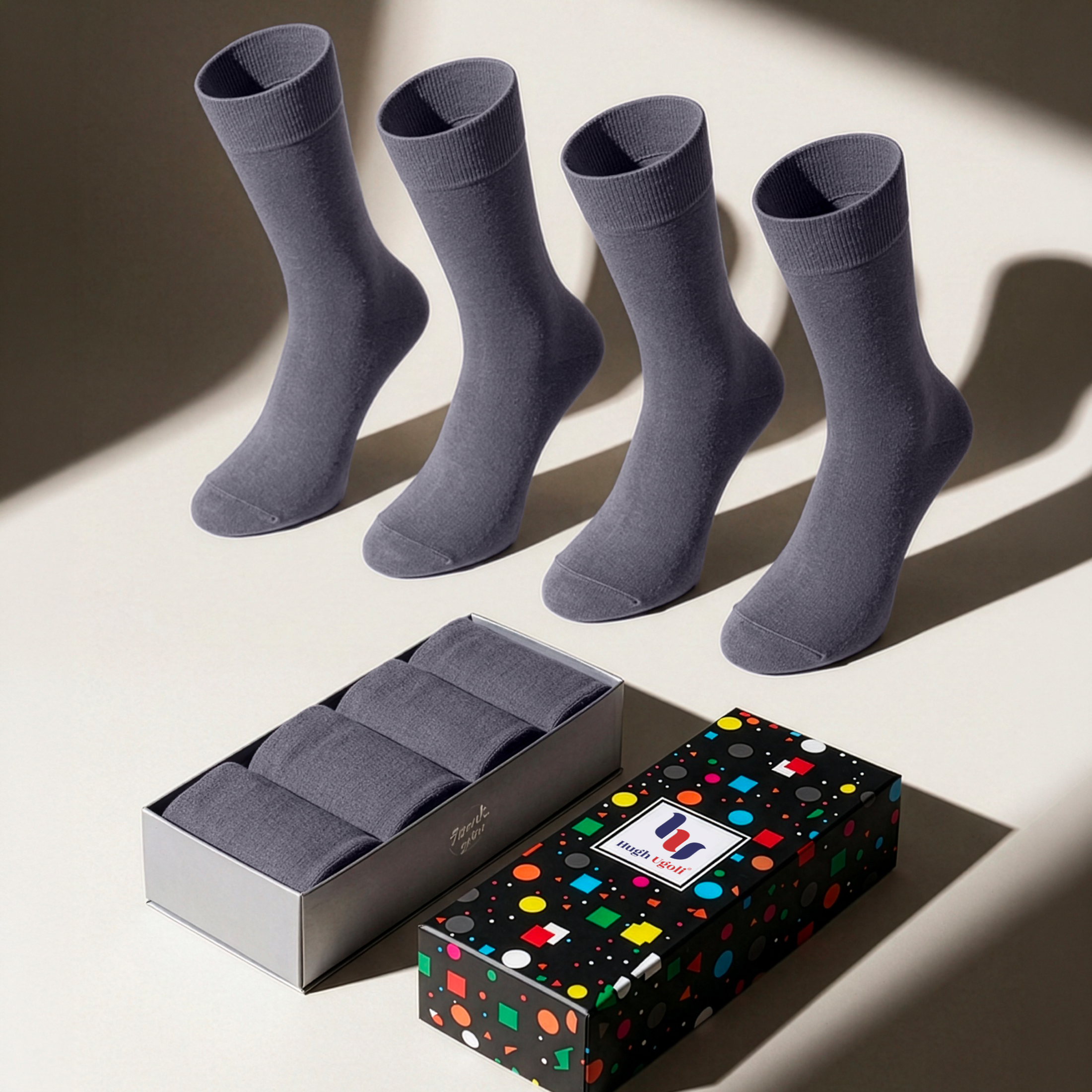
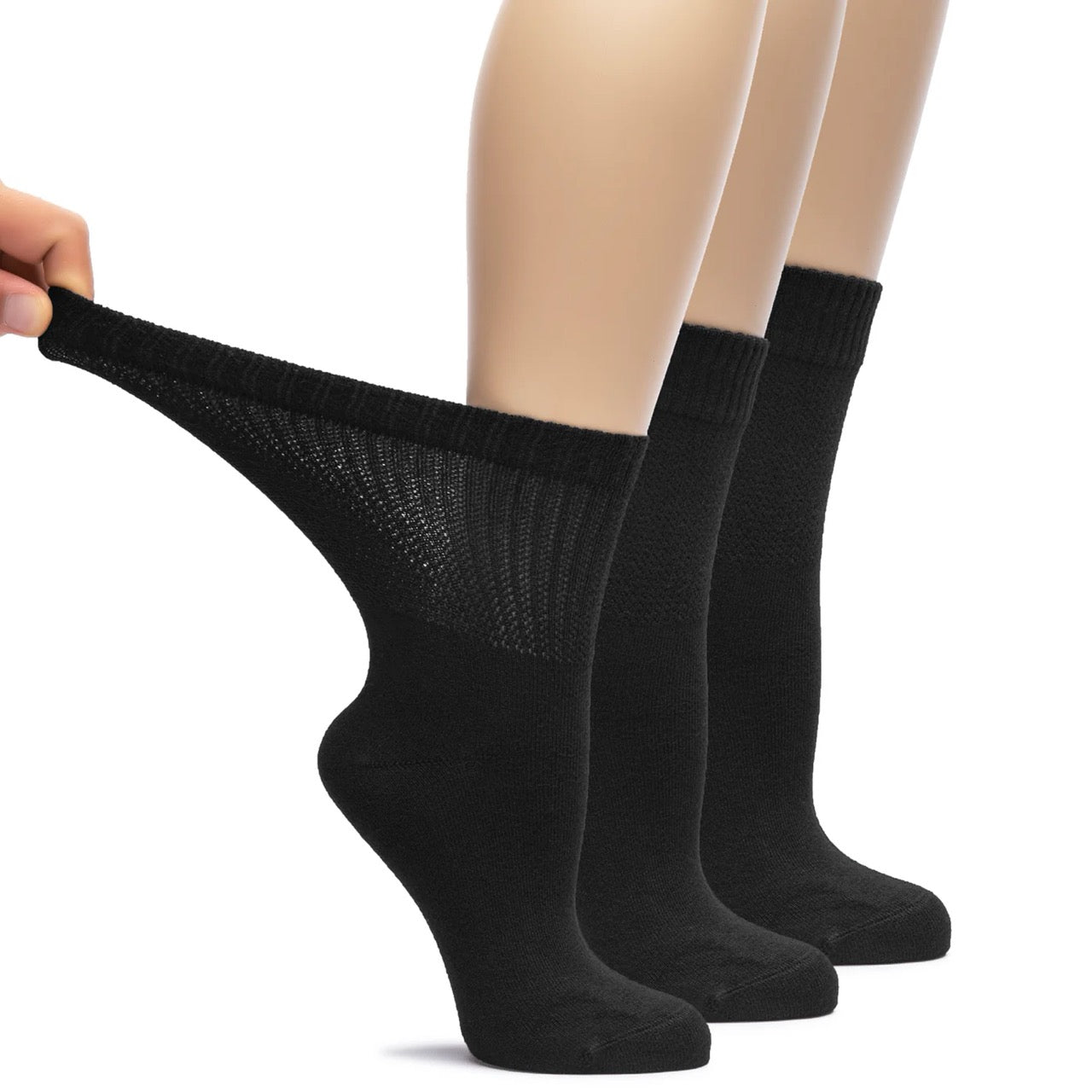
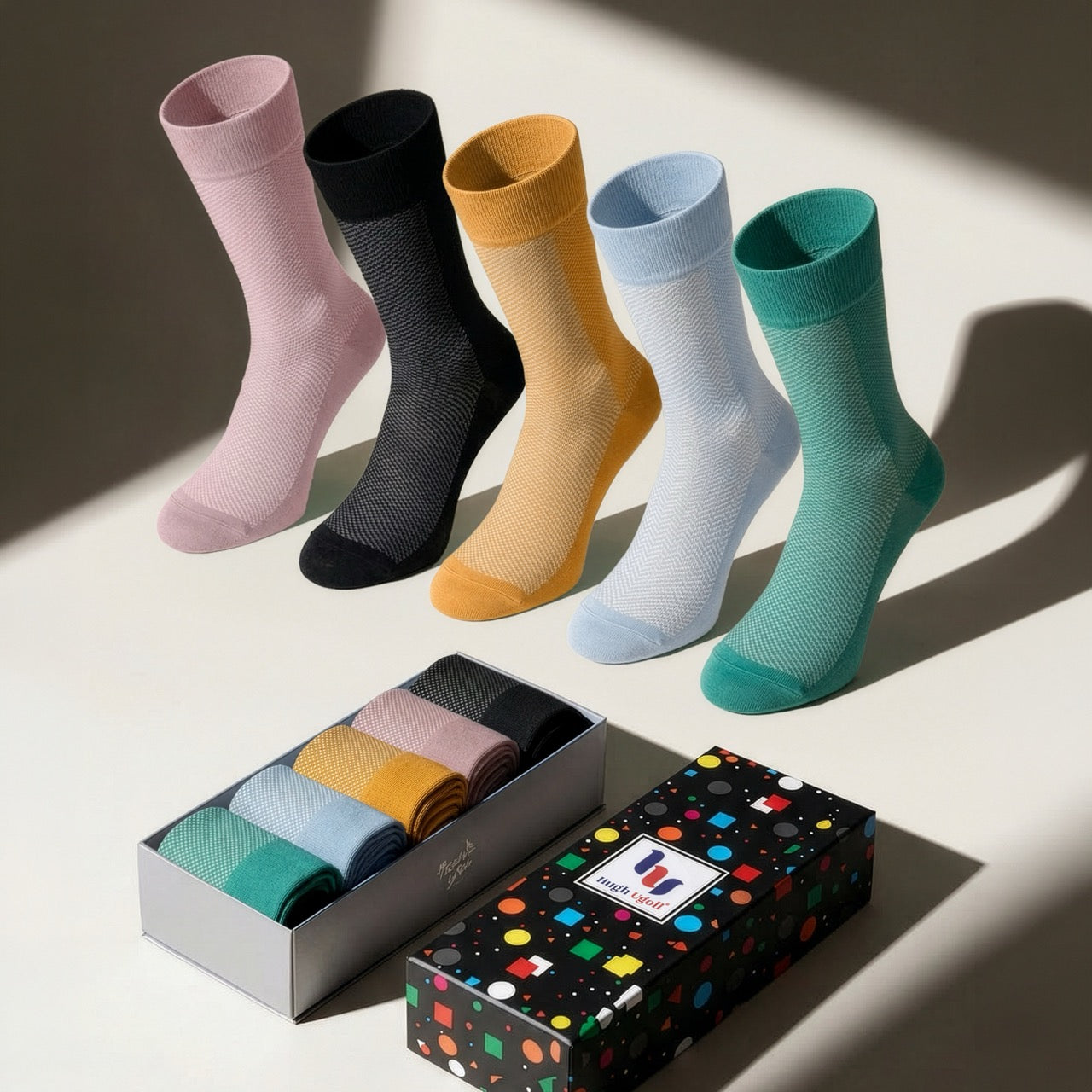
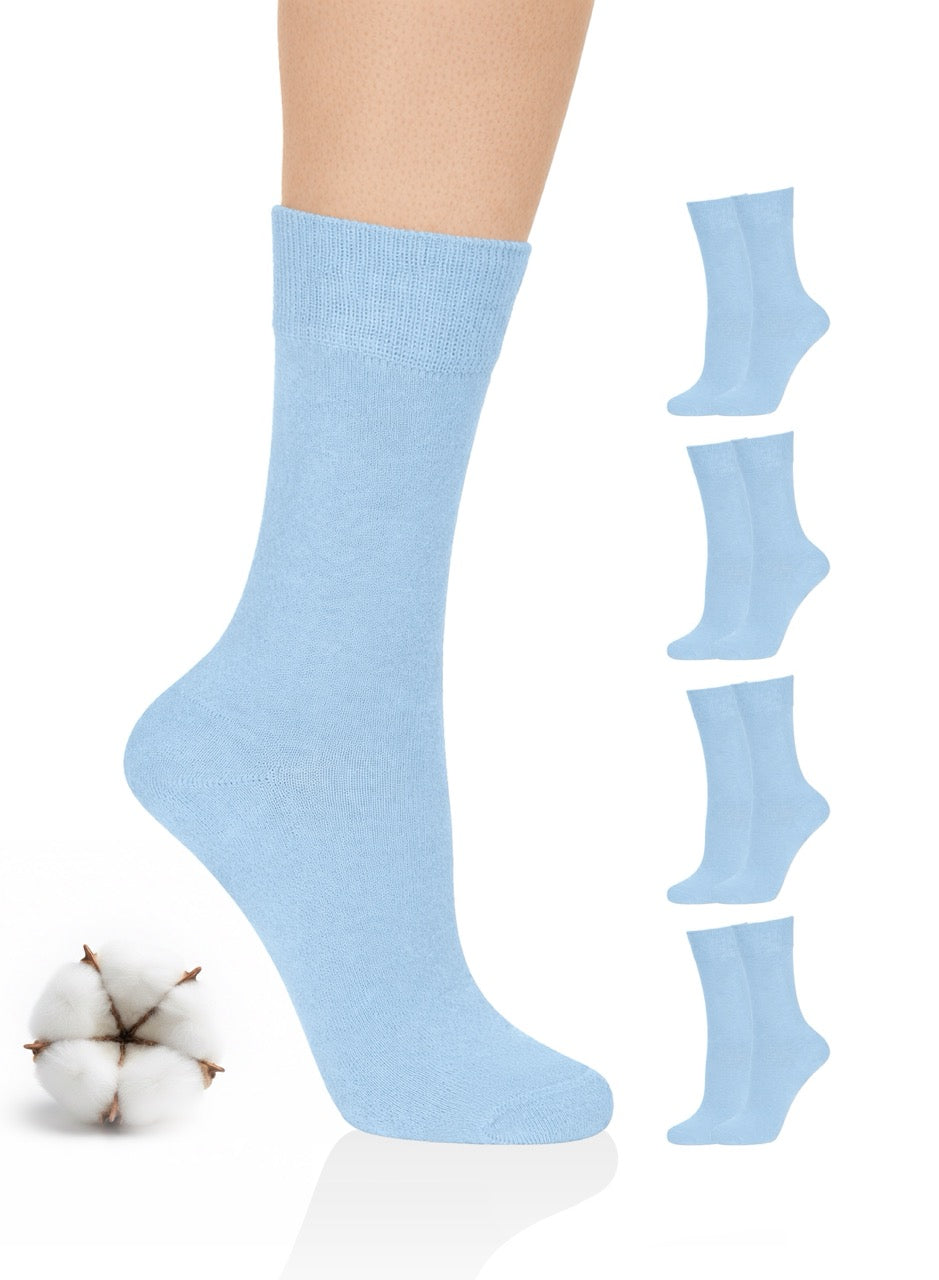
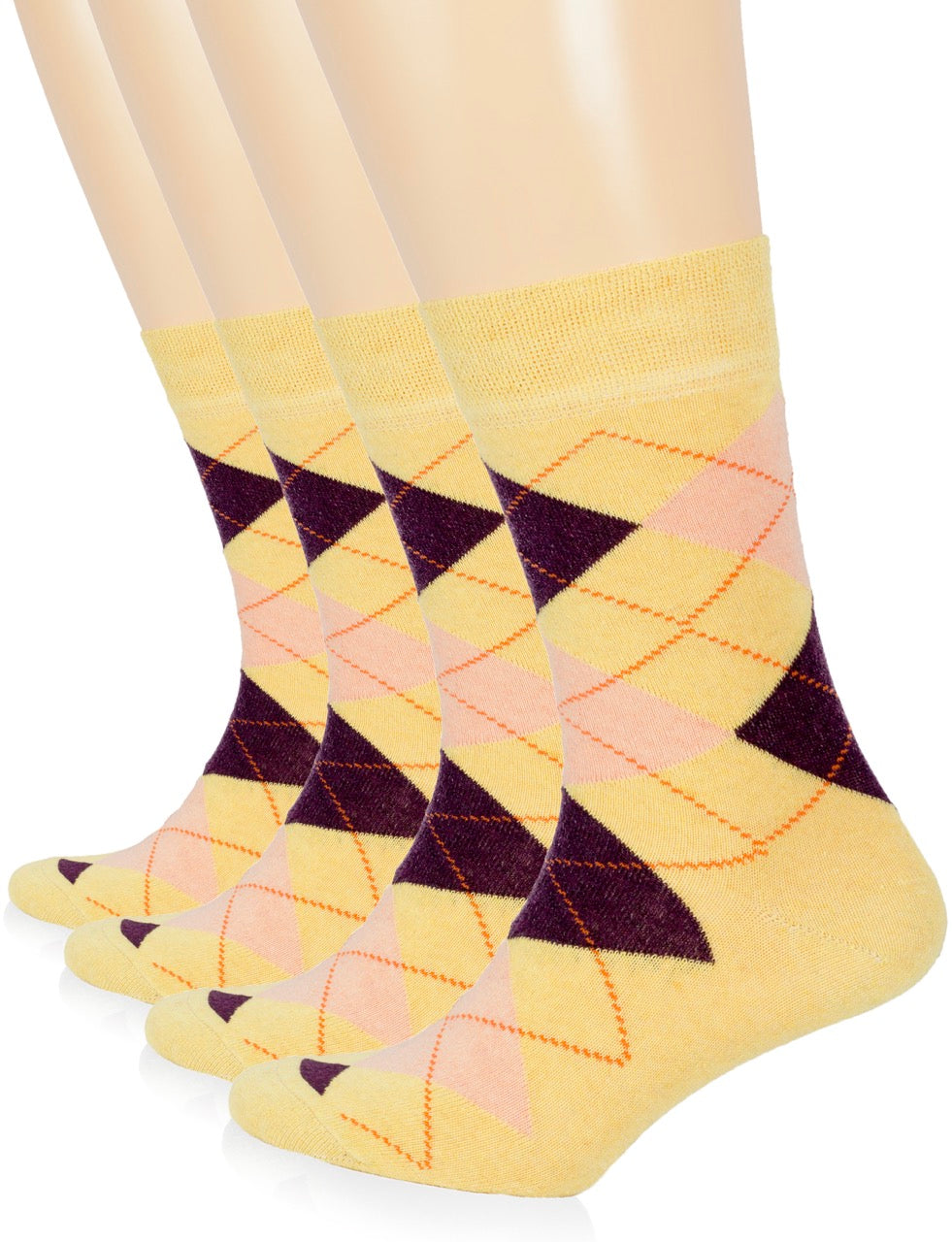


Pick up two pairs of socks, both labeled cotton, both roughly the same price, both from brands that seem comparable. Put one on and it feels soft and comfortable. Put on the other and it feels scratchy, stiff, or oddly thick. The label says the same thing. The fiber name is identical. Yet the experience of wearing them is completely different, sometimes different enough that you'd never guess they were made from the same material.
This gap is real, it's common, and it has nothing to do with false advertising. The fiber name on a label — cotton, bamboo, wool — tells you what the raw material is. It tells you almost nothing about what was done with that material before it became a sock. And it's everything that happens between raw fiber and finished sock that determines how the thing actually feels on your foot.
Cotton is not one thing. It's a category that contains enormous variation in fiber quality, length, fineness, and growing conditions, all of which affect how the resulting fabric behaves. The same is true of bamboo, wool, and virtually every other fiber used in sock manufacturing. Treating the label as a complete description of what you're getting is like looking at a list of ingredients without knowing the recipe, the technique, or the quality of the produce that went into it.
Within cotton alone, there are significant quality tiers. Standard commodity cotton produces shorter, coarser fibers that create a rougher, less consistent yarn. Combed cotton goes through an additional processing step that removes short fibers and impurities, leaving behind longer, more uniform strands that produce softer, stronger fabric. Egyptian or Pima cotton varieties are known for exceptionally long, fine fibers that create a noticeably softer and more durable end product. All three are cotton. All three can appear on a label simply as “cotton.” The difference in feel between a sock made from commodity cotton and one made from long-staple combed cotton is not subtle — it's the kind of difference you can feel within the first few minutes of wear.
Processing transforms raw fiber into yarn, and every step in that process introduces variables that shape the final feel. Fiber can be carded, combed, or ring-spun — each method produces a yarn with different smoothness, strength, and texture. Combing aligns fibers parallel to each other and removes short strands, producing a cleaner and softer yarn. Ring spinning draws the fiber out and twists it tightly, creating a stronger, smoother yarn than open-end spun alternatives. Mercerization — a chemical treatment applied to cotton — increases luster, strength, and dye uptake while making the fabric noticeably softer. Two socks can use the same raw fiber and diverge dramatically in softness, durability, and feel based entirely on which of these processing steps were applied.
Once the fiber has been processed into yarn, how that yarn is built determines much of how the finished sock will behave against skin.
Yarn is made by twisting fibers together, and the degree of twist affects the fabric's characteristics in ways that are directly felt. A tightly twisted yarn produces a denser, harder-wearing fabric that holds its shape well but can feel firmer against the skin. A loosely twisted yarn creates a softer, more plush fabric that compresses easily but may not maintain its structure as well over repeated washing. Ply refers to how many individual yarn strands are twisted together to form the final yarn: a two-ply yarn is stronger and more even than single-ply, which affects how the resulting fabric wears over time and how it drapes against the foot. These variables are invisible from the outside of the finished sock but determine the core texture of the fabric.
Yarn weight — how thick or thin each individual strand is — determines how dense, how light, and how breathable the resulting fabric will be. A fine-weight yarn knitted at a tight gauge produces a thin, smooth, lightweight sock that fits close to the foot and works well inside structured shoes. A heavier yarn produces a thicker, softer sock with more cushioning but more bulk. Both can be made from the same fiber. Both can appear on a label with the same material name. The difference in hand-feel and shoe compatibility is substantial, and it's driven entirely by the yarn weight choice made during manufacturing.

The fiber and yarn define the raw material. The knit structure defines how those materials are assembled into fabric, and it's another major variable that shapes the feel of the finished sock independently of what it's made from.
Knit gauge refers to how many stitches are knitted per inch of fabric. A high-gauge sock has more, finer stitches, producing a smoother, denser fabric with a more even surface. A low-gauge sock has fewer, larger stitches, creating a more textured surface with a slightly rougher feel against the skin. Two socks in the same fiber, knitted at different gauges, feel genuinely different to the touch — one smooth and sleek, the other slightly bumpy or coarse. Higher gauge generally indicates more precise construction, is more expensive to produce, and correlates with the type of finish typically found in quality dress socks.
Some socks incorporate terry loop construction, where the yarn is formed into small loops on the inner surface of the fabric rather than lying flat. These loops create the soft, cushioned feel associated with athletic and walking socks. They add thickness, trap more air, and feel noticeably plush against the foot. A flat-knit sock in the same fiber has none of that cushioning — the surface is smooth and the fabric is thinner. Both constructions have appropriate contexts, but they feel dramatically different to wear, and both can be made from identical base materials. Someone expecting a flat-knit dress sock who receives a terry-cushion sock in the same material has received a genuinely different product, even if the label describes the fiber identically.
Most socks aren't made from a single pure fiber. They're blends, typically combining a primary fiber with smaller amounts of nylon, elastane, spandex, or polyester that add stretch, durability, or shape retention. The percentage of each component in the blend matters enormously for the final feel, but the label often lists only the primary fiber prominently, with the blend components in smaller print or aggregated as “other fibers.”
A sock labeled as 80% cotton can contain anywhere from five to twenty percent nylon, which has a significant effect on how the fabric feels against skin: more nylon typically means a smoother, more resistant surface. Elastane content, even at two to three percent, fundamentally changes how the sock stretches and recovers, affecting how snugly it hugs the foot and how well it holds its shape after washing. The difference between a 78% cotton, 20% nylon, 2% elastane sock and a 95% cotton, 3% nylon, 2% elastane sock is meaningful and perceptible — and both might be marketed under the same primary fiber category.
After the sock is knitted, finishing processes can further change its texture, softness, and performance. Brushing the fabric surface raises the fiber ends to create a softer, slightly fuzzy feel. Singeing burns off protruding fiber ends for a cleaner, smoother surface. Softening agents applied during or after dyeing can dramatically improve the initial feel of a sock without changing its material composition at all. Anti-odor treatments, antimicrobial finishes, and moisture-management coatings each add another layer of performance characteristics that go beyond what the fiber alone provides.
Two socks made from the same yarn can emerge from different finishing processes with noticeably different hand-feel: one smooth and slightly cool to the touch, the other soft and slightly warm. These finishing steps don't appear on labels and are rarely described in standard product copy, yet they're often responsible for the “why does this one feel so much better?” reaction people have when comparing two otherwise similar-looking pairs.
Beyond fiber and knit structure, the construction details of individual sock components further separate products that appear similar from the outside. The seamless toe technique, which links the toe closure without creating a raised seam across the toes, eliminates a common friction point that people with sensitive feet notice immediately. A sock with a raised toe seam and a sock without one, made from the same material with the same knit structure, feel meaningfully different the moment you put them on.
Cuff construction is another differentiator. A cuff built with softer elastic that doesn't dig into the leg creates a different wearing experience than a cuff with firmer tension, even when both are made from the same fabric. A bamboo dress sock with a non-binding cuff and seamless toe will feel genuinely different on the foot from another bamboo sock that lacks those construction details — not because the fiber is different, but because the attention to how the sock is assembled creates a different experience from the first wear.
The same applies for ankle-height styles. A thin bamboo ankle sock with a soft non-binding top demonstrates how construction choices — a deliberately gentle cuff, a seamless toe, a fine knit gauge — transform the same base material into something that feels noticeably different from a bamboo sock that hasn't been built with those details.
A sock label reliably tells you the approximate fiber composition by percentage. It doesn't tell you the fiber grade or staple length, the spinning method, the yarn twist or ply, the knit gauge, whether the toe is seamless, how the elastic cuff is constructed, what finishing treatments were applied, or how the quality of any component compares to a similar-looking product from a different manufacturer. All of those variables, invisible from the label alone, collectively determine what the sock actually feels like to wear.
This is why identical-sounding label descriptions can produce products that feel worlds apart, and why the only reliable way to know how a sock feels is to wear it, or to buy from a manufacturer whose construction standards you've verified through experience. The fiber name is a starting point for narrowing options, not a guarantee of any particular outcome.
Two socks made from the same material can feel completely different because the material name describes only the fiber, not the grade of that fiber, how it was processed into yarn, how that yarn was knitted into fabric, what construction details were applied to the finished sock, or how the cuff, toe, and heel were built. Each of those decisions layers onto the next, and the cumulative result is the experience of wearing the sock. Understanding this doesn't require reading manufacturing specs before every purchase — it just means recognizing that the label is a starting point, not a complete description, and that construction quality is as important as material category when it comes to how a sock actually feels.
Cotton quality varies significantly — fiber length, whether it's combed, and how it's spun all affect the softness of the final fabric. Short-staple commodity cotton feels rougher than long-staple combed cotton, even though both appear on a label simply as “cotton.”
Yes, but not in isolation. A higher cotton percentage doesn't automatically mean better feel — the quality of that cotton, the blend components (nylon, elastane), and how they're combined matter as much as the raw percentage. Two socks at 80% cotton can feel very different depending on everything else in the construction.
A seamless toe eliminates the raised seam that runs across the toes in conventionally constructed socks. That seam creates a pressure point that people with sensitive feet notice consistently across a full day of wear. Removing it doesn't change the fabric's material but changes the wearing experience meaningfully for many people.
Yes. Brushing, softening agents applied during dyeing, and other finishing steps can significantly alter a sock's hand-feel without any change to its material composition. These treatments are rarely mentioned on labels but can be responsible for the “this one just feels better” impression when comparing similar products.
Bamboo fabric can be processed in different ways — mechanical processing produces a slightly rougher fiber, while viscose processing produces the very soft, silky bamboo fabric most people associate with premium bamboo socks. Knit gauge, yarn weight, and construction details compound the difference. Two socks labeled “bamboo” can feel quite different depending on all of these variables.
He has been working for more than 20 years in the textile industry and has work experience in many parts of the world.