Cart
0
You may also like
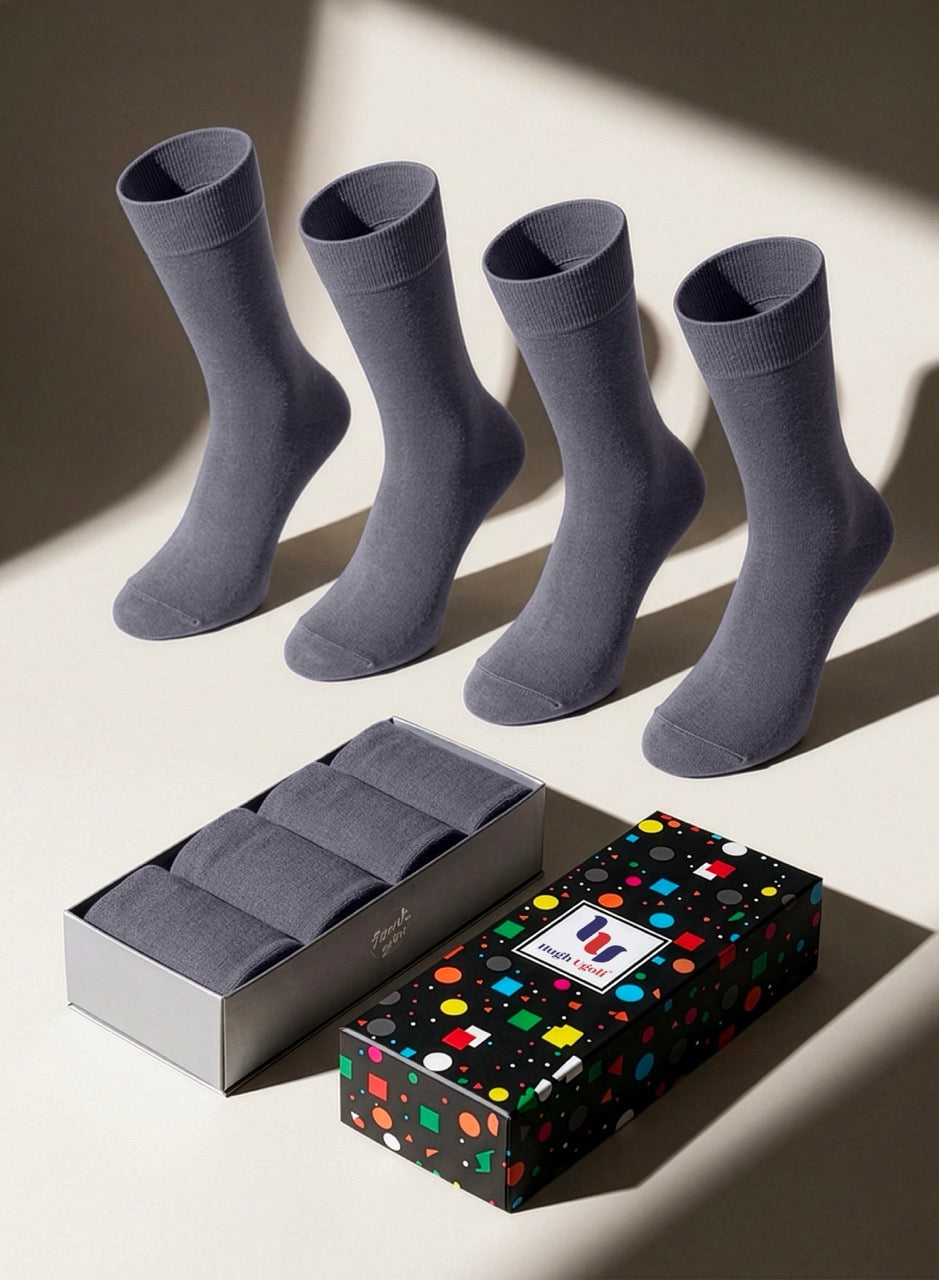
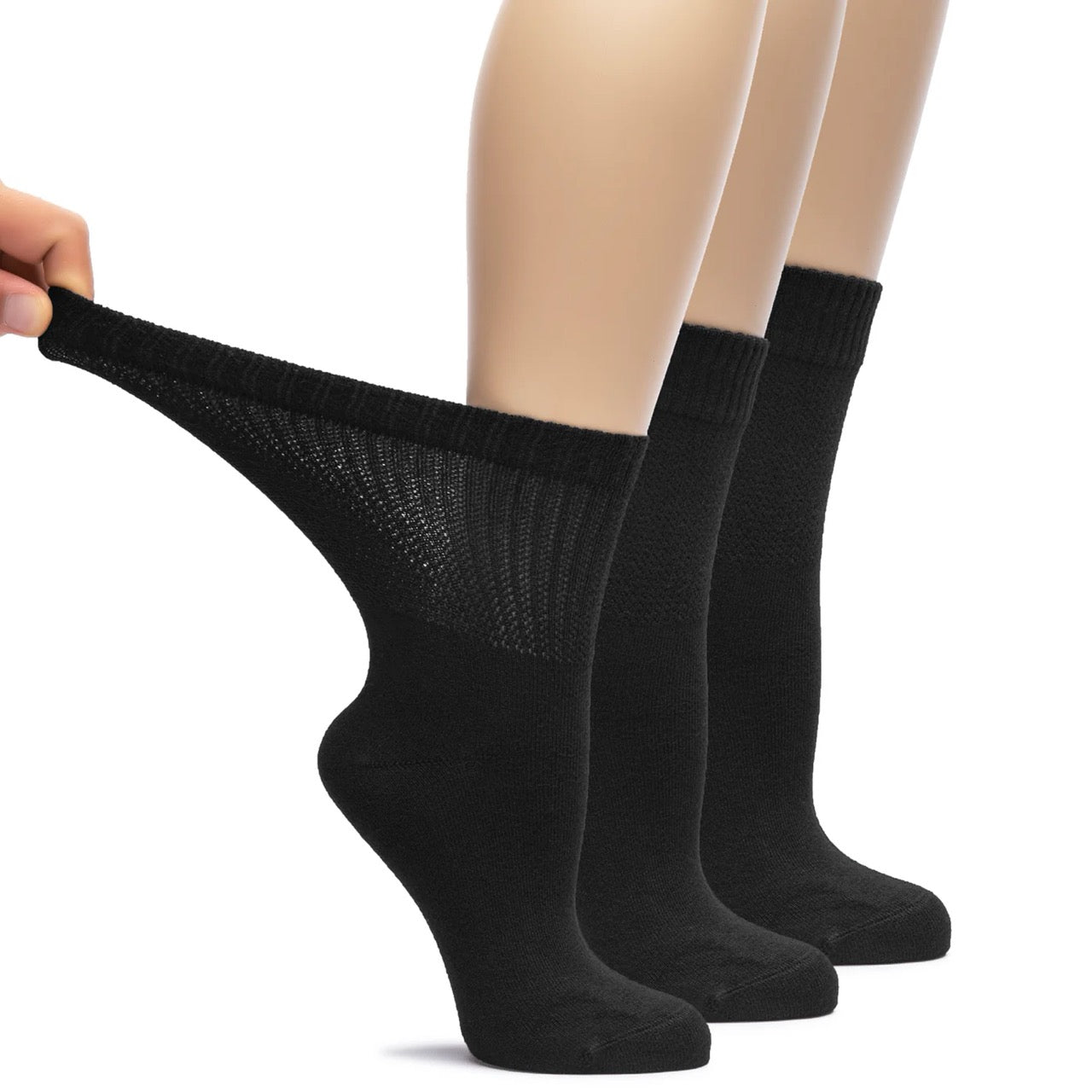
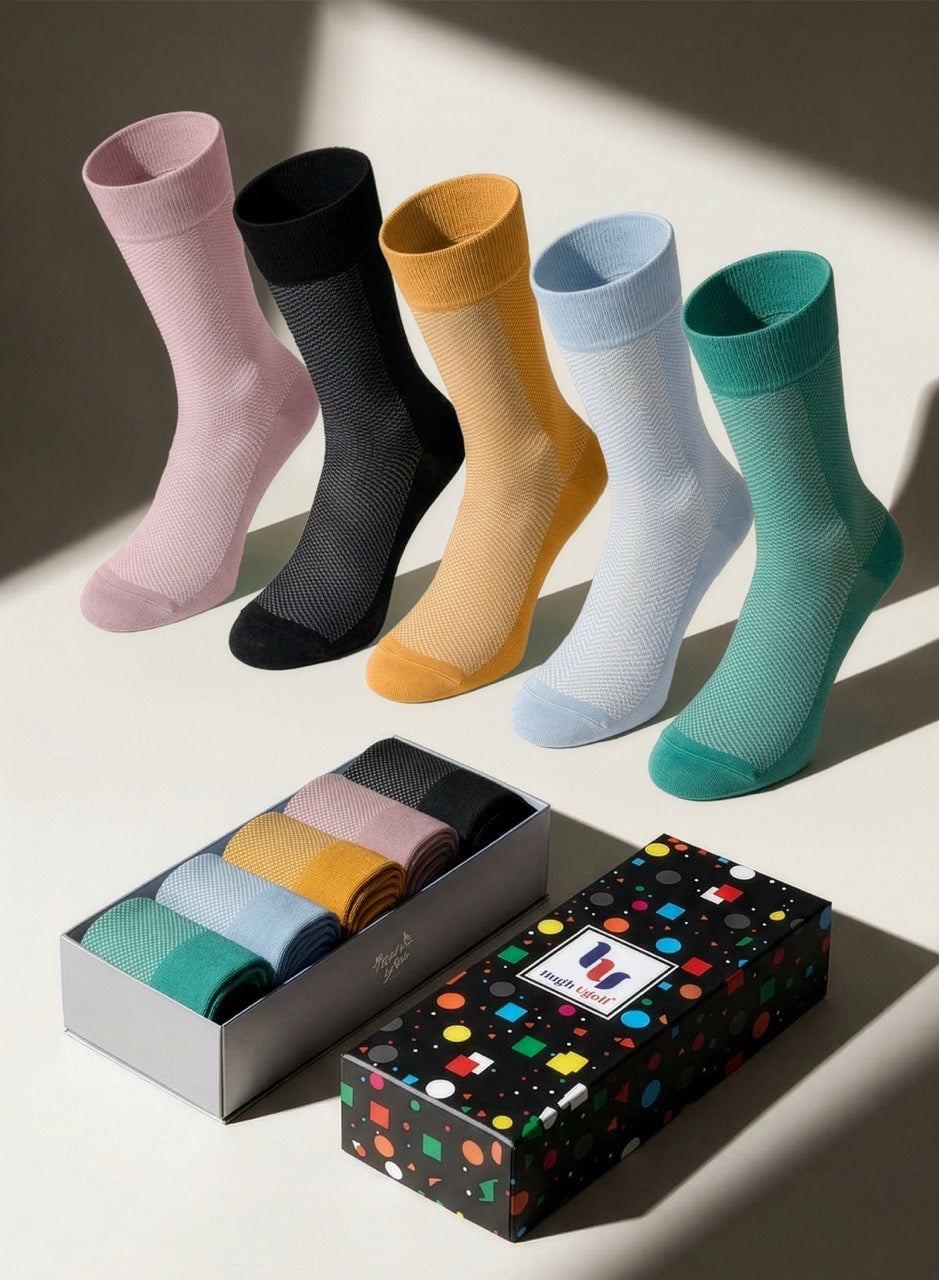
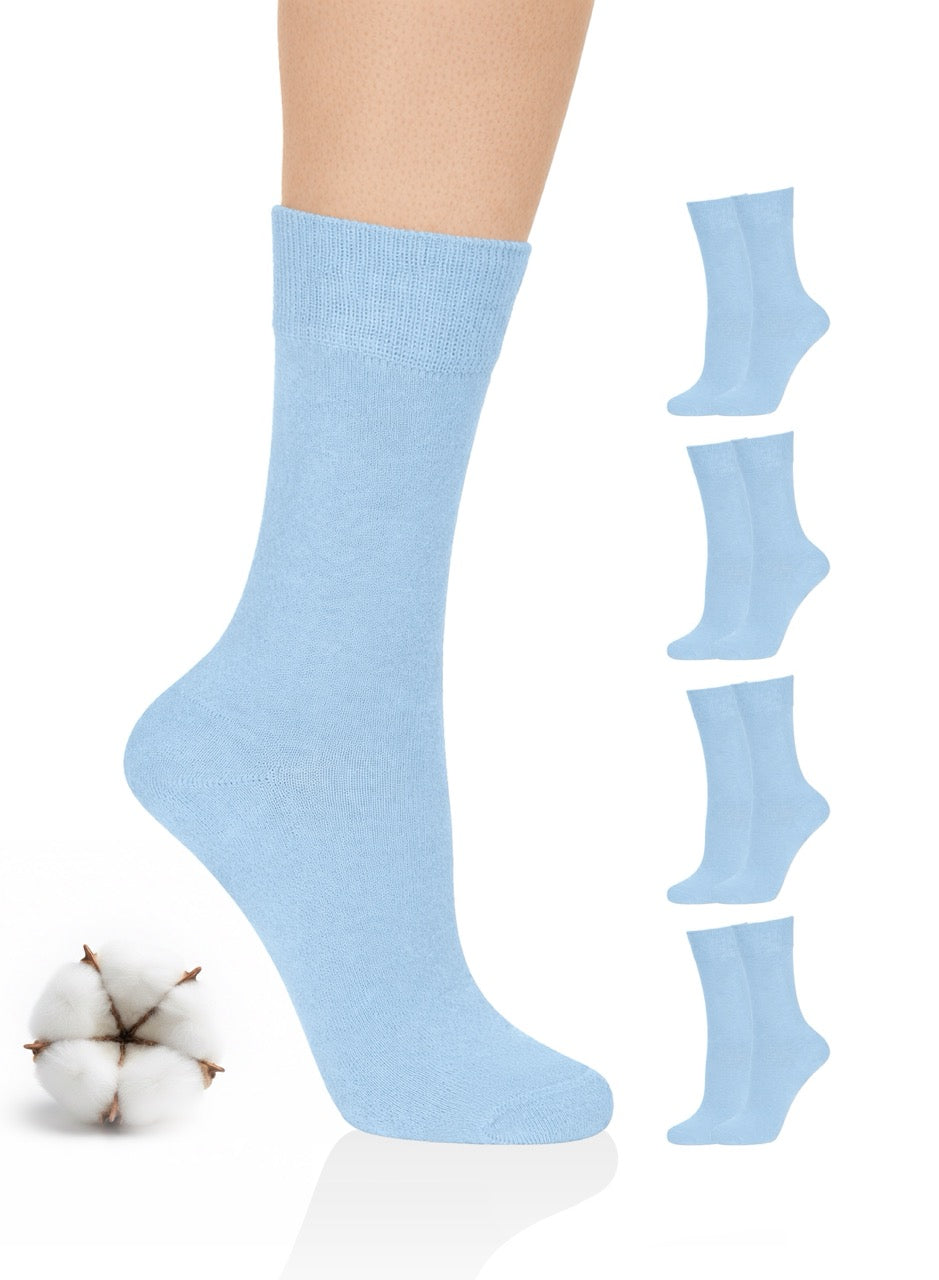
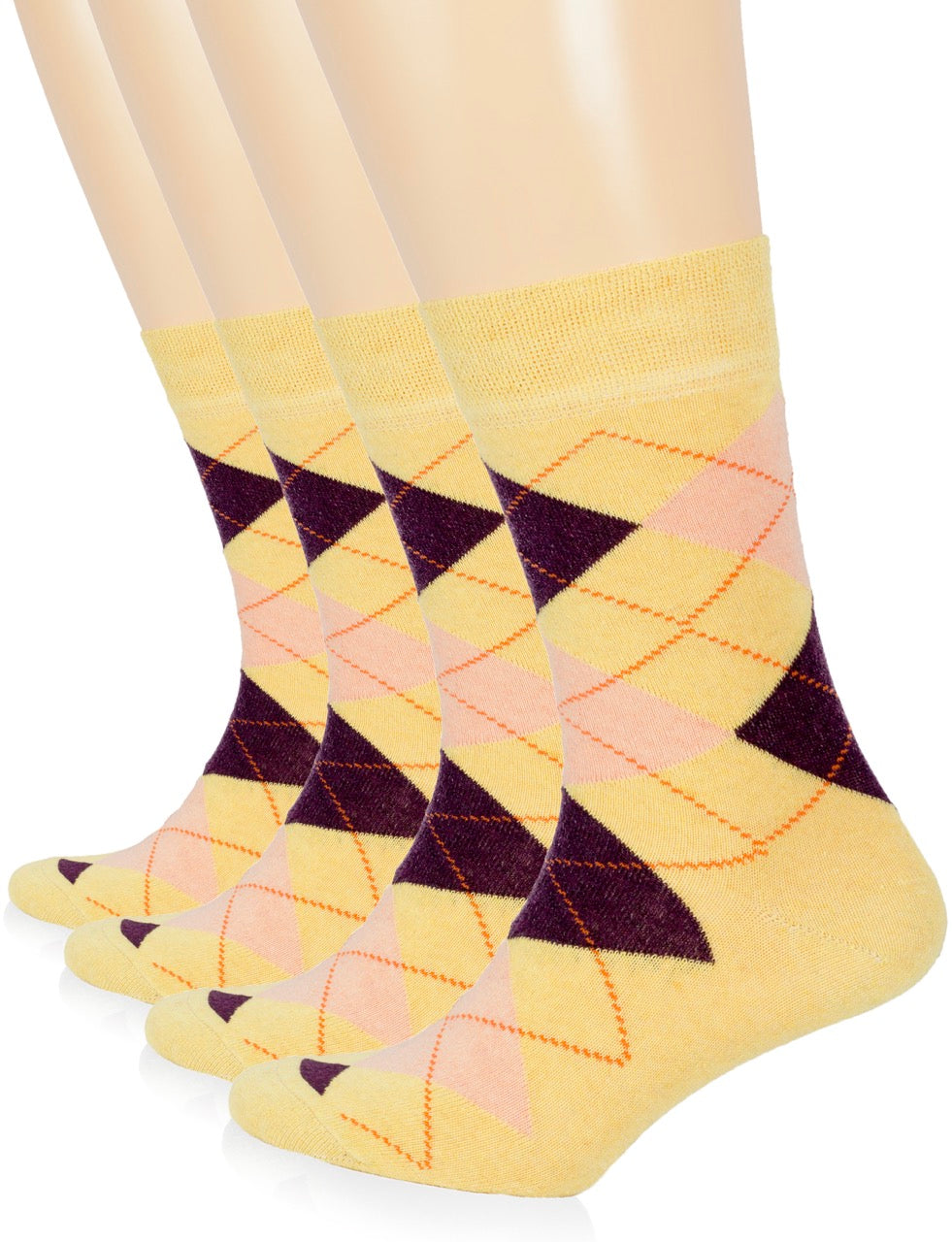
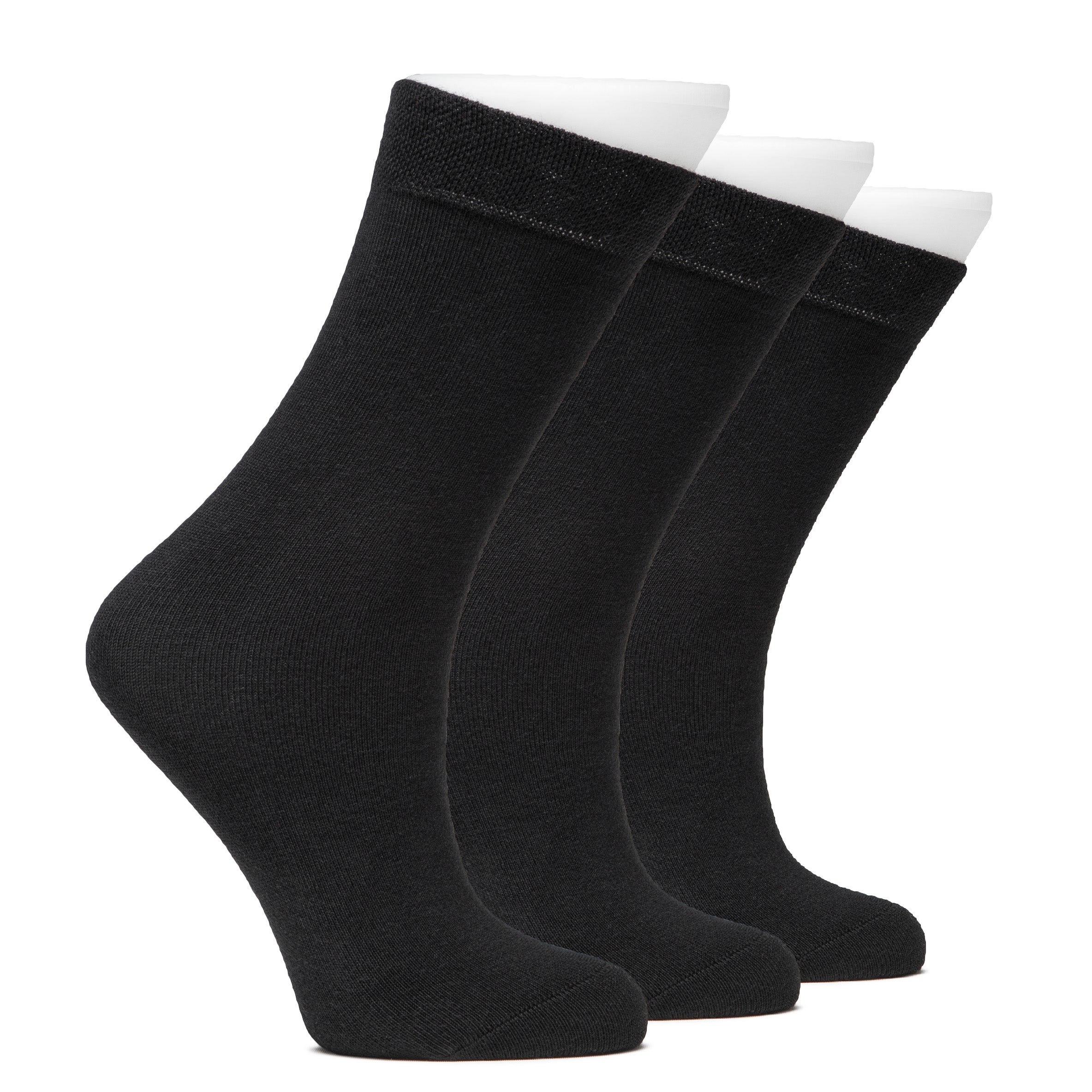
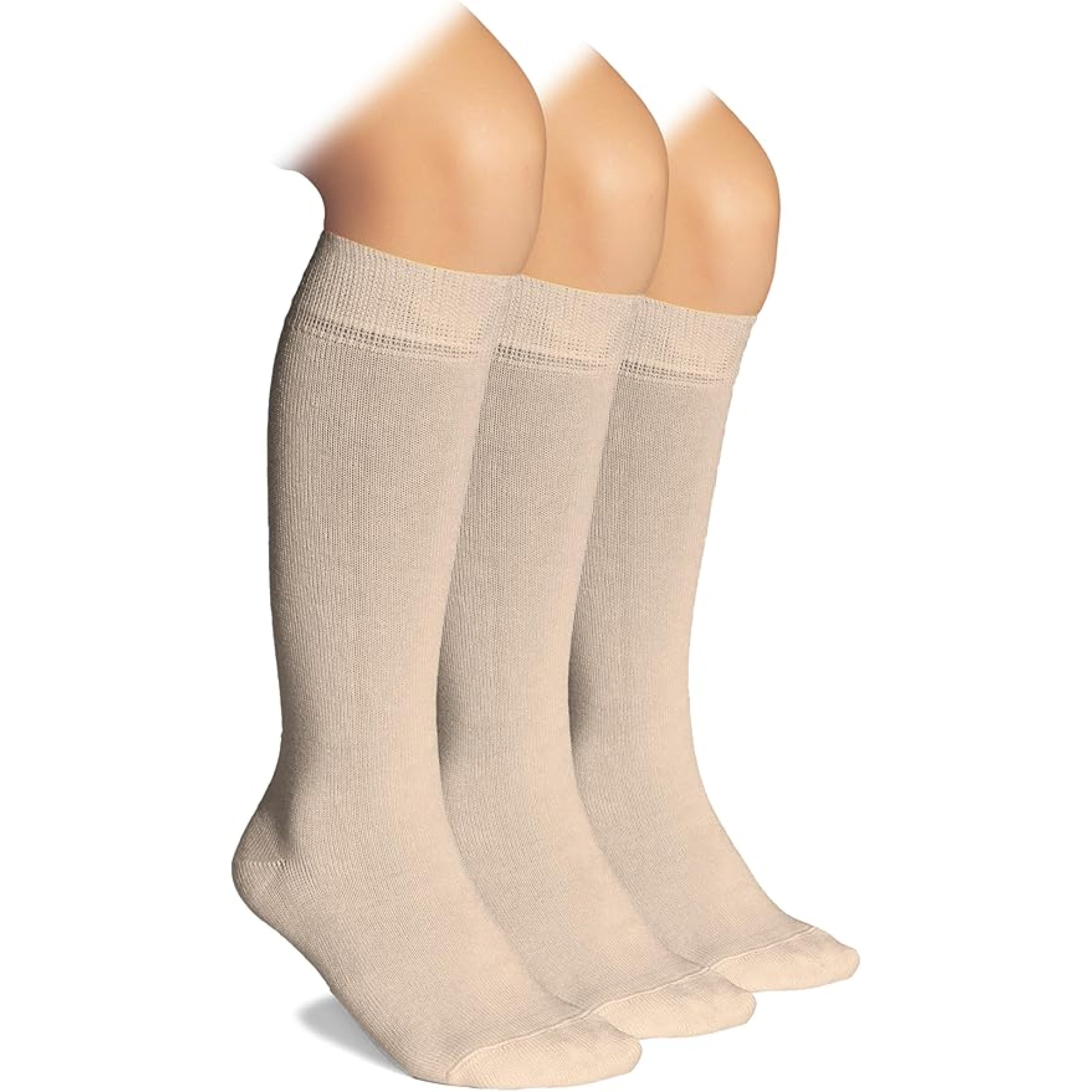


It's a frustrating moment: you finally invest in a genuinely good pair of shoes, expecting the comfort to match the price tag, and your feet still ache by the end of the day. Before assuming the shoes are the problem, it's worth looking one layer deeper. The sock between your foot and that carefully constructed shoe plays a much bigger role in comfort than most people realize, and the wrong pair can undo a lot of what good shoemaking is supposed to deliver.
Expensive shoes are built with precision, but that precision assumes a reasonable amount of cooperation from whatever's underneath. Here's how sock choice can quietly work against premium footwear, and what to do about it.
Paying more for shoes generally buys you better materials, more careful construction, and a closer, more intentional fit. None of that automatically translates into comfort if the sock underneath isn't doing its part.
Premium shoes, especially leather dress shoes and structured boots, are often built to a tighter, more exact fit than mass-market footwear. That precision is part of what makes them look and perform well, but it also means there's less spare room to absorb a sock that's too thick, too thin, or poorly shaped. A shoe with a quarter-inch of built-in slack can shrug off sock variation that a snugly fitted dress shoe simply can't.
Full-grain leather, suede, and other higher-end materials are also more sensitive to how a foot moves inside them. Excess friction from the wrong sock fabric doesn't just affect comfort; over time, it can accelerate wear on a lining that was meant to last for years. The materials that make a shoe feel and look premium are often the same ones that show sock-related problems the fastest.
There are a few specific ways sock choice can work directly against an otherwise well-made shoe.
A sock that's thicker or looser than the shoe was designed for tends to bunch at the toe or fold under the arch. In a roomier sneaker, that might go unnoticed. In a slim dress shoe or a close-fitting boot, that same bunching becomes a pressure point within an hour or two of wear.
Many premium shoes, particularly leather ones, are less breathable than casual synthetic footwear. Pairing that with a sock made from non-breathable synthetic fibers traps heat and moisture against the foot, which can lead to discomfort, odor, and a faster breakdown of the shoe's interior lining over time.
A worn-out or overly smooth sock can let the heel slide slightly with every step. In a stiffer, more structured shoe, that small amount of movement is often what causes blisters, since the shoe itself isn't going to flex and adjust the way a soft sneaker would.

A few patterns show up again and again when expensive shoes feel less comfortable than they should.
The right pair isn't just about avoiding problems. It actively supports what the shoe is trying to do.
A flat, seamless toe construction removes one of the most common sources of friction inside a structured shoe. This matters even more in dress shoes, where the toe box is often narrower and less forgiving than a casual sneaker. A seamless toe business crew sock is built specifically with this kind of fit in mind, so it works with the shoe's shape instead of against it.
Breathable materials don't just keep feet more comfortable; they also reduce the moisture that gets absorbed into a shoe's lining over repeated wear. A bamboo business dress sock manages heat and moisture noticeably better than a fully synthetic alternative, which can help protect the investment in the shoe itself, not just the comfort of the person wearing it.
Different premium shoe categories call for different sock weights, and mismatching the two is one of the most common comfort issues people run into.
It's not always obvious that socks are the source of discomfort, especially when the shoes themselves are new and still being broken in. A few patterns can help narrow it down.
If you notice recurring blisters, calluses, or skin irritation that doesn't improve even after adjusting your socks, it's worth having it checked by a healthcare professional, particularly if you're managing diabetes or a condition that affects circulation or skin healing.
Before assuming a new pair of expensive shoes simply needs a long break-in period, try wearing them with two or three noticeably different sock pairs over the course of a week, keeping the rest of your routine the same. If comfort shifts meaningfully with the sock rather than the shoe, that's a strong signal that the sock, not the shoe, has been the missing piece.
Expensive shoes are built with a level of precision that simply doesn't leave much room for the wrong sock. Bulk, poor breathability, worn-out elastic, and mismatched seams can all quietly undercut the comfort that good shoemaking is supposed to provide. Matching sock weight, fabric, and construction to the shoe, rather than treating socks as an afterthought, is often the simplest way to finally get the comfort that price tag promised.
Yes. Premium shoes are often built to a more precise fit than mass-market footwear, which leaves less room to absorb problems caused by the wrong sock thickness, fabric, or seam placement.
Thin to mid-weight socks generally work best with dress shoes, since most are designed with a narrower fit that doesn't have room for the bulk of a thicker athletic sock.
If nothing about the shoes has changed, the sock you're wearing that day is a likely variable. Differences in thickness, fabric, and wear can all affect how the same shoe feels.
Generally yes. Boots tend to allow more room and benefit from added cushioning or warmth, while dress shoes usually call for a slimmer, lower-bulk sock to maintain their intended fit.
If blisters, calluses, or skin irritation persist even after changing socks, or if you're managing diabetes or a circulation issue, it's a good idea to have it evaluated by a healthcare professional rather than continuing to adjust on your own.
He has been working for more than 20 years in the textile industry and has work experience in many parts of the world.