Cart
0
You may also like
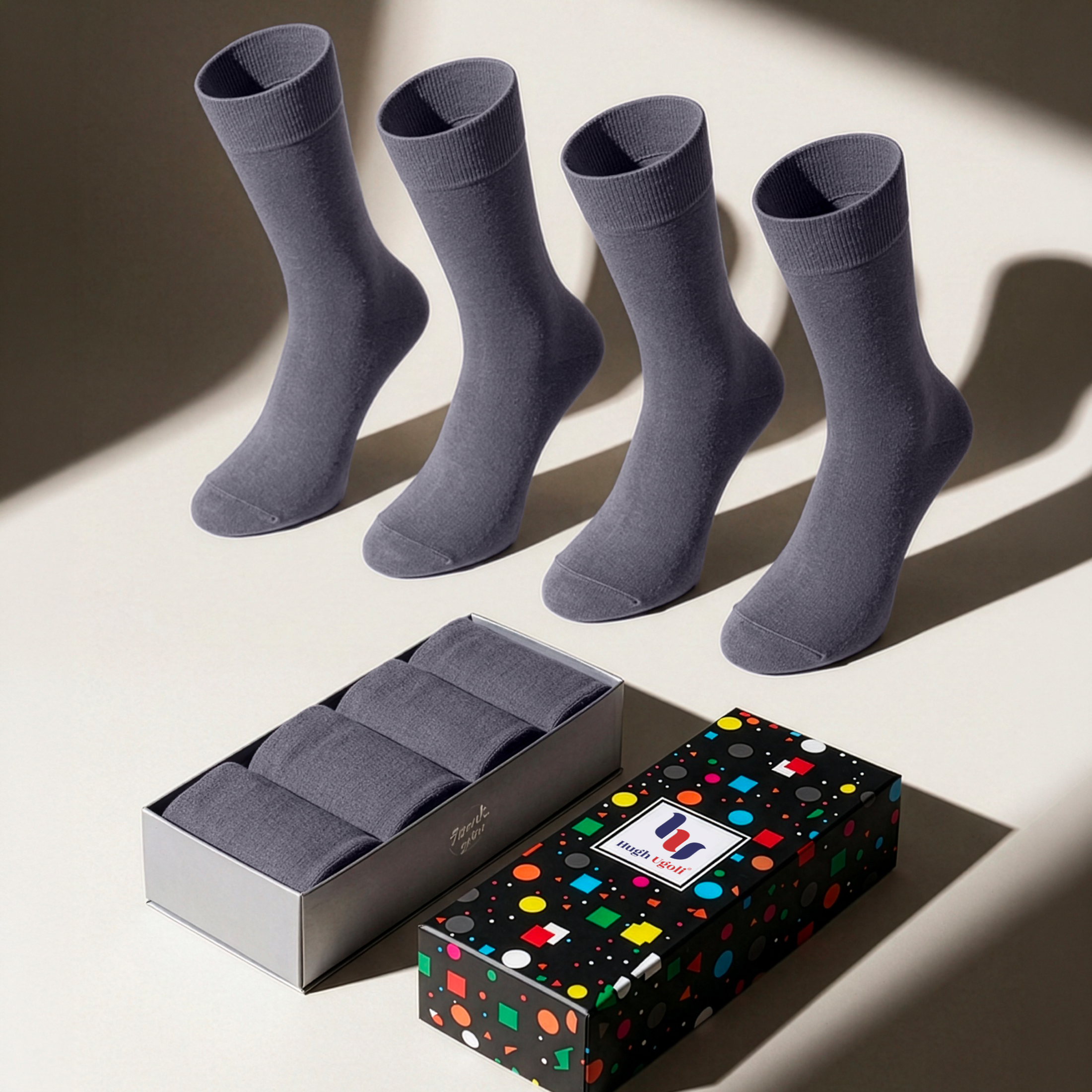
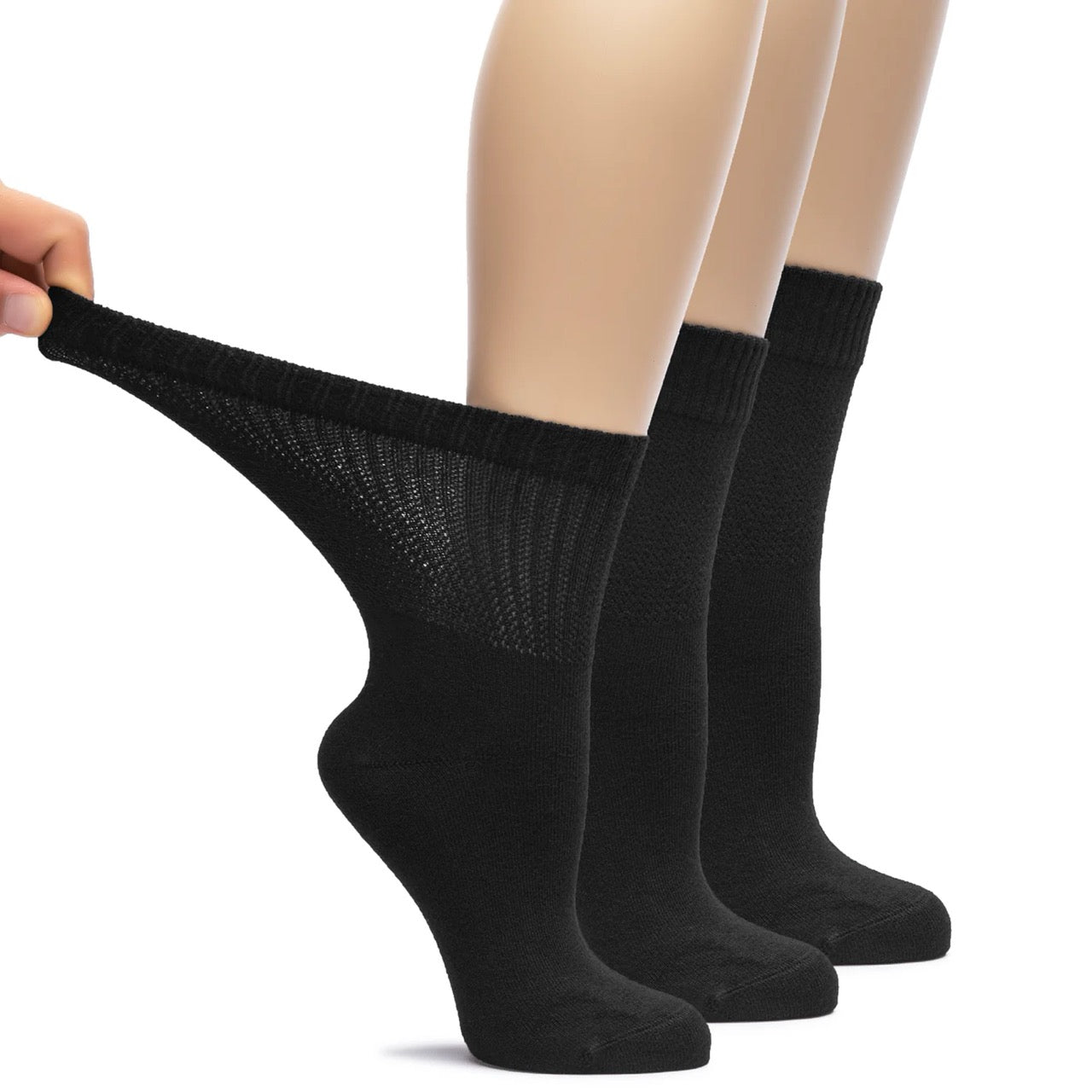
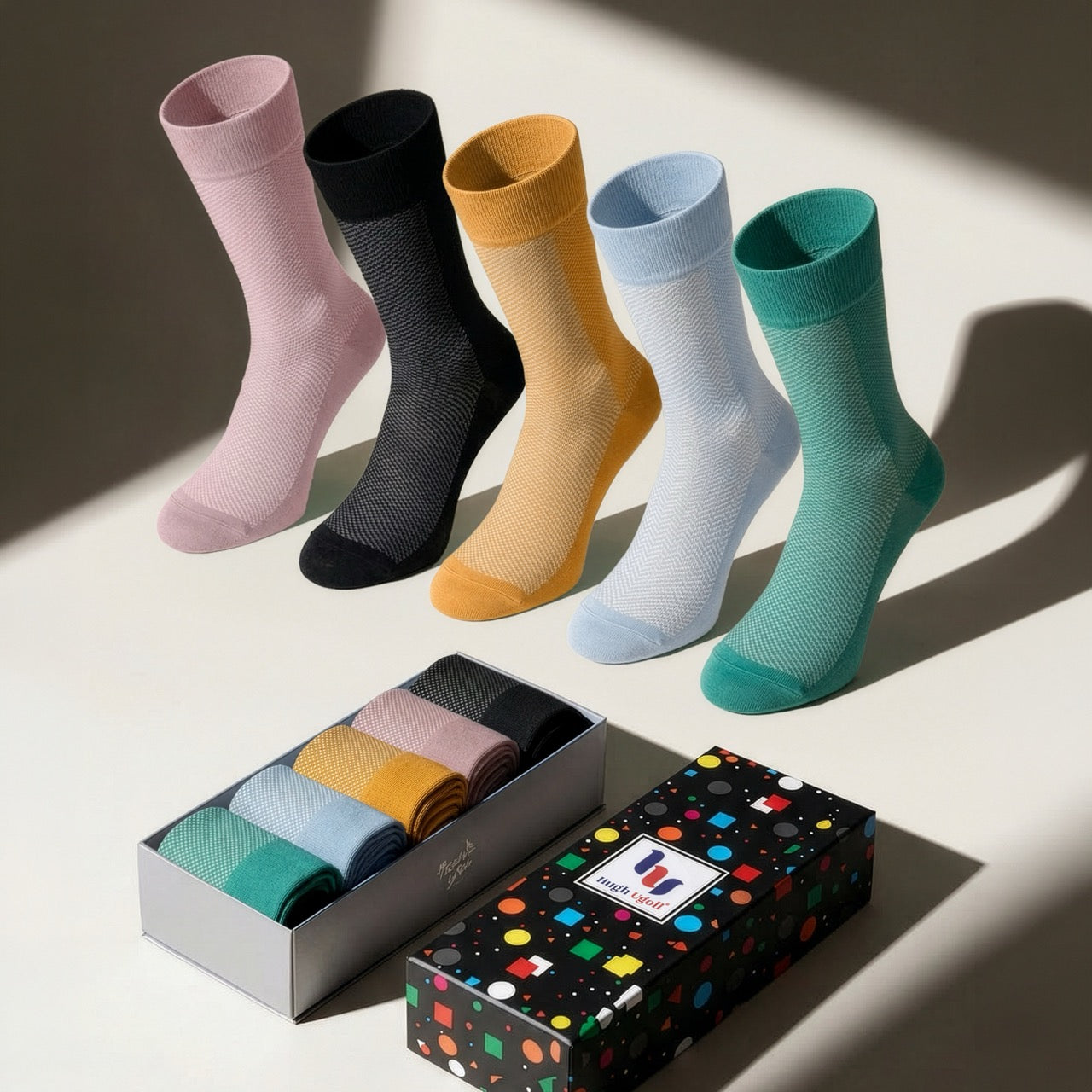
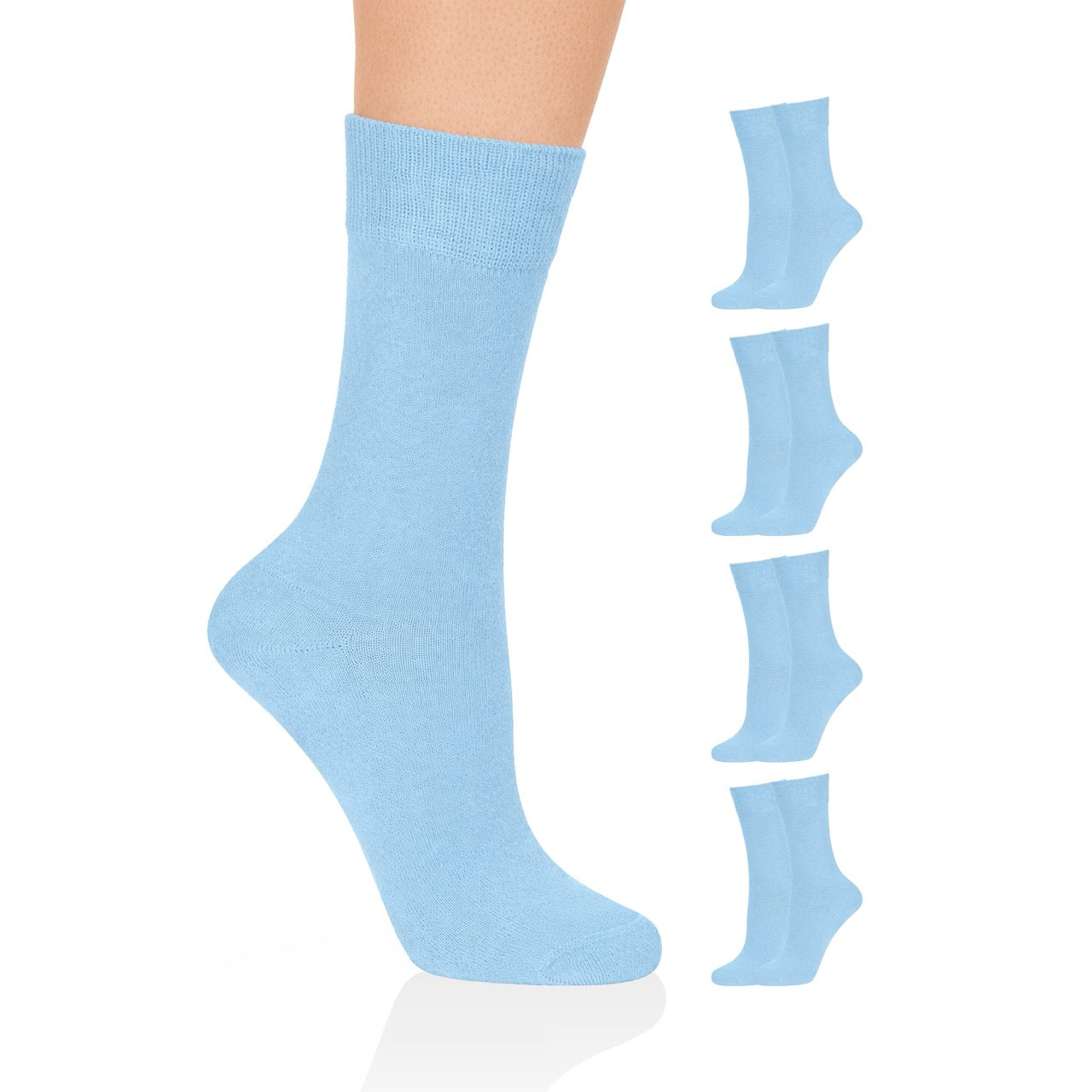
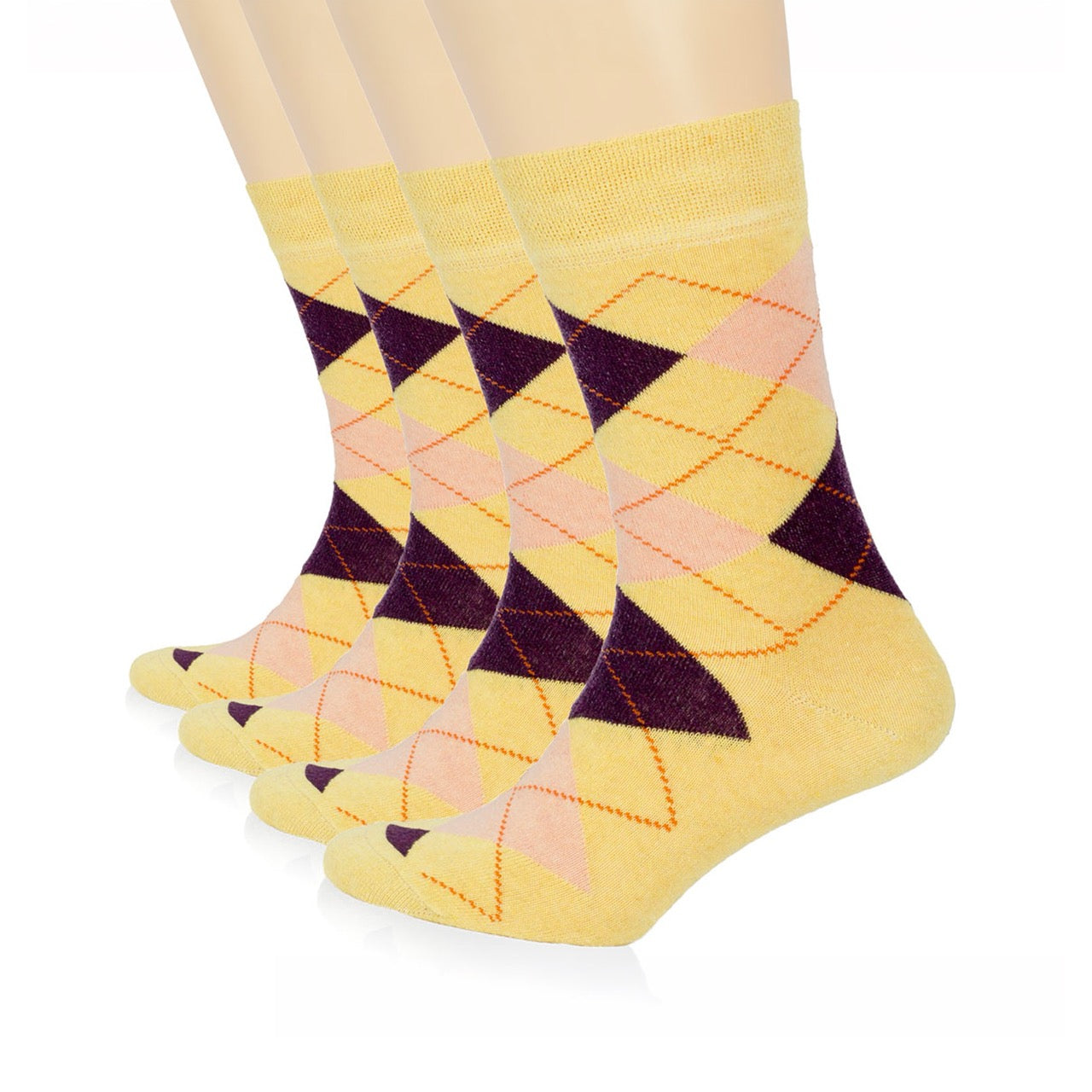
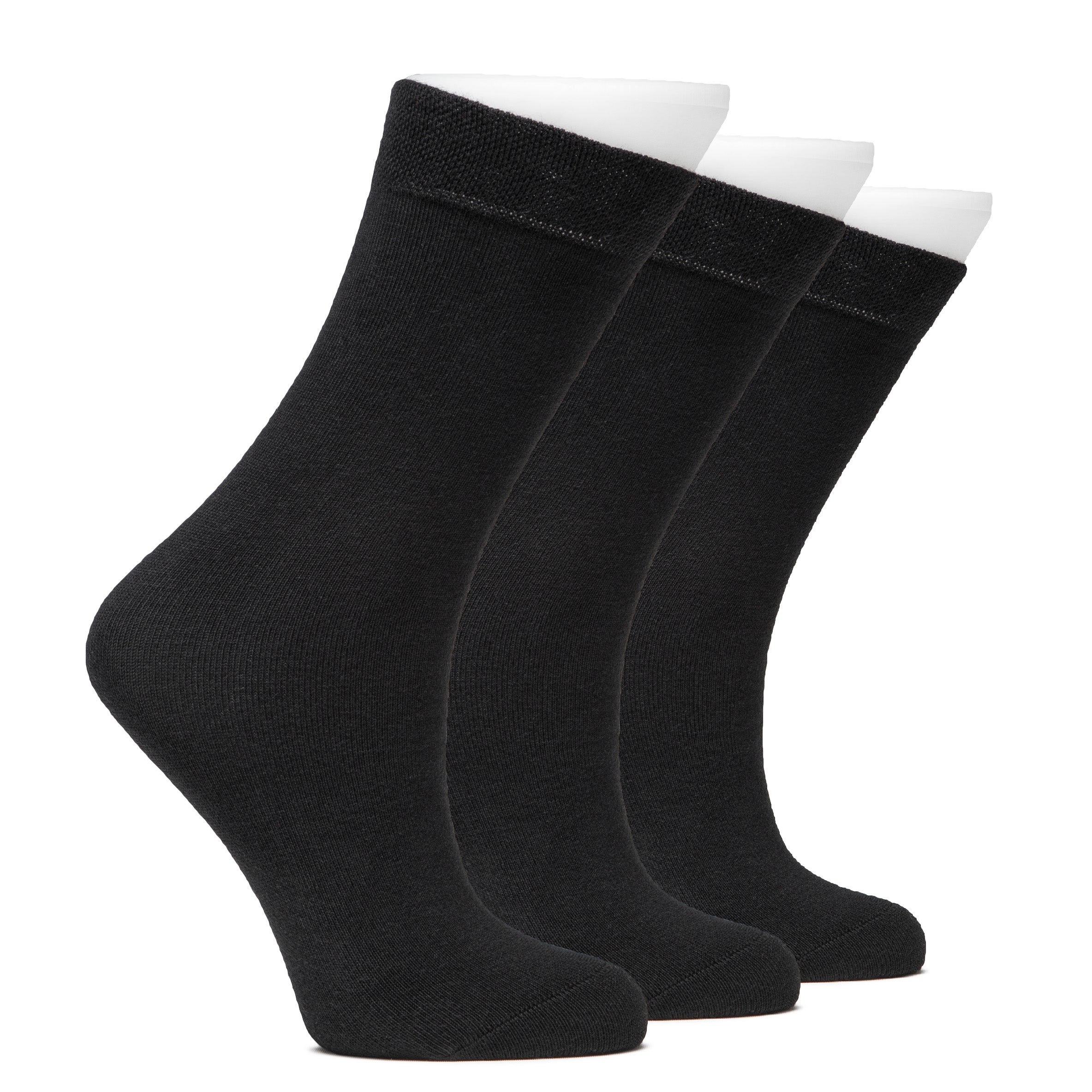
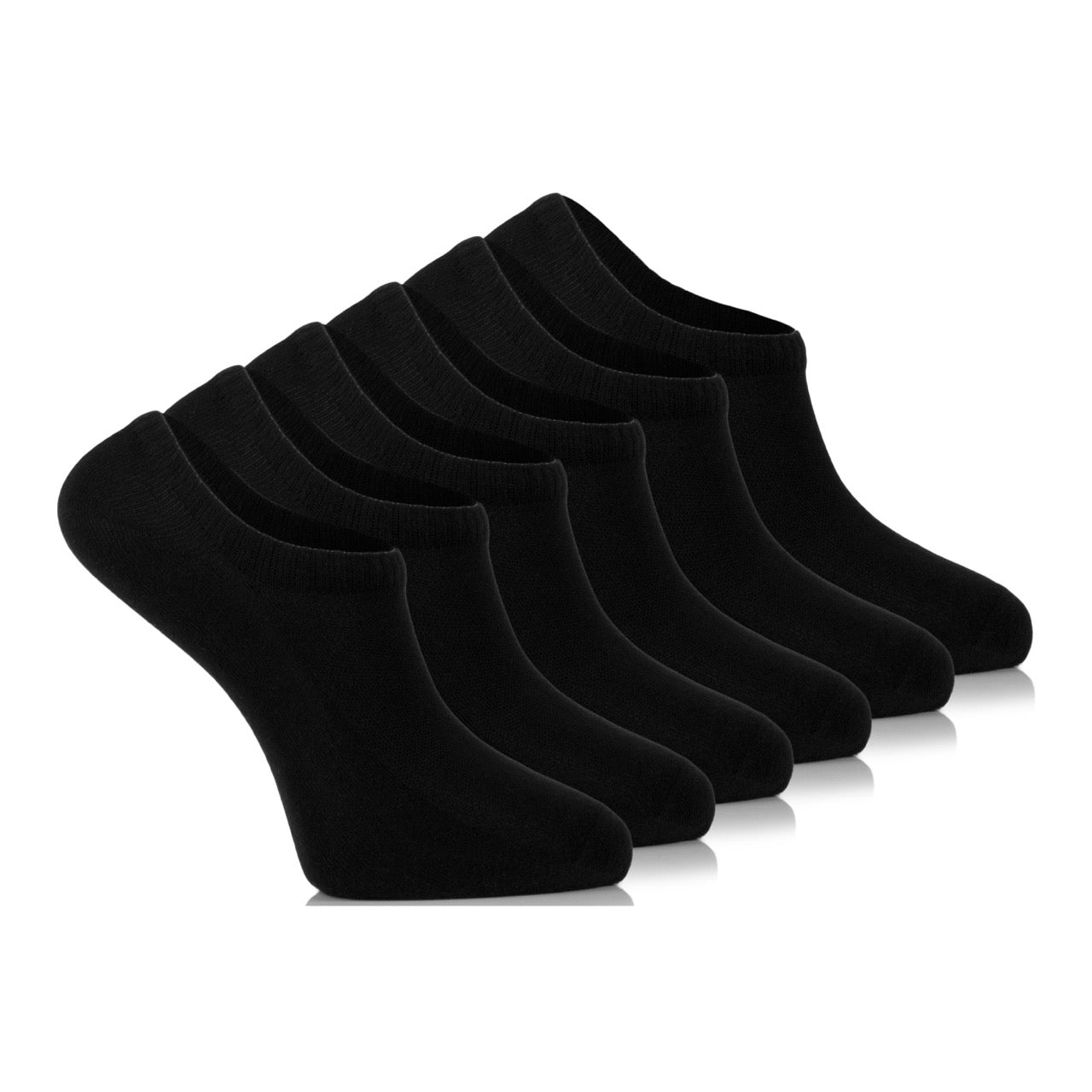
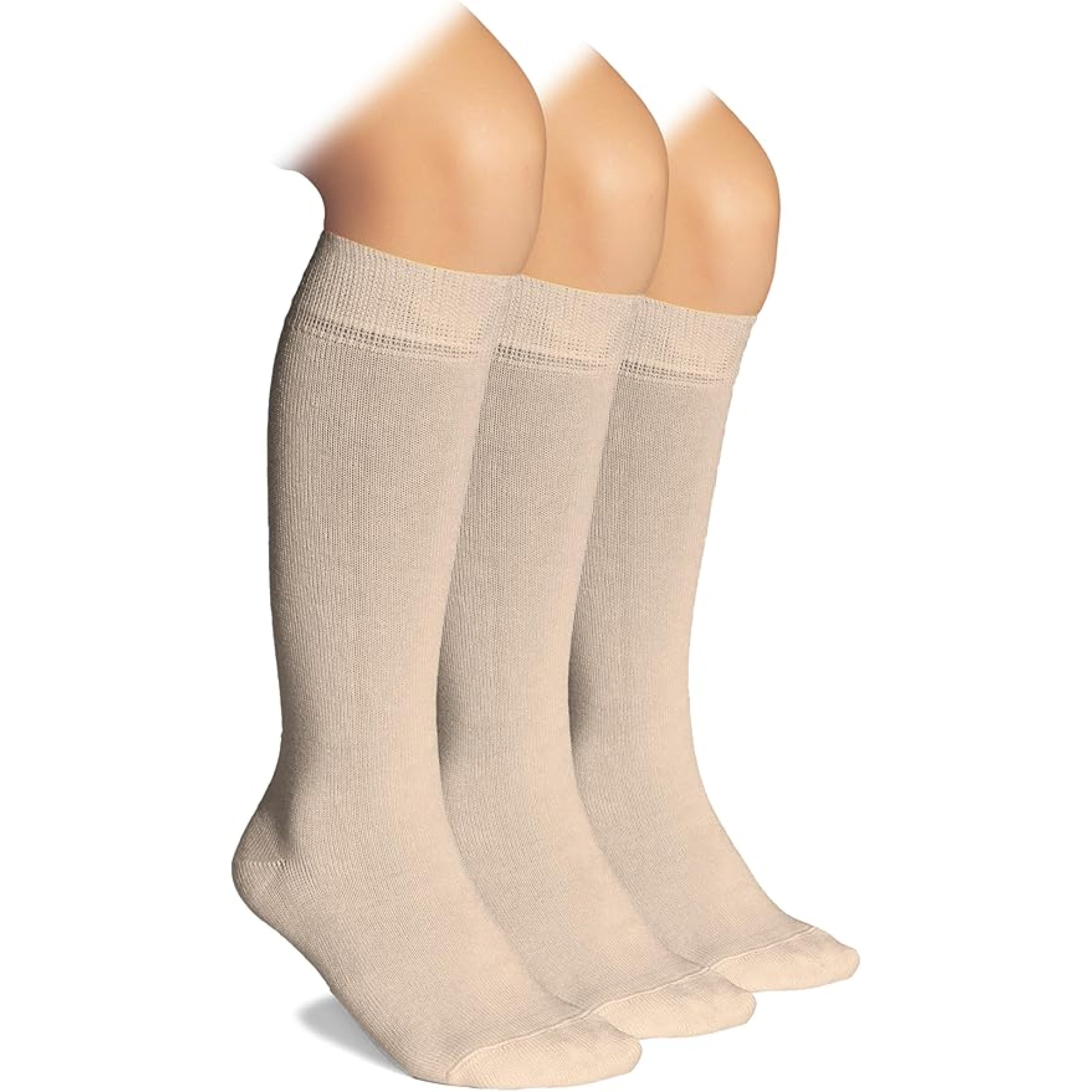


Socks used to be an afterthought, a drawer of mismatched pairs grabbed at random on the way out the door. That's changing. More people are now organizing socks the way they organize the rest of their closet, with different pairs set aside for work, workouts, travel, and downtime at home.
This shift isn't about owning more socks for the sake of it. It's about matching the sock to the day, which tends to make feet more comfortable no matter what's on the schedule.
A sock wardrobe is simply a small, intentional collection of socks grouped by purpose instead of just color or pattern. Instead of one all-purpose sock doing every job, each pair is chosen for a specific setting: dressy, casual, active, or purely comfort-focused.
Building one doesn't require buying dozens of new pairs overnight. Most people start by noticing which socks they already reach for in different situations, then filling in the gaps where their current rotation falls short.
A few everyday changes have made sock variety more useful than it used to be.
Many people now move between a desk, a gym session, and casual errands within the same day. A single sock style rarely performs well across all three, which pushes people toward keeping a few specialized pairs on hand instead of one default option.
There's also been a broader shift toward paying attention to small comfort details, including socks. Features like a seamless toe, a moisture-wicking fabric, or a non-binding top used to be niche. Now they're common requests, and many people find that a sock built for their specific need is simply more comfortable than a generic one.
Most sock wardrobes end up covering a handful of categories, even if the exact pairs differ from person to person.

You don't need a complete set in every category right away. A practical approach is to replace worn-out socks one category at a time, starting with whichever part of your routine feels the least comfortable right now.
It also helps to pay attention to fabric, not just style. Cotton and bamboo blends are common picks because they're breathable and tend to wash well, while wool blends are often reserved for colder months. Matching the material to the season and activity usually matters more than matching the color to the outfit.
A sock wardrobe isn't a trend built on excess. It's a practical response to busier, more varied days, where one all-purpose sock no longer covers every situation comfortably. Starting small and building by category is an easy way to notice the difference without overhauling your entire drawer at once.
There's no fixed number. Many people start with two or three pairs in each core category and expand from there as older socks wear out.
It depends on your priorities. Multipacks can work fine for general use, but pairs built for a specific purpose, like moisture-wicking athletic socks, often perform noticeably better in that one setting.
Start with whichever category causes the most discomfort right now, whether that's tired feet after work, sweaty feet during workouts, or cold feet at home.
Not strictly, but dress and work socks are usually slimmer and more polished, while casual socks prioritize comfort and breathability. Using both as intended tends to extend the life of each.
Many people start with everyday casual socks since they're worn most often, making the comfort difference easiest to notice right away.
He has been working for more than 20 years in the textile industry and has work experience in many parts of the world.