Cart
0
You may also like



Somewhere around hour three of a long flight, a lot of people notice the same thing: shoes that fit perfectly at takeoff suddenly feel tight. It's a common experience, and it has less to do with your shoes and more to do with what's happening inside the cabin and inside your body while you sit still for hours at altitude.
Here's a closer look at why feet tend to swell on longer flights, when it's nothing to worry about, and what can help you stay comfortable from boarding to landing.
Foot swelling on a flight is usually the result of a few factors working together rather than any single cause.
Airplane cabins are pressurized to a level similar to a moderately high mountain town, which is lower than pressure at sea level. This shift can cause fluids in the body to shift slightly and gather in the lower legs and feet, especially over a longer flight.
Normally, walking and moving your legs helps push blood and fluid back up toward your heart. On a flight, especially in a window or middle seat, many people stay seated for hours with little movement. That lack of motion is often associated with fluid building up around the ankles and feet.
Tight seating can also play a role. Keeping your knees bent and your legs in one position for an extended period may slow circulation in the lower legs, which can add to the swelling many travelers notice by the end of a long flight.
Mild swelling that shows up during a long flight and fades within a day of landing is common and is generally not a cause for concern. Many people find it resolves on its own once they're back to walking around normally and elevating their feet for a bit.
That said, swelling that is severe, only on one side, painful, or accompanied by redness or warmth in the leg should be taken seriously. These can sometimes be signs of a blood clot, which is a known risk associated with prolonged sitting, including on long flights. If you notice these symptoms, it's important to seek medical attention promptly rather than waiting to see if it improves. Anyone with a history of circulation issues, clotting disorders, or recent surgery should talk with a healthcare professional before a long flight to ask about precautions specific to their situation.
A few simple habits can make a noticeable difference in how your feet feel by the time you land.

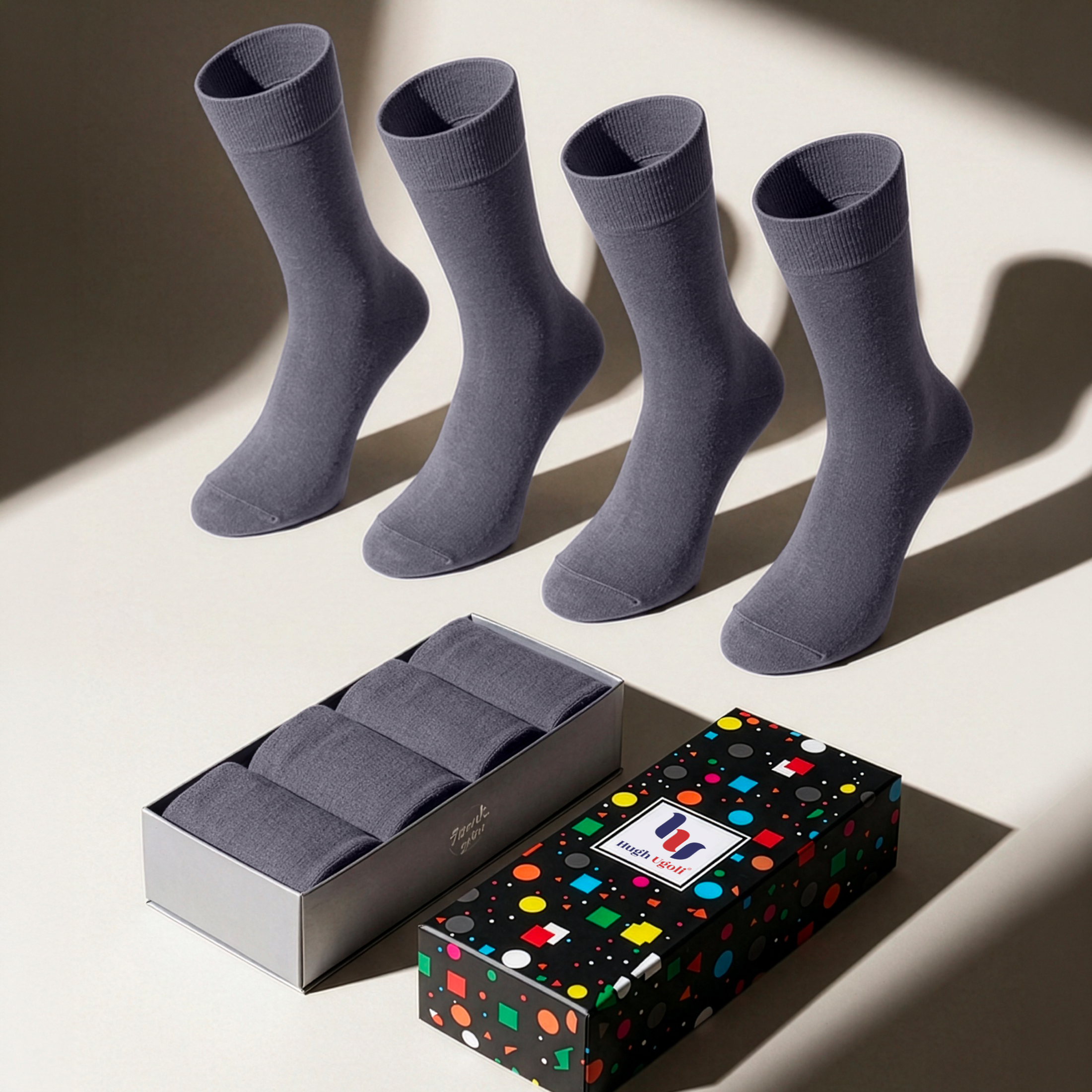
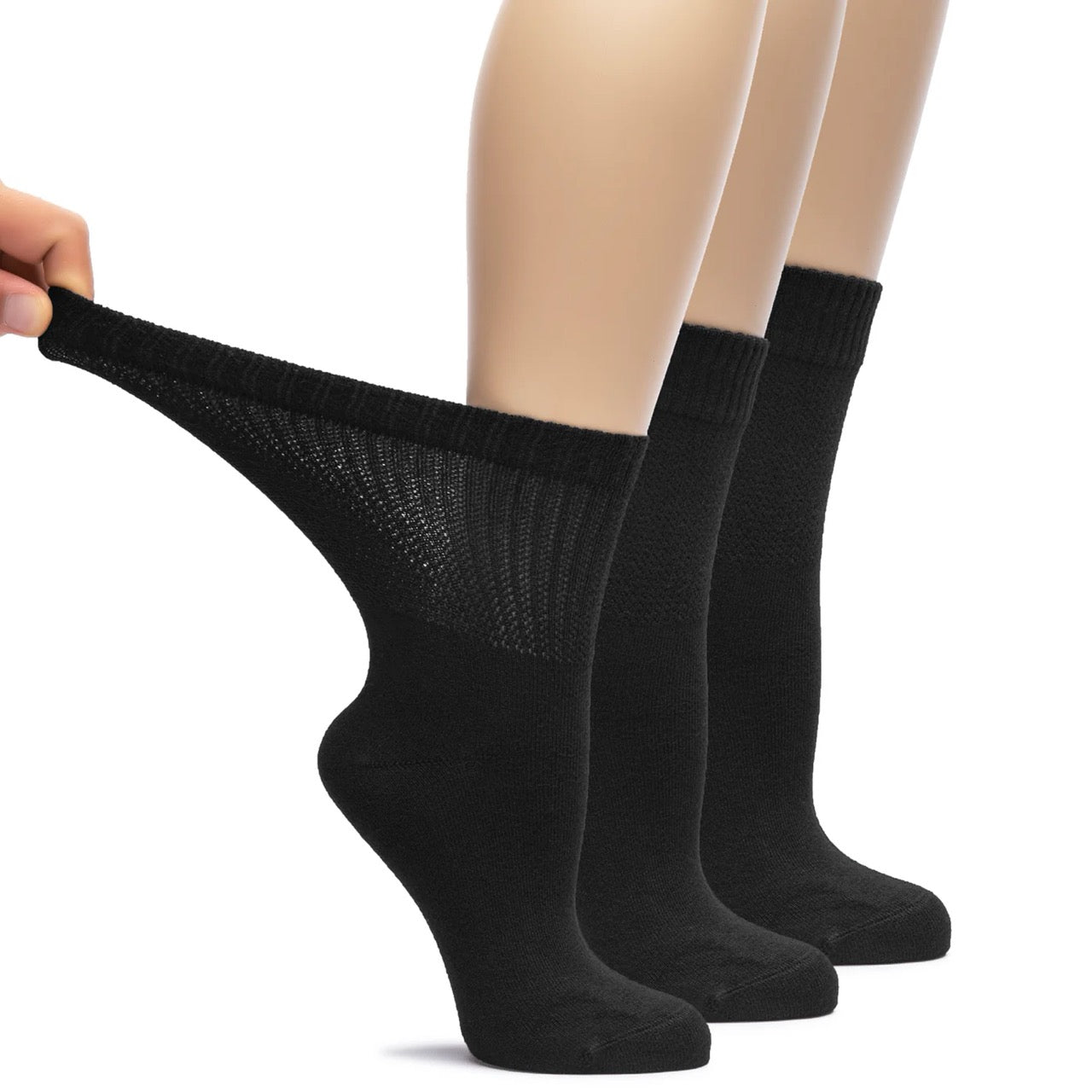
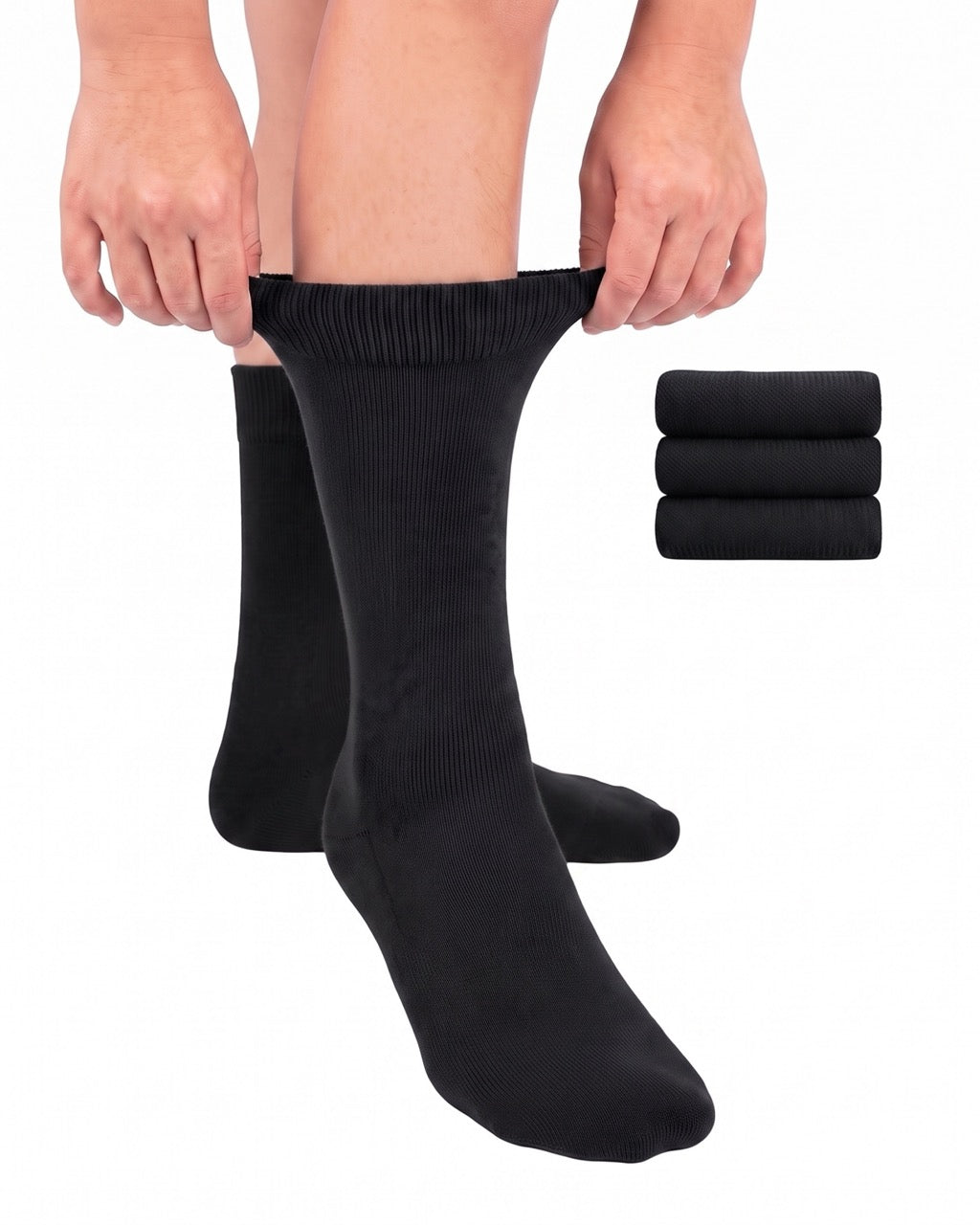
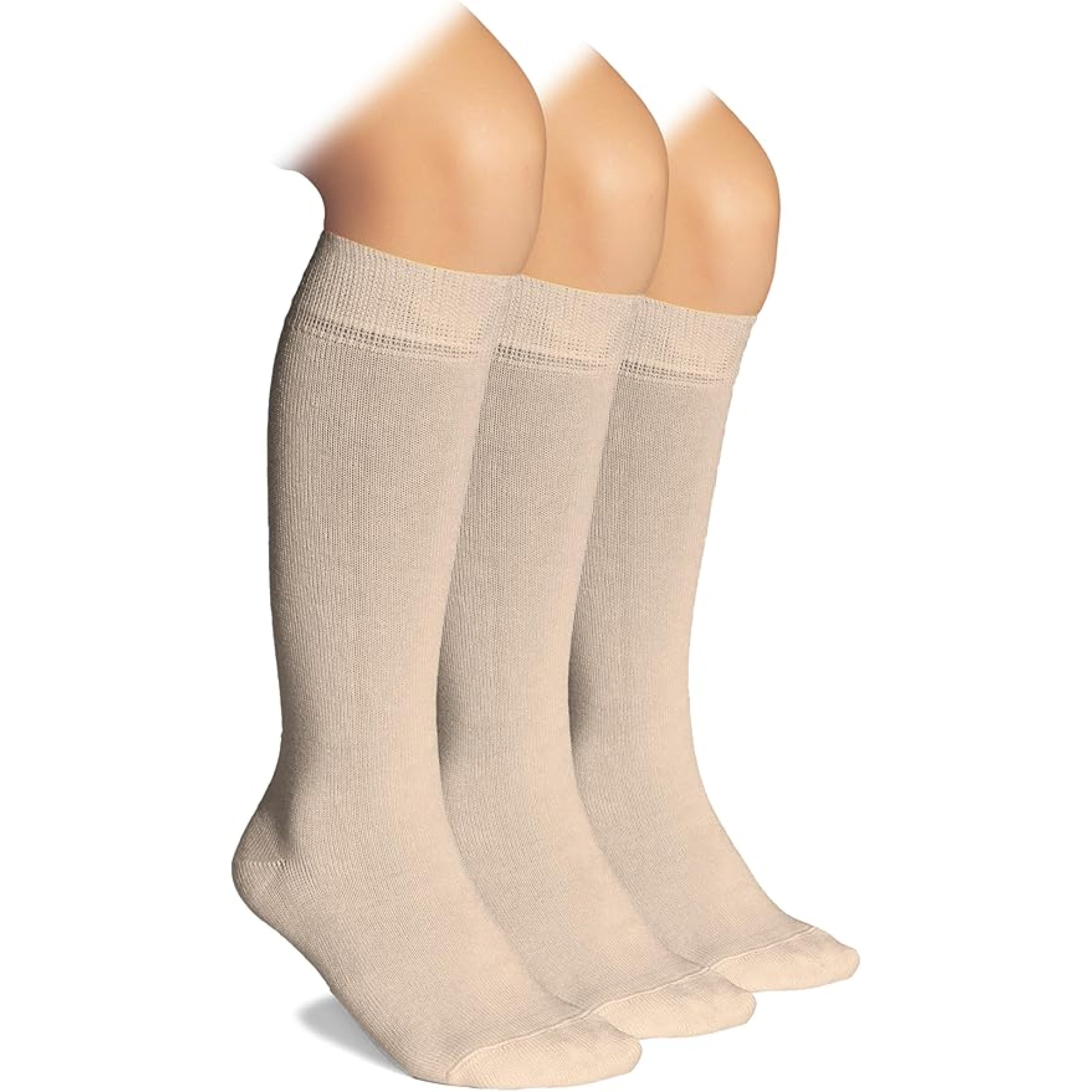
Sock choice matters more on a long flight than most people expect. A snug, tight-cuffed sock can add extra pressure right where circulation is already working harder, while a soft, non-binding top is generally easier on feet that tend to swell. Many travelers managing circulation concerns or diabetes look for socks with a non-binding top and seamless toe, since these features are often associated with reduced pressure around the ankle during long stretches of sitting.
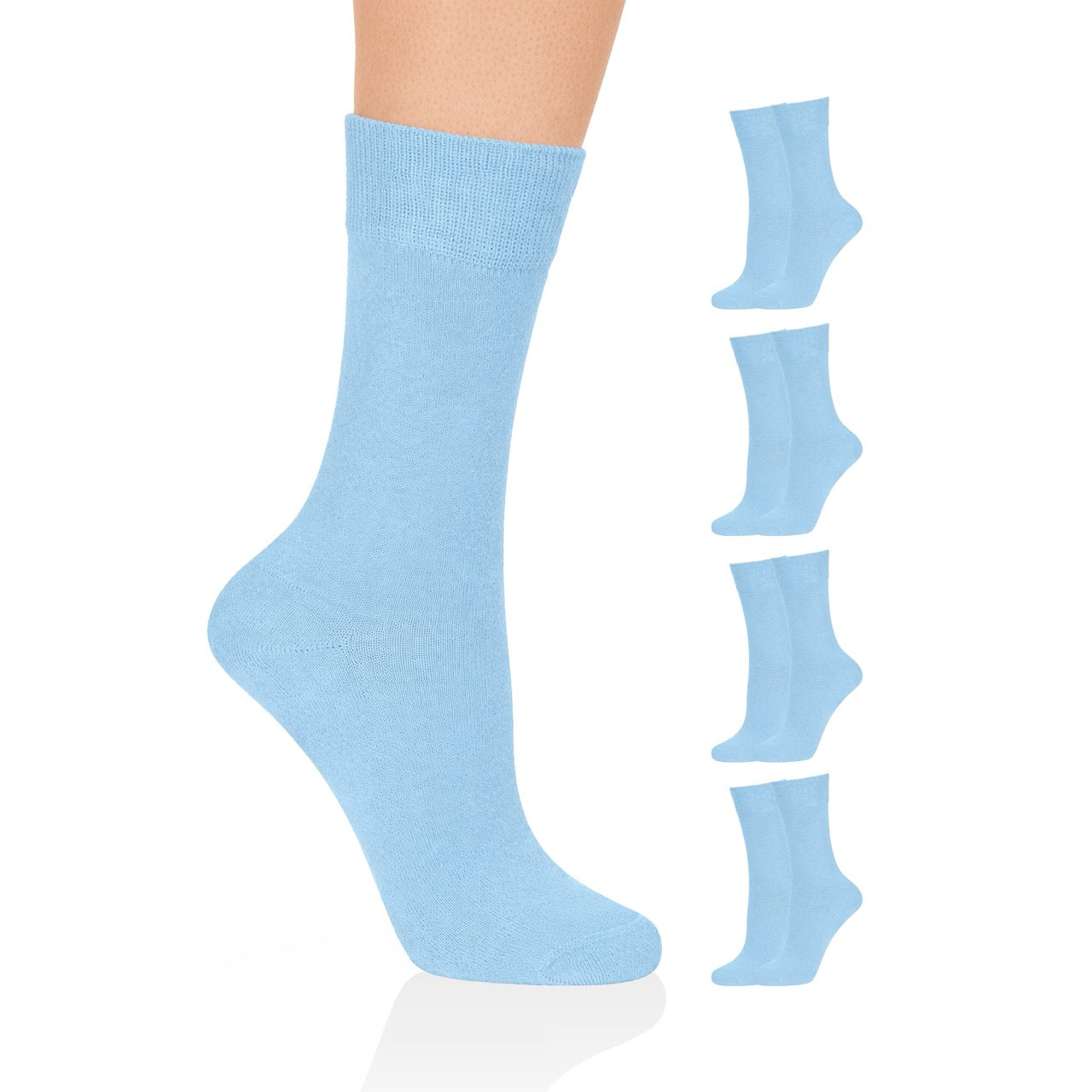
Breathability is worth considering too, since cabin air is dry and feet can run warm inside shoes for hours at a time. A pair of breathable bamboo socks can help feet stay drier and more comfortable, whether you're walking through the terminal or settled in for the flight.
For most people, any swelling from a flight starts to ease within a few hours of standing and walking normally again. Elevating your feet for a while, going for a short walk, and drinking water can help speed that along. If swelling lingers for more than a day or two, or if it's paired with pain, it's worth checking in with a healthcare professional rather than assuming it will resolve on its own.
Feet swelling on a long flight is a common response to cabin pressure, limited movement, and hours of sitting in one position. Simple habits like moving periodically, staying hydrated, and choosing non-binding, breathable socks can make a real difference in comfort during the trip. Knowing what's typical, and what's worth getting checked out, makes it easier to travel with confidence.
Swelling is more common on longer flights, generally those over three or four hours, since it takes time for fluid to build up in the lower legs. Shorter flights are less likely to cause noticeable swelling for most people.
Many people find graduated compression socks helpful for circulation during long flights, but they aren't the right choice for everyone. It's a good idea to ask a healthcare professional whether compression socks are appropriate for you, especially if you have an existing circulation or vascular condition.
Swelling that's limited to one side, especially if it's painful, warm, or accompanied by redness, is different from the general swelling many travelers experience and should be evaluated by a healthcare professional promptly.
Moving periodically, staying hydrated, loosening tight footwear, and wearing breathable, non-binding socks are commonly recommended habits that many travelers find helpful for comfort during long flights.
For most people, it eases within several hours to a day after walking around normally again. If swelling persists longer than that or comes with pain, it's best to check with a healthcare professional.
He has been working for more than 20 years in the textile industry and has work experience in many parts of the world.