Cart
0
You may also like
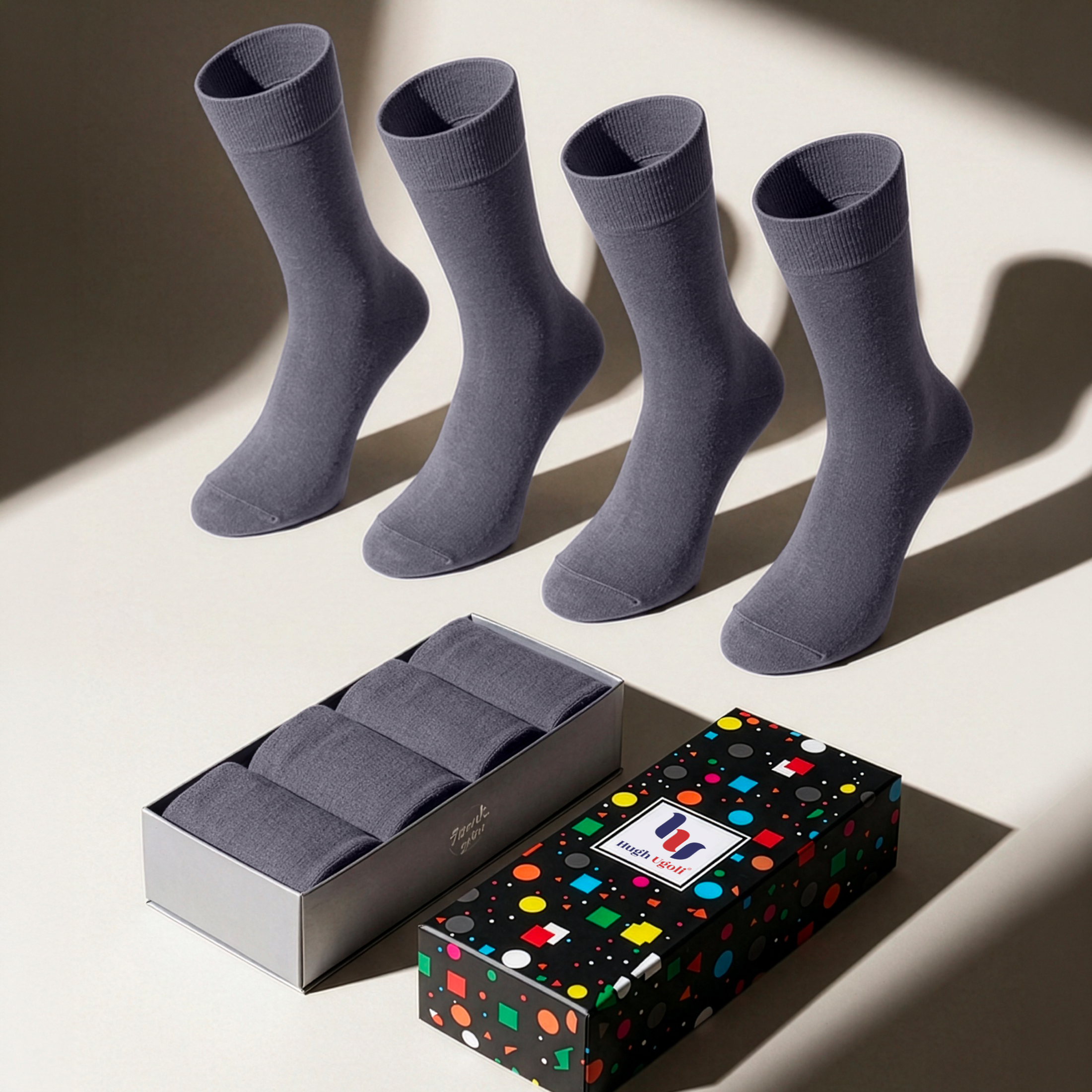
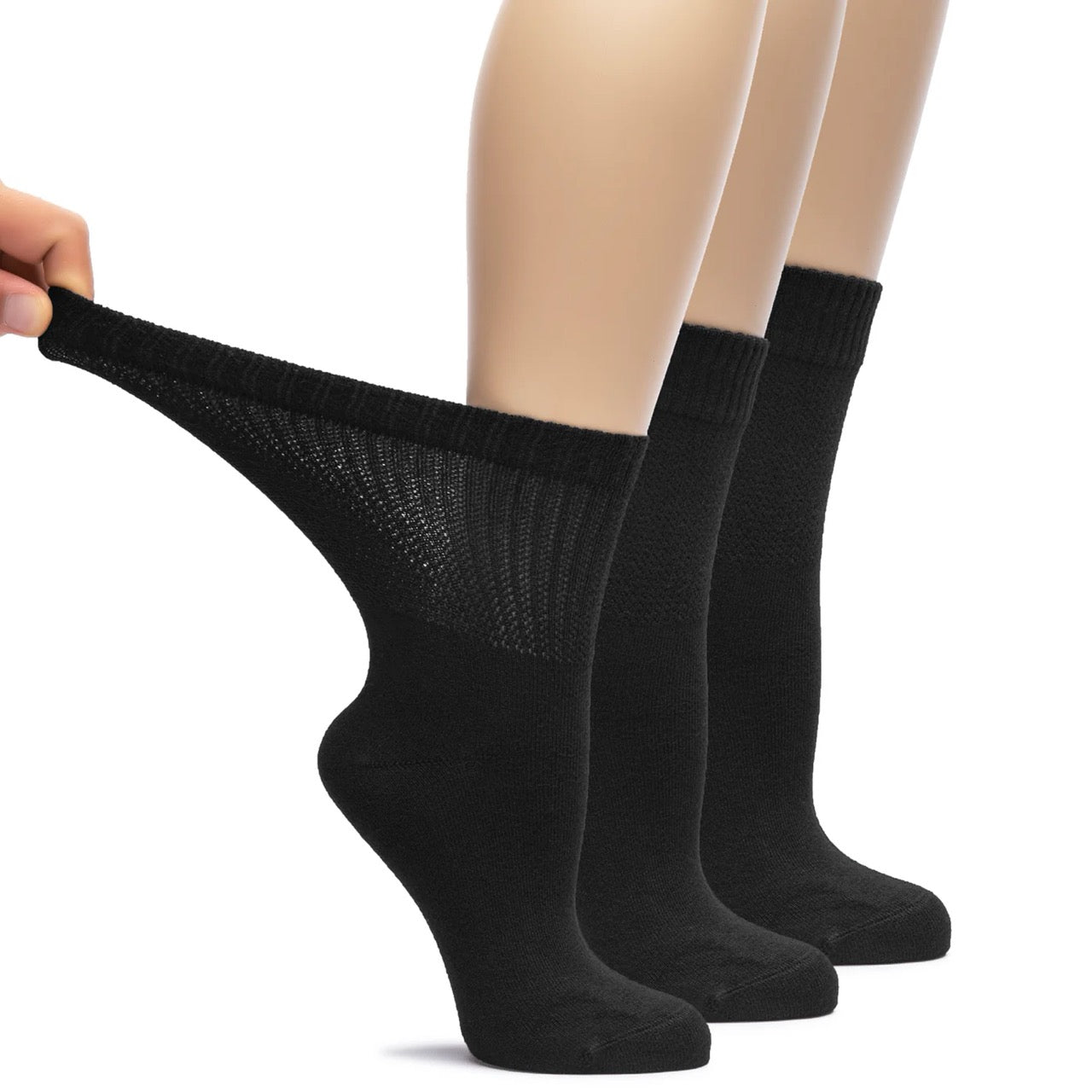
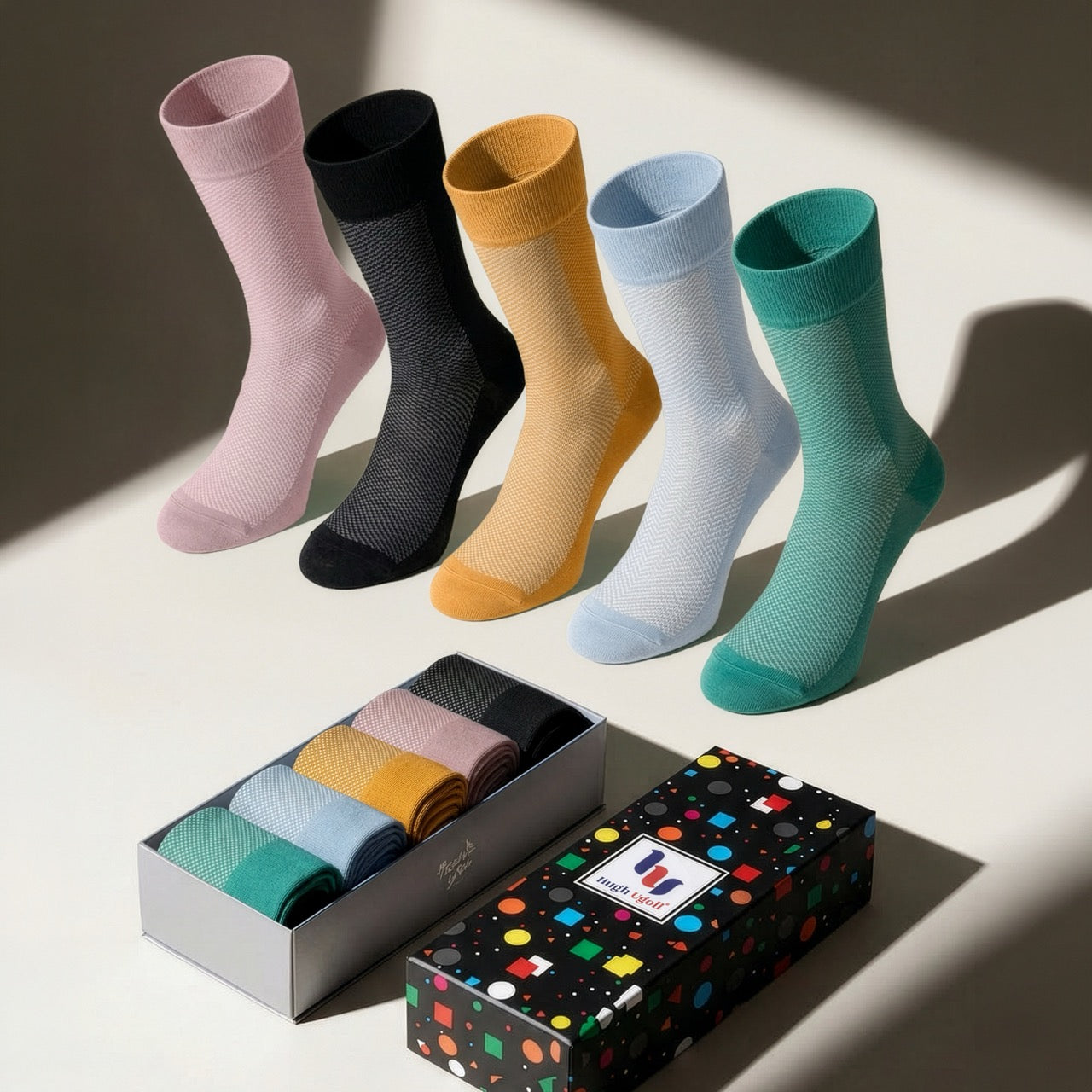
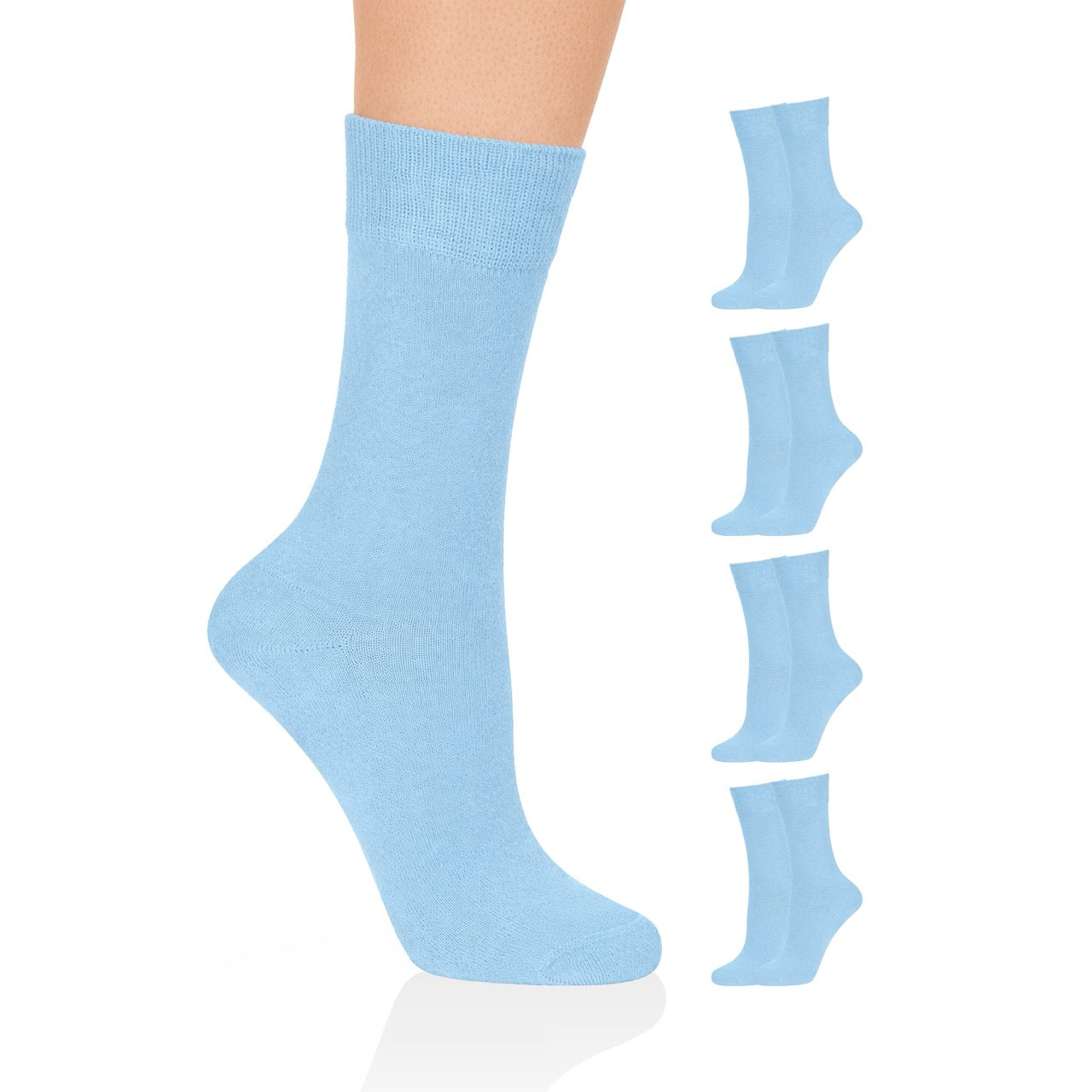
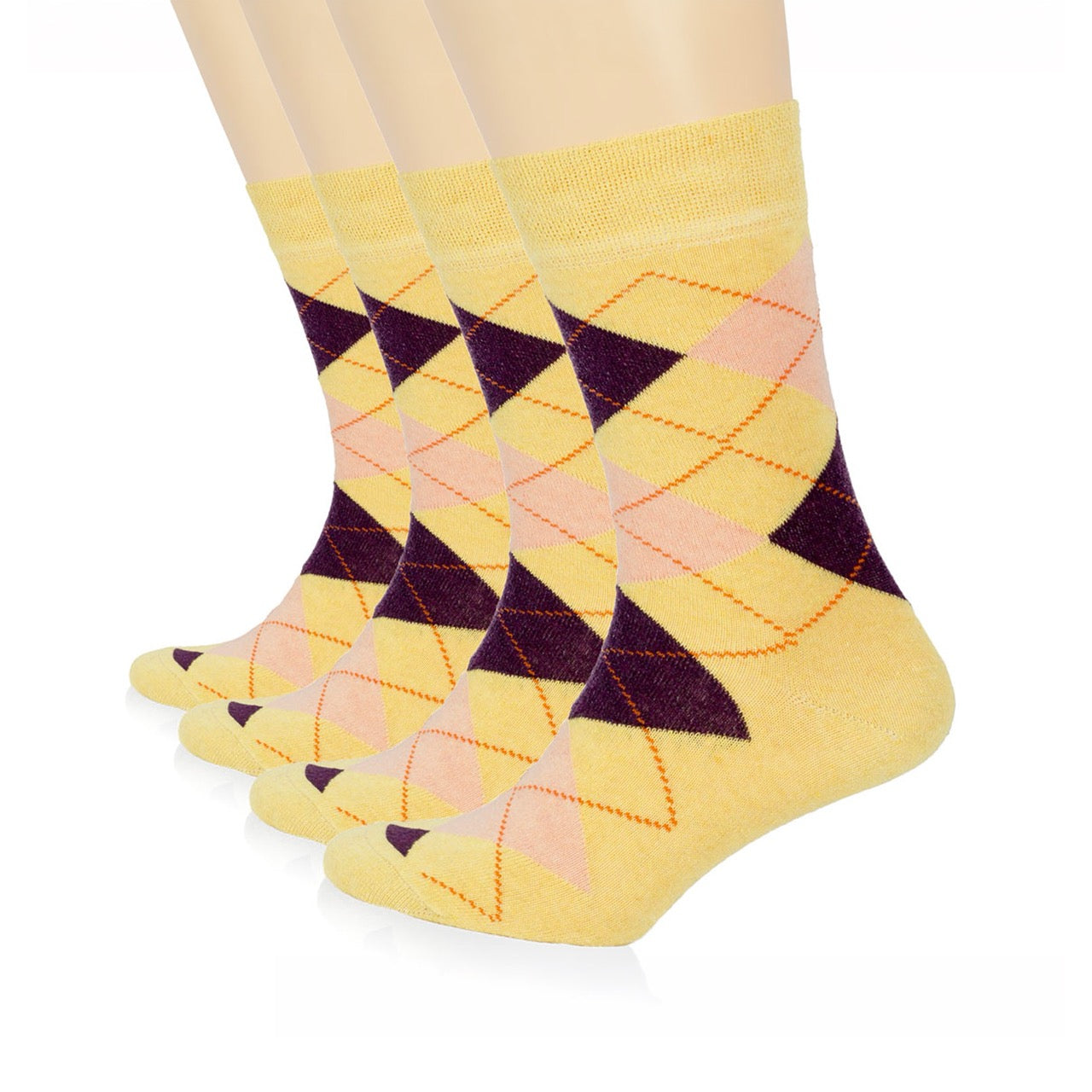
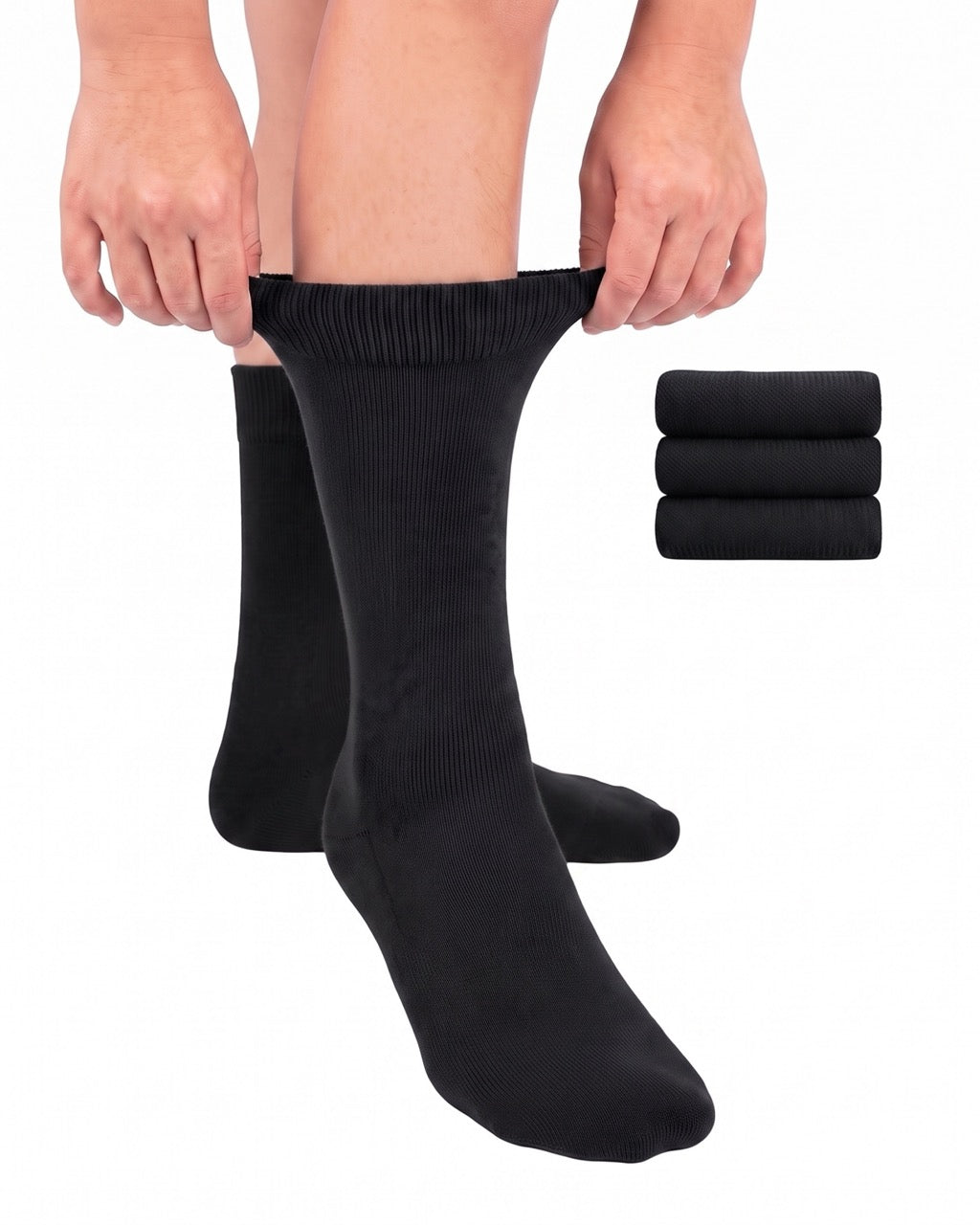
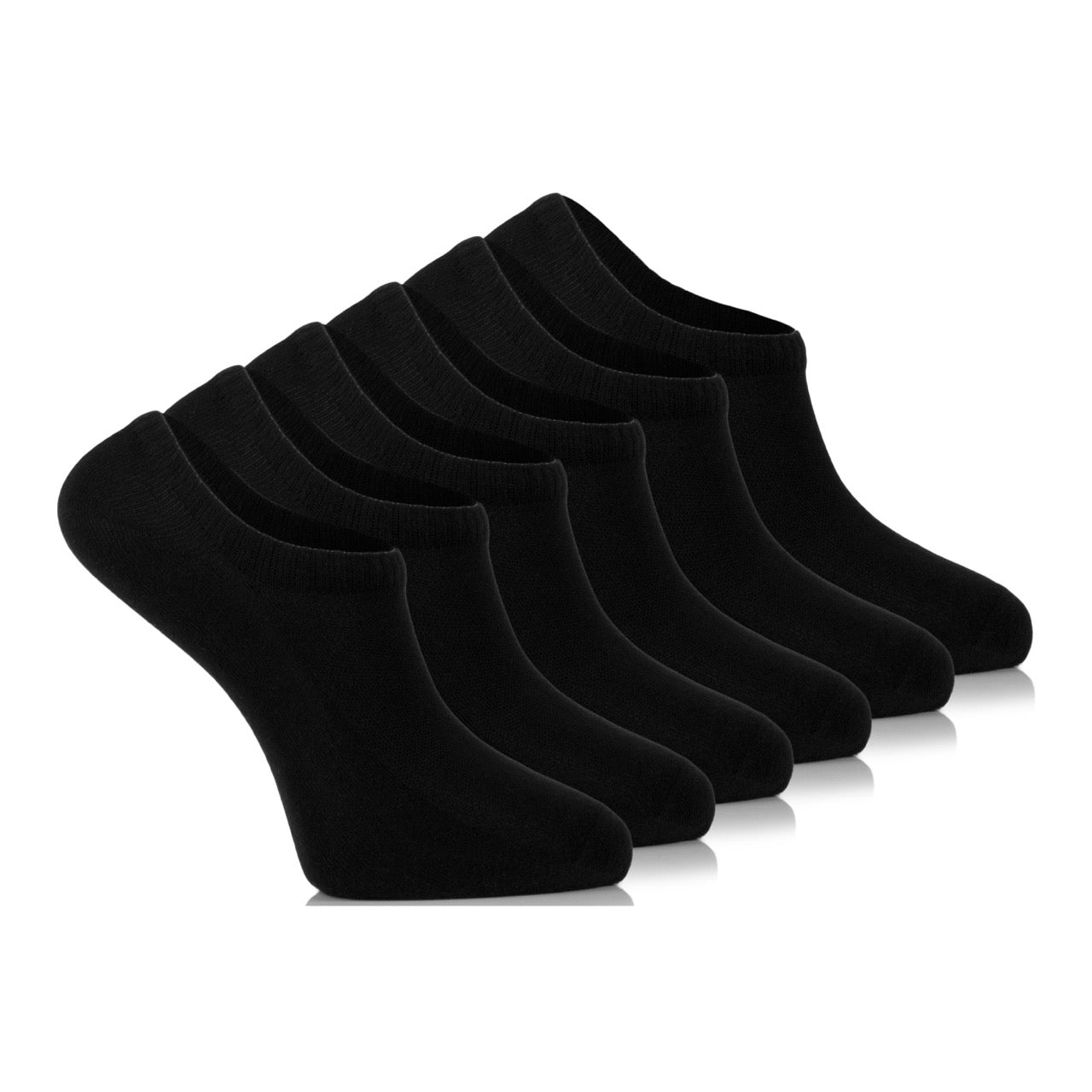
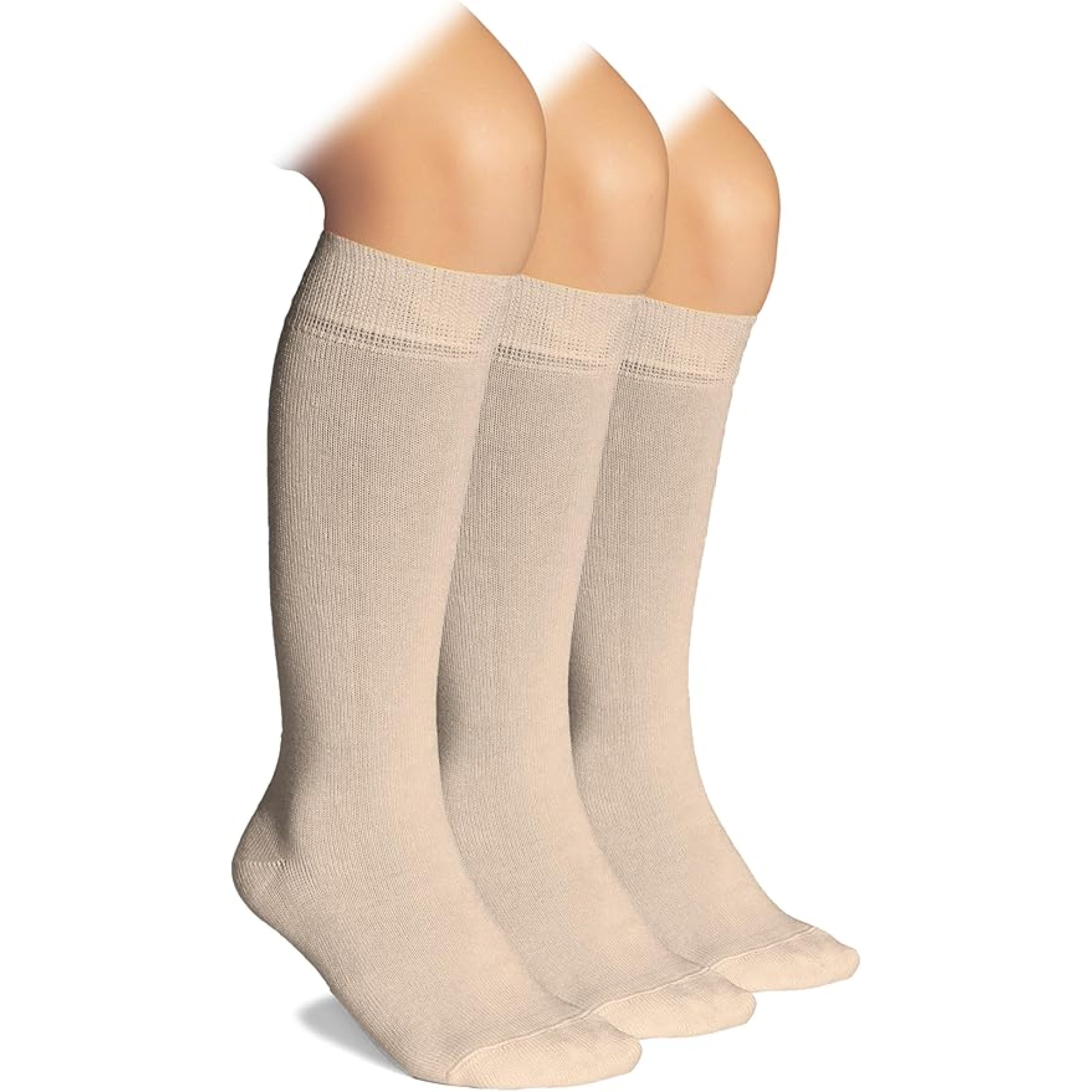


Living with diabetes means paying close attention to every part of your body — and your feet are often the first to show the effects. From nerve damage to circulation challenges, foot care is a daily priority for millions of people. One surprisingly impactful choice? The socks you wear. Bamboo diabetic socks have emerged as a go-to option for people who want comfort, moisture control, and a seamless design that doesn't put pressure on sensitive skin. This guide covers everything you need to know about choosing the best bamboo diabetic socks — and why the material makes such a difference.
Diabetes affects circulation and nerve function in ways that make the feet especially vulnerable. According to the National Institute of Diabetes and Digestive and Kidney Diseases (NIDDK), foot problems are among the most common complications of diabetes — and many of them begin with something as simple as friction, moisture, or pressure from poorly fitting socks.
High blood sugar over time can reduce blood flow to the feet and cause peripheral neuropathy, a type of nerve damage that dulls pain signals. This means a small blister or a tight elastic band can go unnoticed for days — long enough to develop into a serious wound. The American Diabetes Association (ADA) emphasizes daily foot inspections and recommends wearing well-fitting, seamless socks as part of a comprehensive foot care routine.
Standard socks — even comfortable-seeming ones — often include tight ribbed cuffs, rough toe seams, and synthetic blends that trap heat and moisture. Diabetic socks are engineered to remove those problem points. Bamboo diabetic socks go a step further by adding the natural benefits of bamboo fiber to the equation.
Bamboo is processed into a soft, breathable viscose fiber that has several characteristics well-suited to sensitive feet. It's worth understanding what bamboo actually does — and what it doesn't do — so you can shop with realistic expectations.
Bamboo fiber has a naturally porous structure that allows it to pull moisture away from the skin. This is critical for people with diabetes because damp skin creates an environment where fungal infections like athlete's foot can thrive. Keeping feet dry throughout the day reduces that risk significantly.
Bamboo fabric breathes well in warm conditions and provides light insulation in cooler weather. This adaptability is useful for people whose circulation makes their feet feel cold or whose neuropathy affects their ability to sense temperature changes accurately.
The soft texture of bamboo viscose is one of its most-praised qualities. For feet that have lost some protective sensation due to neuropathy, a fabric that doesn't scratch or abrade the skin reduces the likelihood of skin breakdown. Many people find that bamboo socks feel noticeably gentler than standard cotton or synthetic blends.
Bamboo socks allow air circulation that helps prevent the buildup of heat and odor — both of which can contribute to skin integrity issues over time.

Not all diabetic socks are created equal, even within the bamboo category. Here are the features that separate a genuinely helpful sock from one that merely uses the word "diabetic" in its name.
A traditional sock has a ridge at the toe where the fabric is joined. For most people, this is an invisible nuisance. For someone with peripheral neuropathy, that ridge can rub against skin all day without ever triggering a pain response — causing a blister or sore that's discovered only during a foot inspection. Look for true seamless toe construction, where the toe area is closed with a flat or no-seam finish.
Tight elastic cuffs are common in standard socks. They help socks stay up, but they also constrict blood flow — the last thing someone with diabetes-related circulation challenges needs. Diabetic socks use a loose, non-binding cuff that stays in place without squeezing. The goal is to have the sock stay up without leaving a mark on the skin when it's removed.
Beyond the toe, some socks have seams along the sides or heel that can create pressure points. A well-designed diabetic sock minimizes all internal seams throughout the foot.
Light cushioning in the sole can help absorb shock and reduce pressure on the ball of the foot and heel — two areas that bear the brunt of impact during walking. This is especially relevant for people who spend time on hard floors. Note that the cushioning should be subtle, not so thick that it changes the fit of well-fitting footwear.
A diabetic sock that's too large will bunch and create pressure points. One that's too small will constrict. Always check sizing charts carefully, and if you're between sizes, size up to avoid compression.
Hugh Ugoli designs bamboo diabetic socks with the features above built in from the ground up. The materials are chosen for softness and moisture management, and the construction prioritizes seamless comfort throughout the foot.
For men, the Men's Lightweight Bamboo Diabetic Ankle Socks offer a thin, breathable profile that fits comfortably inside dress shoes or casual footwear. The ankle length keeps things practical, and the non-binding cuff eliminates the squeeze that standard socks deliver.
For women, both ankle and crew options are available. The Women's Bamboo Diabetic Crew Thin Socks provide more coverage for those who prefer it, while still maintaining the lightweight, seamless construction that makes bamboo diabetic socks worth wearing. For those dealing with swelling or edema, the Women's Comfortable Diabetic Bamboo Ankle Socks for Swollen Legs offer a slightly more accommodating fit without any compression.
One of the most practical questions when shopping for diabetic socks is length. Both ankle and crew lengths have their place, and the right choice often comes down to lifestyle and footwear.
If you're unsure, ankle socks tend to be more versatile across footwear types, while crew socks offer more coverage and stability.
Cotton has been the default fabric for diabetic socks for decades, and it remains a reasonable choice. But bamboo has several advantages worth weighing.
Cotton absorbs moisture well initially but holds onto it. A sock that's damp after 20 minutes of walking will stay damp. Bamboo wicks moisture away from the skin and evaporates it faster, keeping the foot drier for longer.
Cotton socks can stiffen slightly with repeated washing. Bamboo tends to maintain its soft feel over many wash cycles, which matters when comfort consistency is a priority.
Bamboo regulates temperature more actively than cotton, making it suitable for a wider range of conditions. Cotton can feel uncomfortably warm in summer and insufficiently warm in winter. Bamboo adapts better to the environment.
Bamboo socks typically cost a bit more than basic cotton diabetic socks. The difference is usually modest and tends to reflect the material quality and construction standards.
Bamboo socks are easy to care for, but a few practices will help them maintain their softness and performance over time.
Diabetic socks, bamboo or otherwise, are one component of a foot care approach that should include several other habits. The NIDDK recommends inspecting your feet every day for cuts, blisters, redness, swelling, or nail problems. Keeping toenails trimmed straight across, moisturizing the feet (but not between toes, where excess moisture can lead to problems), and wearing properly fitting shoes are all part of the picture.
Well-fitted footwear is especially important. A great sock won't compensate for a shoe that's too narrow, too tight, or worn down at the sole. Talk to your healthcare provider or a podiatrist about footwear recommendations specific to your situation, especially if you have existing foot complications.
Bamboo diabetic socks may help reduce pressure, moisture, and friction — but they are not a medical treatment and should not replace professional foot care. If you notice any of the following, consult a healthcare provider promptly:
Annual foot exams are a standard recommendation for people with diabetes. Many of these can catch problems before they escalate.
Bamboo has several practical advantages over cotton for diabetic foot care: faster moisture wicking, longer-lasting softness, and better temperature adaptability. Cotton is a solid choice, but bamboo tends to keep feet drier and more comfortable across a wider range of conditions. For people with sensitive feet or those who find their feet get warm and sweaty during the day, bamboo is often the preferred option.
Bamboo diabetic socks use a non-binding cuff designed not to constrict, which makes them suitable for people whose feet swell during the day. They are not compression socks — they don't actively push fluid back up the leg — but the lack of tight elastic means they won't make swelling worse the way standard socks can. If you have significant edema, speak with your doctor about whether compression garments might also be appropriate.
Yes, bamboo diabetic socks come in ankle and crew lengths that work with most everyday footwear including sneakers, dress shoes, boots, and loafers. Always ensure your footwear fits properly alongside the socks — adding a thicker sock to a tight shoe creates the kind of pressure that diabetic socks are designed to eliminate.
With regular wear and proper care, a quality pair of bamboo diabetic socks should last several months. Signs that it's time to replace them include thinning at the heel or toe, loss of the non-binding cuff shape, or any hole or worn spot. Since worn socks provide less protection, replacing them promptly matters more for people with diabetes than for the general population.
FSA (Flexible Spending Account) and HSA (Health Savings Account) eligibility for diabetic socks varies by plan and purchase documentation. Many diabetic socks qualify as FSA/HSA eligible items when purchased for medical purposes, but you should verify with your specific plan before assuming coverage. Medicare does not currently cover therapeutic socks as a standard benefit — check Medicare.gov or speak with a benefits coordinator for current information about your coverage.
This article is for general information and is not medical advice. Talk to your healthcare provider about your own feet.
He has been working for more than 20 years in the textile industry and has work experience in many parts of the world.