Cart
0
You may also like
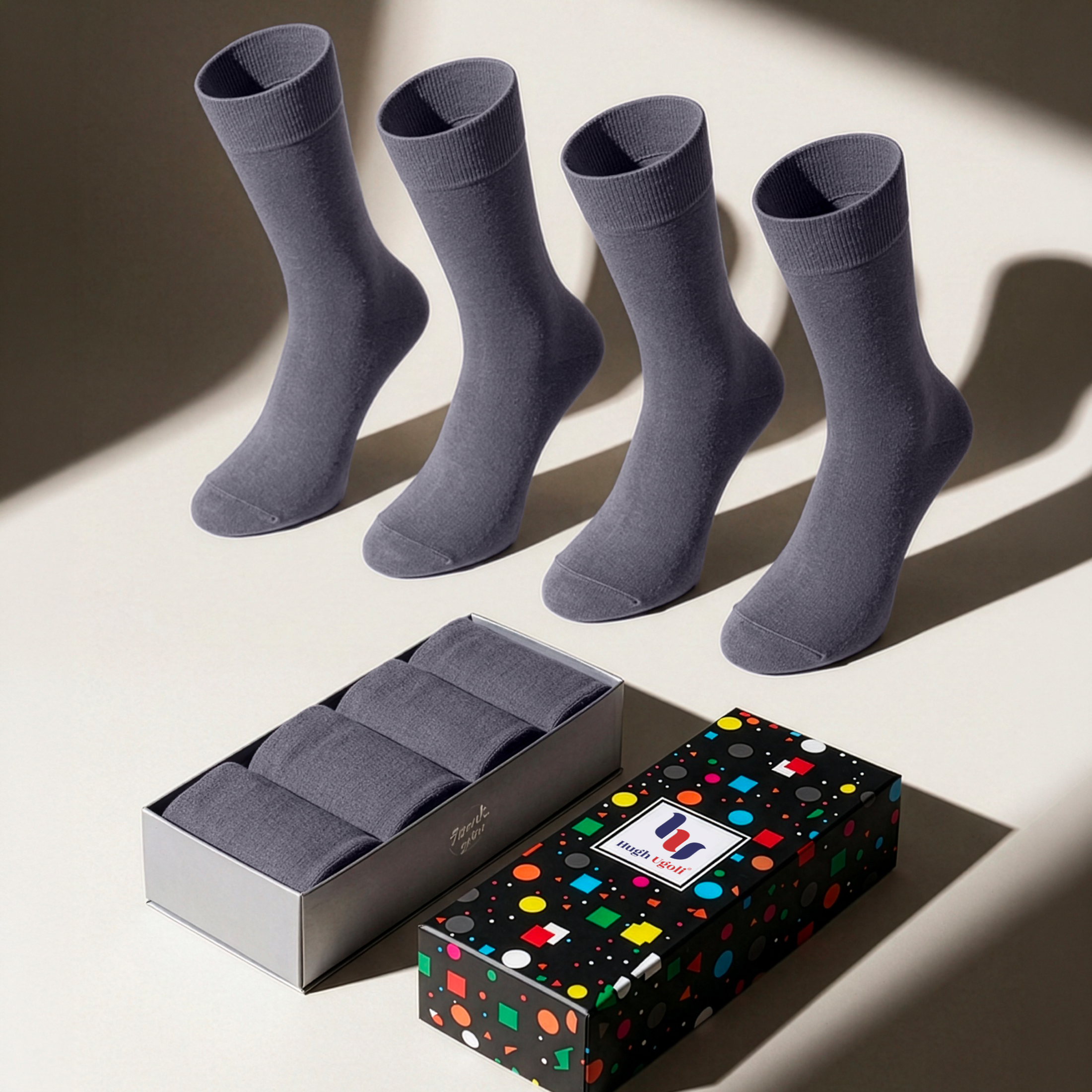
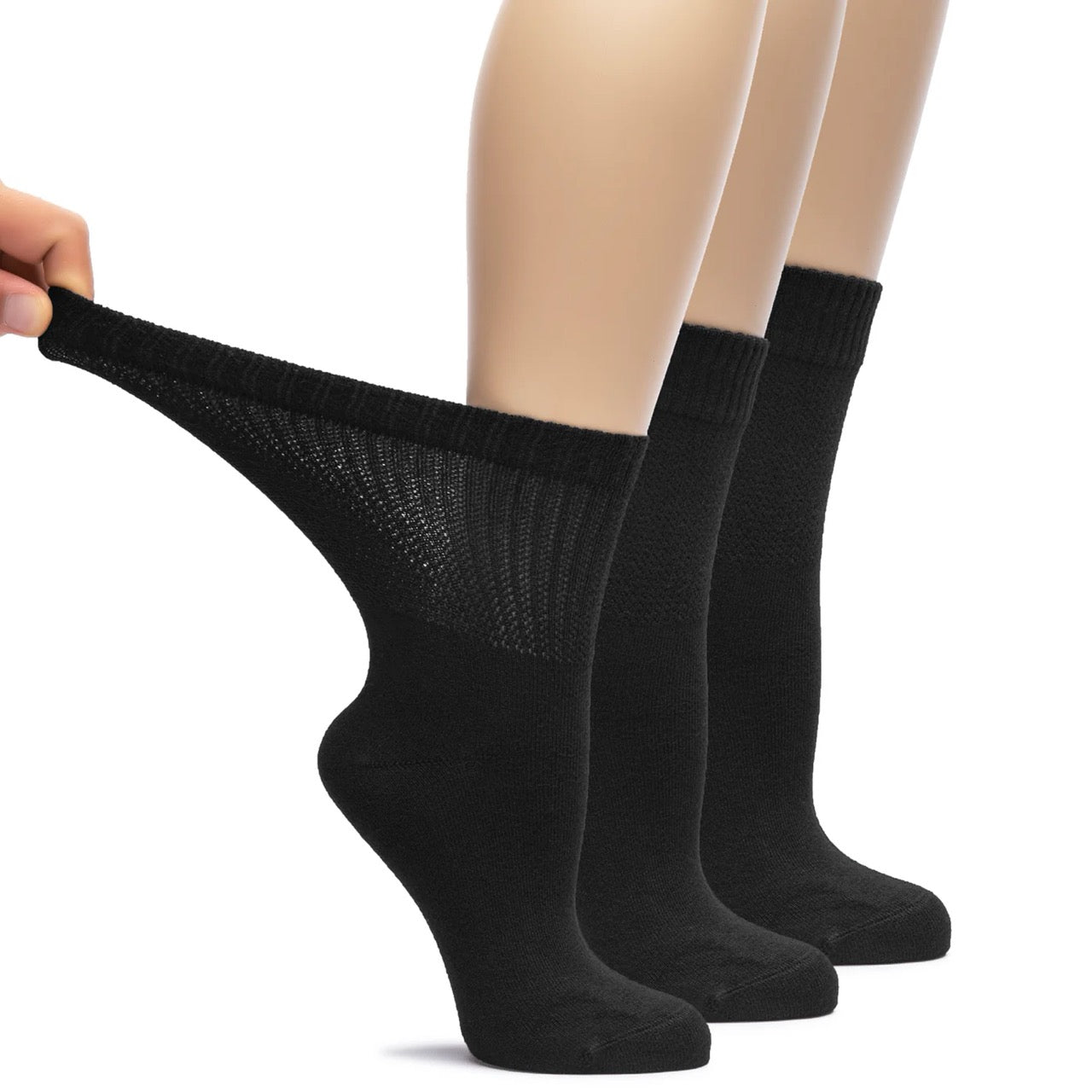
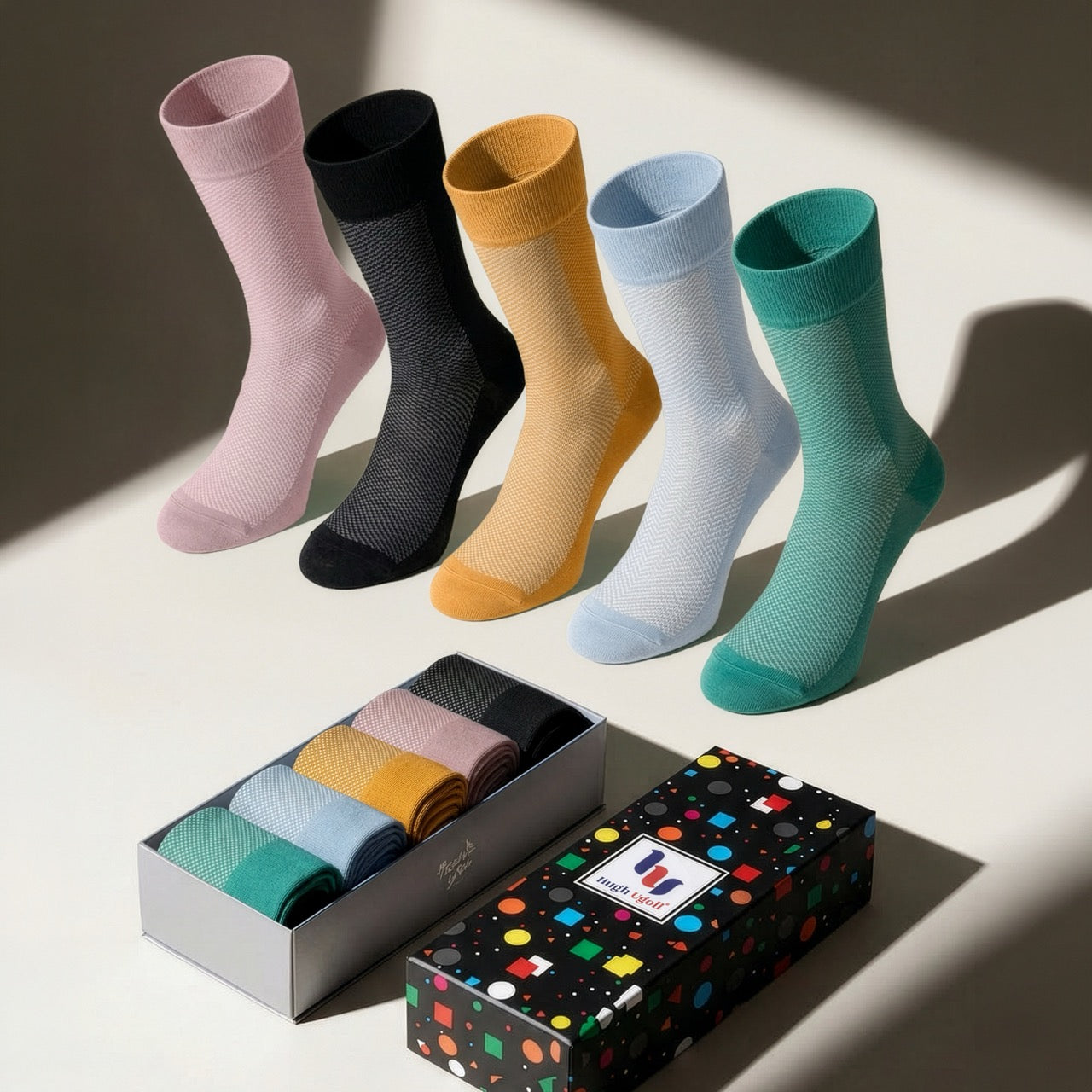
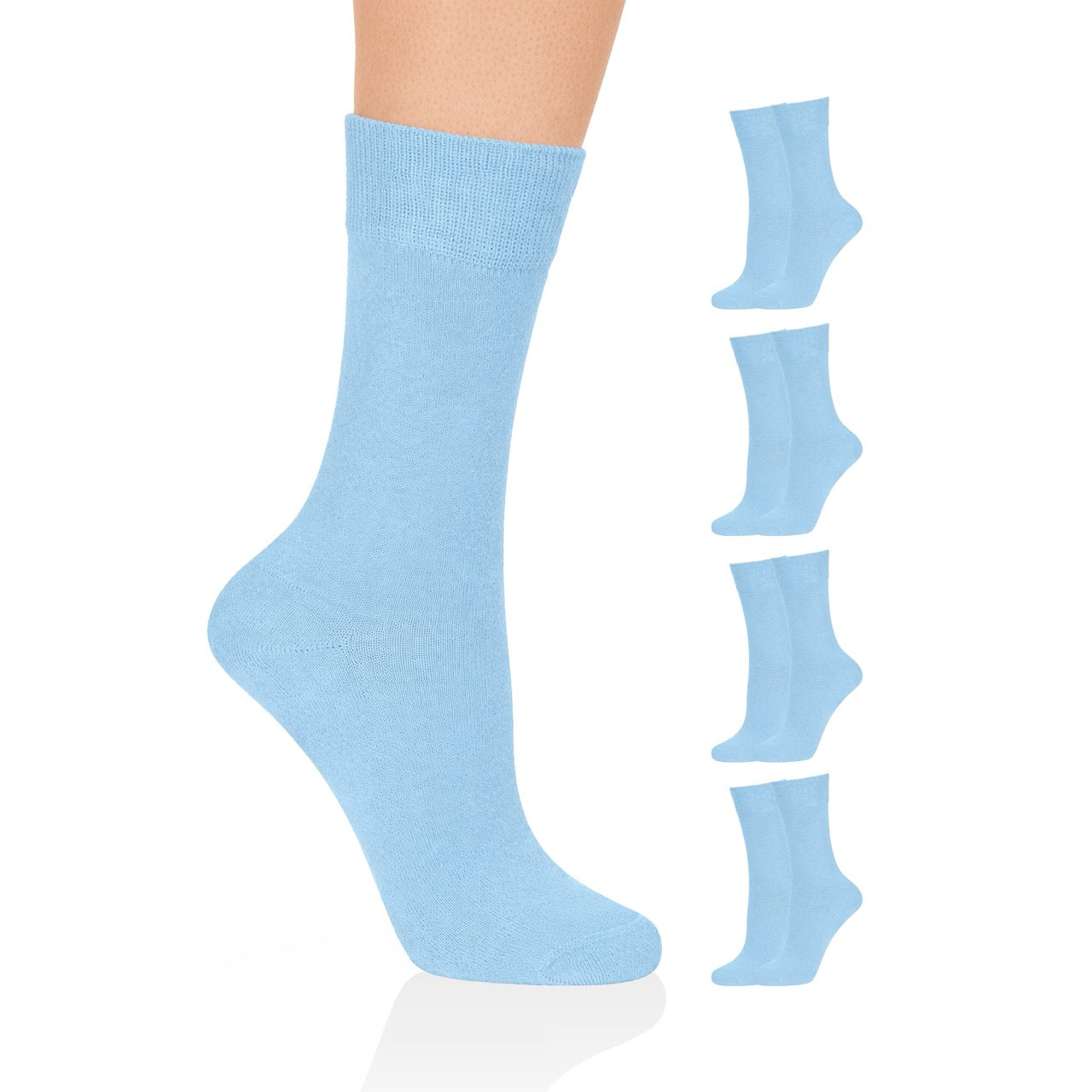
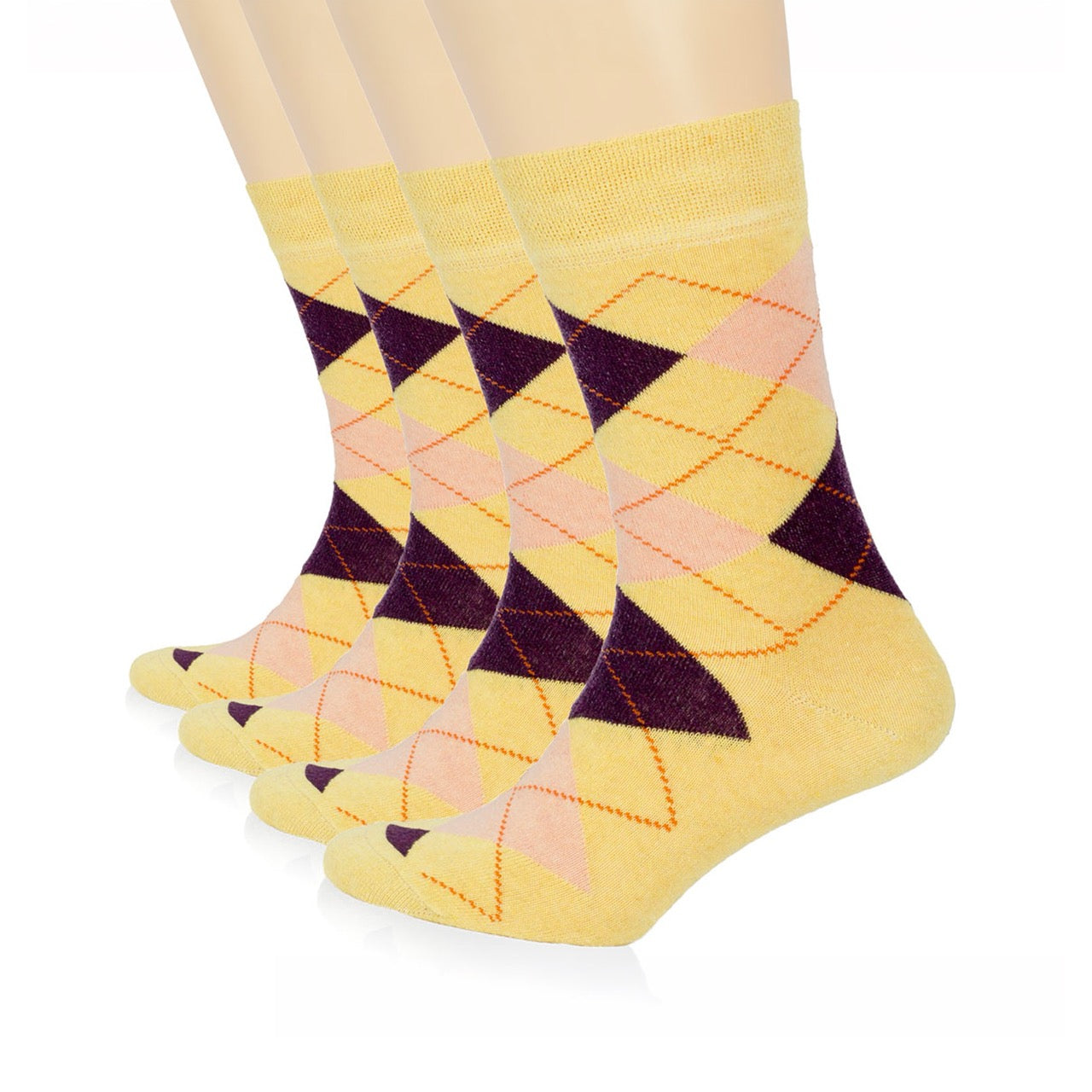
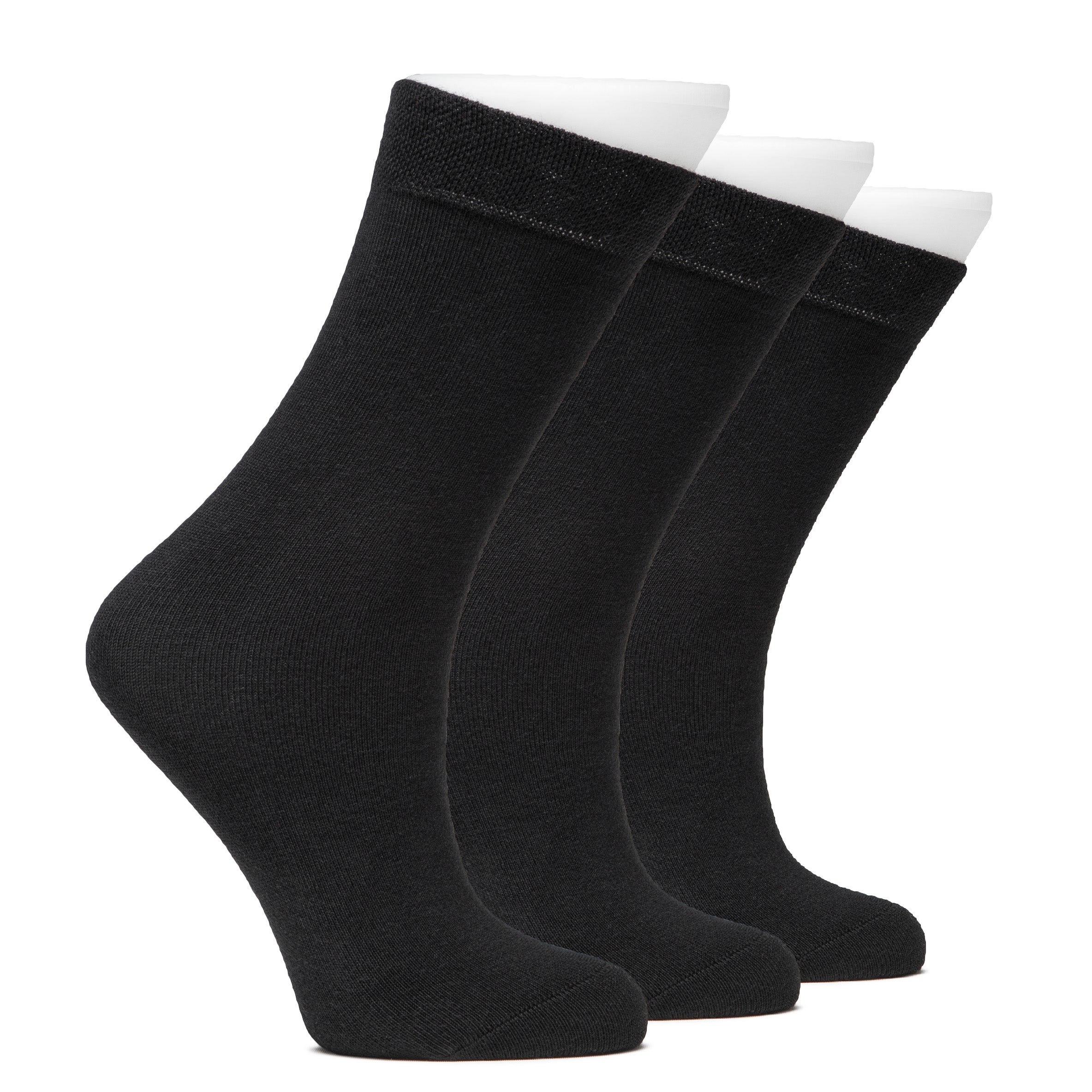
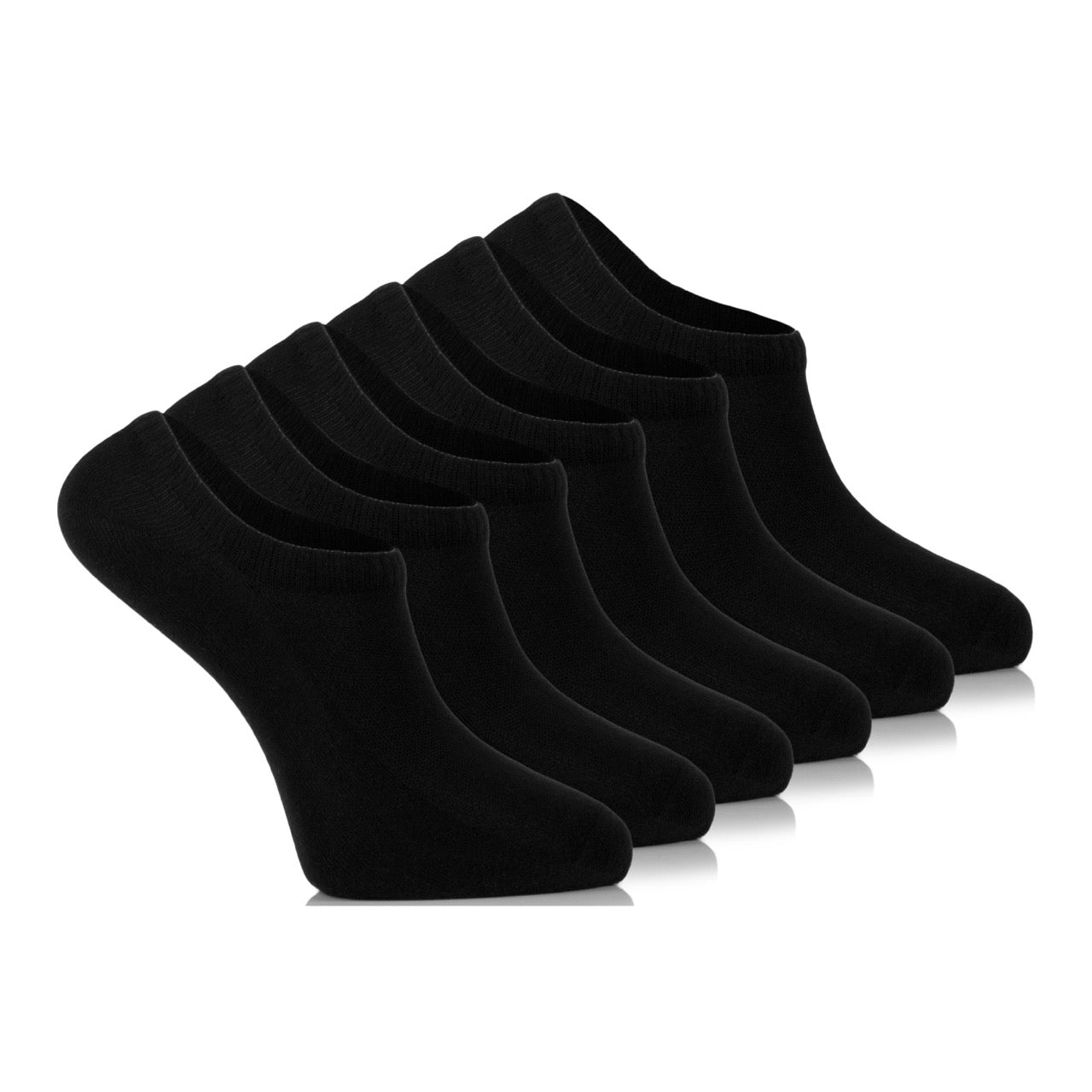
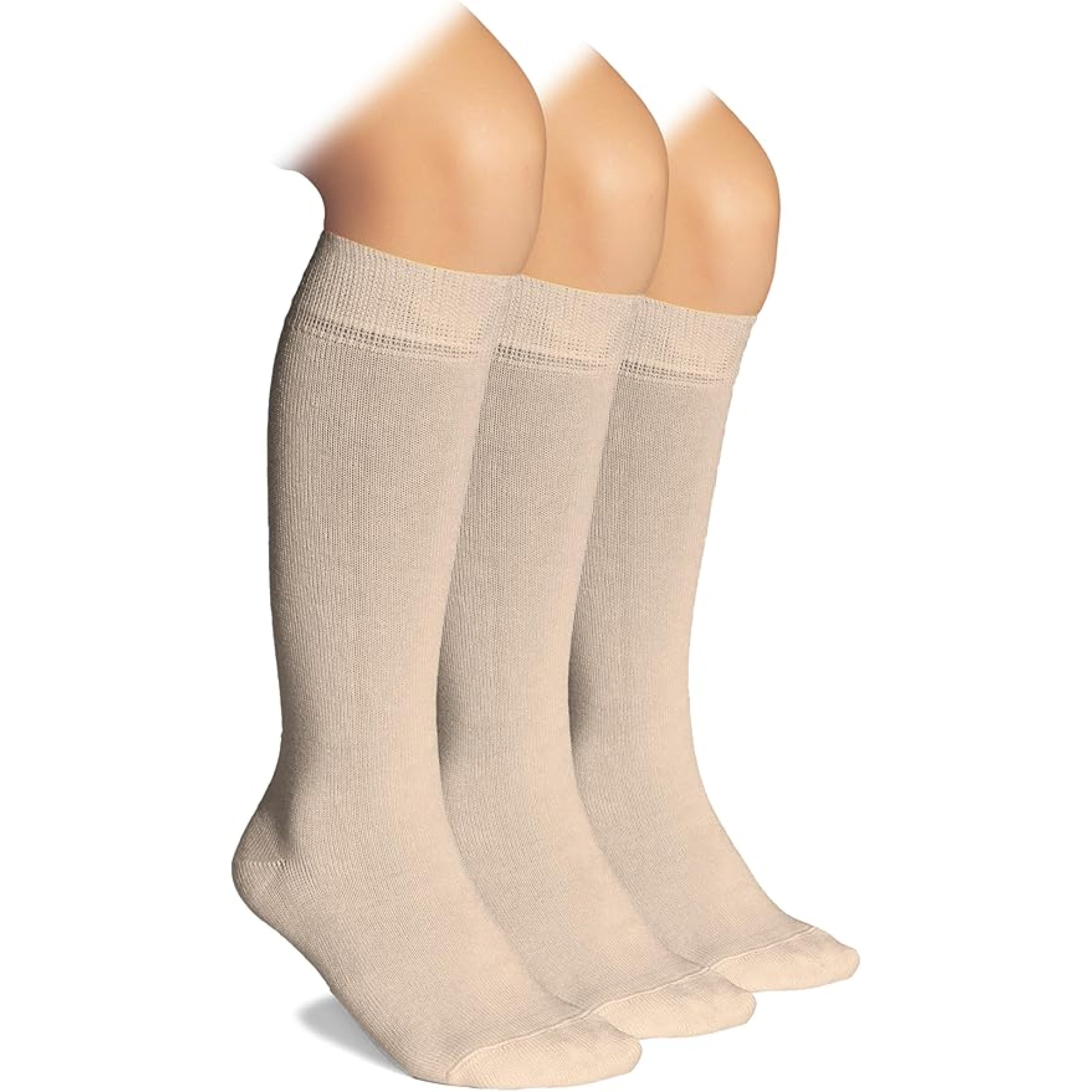


If you've ever noticed a ridge of stitching running across the top of your toes — and spent an entire day aware of it with every step — you already understand the problem that seamless toe socks are designed to solve. The toe seam is one of the most overlooked aspects of sock design, yet it's the first thing many people notice when they change from a standard sock to a seamless one. This guide explains what seamless toe socks are, how they're made, who benefits most from them, and what to look for when you're shopping for a pair.
A seamless toe sock is a sock in which the fabric at the toe box is closed without a raised, sewn seam on the inside. In a standard sock, the toe is closed by linking the two ends of the fabric together with a visible ridge of stitching — a seam that sits directly on top of or across the toes when the sock is worn. In a seamless toe sock, this closure is either eliminated through the knitting process or finished with a technique that produces a flat, nearly imperceptible join.
The term "seamless" is sometimes used loosely in sock marketing, so it's worth understanding the main techniques:
When you walk, your foot rolls from heel to toe and pushes off with the ball and toes. In a standard sock with a raised toe seam, that ridge is pressed against your longest toe with every single step. Over the course of a workday, that contact adds up to thousands of compressions and friction events against the same spot.
For most people wearing loose, casual footwear, the seam is a minor annoyance at worst. But in certain contexts it becomes a genuine problem: in fitted shoes (dress shoes, athletic shoes) where the shoe compresses the sock more firmly; during long-duration wear where accumulated friction has time to develop; for people with sensitive skin, neuropathy, or thinned skin; and for children, who are often less able to articulate low-level discomfort.

Diabetes can cause peripheral neuropathy — reduced sensation in the feet — which means pressure and friction from a toe seam may not be felt until damage is already done. The National Institute of Diabetes and Digestive and Kidney Diseases (NIDDK) recommends that people with diabetes pay close attention to footwear, including socks, to reduce the risk of foot injuries that may not be felt in time to prevent serious complications.
Seamless toe construction is a standard feature in diabetic socks precisely because it removes a predictable friction source from a population that can least afford foot injuries. The Hugh Ugoli Men's Lightweight Bamboo Diabetic Ankle Socks feature seamless toe construction alongside a non-binding top band and moisture-wicking bamboo fabric. For women, the Hugh Ugoli Women's Bamboo Diabetic Crew Thin Socks offer the same seamless design with a crew height.
Children and adults with autism spectrum disorder, sensory processing disorder, or heightened tactile sensitivity frequently report sock seams as a significant source of distress. What reads as a minor inconvenience to most people can feel genuinely overwhelming to someone with sensory processing differences. Many occupational therapists specifically recommend seamless socks as a practical accommodation. Adults with sensory processing differences who have spent years dreading the sock-dressing routine often describe seamless socks as disproportionately meaningful.
Peripheral neuropathy — nerve damage causing numbness, tingling, or pain in the extremities — affects millions of people, particularly those with diabetes, certain autoimmune conditions, or as a chemotherapy side effect. With reduced sensation, the body's normal feedback loop for "this is causing irritation" is disrupted. Seamless construction reduces the risk of irritation developing undetected.
Many younger children find sock seams genuinely uncomfortable before they're able to articulate why they're resistant to getting dressed. Seamless toe socks are frequently recommended for toddlers and young children who seem reluctant to wear shoes or who pull at their socks repeatedly during the day.
You don't need a medical reason to benefit from seamless toes. Anyone wearing dress shoes to an office, nurses on long shifts, or travelers in tight footwear experiences the same physics. The seamless sock is simply more comfortable for extended wear in any fitted shoe.
The best socks for people with diabetes, circulation concerns, or foot sensitivity include both features: a seamless or flat-seam toe at the front and a non-binding, soft band at the top. These two features together eliminate the two main friction and compression points on a standard sock.
The seamless toe construction works with most fiber types, but the fabric itself still matters significantly. The best options are:
"Seamless socks fall apart faster." This is a misunderstanding. Hand-linked toe construction is actually quite durable — often more so than a simple serged seam. What affects durability more is overall fabric quality, reinforcement at the heel, and care practices.
"You only need seamless socks if you have a medical condition." While seamless toes are most strongly recommended for people with diabetes, neuropathy, or sensory sensitivities, anyone who wears fitted footwear for long periods benefits from removing unnecessary friction points. The seamless toe is simply better engineering for comfort.
"All diabetic socks are seamless." Not necessarily. Not all products labeled as diabetic socks fully implement all the design principles. Always verify that the specific sock has a seamless or hand-linked toe and a non-binding band.
Both produce a smooth interior at the toe, but via slightly different methods. A true seamless toe is knitted in a way that closes the tube without any seam at all. A hand-linked toe is finished by a machine that joins the knitted edges on the outside of the fabric — so the inside is smooth but there is technically a join line on the outside. For comfort purposes, both feel essentially the same to the wearer.
Yes, particularly for children with sensory sensitivities or children who consistently resist sock wearing. The toe seam is one of the most common tactile complaints reported by children with sensory processing difficulties. Seamless toe construction removes this friction source entirely and often produces an easier morning routine even for children without specific sensory concerns.
Seamless toes reduce friction against toe deformities — a seam sitting against a bunion or hammertoe throughout a full day of walking is a genuine source of irritation. While seamless construction doesn't address the underlying structural issue, it removes a compounding irritant and may help reduce skin breakdown or blistering in affected areas.
Yes — seamless construction is compatible with wide-width socks. The key is finding a sock sized to your foot. Look for brands that size by shoe size and include a width guide, or choose bamboo-spandex blends with sufficient stretch to accommodate wider feet without distorting the seamless construction.
Turn the sock inside out and look at the toe closure. A truly seamless or hand-linked toe will show a smooth interior with no raised ridge of stitching. A standard seam will have a visible line of stitching, often slightly puckered or ridged. You can also run a finger across the interior of the toe — if you feel a bump or ridge, that's the seam that will sit against your toe during wear.
This article is for general information and is not medical advice. Talk to your healthcare provider about your own feet.
He has been working for more than 20 years in the textile industry and has work experience in many parts of the world.