Cart
0
You may also like
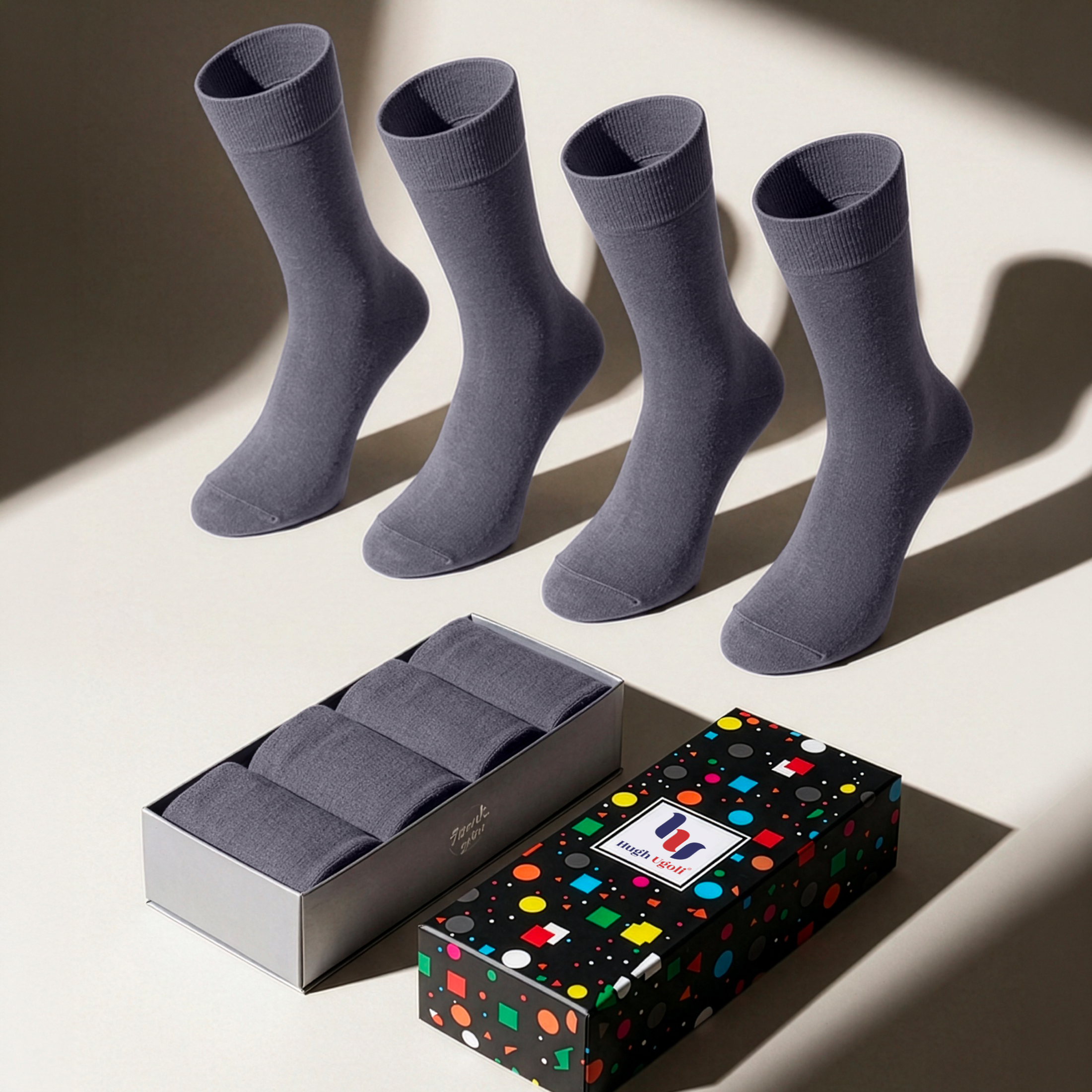
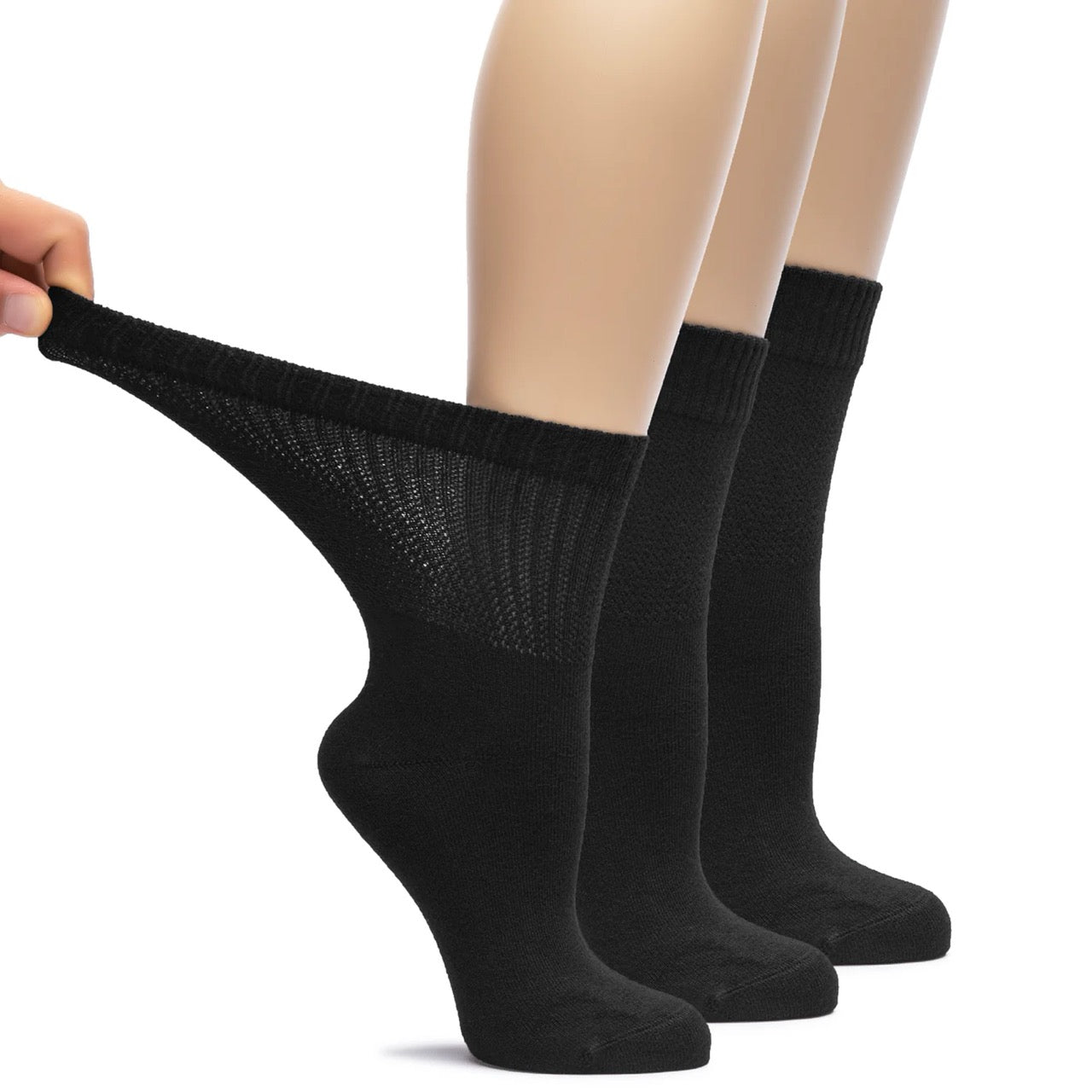
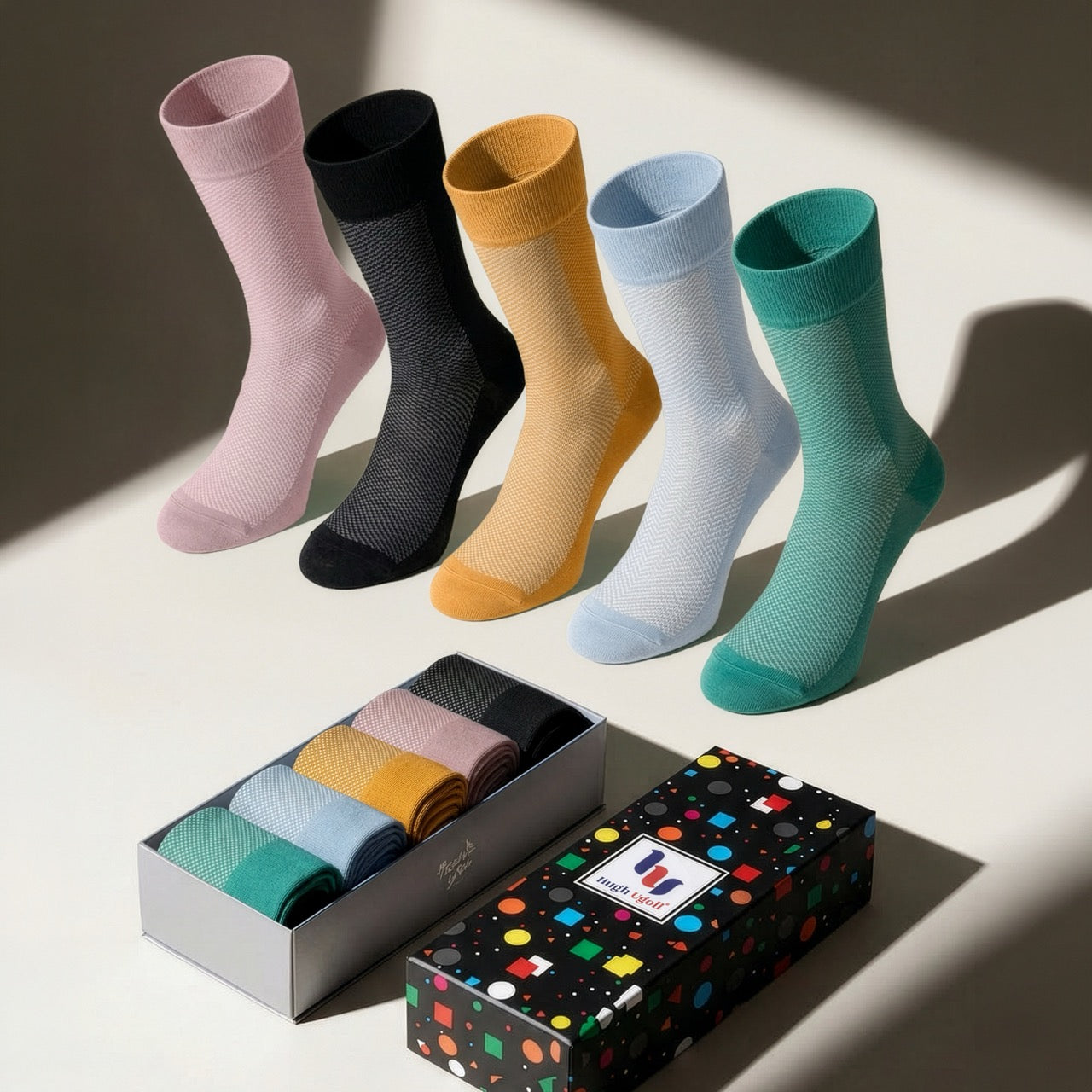
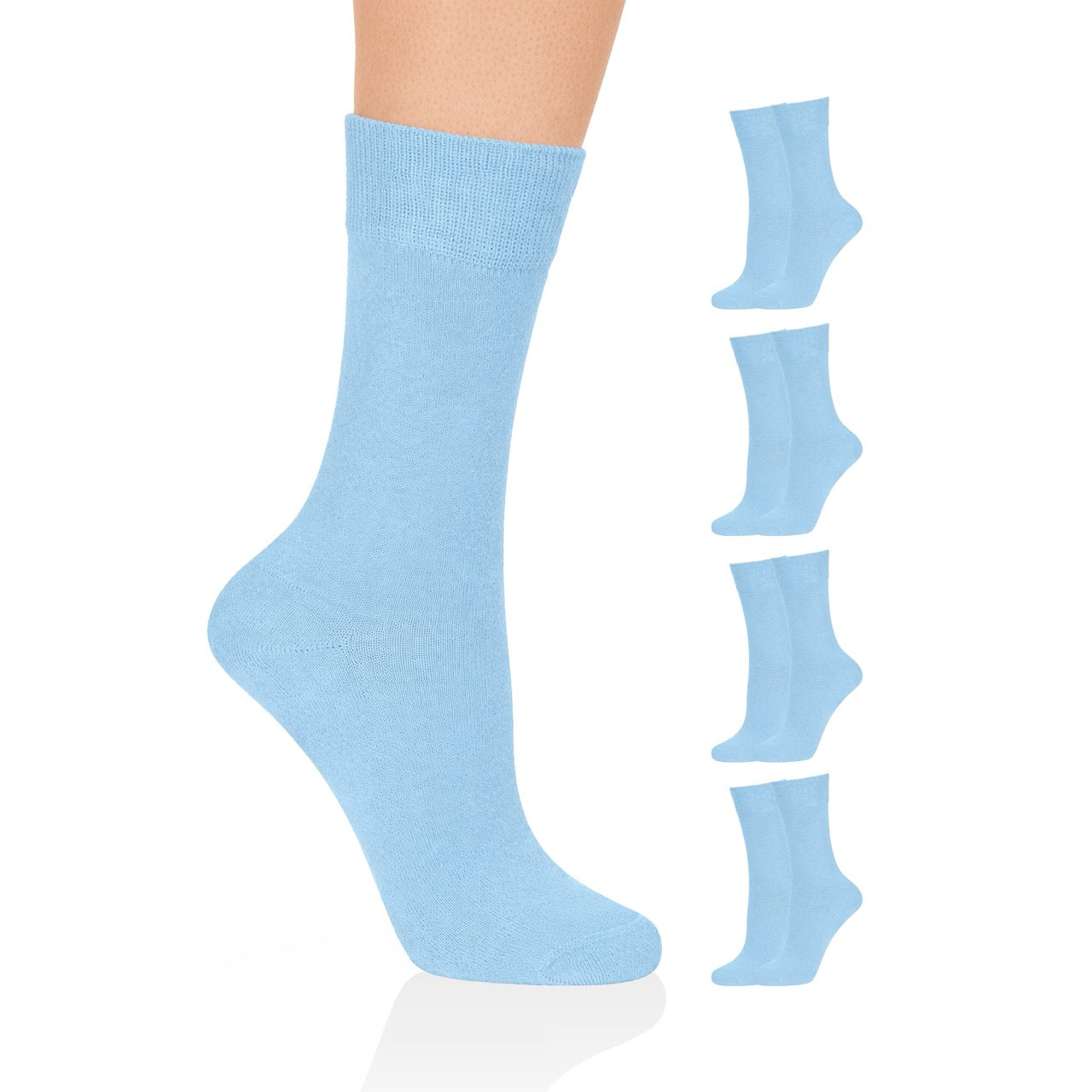
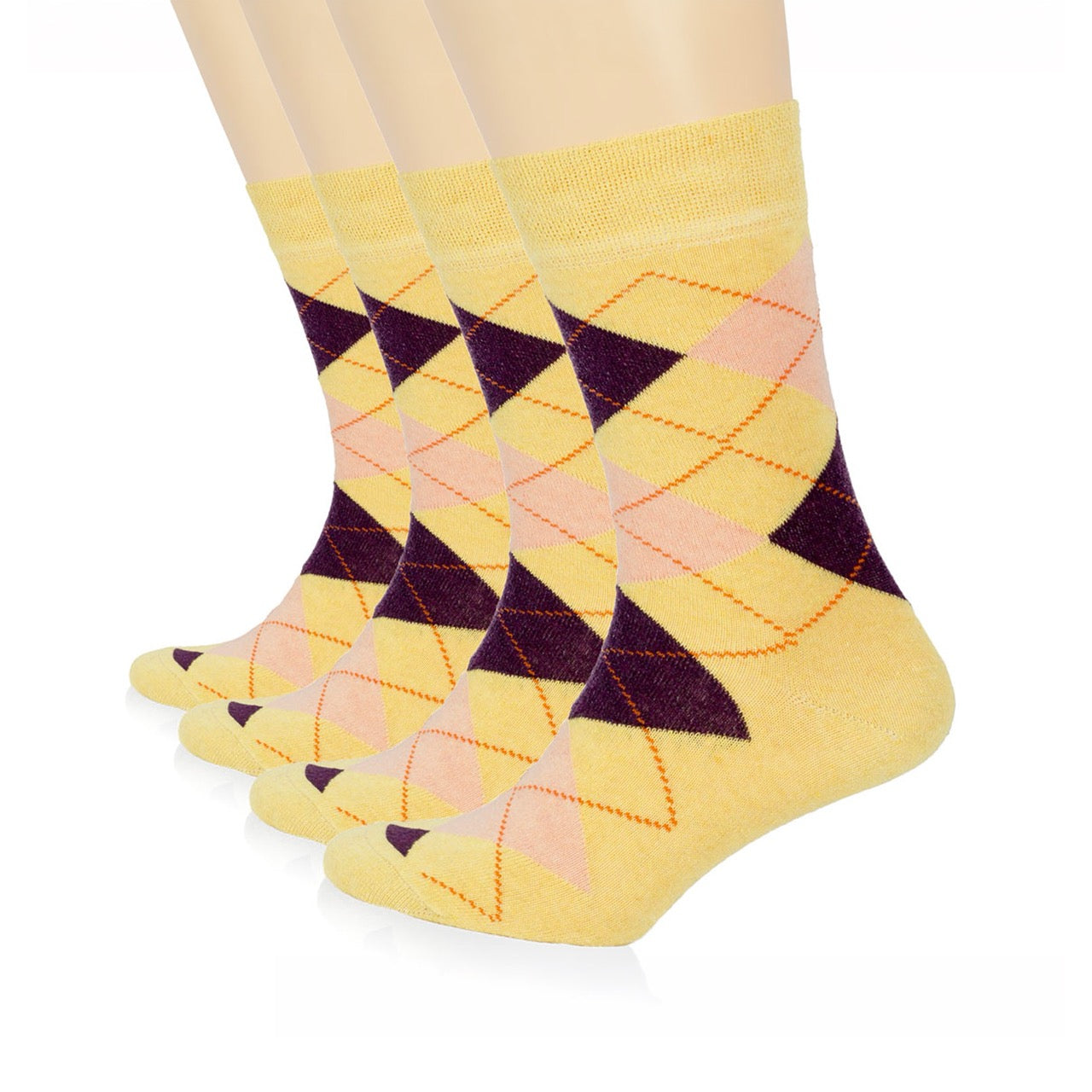
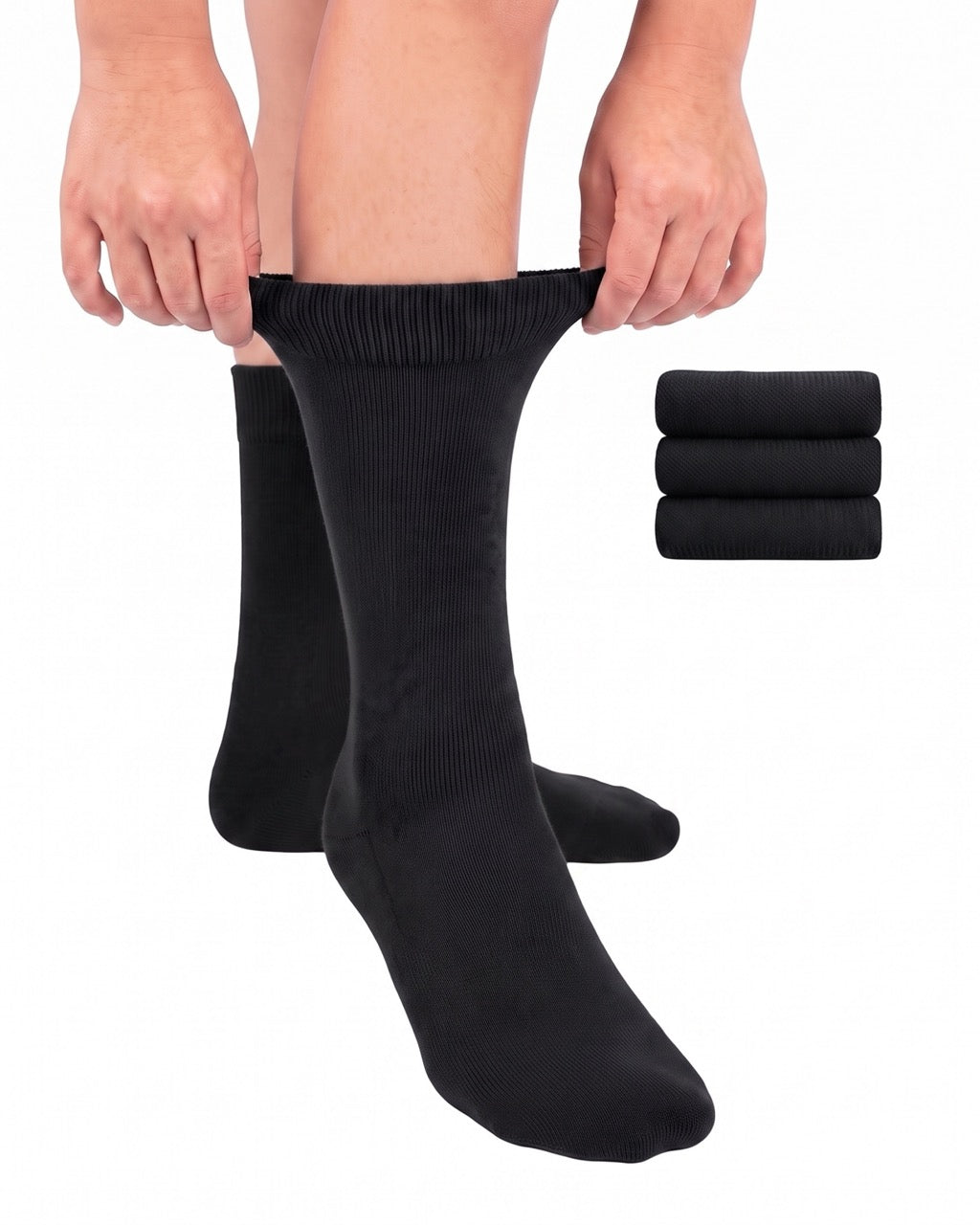
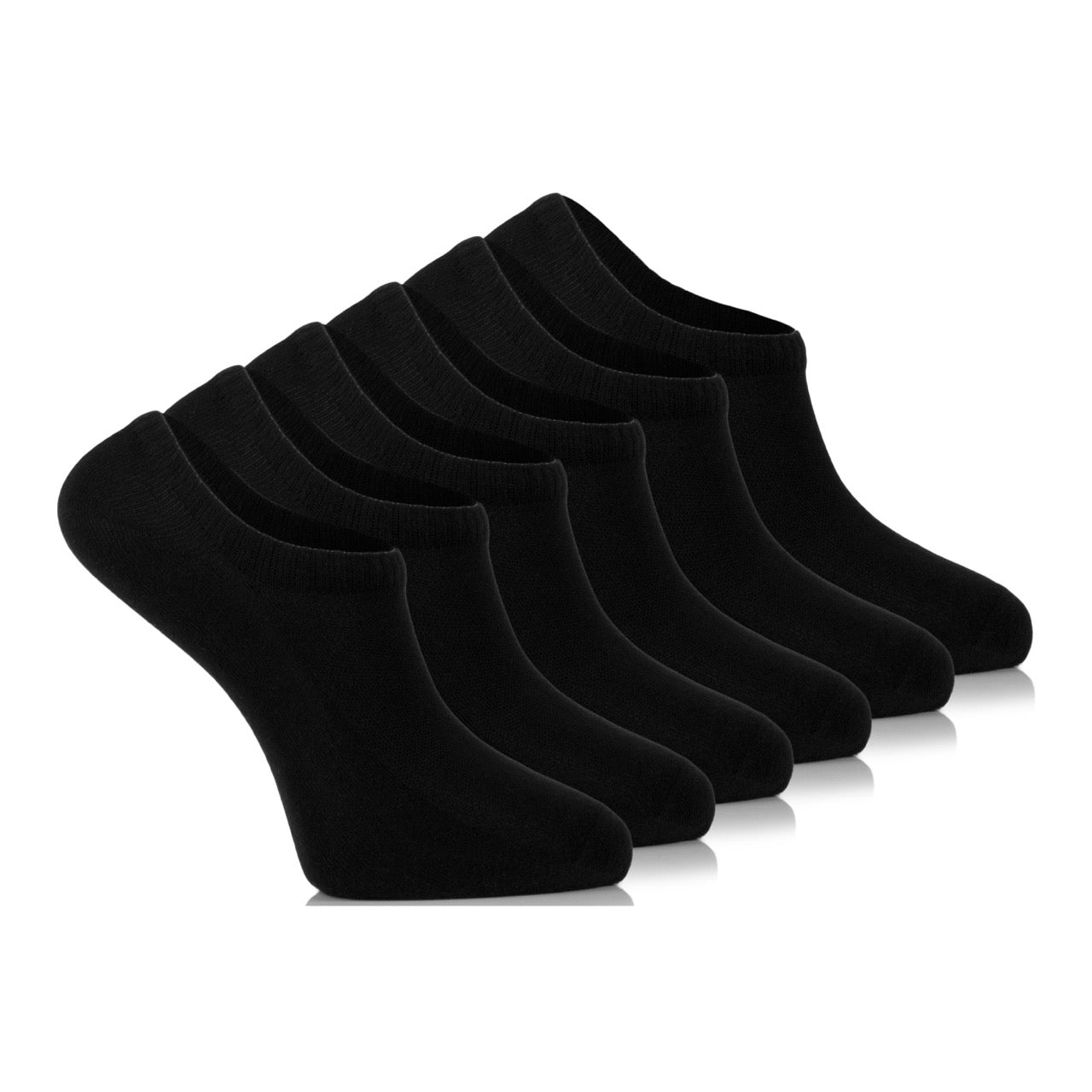
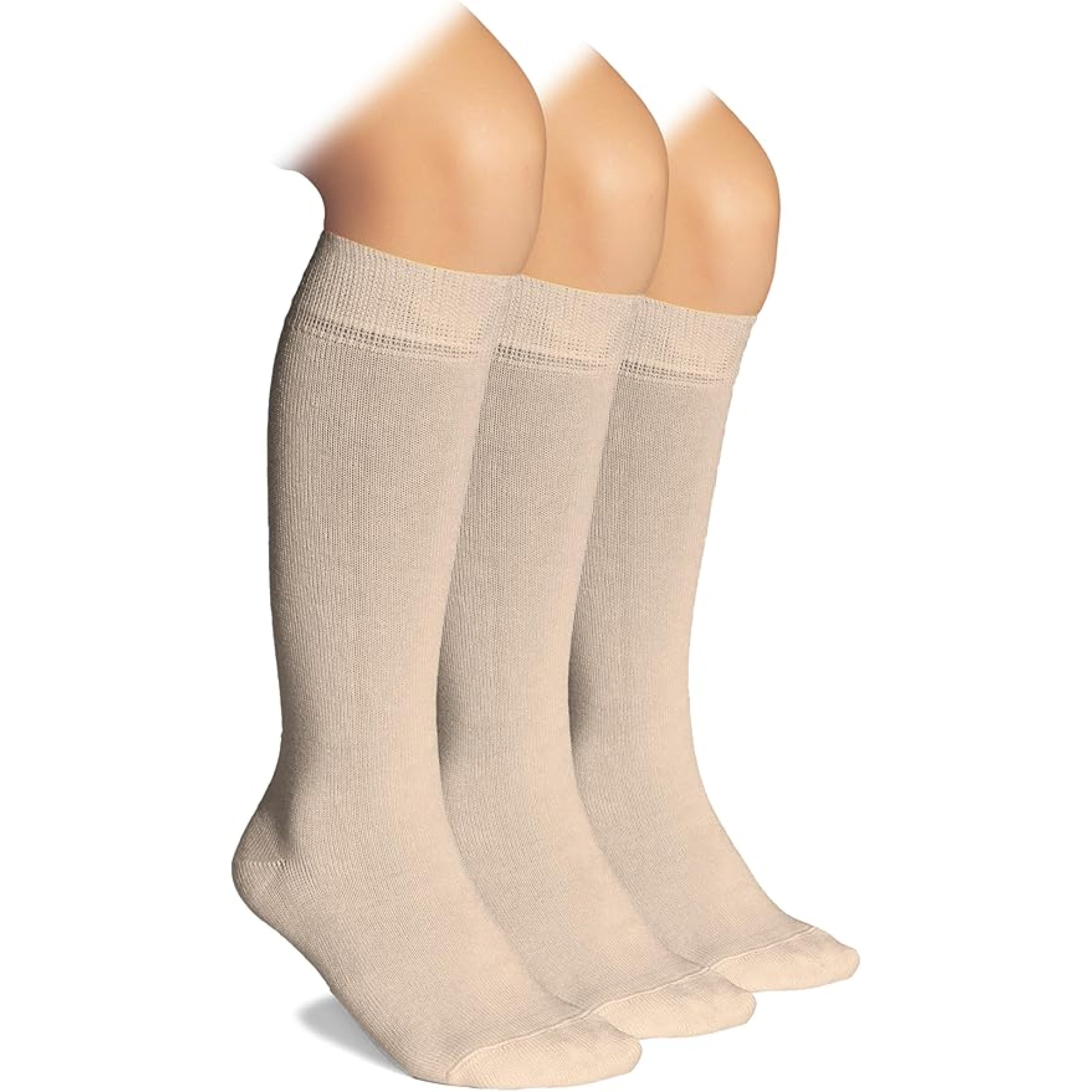


There’s a particular kind of frustration that comes from a dress sock that slips, sags, or feels like it was made from old burlap. If you’ve spent any time in professional settings, you know that most men’s dress socks are fine — until they’re not. They slide down by noon. They’re hot in summer. They leave elastic marks on your ankles. Bamboo dress socks for men have gained serious traction as a genuine upgrade in this space — not just a novelty material, but a thoughtful solution to the specific problems that dress sock wearers encounter daily. This guide explains what makes bamboo dress socks worth trying and how to choose the right pair for your wardrobe.
Bamboo is harvested, processed into a cellulose-based viscose fiber, and woven into a fabric that’s softer than most natural fibers while also being remarkably breathable. For dress socks specifically — which are typically worn for eight-plus hours in leather shoes with minimal ventilation — breathability and comfort are not luxury features. They’re functional requirements.
Leather shoes are notoriously poor at releasing heat and moisture. Synthetic socks make this worse by trapping sweat against the foot. Cotton is better, but it holds moisture once saturated. Bamboo viscose actively wicks moisture away from the skin and allows it to evaporate through the fabric, keeping feet drier and cooler through a full workday. For anyone who commutes, walks between meetings, or stands for extended periods, this is a noticeable difference.
One of the persistent complaints about wearing dress shoes all day is foot odor. Bamboo fabric is less hospitable to the bacteria responsible for odor than synthetic materials, which means bamboo dress socks tend to stay fresher longer. This makes them particularly useful for business travel, long conference days, or any situation where changing socks isn’t an option.
Bamboo dress socks feel noticeably soft against the skin — closer to a quality silk or cashmere blend than to standard cotton. Critically, this softness tends to hold up through repeated washing, where cotton socks often become progressively stiffer and less pleasant over time.
Good bamboo dress socks have a thin, smooth profile that lies flat against the foot without bunching inside the shoe. This matters a lot in fitted dress shoes, where extra bulk creates pressure points and discomfort.

Not every bamboo sock sold as a “dress sock” is genuinely designed for professional wear. Here’s what separates a well-made bamboo dress sock from a generic product using bamboo as a marketing term.
Pure bamboo socks are rare — most bamboo dress socks blend bamboo viscose with a small percentage of nylon (for durability and shape retention) and elastane (for stretch and recovery). A blend of roughly 70–80% bamboo viscose, 15–20% nylon, and a small percentage of elastane is typical and effective. Too little nylon means the sock will lose its shape quickly. Too much synthetic content and you lose the breathability benefits that make bamboo worth choosing.
Even in dress socks, the toe seam matters. A thick seam can rub against the toe box of a dress shoe, especially in pointed or narrow-toed styles. Look for seamless toe construction or a very flat link-toe finish. This is especially important if you wear dress shoes for long stretches.
The areas that wear out fastest in any sock are the heel and the ball of the foot. A well-made dress sock reinforces these zones with additional fabric density. This extends the life of the sock substantially and prevents the thin, worn look that makes a pair look cheap even when it’s new.
Dress socks come in two basic styles along the leg: ribbed and smooth. Ribbed socks have a more classic, formal appearance that works well with traditional suiting and oxford shoes. Smooth-leg socks offer a cleaner, more modern look and work well with slim-cut trousers and contemporary dress shoes. The right choice depends on your overall style and the formality level of your office.
A common complaint with crew socks is that they slip down inside dress shoes, collecting at the ankle throughout the day. Quality bamboo dress socks use a snug-but-not-tight cuff construction that keeps the sock in place without digging into the skin or leaving marks. Look for a cuff that has some recovery — it should spring back to shape after being stretched.
Hugh Ugoli’s bamboo dress sock line is built around exactly these principles. The Men’s Bamboo Business Dress Socks come in a classic crew cut with a smooth finish that pairs cleanly with dress trousers. The bamboo blend keeps things breathable through long work days, and the reinforced construction means they don’t look worn after a few months of regular use. Available in a range of neutral and versatile colorways, they cover everything from the office to evening events.
If you prefer something with a bit more personality, the Men’s Bamboo Dress Funky Socks offer patterns and colors that still look sharp with a suit while letting you express some individuality. Both styles come packaged in a gift box, making them a practical choice for gifting as well as personal use.
There are a few clear approaches to matching socks with dress attire, and bamboo dress socks work for all of them.
The classic rule of matching your sock color to your trouser — or at least your shoe — is a reliable starting point. A navy suit with dark leather shoes calls for navy or charcoal socks. This keeps the look cohesive and elongates the leg visually. Bamboo dress socks in neutral tones (black, charcoal, navy, grey, brown) are versatile enough to cover most wardrobe combinations.
An alternative approach is to match the sock to the shoe color. This works particularly well with brown or burgundy dress shoes, where a brown or rust-toned sock creates a clean visual line from shoe to trouser hem. With black shoes, a black or dark charcoal sock is almost always right.
There’s an established dress code tradition in men’s business fashion of using socks as a low-key way to show personality — think a subtle stripe or a quiet pattern visible when you sit down. Bamboo dress socks in patterned styles deliver this option while still keeping the overall look professional. The key is restraint: a sock with a single, understated pattern (thin stripe, small dot, geometric) works in most professional settings.
Business casual doesn’t require the same precision as formal dress, which opens up more possibilities. Lighter tones, subtle textures, and even slight color coordination with other accessories (pocket square, tie, belt) can all work. Bamboo socks in lighter colors — slate blue, tan, soft green — pair well with chinos and loafers for a polished but relaxed look.
The soft, smooth feel of bamboo dress socks is worth preserving, and the right care practices make a significant difference in how long that quality lasts.
Beyond comfort, bamboo has a legitimate sustainability story that’s increasingly relevant to buyers who care about where their clothing comes from. Bamboo is one of the fastest-growing plants on earth, reaching maturity in three to five years compared to decades for hardwood. It requires significantly less water than cotton and doesn’t typically need pesticides. The processing method matters — bamboo viscose involves a chemical process that, done responsibly, uses closed-loop systems to minimize waste and emissions.
For men who want to make more sustainable wardrobe choices without sacrificing quality or style, bamboo dress socks offer a concrete option that’s both practical and principled.
If you’re upgrading your sock collection with bamboo dress socks, a few practical points will help you build a drawer that covers your wardrobe efficiently.
Start with neutral anchors: two or three pairs each of black, charcoal, and navy. These cover the vast majority of dress and business casual situations without requiring much thought. From there, add tonal mid-tones — a couple pairs of grey, brown, or slate — for versatility with brown shoes and lighter trousers. Finally, one or two patterned pairs give you options for more creative outfit days without overstocking.
Rotate socks regularly to distribute wear evenly across the collection. Wearing the same pair every day accelerates wear far faster than rotating through six or eight pairs on a weekly basis. With bamboo dress socks that hold their shape and softness well, a good starting collection of eight to ten pairs is enough to last a long time without constant replacement.
Fit is often overlooked when buying dress socks online, but it matters more than most people realize. A sock that’s too large bunches inside a dress shoe and creates pressure points. One that’s too small stretches the fabric thin, reduces the life of the sock, and can restrict circulation. Most men’s dress socks are sold in size ranges (such as 6–9, 9–11, or 10–13) that correspond to shoe sizes. When in doubt, check the specific size chart for the brand you’re buying — sizing conventions vary.
The fit should be snug across the ball of the foot with no excess fabric, and the heel should sit centered at the back of the foot without pulling downward. A well-fitted bamboo dress sock will feel secure without squeezing, and the cuff should stay in place when you walk without needing constant adjustment.
Even high-quality bamboo dress socks wear out eventually, and knowing when to replace them keeps your look sharp. Signs it’s time for new socks: visible thinning at the heel or toe area, any holes or snags, elastic that no longer holds the sock up through the day, or fabric that’s pilling heavily. A sock that’s seen better days is noticeable — the smooth profile of a dress sock becomes rough and uneven as the fibers break down. Keeping fresh pairs in rotation means you always look put-together from the ground up.
Yes. Bamboo dress socks in solid, dark colors — black, charcoal, navy — are appropriate for formal business settings, weddings, and black tie events when paired with the right footwear. The smooth, thin profile of quality bamboo dress socks actually suits formal attire well, as they lie flat without bunching or adding visible bulk under dress trousers.
Bamboo socks can shrink if washed or dried at high temperatures. Washing on a gentle cycle with cool or warm water and drying on low heat or air drying will prevent shrinkage and maintain the sock’s original fit and feel. Always check the care label before the first wash.
Both are premium choices over standard cotton or synthetic socks, but they excel in different conditions. Merino wool is warmer and has excellent odor resistance, making it ideal for cool-weather wear and long travel days. Bamboo is cooler and more breathable, making it a better choice for warm-weather use, office environments with climate control, and anyone who runs warm. Many men who wear dress socks year-round keep both in rotation, shifting between them seasonally.
A practical everyday drawer for a professional who wears dress socks five days a week needs at least seven to ten pairs in rotation. This allows for washing and drying time without running short. A mix of neutral colors (black, charcoal, navy) covers most situations, with a few accent pairs for variety. If you travel frequently for work, having a few extra pairs means you’re never caught short during a trip.
Bamboo dress socks are particularly well-suited for business travel. Their moisture-wicking properties help manage foot comfort during long flights and extended periods in dress shoes. The soft, packable nature of bamboo fabric means they take up minimal space in a travel bag. And their odor-resistant qualities are genuinely useful when you’re wearing the same pair of dress shoes across multiple days of a work trip.
He has been working for more than 20 years in the textile industry and has work experience in many parts of the world.