Cart
0
You may also like

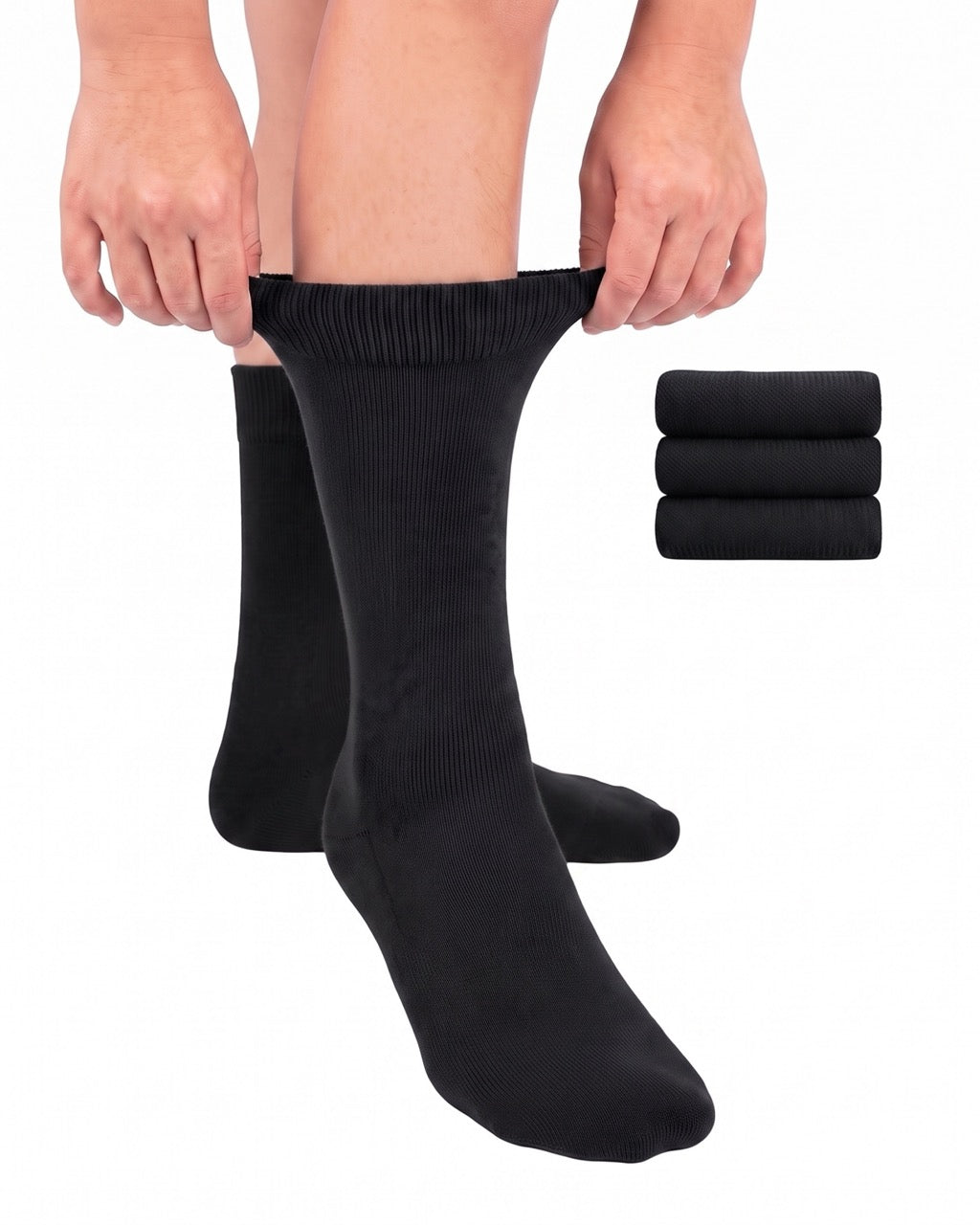


Step out of bed and your feet might feel stiff for the first few steps. By the end of the day, those same feet can feel swollen, tired, and a little too big for your shoes. It's not your imagination, and it's not the same pair of feet acting randomly. Morning feet and evening feet are shaped by two very different sets of conditions, even though nothing about their actual size has permanently changed.
Here's what's actually happening to your feet between sunrise and sunset, and how to make both ends of the day more comfortable.
Morning feet tend to feel two things at once: slightly smaller and noticeably stiffer. Both come down to what happens while you're lying down all night.
While you sleep, your feet are roughly level with the rest of your body instead of hanging below it all day. Without gravity pulling fluid downward for hours, much of the mild swelling that built up the day before has a chance to redistribute overnight. That's part of why shoes often feel a bit looser first thing in the morning.
Stiffness is a separate issue. The plantar fascia, a band of tissue running along the bottom of the foot, tends to tighten slightly during long periods of rest. Taking those first few steps after getting out of bed stretches it back out, which is why the start of the day can feel stiffer than the rest of it. For most people, this eases within a few minutes of walking around.
By the time evening rolls around, the conditions have reversed, and feet often feel fuller, warmer, or tighter inside shoes that fit fine that morning.
Standing, walking, and simply being upright for hours lets fluid settle toward your feet and ankles. This is a normal part of how the body manages fluid throughout the day, and it tends to be more noticeable after long periods of standing or sitting with your feet down, such as during a desk job or a long shift on your feet.
What you eat and drink plays a role too. Meals higher in sodium can lead to more fluid retention, while activity and heat can add mild swelling on top of that. None of this is unusual on its own, but it explains why a sock or shoe that felt comfortable in the morning can feel snug by the end of the day.

For most people, the morning-to-evening shift in foot size and stiffness is a normal daily pattern and isn't something to worry about. Many people find it's simply part of how the body manages fluid and rest.
That said, some patterns are worth checking with a healthcare professional. Swelling that's significantly worse on one side, doesn't improve overnight, or comes with pain, redness, or warmth is different from typical end-of-day swelling. The same goes for morning stiffness that doesn't ease after walking around for several minutes, which is sometimes associated with conditions like plantar fasciitis. Anyone managing diabetes, circulation issues, or a heart or kidney condition should also talk with their doctor about any new or worsening swelling, since these can sometimes point to something that needs attention.
Since your feet aren't quite the same shape all day, it can help to think about socks the same way. Earlier in the day, when feet are at their smallest, a sock with reliable cushioning under the heel and ball of the foot, like a semi-cushioned ankle sock, can ease morning stiffness with extra padding from the first steps onward.
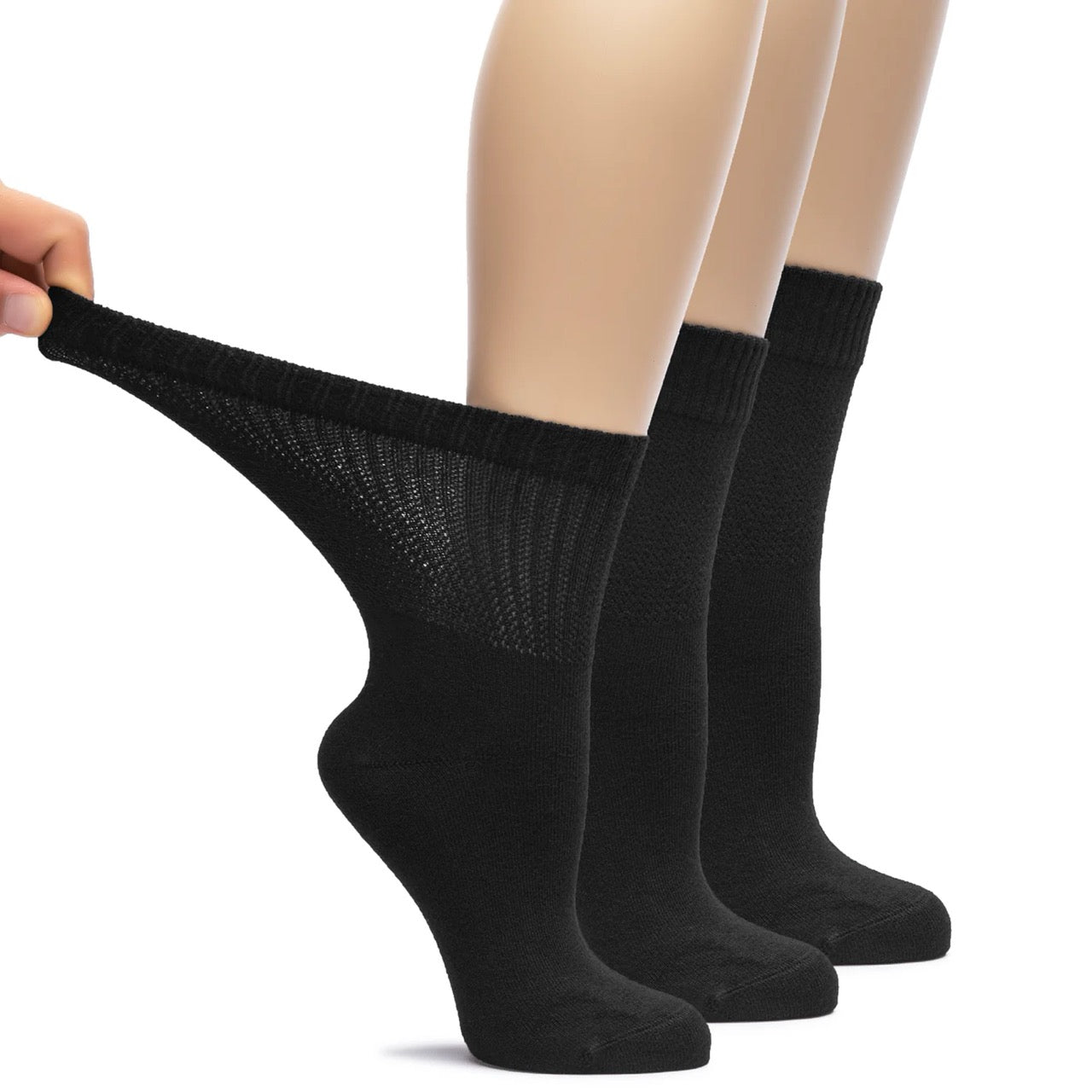
Later in the day, as mild swelling sets in, a non-binding top that doesn't press into the ankle is generally more comfortable than a tight, elastic-heavy cuff. Many people managing daily swelling or sensitive feet look for a lightweight, non-binding bamboo sock for exactly this reason, since the soft top is less likely to dig in once feet have settled into their end-of-day shape.
Morning stiffness and evening swelling are two sides of the same daily cycle, shaped by rest, gravity, and how your body manages fluid throughout the day. Matching your socks and habits to how your feet actually feel at each point in the day, rather than expecting one pair to do everything, is a simple way to stay comfortable from the first step to the last.
Yes, mild daily fluctuation is common. Fluid redistribution overnight and gravity during the day can cause feet to feel slightly smaller in the morning and fuller by evening.
This is often related to the plantar fascia tightening during rest. It typically loosens within a few minutes of walking, though persistent or worsening pain is worth discussing with a healthcare professional.
Many podiatrists suggest trying on shoes later in the day, when feet are closer to their largest, so the fit stays comfortable even as your feet change size throughout the day.
Taking movement breaks, elevating your feet, staying hydrated, and watching sodium intake are commonly recommended habits that may help reduce evening swelling.
If swelling is sudden, painful, limited to one foot, or doesn't improve after a night's rest, it's a good idea to have it evaluated by a healthcare professional rather than assuming it's typical daily fluctuation.
He has been working for more than 20 years in the textile industry and has work experience in many parts of the world.