Cart
0
You may also like
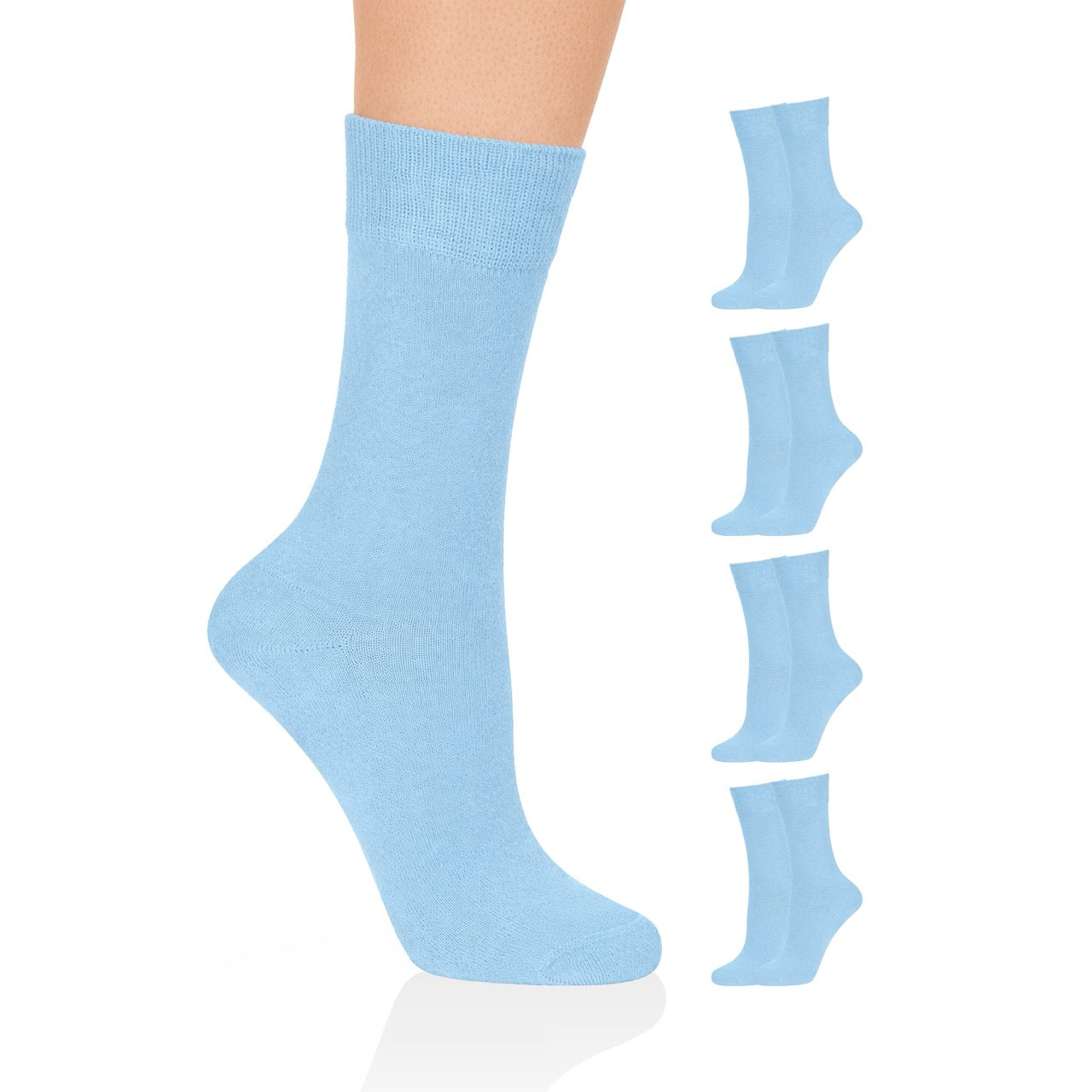
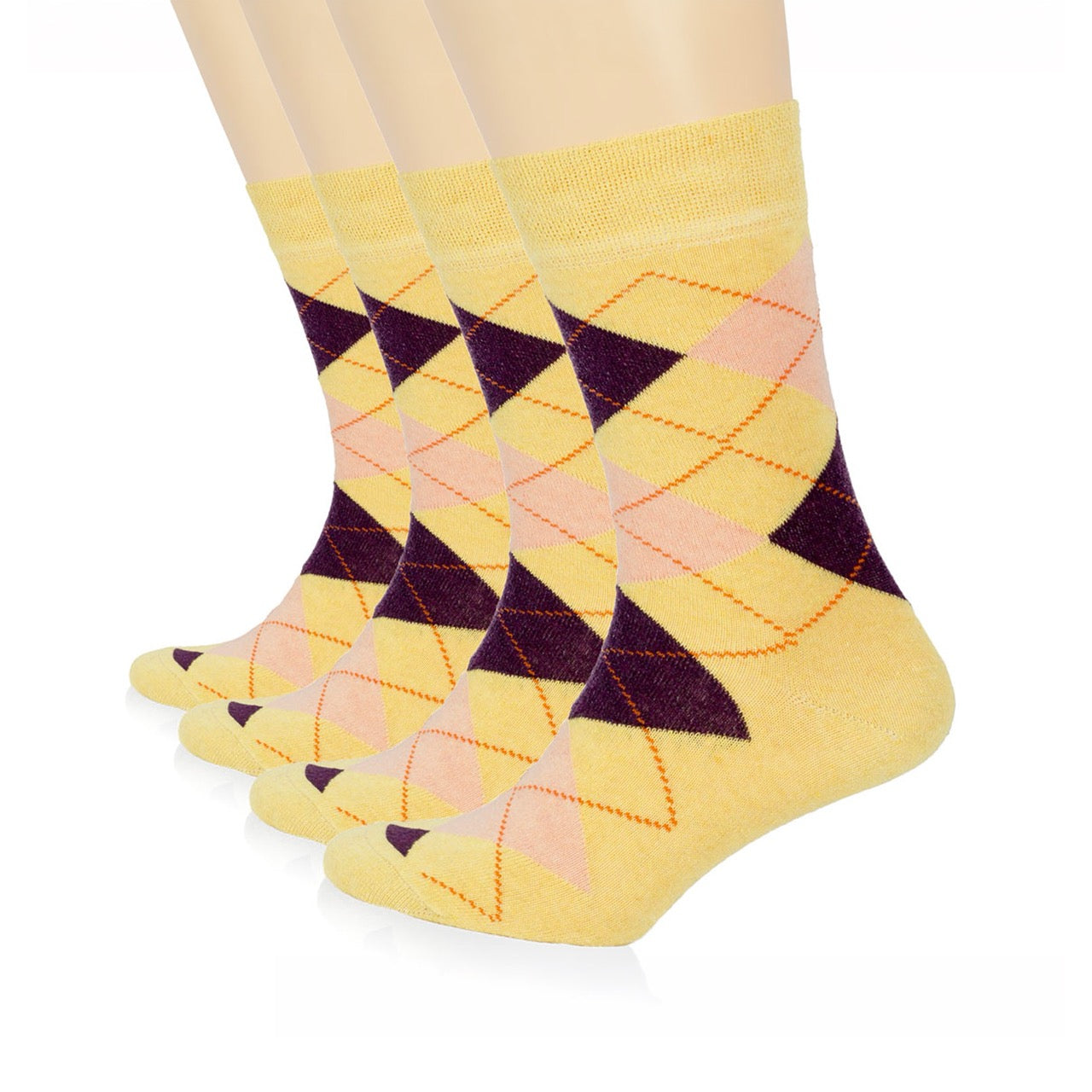
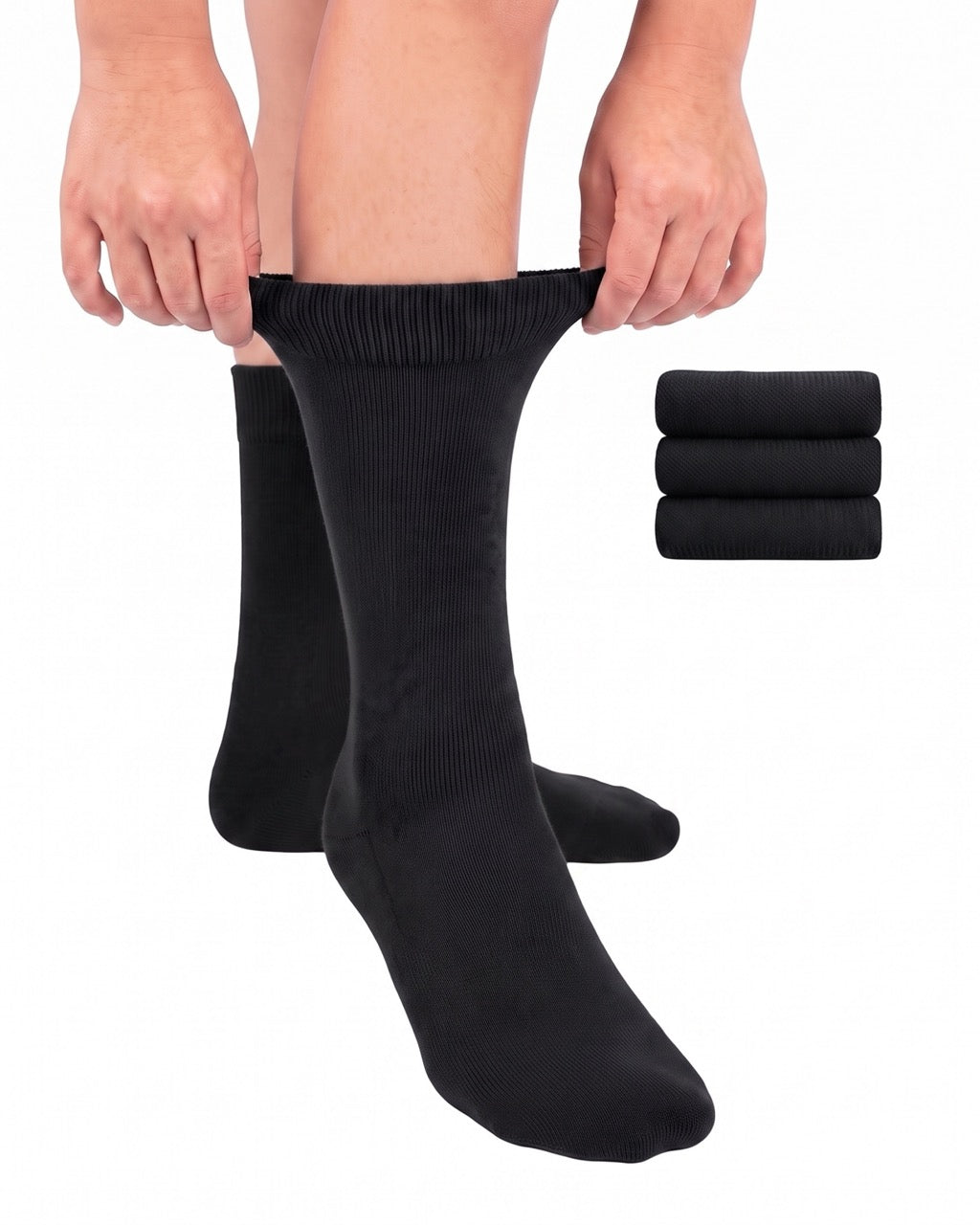
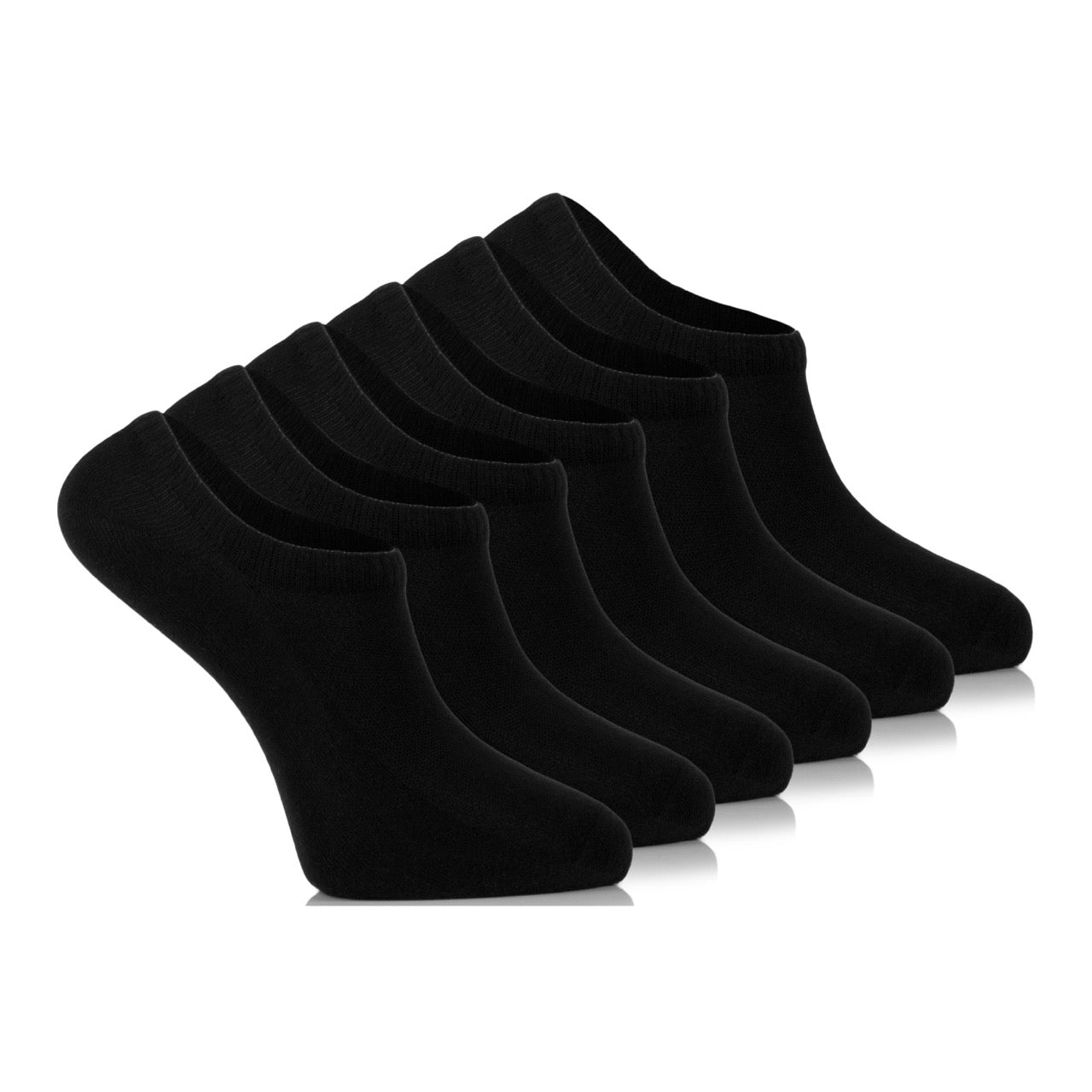
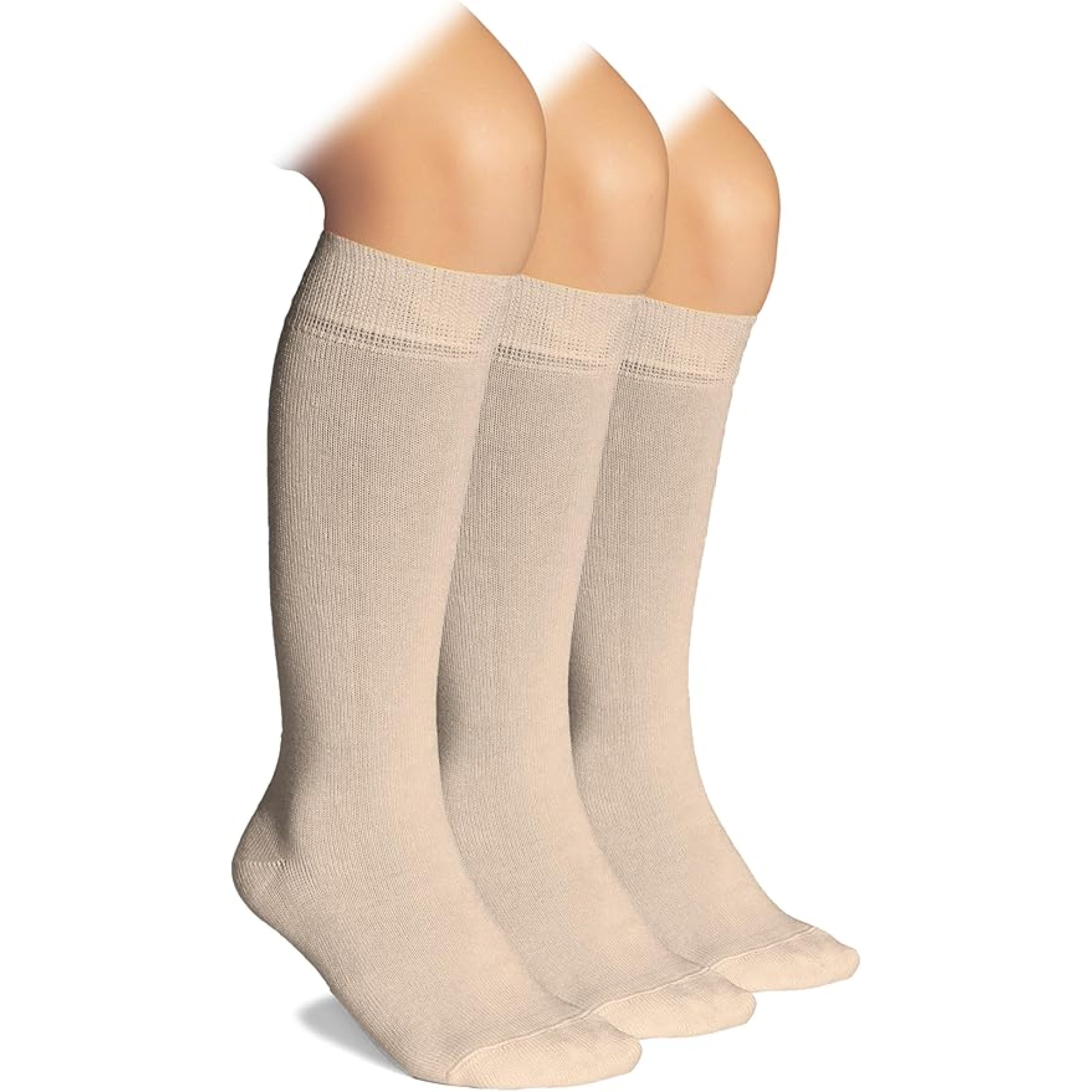


Ask most people how much thought they put into buying socks, and the answer is usually "not much." Socks get tossed into a cart as an afterthought, bought in bulk packs, and treated as one of the few wardrobe items where almost anything will do. Then, every so often, someone tries a pair that actually feels different, and suddenly they care about socks more than they ever expected to.
That shift says a lot about how people think about small comfort items in general, and why it usually takes a genuinely good pair to change the habit.
Compared to shoes, jackets, or even underwear, socks rarely get the same level of consideration before they're bought.
Socks spend almost their entire life hidden inside shoes or a drawer. Because no one sees them, there's little social pressure to choose carefully, the way there might be with a visible piece of clothing. Out of sight tends to mean out of mind when it comes to quality.
Most basic socks do their core job reasonably well: they cover your feet and don't fall apart immediately. That low bar makes it easy to assume all socks are roughly interchangeable, so people default to whatever's cheapest or already in the cart, without thinking much about fit, fabric, or construction.
The shift from indifference to genuine preference rarely happens gradually. It tends to happen all at once, triggered by a specific experience.
A blister, a sock that slides down inside a shoe, or a seam that rubs the wrong way for eight hours is often the moment people first notice that not all socks are the same. Discomfort is a much faster teacher than a product description.
More often, the change comes from the opposite direction: someone receives a well-made pair as a gift, borrows one from a partner, or finally replaces a worn-out drawer, and the difference is immediate. A sock that stays in place, breathes well, and doesn't bunch at the toe makes the old multipack feel obviously worse by comparison.

Once someone starts paying attention, a handful of details tend to separate a forgettable sock from one worth repurchasing.
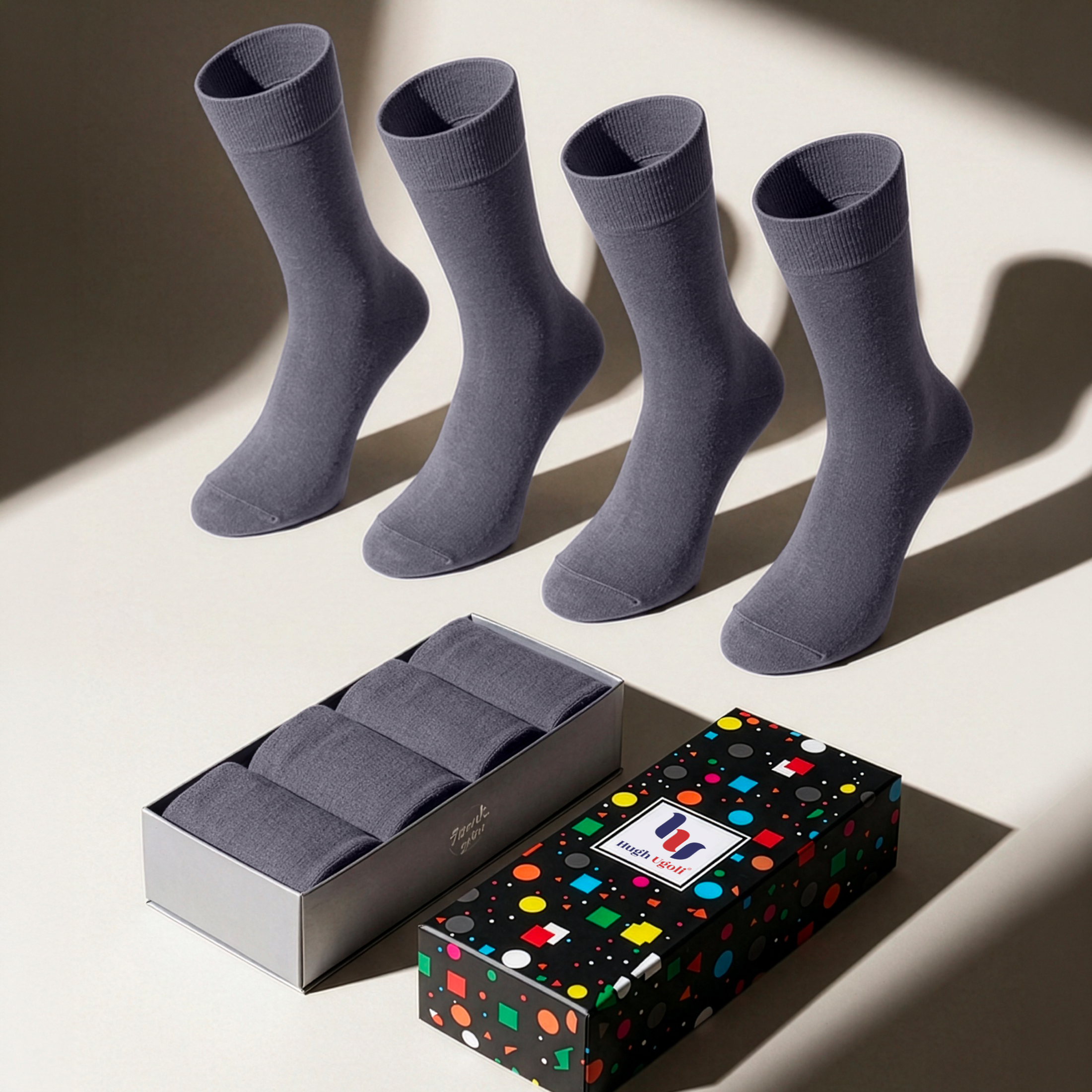
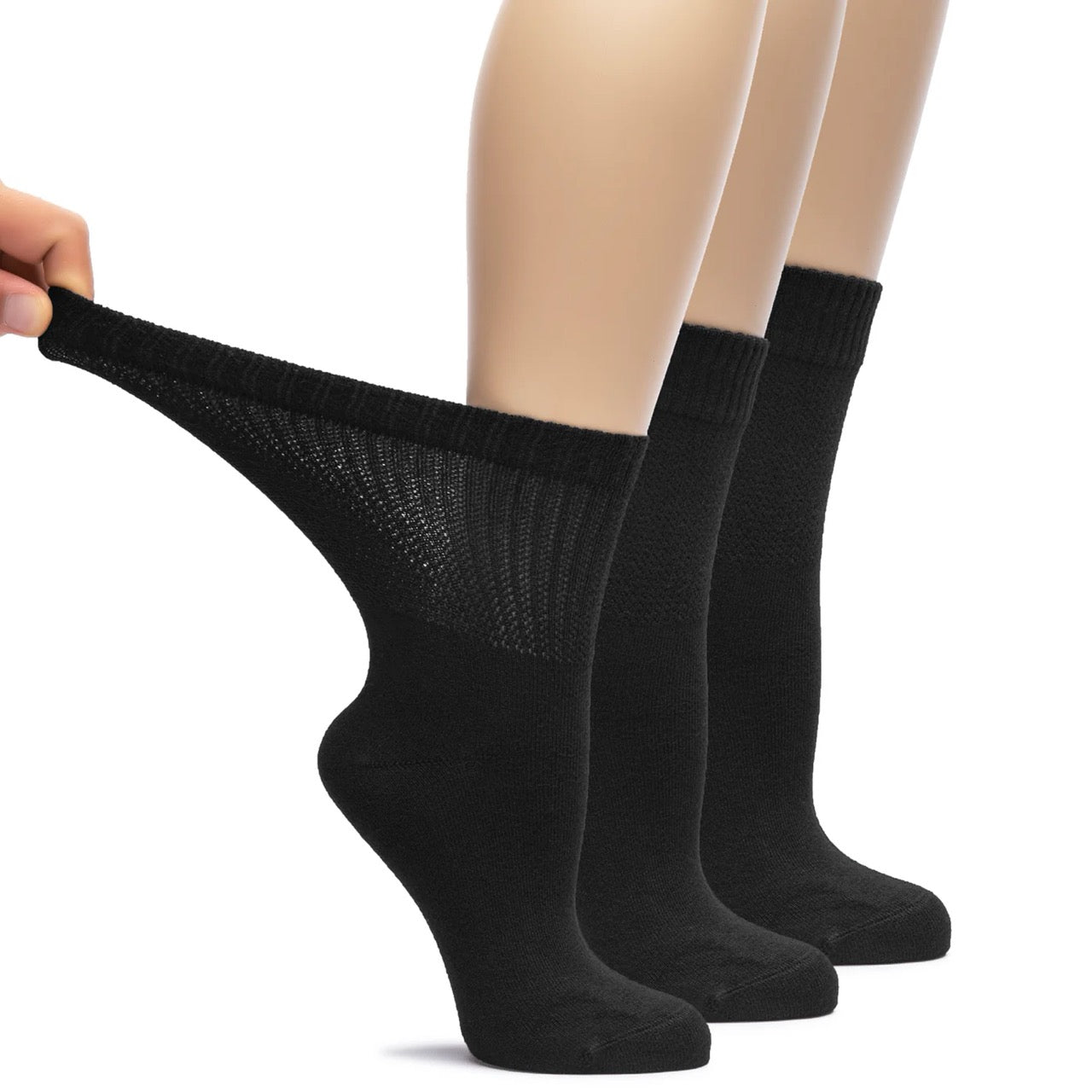
These details show up clearly in pairs built around them, such as a seamless toe business crew sock designed to stay comfortable through a full workday, or a cotton dress crew sock made to hold its shape wear after wear.
Once someone notices the difference a well-made sock makes, going back to a generic multipack usually feels like a downgrade rather than a neutral choice. The comparison only works in one direction: it's hard to un-notice a seam that rubs or a sock that won't stay up once you've worn a pair that doesn't have that problem.
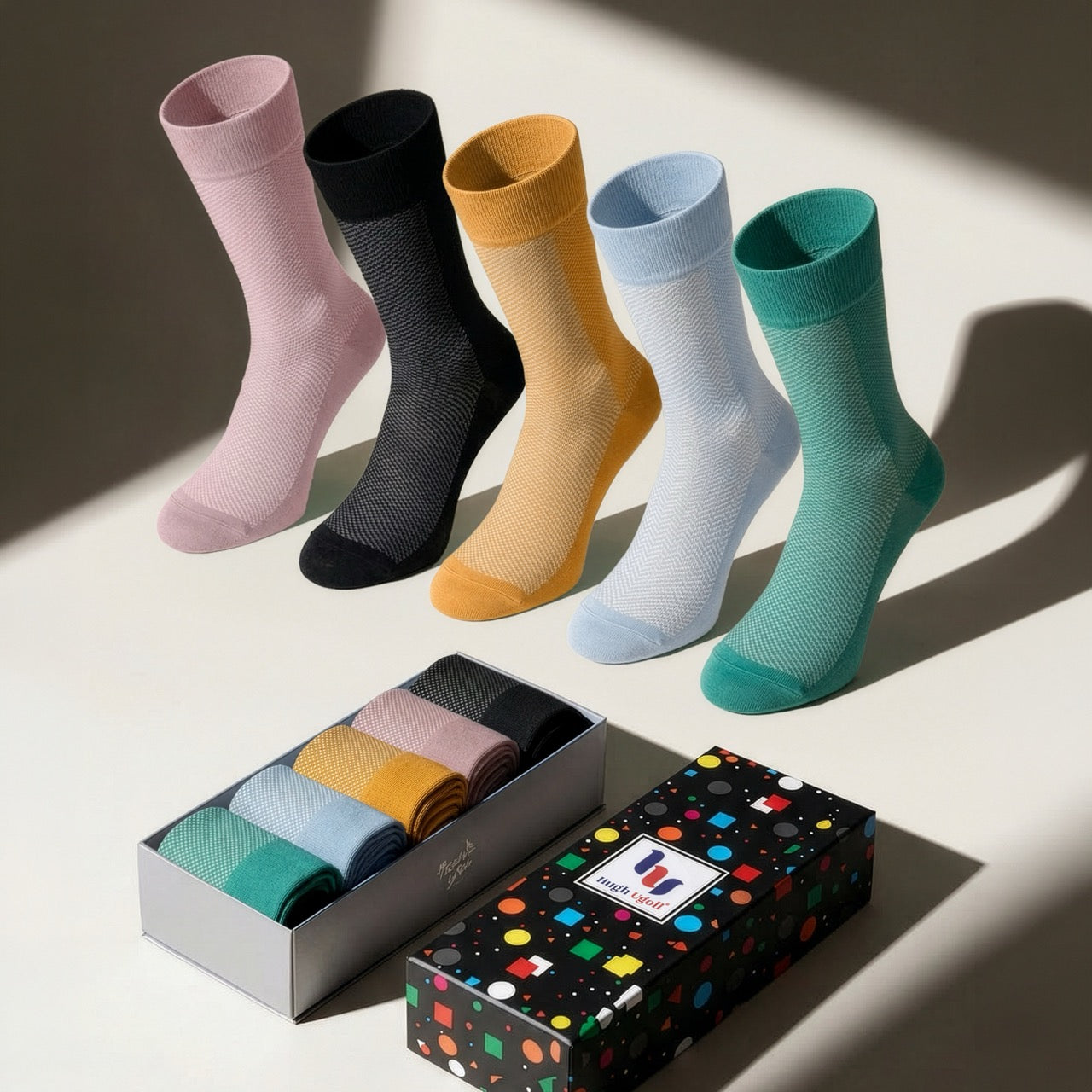
This is part of why so many people end up replacing their entire sock drawer over time rather than buying just one good pair. Once the bar for "acceptable" moves, it tends to stay moved. A breathable, well-built option like a bamboo dress sock often becomes the new default once it's been tried, simply because going back feels like a step down.
Socks stay low on most people's list of priorities until something forces the comparison, whether that's a long uncomfortable day or a genuinely better pair landing in the rotation. Once that comparison happens, the difference is hard to ignore. Paying a little more attention to fit, fabric, and construction tends to pay off in exactly the moments that used to go unnoticed.
Comfort depends a lot on individual fit, activity level, and sensitivity to seams or fabric. Someone who's mostly seated may not notice issues that become obvious for someone on their feet all day.
If a current pair feels comfortable and holds up well, there's no need to switch. Many people simply haven't tried a noticeably better option yet, which is usually what prompts the change.
Check for a seamless toe, a snug but not overly tight cuff, and reinforced areas at the heel and toe. These details usually hold up better through repeated wear and washing.
Many people find natural and blended fabrics more breathable and comfortable over a full day compared to fully synthetic options, especially in warm weather or for people on their feet often.
Once elastic loosens, the fabric thins, or holes start forming at the heel or toe, it's generally time to replace them, even if they're still technically wearable.
He has been working for more than 20 years in the textile industry and has work experience in many parts of the world.