Cart
0
You may also like
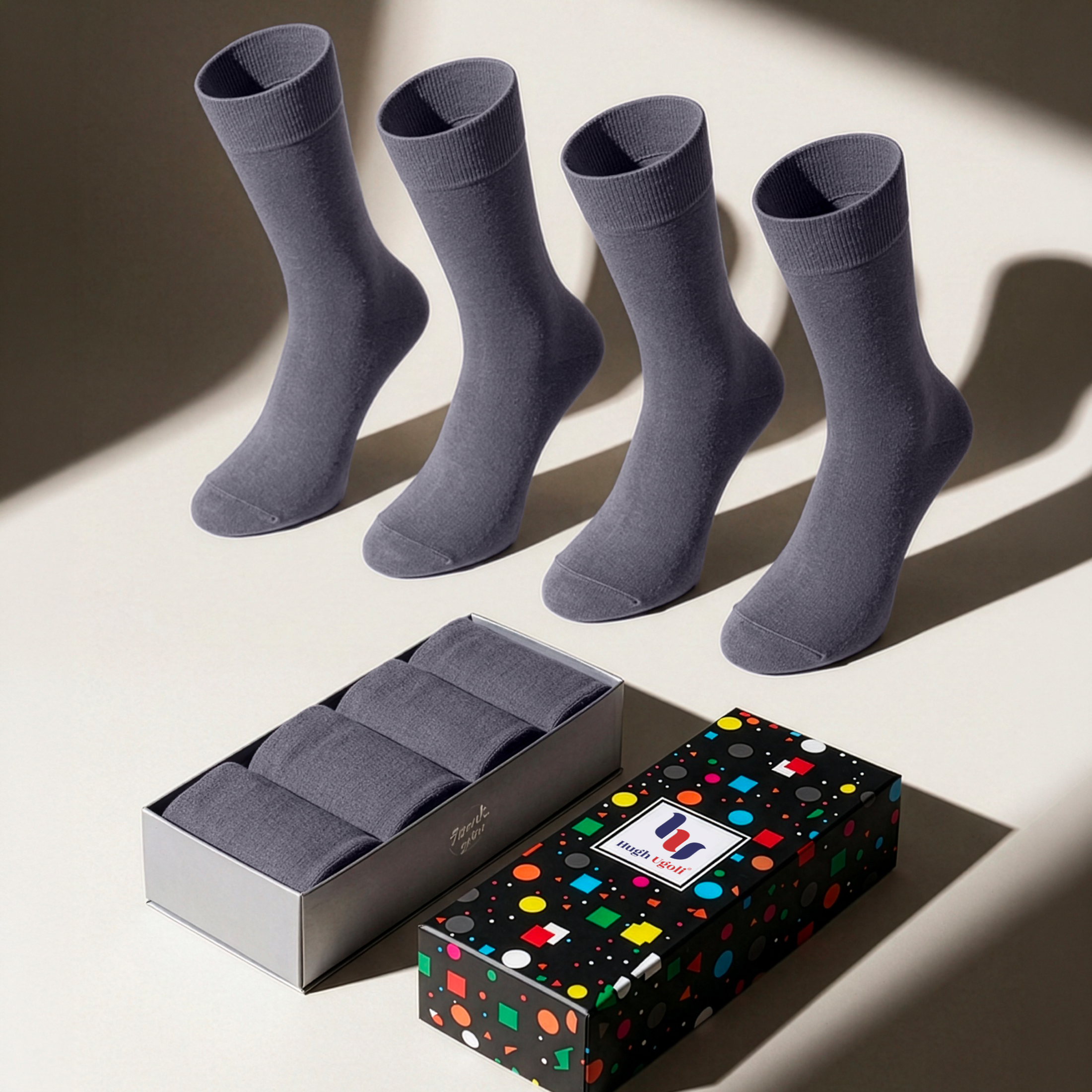
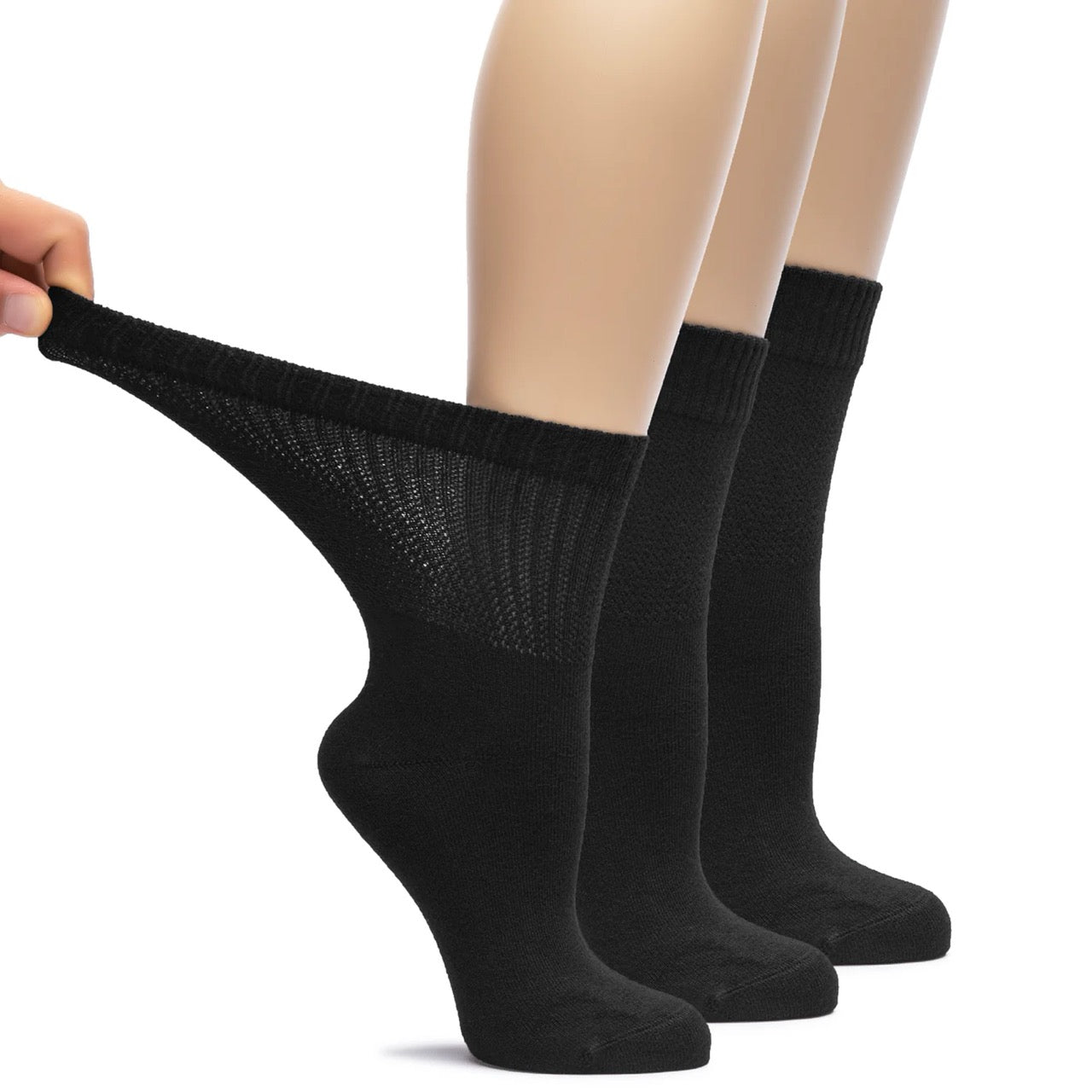
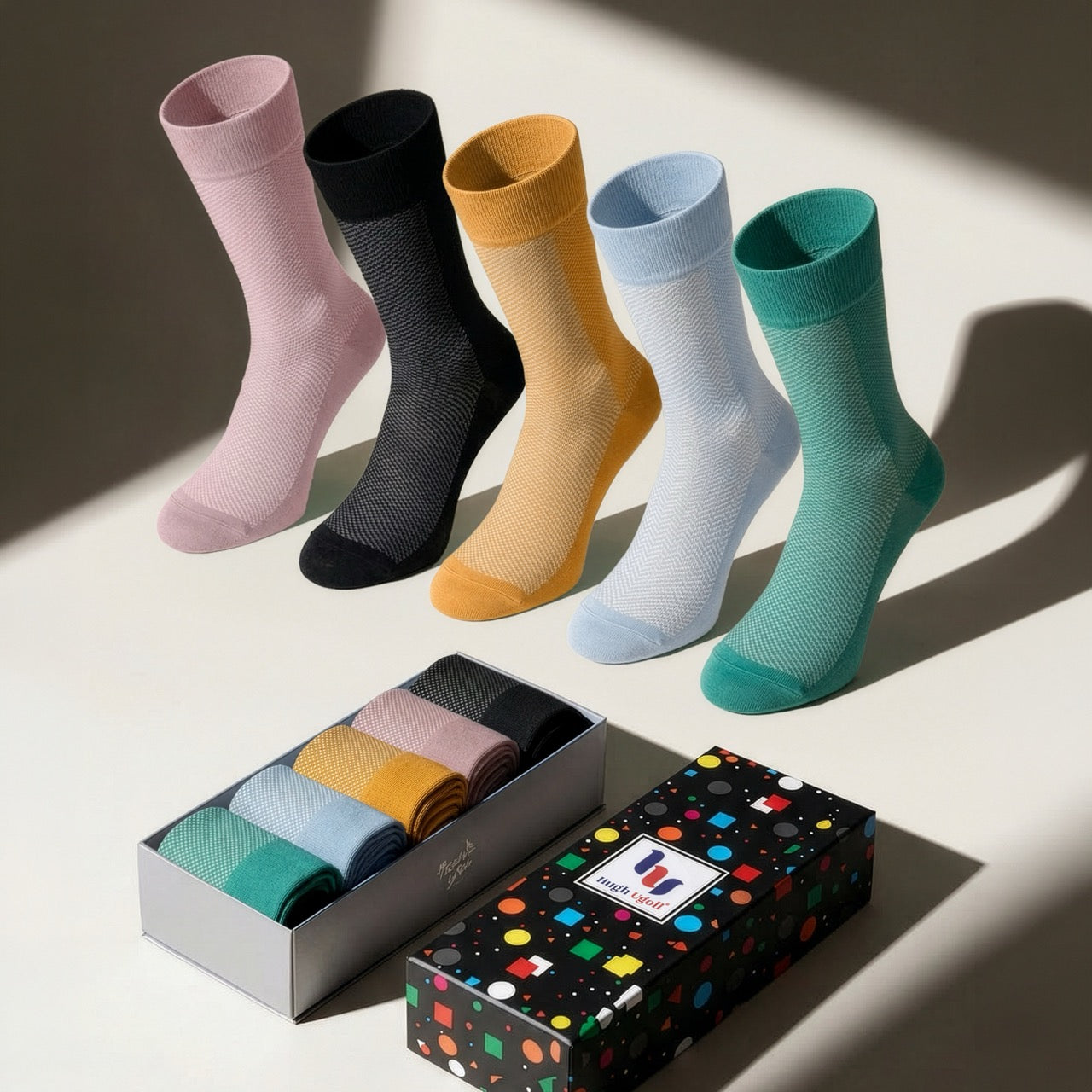
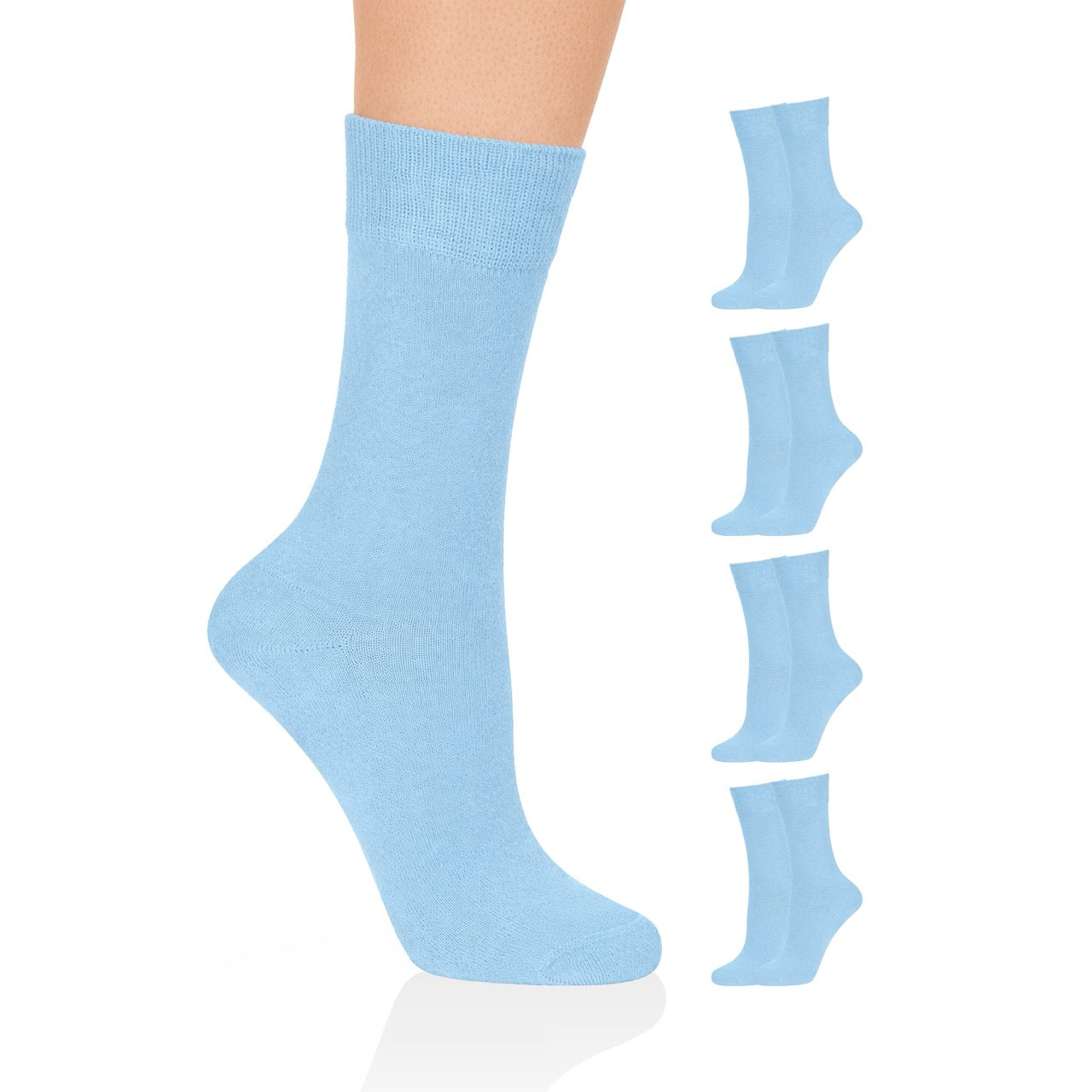


Foot odor is one of those problems that most people have encountered and almost nobody talks about openly. It’s extremely common, it’s not typically a sign of poor hygiene, and it’s driven by a very specific combination of sweat, skin bacteria, and the enclosed environment inside a shoe. The good news is that once you understand what’s actually causing the smell, fixing it becomes much more straightforward. This guide covers why foot odor happens, what actually works to reduce it, and why your choice of socks plays a bigger role than most people realize.
Your feet have more sweat glands per square inch than almost any other part of your body — around 250,000 of them. That’s a lot of moisture production, especially during a full day of activity. Sweat itself is largely odorless. The smell comes from what happens next: bacteria that live on the surface of the skin consume that sweat and break it down, releasing isovaleric acid and other compounds that produce the characteristic foot smell.
The enclosed, warm, moist environment inside a shoe is essentially ideal for bacterial activity. The longer your feet stay in that environment — especially in shoes that don’t breathe well — the more opportunity there is for odor to develop. This is why the problem tends to be worse in hot weather, during physical activity, or when wearing the same shoes day after day without allowing them to dry out.
Certain factors make some people more prone to foot odor than others. Heavy sweating (hyperhidrosis), stress, hormonal changes, diet, and even certain medications can all affect how much a person sweats and how their sweat interacts with skin bacteria. Fungal infections like athlete’s foot can also contribute by changing the skin environment and sometimes adding their own distinctive odor on top of the standard bacterial smell.
Socks are the one item of clothing that sits directly against your skin inside a shoe all day. They absorb sweat, either managing it or allowing it to accumulate, and they contribute to — or actively work against — the warm, moist conditions that bacteria love. The material your socks are made from makes a substantial difference.
Standard cotton socks absorb sweat effectively but hold onto it. Once a cotton sock is saturated, moisture stays in contact with the skin for hours. This prolongs the conditions that bacteria thrive in and contributes to foot odor. It’s also why feet can feel uncomfortably damp by midday in cotton socks, even if you started the day with dry feet.
Many inexpensive socks use synthetic fibers like polyester or acrylic. These materials don’t breathe well, trapping heat around the foot and creating a warm, poorly ventilated environment. Heat accelerates bacterial activity, which means synthetic socks actively make the odor problem worse in most conditions.
Bamboo viscose fiber has a porous structure that wicks moisture away from the skin and releases it through the outer surface of the sock, where it evaporates. This keeps the foot drier than cotton or synthetic alternatives throughout the day. A drier foot means less of the warm, moist environment that bacteria need to produce odor compounds. Bamboo socks are also naturally breathable, which helps regulate temperature and further reduces the conditions that drive odor.
This is why people who switch from standard cotton or synthetic socks to bamboo often notice a meaningful reduction in foot odor — not because bamboo has any magical antibacterial property, but because it actively removes the moisture that bacteria require.

Socks are an important part of the equation, but they work best alongside a broader approach to foot hygiene and shoe care. Here’s what actually makes a difference.
This sounds obvious, but washing in the shower while standing isn’t the same as actually scrubbing your feet. Pay attention to the soles, between the toes (where bacteria are particularly active), and around the nails. Use soap and warm water, and make sure you rinse thoroughly — soap residue between the toes can also cause irritation. Dry your feet completely before putting on socks, especially between the toes, where moisture lingers longest.
Wearing the same socks for multiple days gives bacteria a running start. Fresh socks every day means starting each morning with a clean, dry barrier against bacterial accumulation. If you exercise, change socks immediately after your workout rather than continuing to wear damp exercise socks. For people with particularly active sweating, having a pair of clean socks available mid-day for a change can make a noticeable difference.
One of the most effective and most overlooked strategies is simply not wearing the same pair of shoes two days in a row. Shoes need time to dry out between wearings — typically 24 hours minimum. When you wear the same shoes daily, they never fully dry, creating a continuously damp environment that compounds the odor problem. Rotating between at least two pairs of shoes gives each time to dry completely.
After wearing, remove shoes and store them in an open, ventilated area rather than a closed closet or bag. Loosening the laces and pulling the tongue forward helps air circulate inside. Cedar shoe trees help absorb moisture and maintain shoe shape. Avoid storing shoes immediately in a gym bag or locker where airflow is restricted.
Foot powder (talcum or cornstarch-based) helps absorb moisture and can reduce the bacterial load by keeping the foot environment drier. Apply to clean, dry feet before putting on socks. Baking soda can also be sprinkled inside shoes to help absorb odor between wearings — shake it out before wearing. These are supplementary measures rather than replacements for good sock and shoe hygiene.
For people with particularly persistent foot odor, washing with an antibacterial soap can directly reduce the bacterial populations on the skin. Use this on the feet specifically — daily antibacterial soap use over the whole body isn’t recommended by most dermatologists, but targeted use on odor-prone areas like the feet is a reasonable approach for people dealing with chronic problems.
When selecting socks specifically with odor management in mind, here’s what to prioritize.
The most important feature. Look for socks made from bamboo viscose, merino wool, or moisture-wicking synthetic blends. Avoid 100% cotton socks for high-activity situations or warm weather, where moisture accumulation is most likely.
Some socks include mesh panels or open-knit zones in the upper portion of the foot. These improve airflow inside the shoe and help with evaporation. Look for this feature if you tend to wear shoes with good ventilation (like mesh sneakers) and spend a lot of time on your feet.
Some shoes incorporate moisture-wicking linings that work in tandem with wicking socks. If you’re investing in odor-reduction, pairing quality socks with ventilated footwear delivers better results than either alone.
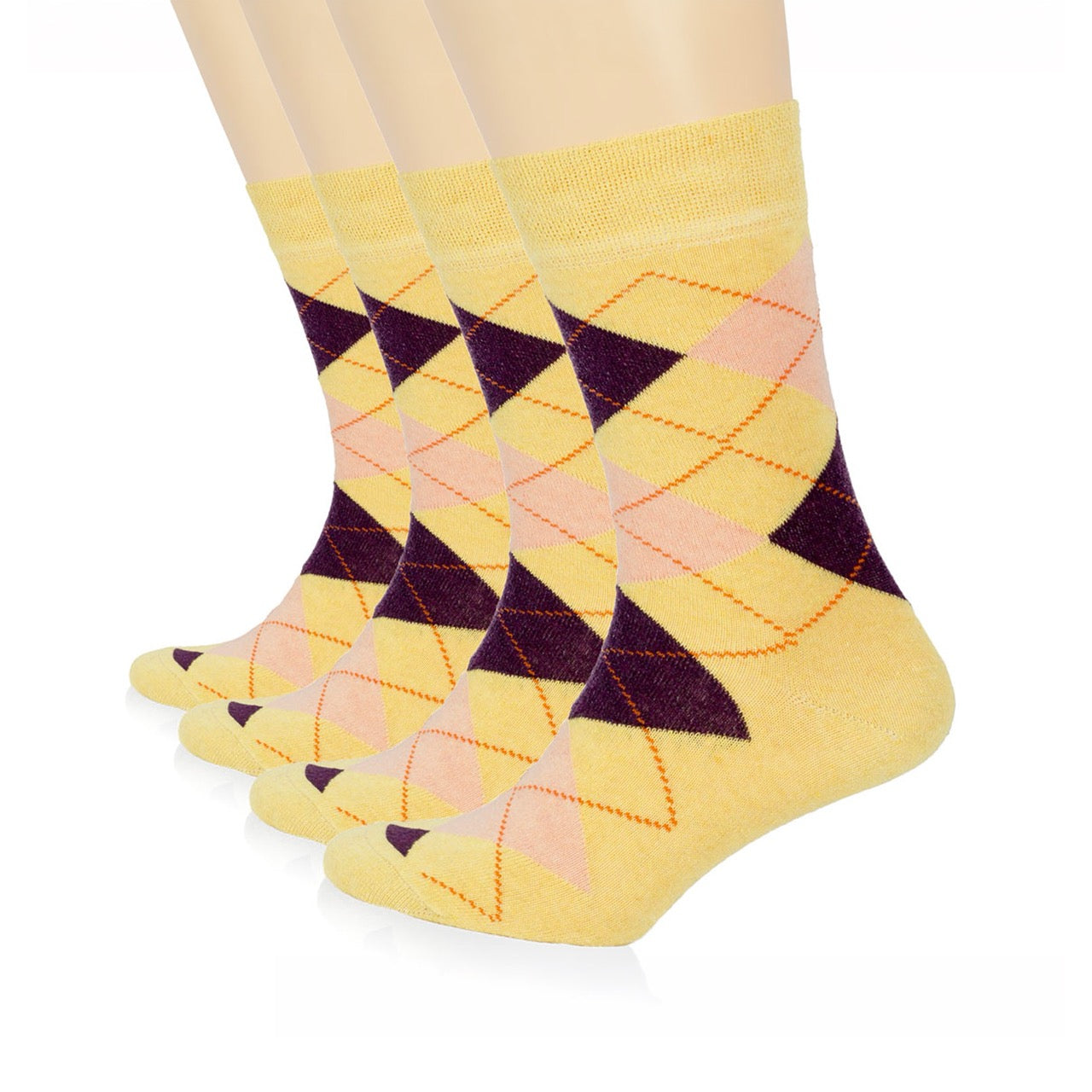
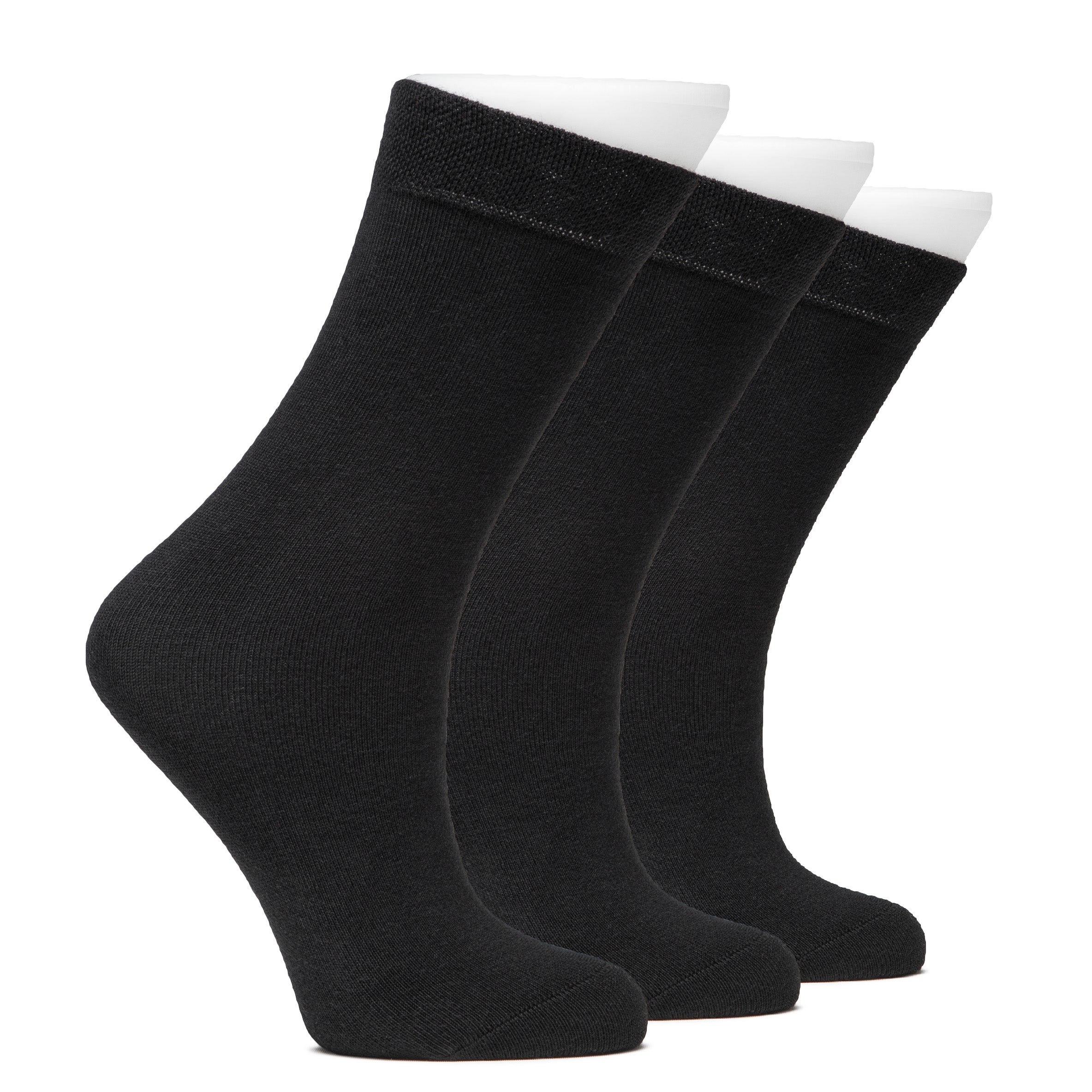
Hugh Ugoli’s bamboo dress socks and bamboo crew socks are designed with the kind of breathable, moisture-managing construction that addresses foot odor at the source. The Men’s Bamboo Business Dress Socks work particularly well for all-day wear in professional footwear, where breathability is often limited. For women, the Women’s Bamboo Dress Crew Socks offer the same moisture-management in a style suited to professional and everyday wear.
Most foot odor is a normal result of the foot’s biology and environment, and responds well to the measures described above. But occasionally, persistent or unusually strong foot odor points to something else worth investigating. It’s worth paying attention to pattern changes: if the odor worsens suddenly, changes character, or is accompanied by other physical changes in the skin or nails, that warrants a closer look.
Athlete’s foot (tinea pedis) is a fungal infection that causes itching, scaling, and sometimes an odor distinct from regular bacterial foot smell. It typically appears between the toes or on the sole. Over-the-counter antifungal treatments are effective for most cases, but the infection can recur, especially if you don’t also address the shoe and sock hygiene that allowed it to develop.
Hyperhidrosis — excessive sweating — can make foot odor much harder to manage because the volume of sweat produced overwhelms normal hygiene measures. If you find yourself changing socks multiple times a day and still struggling with dampness, hyperhidrosis may be worth discussing with a doctor. Treatment options include prescription-strength antiperspirants for the feet, iontophoresis, and in some cases other medical interventions.
Rarely, unusual or very strong foot odor can indicate a systemic issue such as a diabetic foot infection, kidney disease, or liver problems. If odor is accompanied by other symptoms — pain, swelling, changes in skin color, or wounds that aren’t healing — a medical evaluation is appropriate.
Foot odor tends to become more noticeable during puberty due to increased sweat production and hormonal changes. Teenagers in particular often wear shoes for long hours during school, making the enclosed-shoe bacterial environment problem acute. The same principles apply: daily sock changes, moisture-wicking materials, shoe rotation, and proper foot washing. For kids who participate in sports, changing out of sweaty socks and shoes immediately after practice makes a significant difference.
Daily washing addresses the bacterial load on the skin, but if you’re putting those clean feet back into damp shoes and cotton socks that hold moisture, the bacteria quickly return. The most common cause of persistent foot odor despite regular washing is the shoe and sock environment rather than the feet themselves. Try rotating your shoes, switching to moisture-wicking bamboo socks, and allowing your shoes to fully air dry between wearings. If odor persists despite all of these measures, consider whether a fungal infection or hyperhidrosis might be involved.
Yes, in a practical way. Bamboo socks reduce foot odor by managing moisture more effectively than cotton or synthetic socks. They wick sweat away from the foot and allow it to evaporate, reducing the warm, moist conditions that allow odor-causing bacteria to thrive. Many people notice a meaningful improvement when switching from cotton to bamboo socks, particularly on warm days or during high-activity periods.
Very normal. The combination of high sweat gland density in the feet and the enclosed shoe environment creates conditions that promote bacterial activity in almost everyone. The degree varies by individual, activity level, shoe type, and season. It becomes a concern worth addressing when it’s disruptive to daily life — at which point the approach above can make a substantial difference.
A minimum of 24 hours is a reasonable guideline for allowing moisture to dissipate from the interior of shoes. Thicker or less breathable shoes (leather dress shoes, boots) may need longer. Placing shoes in a well-ventilated area, using shoe trees, and avoiding immediate storage in bags or closed spaces all help. In humid climates or summer conditions, shoes may need a full 48 hours to dry thoroughly.
Sprinkle baking soda generously inside the shoes and let them sit overnight — the baking soda absorbs both moisture and odor compounds. Shake it out the next day. For more stubborn odor, a shoe-specific deodorizing spray can help, as can placing activated charcoal inserts inside when not wearing. The root cause, though, is usually moisture accumulation from repeated wearing, so the long-term fix is rotation and ventilation rather than deodorizing treatment.
He has been working for more than 20 years in the textile industry and has work experience in many parts of the world.