Cart
0
You may also like
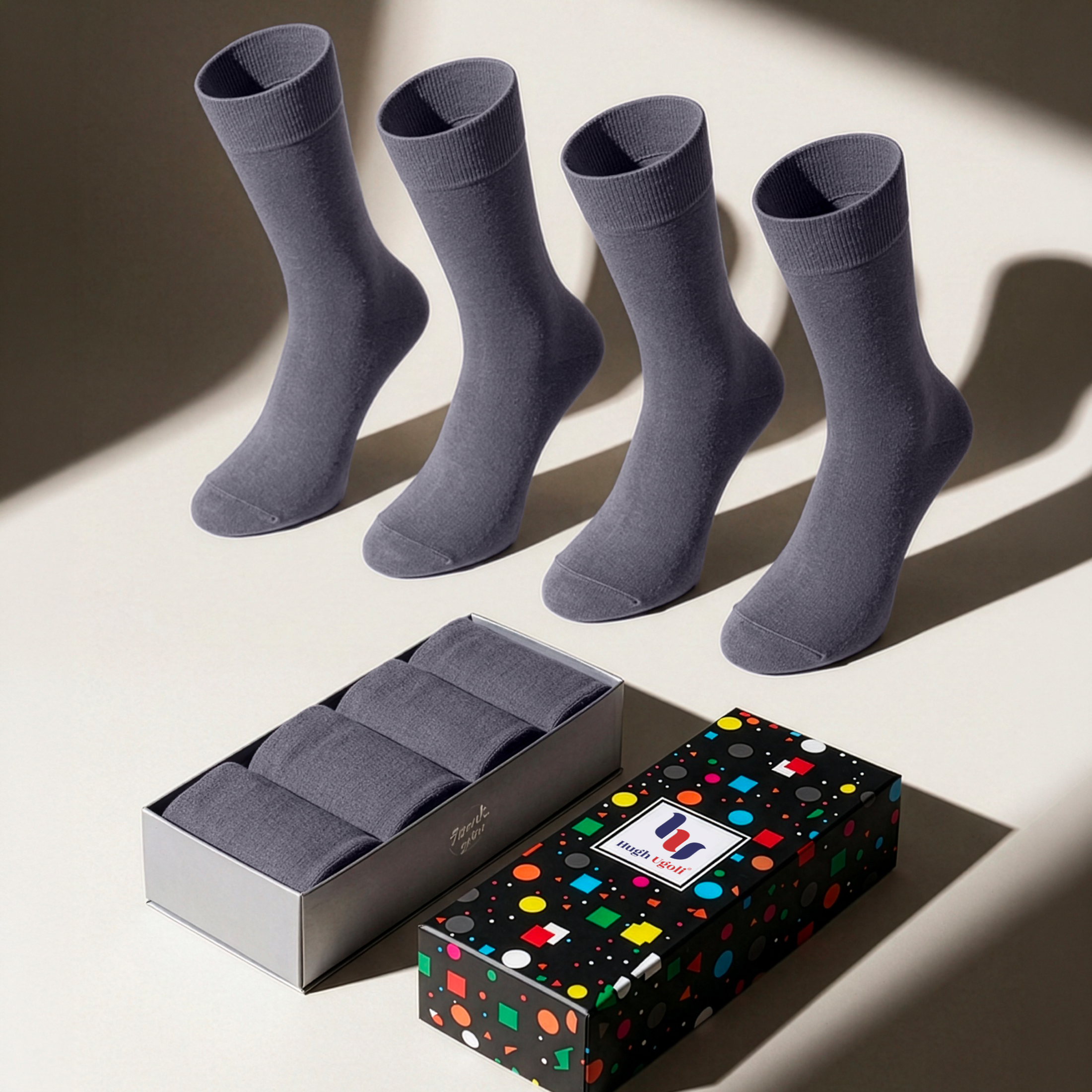
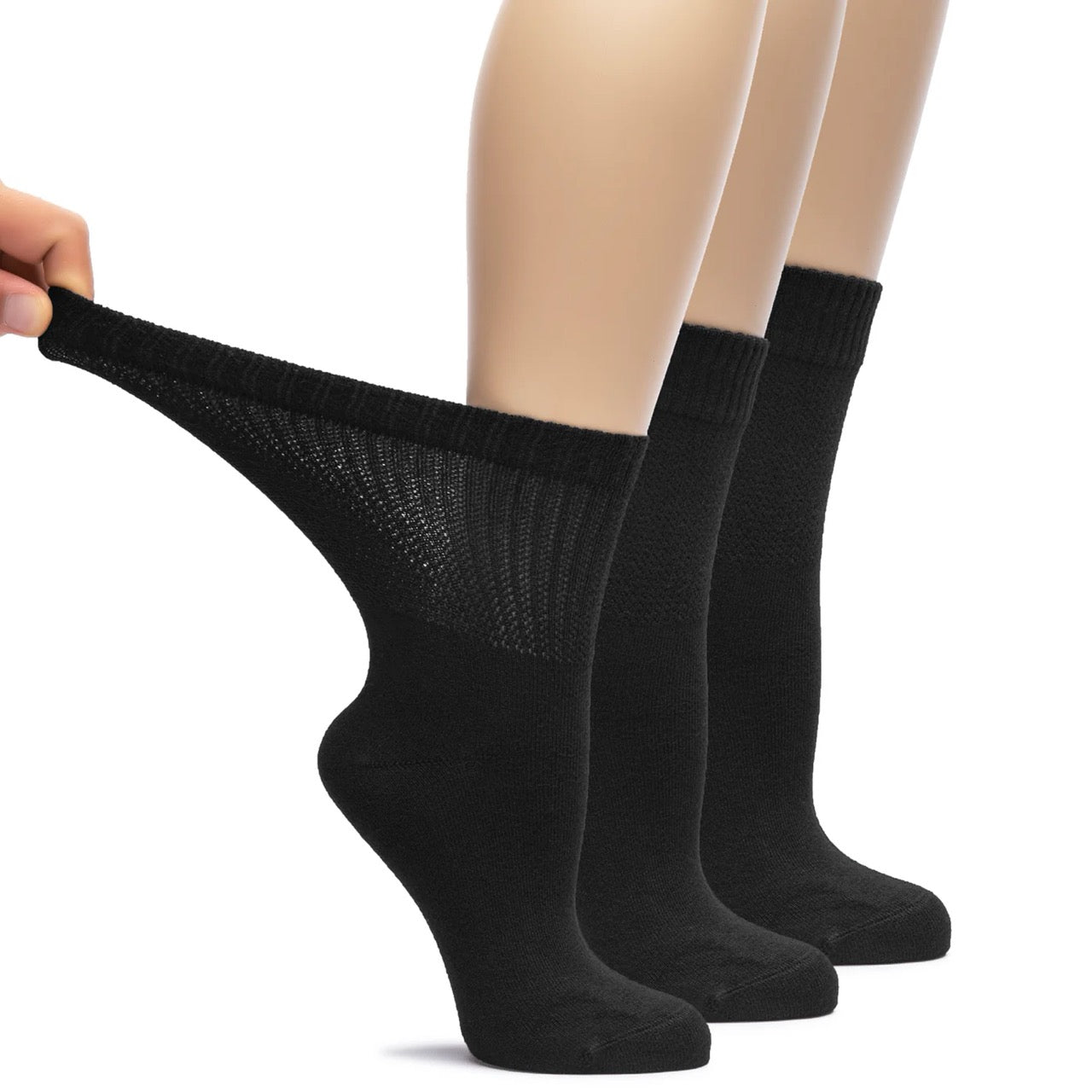
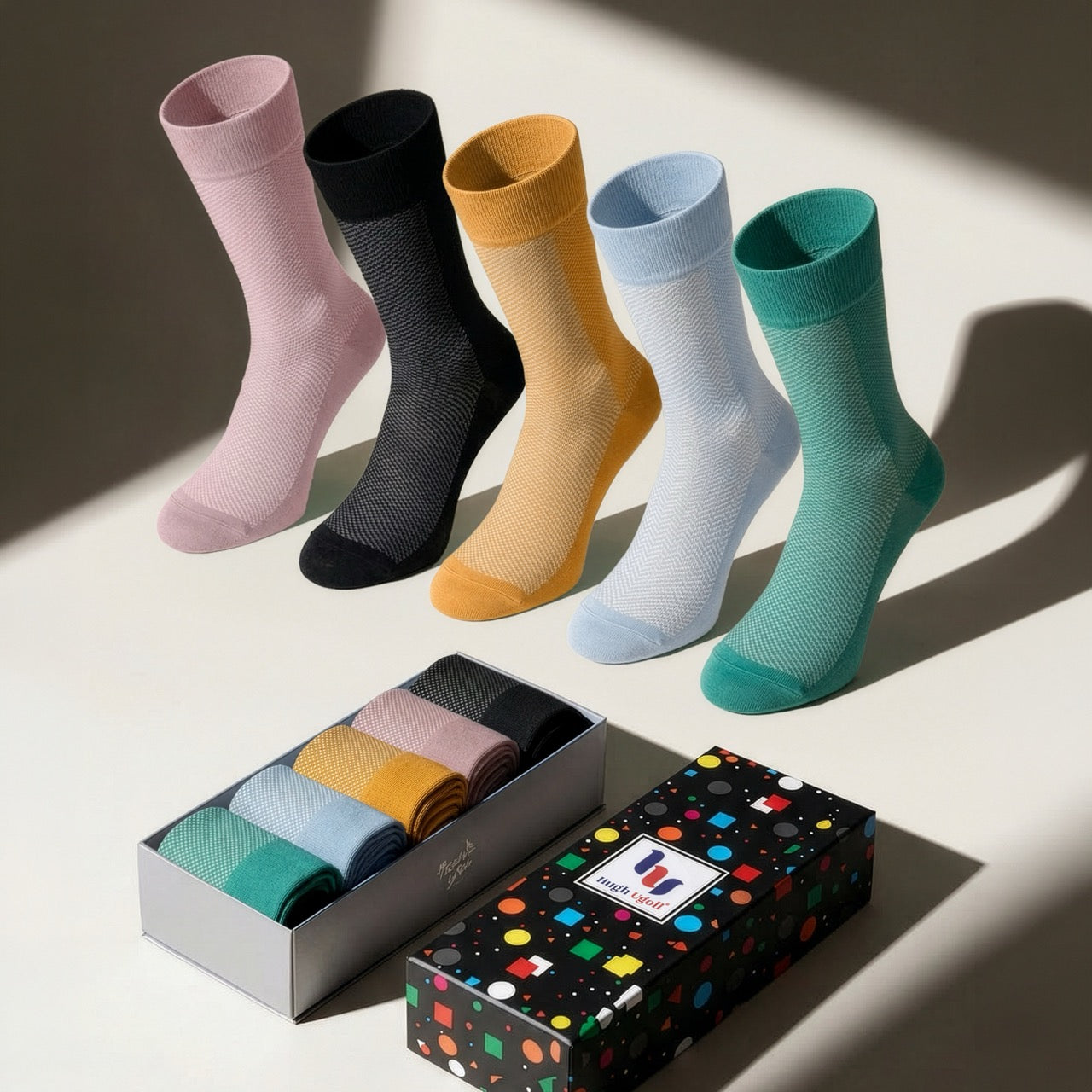
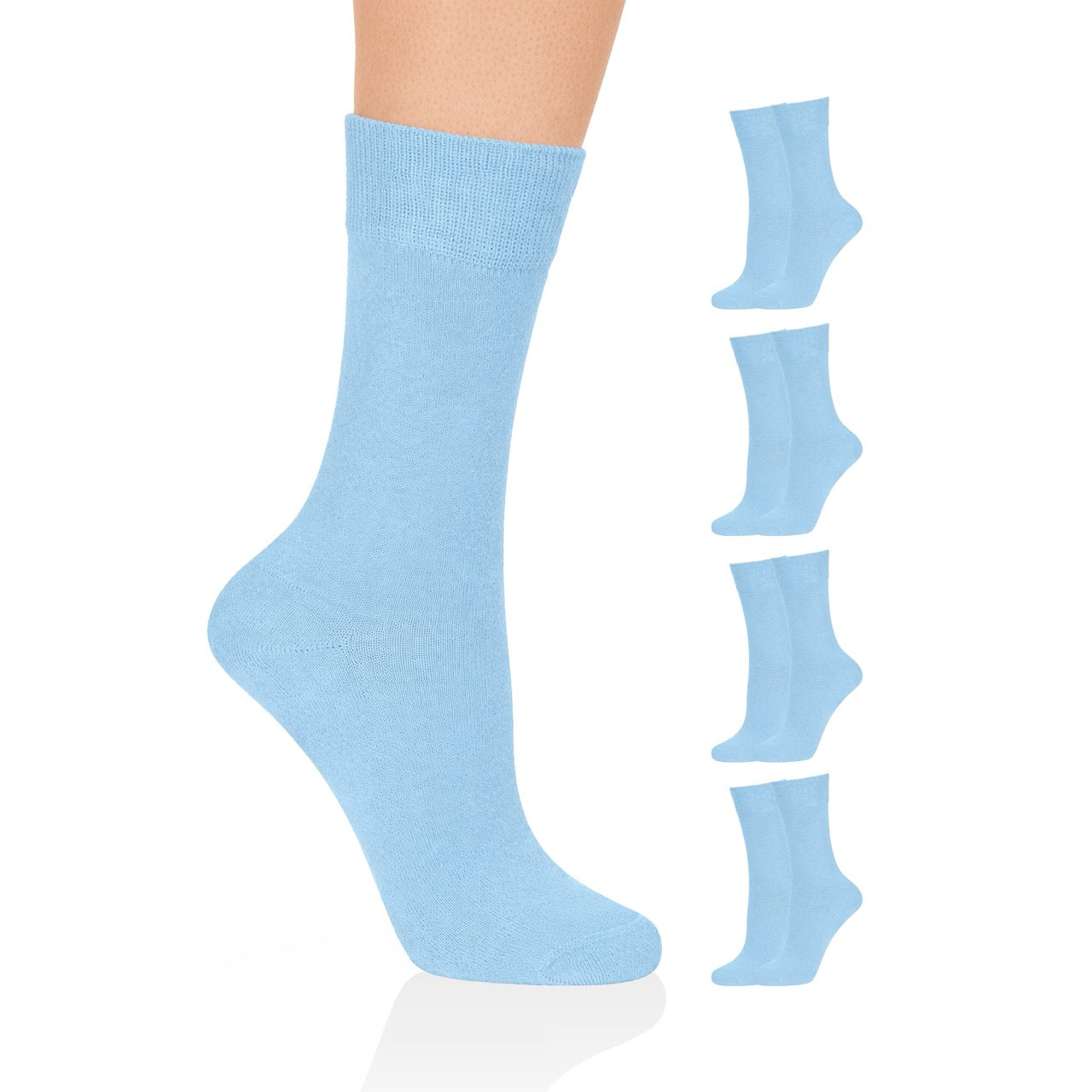
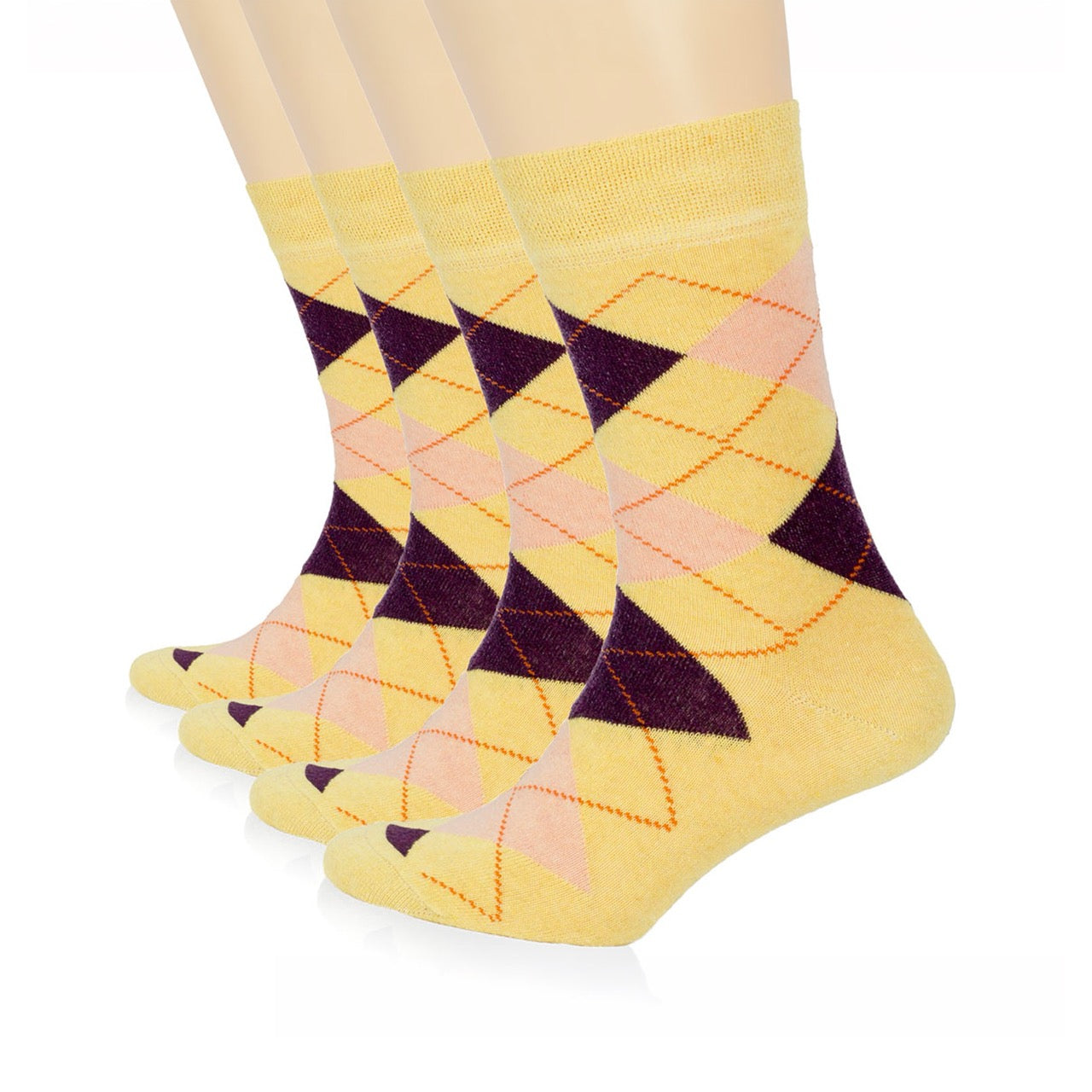
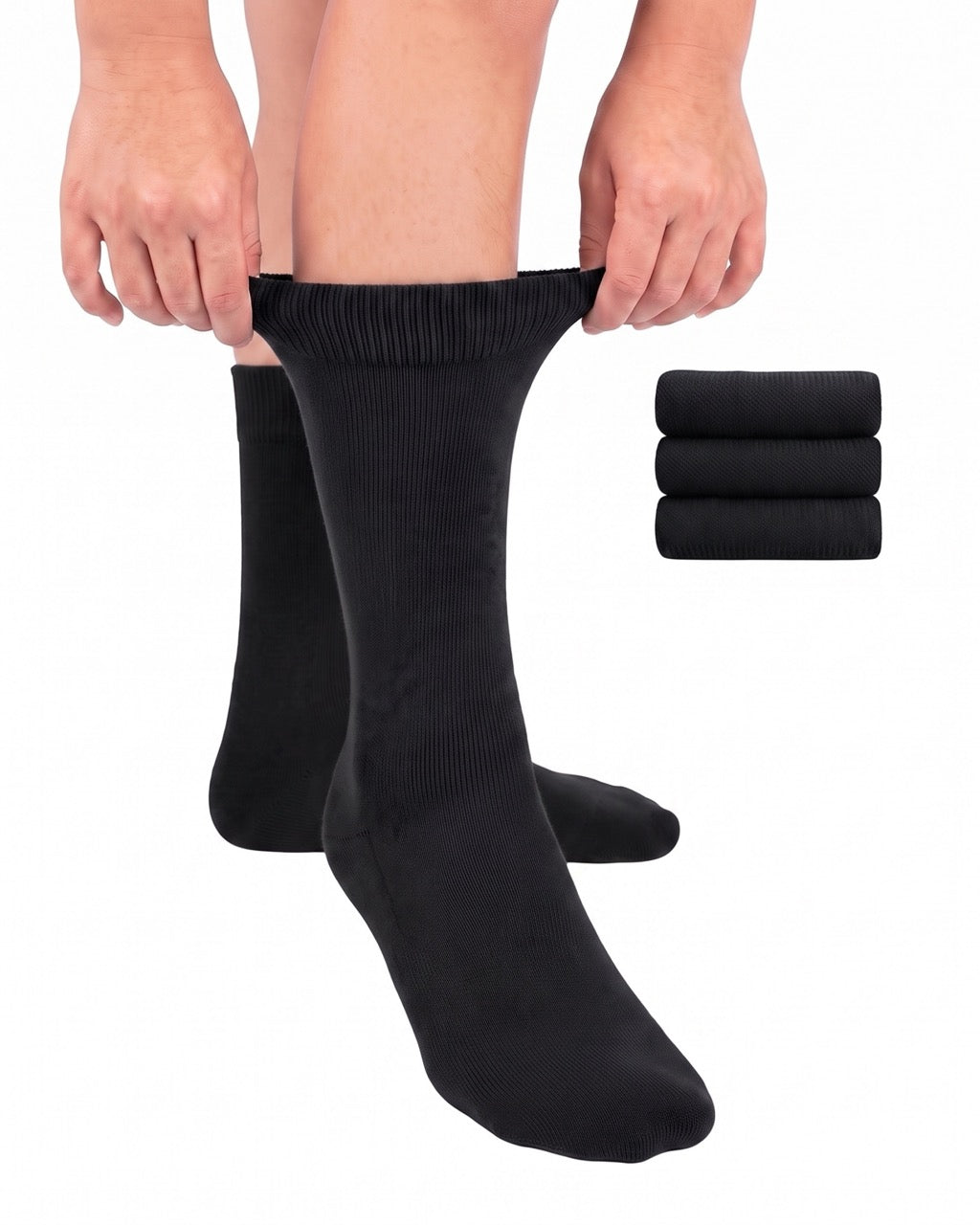
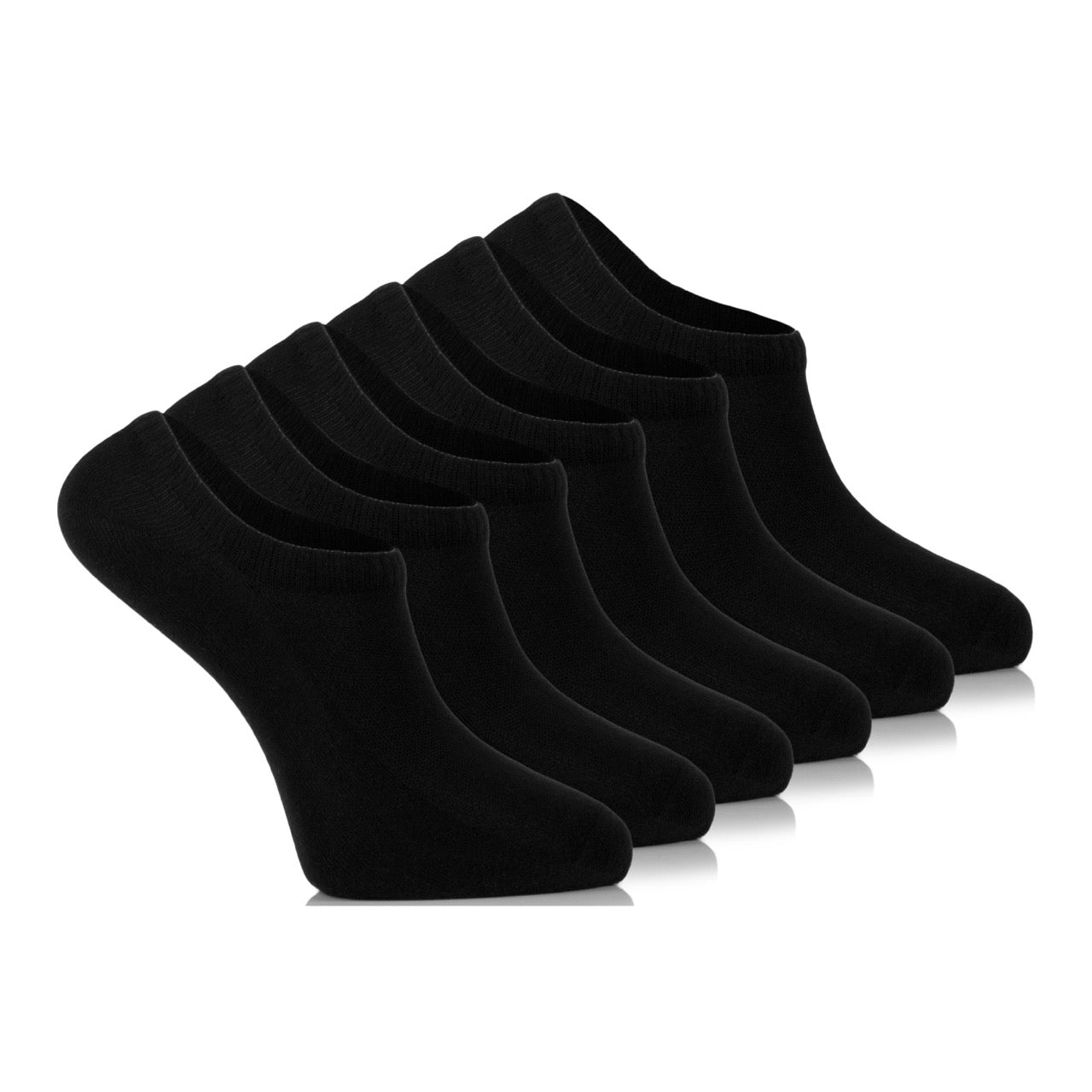
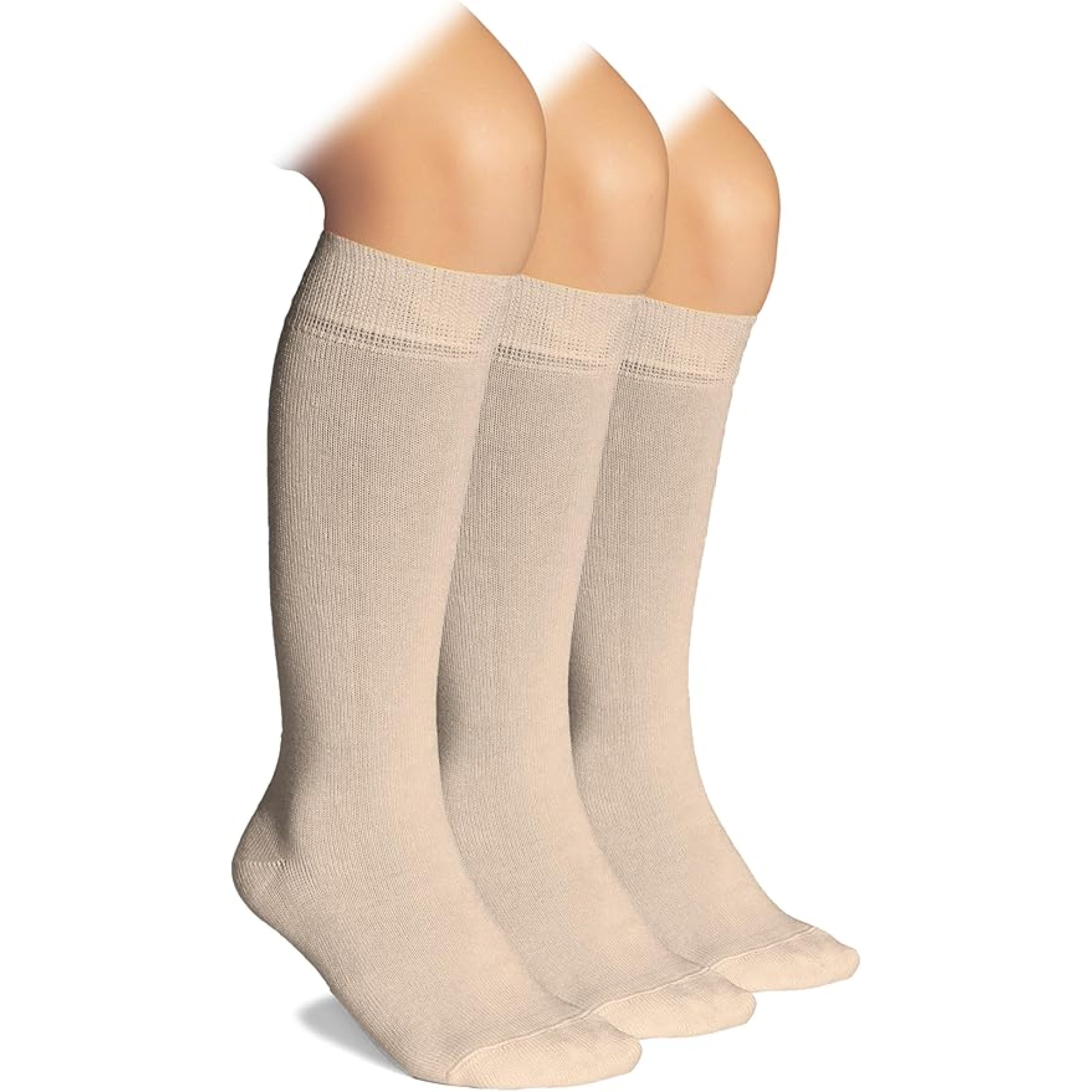


The right socks are one of the most underrated pieces of travel gear. Packing decisions tend to focus on big items — luggage, shoes, outerwear — but socks quietly determine a lot about how your feet feel over a twelve-hour flight, a full day of sightseeing, or a week of business meetings in unfamiliar cities. The wrong socks lead to blisters, sweaty feet, and the mild but persistent discomfort that wears you down by day three. The right socks do the opposite: they adapt to changing conditions, keep your feet comfortable in a range of footwear, and take up almost no space in a bag. This guide covers what to look for, which types of socks suit different travel situations, and how bamboo socks in particular address the specific demands of travel.
Travel socks face demands that everyday socks don’t. You’re wearing them for longer stretches, in more varied conditions, often through multiple consecutive days, and usually without the ability to switch on a whim. The qualities that matter most in this context are different from what you’d prioritize for a regular workday.
Whether you’re on a long-haul flight, walking through a city in summer heat, or rushing between connections, your feet are producing sweat throughout the day. A sock that holds moisture creates the conditions for blisters (moist skin is more susceptible to friction damage), odor, and general discomfort. Moisture-wicking fabrics that pull sweat away from the skin and allow it to evaporate are essential for travel socks.
Travel rarely involves a single consistent climate. You might leave a warm departure city, spend twelve hours in a frigid airplane cabin, and arrive somewhere with completely different weather. Airplane cabins are particularly notorious for fluctuating between too cold (during cruise) and too warm (during boarding and deplaning). A sock that breathes and regulates temperature rather than just providing insulation handles this range much better than a single-purpose material.
Nobody wants to be the person on the plane whose socks are announcing their presence. More practically, on multi-day trips with limited luggage, you may want to re-wear socks or at least feel confident wearing them through a full day without concern. Fabrics that resist odor accumulation — by keeping the foot drier and being less hospitable to odor-causing bacteria — are a significant advantage in travel contexts.
Travel socks get stuffed into bags, rolled up, compressed under other items, and washed in whatever facilities are available at the destination. They need to hold their shape, resist pilling, and maintain their performance characteristics through unconventional treatment. Lightweight, packable socks also take up minimal space — a practical consideration when packing carry-on only or working with limited luggage allowances.
A sock that only works with sneakers isn’t ideal for travel, where you’re likely to need different footwear for different occasions — walking shoes for sightseeing, dress shoes for business dinners, casual shoes for airport days. A travel sock that works well across footwear types reduces the number of different socks you need to pack.

Bamboo viscose socks address several of the travel requirements above in a single material choice. The fiber’s natural breathability handles temperature fluctuations better than synthetic materials. Its moisture-wicking structure keeps feet drier in warm conditions and avoids the clamminess that makes long days uncomfortable. The soft texture doesn’t abrade skin during extended wear the way rougher fabrics can. And bamboo socks tend to resist odor accumulation, making them a reasonable choice for days when changing socks isn’t an option.
The weight and pack size of bamboo dress socks is also favorable — they’re thinner and lighter than wool alternatives, meaning you can fit more pairs in the same space without adding significant weight to your bag.
Different travel contexts call for somewhat different sock choices. Here’s how to think about which socks to pack for each situation.
Extended time in a pressurized cabin at altitude creates two specific challenges: feet tend to swell due to reduced air pressure and prolonged sitting, and the cabin temperature fluctuates significantly. Socks for long-haul flights should be non-binding (no tight elastic cuffs that constrict around swelling), breathable for warmth management, and comfortable enough to sleep in. Removing shoes during a long flight is common, so the sock also takes on a direct comfort role during the portion of the flight when it’s the only thing between your foot and the cabin floor.
Walking-heavy days demand socks that manage friction and moisture over many hours of continuous activity. The combination of cushioning at the ball and heel (to absorb impact), moisture-wicking fabric (to prevent friction blisters), and a secure fit (to prevent the sock from bunching inside walking shoes) is the target. Bamboo crew socks with light cushioning and a stay-up cuff are a practical choice for full sightseeing days.
Business trips typically involve a combination of transit days, meetings, and occasional social events — often across three to five days with limited luggage. The ideal business travel sock works with dress shoes and formal attire for meetings while being comfortable enough for airport days. Bamboo dress socks in neutral colors cover both ends of this requirement and pack efficiently.
For business travelers who wear the same dress shoes across multiple days, the moisture-wicking and odor-resistant properties of bamboo socks are particularly useful. The Men’s Bamboo Business Dress Socks are designed for exactly this use case — thin enough for dress footwear, breathable enough for all-day comfort, and packable enough to bring five pairs without adding meaningful weight to a carry-on.
For women traveling on business, the Women’s Dress Crew Bamboo Business Socks offer the same practical combination of professional appearance and travel-ready performance.
Hot destinations create maximum demand on moisture management. The combination of high ambient temperature, walking in sun, and enclosed shoes creates the most challenging conditions for foot comfort. Lightweight bamboo socks — thinner and more breathable than cotton or wool — keep feet significantly more comfortable in hot conditions. For very casual warm-weather travel, moisture-wicking ankle socks allow maximum ventilation while still providing protection from shoe friction.
For people doing extended travel across multiple climates — a month-long trip spanning several countries, for example — the goal is usually a minimal number of versatile pairs that work across conditions. Bamboo dress socks at crew length work for professional settings, casual days, moderate walking, and most footwear types, making them a strong candidate for a limited-luggage travel wardrobe.
A common packing question: how many pairs of socks do you actually need? The answer depends on trip length, luggage constraints, and access to laundry, but a general framework is useful.
When laundry facilities at a destination are uncertain, hand-washing socks in a sink and hanging them overnight works well with bamboo and other quick-drying fabrics. This makes a smaller number of pairs go further — three or four high-quality moisture-wicking pairs can cover a week or more with nightly washing.
Socks pack most efficiently when rolled rather than folded — rolling reduces volume and prevents them from unfolding and mixing with other items. Packing socks inside shoes is another efficient approach that uses dead space in luggage while also helping shoes maintain their shape during transport.
For longer trips or situations where you want to keep different sock types separated (dress socks vs. casual socks, clean vs. worn), a small packing cube or drawstring bag keeps things organized without adding significant weight or space.
Washing socks in a hotel sink or bathroom is easier than it sounds. Rinse in warm water with a small amount of liquid hand soap or travel laundry soap, squeeze gently (don’t wring), and hang to dry on a towel rack, shower rod, or over a heater vent. Most bamboo socks dry within a few hours in a room-temperature environment, making overnight washing between day wearings entirely feasible.
Avoid wringing or twisting bamboo socks, which can distort the fabric and reduce the elasticity of the cuff over time. Press excess water out against the side of the sink, then shake out gently and hang.
Color strategy matters more than it might seem when packing light. A few well-chosen neutral shades let a small number of pairs work across the most outfit combinations. Black, charcoal, and navy are the essential anchors — they pair with virtually everything from jeans to business attire and don’t show wear between wearings as noticeably as lighter colors. Adding one pair in a medium neutral (grey or oatmeal) extends versatility for casual and business casual looks. Avoid white socks on travel trips unless you’re packing specifically for athletic use — they show grime quickly and need more frequent washing to stay presentable. With three to four well-chosen colors, you can cover a week of varied activities without socks becoming a limiting factor in your daily outfit choices.
For most types of travel, bamboo viscose and merino wool are the two strongest choices. Bamboo is lighter, more breathable in warm conditions, and generally thinner — ideal for business travel and warm-weather trips. Merino wool is warmer and has excellent natural odor resistance, making it a better choice for cold-weather travel or situations where you’re wearing socks for multiple days before washing. For summer travel and city sightseeing in warm climates, bamboo is typically the more comfortable option.
Graduated compression socks are commonly recommended for long flights because they support venous return and may help reduce leg and foot swelling during extended sitting. If you have a history of deep vein thrombosis, circulation issues, or other risk factors, this is worth discussing with your doctor before long-haul travel. For healthy travelers without specific risk factors, comfortable non-binding socks with room for natural swelling are a reasonable alternative. Whatever you choose, moving and stretching your legs periodically during long flights is the most important factor in managing circulation.
The most practical strategies are: switching socks mid-day when possible, using moisture-wicking materials that stay fresher longer (bamboo and merino wool are both good here), and hand-washing in your accommodation’s bathroom using hand soap or travel detergent. If you’re truly without laundry options for several days, packing antimicrobial socks or wool socks — which can be re-worn more comfortably than cotton — buys you extra flexibility.
Yes, with some consideration for the level of activity. Bamboo dress socks are thin and work well for moderate walking in comfortable shoes. For very long walking days (10+ kilometers), a slightly thicker crew sock with cushioning at the ball and heel will be more comfortable, as the padding helps absorb impact over many hours. For typical tourist sightseeing days — a few hours of walking broken up by meals and transit — bamboo dress socks are perfectly suitable.
Bamboo socks are among the best choices for hot, humid conditions because they actively wick moisture and breathe well, reducing the heat and dampness inside a shoe that would otherwise build up quickly. Cotton socks in humid conditions become saturated and uncomfortable relatively fast. Bamboo’s moisture-management performance is particularly noticeable in these conditions compared to cotton alternatives.
He has been working for more than 20 years in the textile industry and has work experience in many parts of the world.