Cart
0
You may also like
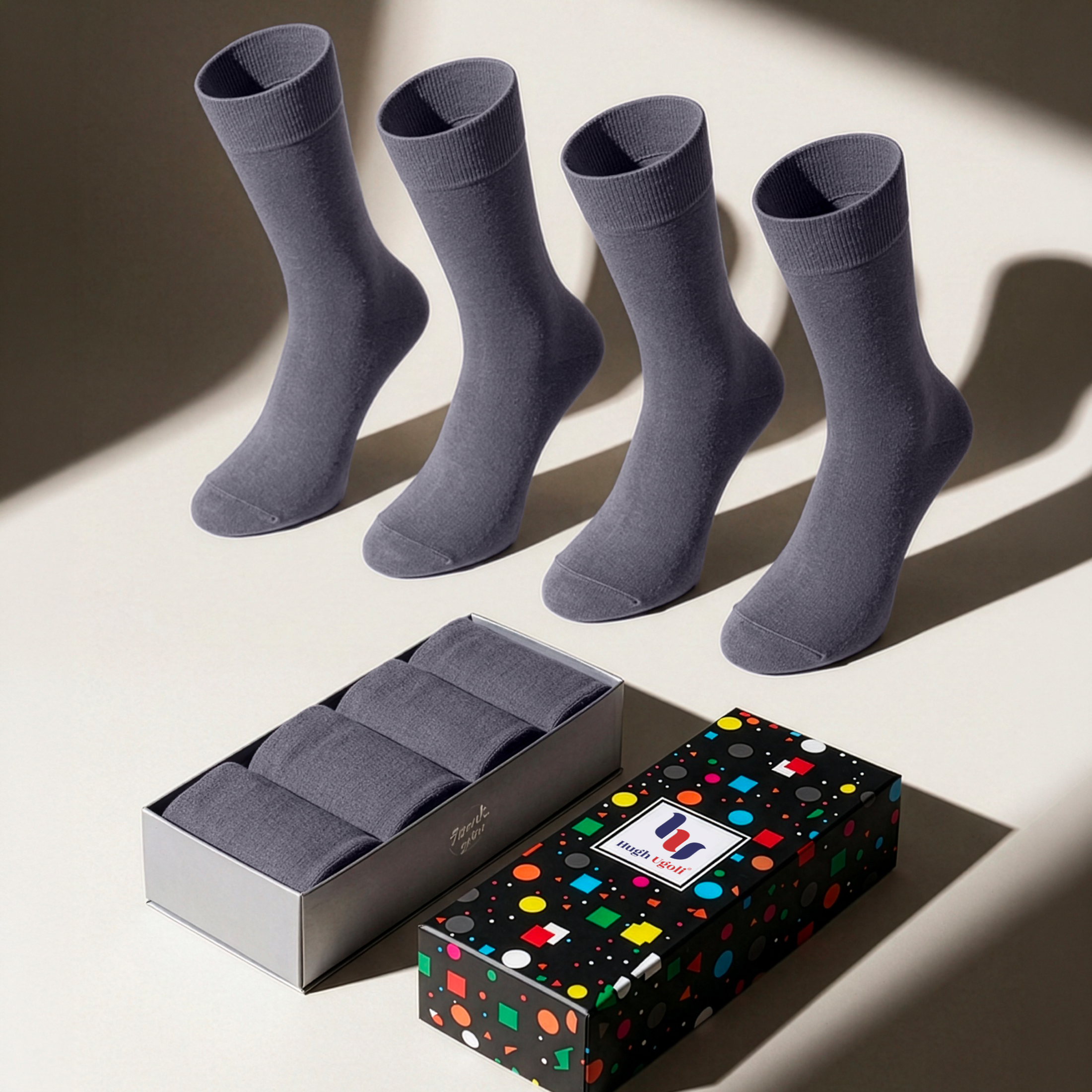
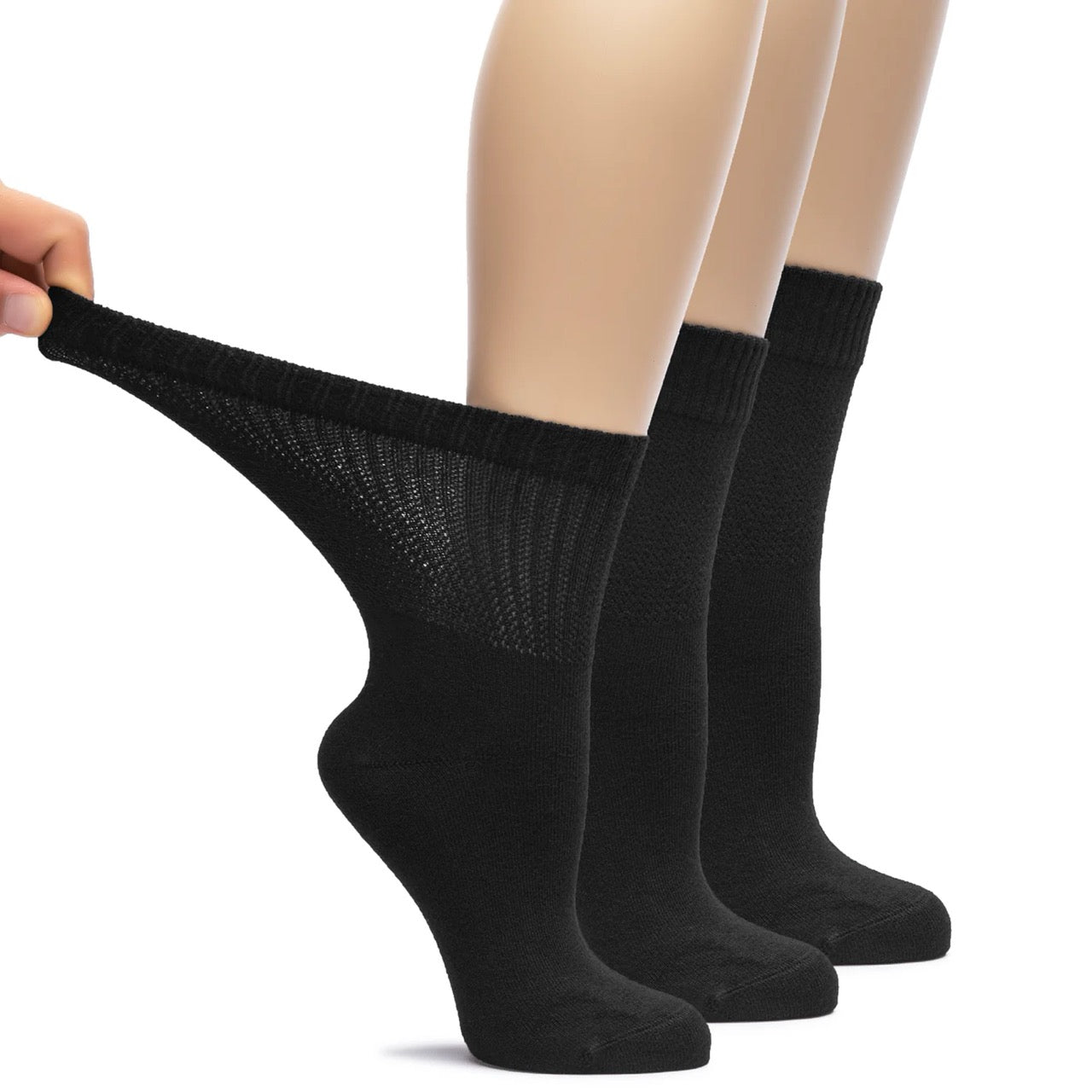
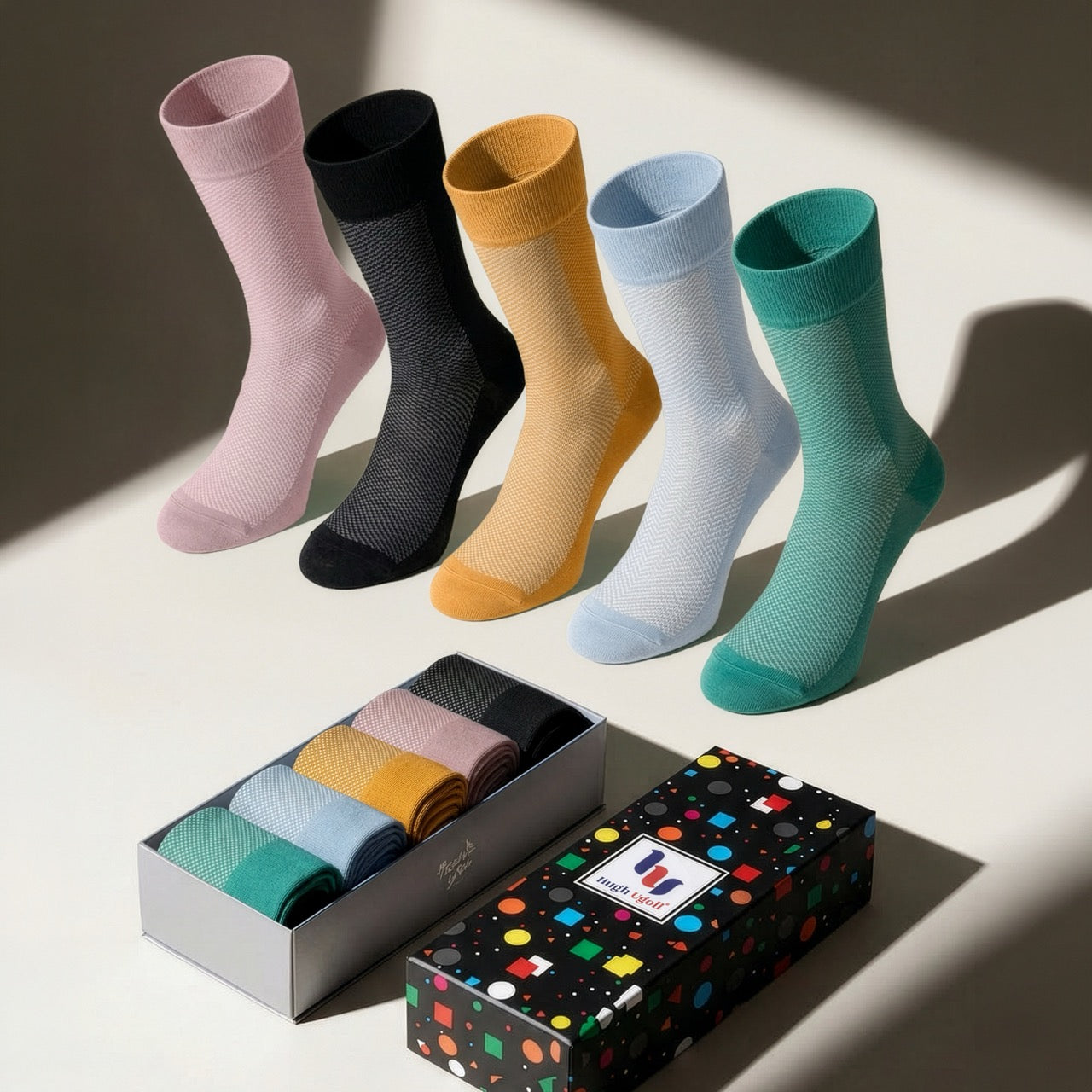
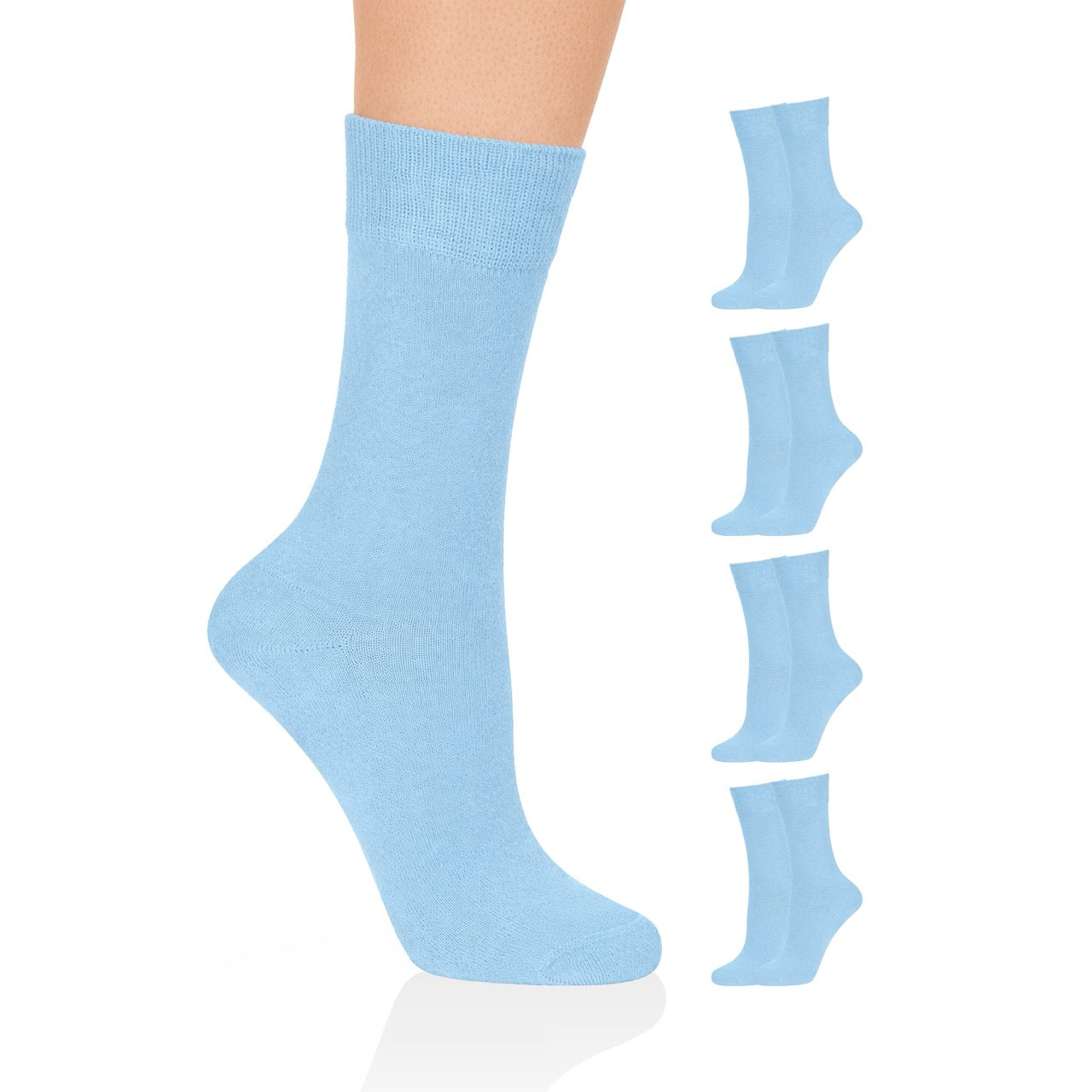
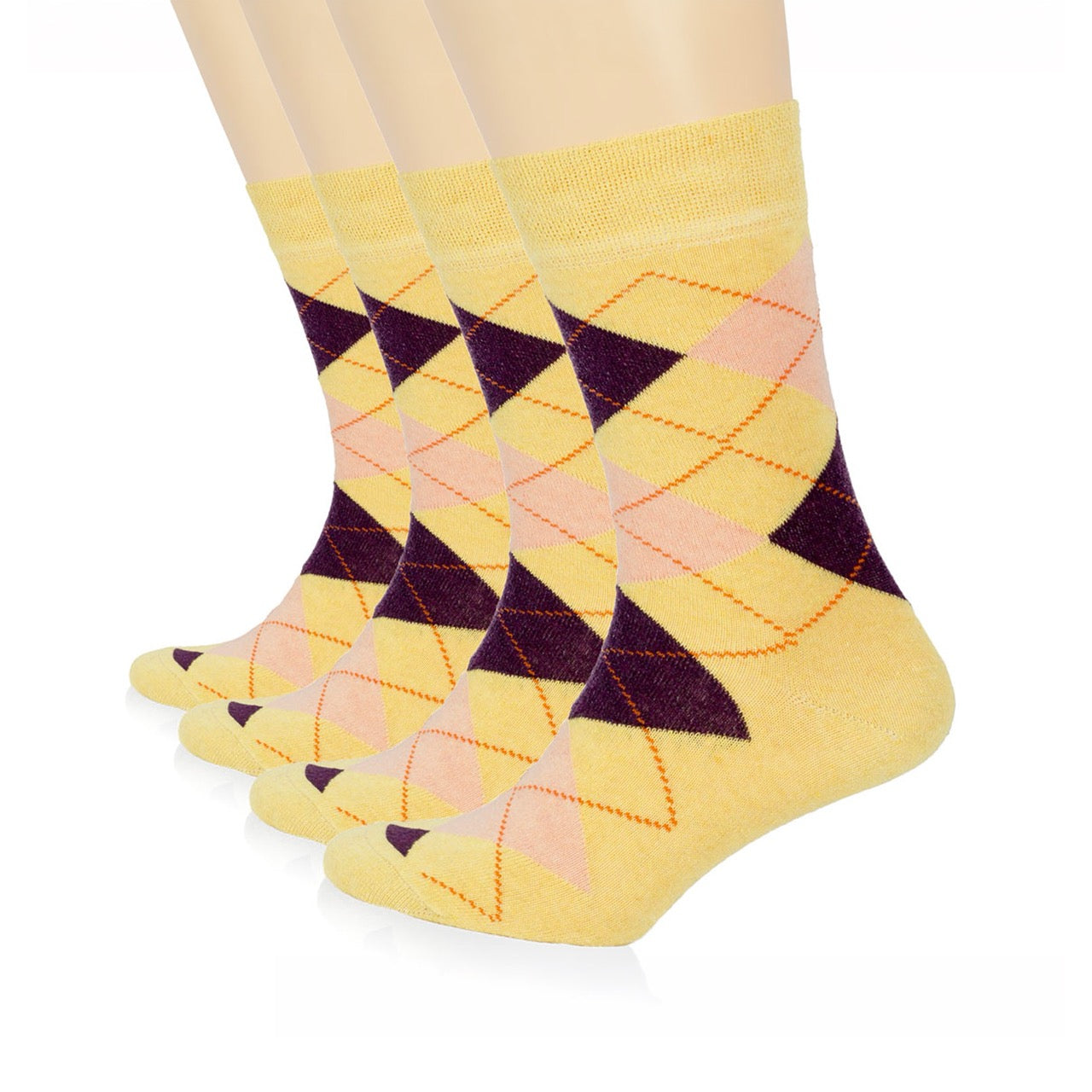
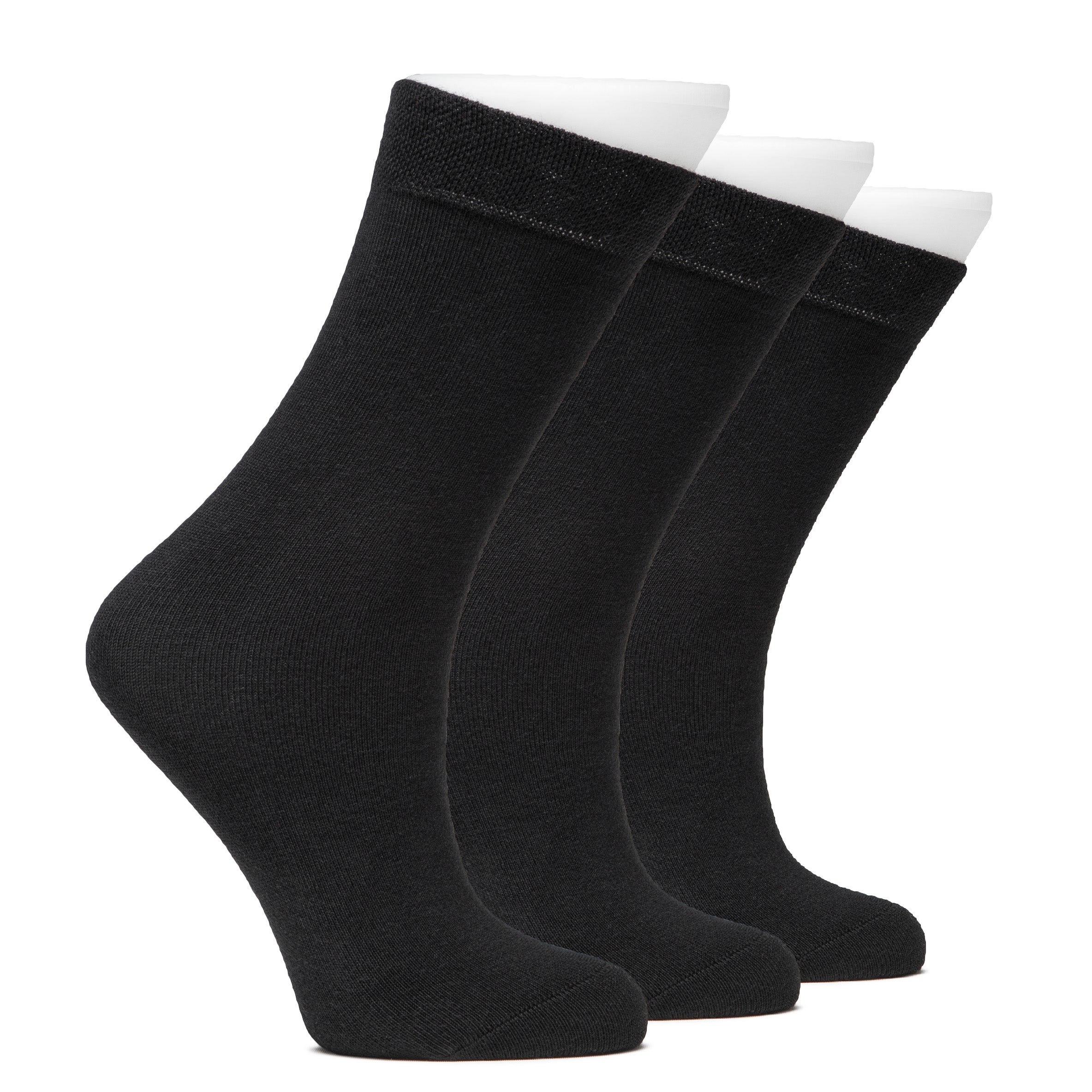
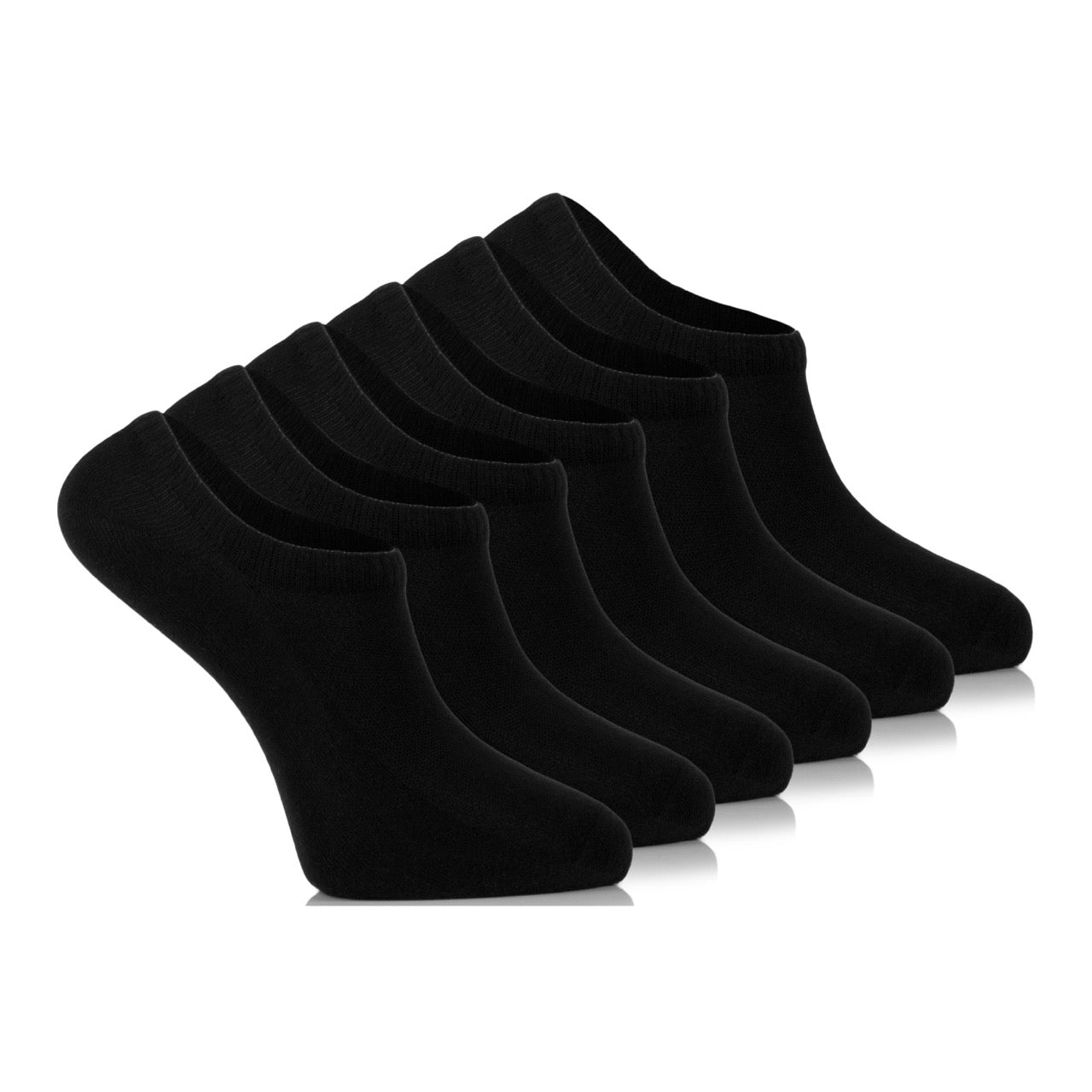
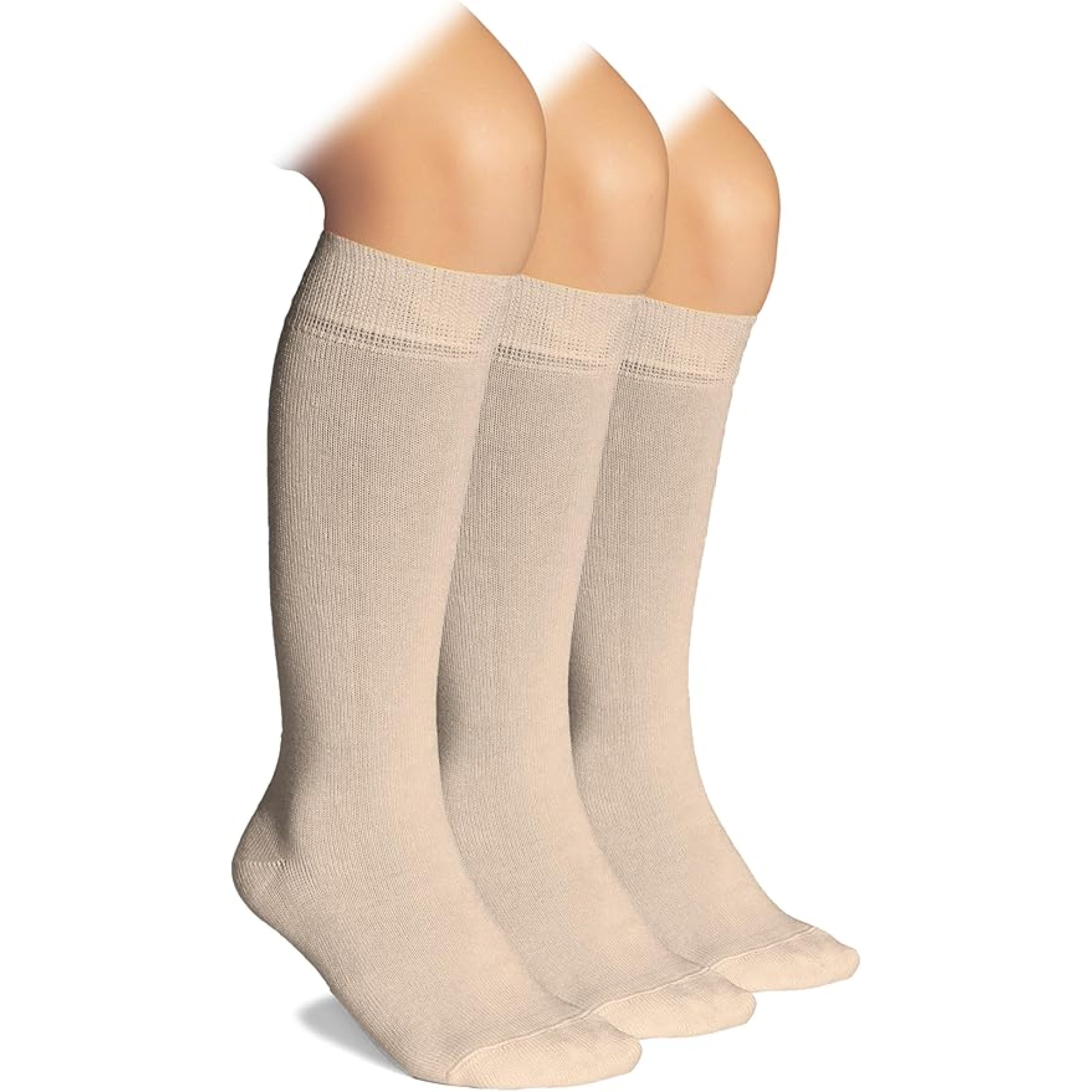


Pregnancy is a transformative journey that brings unique challenges, especially for those managing diabetes. The combination of increased blood volume, hormonal changes, and the added pressure on legs and feet can lead to swelling, discomfort, and circulatory issues. Diabetic socks — non-binding, cushioned socks designed for sensitive feet — are a comfortable, everyday option many pregnant women find helpful alongside their prenatal care.
A quick note: mild, gradual swelling in the feet and ankles is common in pregnancy. But according to ACOG, sudden or severe swelling of the face or hands, a headache that won't go away, vision changes, or upper abdominal pain can signal preeclampsia, a serious condition that needs prompt medical attention — not a sock recommendation.
1. Moisture-Wicking for Healthy Feet
Pregnancy can lead to hormonal changes that increase perspiration. Diabetic socks with moisture-wicking properties keep feet dry and comfortable, reducing the risk of fungal infections and irritation.
2. Comfortable Fit for Legs and Ankles
Swelling in the legs and ankles is a common concern during pregnancy. Diabetic socks are designed with a non-binding top rather than compression, which means they don't dig into swollen skin the way a regular sock might. This is particularly helpful for women who sit or stand for long periods and want comfort without constriction.
3. Comfortable, Non-Restrictive Everyday Wear
With increased blood volume during pregnancy, comfort at the ankle and foot matters. Diabetic socks are designed to avoid restricting circulation with tight bands, which many pregnant women find more comfortable for daily wear than tighter sock styles.

Pregnancy often brings swelling, discomfort, and changes to the legs and feet. Understanding these challenges can help you choose the right socks for comfort and support — while also knowing when swelling needs medical attention rather than a footwear fix.
4. Managing Swollen Feet in the Third Trimester
As your pregnancy progresses, swelling in the feet and ankles can become more pronounced due to fluid retention. Elevating your feet regularly and wearing non-binding socks can offer everyday comfort — but sudden or severe swelling should be discussed with your OB-GYN.
5. Foot Comfort for Mother and Baby
Comfortable, non-restrictive socks can reduce everyday irritation during pregnancy, though sock choice is not a substitute for prenatal care and monitoring.
6. Tackling Pregnancy-Induced Foot Discomfort
Hormonal changes can lead to softening of the ligaments in your feet, causing discomfort. Cushioned, non-binding socks can offer extra comfort during daily activities.
While socks play a role in everyday comfort, other options can help too:
For more tips on combining comfort and style during pregnancy, check out our blog: How to Choose the Perfect Socks for Diabetic Foot Health in 2025.
This article is for general information and is not medical advice. Talk to your OB-GYN about swelling, circulation, or diabetes management during pregnancy.
He has been working for more than 20 years in the textile industry and has work experience in many parts of the world.