Cart
0
You may also like
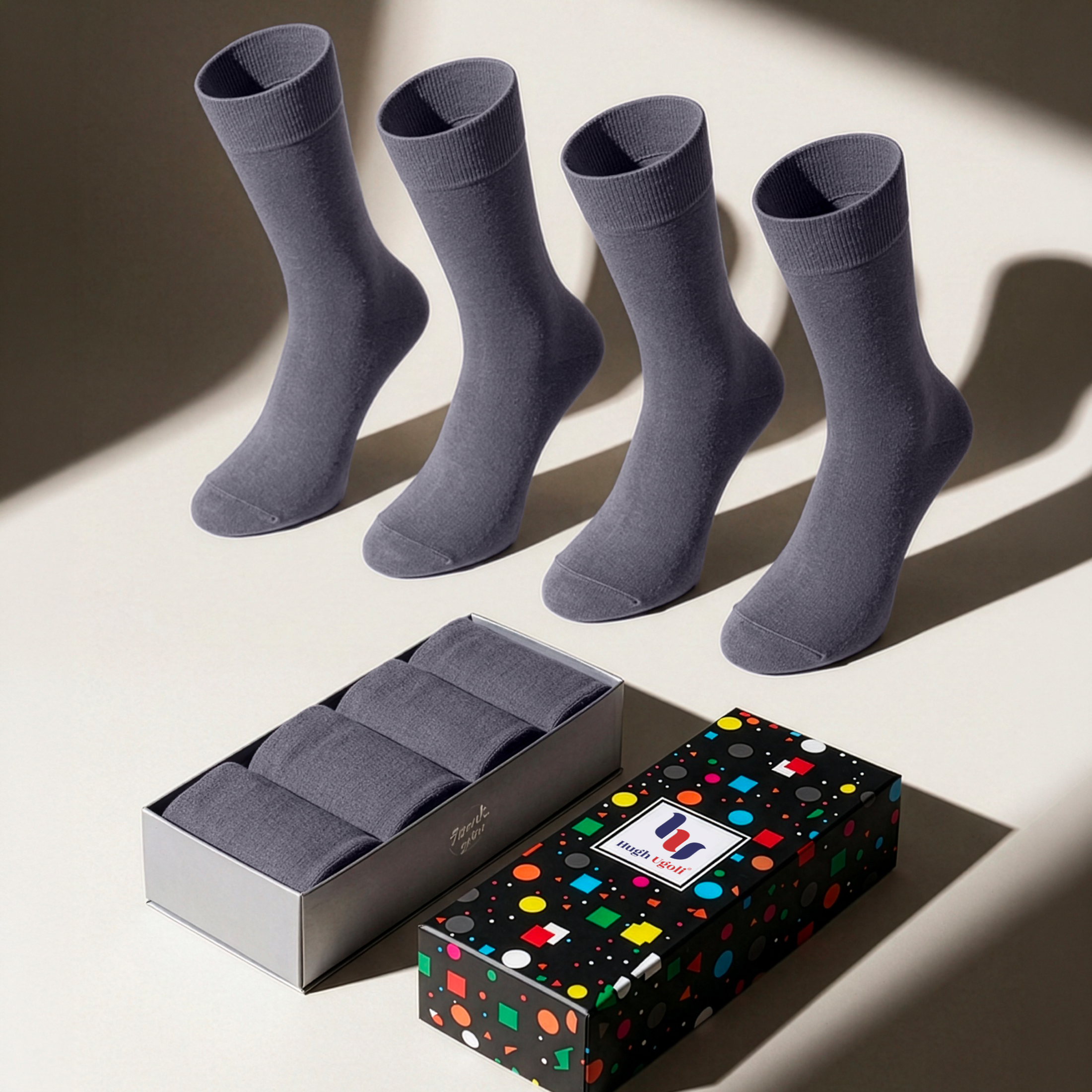
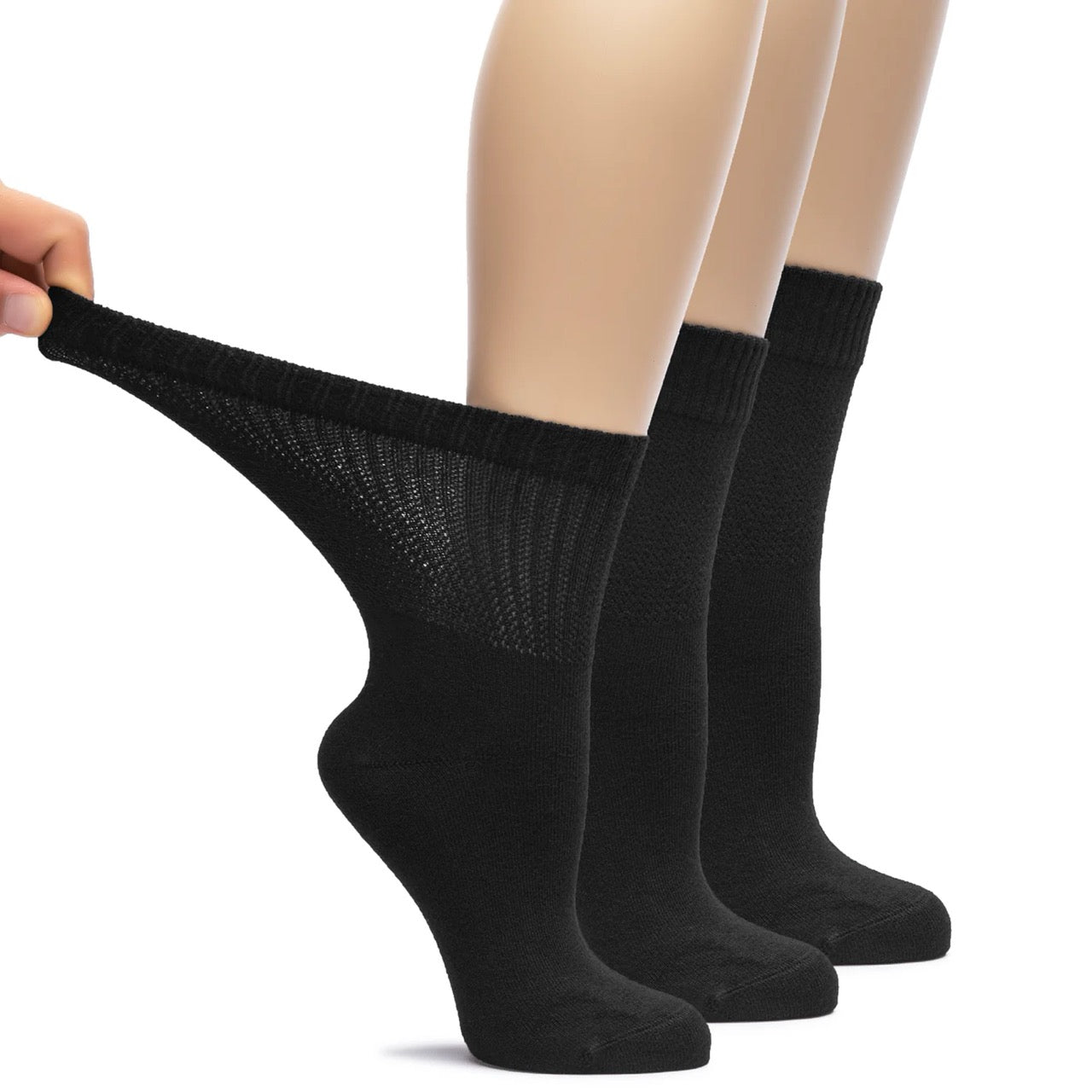
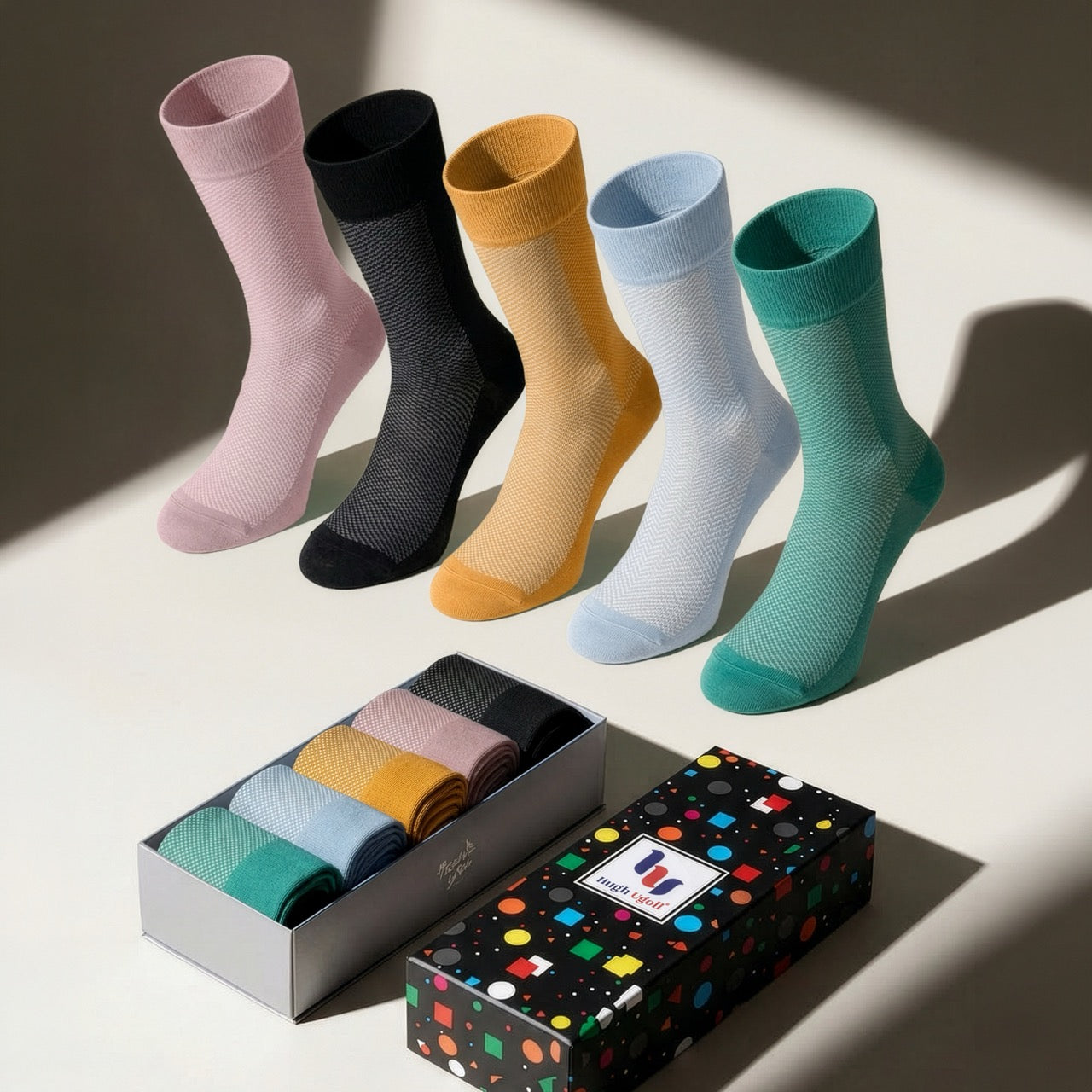
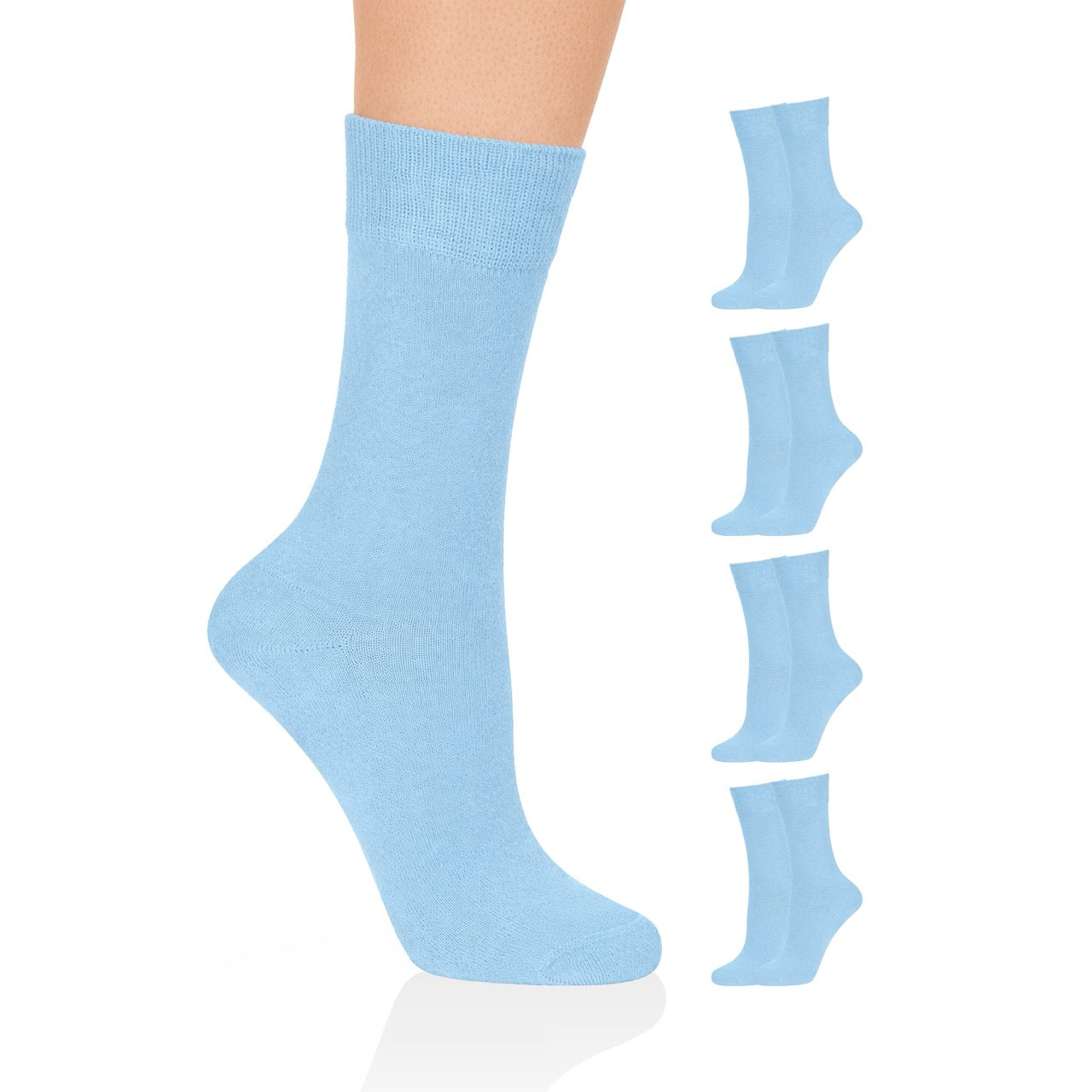
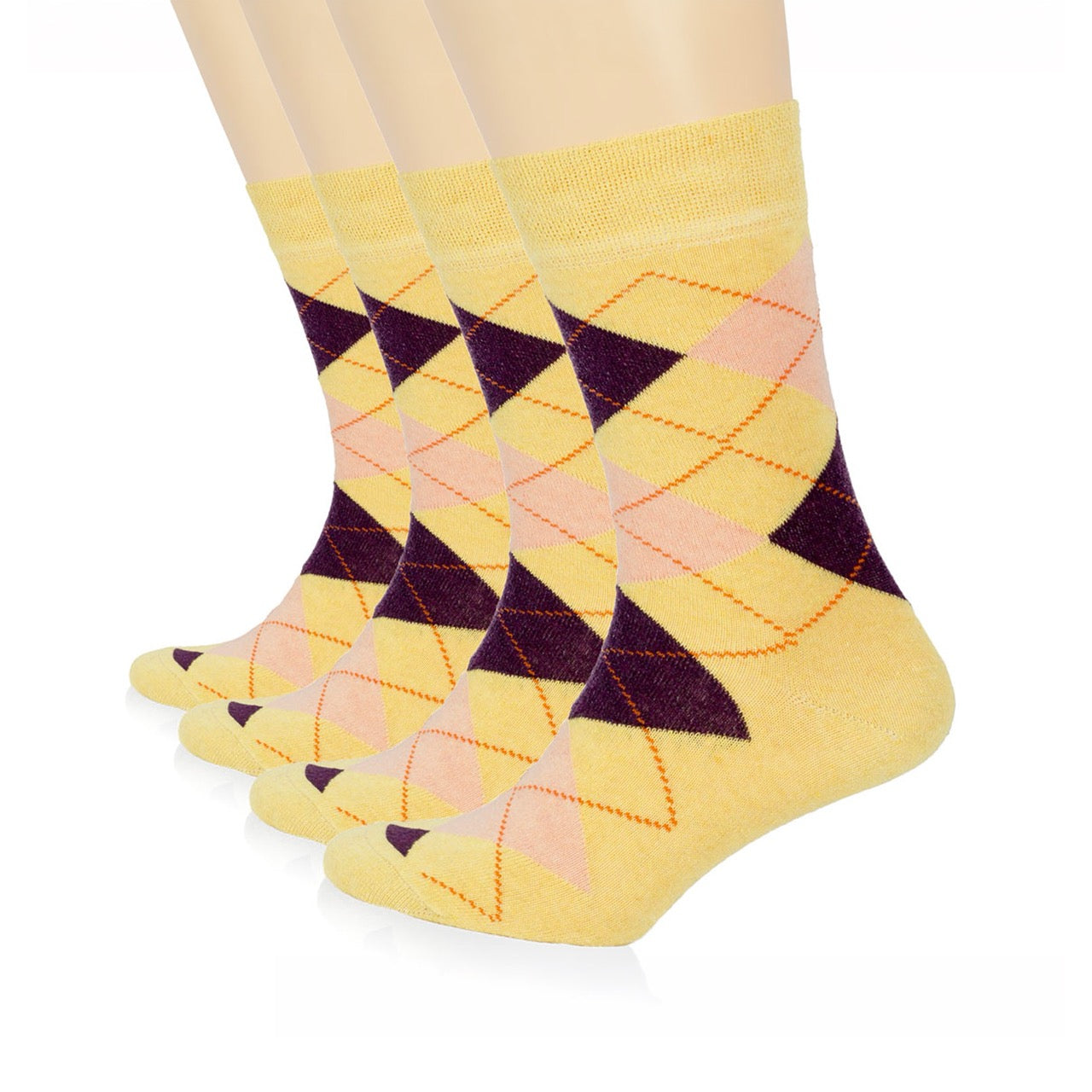
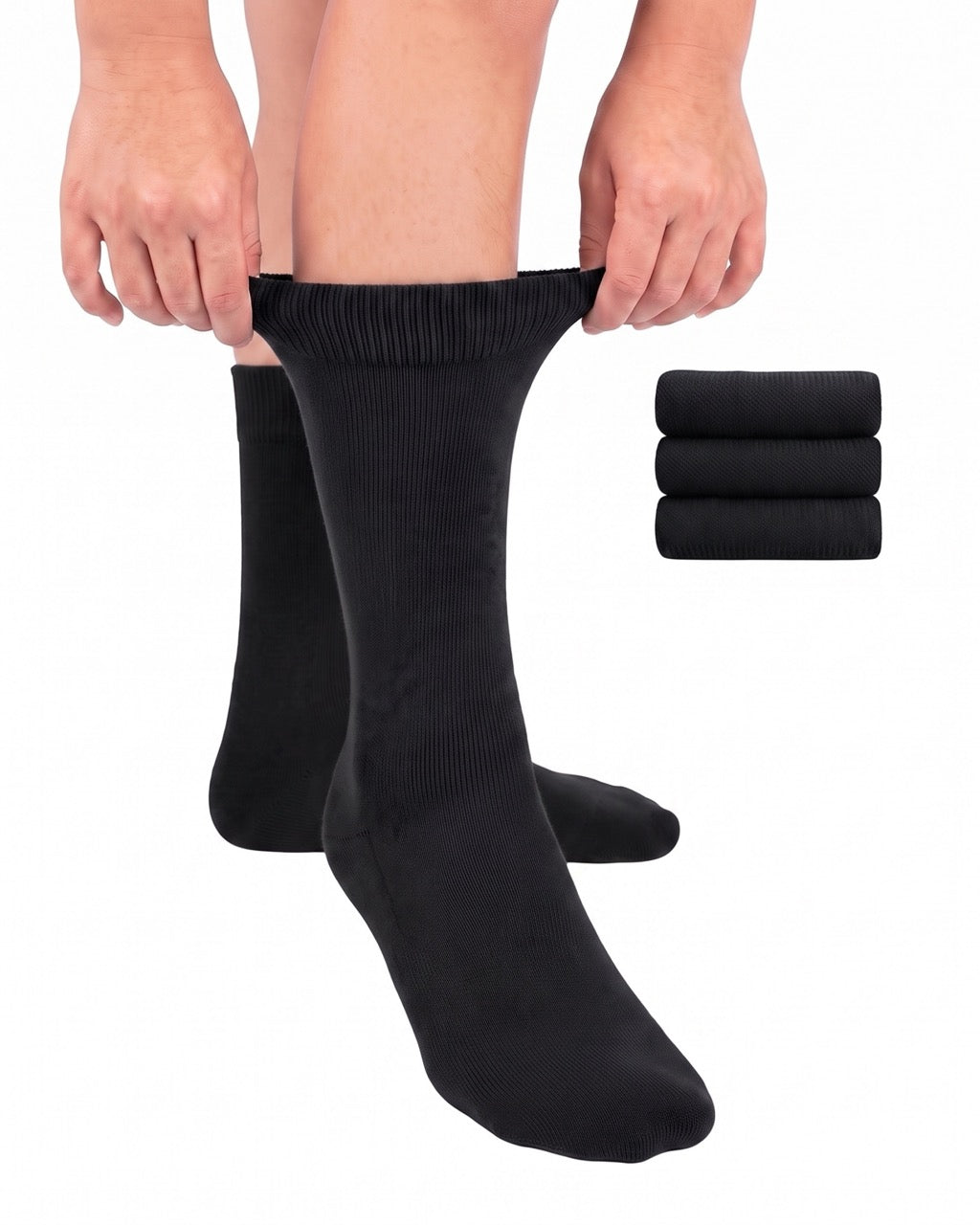
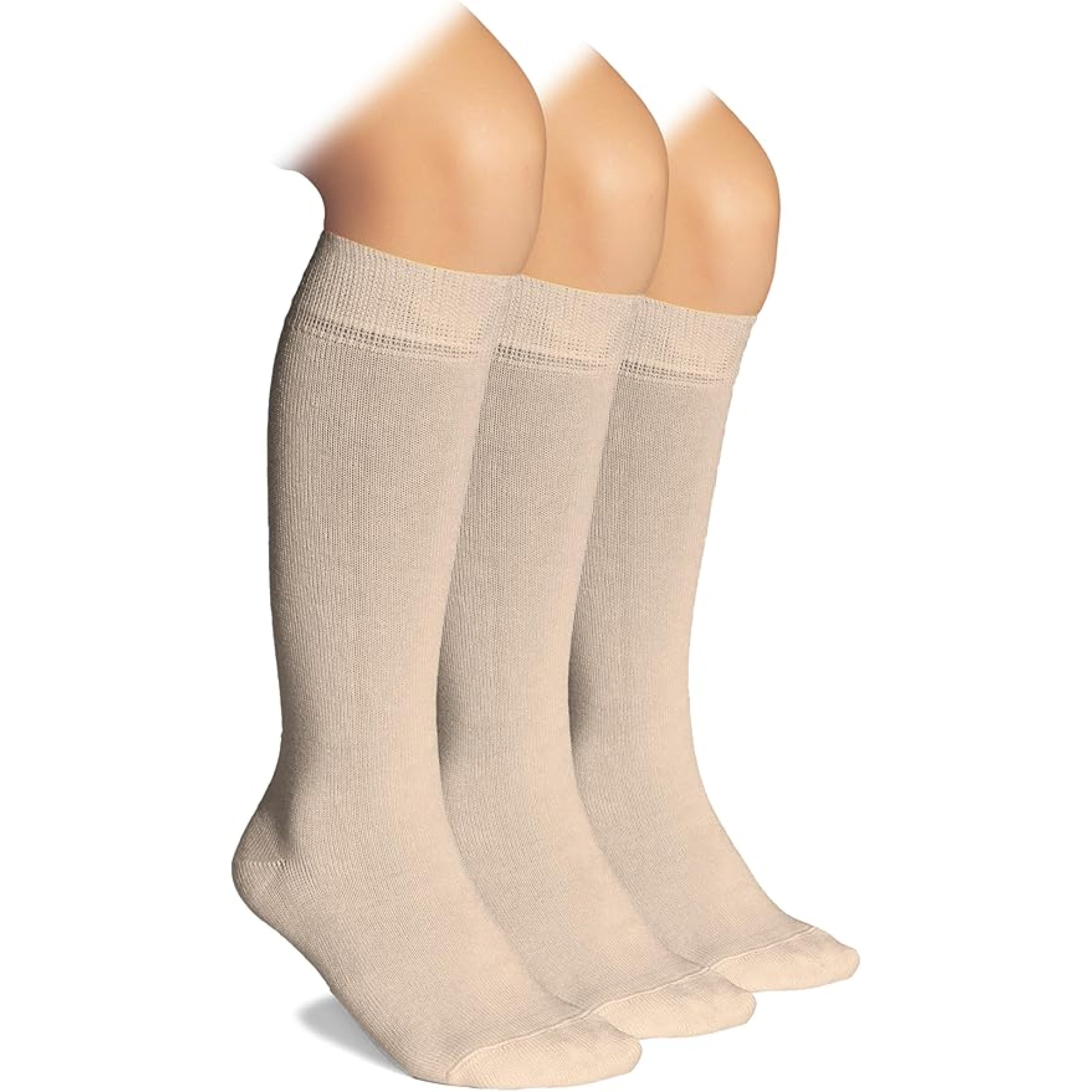


Quick Answer: Moisture control is essential for maintaining healthy feet. Excess moisture inside socks and shoes can create the perfect environment for fungal infections, skin irritation, and other foot problems. Choosing moisture wicking socks and maintaining proper foot care helps keep feet dry and comfortable throughout the day.
Many people focus on shoes when thinking about foot comfort, yet moisture management is often the hidden factor that determines whether feet stay healthy. Sweat, trapped heat, and prolonged wear of socks and shoes can quietly lead to a range of foot problems.
Understanding how moisture affects the skin and circulation of the feet helps prevent issues such as fungal infections, dry cracked skin, and discomfort during long periods of walking or standing.
The human foot contains thousands of sweat glands. During daily activities—walking, commuting, or standing for long periods—these glands continuously release moisture.
If that moisture cannot escape, it creates the perfect environment for bacteria and fungi to thrive.
This is why moisture management is one of the most important aspects of protecting your feet.
Without proper ventilation and moisture control, the inside of socks and shoes can become warm and damp, increasing the risk of irritation and infection.

Fungal infections are among the most common foot problems linked to excessive moisture. Damp conditions allow fungi to multiply rapidly, particularly in areas such as between the toes.
Keeping feet dry reduces the likelihood of fungal infections developing.
When moisture accumulates inside footwear, friction between the skin and the shoe increases. Over time, this can lead to blisters and skin irritation.
Moisture wicking socks help reduce this friction by pulling moisture away from the skin.
Interestingly, too much moisture can also lead to dry cracked skin. When the skin repeatedly absorbs and loses moisture, it may become weak and prone to cracking.
Maintaining balanced moisture levels is essential for maintaining healthy feet.
Circulation also plays a role in foot health. The feet contain a dense network of blood vessels responsible for regulating temperature and maintaining tissue health.
If feet remain damp for extended periods, the skin barrier may weaken, potentially affecting blood flow in the surrounding tissues.
Healthy circulation ensures that nutrients and oxygen reach the skin efficiently.
Maintaining proper blood flow is particularly important in cold weather, when temperatures drop and circulation naturally slows.
Many people associate sweaty feet with warm climates, yet moisture management remains important even in cold weather.
When temperatures drop, people often wear thicker socks and insulated footwear. While these provide warmth, they may also trap moisture if the materials are not breathable.
Trapped moisture can make cold feet feel even colder because damp fabric loses its insulating properties.
This is why moisture wicking socks are useful in both warm and cold environments.
Moisture wicking socks are designed to move moisture away from the skin and allow it to evaporate more easily.
Instead of trapping sweat inside the fabric, these socks transport moisture toward the outer layers of the sock where it can dry.
This process helps keep feet dry and reduces the likelihood of irritation or infection.
Materials such as merino wool or engineered fiber blends are commonly used because they balance breathability and insulation.
Moisture control works best when combined with consistent foot care habits.
Inspecting your feet daily allows you to identify early signs of irritation, redness, or skin changes.
This practice is particularly important for individuals who spend long periods in shoes or have circulation concerns.
Wash your feet daily using mild soap and warm water. After washing, thoroughly dry the feet—especially between the toes.
Leaving moisture behind can increase the risk of fungal infections.
Gently exfoliate the skin occasionally to remove dead skin cells. This helps maintain smoother skin and reduces the likelihood of dry cracked skin.
The combination of socks and shoes strongly influences moisture control.
Breathable footwear and moisture wicking socks allow air circulation, helping feet remain dry throughout the day.
These small habits contribute significantly to protecting your feet.
Moisture management is not just about comfort. It is a critical component of long-term foot health.
By keeping feet dry, maintaining proper blood flow, and choosing appropriate footwear, many common foot issues can be prevented.
Whether during warm summer days or cold winter months, managing moisture inside socks and shoes supports healthy feet and reduces the risk of irritation, infection, and discomfort.
Keeping feet dry helps prevent fungal infections, skin irritation, and odor while supporting overall foot health.
Moisture wicking socks move sweat away from the skin, allowing it to evaporate more easily and keeping feet dry.
Checking your feet daily allows you to detect early signs of irritation or infection before they become serious problems.
Socks that fit properly support comfort and circulation, while overly tight socks may restrict blood flow.
He has been working for more than 20 years in the textile industry and has work experience in many parts of the world.