Cart
0
You may also like
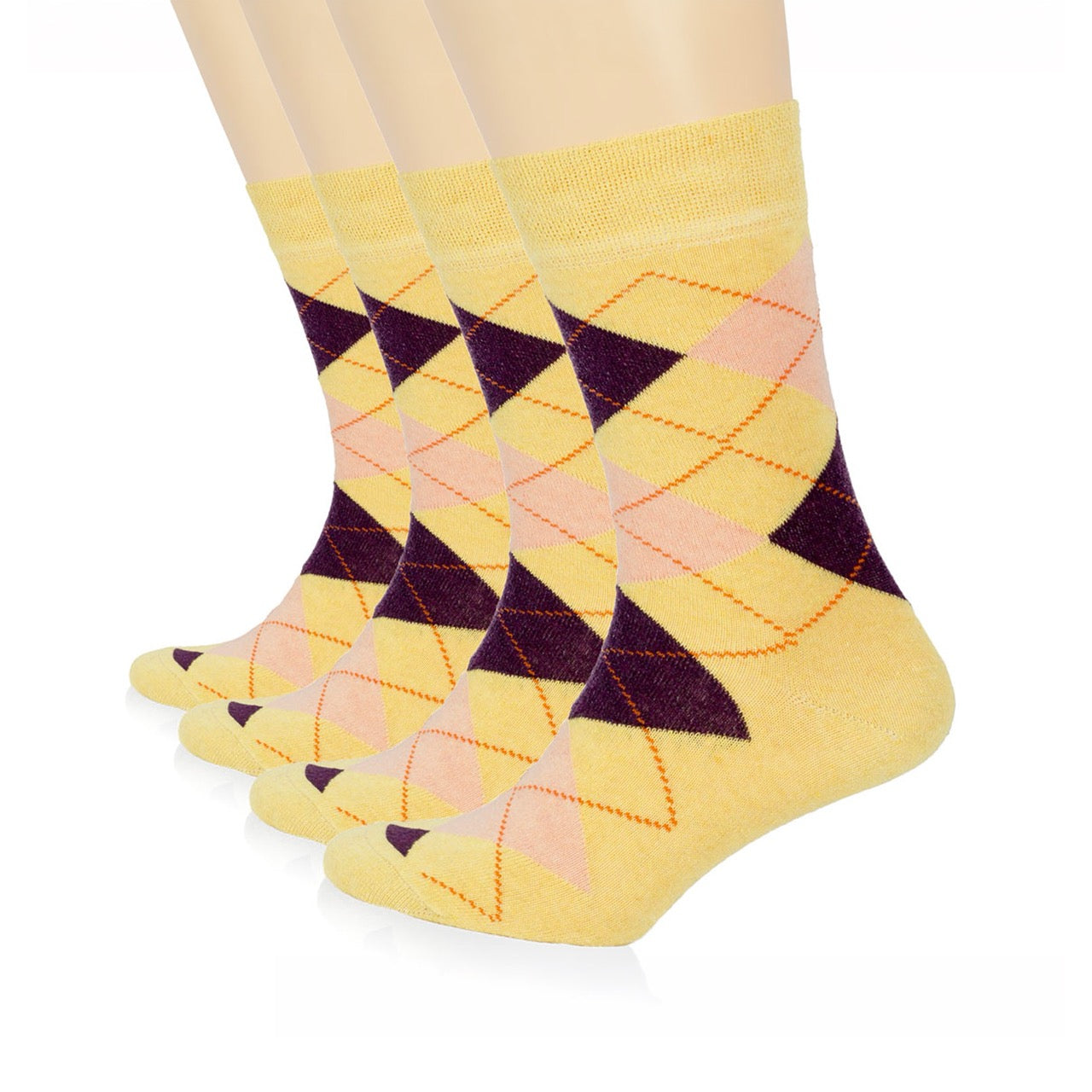
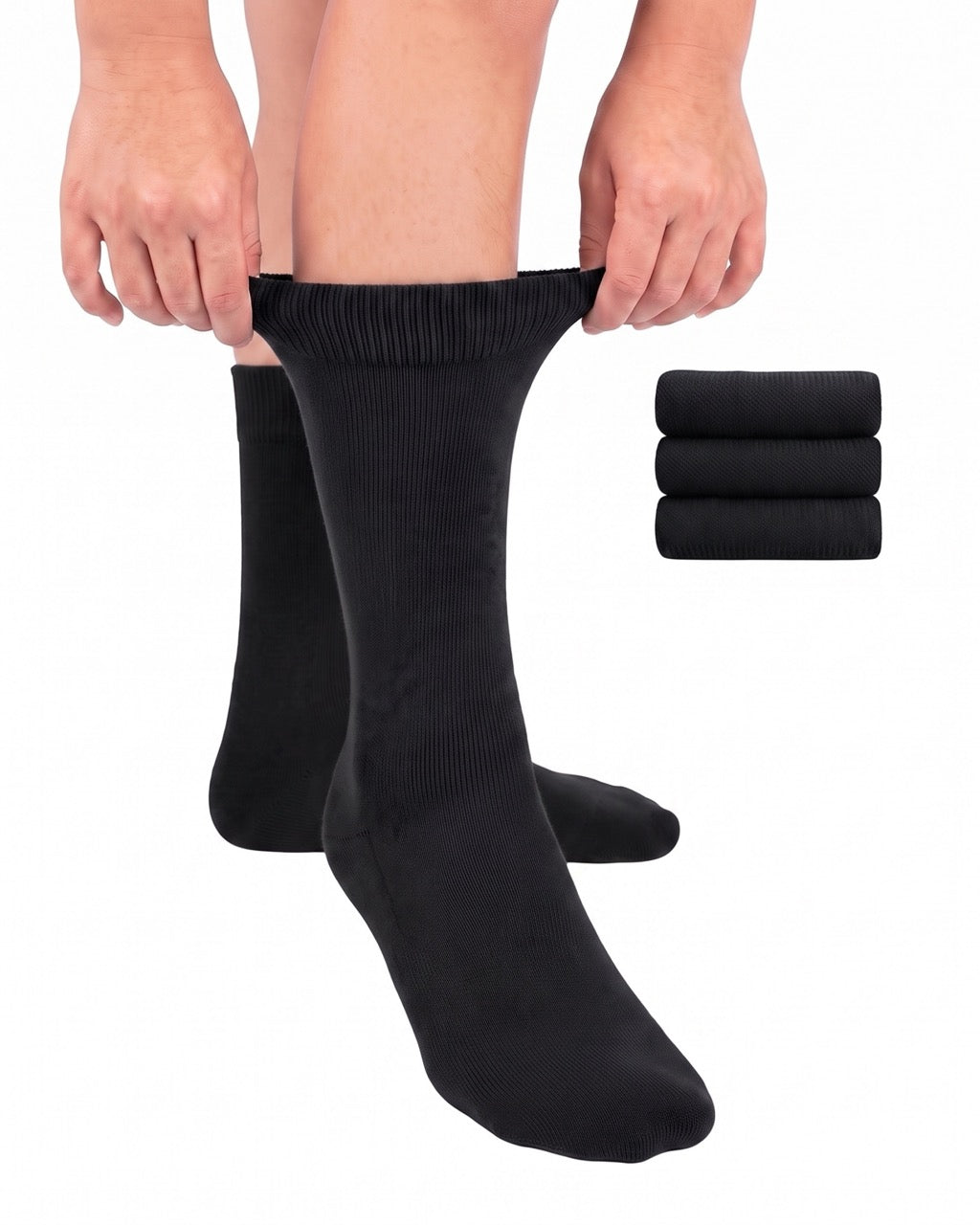
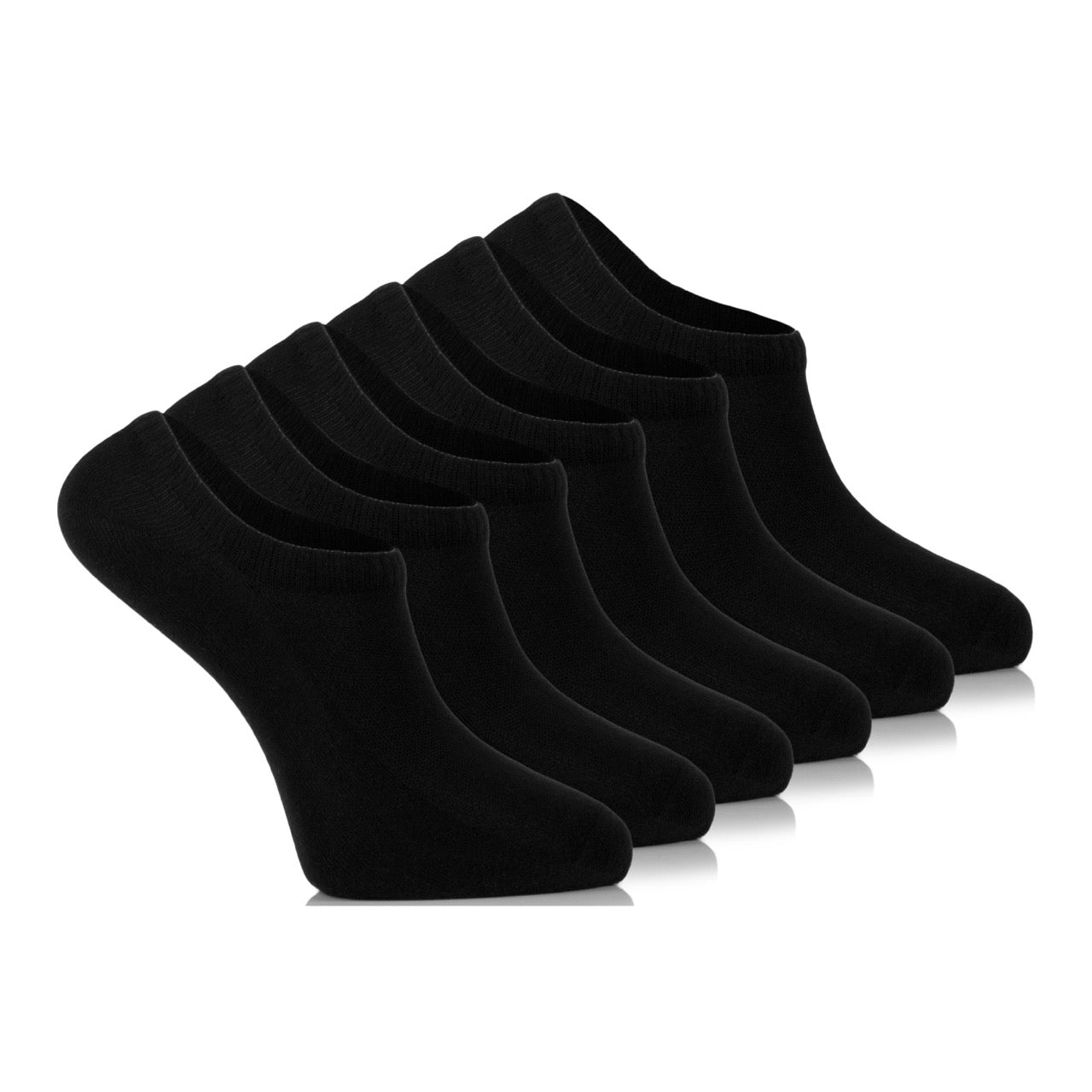
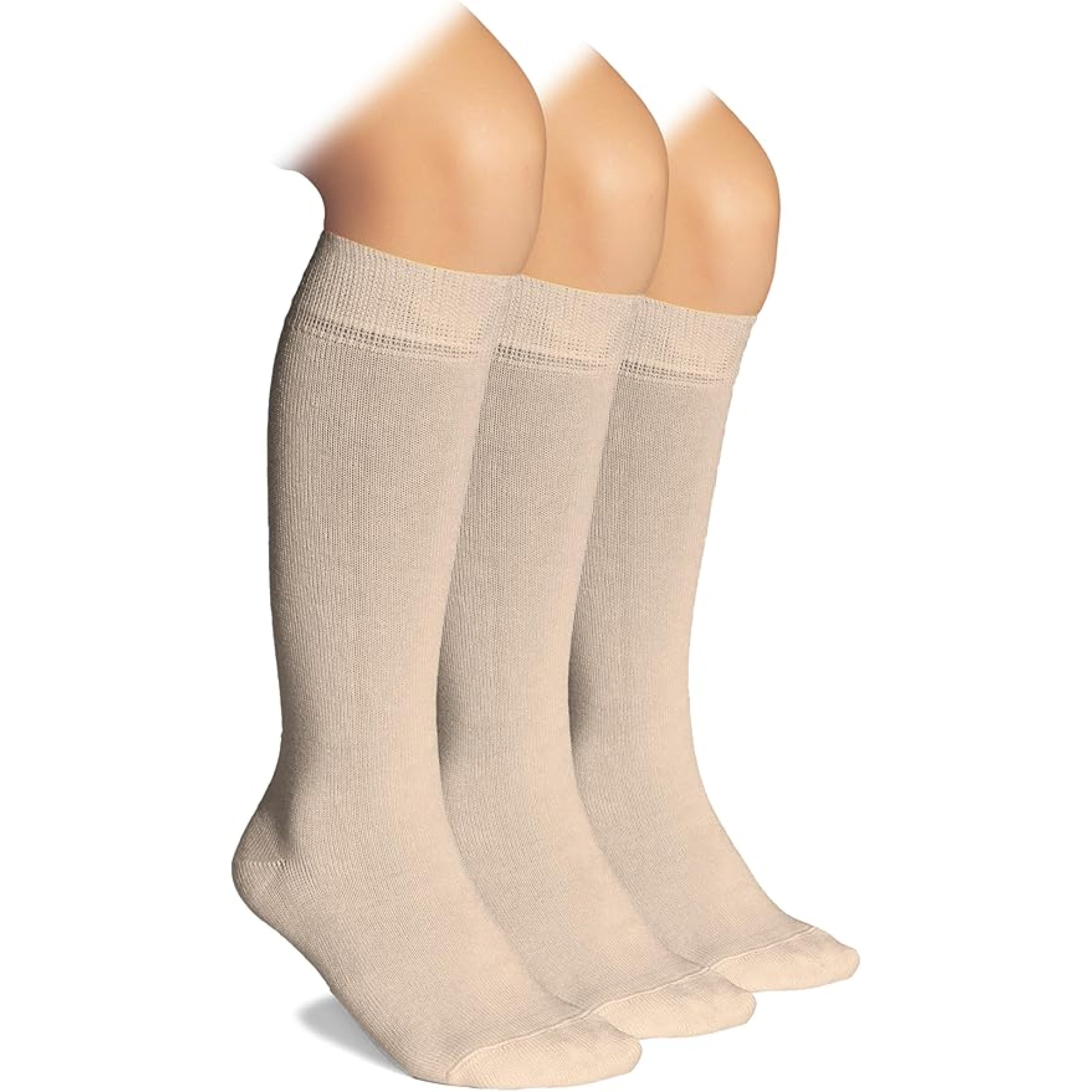


Organising a sock drawer that stays organised takes six steps: pull everything out and audit it, declutter anything with a thin heel or a dead cuff, sort into three or four categories rather than eight, pick a folding method (the flat fold-and-stand shows every pair at a glance), add dividers, and arrange by how often you reach for each category. The maintenance cost is five minutes after each laundry load — fold immediately rather than dropping socks in loose. Give unmatched singles a two-week waiting room, then let them go.
Key Takeaways
Most people's sock drawer exists in a state somewhere between "loosely organized" and "chaotic pile." You dig through it each morning, eventually find two matching socks that are close enough, and remind yourself you'll sort it out this weekend. Then the weekend comes and goes. This guide is for the moment you're finally ready to do it properly — not just fold everything and call it a day, but build a system that actually holds. We'll walk through how to audit your current collection, declutter strategically, choose the right organizational method for your space, and set up a routine so the drawer stays organized rather than reverting to chaos in two weeks.
A disorganized sock drawer might seem like a trivial problem, but it has real downstream effects. The most obvious is wasted time — digging through an unsorted pile every morning adds up. Less obviously, a messy drawer makes it harder to see what you actually have, which leads to wearing the same three pairs repeatedly while the others go ignored, or continuing to buy socks you don't need because you can't quickly assess what's missing.
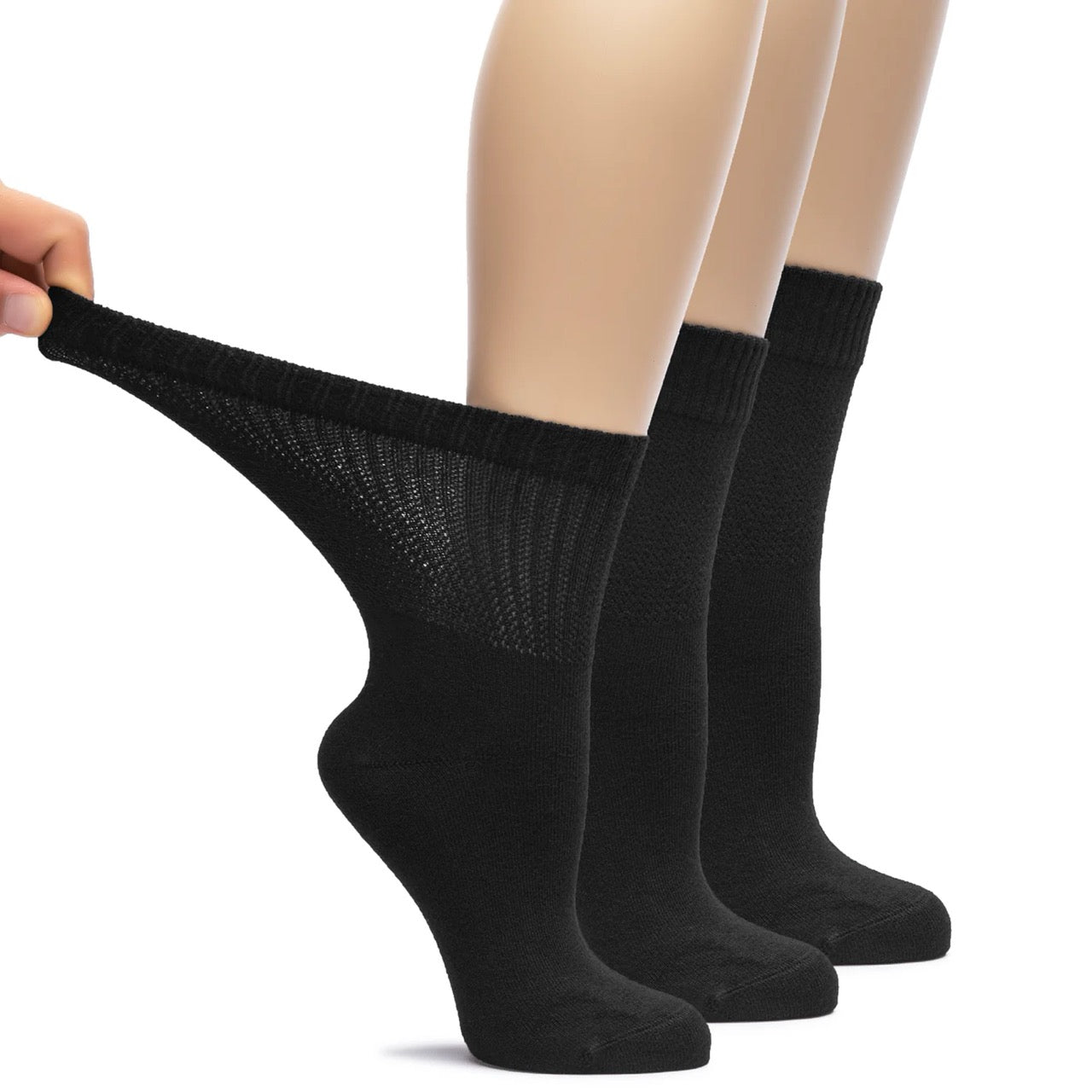
For people who need to wear specific types of socks for health reasons — diabetic socks, non-binding ankle socks, cushioned styles for foot conditions — organization becomes more than convenience. Quickly identifying the right pair in the morning matters. A well-organized sock drawer also extends the life of your socks: when every pair is visible, you rotate through them consistently rather than wearing some to exhaustion while others sit unworn.
Before any organizing can happen, you need to know what you're working with. Take everything out and sort them into categories on a flat surface. Be ruthless — the goal isn't to organize everything you own but to curate a collection that's actually useful.
Many people discover at this stage they own far fewer functional pairs than they thought. A common ratio is 30 socks but only 10–12 pairs worth keeping. This is useful information — you know what to replace and can do so intentionally.
Socks are daily-use items with a real functional life cycle. Here's how to evaluate borderline cases:
The threshold most organizational experts suggest: if you wouldn't reach for this pair when the others are clean, let it go.

Sort by category before organizing. Common categories include everyday/casual ankle socks, dress socks (crew, business), athletic or sport-specific socks, no-show socks, diabetic or specialty socks, knee-high or over-the-calf, and seasonal socks stored separately off-season. Keep categories as simple as your life requires — over-categorizing leads to a system too complex to maintain. For most people, three to four categories is optimal.
The traditional approach: fold one sock over the other into a ball. It's intuitive and pairs stay together, but it stretches the band of the outer sock over time and bundles don't stack efficiently in a drawer. Works fine for fewer than 10 pairs.
Fold the socks flat into a small rectangle that stands upright in the drawer. Socks are stored vertically so every pair is visible at a glance — no digging. Works particularly well with quality socks that hold their shape. Excellent for bamboo or dress socks designed to maintain their structure.
Lay both socks flat, one on top of the other, roll them together from toe to cuff, and store the cylinder upright. Sturdier for athletic or thicker socks that don't fold as neatly. Less suitable for very thin dress socks.
Regardless of folding method, drawer dividers transform a standard sock drawer into a functional system. Compartments keep categories separated and prevent drift back to chaos. Adjustable dividers are the most flexible option. Small honeycomb organizers within a drawer work well and can be reconfigured as your collection changes.
Arrange based on frequency of use. The socks you reach for every morning should be at the front or top. A practical layout for a standard drawer: front-left for everyday ankle socks, front-right for dress socks, back-left for athletic socks, back-right for no-shows and specialty socks.
If you manage diabetic or specialty socks for a health condition, make these the most accessible items in the drawer — front and center — since choosing the right sock in the morning should be effortless.
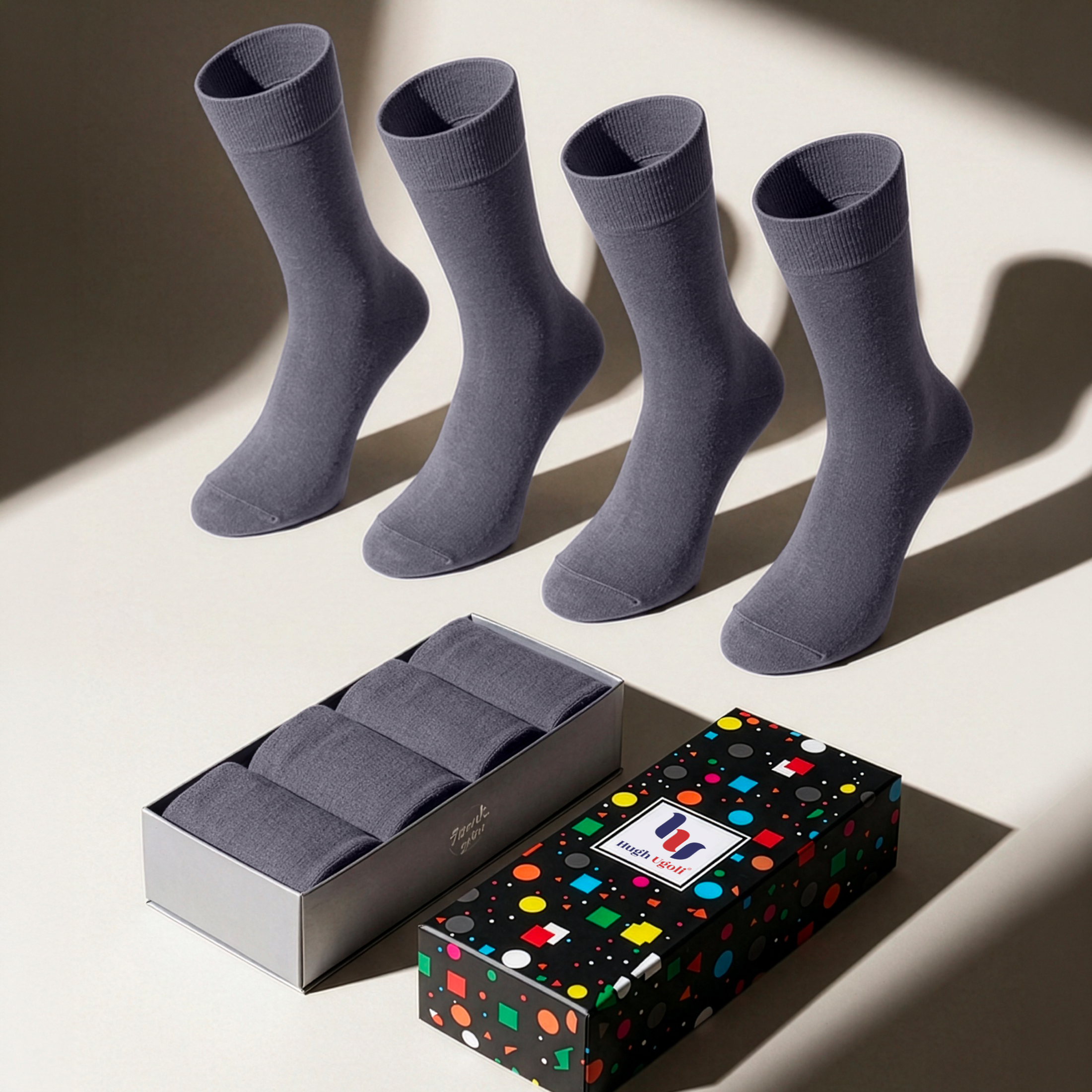
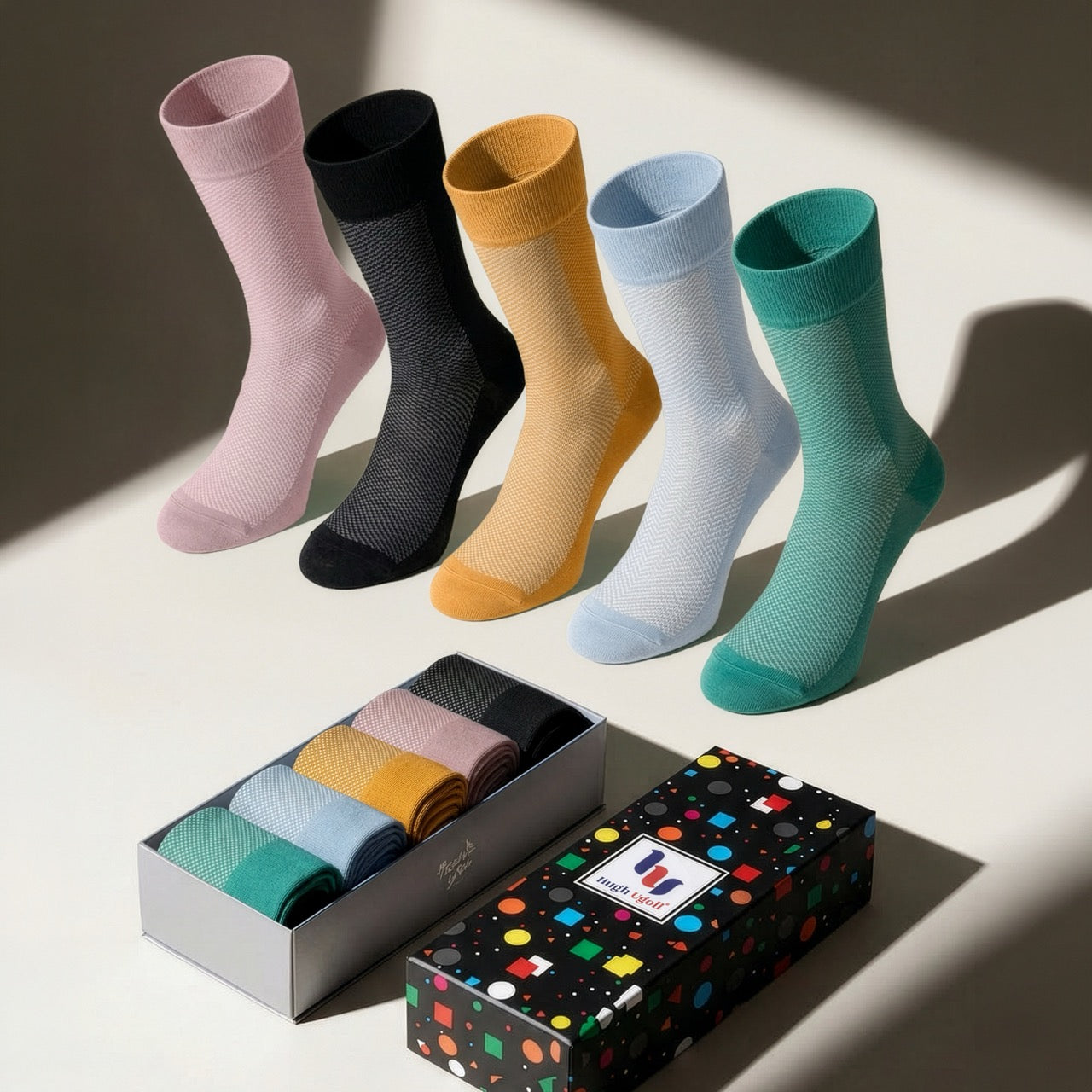
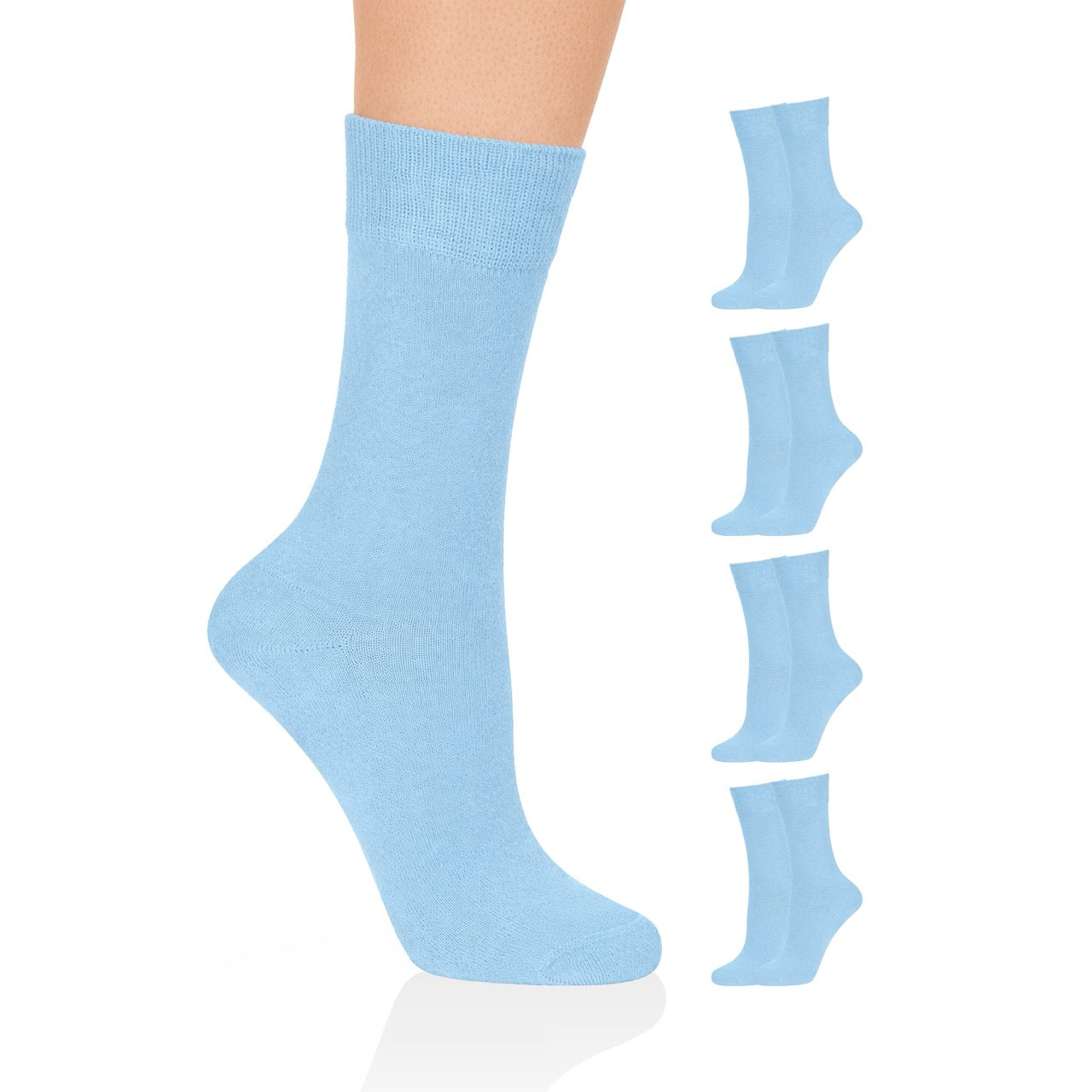
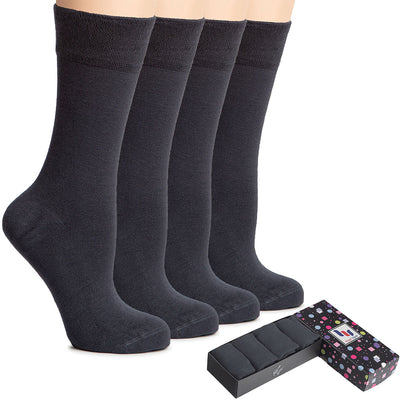
Post-declutter, you'll likely have gaps. This is the moment to replace worn-out pairs intentionally. For everyday wear, bamboo blend socks tend to hold their shape and softness through significantly more wash cycles than cheap cotton alternatives. The Hugh Ugoli Men's Bamboo Business Dress Socks come as a set of 4 pairs in classic neutrals — a practical foundation for the dress sock section of any organized drawer. For women, the Hugh Ugoli Women's Dress Crew Bamboo Business Socks offer the same quality-to-value ratio in a range of colors that work both at the office and on the weekend.
When restocking, buy in consistent sizes rather than whatever's on sale. Consistent sizing means socks are genuinely interchangeable — any pair from a category can be matched with any other.
Thick wool or winter socks don't belong in the same space as summer ankle socks — the bulk takes up space you need for socks you're actually using. Store off-season socks in a labeled container in a closet or under-bed storage, and rotate them into the main drawer at the season change. The same logic applies to very specific-use socks you wear less than once a month. A small bag with a label keeps them accessible without cluttering daily-access drawer space.
Children's socks are a particular challenge because they vary in size as children grow and kids are hard on socks. Keep children's socks in their own section or separate container, and cull monthly rather than quarterly since outgrown pairs accumulate quickly. For couples sharing a drawer, color-coded dividers or a simple left/right spatial convention removes a small but persistent daily irritation.
The vertical fold-and-stand method (KonMari fold) is consistently the most space-efficient and maintainable approach. Fold the pair flat, fold again into a small rectangle, and store standing upright so you can see every pair at a glance. For thicker or athletic socks, rolling into a cylinder and standing upright works well. Avoid tucking one sock over the other into a ball — it stretches the outer band over time.
A practical minimum for most adults is 7 to 10 pairs of everyday socks — enough to go a full week between laundry cycles with some buffer. Add 3 to 5 pairs of dress socks if you wear them regularly for work. Beyond that, it depends on lifestyle: frequent travelers may want more, people with short laundry cycles may need fewer.
Yes. Socks you don't reach for when other options are clean don't serve your actual preferences or needs. Holding onto them creates visual clutter and makes the pairs you want harder to find quickly. If they're in good condition, donation is a better option than discarding — socks are among the most requested items at shelters.
Small drawers benefit most from the vertical folding method and from limiting the number of pairs to exactly what you need. Use thin drawer dividers to create sections without taking up space themselves. If the drawer genuinely can't fit your collection comfortably, consider a small bin or basket for overflow sock types you use less frequently.
Organizing by type (ankle, crew, no-show, dress, athletic) is generally more functional than organizing by color. Type determines how you'll use a sock, while color is secondary to that decision. Within each type section, you can arrange loosely by color if it helps you find a specific pair quickly — but this is optional, not the primary organizational principle.


Discover All Hugh Ugoli Socks
Shop All Socks