Cart
0
You may also like
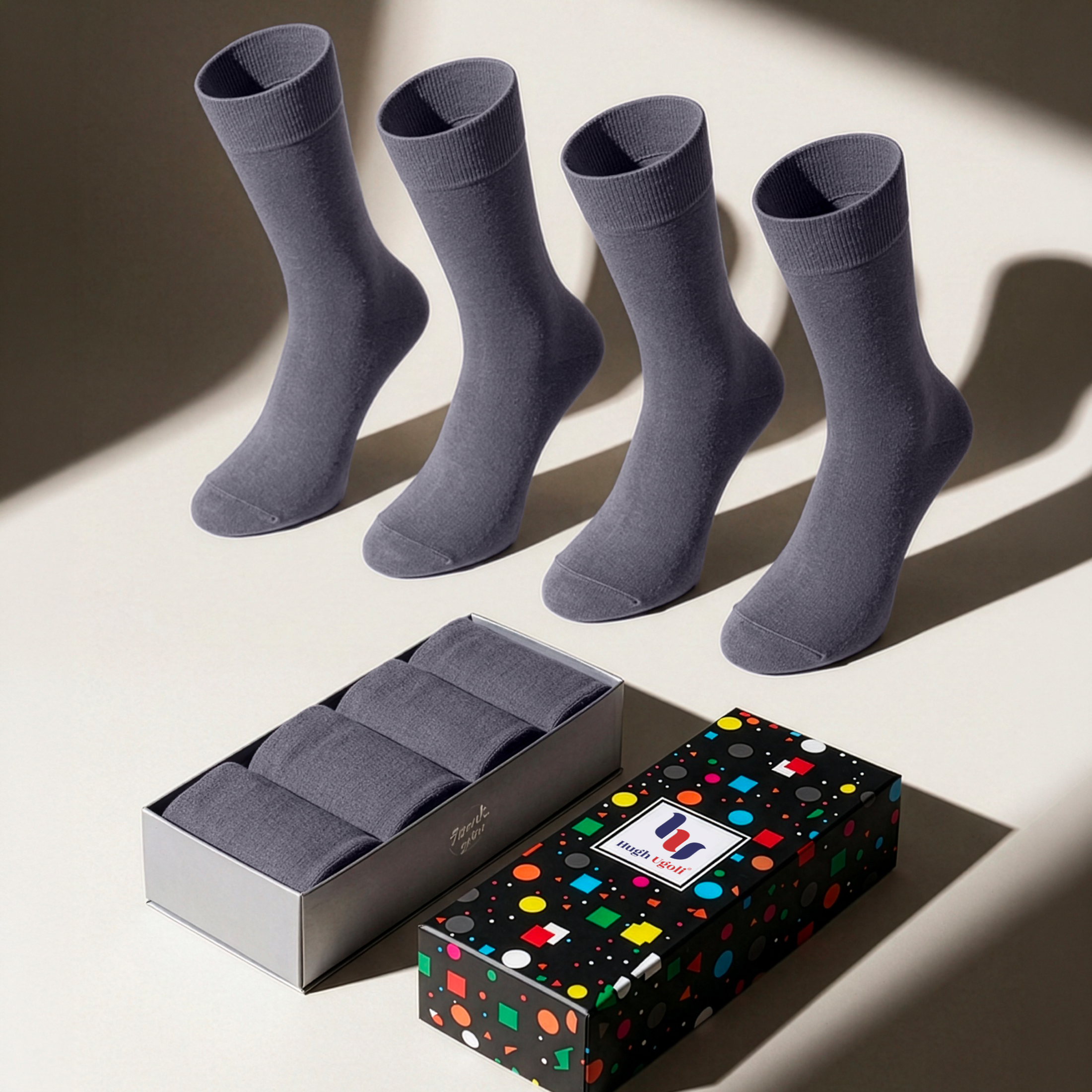
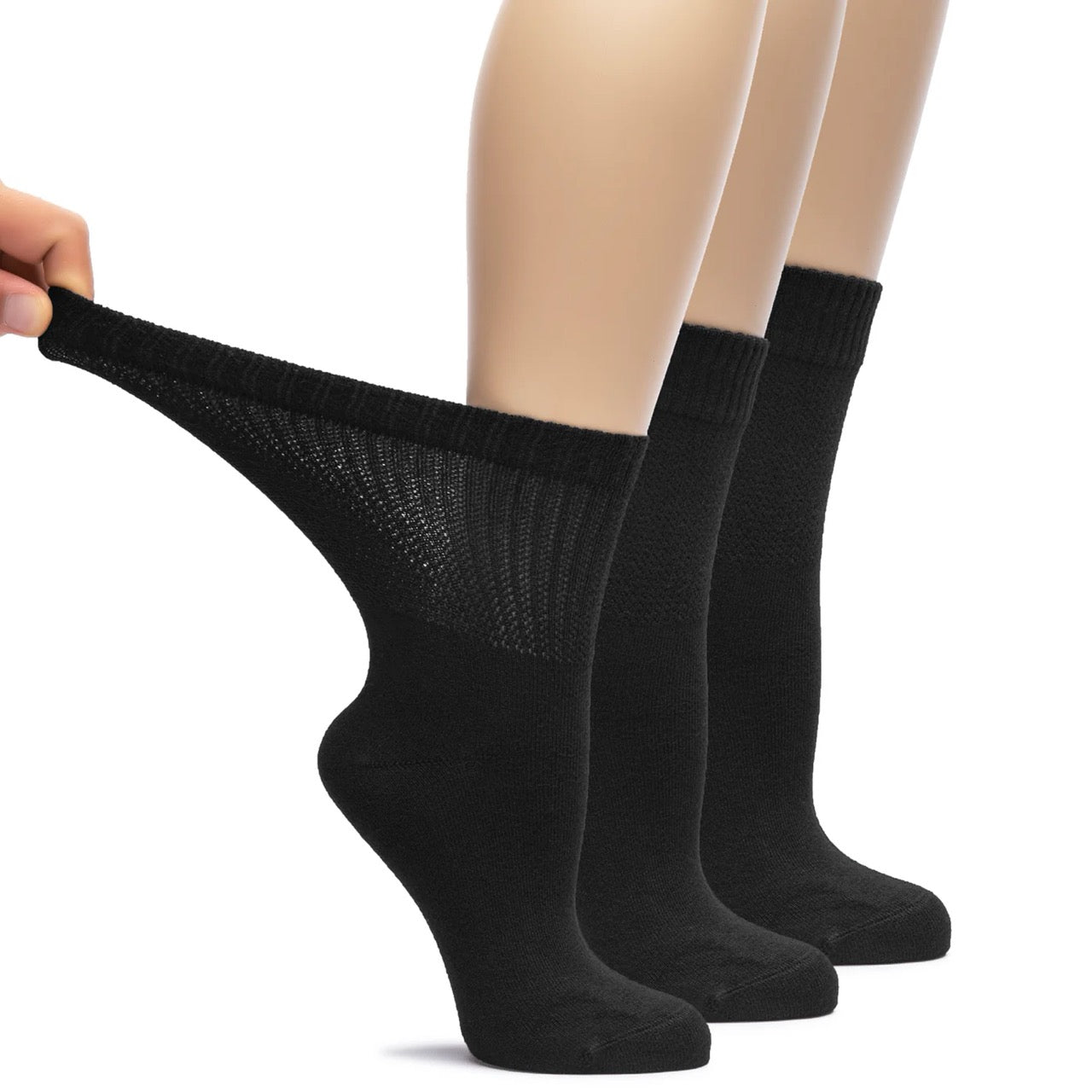

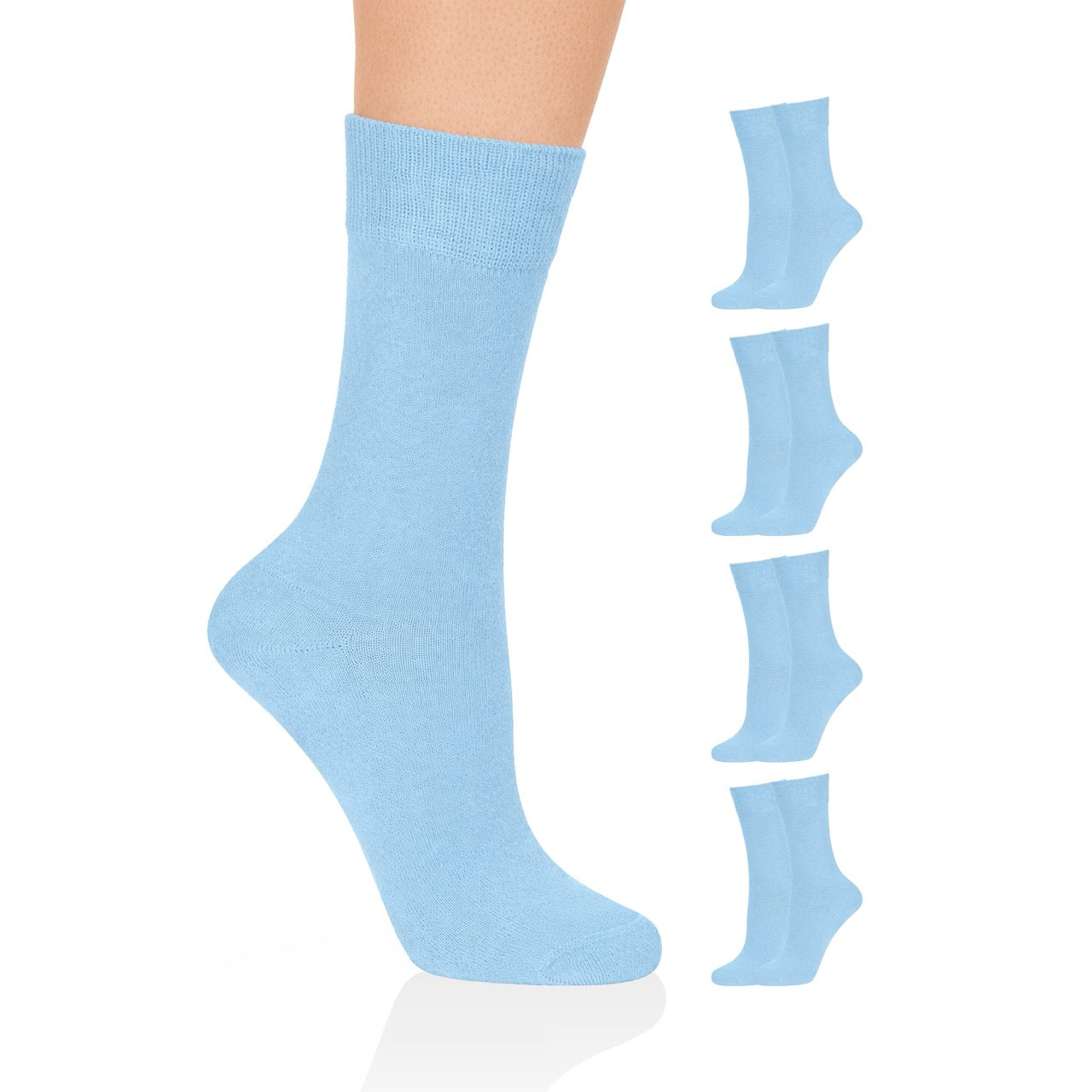
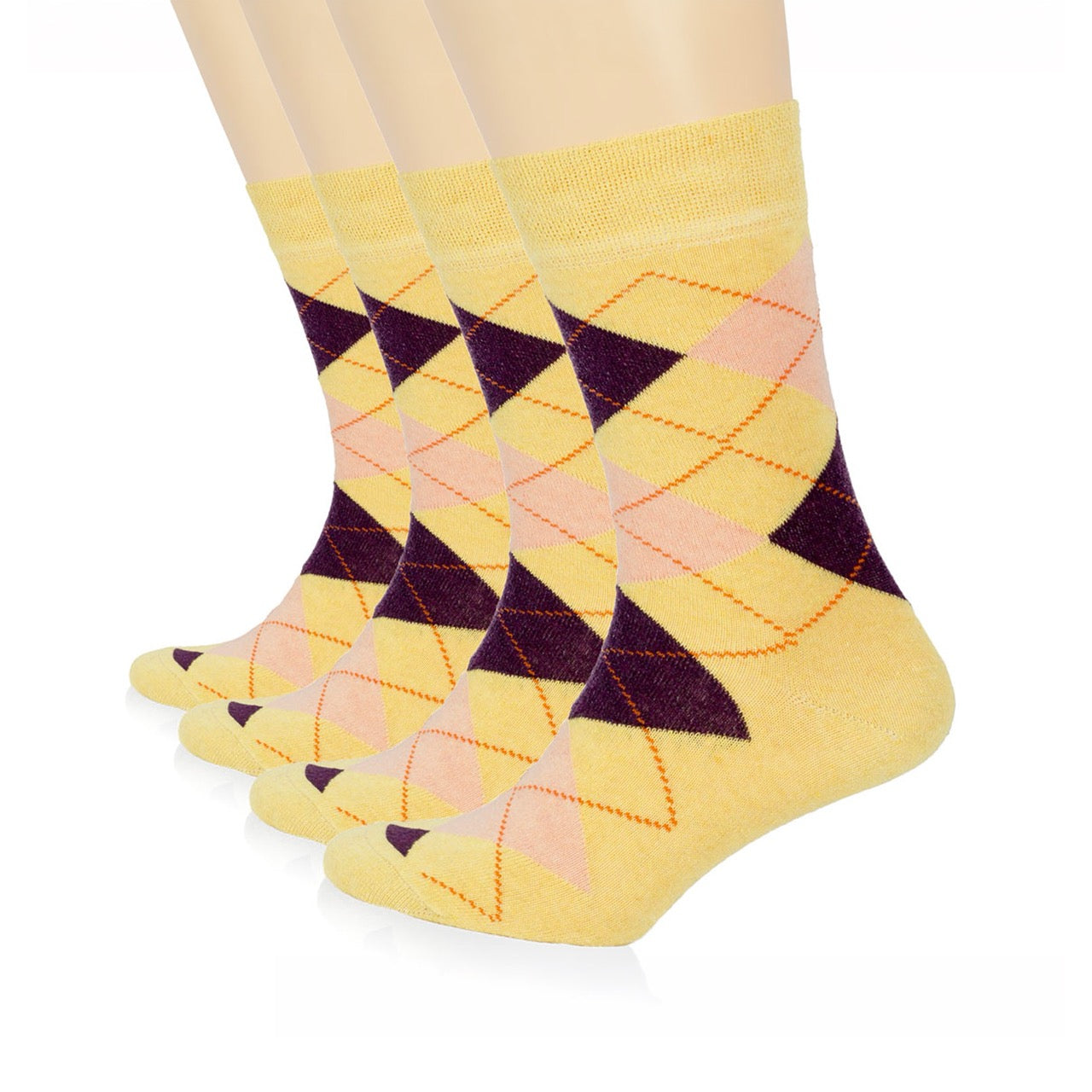


Socks are supposed to feel supportive and comfortable throughout the day. But sometimes, even soft or well-made socks may create unwanted pressure around the calf. Many people notice discomfort only after hours of wear, especially after sitting or standing for long periods.
Understanding the signs of sock-related pressure can help you choose better-fitting socks and avoid unnecessary discomfort in your legs and feet.
Socks may be causing pressure around the calf if they leave deep indentations, feel tighter throughout the day, or create discomfort in the lower leg. Signs such as persistent sock marks, swelling, or a feeling of restricted circulation may indicate the socks are too tight or poorly fitted.
Most socks use elastic materials to stay in place. This gentle compression helps prevent slipping during movement.
However, problems can develop when:
Over time, this pressure may affect comfort and how your feet ankles and calves feel.
The most obvious sign of pressure is visible sock marks.
Light impressions are common after wearing socks all day, but deeper marks may indicate excessive pressure.
When socks leave marks consistently, the fit may need adjustment.
Many people notice socks becoming less comfortable later in the day.
This often happens because:
Even socks that feel fine in the morning may begin creating discomfort after a full day of activity.
Leg swelling is another common sign that socks may be applying too much pressure.
Swelling often develops after:
As swelling increases, socks press more firmly into the skin.
If the upper part of the sock feels restrictive or uncomfortable, the socks may simply be the wrong size.
Socks are too tight when they:
Comfortable socks should stay secure without squeezing the calf excessively.
In some cases, pressure from socks may contribute to circulation discomfort.
Signs of poor circulation may include:
Although socks alone usually do not cause major circulation problems, overly restrictive socks may worsen discomfort in sensitive individuals.

Extremely tight socks may temporarily affect comfort and surface circulation.
This is why many people worry about socks cutting off circulation.
Healthy socks should support natural blood flow rather than create pressure points.
It is important to understand the difference between proper compression socks and ordinary socks that are simply too tight.
Compression socks are carefully engineered and socks are designed to apply controlled pressure in a graduated pattern.
The pressure is:
This design supports circulation and may help reduce swelling.
Ordinary socks that squeeze unevenly do not provide the same benefits.
Instead, they may:
Your activity level affects how socks feel throughout the day.
Long hours on your feet may increase swelling and sensitivity.
Reduced movement can slow circulation and contribute to fluid buildup.
This explains why socks often feel tighter by evening.
Many people wear socks that do not match their actual foot or calf measurements.
Using a proper sizing chart can help improve comfort significantly.
Choosing the correct size helps improve fit and prevent unnecessary pressure.
Gentler cuffs reduce pressure around the calf.
Comfortable materials improve flexibility and reduce irritation.
Balanced support is better than aggressive compression for everyday wear.
Different activities require different sock styles.
The best socks for travel may not be ideal for exercise or office wear.
If calf pressure is accompanied by persistent swelling, pain, or unusual discomfort, professional evaluation may be necessary.
You should seek medical attention if you notice:
Socks should provide support and maximum comfort, not pressure and irritation. Persistent sock marks, swelling, or discomfort around the calf may indicate that you are wearing the wrong size or style.
Choosing properly fitted socks with gentle support can improve comfort, help maintain healthy blood flow, and reduce pressure on the lower legs throughout the day.
Light temporary marks are common, but deep or persistent marks may indicate excessive pressure.
Very tight socks may create discomfort and contribute to circulation-related irritation.
Signs include deep marks, swelling, tightness, and discomfort later in the day.
Yes. Properly fitted compression socks are designed to support circulation and reduce swelling.
Use sizing charts, avoid overly tight elastic, and choose socks with gentle non-binding cuffs.
He has been working for more than 20 years in the textile industry and has work experience in many parts of the world.