Cart
0
You may also like
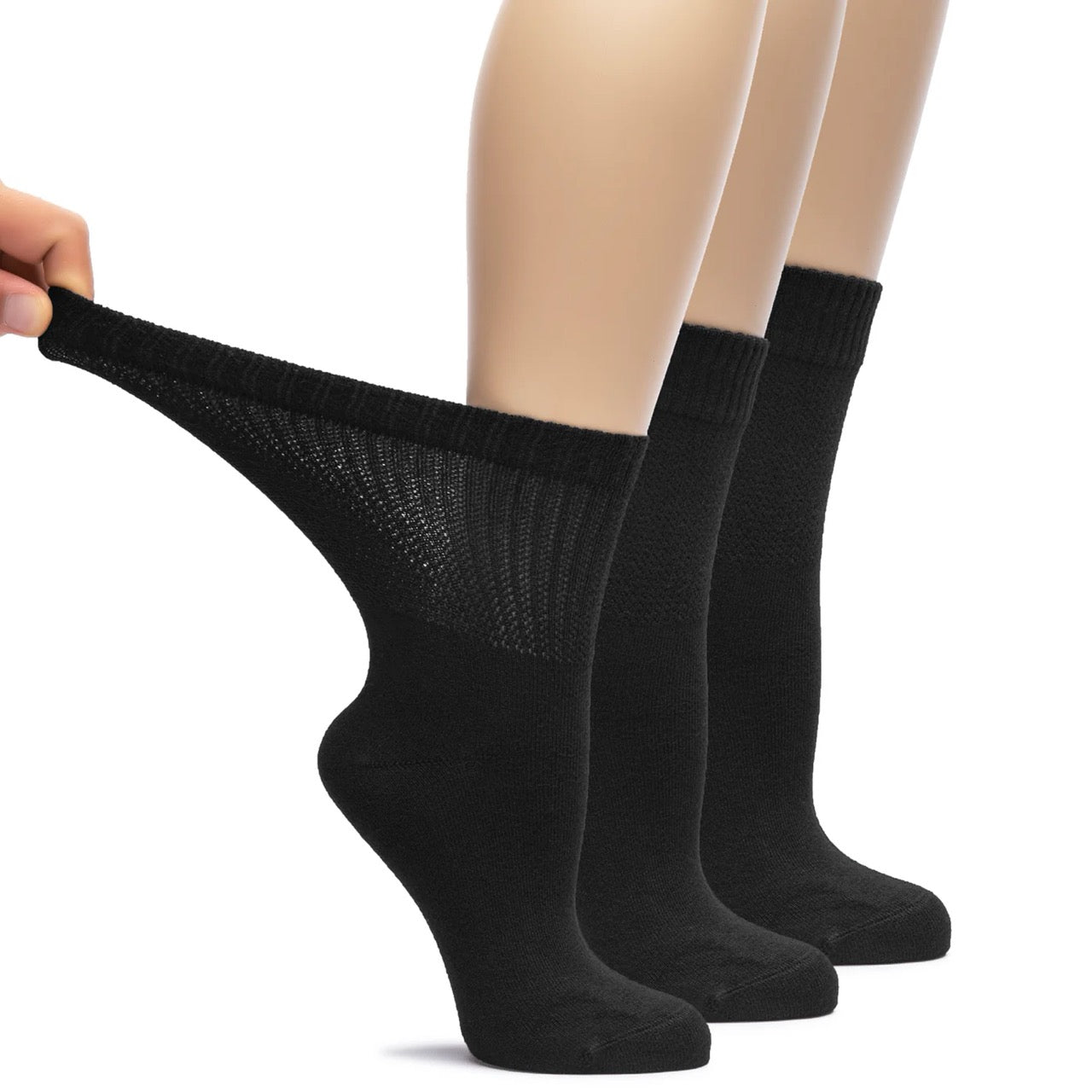
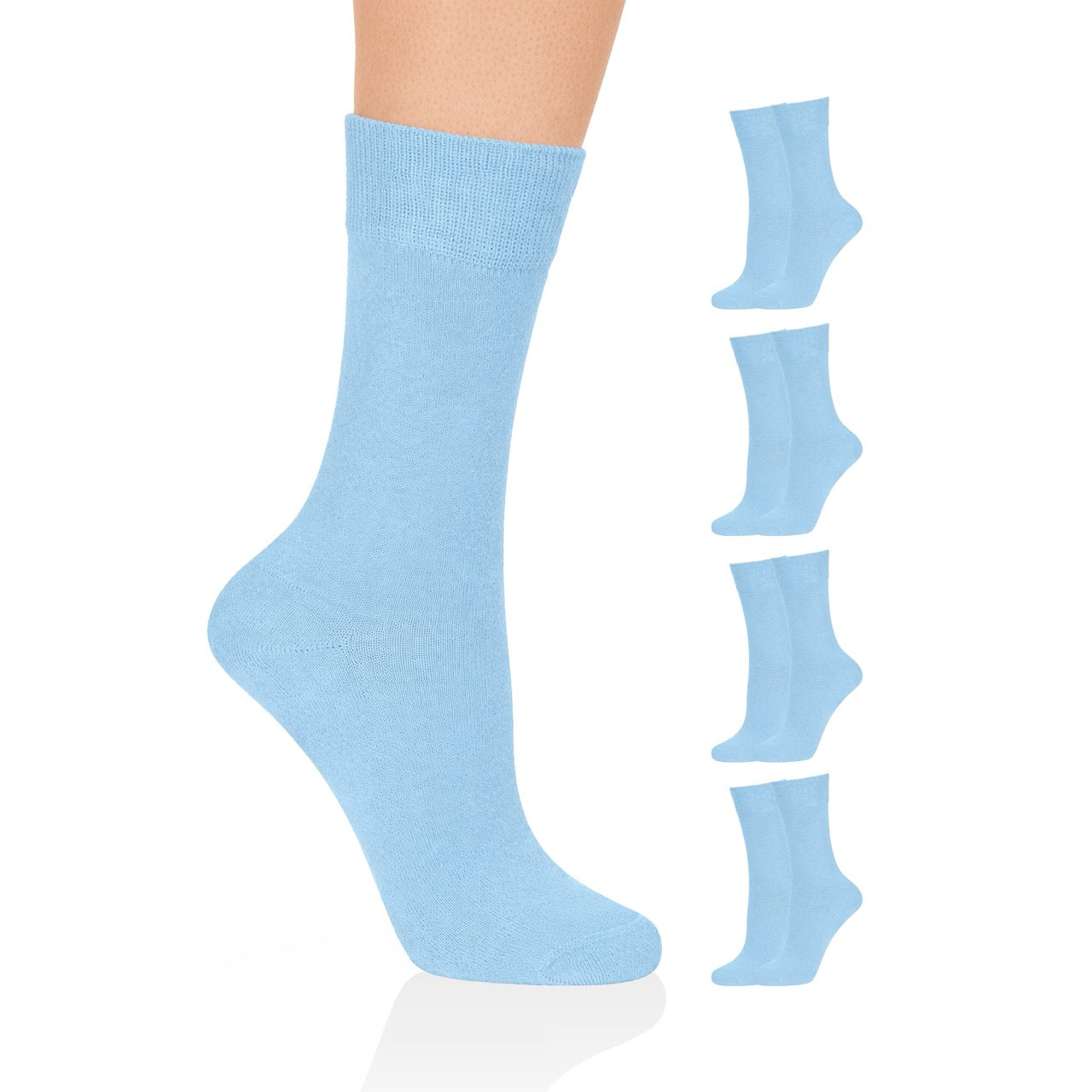
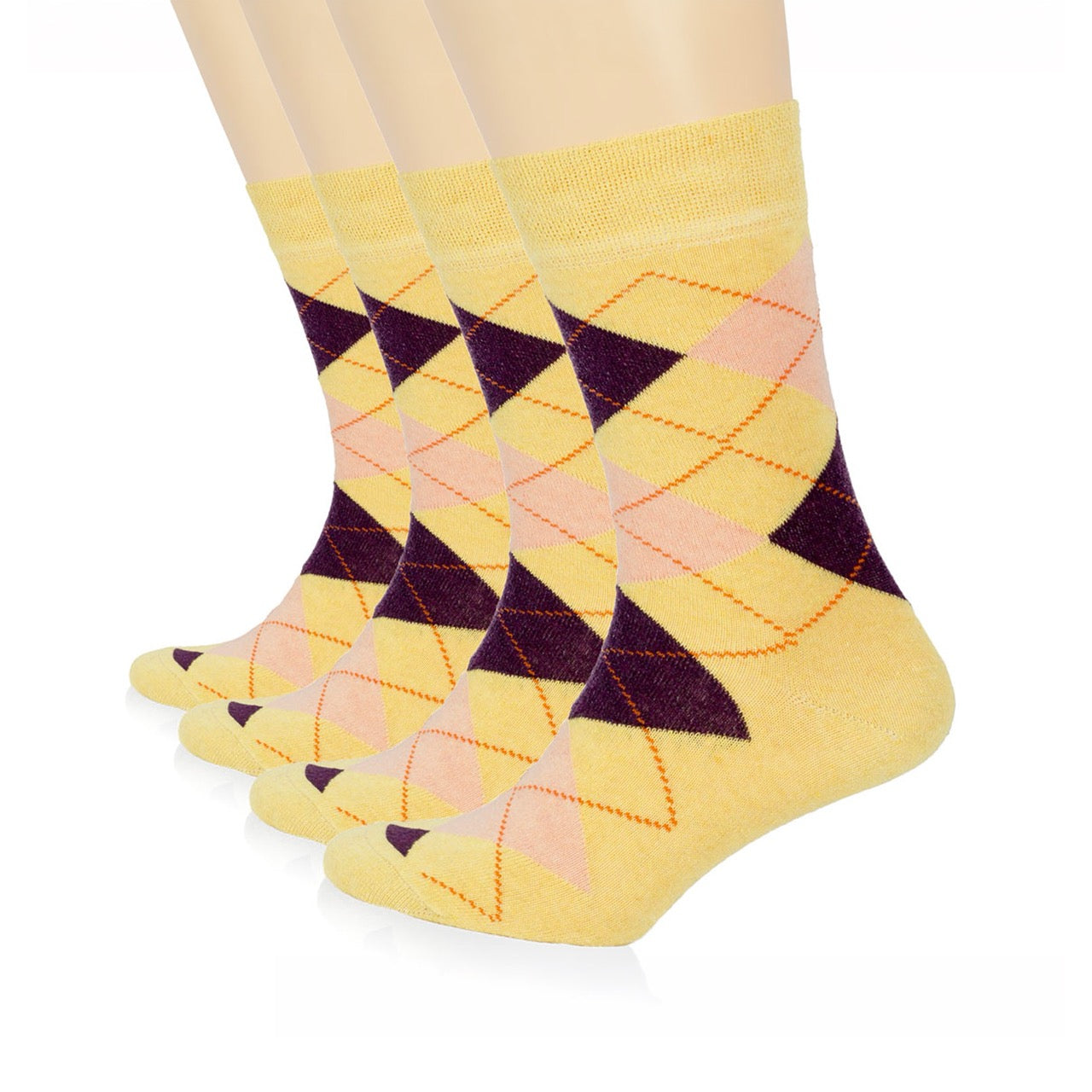
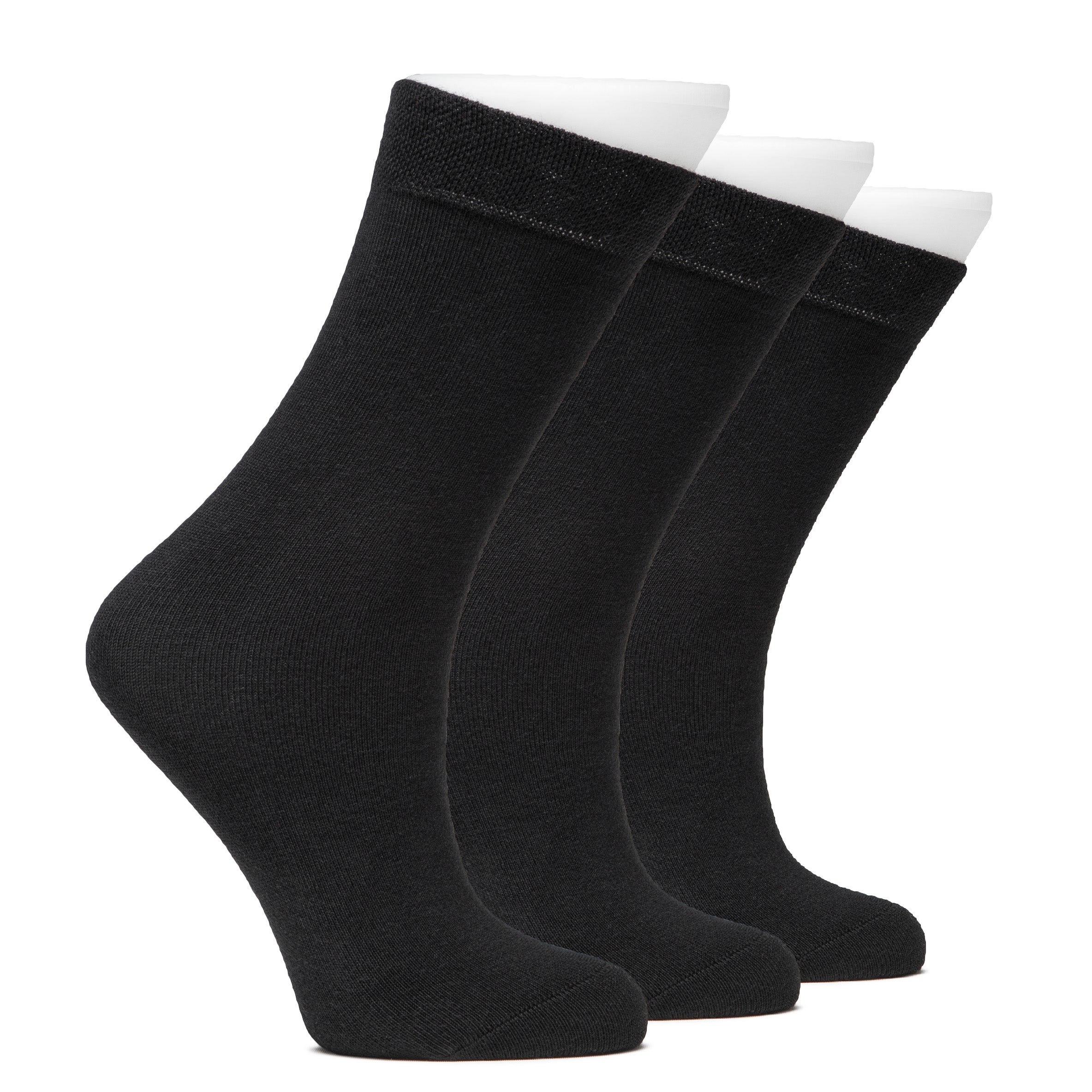
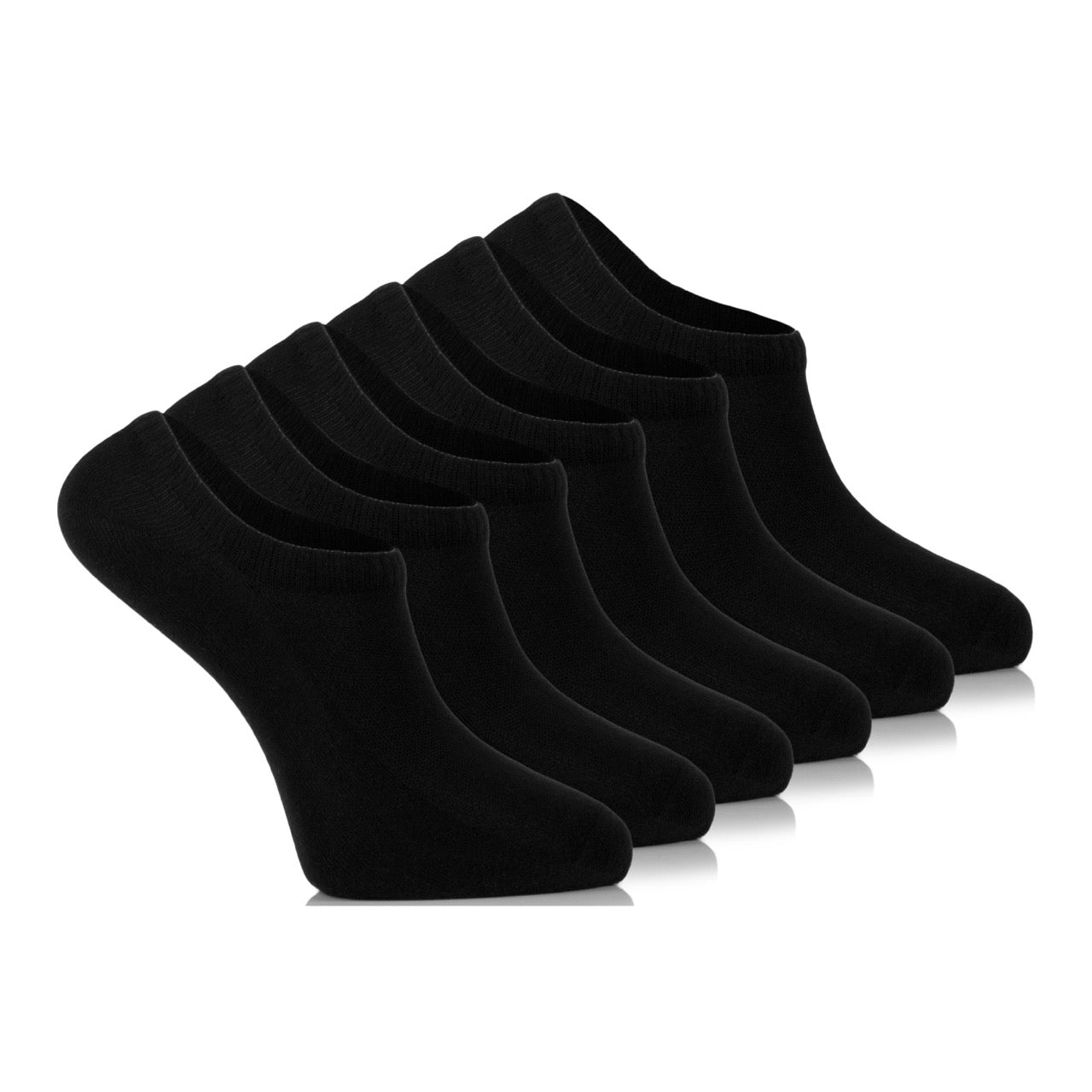
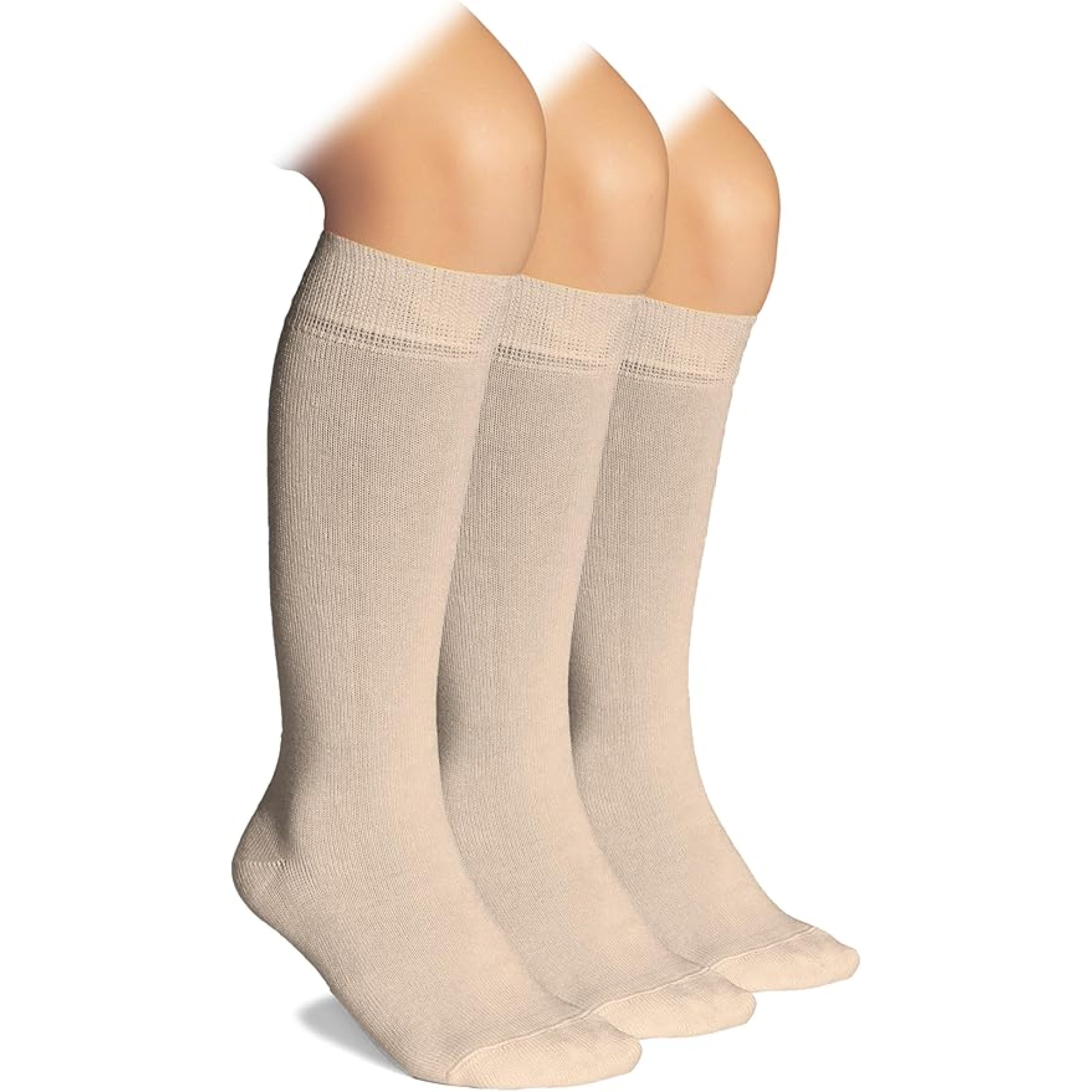


As feet become more sensitive with age, comfort becomes much more important than style alone. Small issues that once seemed minor—tight elastic, rough seams, trapped moisture, or friction inside shoes—can become much more noticeable over time.
Choosing the right socks can significantly improve comfort, support daily movement, and promote better foot health. For individuals with sensitive skin, circulation concerns, or age-related foot changes, the right pair of socks can make everyday activities feel much easier.
The best socks for sensitive or aging feet prioritize softness, gentle fit, breathability, and strong moisture wicking properties. Features like seamless construction, non-binding cuffs, moisture wicking fabrics, and cushioned support help keep feet dry and comfortable throughout the day.
Feet naturally change over time.
Common changes may include:
Some individuals may also experience health conditions that affect circulation, skin sensitivity, or overall comfort.
Because of these changes, sock comfort becomes much more important.
The material used in socks has a major effect on comfort.
Rough or stiff fabrics may irritate sensitive skin, especially during long hours of wear.
These materials are designed to feel smoother and gentler against the skin.
One of the most important features in modern comfort socks is strong moisture wicking properties.
Feet naturally sweat throughout the day, and trapped moisture may increase irritation or discomfort.
Good moisture wicking materials help keep feet dry and comfortable during long wear.

Friction inside shoes can quickly become uncomfortable for sensitive feet.
Socks with reduced friction features help minimize rubbing and irritation.
Reducing friction is especially important for people who walk frequently or spend long hours standing.
Tight cuffs may create pressure around the ankle or calf.
Socks for sensitive feet should fit securely without squeezing.
Gentle tops are especially helpful for:
Some comfort-focused socks are specifically designed so that socks apply less pressure around the leg.
Breathable socks improve comfort by allowing heat and moisture to escape.
This helps:
Breathability is important year-round, not just during summer.
Many people with aging feet struggle with temperature sensitivity.
The right socks help keep:
Materials like merino wool or synthetic blends are popular because they help regulate temperature effectively.
Lightweight merino socks help feet stay warm in the winter without becoming overly bulky.
This balance is important for everyday comfort.
Excess moisture inside shoes may contribute to discomfort and skin issues.
Breathable moisture wicking fabrics help reduce the damp conditions that may encourage fungal infections.
Keeping feet dry supports healthier skin and better long-term comfort.
Many people prefer 100 cotton socks because they feel soft initially.
However, pure cotton tends to hold moisture longer than performance fabrics.
Blended fabrics often provide better comfort for extended wear.
Merino wool socks are often recommended for sensitive feet because they combine softness with moisture control.
Unlike traditional wool, lightweight merino fibers feel soft and breathable.
Some individuals benefit from compression socks, especially when swelling or circulation discomfort is present.
However, compression socks should fit correctly and apply controlled pressure.
Improperly fitted compression socks may feel restrictive for highly sensitive feet.
Choosing the correct style depends on individual comfort needs and medical guidance.
Smooth materials help reduce irritation.
Dry feet are usually more comfortable feet.
Gentle support is often better than aggressive compression for daily wear.
The sock should stay secure without bunching or squeezing.
Proper foot care becomes increasingly important over time.
Comfortable socks can support:
Even small improvements in sock comfort can have a noticeable impact on daily quality of life.
Finding the perfect pair of socks often requires balancing softness, breathability, fit, and support.
The best socks are those that:
The best socks for sensitive or aging feet focus on comfort, moisture control, and gentle support. Features like soft materials, seamless construction, breathable fabrics, and moisture wicking properties help improve everyday comfort while supporting long-term foot health.
Whether choosing merino wool socks, bamboo blends, or soft performance fabrics, the goal is simple: keeping feet protected, supported, and comfortable throughout the day.
Soft, breathable socks with moisture-wicking properties and gentle non-binding cuffs are usually best.
Yes. Merino wool socks help regulate temperature, manage moisture, and provide soft comfort.
Yes. Keeping feet dry reduces friction and improves overall comfort.
They can be helpful when properly fitted, but overly tight compression may feel uncomfortable for some individuals.
They may feel soft initially, but blended fabrics often manage moisture more effectively during long wear.
He has been working for more than 20 years in the textile industry and has work experience in many parts of the world.