
Cart
0
You may also like
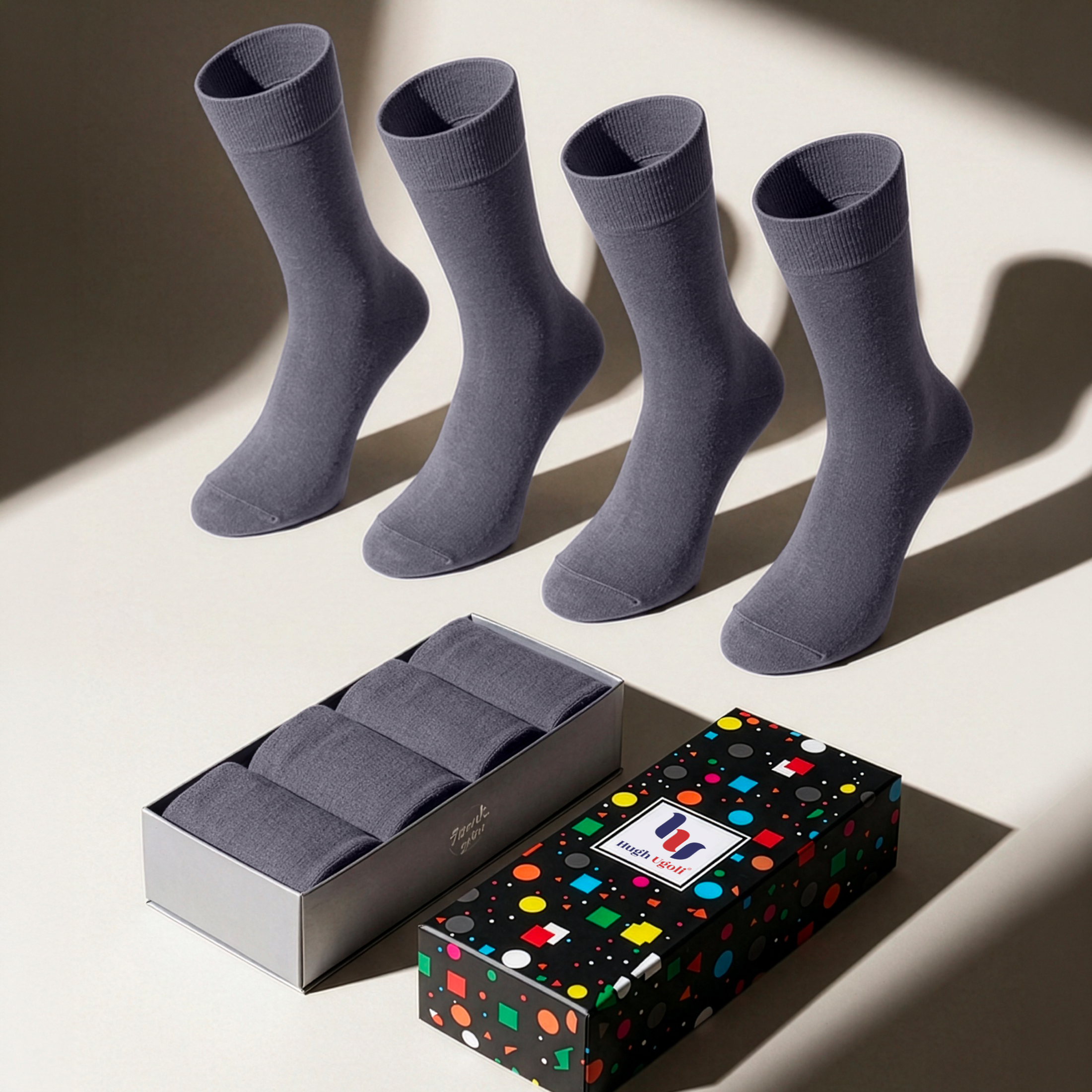
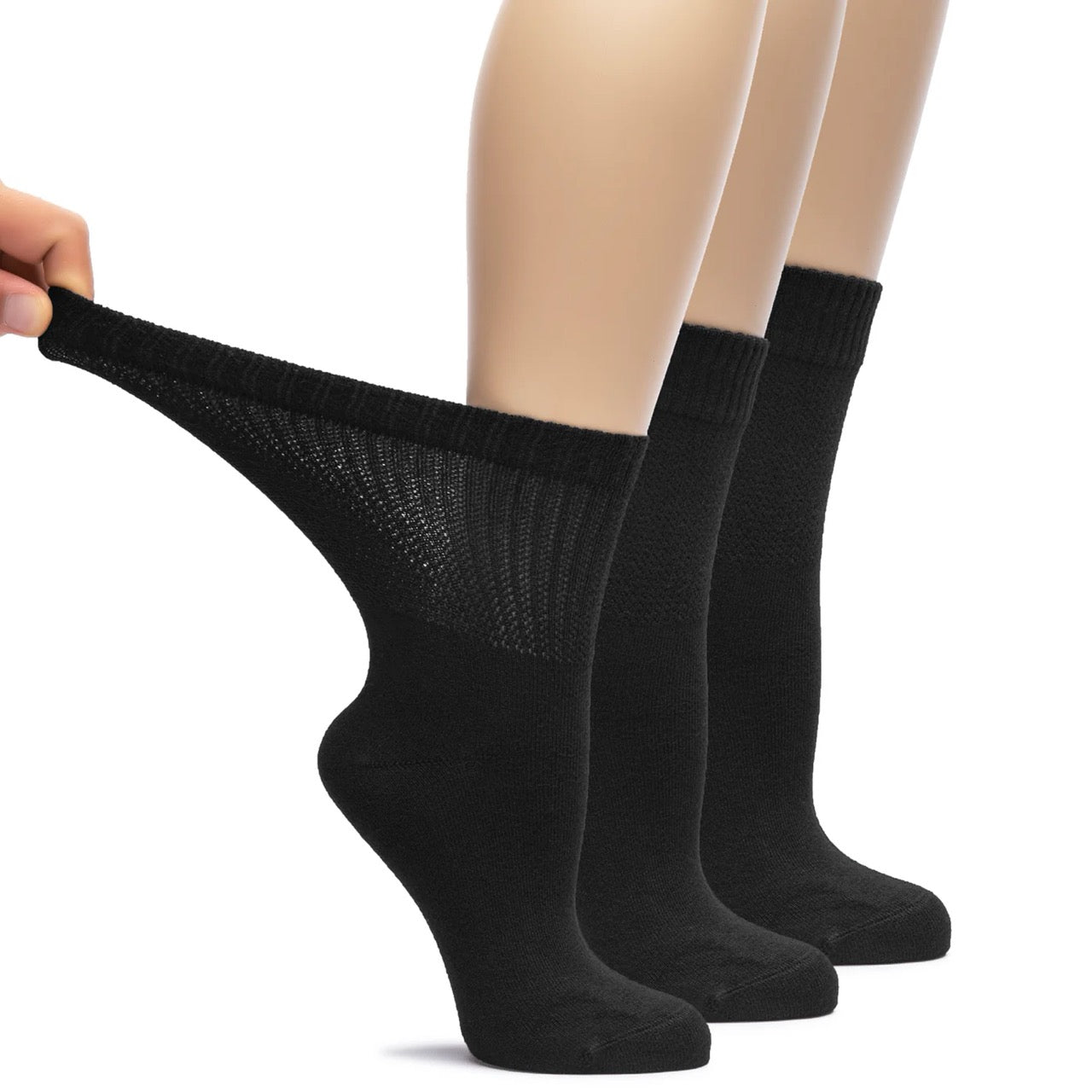
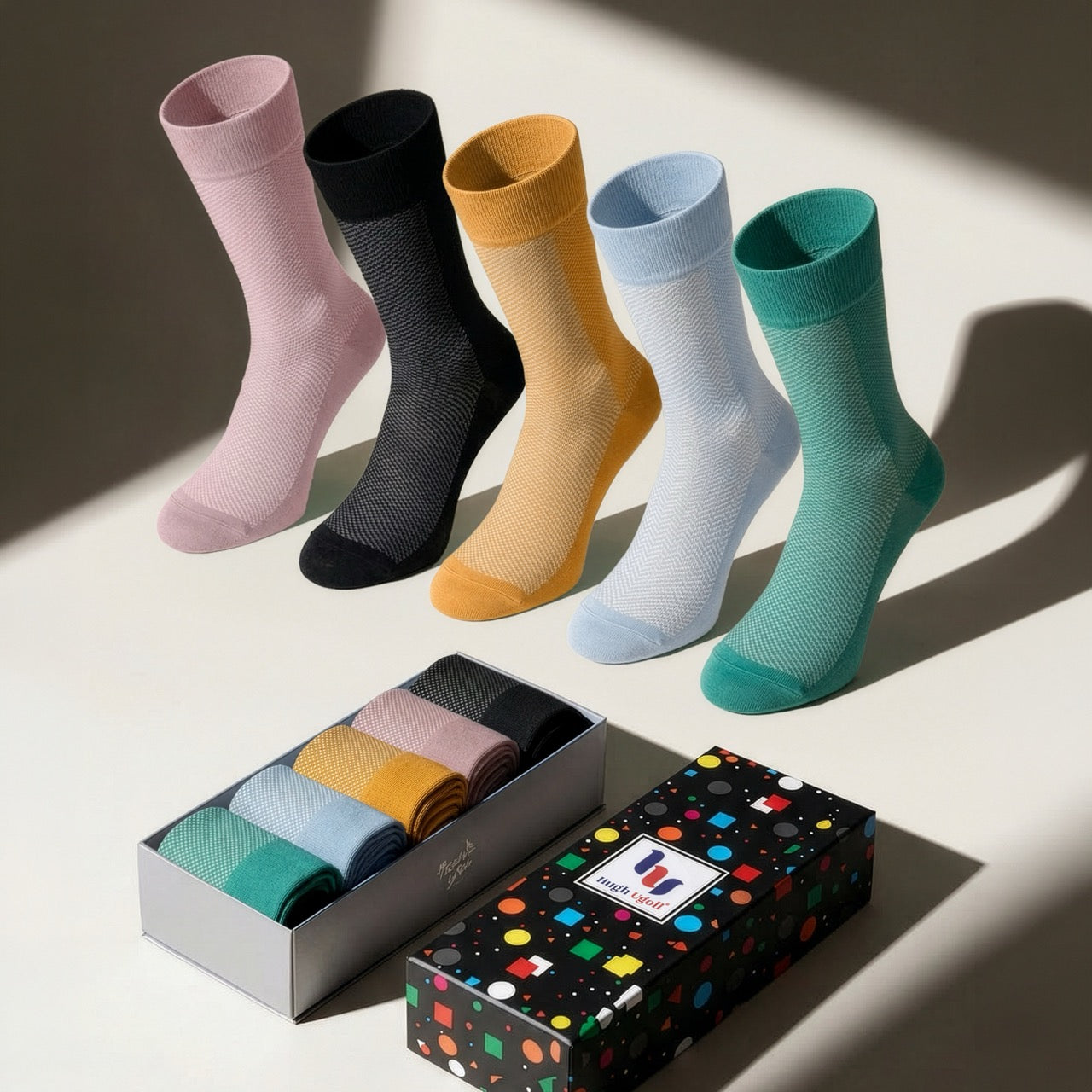
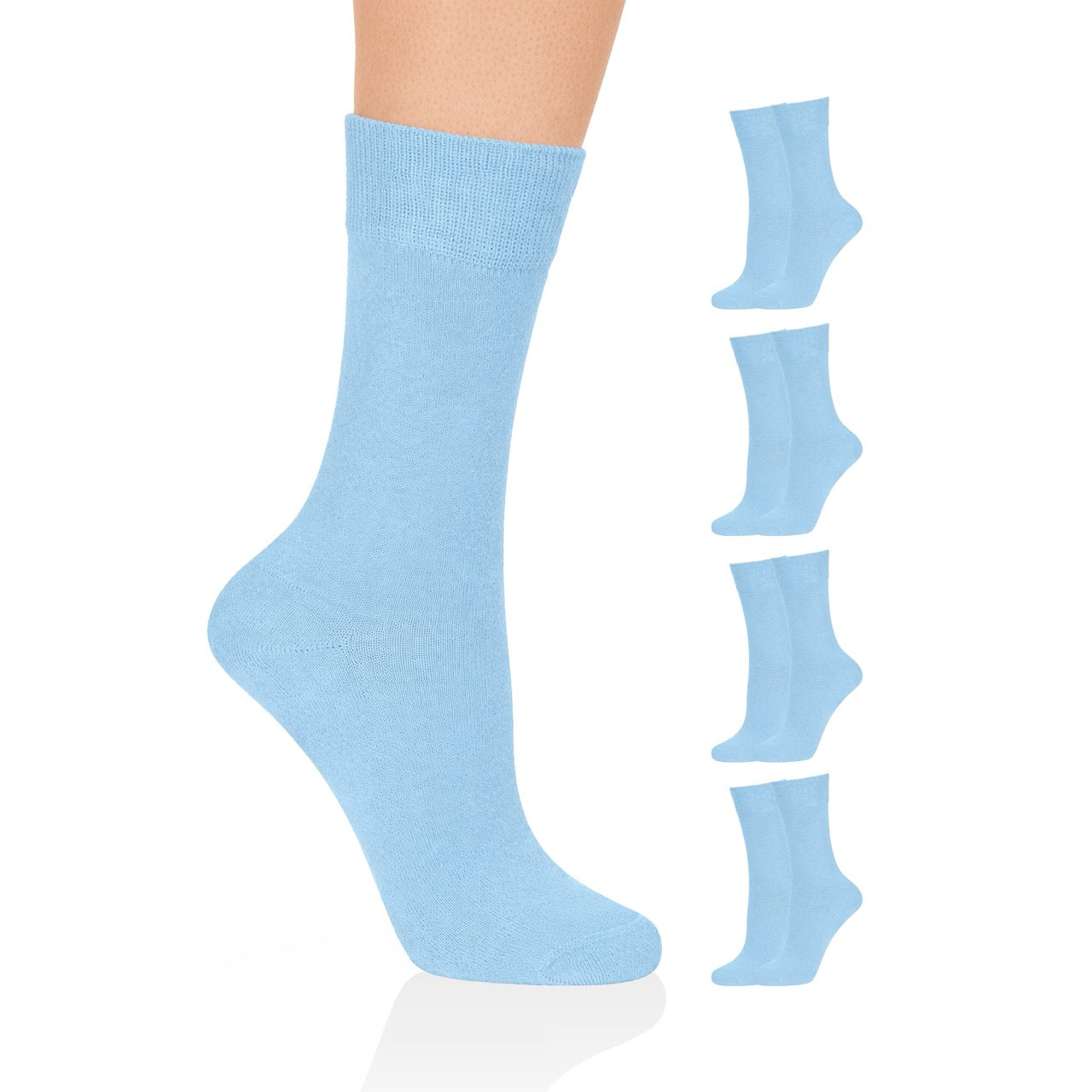


If your job or daily routine requires standing for long periods, you already know how exhausting it can be. After just a few hours, your legs may feel heavy, your feet sore, and your energy drained. Whether you work in healthcare, retail, hospitality, or any standing jobs, the right socks can make a significant difference.
Support socks-especially graduated compression socks—are designed to reduce foot fatigue, improve blood flow, and provide long-lasting comfort. In this guide, we’ll break down what makes the best socks for standing and how to choose the right pair for all-day support.
Standing for long periods puts continuous pressure on your lower body. Blood naturally pools in your legs due to gravity, which can lead to swelling, discomfort, and fatigue.
Common symptoms include:
Over time, these issues can contribute to more serious concerns such as varicose veins or venous insufficiency. That’s why proper support is essential.
Support socks are designed to improve circulation and reduce discomfort. Unlike regular socks, they apply controlled pressure to your legs, helping blood flow more efficiently.
This leads to:
For people standing for 8 to 12 hours a day, wearing a pair of compression socks can significantly reduce fatigue.

Graduated compression socks are specifically engineered to apply the most pressure at the ankle, gradually decreasing as the sock moves up the leg.
This design supports natural blood flow and prevents blood from pooling in the lower legs.
These socks are widely used not only for comfort but also to support people with medical conditions such as venous insufficiency or those at risk of deep vein thrombosis.
Compression levels are measured in millimeters of mercury mmHg. Choosing the right level ensures both comfort and effectiveness.
For most people standing for long periods, 15-20 mmHg offers the best balance between comfort and support.
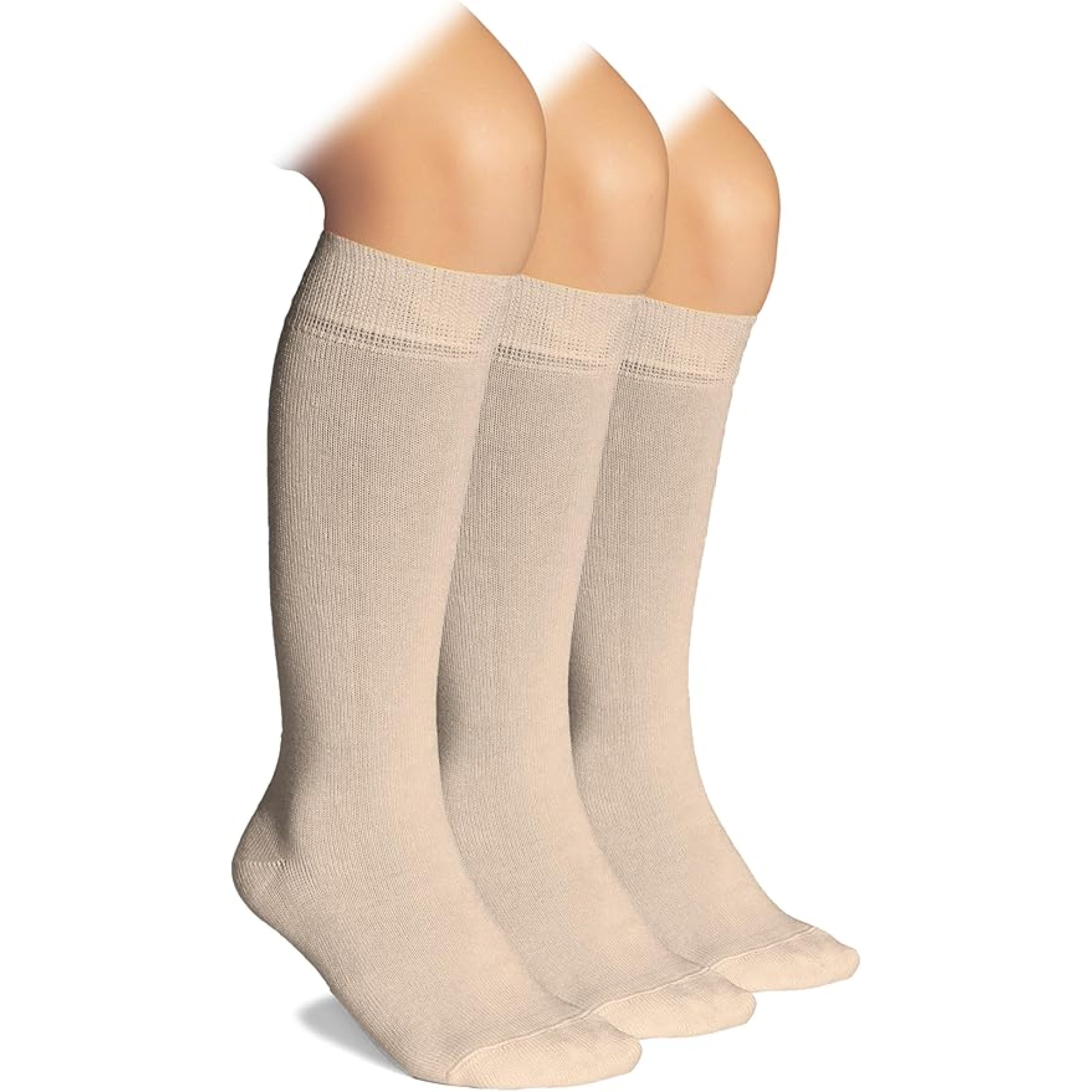
Knee high socks provide coverage from the ankle to just below the knee. This ensures proper compression across the entire lower leg.
This design is especially important for promoting blood flow and reducing swelling throughout the day.
Arch support helps distribute pressure evenly across the foot. This reduces strain and enhances comfort during long hours of standing.
Socks for standing that include arch support can make a noticeable difference in reducing foot fatigue.
Keeping your feet dry is essential for comfort. Socks made with moisture-wicking materials help prevent sweat buildup and reduce irritation.
Materials like merino wool and performance blends are ideal because they regulate temperature and maintain dryness.
High-quality support socks are made with materials that retain elasticity over time. This ensures consistent compression and long-lasting performance.
Durability is especially important for daily use in demanding environments.
A proper fit is critical. Socks should feel snug but not tight. They should stay in place without digging into the skin or restricting movement.
Wearing compression socks regularly can improve both comfort and long-term leg health.
These benefits make support socks a practical choice for anyone with a physically demanding routine.
Support socks are beneficial for a wide range of people:
They are also useful for people managing medical conditions related to circulation.
To get the most benefit, wear compression socks during the times your legs need the most support.
Putting them on in the morning helps prevent swelling before it starts.
Even the best socks will not perform properly if used incorrectly.
Avoiding these mistakes ensures consistent comfort and performance.
Proper care helps maintain the effectiveness of your support socks.
Taking care of your socks ensures they continue to support your legs over time.
The best support socks for all-day standing comfort combine proper compression, breathable materials, and a secure fit. They are designed to improve circulation, reduce foot fatigue, and keep your legs feeling energized—even after long hours.
Whether you are working 12-hour shifts or simply spending more time on your feet, investing in a quality pair of compression socks can make a noticeable difference in your daily comfort and long-term leg health.
15-20 mmHg is ideal for most people, offering effective support without being too tight for daily wear.
Yes. Knee high socks provide full coverage and ensure proper compression across the lower leg.
They can help support circulation and reduce pressure on veins, lowering the risk over time.
You can wear them throughout your workday, typically up to 12 hours, as long as they fit properly.
Yes. They reduce pressure and improve blood flow, helping your legs feel less tired during long periods of standing.

