Cart
0
You may also like
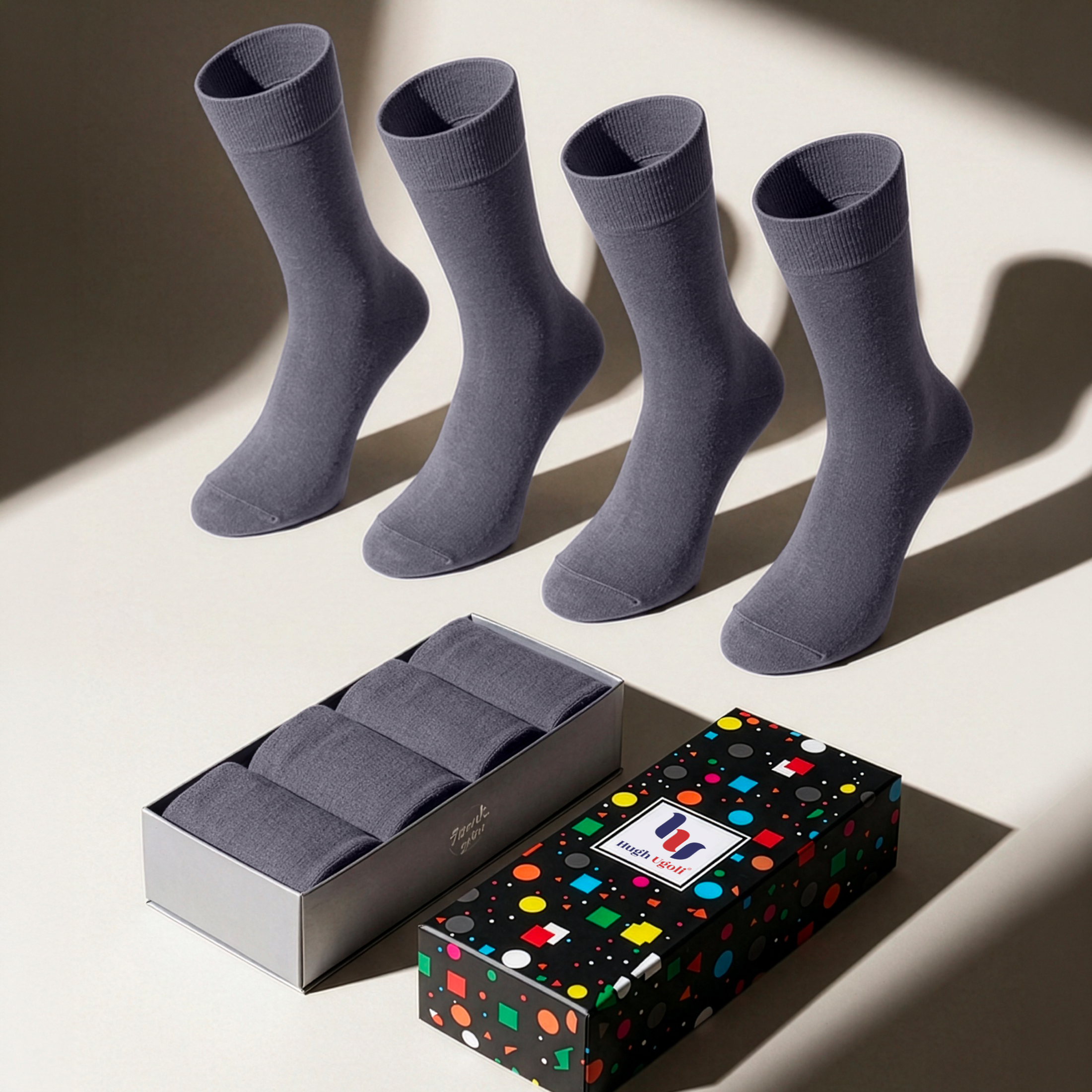
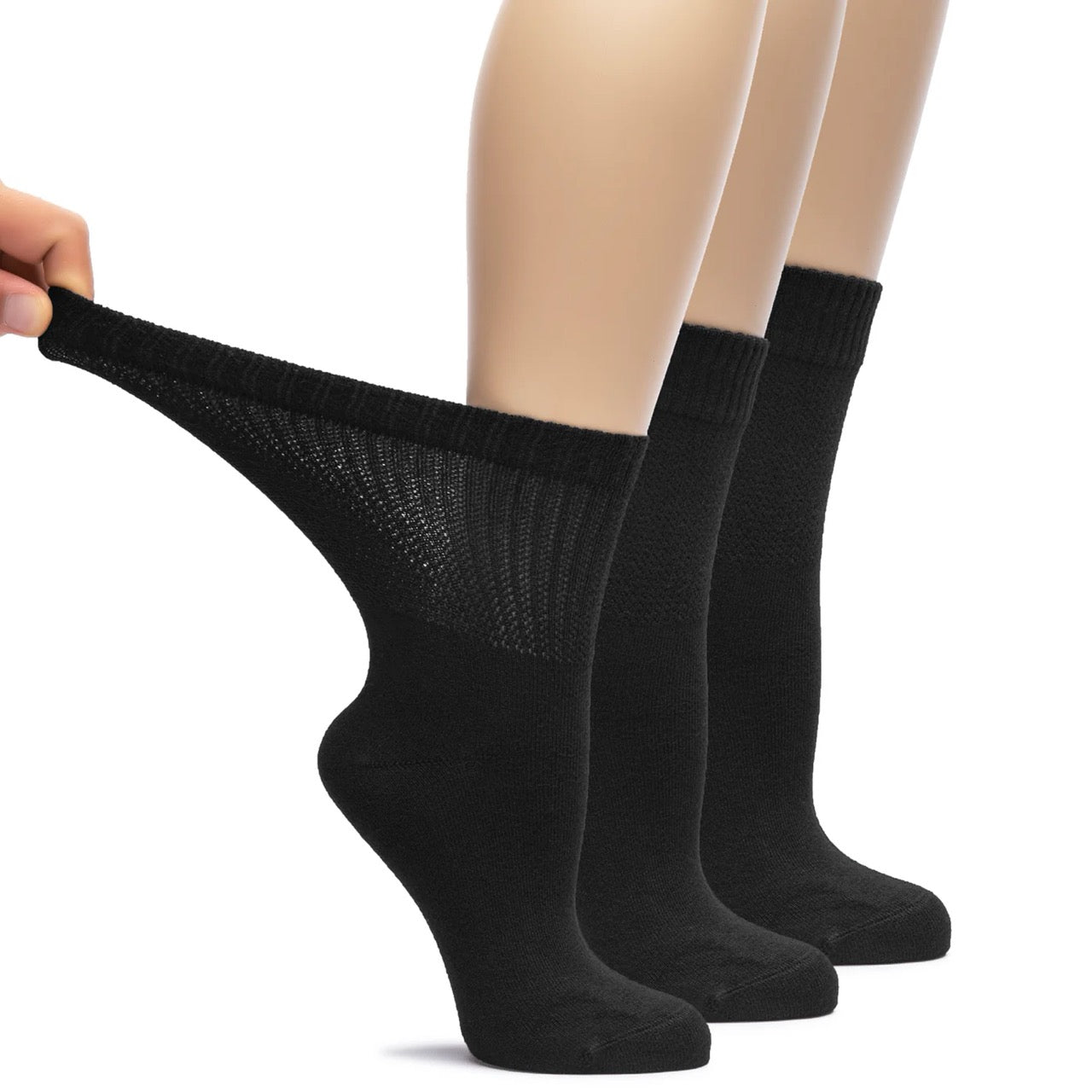
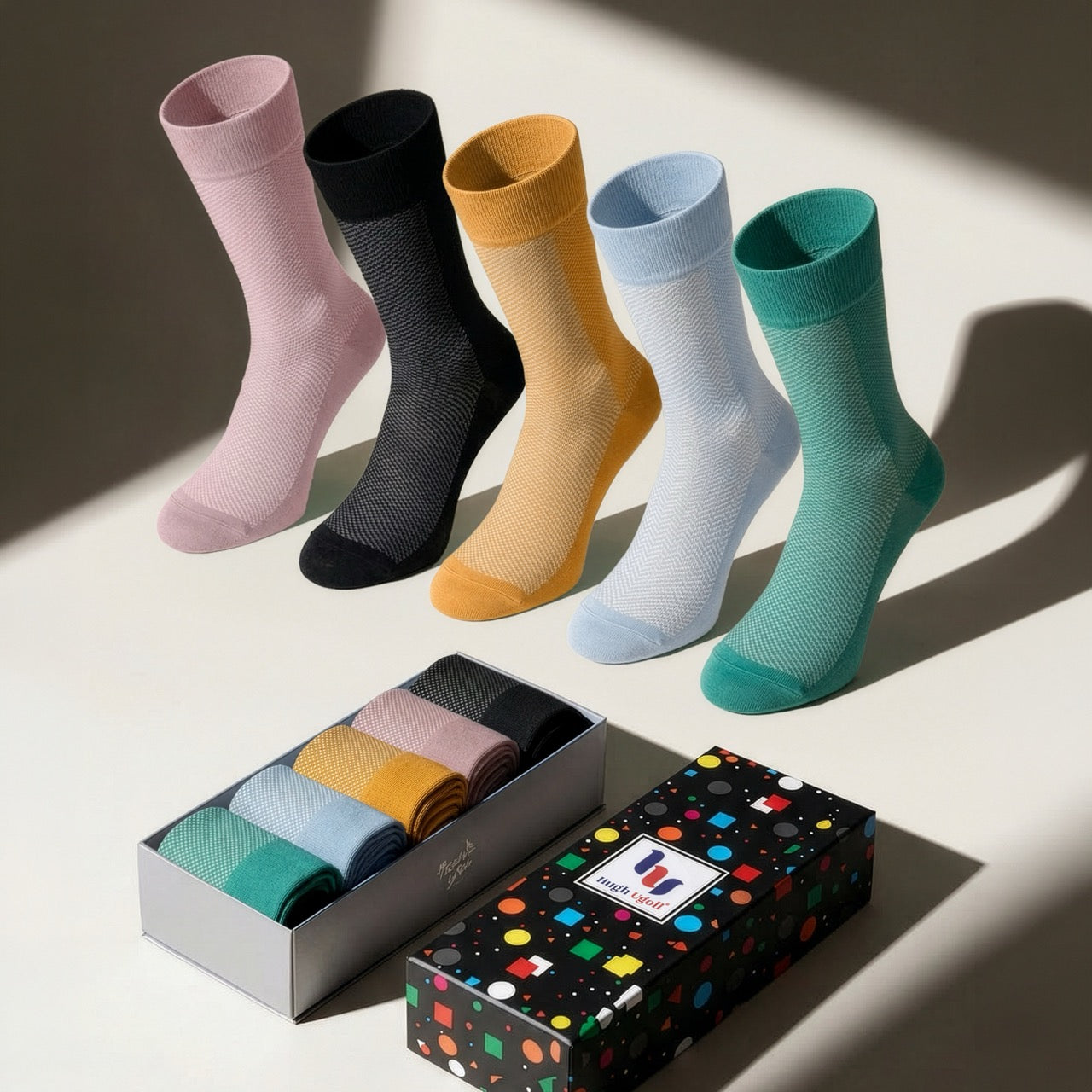
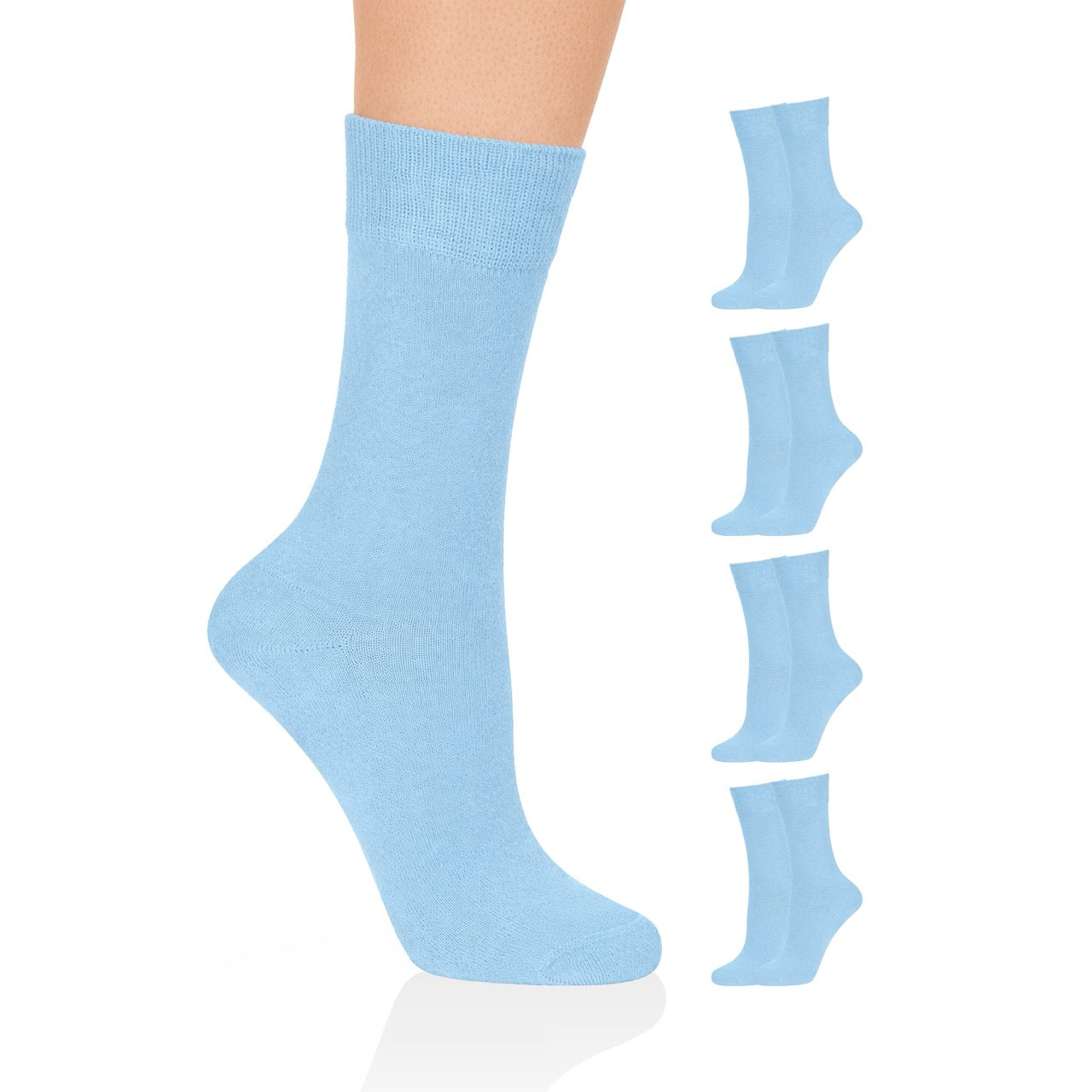
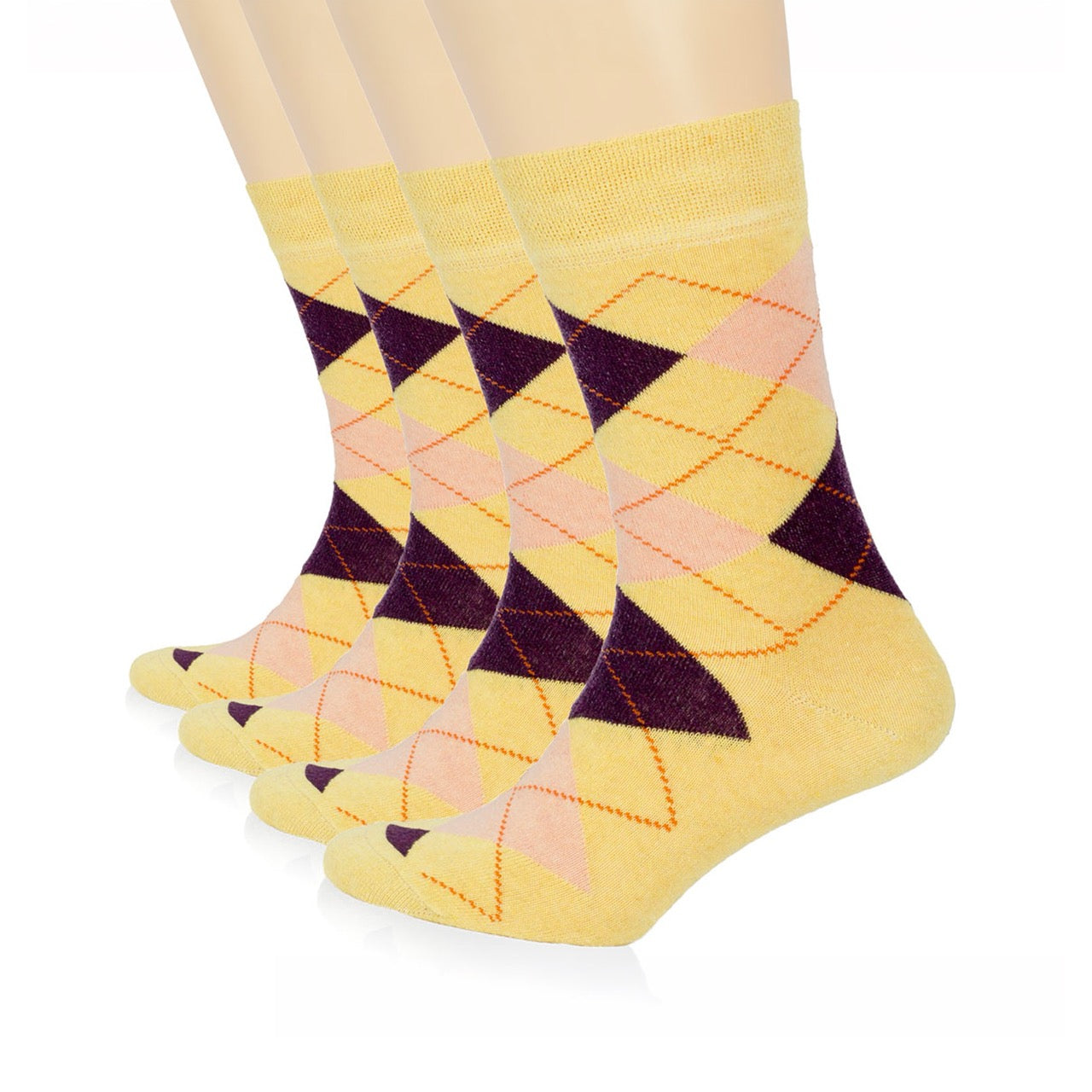
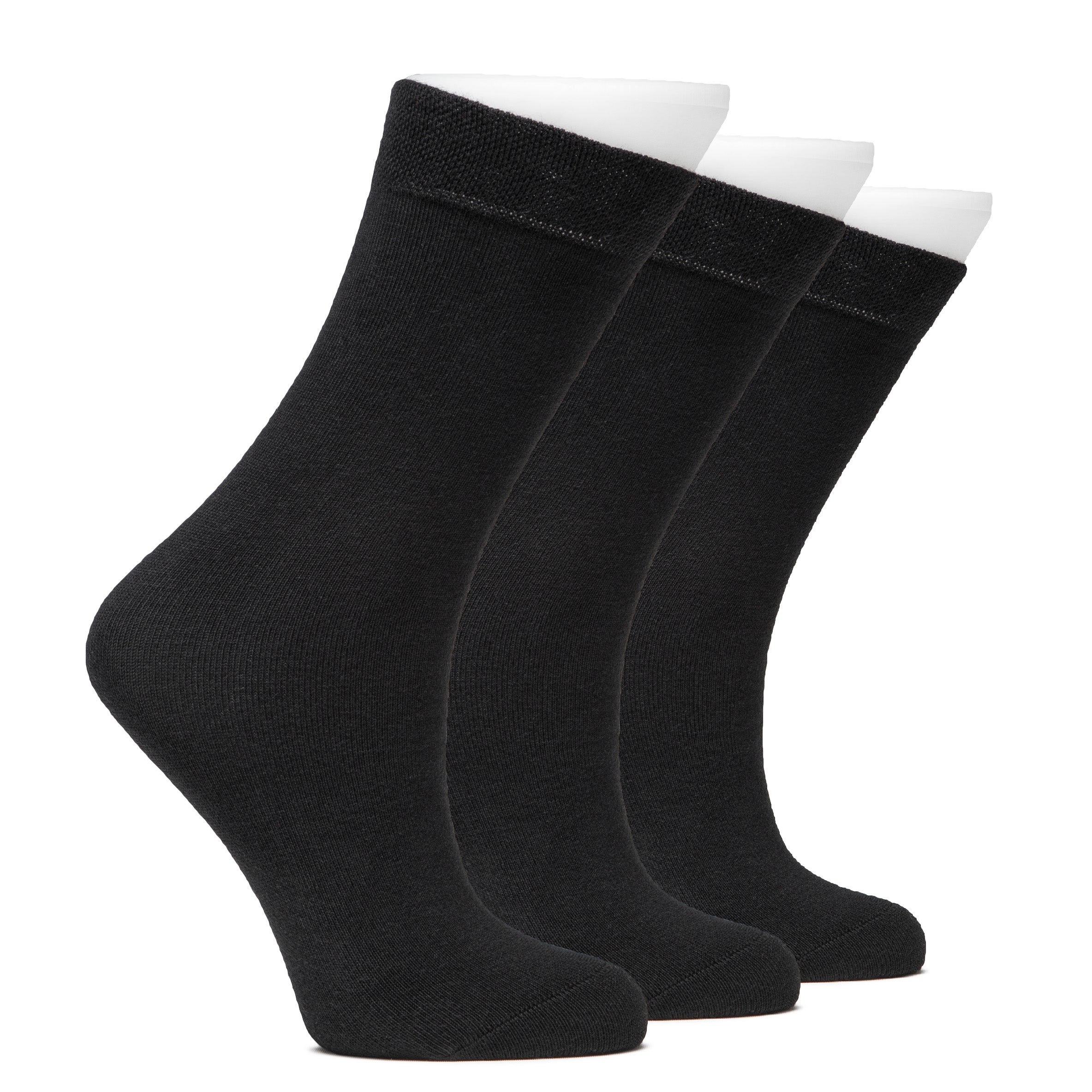
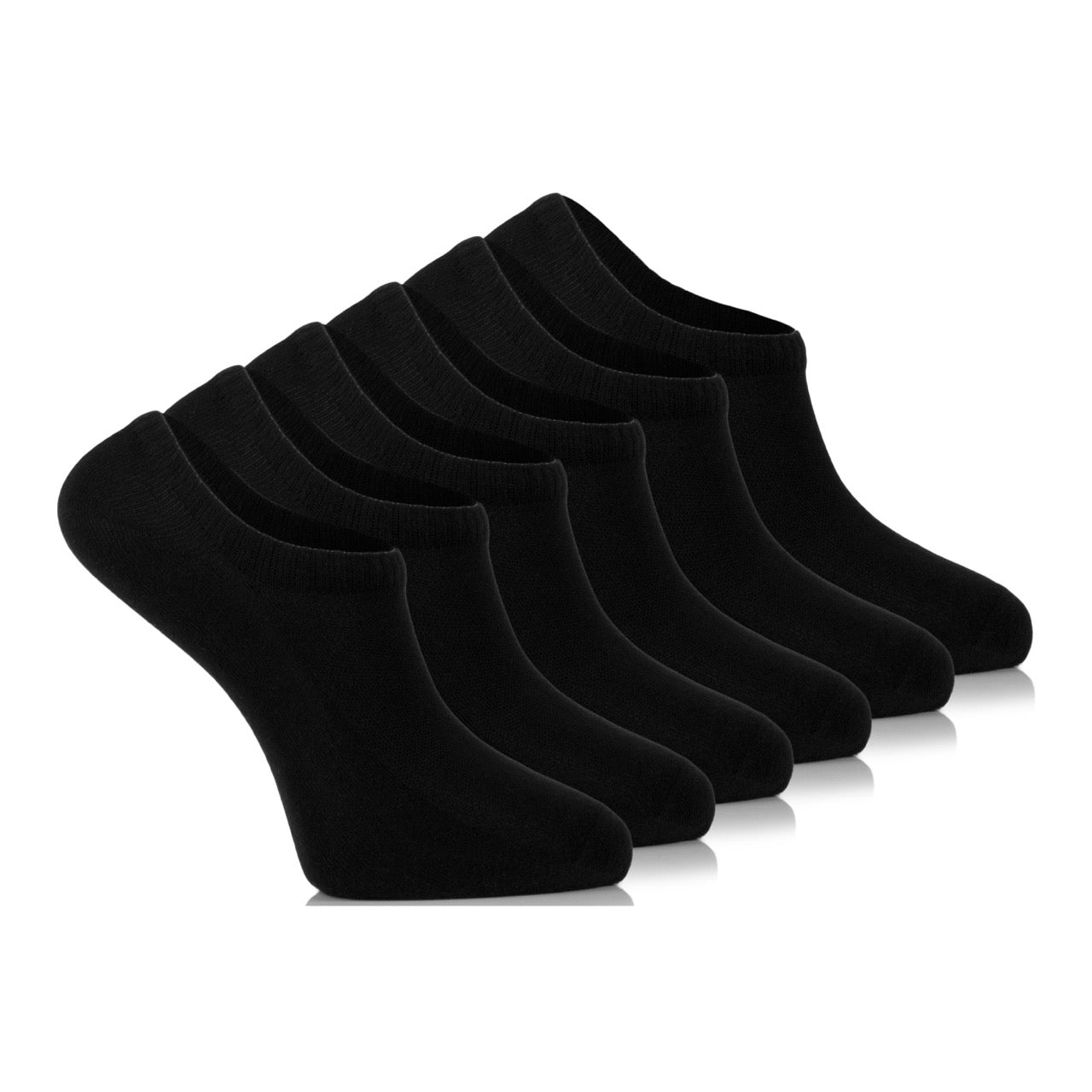
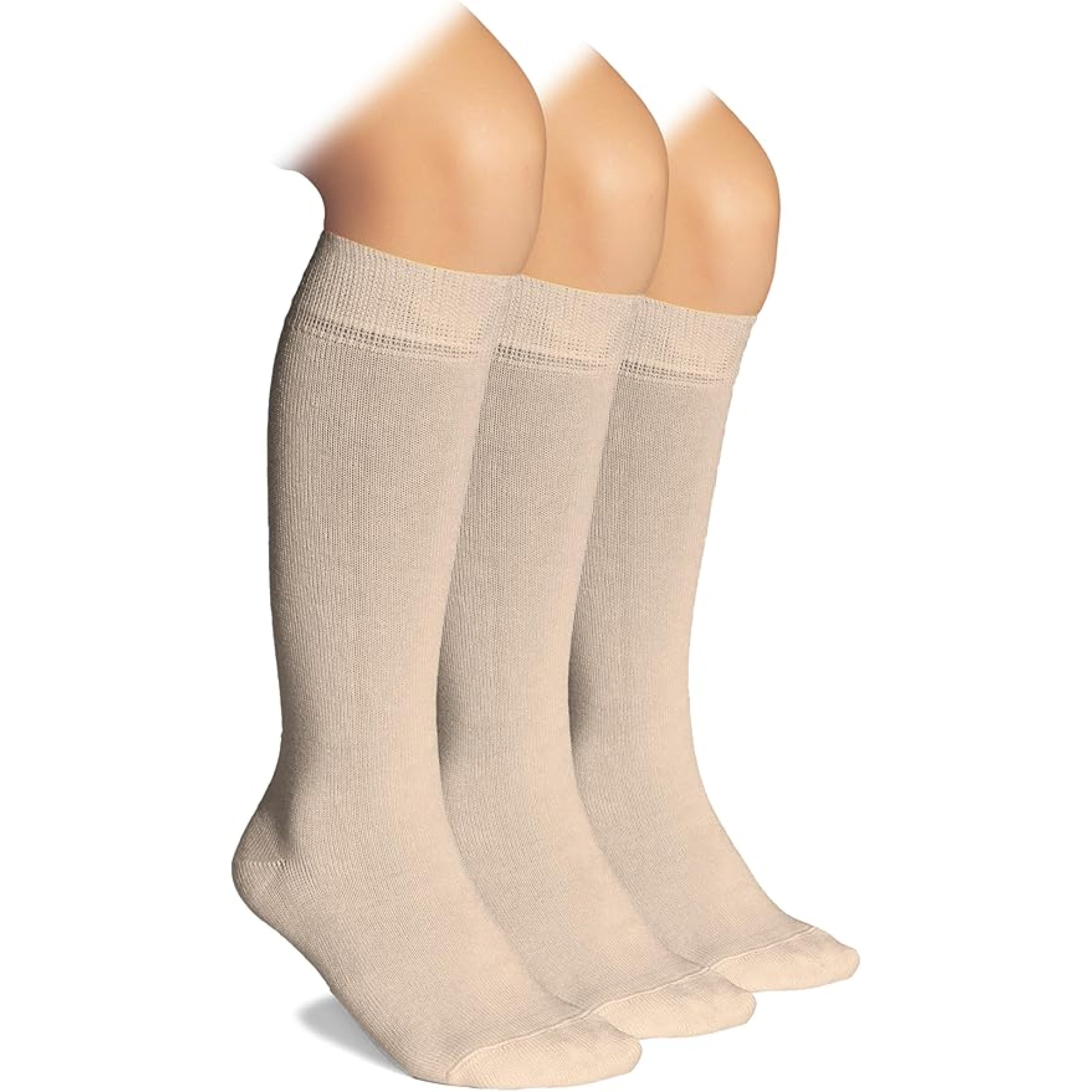


Cold weather exposes weaknesses in our wardrobes, and socks are often the most overlooked piece. Many people focus on coats and boots while ignoring what actually keeps their feet warm and dry. As a result, simple sock mistakes can lead to cold feet, discomfort, and even circulation issues.
Understanding these common mistakes helps you make smarter choices during winter. The right approach to wearing socks improves comfort, warmth, and overall foot health throughout the season.
One of the most common cold-weather mistakes is relying on thin cotton socks. While cotton socks feel soft, they absorb moisture and hold it against the skin. Once damp, cotton loses its insulating ability and can make feet feel colder.
Thin cotton also struggles with moisture management, especially when feet sweat inside boots. Instead of staying warm, feet cool down faster as moisture builds up.
Wearing multiple pairs of socks may seem like a logical way to stay warm, but it often backfires. Extra layers can crowd footwear, reducing insulation and comfort.
Tight layering may also restrict blood flow, which is the opposite of what your feet need in cold weather. Reduced circulation means colder toes, even with extra fabric.
Staying warm starts with staying dry. Socks without moisture wicking properties allow sweat to build up, creating a cold, clammy feeling.
When socks trap moisture, heat escapes faster. Fabrics designed to pull moisture away from the skin help regulate temperature and comfort.

Not all winter socks are created equal. Many people choose socks based on thickness alone, ignoring material performance.
Wool socks, especially those made with natural fibers, insulate even when damp and help maintain warmth during long outdoor hours. Cotton socks, by contrast, cool quickly once wet.
Socks that fit too tightly can compress the foot and ankle. In cold weather, this can significantly reduce circulation.
When socks restrict blood flow, feet struggle to stay warm. A proper fit allows gentle support without cutting into the skin.
Many people assume all winter socks serve the same purpose. In reality, socks designed for lounging, outdoor work, or daily errands perform very differently.
Choosing socks based on activity helps maintain warmth without overheating or discomfort. One-size-fits-all thinking often leads to cold feet.
Warm socks still need airflow. Without breathable construction, heat and moisture become trapped, leading to cold feet later in the day.
Breathable socks support temperature balance by releasing excess heat while maintaining insulation.
During winter, socks absorb moisture from daily wear. Wearing the same pair all day—especially during long outings—reduces warmth over time.
Changing into a fresh pair helps keep feet warm and dry, especially after outdoor exposure.
Smart sock choices reduce heat loss, prevent discomfort, and support healthier feet throughout winter.
Socks are a critical part of winter comfort. Small mistakes add up, leading to cold feet even when wearing warm boots.
By avoiding these overlooked errors, you can improve warmth, comfort, and foot health without changing the rest of your wardrobe.
Cotton socks absorb moisture and lose insulation, making them less effective in cold weather.
No. Thickness without proper materials can trap moisture and reduce warmth.
Layering socks often restricts circulation and can make feet colder.
Moisture-wicking fabrics, proper fit, and breathable insulation keep feet warm and dry.
He has been working for more than 20 years in the textile industry and has work experience in many parts of the world.