Cart
0
You may also like
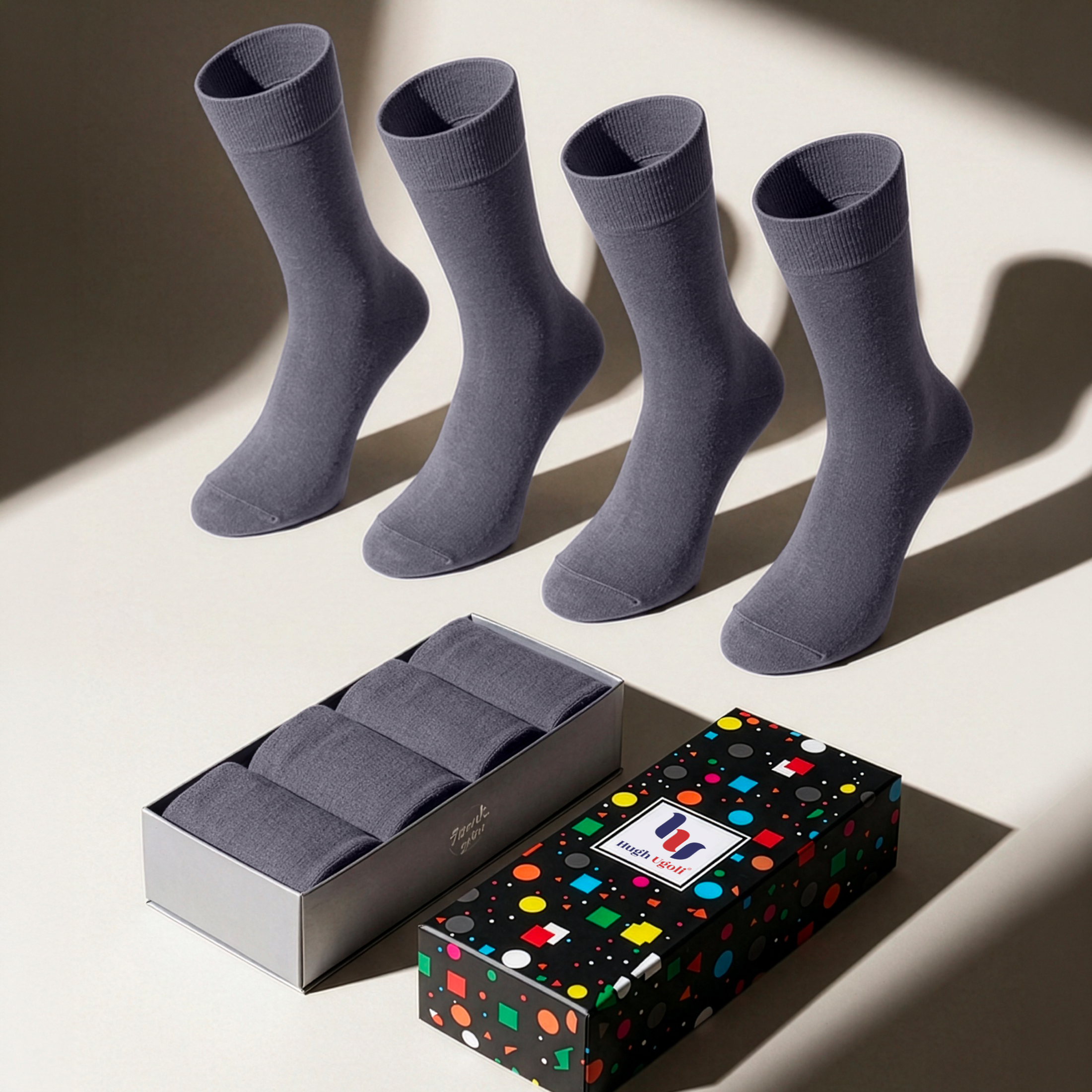
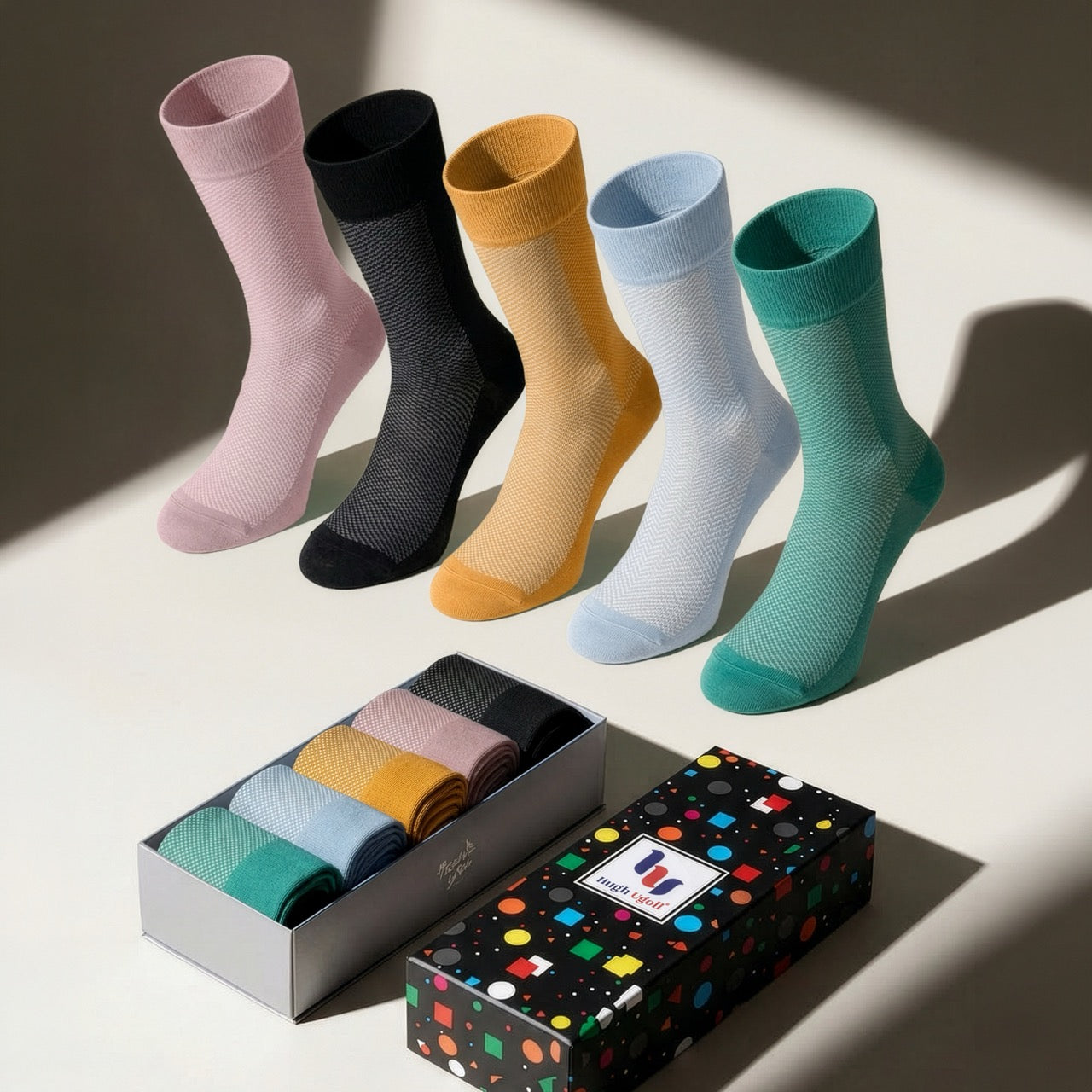
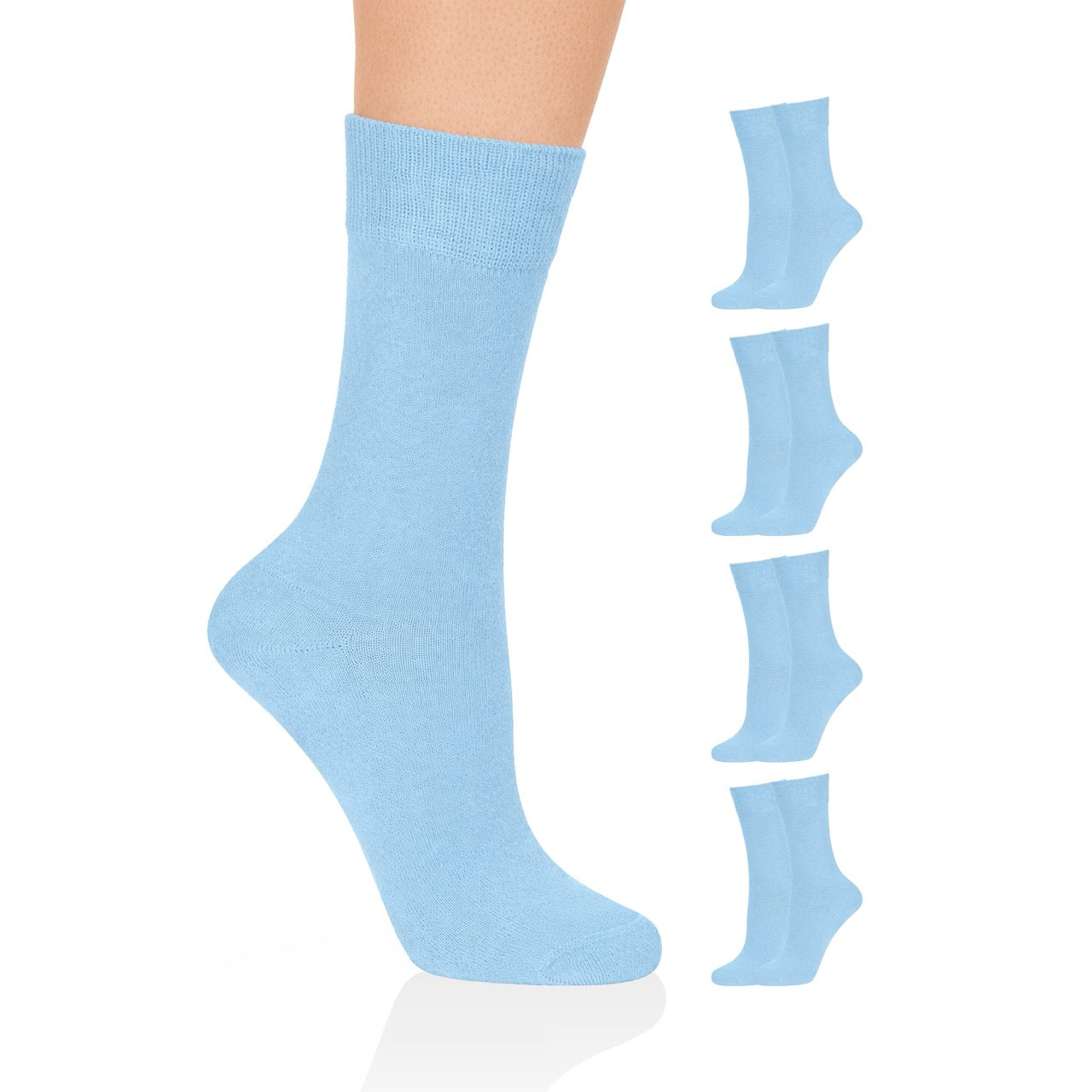
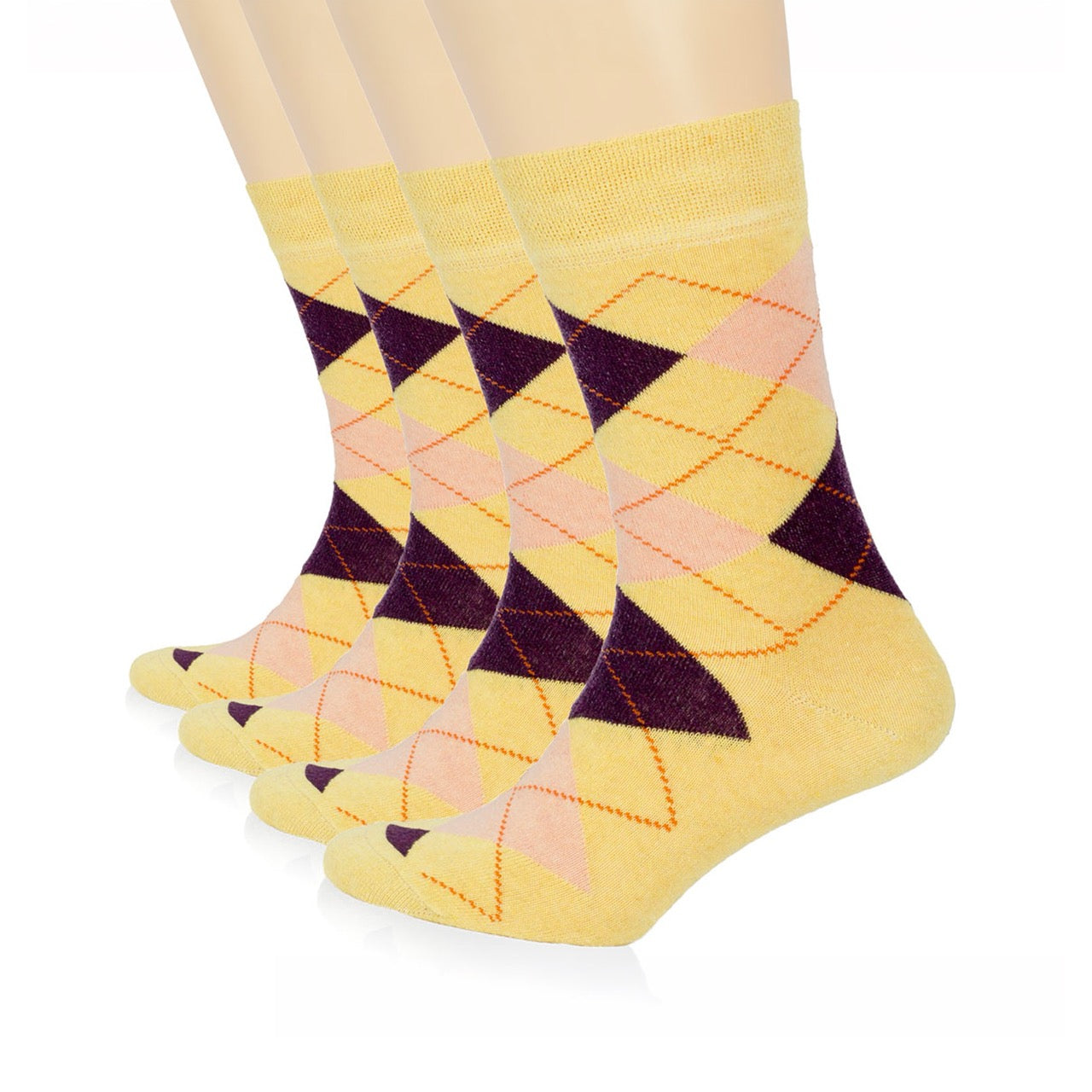
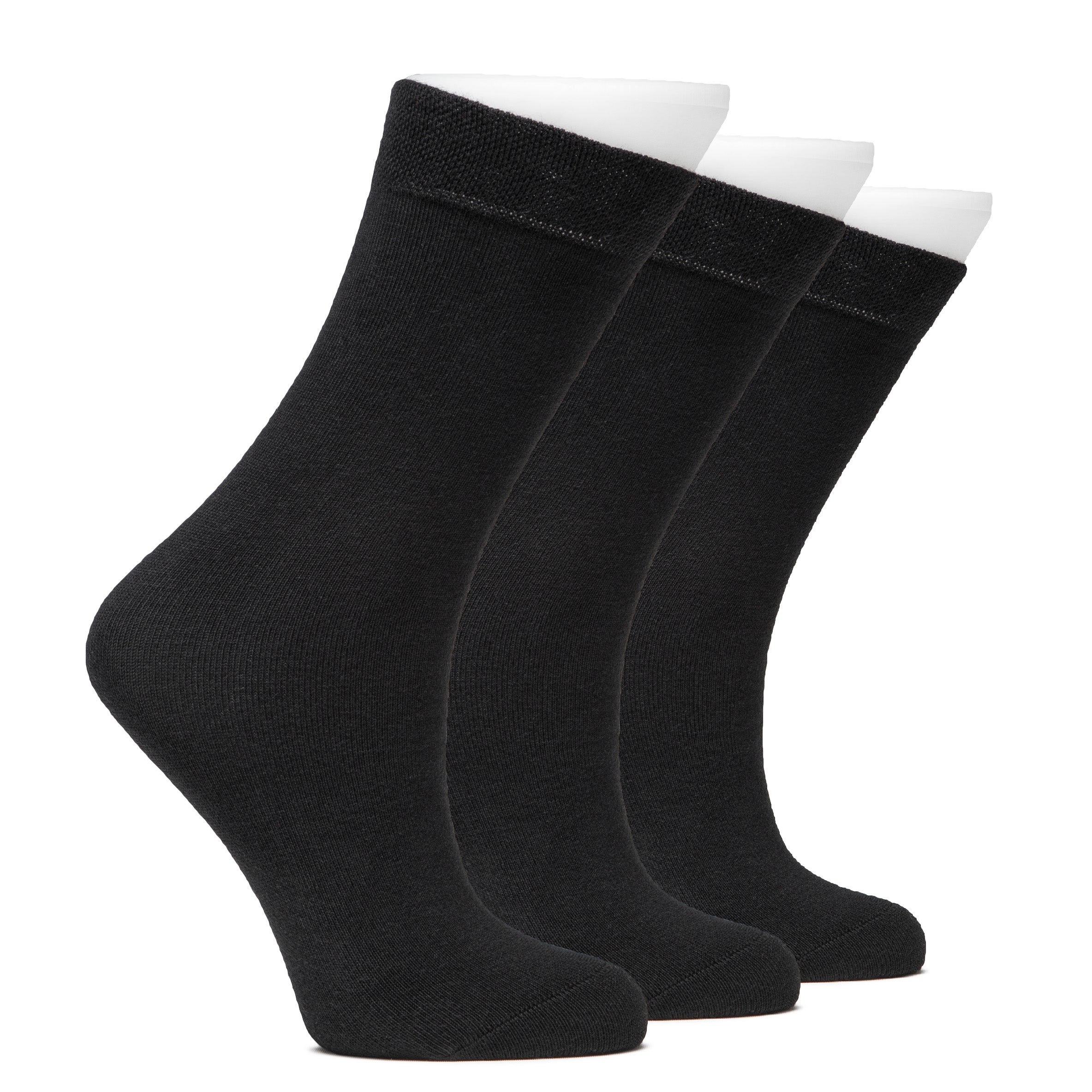
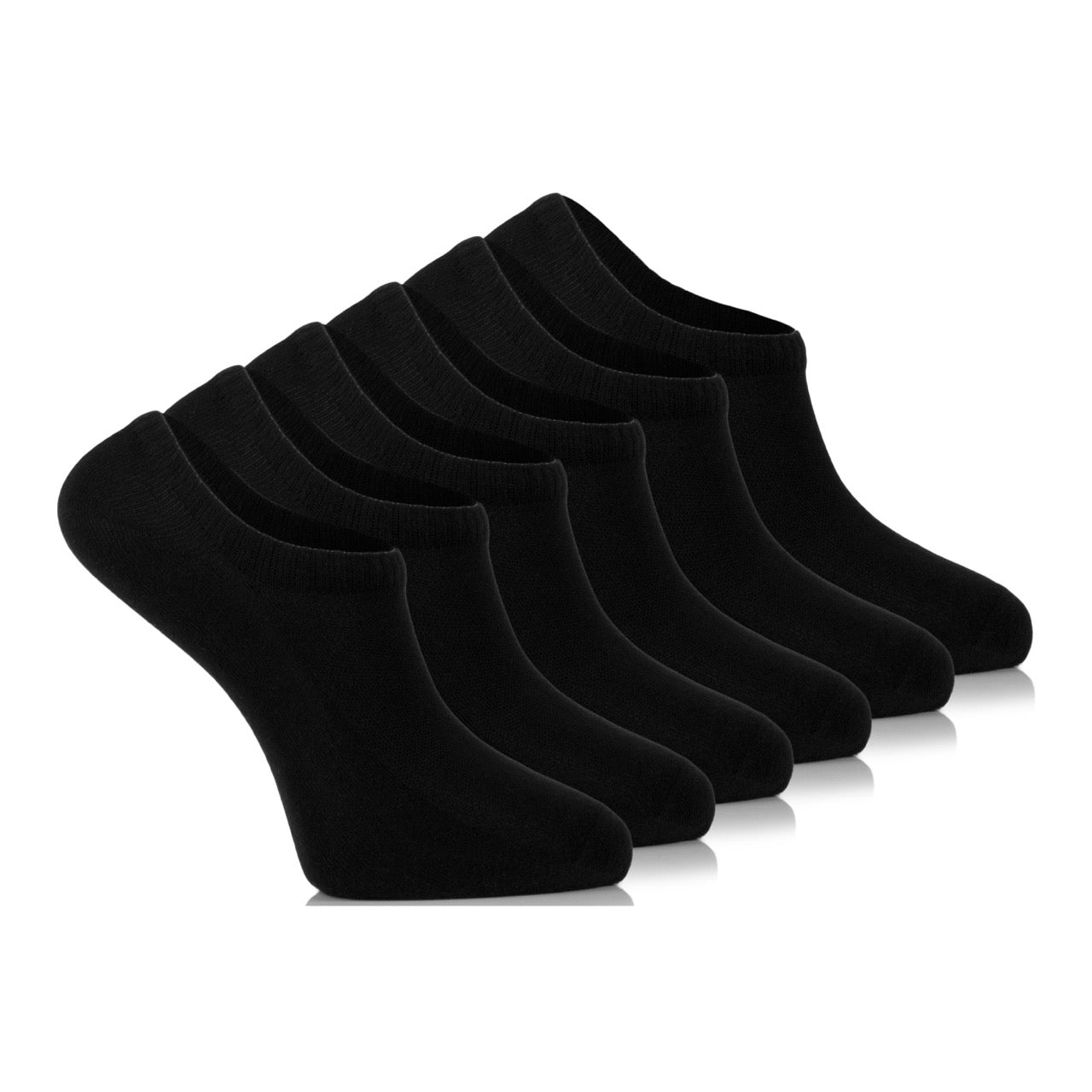


January 2026 wellness trends show a clear shift toward practical, daily habits that support long-term health. Among these, foot comfort has emerged as a quiet but essential focus—especially during cold winter months when circulation, dryness, and sensitivity become more noticeable.
From home routines to workdays and recovery time, the socks people choose now play a meaningful role in everyday wellness, not just style.
Wellness in 2026 is no longer about extreme routines. Instead, trends reflect a return to foundational care—starting from the ground up. Cold weather places unique stress on the feet, increasing the risk of dryness, discomfort, and poor circulation.
As a result, consumers are prioritizing socks that support foot health, regulate temperature, and stay comfortable during long indoor and outdoor days.
Winter temperatures can slow blood flow, especially in the feet. This becomes more noticeable for people who sit or stand for long hours, older adults, and anyone with circulation sensitivity.
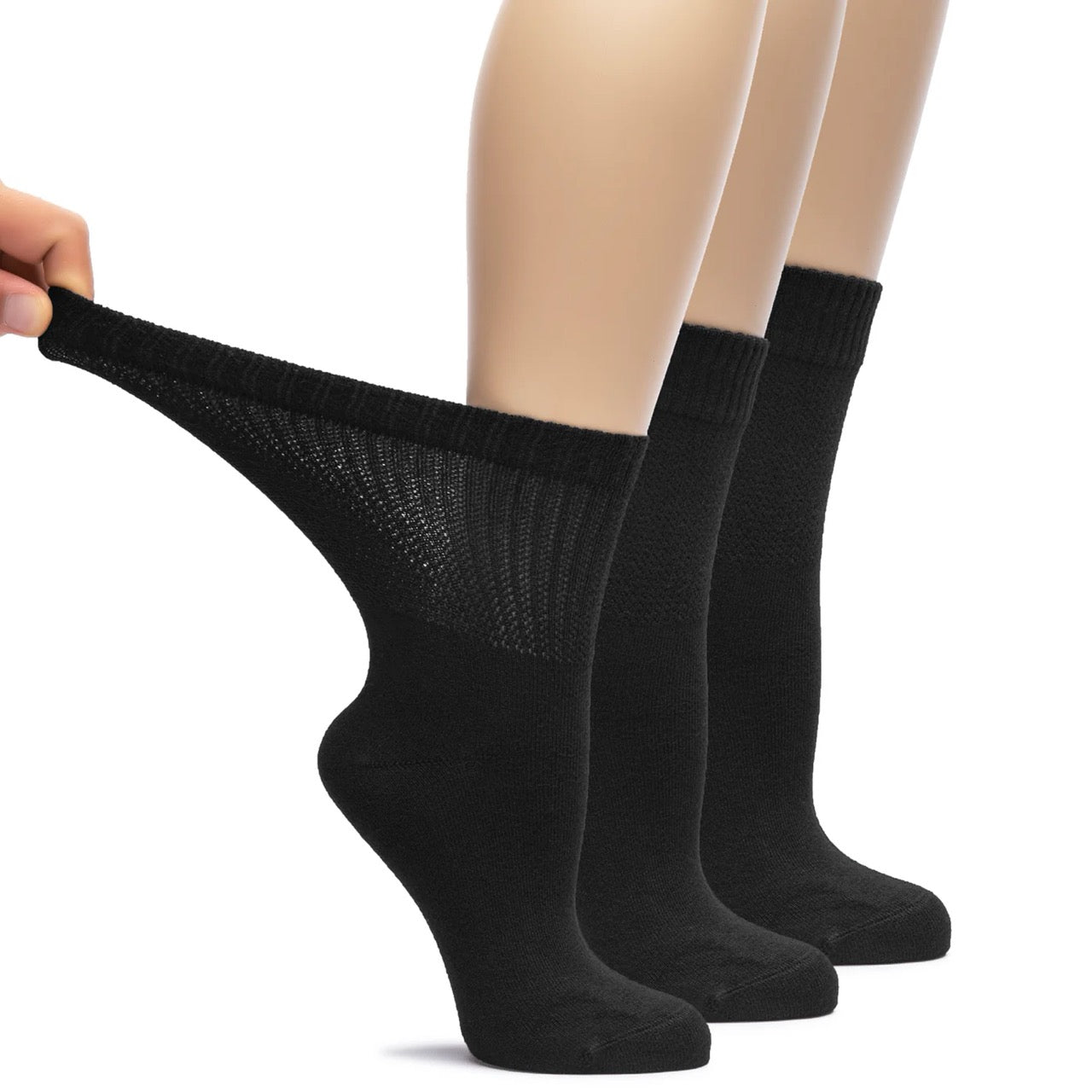
Wellness-focused socks are designed to support circulation without restriction. Features such as non-binding tops, gentle structure, and flexible cuffs help maintain comfort throughout the day.
A key January 2026 trend is preventing moisture buildup rather than reacting to discomfort. Feet that stay damp in cold weather are more prone to irritation and fungal infections.
Socks with moisture wicking properties help keep feet dry while still retaining warmth. This balance supports healthier skin and improves overall comfort during winter routines.

Wellness trends show growing interest in materials that work with the body, not against it. Socks made with breathable fibers such as cotton blends and wool-inspired knits are gaining popularity for their ability to insulate while allowing airflow.
These materials help keep feet warm without overheating, supporting comfort during both indoor relaxation and outdoor activities.
While compression-focused products still have their place, January 2026 trends favor socks that prioritize comfort first. Many consumers are choosing styles that offer gentle support without firm pressure.
This shift reflects a broader wellness movement toward reducing strain on the body and supporting natural circulation rather than forcing correction.
Wellness routines often focus on nutrition, sleep, and movement—but feet are involved in every one of these areas. Comfortable socks support daily habits by reducing friction, preventing cold-related discomfort, and improving stability.
Whether working from home, commuting, or resting in the evening, the right socks help maintain consistency in daily wellness practices.
Dry air and cold temperatures can lead to cracking and sensitivity. Socks with smooth interiors and seamless construction help protect skin from irritation.
This trend is especially important for people with sensitive skin or nerve-related discomfort during winter.
One defining trend of January 2026 is prevention. Instead of waiting for discomfort to appear, consumers are choosing socks that proactively support warmth, circulation, and skin health.
This mindset aligns with broader wellness habits focused on small, consistent upgrades that deliver long-term benefits.
Socks may seem like a minor detail, but winter wellness trends prove otherwise. Foot comfort influences posture, movement, and overall daily comfort—making socks an essential part of a balanced winter routine.
As January 2026 sets the tone for the year, choosing the right socks becomes a simple yet effective way to support wellness from the ground up.
Socks help regulate temperature, manage moisture, and support circulation during cold weather.
Moisture control, warmth without overheating, and non-restrictive fit are key priorities.
Yes. Socks with gentle structure and non-binding tops help maintain healthy blood flow.
No. Anyone spending long hours indoors or outdoors in winter can benefit from comfort-focused socks.
He has been working for more than 20 years in the textile industry and has work experience in many parts of the world.