Cart
0
You may also like
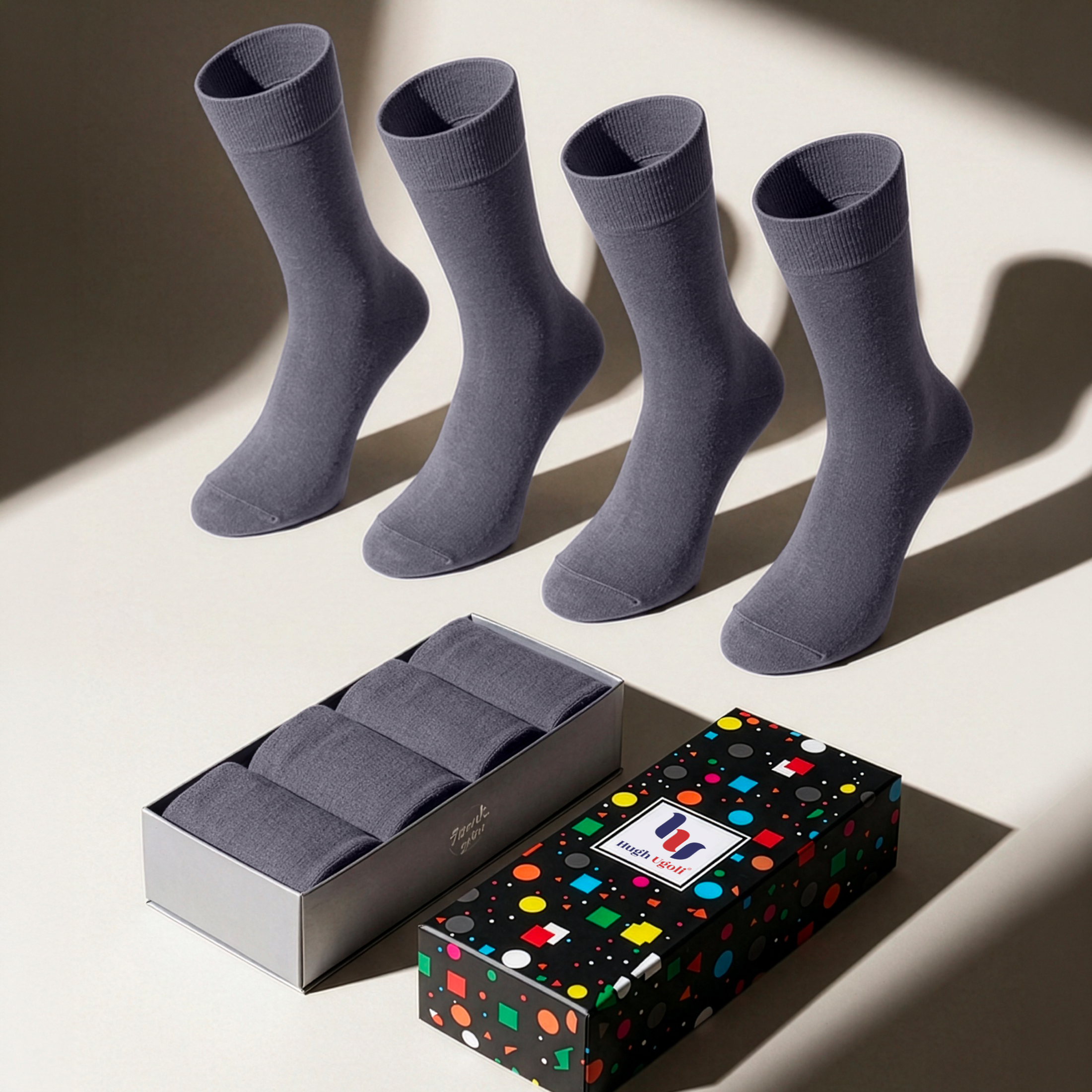
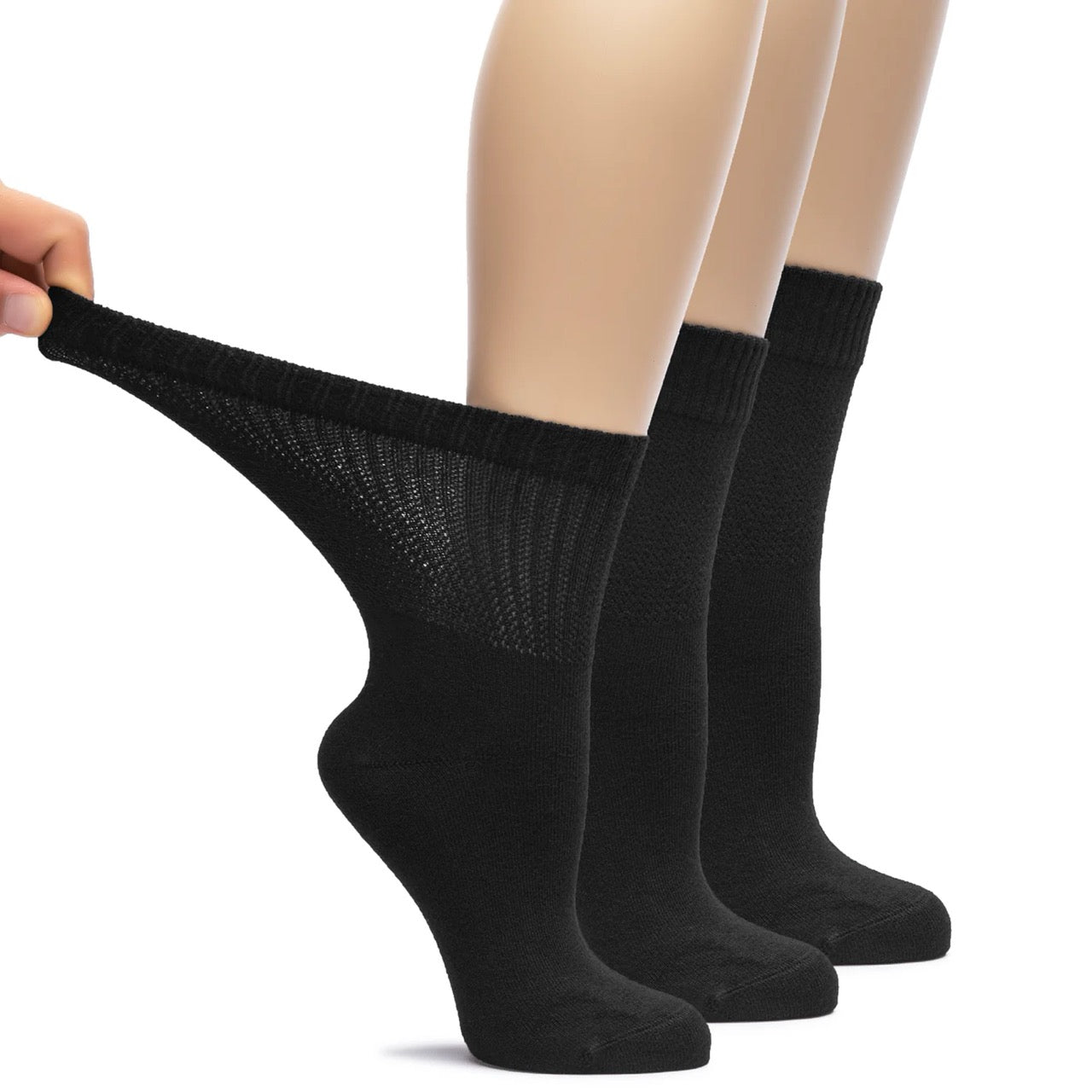

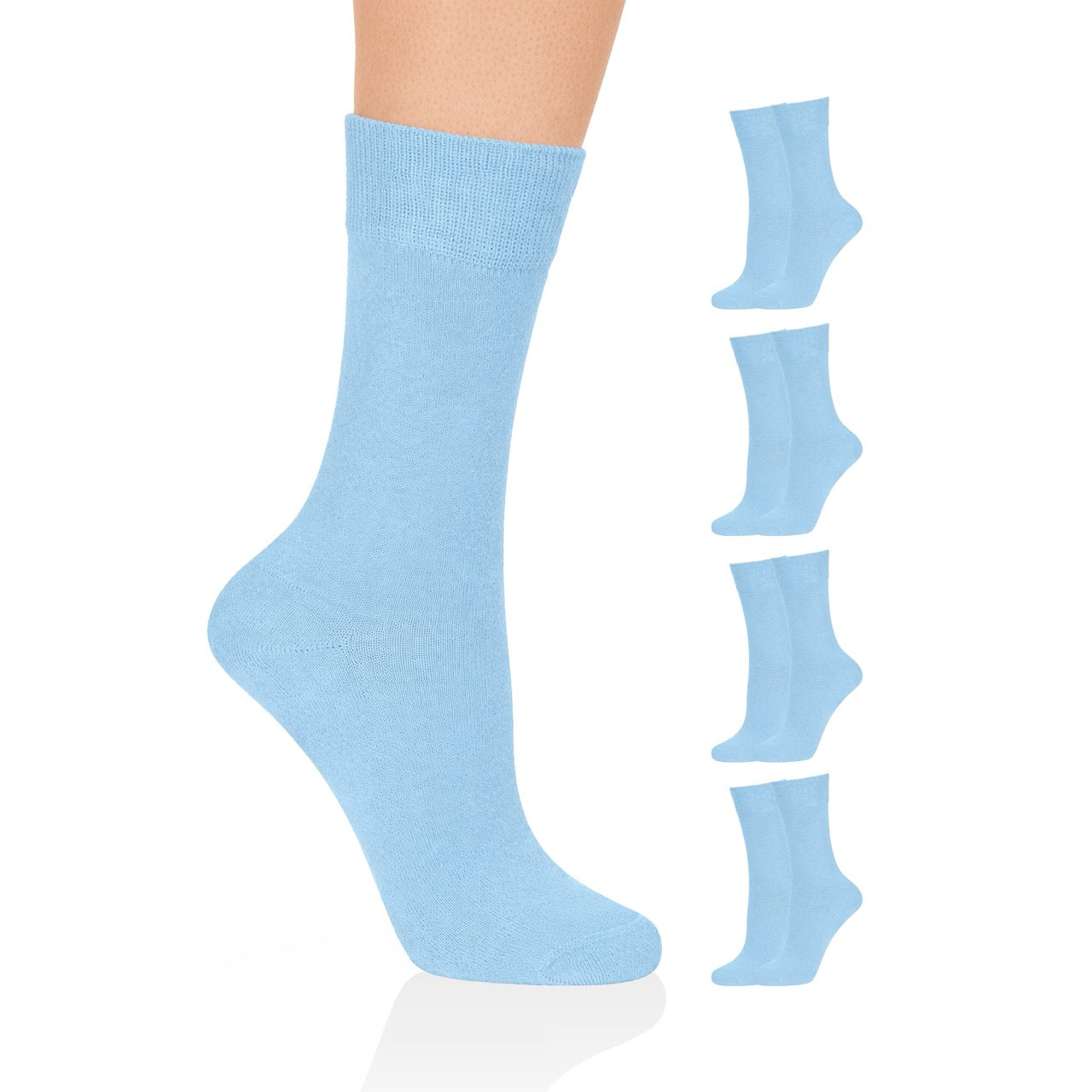
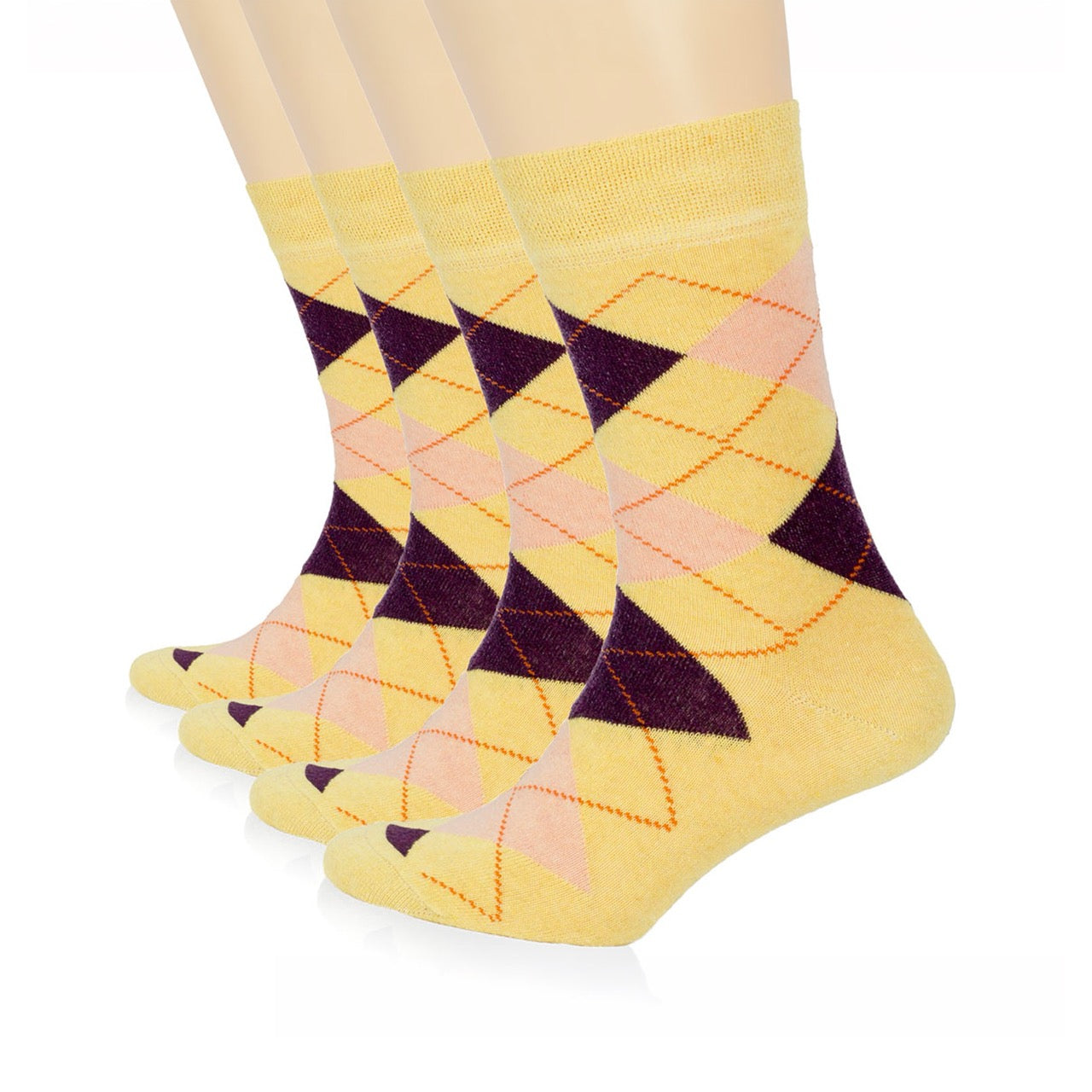
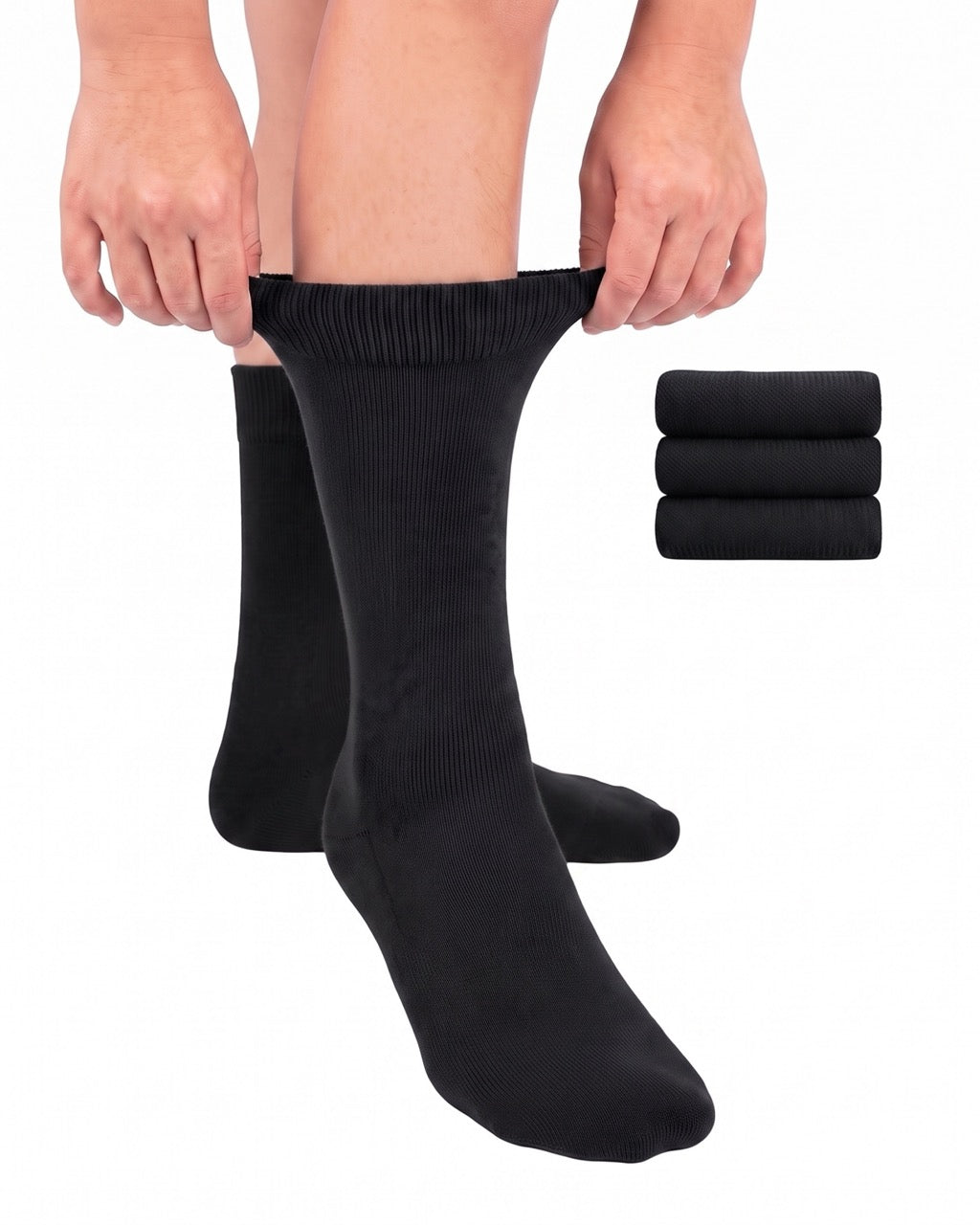


Socks are too tight when they leave deep marks, feel restrictive, or press hard enough to affect how your legs feel through the day. Over long stretches of sitting or standing, that pressure can leave you with heaviness in the legs, tingling, mild swelling and skin irritation where the cuff sits. None of this is usually dramatic in the short term, but it does build. A better-fitting sock stays in place without squeezing, uses a soft and flexible cuff, and lets the leg move naturally. If discomfort or swelling persists, that is a conversation for a healthcare professional.
Key Takeaways
Wearing socks that feel snug might seem harmless at first. However, wearing tight socks for extended periods can lead to discomfort, circulation problems, and even long-term health problems. Whether you're sitting or standing all day, the pressure from tight socks can build over time and affect how your legs and feet feel.
This guide explains what happens when socks are too tight, how to recognize the signs, and how to choose better-fitting options.
It’s not always obvious when socks are causing problems. However, there are clear signs to watch for.
These signs indicate that your socks may be applying too much pressure.
The most immediate issue with tight socks is restricted circulation.
When socks restricts blood flow, it can lead to:
This becomes more noticeable when you're sitting or standing for extended periods.

Poor circulation can lead to tired, heavy legs.
When blood does not flow efficiently, muscles may not receive enough oxygen. This can result in:
Over time, this can affect overall comfort and daily performance.
Tight socks can press into the skin and create visible marks.
These deep marks may:
If socks leaving marks become a daily occurrence, it’s a sign to reassess your sock choice.
When circulation is limited, fluid can build up in the lower legs.
This may lead to:
These symptoms are more noticeable during travel or desk work.
Consistently wearing tight socks may contribute to ongoing circulation issues.
While occasional tightness may not cause serious harm, repeated restriction can increase the risk of discomfort over time.
If symptoms persist, it’s best to consult a healthcare professional.
Not all tight socks are harmful. Some are designed to apply controlled pressure.
Compression socks are specifically designed to support circulation. Unlike regular tight socks, they apply gradual pressure that helps improve blood flow.
They are commonly used for:
The key difference is that compression socks are engineered for safety and effectiveness.
The difference between comfort and discomfort often comes down to fit.
Fitting socks should:
Choosing the right size is essential to avoid unnecessary pressure.
To avoid issues caused by tight socks, focus on better selection.
Well-designed socks should support comfort without causing restriction.
Some individuals should pay closer attention to sock fit.
In these cases, avoiding tight socks is especially important.
Simple habits can help reduce discomfort caused by socks.
These steps support better comfort and reduce the chance of ongoing issues.
Wearing tight socks for too long can lead to discomfort, poor circulation, and visible pressure marks. While the effects may seem minor at first, they can build over time—especially during long days of activity or inactivity.
Choosing properly fitting socks with flexible materials ensures better comfort, healthier circulation, and a more enjoyable daily experience.
This article is for general information and is not medical advice. Talk to your healthcare provider about your own feet.
If they leave deep marks, feel restrictive, or cause discomfort you notice through the day, the fit is likely too tight.
Sustained pressure can restrict blood flow and leave legs feeling heavy or tingly, which is more noticeable during long periods of sitting or standing.
Light marks are common. Deep or painful marks suggest the cuff is applying more pressure than it should.
No. Compression socks are designed to apply controlled, graduated pressure and should be used under medical guidance.
If you have ongoing discomfort, swelling or circulation concerns, speak with a healthcare professional rather than adjusting your socks and waiting.
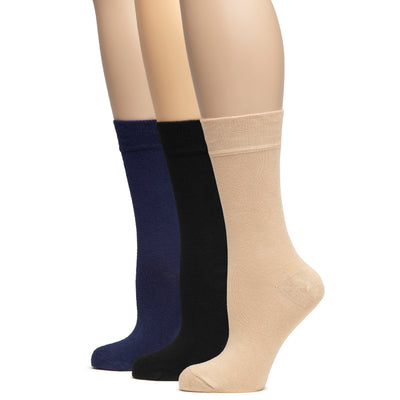
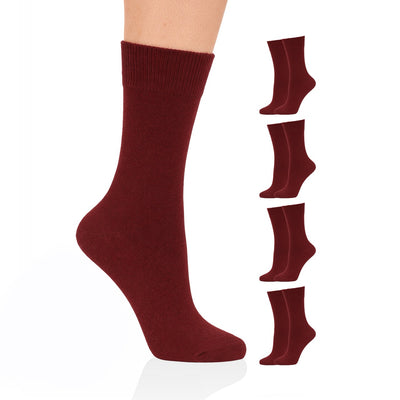
Discover All Hugh Ugoli Socks
Shop All Socks