Cart
0
You may also like
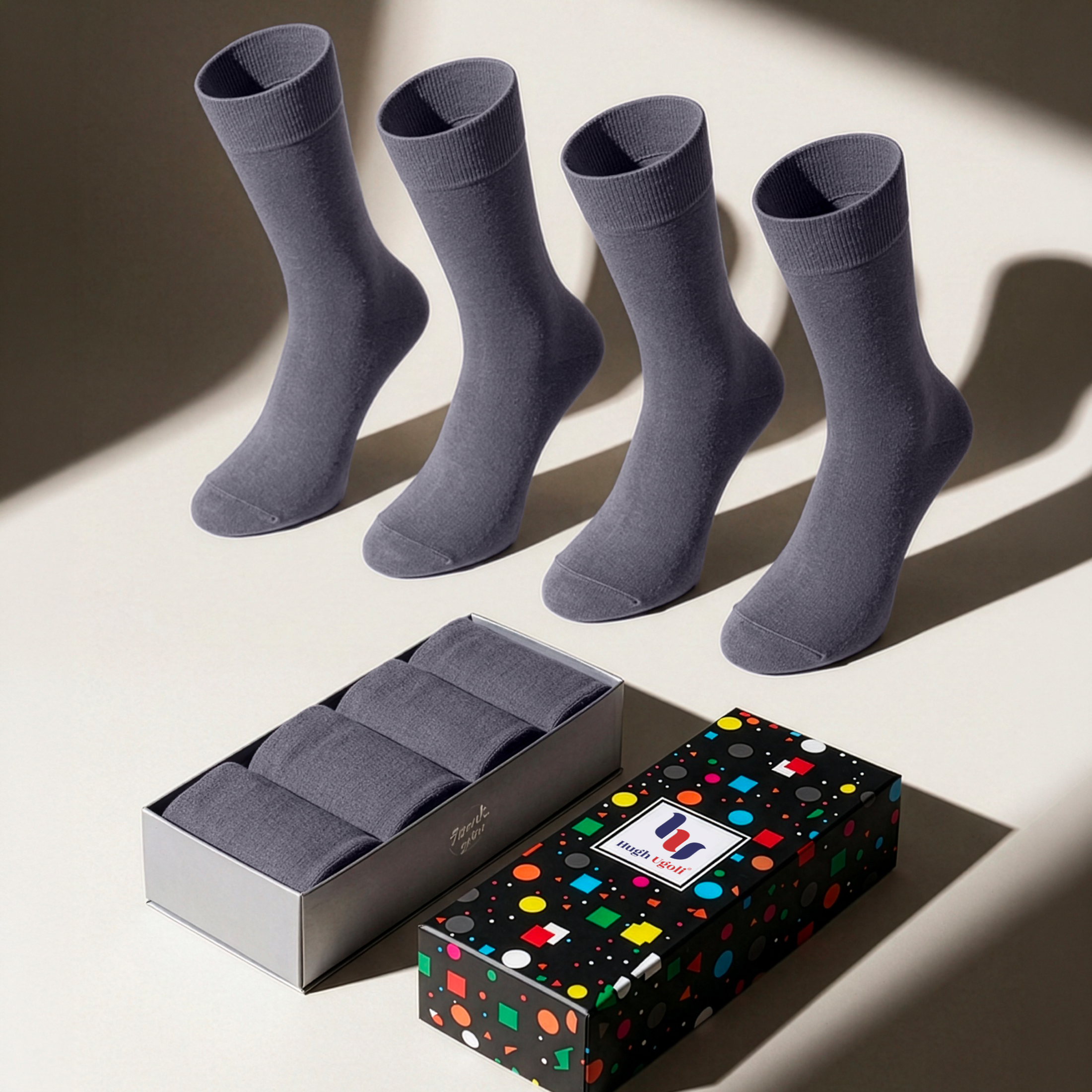
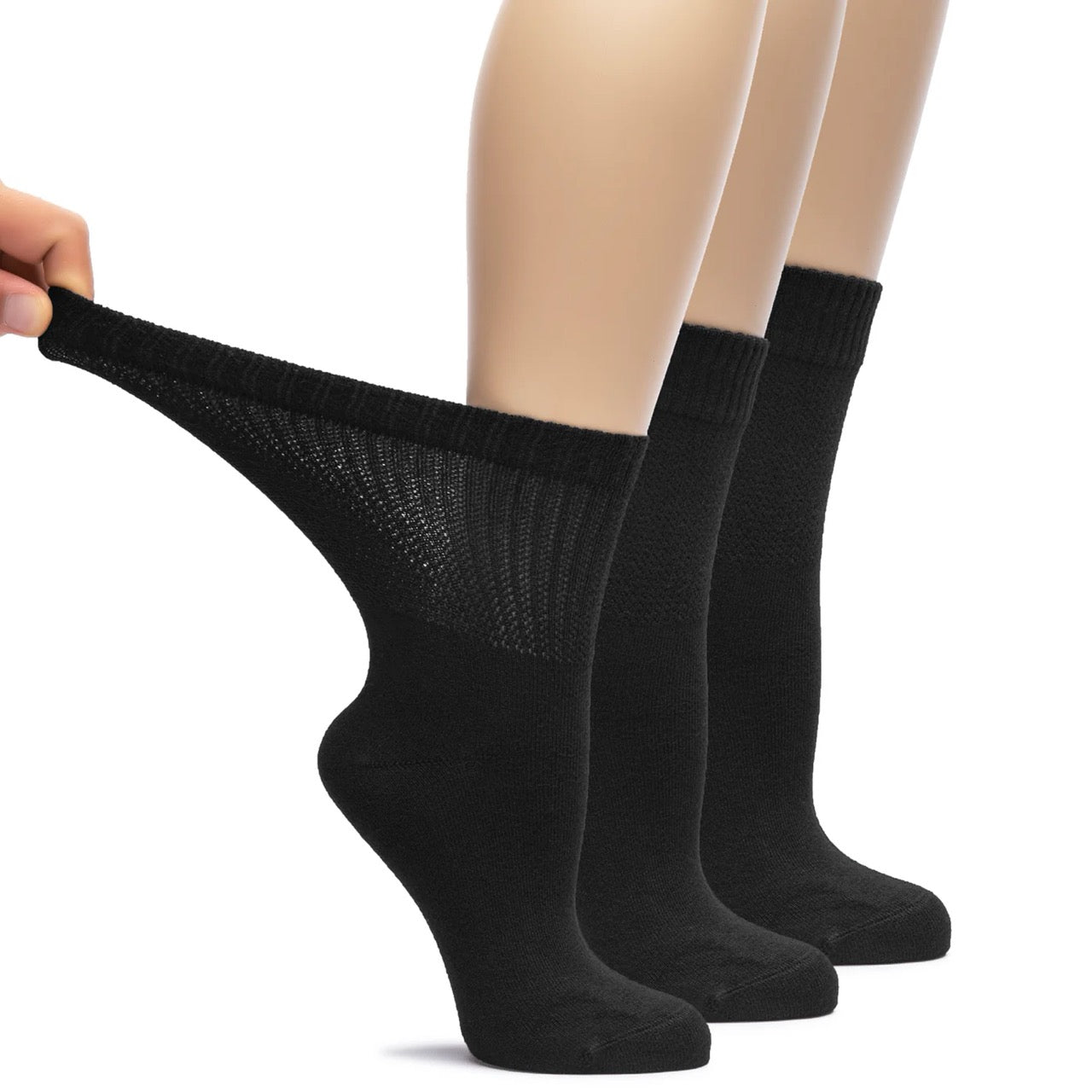
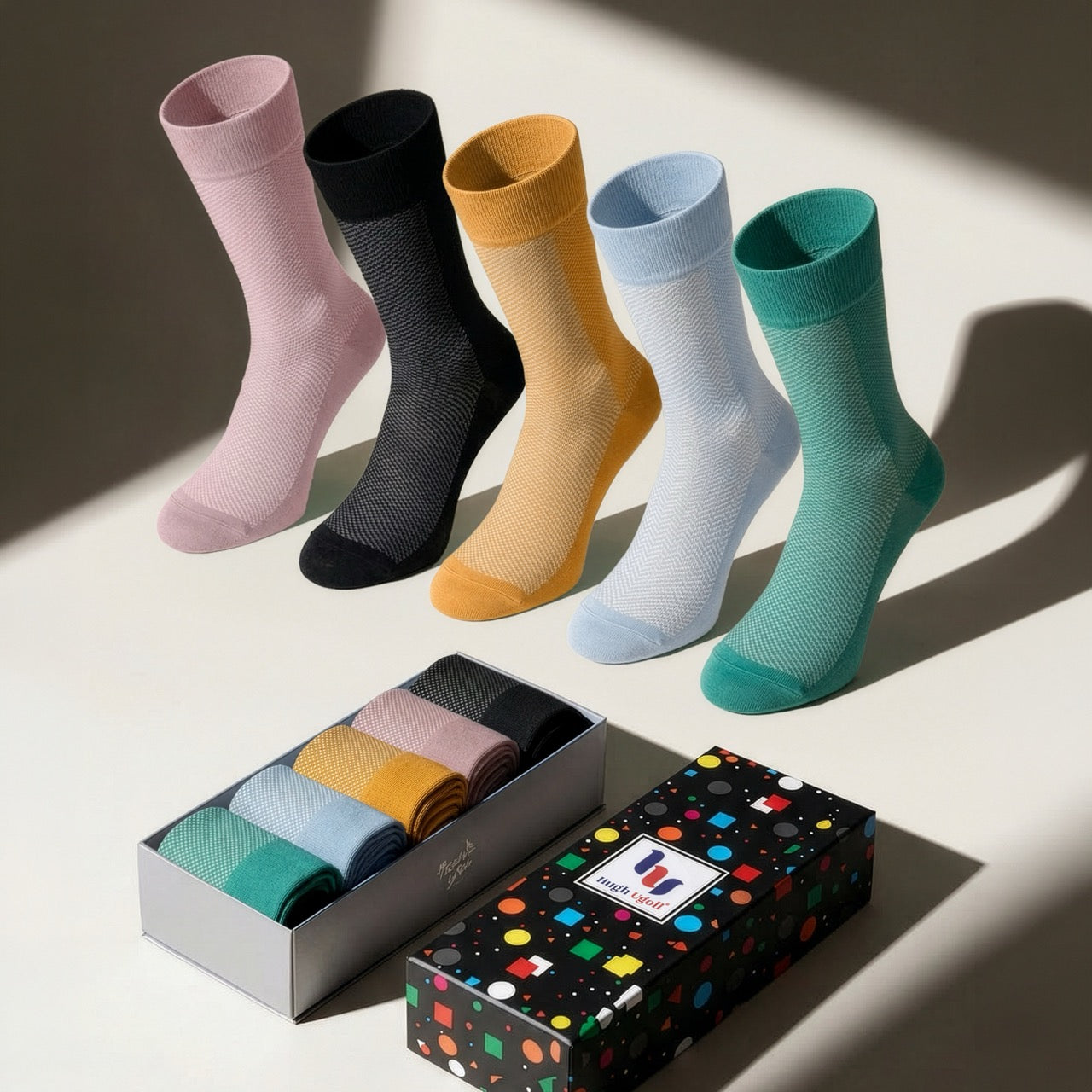
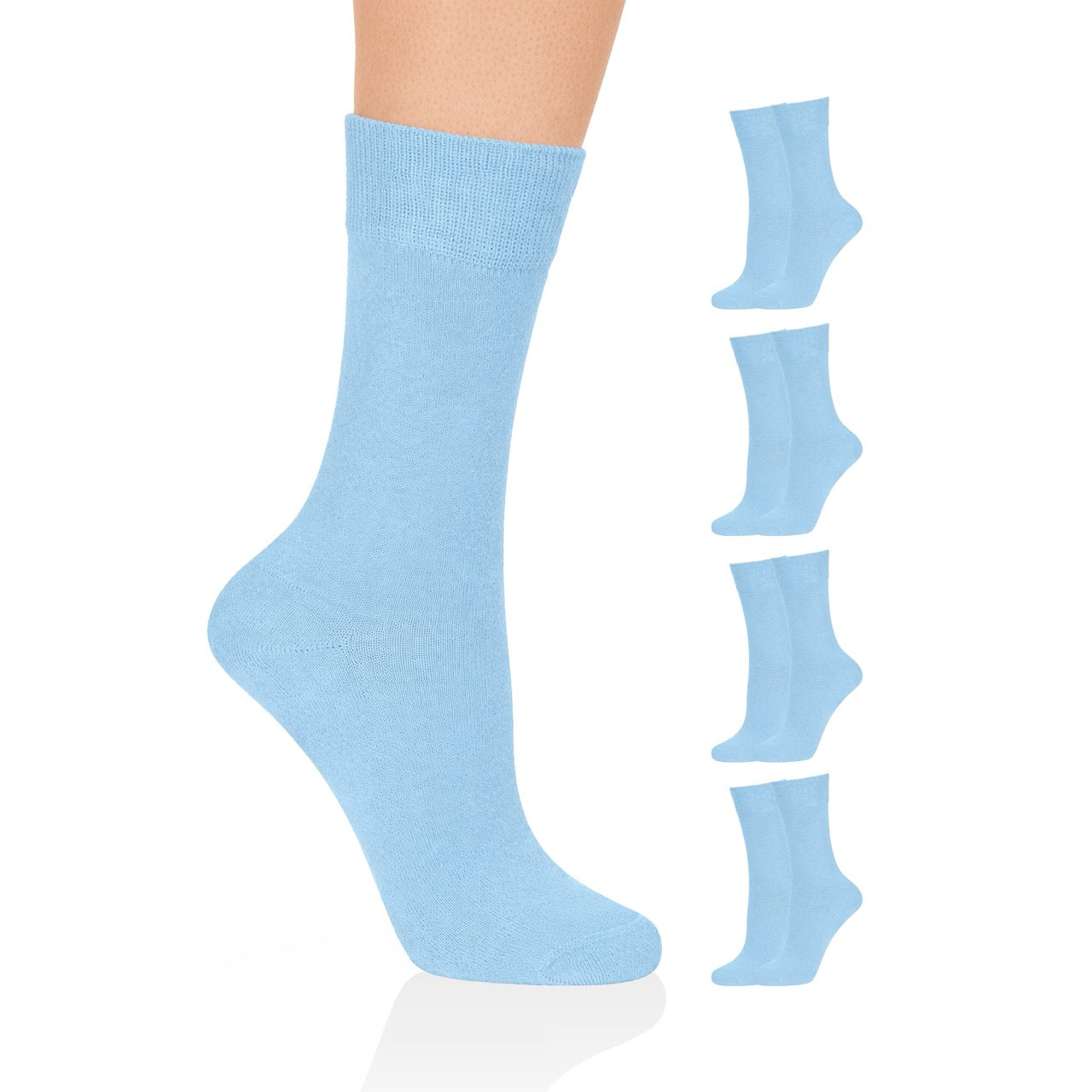
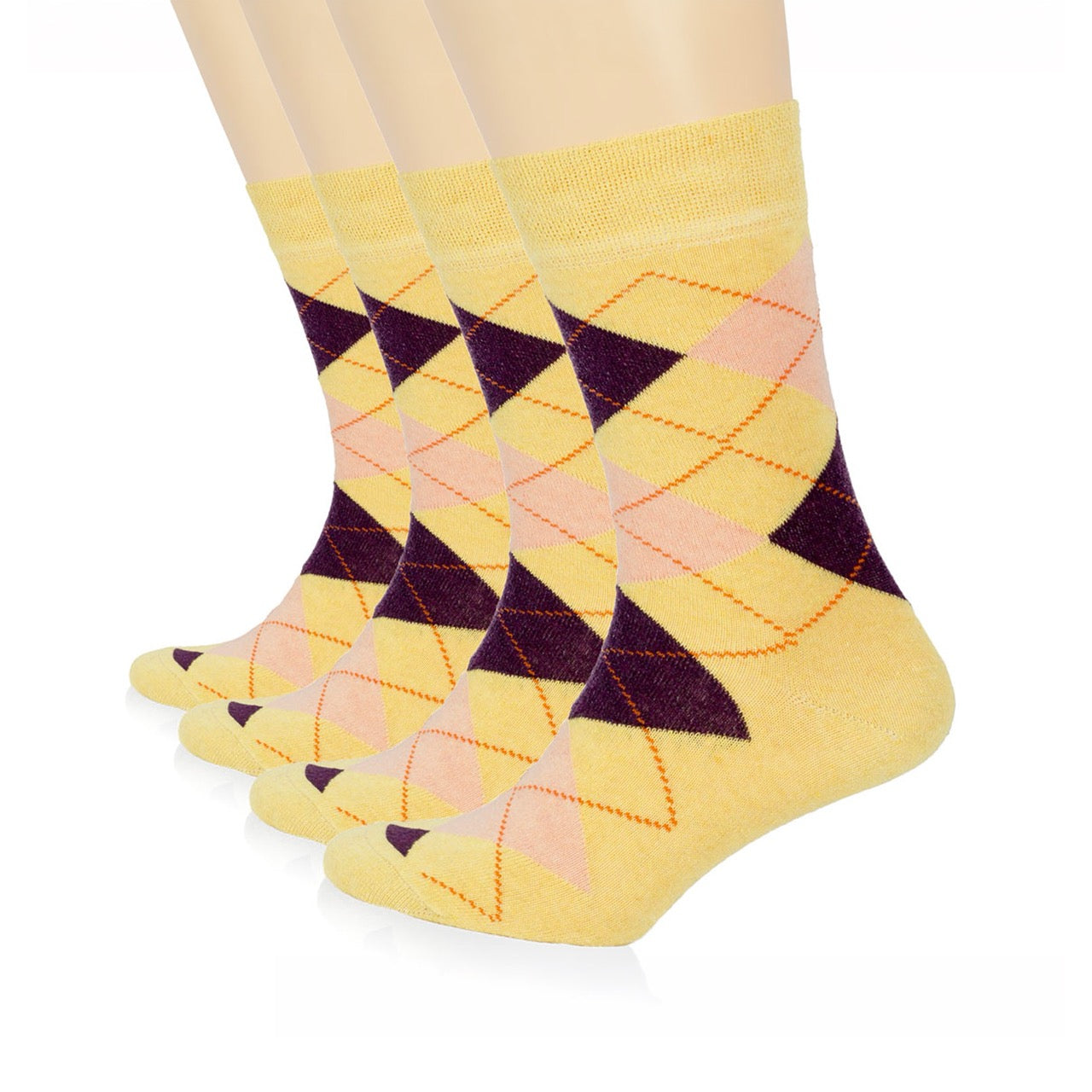
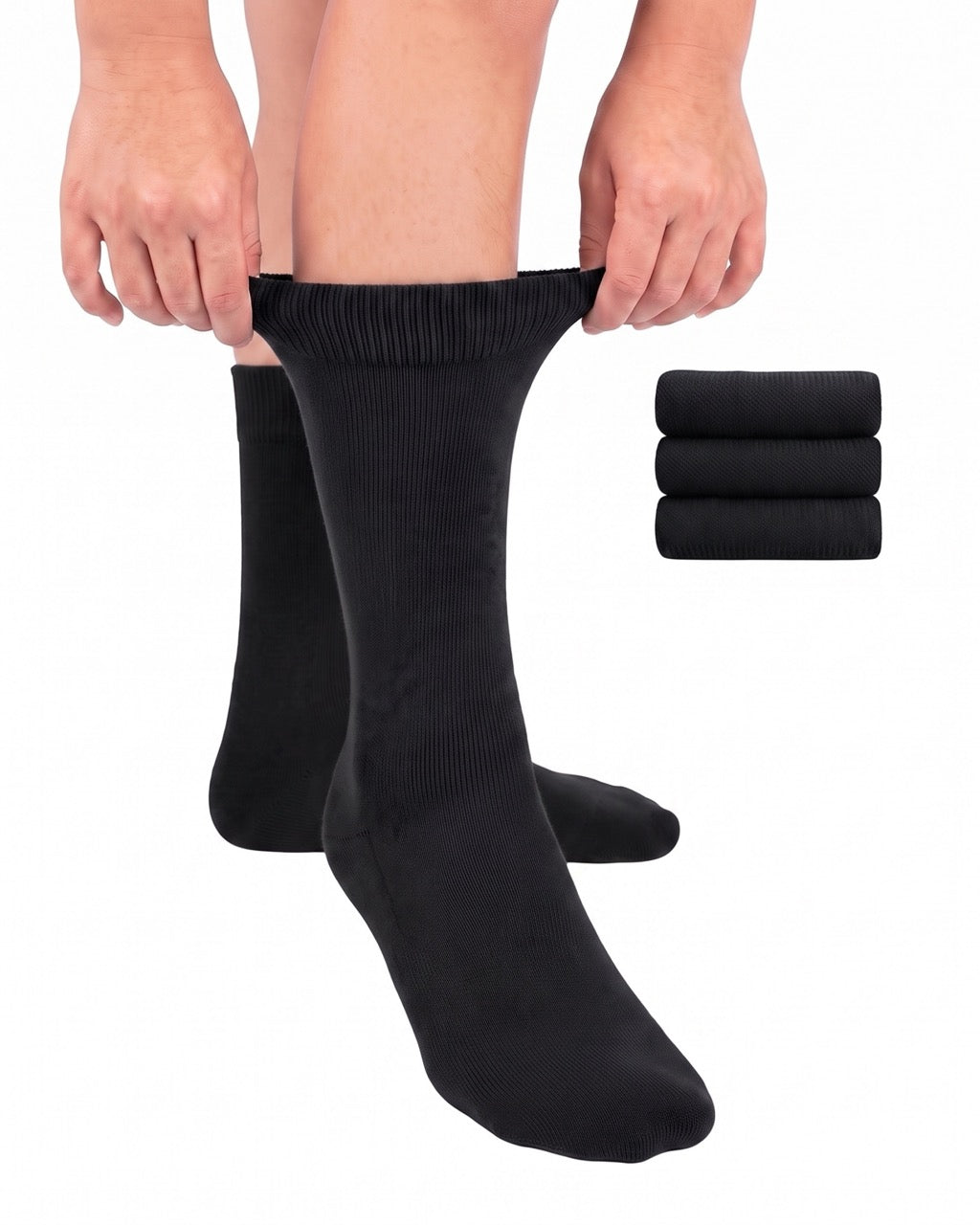
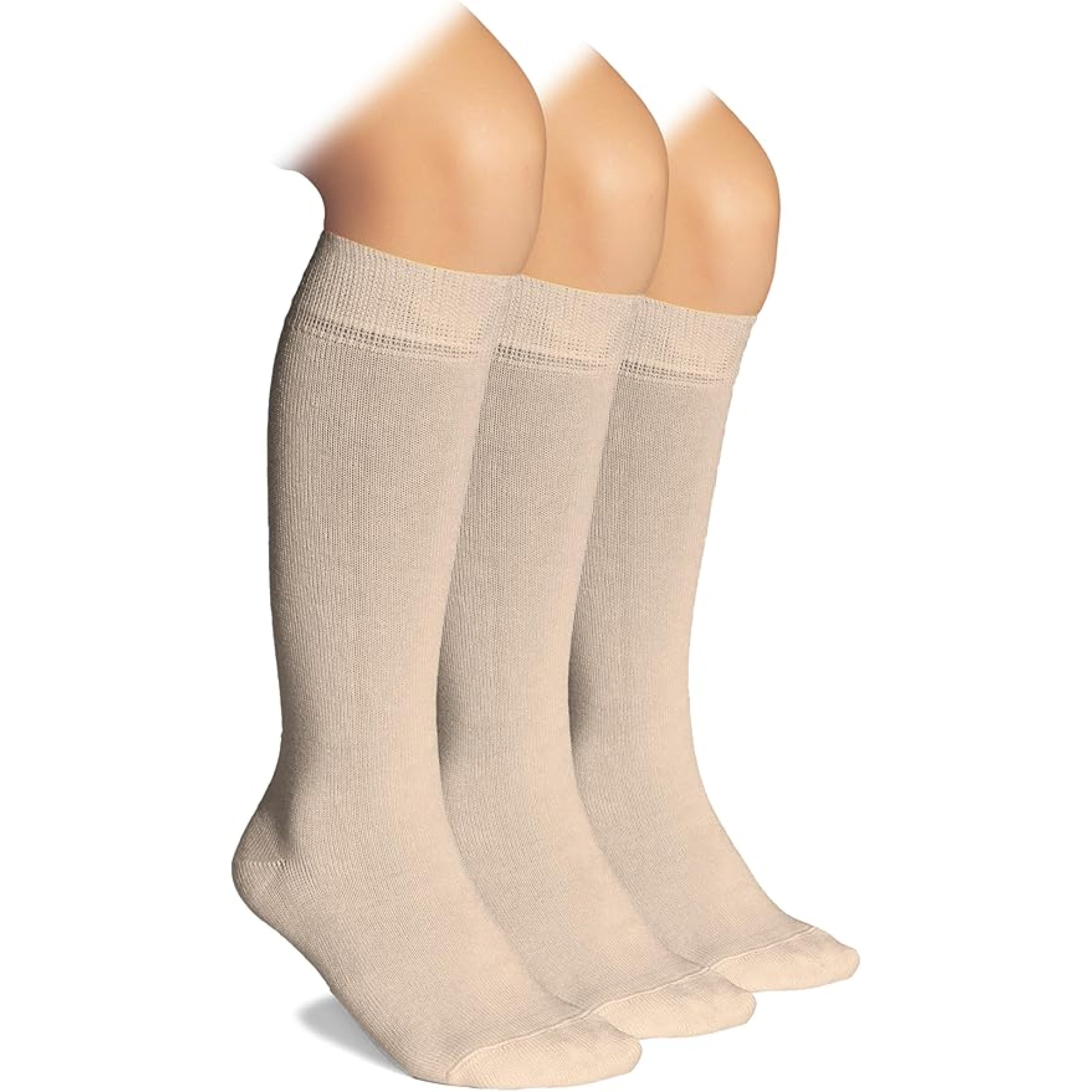


A sock made entirely from cotton is rare, and for good reason. Cotton absorbs moisture readily but does not move it away from the skin, so sweat sits there and feet stay damp. Cotton on its own also has no stretch, which means the sock sags and loses its shape, and it stops insulating once it gets wet, making it a poor choice for cold or wet conditions. Adding a small amount of elastane, nylon or polyester fixes the stretch, the fit and much of the moisture handling. Merino wool and bamboo are the two natural alternatives most often recommended instead.
Key Takeaways
When shopping for socks, many people gravitate toward the idea of 100% cotton socks, believing they are the ultimate choice for comfort and breathability. However, the reality is that pure cotton socks are not ideal for keeping your feet dry and comfortable. This blog explores the truth about sock materials, why 100% cotton isn’t practical, and the better alternatives for various needs.
1. Cotton Absorbs but Doesn’t Wick Moisture
Cotton is a natural fiber that absorbs moisture effectively, but it lacks the ability to wick moisture away from the skin. This means that sweaty feet stay damp, increasing the risk of blisters and fungal infections, especially during physical activity.
2. Lack of Stretch and Durability
Without any synthetic fibers like elastane or polyamide, 100% cotton socks lack stretch, making them prone to sagging and losing shape over time. A well-fitted pair of socks should offer flexibility to stay snug throughout the day.
3. Unsuitable for Cold Weather
While cotton can provide some insulation, it loses warmth when wet, making it less effective in cold weather compared to alternatives like merino wool. Cotton socks are better suited for casual indoor use rather than outdoor winter activities.

1. Moisture Management
Modern socks often incorporate materials like polyester or nylon alongside cotton to improve their ability to wick moisture away. This keeps your feet dry and reduces discomfort during long wear.
2. Enhanced Comfort and Fit
Blends with elastane or spandex provide a better fit and prevent sagging, ensuring your socks feel comfortable all day.
3. Durability and Longevity
Blended materials are more resistant to wear and tear, making them a high-quality option for everyday use.
For those looking for natural fibers, merino wool is an excellent choice. It offers:
When shopping for socks, look for those that balance natural fibers like cotton or wool with synthetic materials for optimal performance. For example:
The addition of fibers like nylon, polyester, or spandex transforms cotton socks into versatile options. These materials:
If you’re an athlete or someone who spends a lot of time on their feet, blended socks are a game changer. They wick away sweat, reduce the chance of blisters, and hold their shape better after multiple washes.
For those concerned about sustainability, bamboo socks are a great option. They combine natural softness with moisture-wicking properties, providing a balance of comfort and performance.
For more tips on choosing the right socks for different seasons and activities, check out our blog: Top Sock Choices for Winter. Discover how to keep your feet comfortable and dry all year long.
With the right blend of materials, you can enjoy the benefits of comfort, durability, and functionality, leaving behind the limitations of 100% cotton socks. Make the smarter choice with Hugh Ugoli’s range of thoughtfully designed socks.
For a deeper dive into this topic, see Bamboo Socks vs. Cotton Socks: A Comparative Analysis and 100% Cotton Socks: Myth or Reality?.
Not inherently, but cotton absorbs moisture rather than moving it away, which leaves feet damp and less comfortable over a long day.
Blends keep the comfort of a natural fibre while adding moisture control, stretch and durability for everyday wear.
For moisture handling and temperature regulation, generally yes. Merino stays comfortable across both warm and cold conditions.
Moisture-wicking socks made with merino wool, bamboo, or synthetic performance blends are the usual recommendation.
Yes. A well-made cotton blend keeps the softness while improving the fit, the durability and the moisture control.

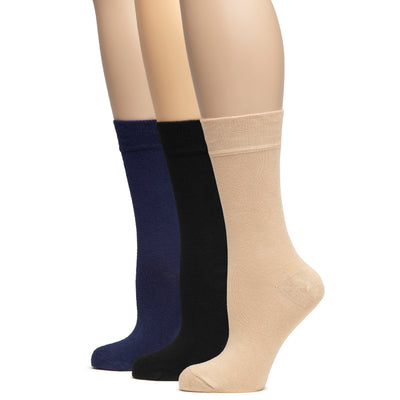

Discover All Hugh Ugoli Socks
Shop All Socks