
Cart
0
You may also like
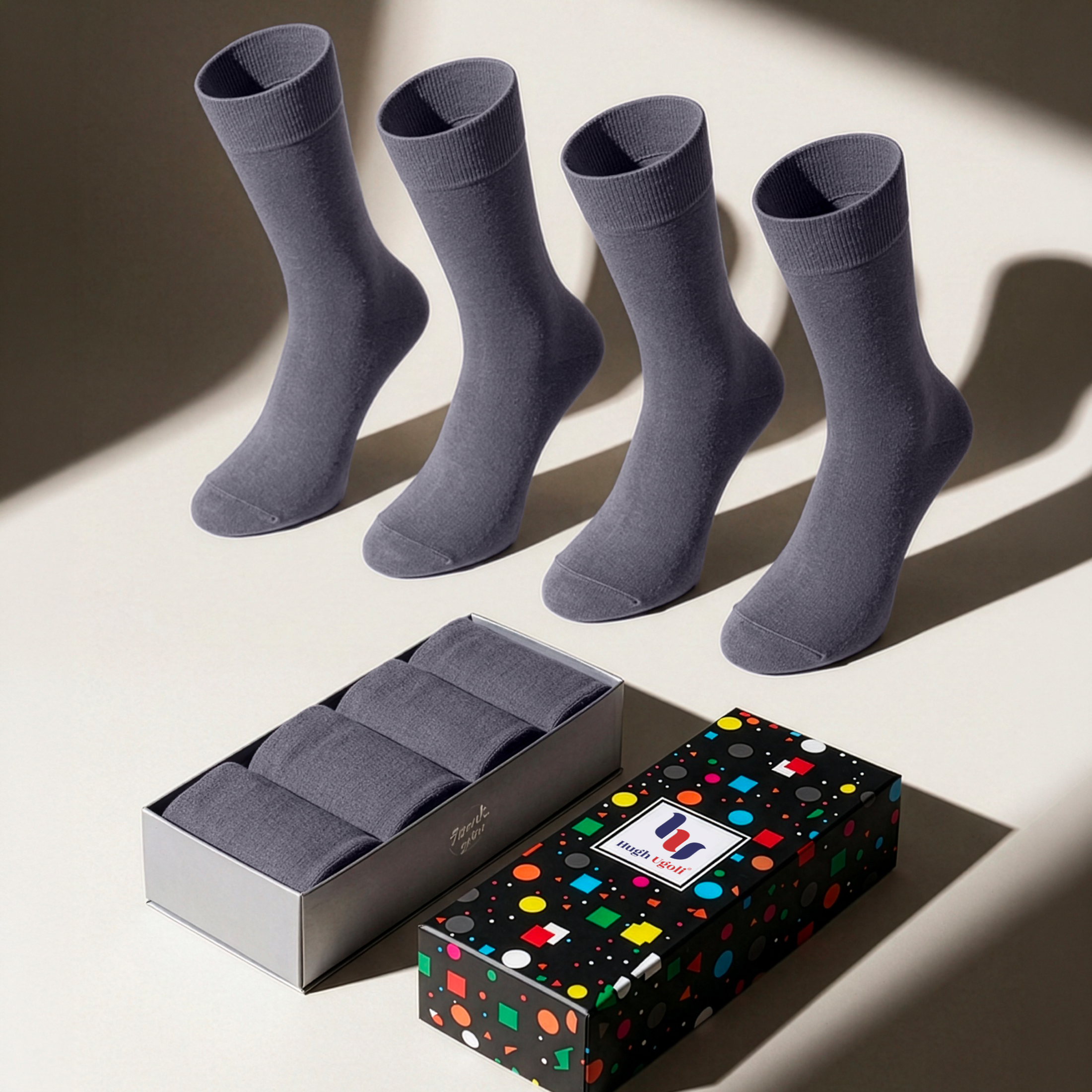
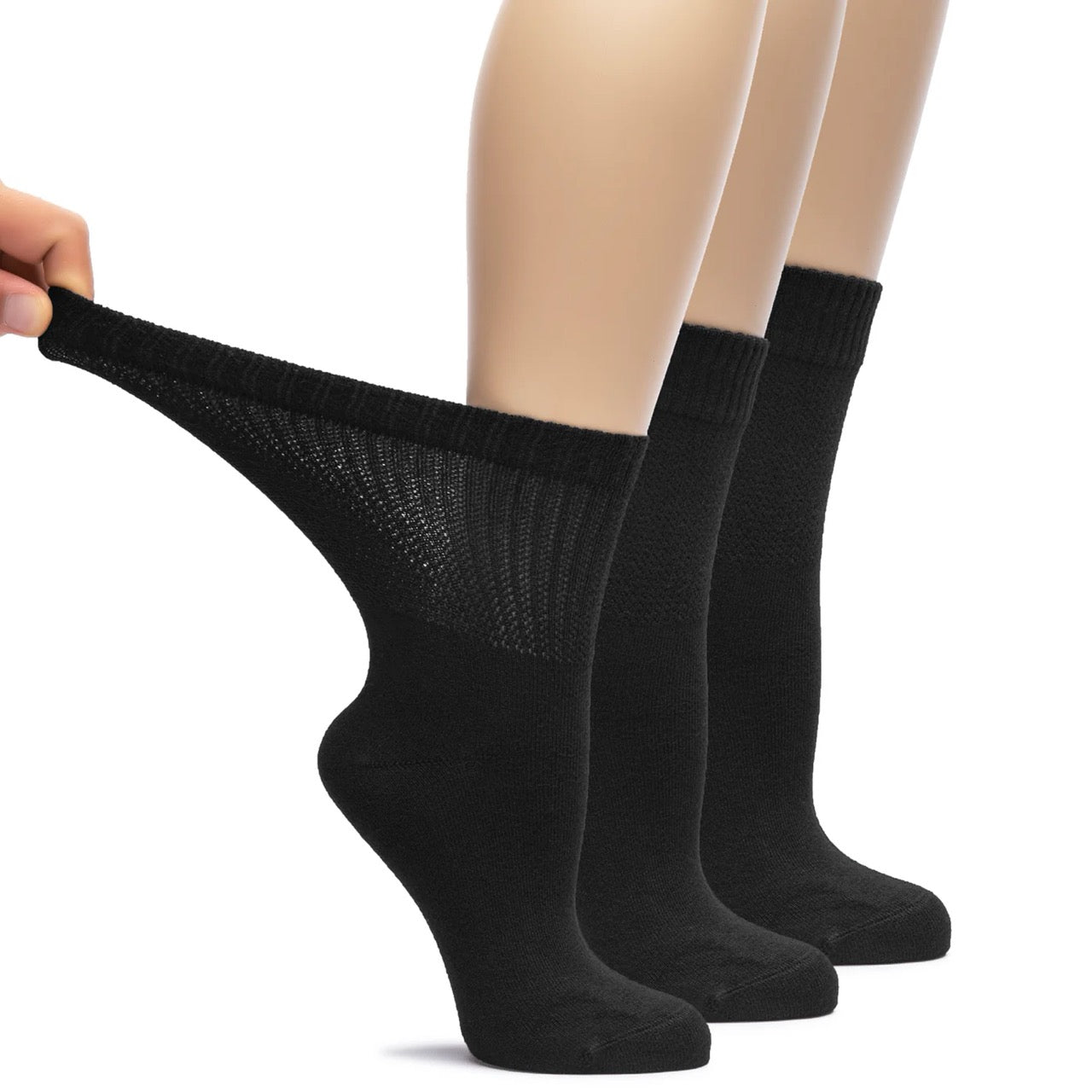
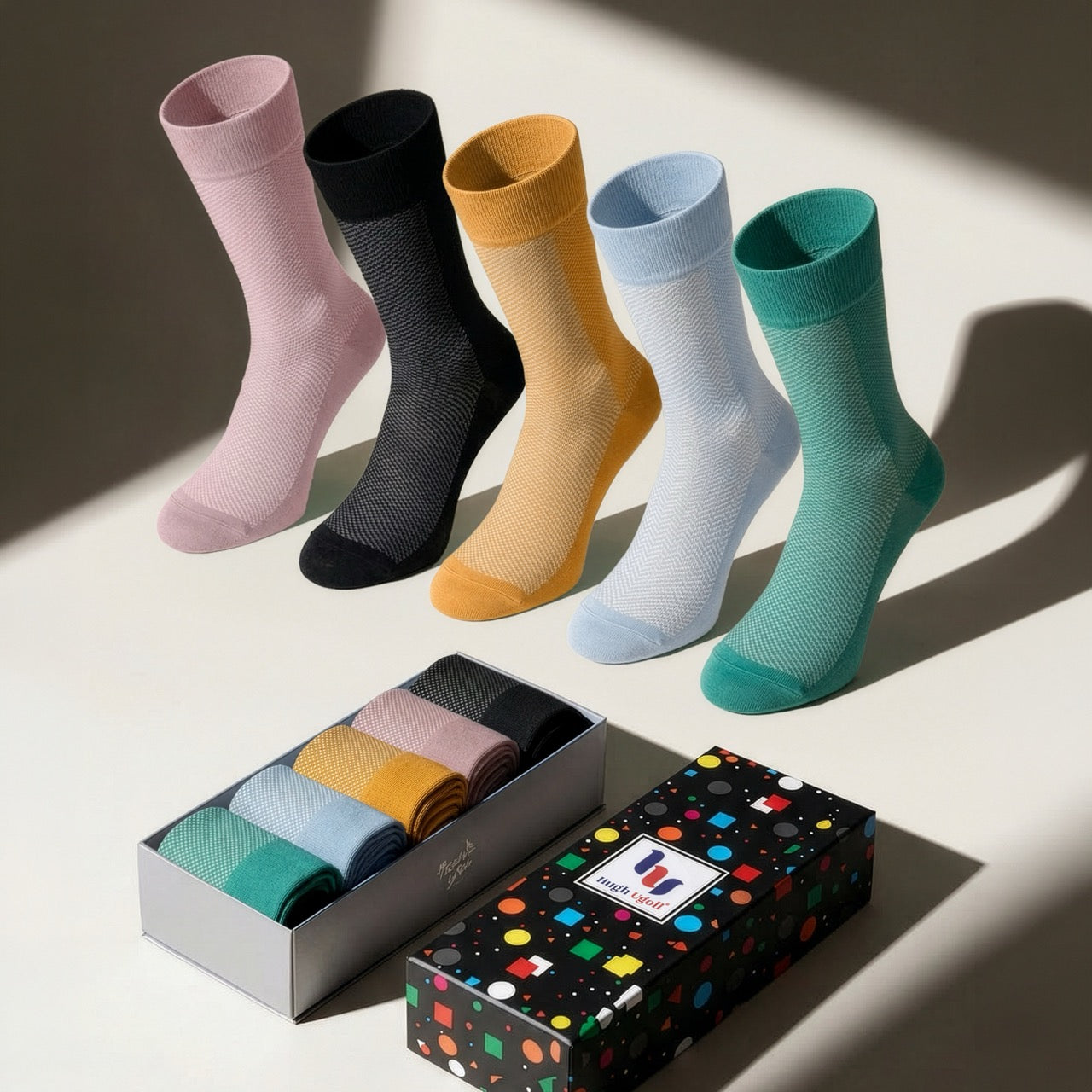
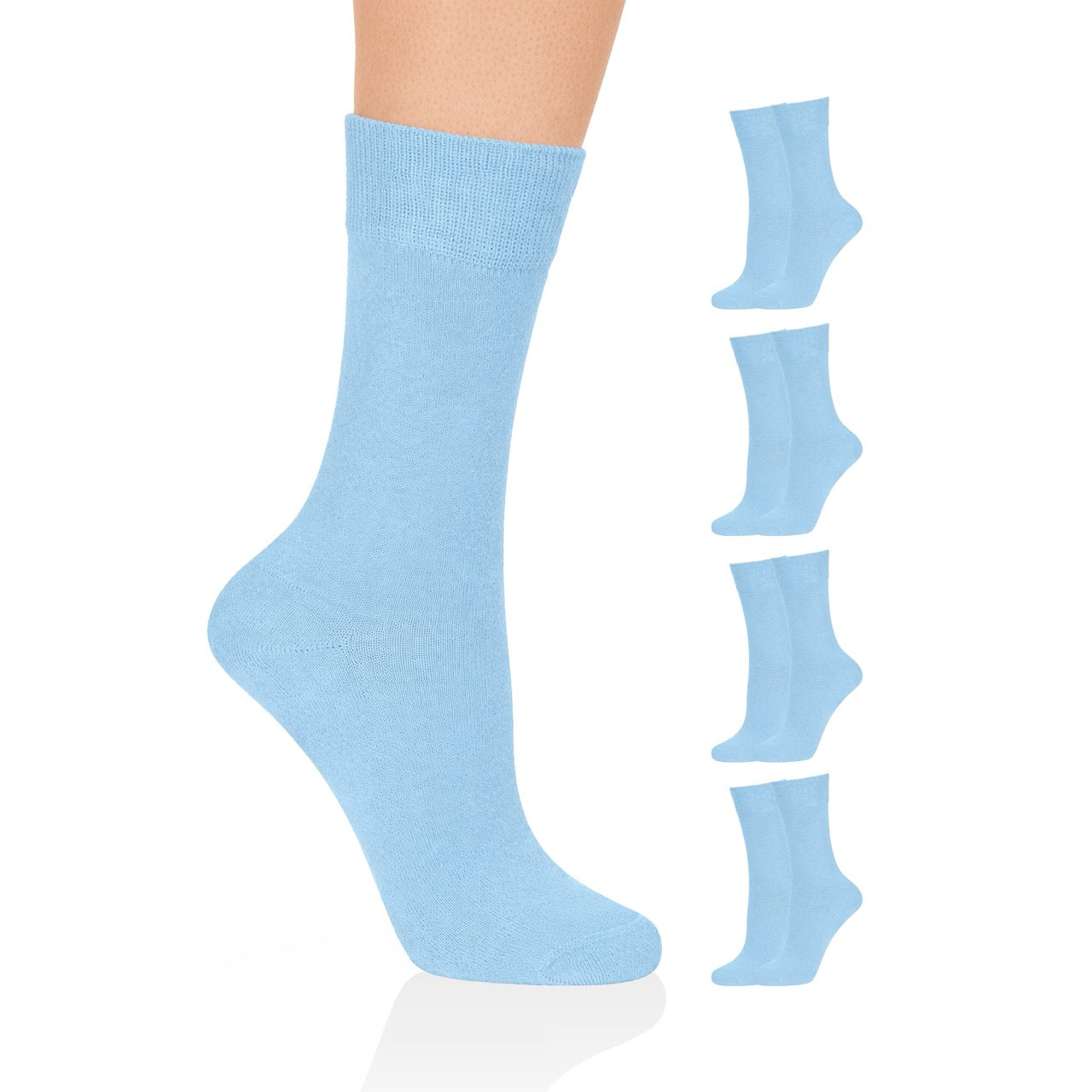
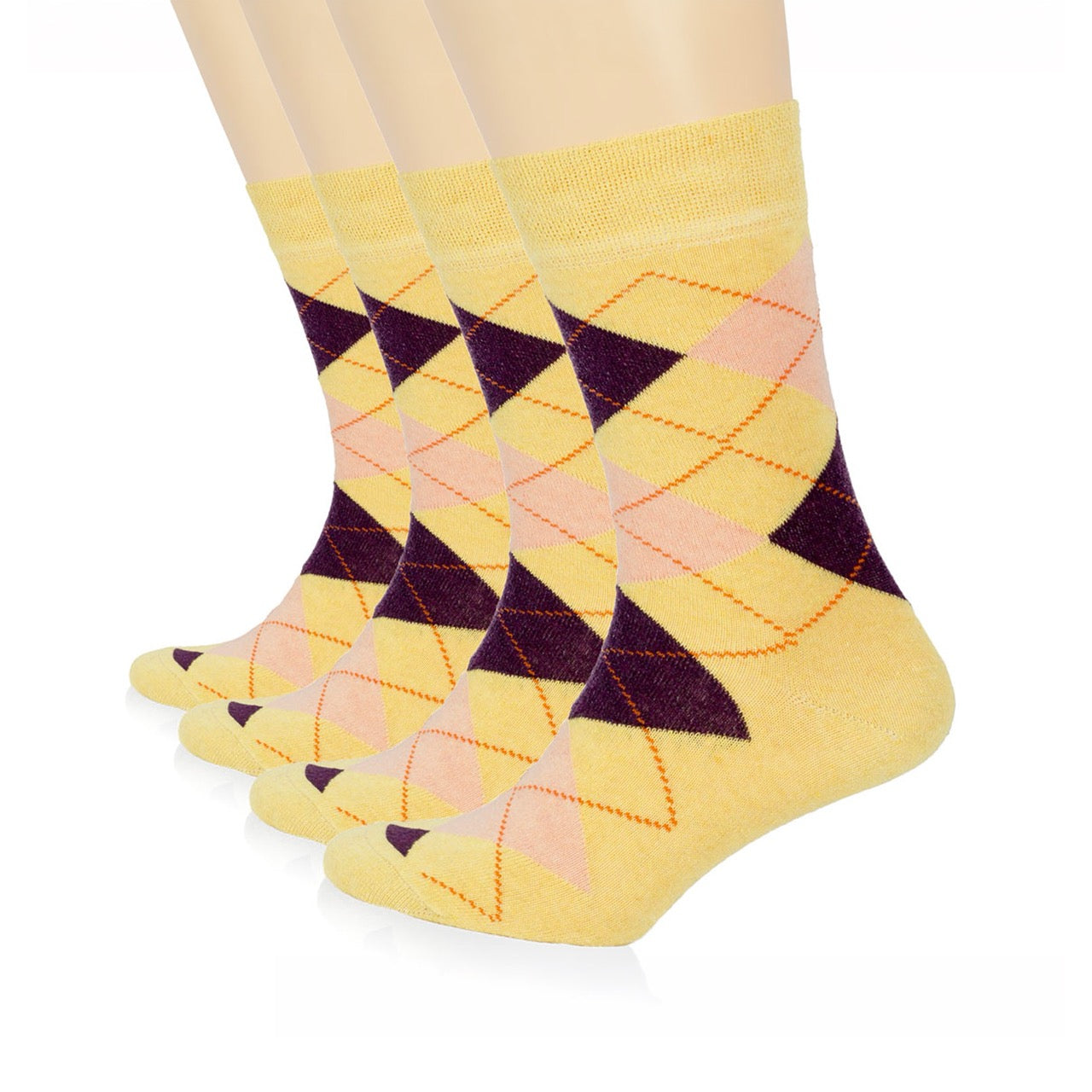
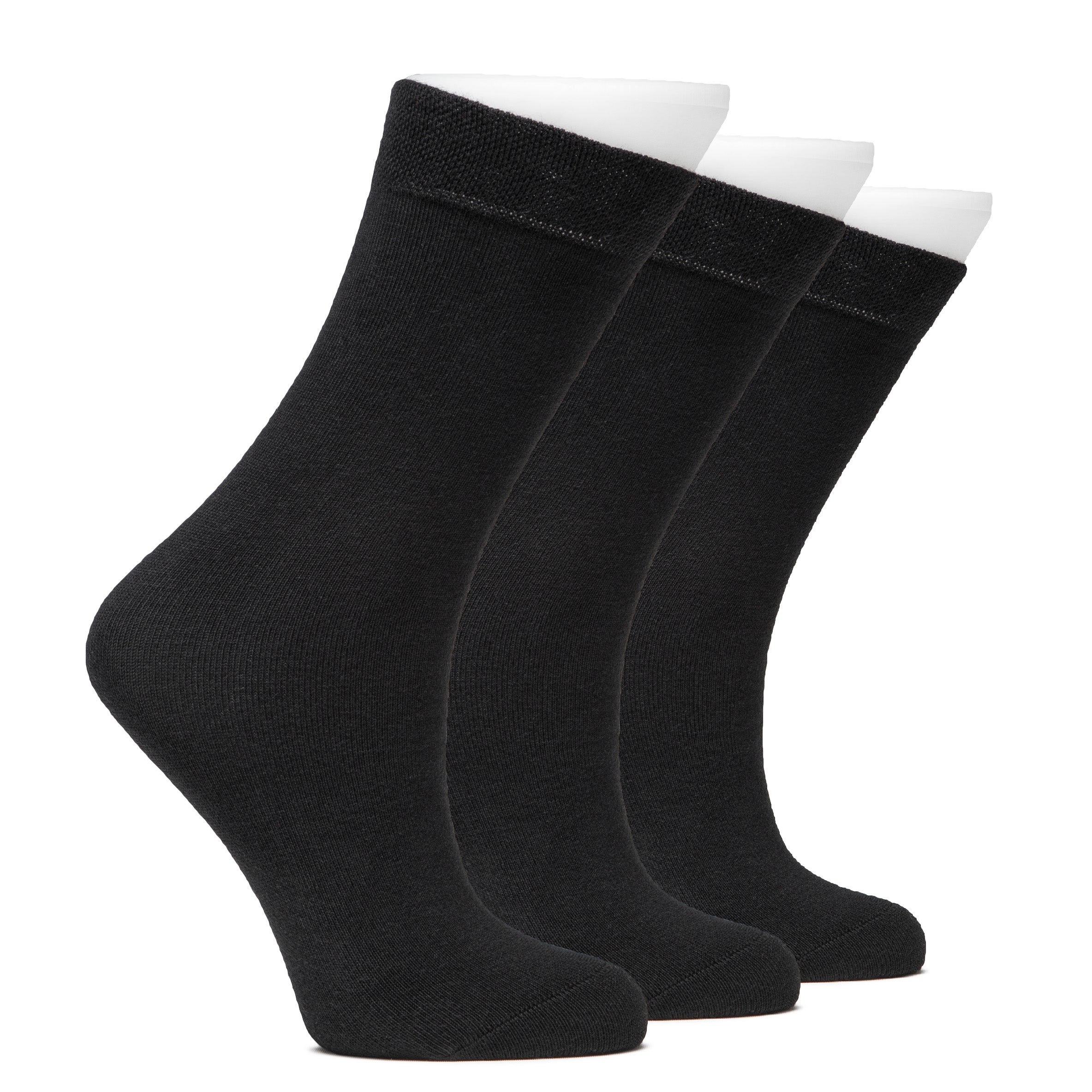
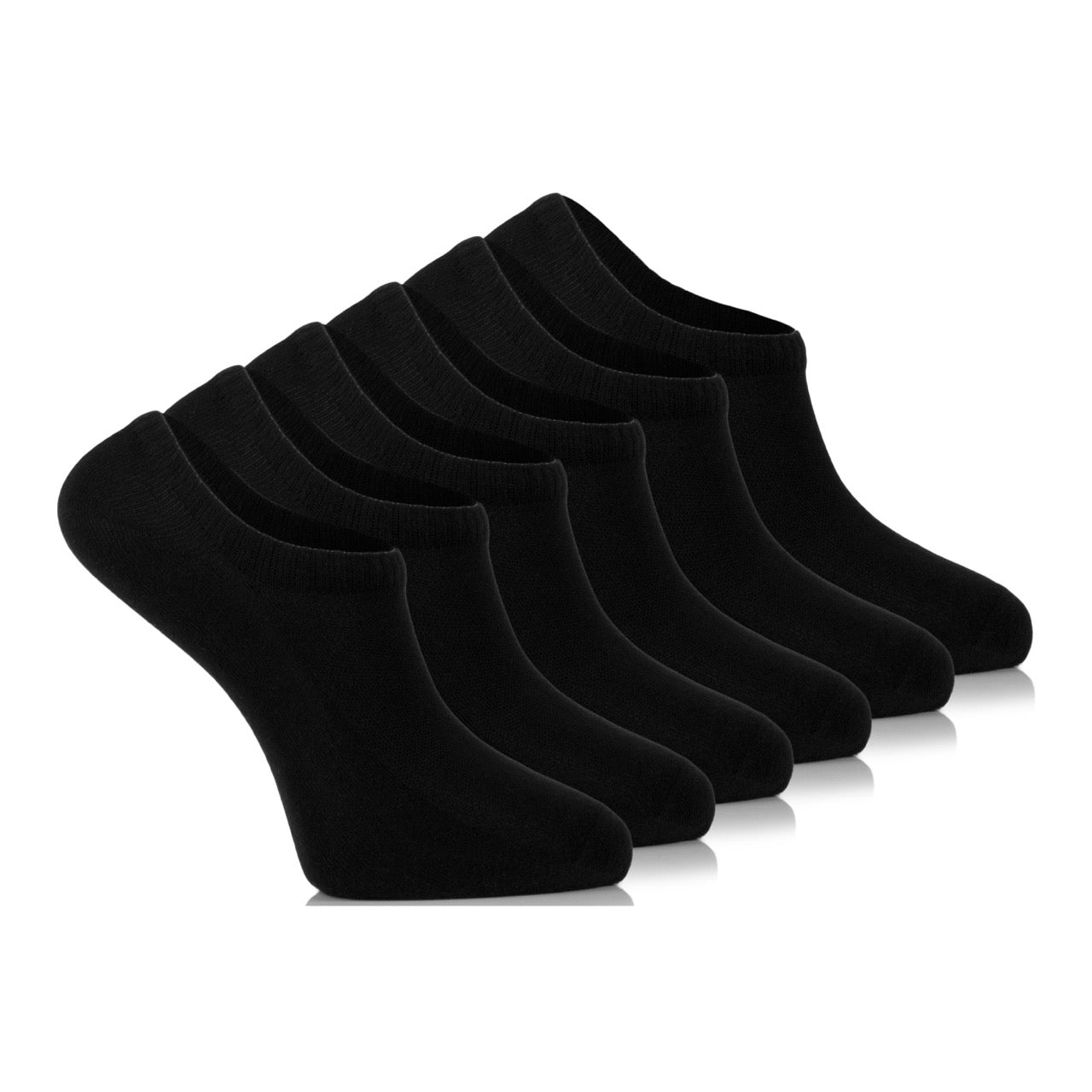
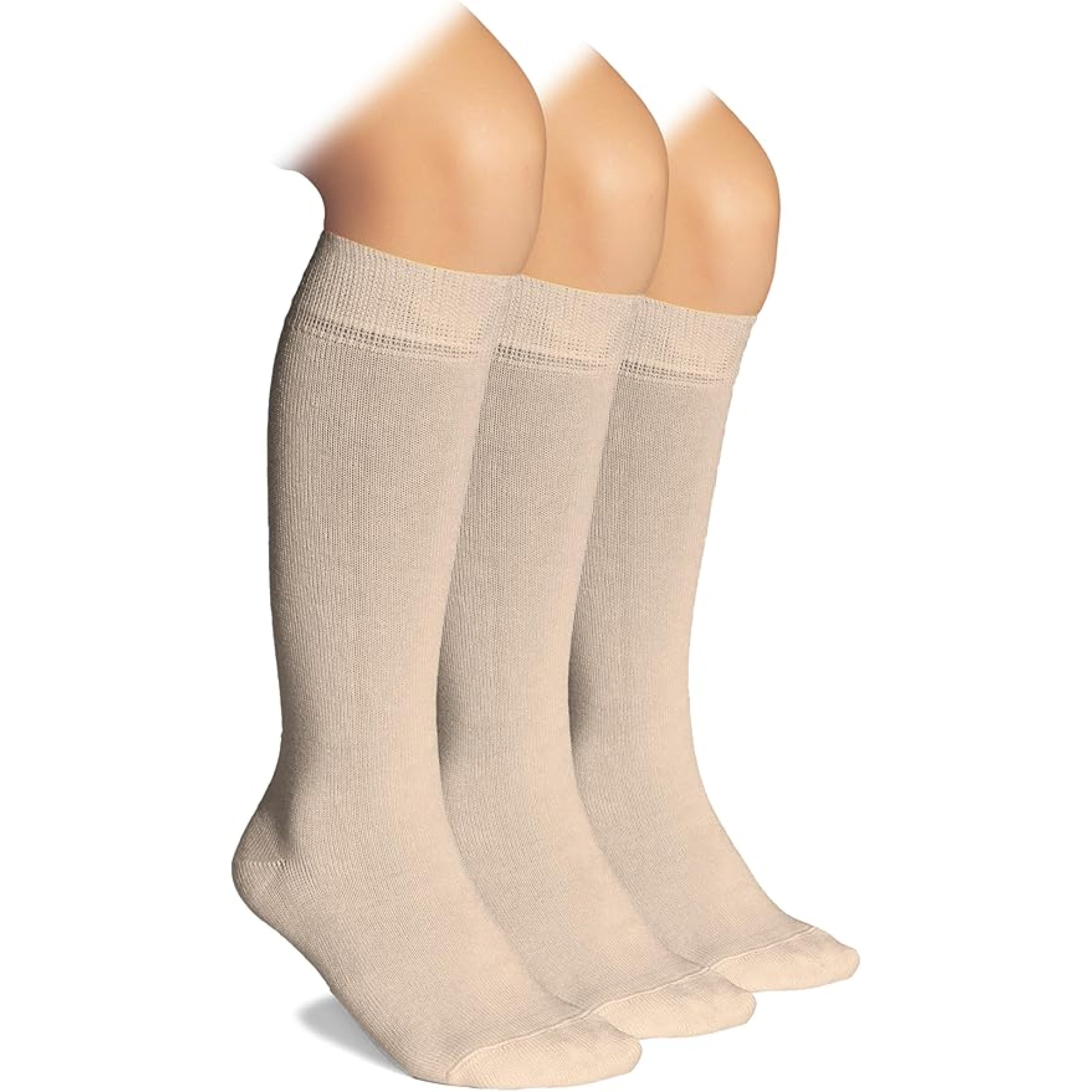


Black socks are not off-limits for people with diabetes. The advice comes down to visibility: dark fabric makes it harder to notice blood or discharge from a cut or sore, and because neuropathy can dull sensation, a wound may go unfelt. Lighter socks simply make that easier to spot. What actually protects the foot is the daily inspection habit, not the colour of the sock. Choose a pair with a non-binding cuff, a seamless toe and breathable fabric, check your feet every day, and wear whichever colour you like.
Key Takeaways
For individuals living with diabetes, every aspect of daily care matters, from diet and exercise to the seemingly minor details of foot care and sock selection. A common question that arises in the context of diabetic foot care is: Why can't diabetics wear black socks? This article looks at where this advice comes from, and what actually matters for foot health.
Foot care is paramount for those with diabetes due to the increased risk of foot-related complications. Diabetes can lead to neuropathy (nerve damage) and peripheral vascular disease, affecting blood flow to the feet. According to the American Diabetes Association, these conditions can make feet more susceptible to injuries, infections, and ulcers that heal slowly — which is why daily foot checks are a standard recommendation.
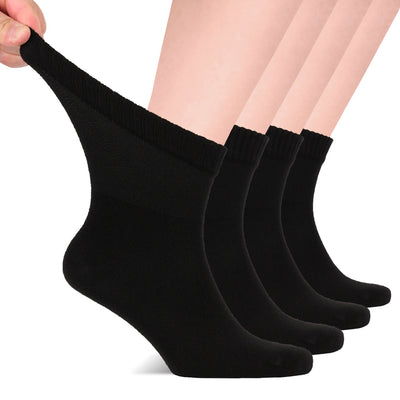
The advice against wearing black socks stems from concerns about detecting wounds or foot injuries. Dark-colored socks can make it harder to spot blood or discharge from a cut or sore, which could delay noticing an injury. Early detection of foot injuries is a genuine part of diabetes management, since reduced sensation from neuropathy means many wounds go unfelt.

When choosing socks, individuals with diabetes should consider several factors for foot health:
Considering the material's importance, our Women's Cotton Diabetic Ankle Socks for Daily Comfort offer breathability and moisture-wicking properties, perfect for everyday wear. Similarly, the Men's Lightweight Bamboo Diabetic Ankle Socks combine the natural antibacterial benefits of bamboo with lightweight comfort, making them an excellent choice for those seeking both protection and ease
Yes. The caution against black socks is about visibility, not a strict prohibition. Regular foot checks — recommended daily regardless of sock color — are what actually catches injuries early. Individuals with diabetes can wear black socks, especially those designed with diabetic foot care features, as long as they maintain consistent daily foot inspection.
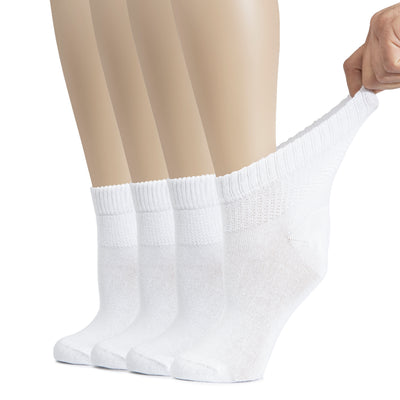
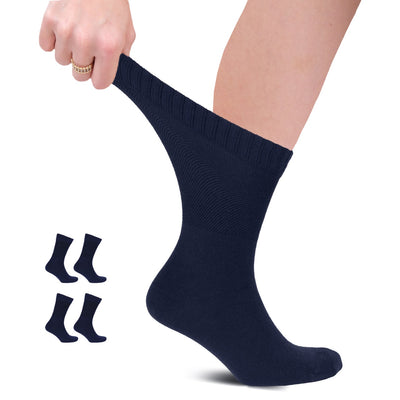
Hugh Ugoli's range of diabetic-friendly socks is designed with the needs of individuals with diabetes in mind, including moisture-wicking materials for dryness, a non-constricting fit for comfortable circulation, seamless construction to prevent irritation, and adequate padding for protection. Our Unisex Cotton Diabetic Crew Socks offer a seamless, non-constricting fit regardless of which sock color you choose.
In the realm of diabetic foot care, sock color is one small factor among several. You might wonder, 'Why Do Diabetics Wear White Socks?' — a related question about the same visibility principle. For a deeper look, read 'Why Do Diabetics Wear White Socks?' For related guidance, see 'Should Diabetics Wear Socks to Bed?'
The advice against black socks for diabetics has less to do with the color itself and more with the practicality of monitoring foot health. With diabetic-friendly sock designs available in many colors, individuals with diabetes can choose based on preference without compromising health — as long as daily foot checks remain part of the routine. The key to diabetic foot care is not sock color, but the consistency of the care you provide to your feet.
This article is for general information and is not medical advice. Talk to your healthcare provider or podiatrist about foot care recommendations for your situation.
Yes. Dark fabric can make blood or discharge harder to notice, which is why daily foot checks matter, but the colour itself is not the risk.
Light fabric makes wounds, discharge or bleeding easier to spot, supporting earlier detection of a foot problem.
A non-binding cuff, moisture-moving fabric, seamless toe construction and soft cushioning are the usual recommendations.
They reduce friction and pressure points, which is particularly relevant for feet with reduced sensation.
Comfort, moisture control and a fit that does not squeeze, combined with a daily foot-checking habit whatever colour you wear.
Discover All Hugh Ugoli Socks
Shop All Socks


