Cart
0
You may also like
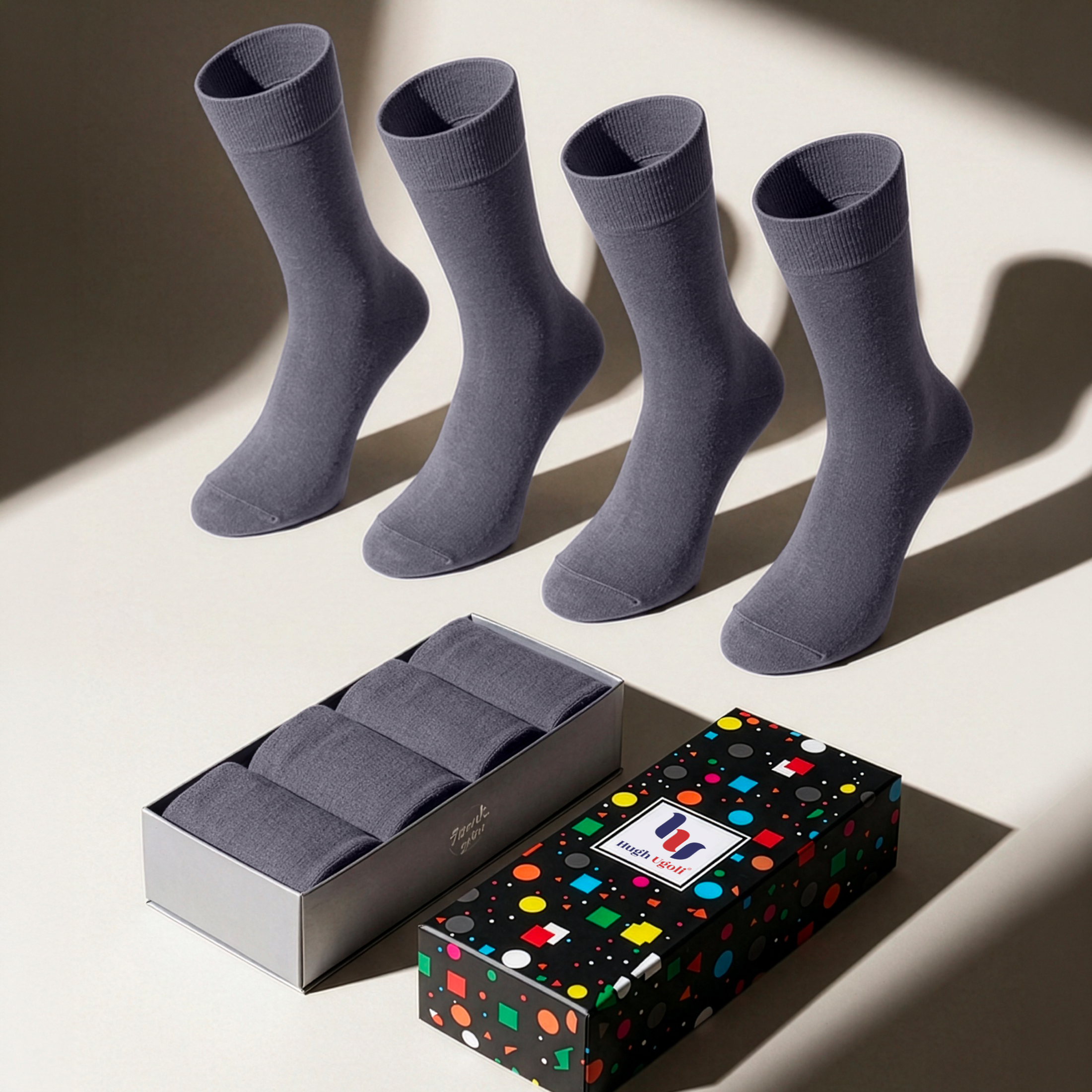
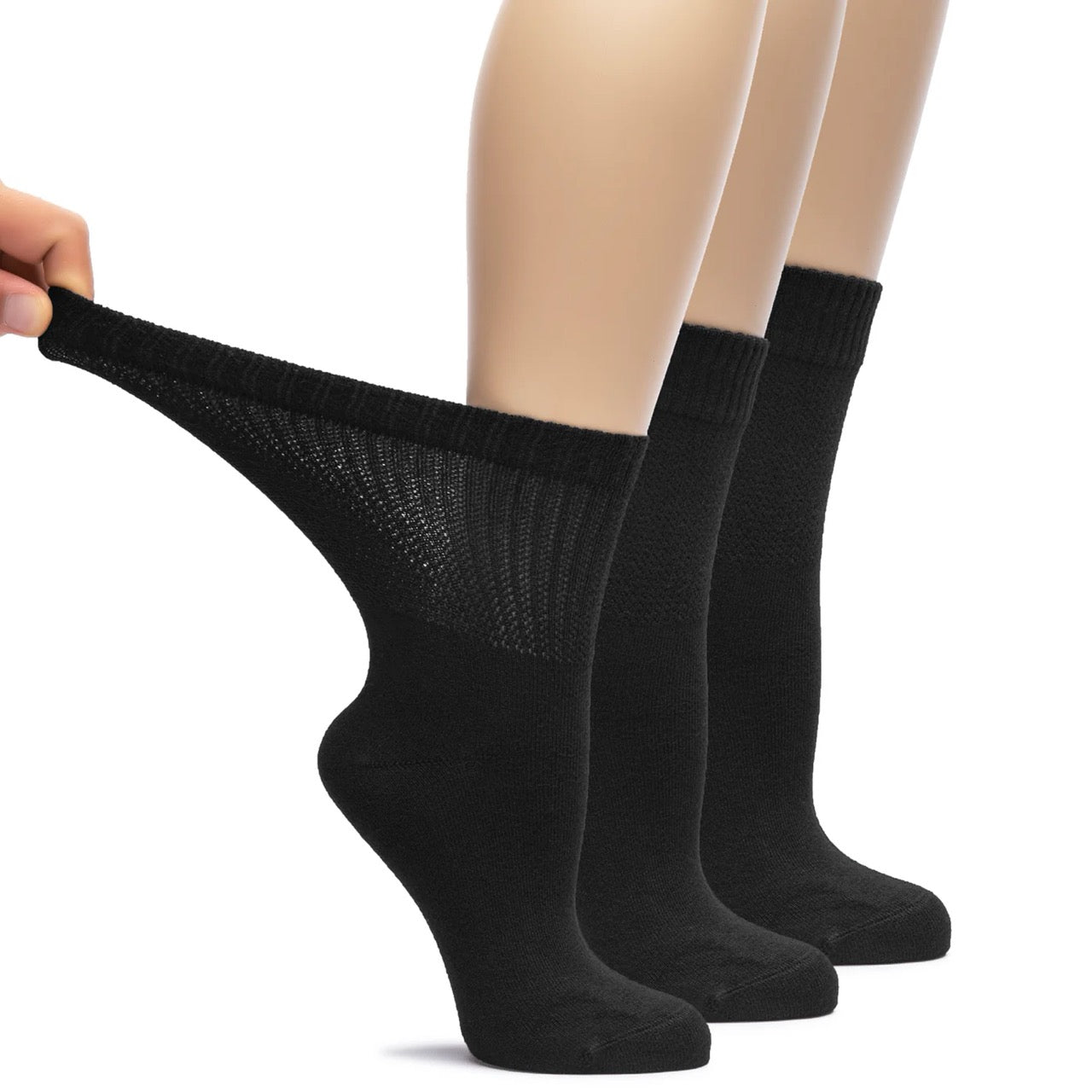

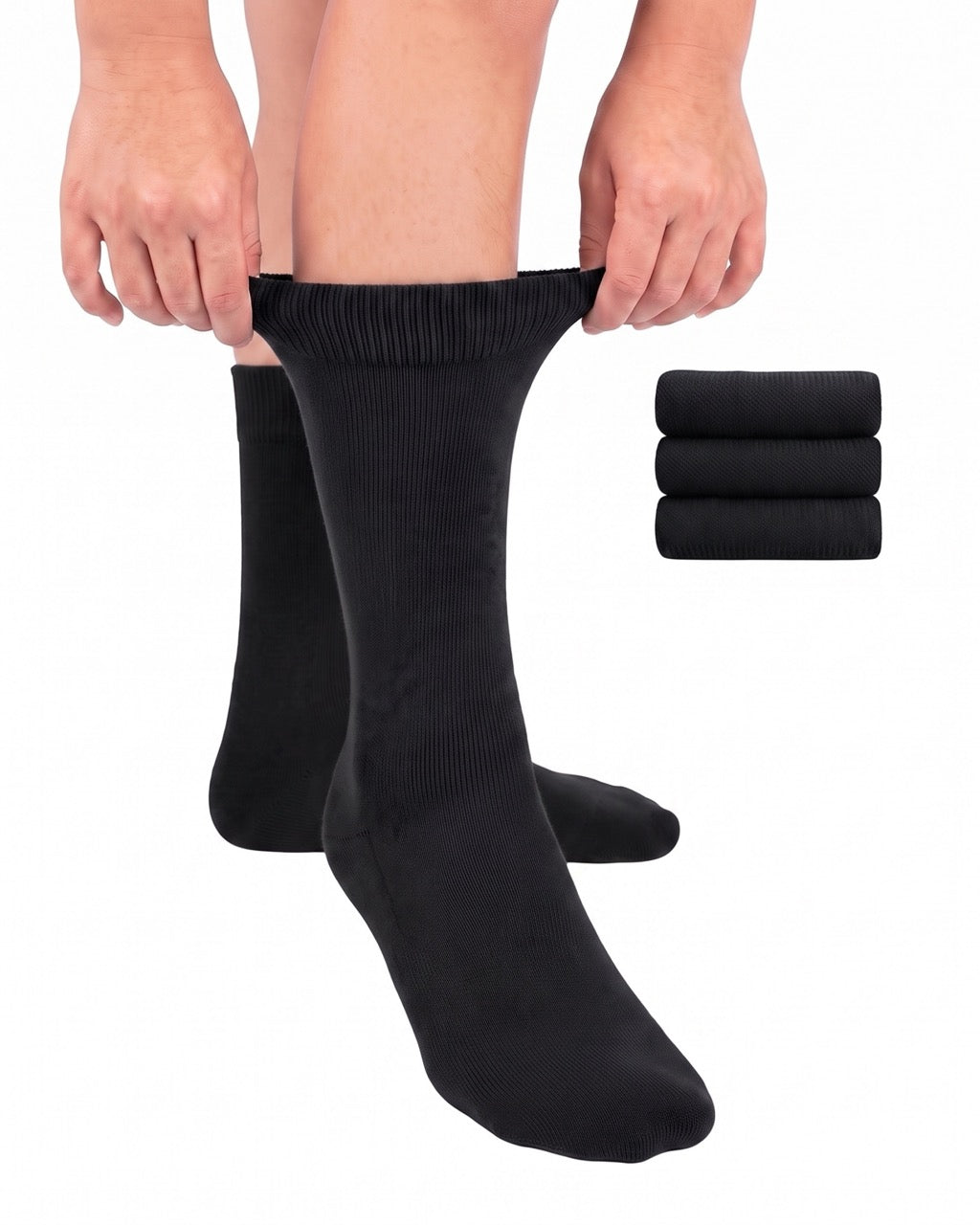
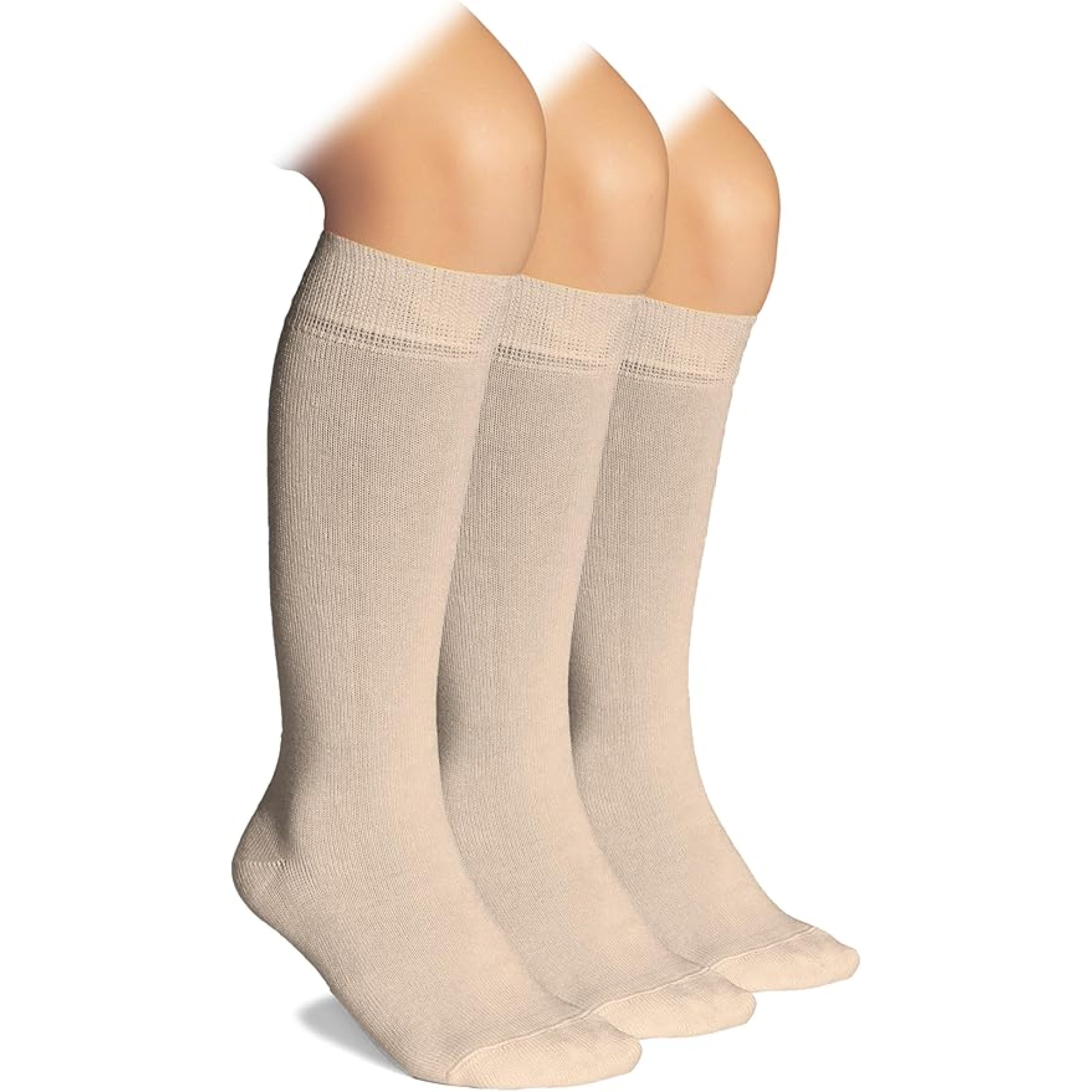


Sock marks are the temporary indentations left behind when a sock's elastic presses into the soft tissue of your leg. Most of the time they are harmless and fade within minutes. They show up more readily when socks fit tightly, or when fluid has settled in the lower legs after a long stretch of sitting or standing. Marks that appear alongside persistent swelling, pain, warmth in one leg, or shortness of breath are a different matter and are worth raising with a healthcare provider, since they can point to a circulation or fluid-balance issue that needs proper evaluation.
Key Takeaways
Most people have experienced sock marks—those indentations left on your skin after wearing socks for an extended period. While these marks are generally harmless, they can sometimes indicate an underlying health condition, especially if accompanied by swelling or discomfort. Understanding why sock marks happen and whether they signal a health concern can help you take better care of your legs and circulation.
Sock marks form when socks exert pressure on your skin, causing a temporary indentation. This happens because the elastic in socks compresses the soft tissue beneath the skin, leaving behind a visible mark.
Tight Socks: The most common cause of sock marks is wearing socks that are too tight. Tight socks can restrict comfortable blood flow and cause indentations, especially if worn for long periods.
Fluid Retention: Sometimes, sock marks can be a sign of fluid retention, which occurs when excess fluid builds up in the soft tissues of your legs. This is more likely to happen if you've been sitting or standing for long periods without moving.

In most cases, sock marks are harmless and simply a result of compression from your socks. However, if you notice sock marks frequently, along with swelling, pain, or other symptoms, it could indicate a more serious issue.
Leg Swelling (Edema): Sock marks accompanied by leg swelling or peripheral edema may signal an underlying health condition. This swelling could be due to heart failure, liver disease, or kidney disease, which can cause the body to retain excess fluid — these are conditions that need medical diagnosis and treatment, not a sock change.
Venous Insufficiency: Venous insufficiency occurs when the veins in your legs are unable to pump blood back to the heart effectively. This can lead to leg veins becoming swollen, which may result in sock marks along with other symptoms such as leg pain, heaviness, or varicose veins.
High Blood Pressure: High blood pressure can contribute to poor circulation, making it harder for the body to move blood and fluids efficiently. This can cause fluid buildup in the legs, leading to sock marks and swelling.
While sock marks are often benign, there are times when they may warrant a visit to your healthcare provider. If you notice any of the following symptoms along with sock marks, it's a good idea to seek medical attention:
Persistent Swelling: If your legs remain swollen for long periods or the swelling worsens, it may indicate a condition such as peripheral edema, heart failure, or venous insufficiency.
Chest Pain or Shortness of Breath: If you experience chest pain, difficulty breathing, or shortness of breath along with swelling or sock marks, seek medical care right away — these can be signs of a more serious heart or lung issue.
Pain and Warmth in One Leg: Sudden pain, warmth, or swelling in one leg could signal a blood clot, such as deep vein thrombosis (DVT), which requires immediate medical attention.
If sock marks are becoming a concern, there are steps you can take to prevent them and support comfortable circulation.
Wear Looser or Non-Binding Socks: Choose socks with a looser fit or a non-binding top designed to reduce pressure on the skin. Compression socks are a different, separate product — they apply real pressure on purpose and are meant to be used under medical guidance for specific conditions rather than as a general fix for sock marks, since compression isn't safe for everyone (people with peripheral artery disease, for example, should avoid it without a doctor's input).
Move Around Regularly: If you stand or sit for long periods throughout the day, try to take short breaks to walk around and support circulation in your legs. This can help reduce fluid retention and the chances of sock marks forming.
Elevate Your Legs: Elevating your legs for a few minutes each day may help reduce mild, everyday swelling. This is particularly helpful if you've been standing or sitting for long stretches of time.
Stay Hydrated: Staying hydrated supports the body's overall fluid balance.
In some cases, sock marks can be associated with poor circulation, especially if they're accompanied by symptoms like persistent swelling, pain, or cold feet. This is common in conditions like venous insufficiency or peripheral edema, both of which are worth discussing with a healthcare provider if symptoms persist.
If you suspect that poor circulation may be the cause of your sock marks, it's worth mentioning to a healthcare provider — general healthy habits like regular movement and hydration support overall circulation, but they aren't a substitute for medical evaluation if symptoms are persistent or concerning.
While sock marks on your legs are usually nothing to worry about, they can occasionally point toward an underlying condition such as fluid retention or venous insufficiency. If you notice persistent swelling, pain, or other symptoms, it's best to consult with a healthcare provider to rule out any serious concerns.
For more tips on managing circulation and keeping your legs healthy, check out our related blog, Do Diabetic Socks Really Work?.
This article is for general information and is not medical advice.
The elastic in the cuff compresses the soft tissue underneath, leaving a temporary indentation that usually fades within minutes.
Usually not. They become worth investigating when they come with lasting swelling, pain, warmth in one leg or breathlessness.
Often yes. Deep or uncomfortable marks suggest the cuff is applying more pressure than it needs to.
Socks with a looser fit or a non-binding top are designed to sit gently on the leg and press less into the skin.
Compression socks are a distinct medical product with real graduated pressure, and they are not suitable for everyone, so talk to a healthcare provider before using them.
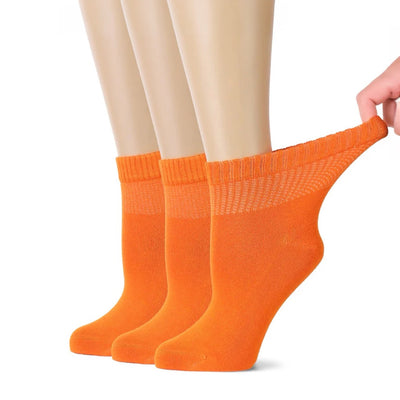
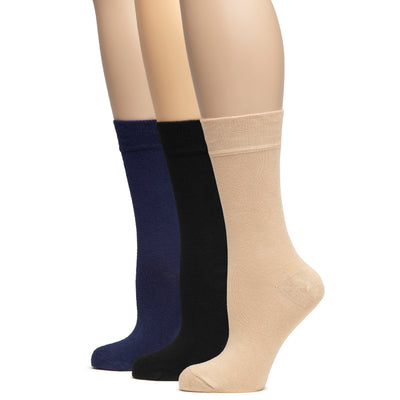
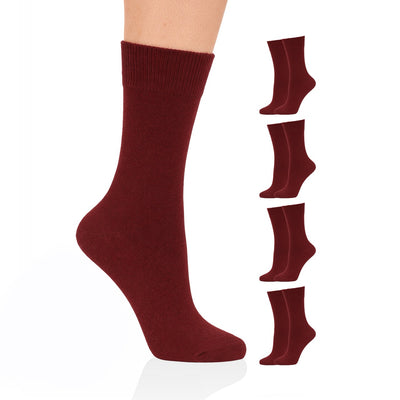
Discover All Hugh Ugoli Socks
Shop All Socks