Cart
0
You may also like
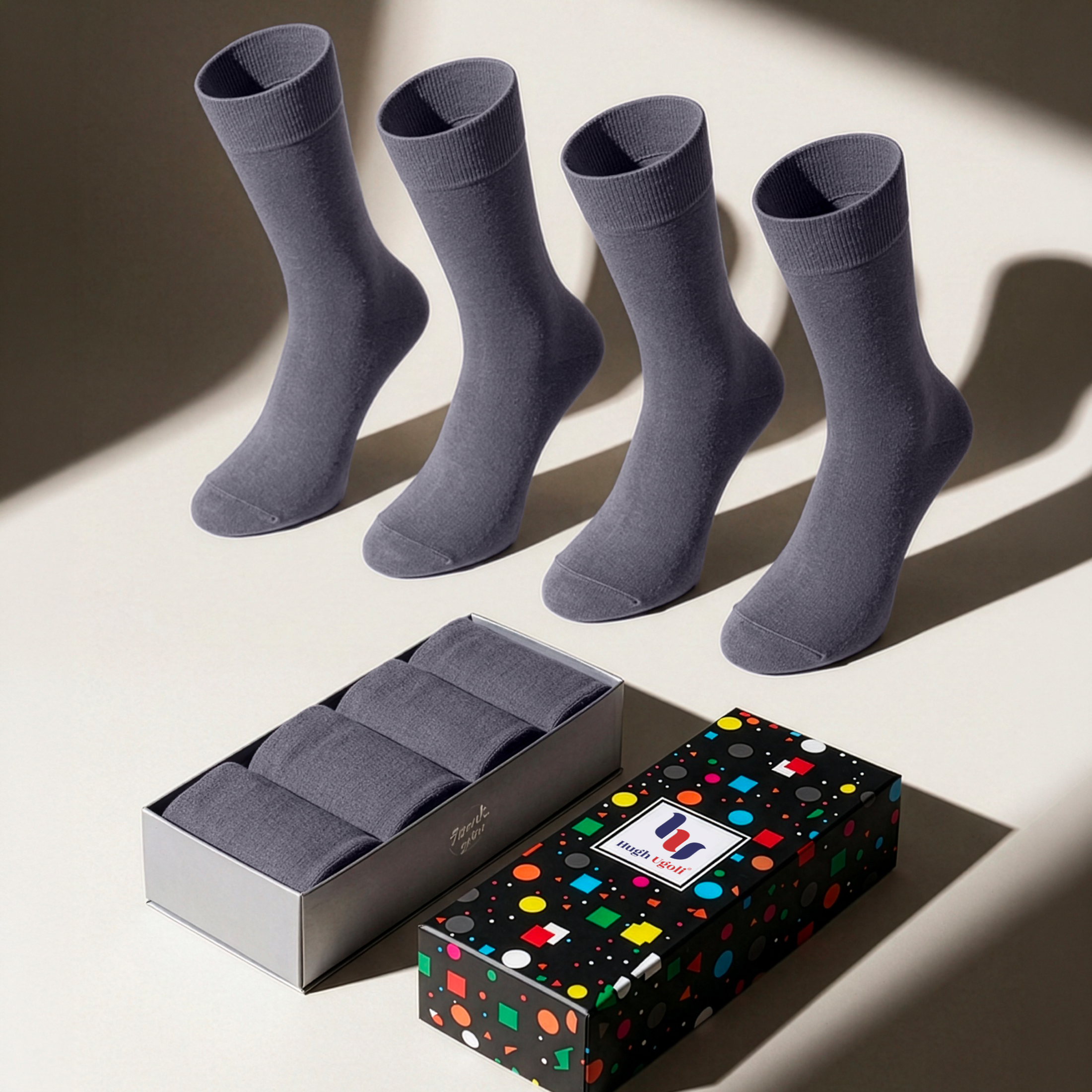
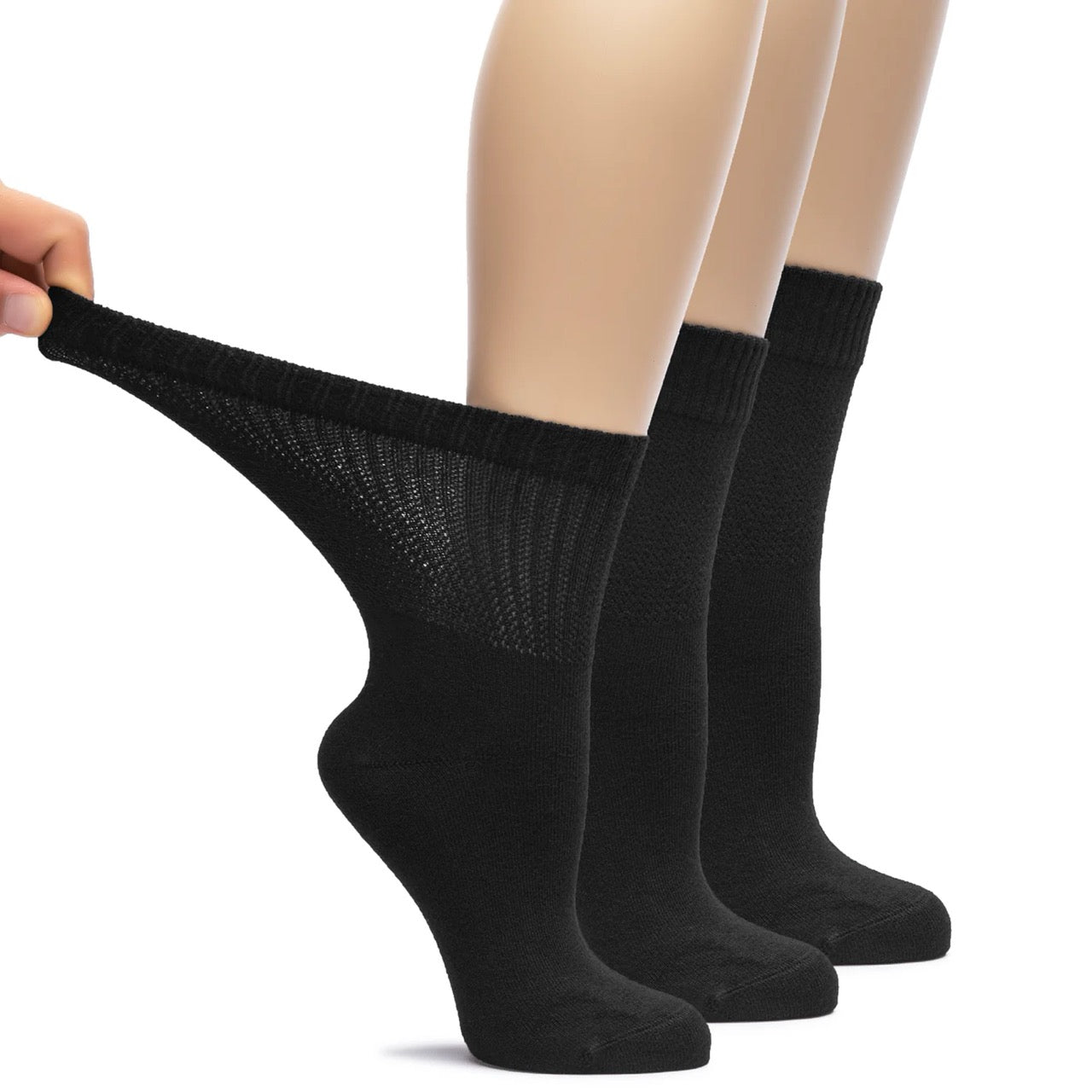

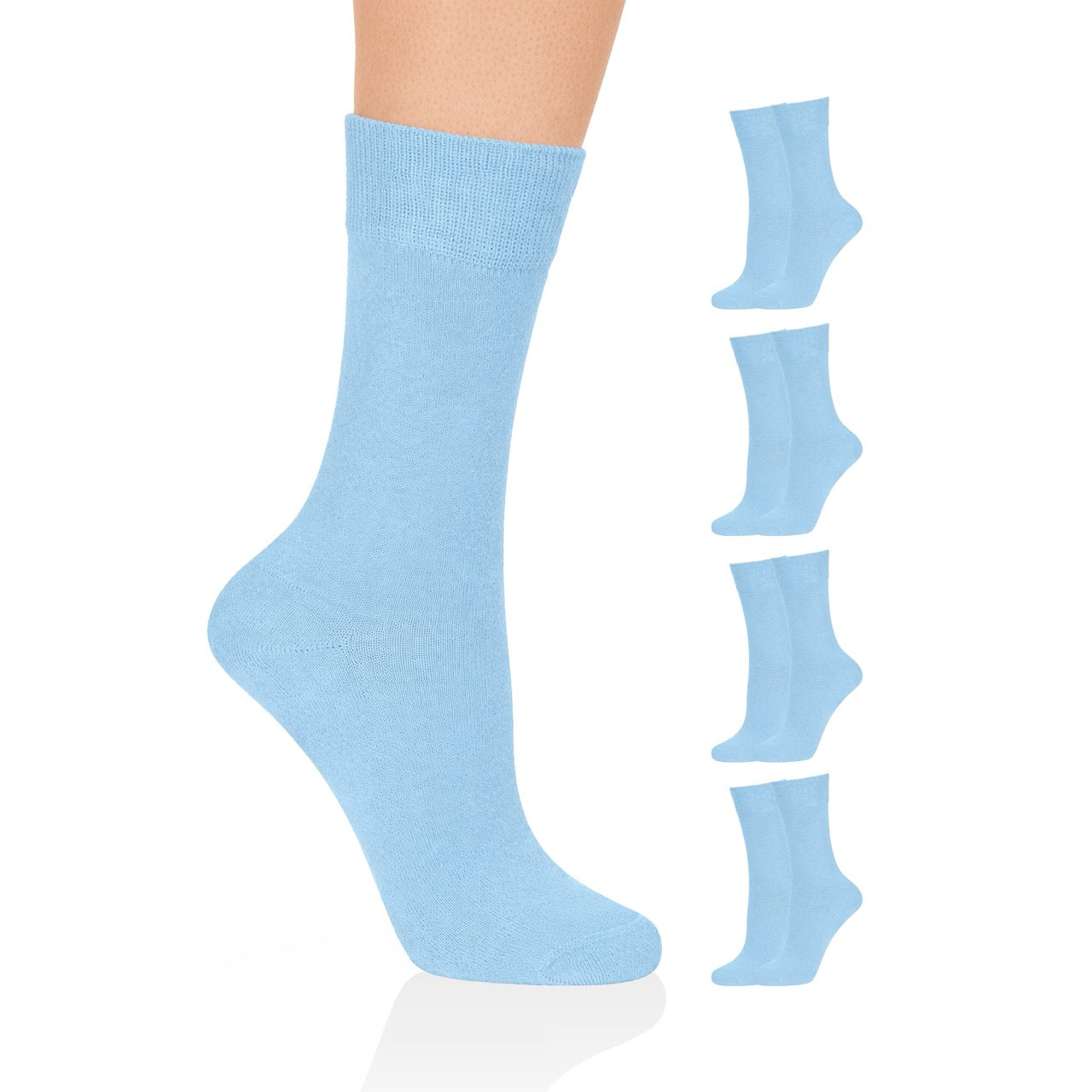
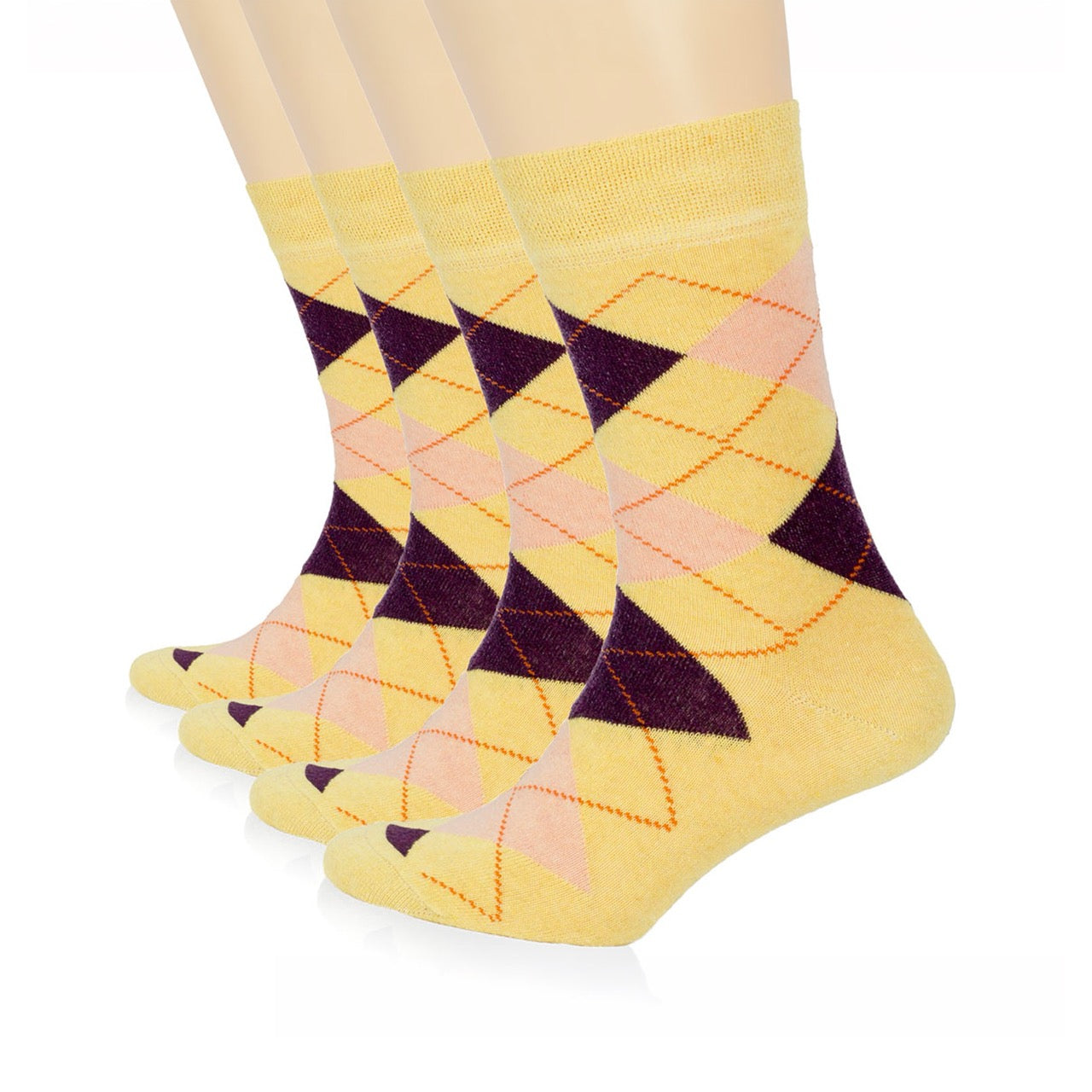
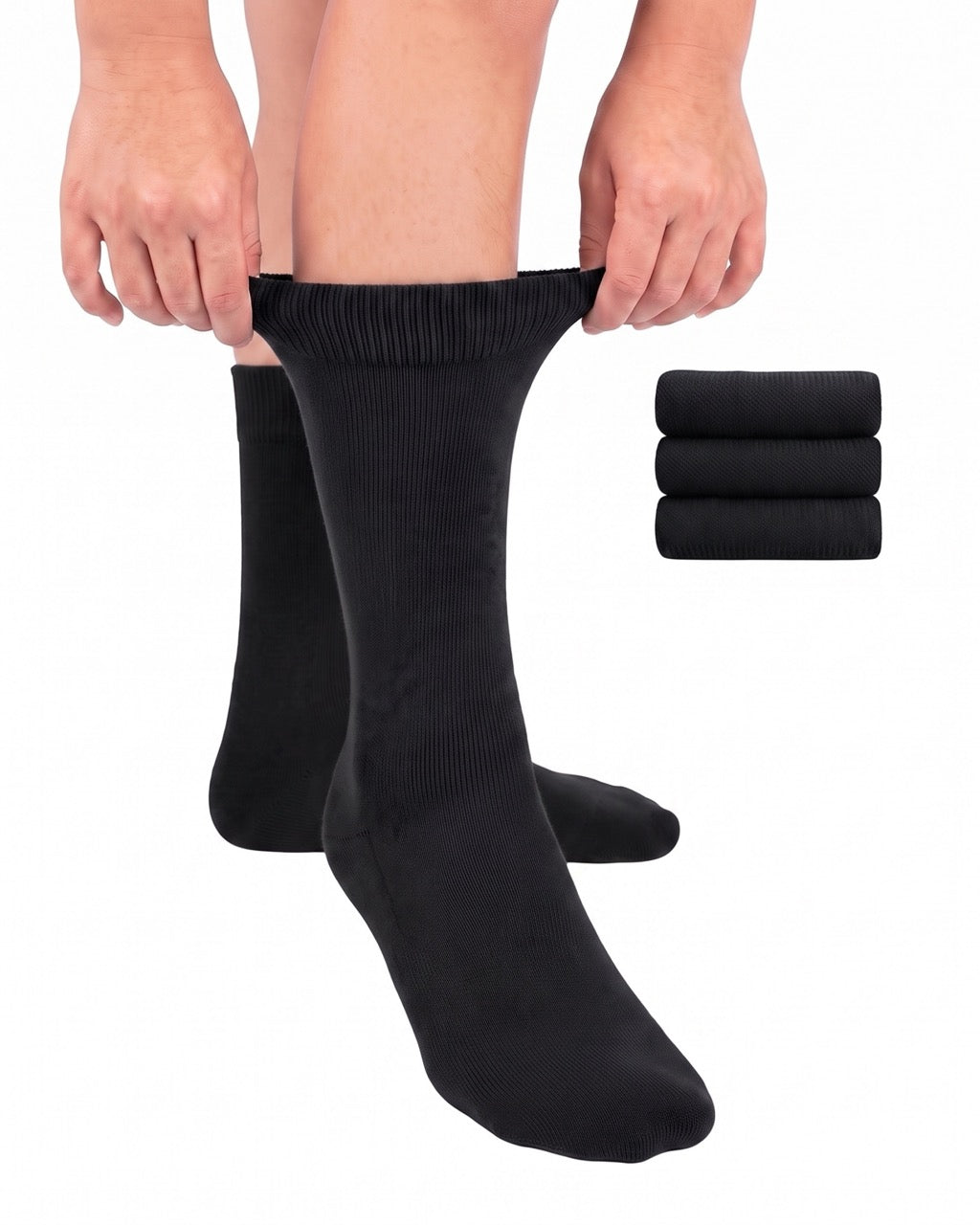
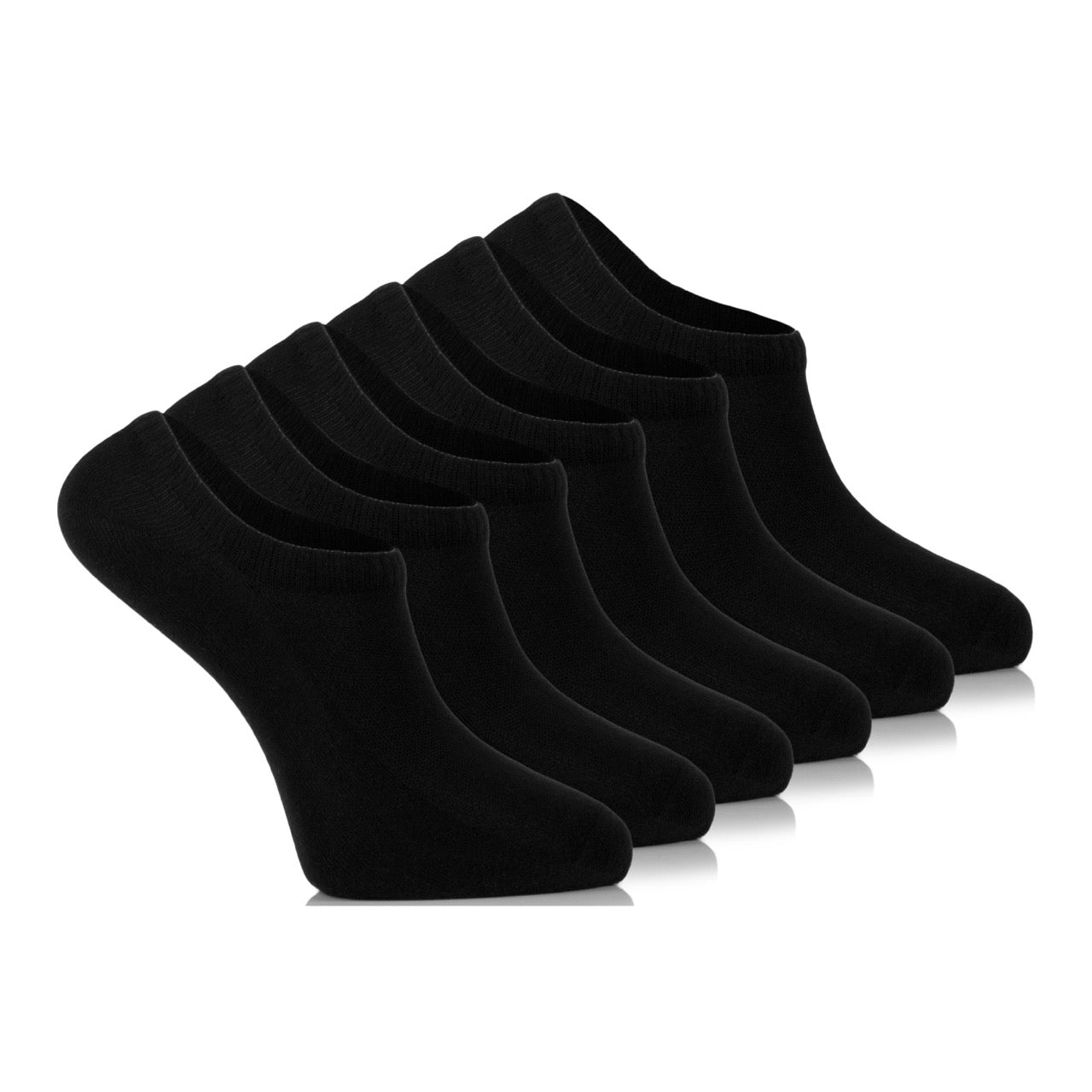
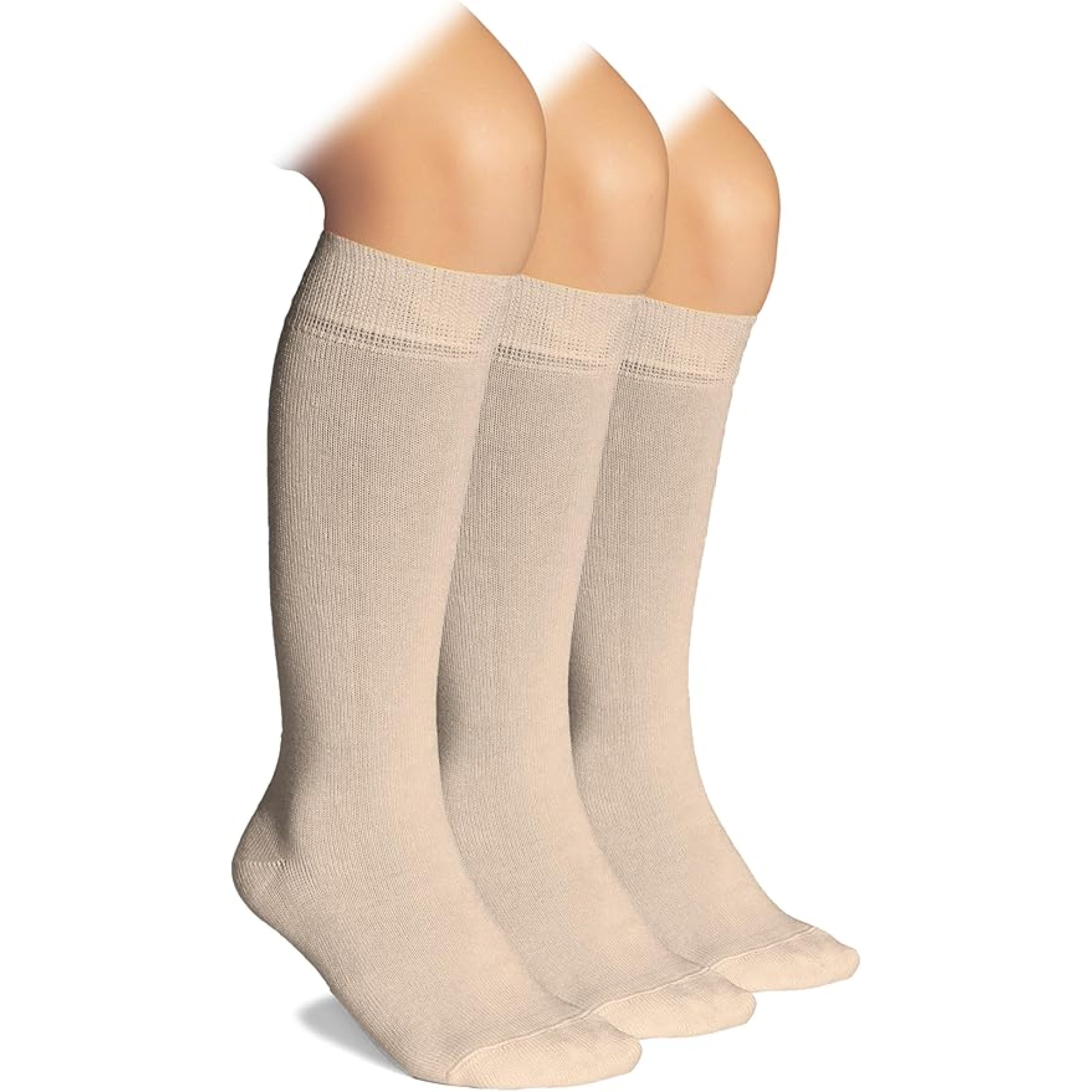


Feet usually turn itchy after a long day in socks because heat and sweat get trapped against the skin, and damp skin is far more easily irritated by friction from seams and fabric. The same warm, damp environment is where fungal issues such as athlete's foot take hold, so itching between the toes is common. Other frequent causes are contact dermatitis from dyes, synthetic fibres or laundry detergent, and simple dry skin. Breathable socks with good moisture-wicking, washing and drying feet daily, and changing socks after exercise all help keep skin drier and more comfortable.
Key Takeaways
Many people experience itchy feet after wearing socks for long hours. Sometimes the itching is mild and temporary. In other cases, it may indicate irritation, sensitivity, or an underlying skin condition.
Understanding why feet itch after wearing socks all day can help you identify the cause and choose better habits, materials, and footwear to prevent discomfort.
Feet spend most of the day inside socks and shoes, where heat and moisture can build up quickly. This environment may irritate the skin or increase the risk of infection.
The itching may occur anywhere on the feet, including:
One of the most common causes of itchy feet is moisture buildup.
When feet stay damp for hours, the skin becomes irritated more easily. Socks that do not provide proper moisture wicking performance may trap sweat against the skin.
This is why breathable socks are important for daily comfort.
Athlete’s foot is a common fungal infection that often causes itching, burning, and peeling skin.
This condition spreads more easily in warm, damp environments such as shoes, gyms, or a shared locker room.
Contact dermatitis occurs when the skin reacts to materials or chemicals.
Possible triggers include:
This type of irritation may cause redness, itching, or sensitivity in the affected area.
Some individuals experience allergic reactions to certain fabrics or detergents. This can make symptoms worse after long periods of wear.
A bacterial infection can also cause itching and discomfort.
Symptoms may include:
If symptoms become severe or painful, medical evaluation may be necessary.
Sometimes itching is caused simply by dryness.
Dry scaly skin may develop when feet:
Dry skin can become more noticeable after removing socks at the end of the day.
In some cases, itching or unusual sensations may relate to peripheral neuropathy.
This condition affects the nerves and may create:
Persistent symptoms should be evaluated by a healthcare provider.
Occasionally, itchy feet may be associated with broader health issues.
Certain conditions involving the immune system or even liver disease may contribute to persistent itching.
If itching is severe, widespread, or accompanied by other symptoms, professional evaluation is important.

Fortunately, there are several simple ways to reduce irritation and improve comfort.
Socks with moisture wicking properties help keep feet drier throughout the day.
Benefits include:
Wash feet daily and dry them thoroughly, especially between the toes.
This helps reduce the risk of fungal infection and irritation.
Fresh socks reduce bacteria and moisture buildup.
This is especially important after exercise or long workdays.
Walking barefoot in gyms, pools, or locker rooms increases exposure to fungi and bacteria.
Protective footwear helps reduce risk.
If skin sensitivity is an issue, switch to mild laundry detergents without strong fragrances or dyes.
Some home remedies may help soothe mild itching.
Examples include:
However, persistent symptoms should not rely solely on home treatment.
You should seek medical advice if:
Professional care may be necessary to identify the underlying cause.
Itchy feet after wearing socks all day are often caused by moisture, irritation, or infection. Choosing breathable socks, keeping feet dry, and practicing good foot hygiene can significantly reduce discomfort.
In many cases, simple changes in sock materials and daily habits are enough to prevent irritation and keep feet healthier throughout the day.
This article is for general information and is not medical advice. Talk to your healthcare provider about your own feet.
Common causes include trapped moisture, friction on damp skin, fungal issues such as athlete's foot, and reactions to detergents or sock materials.
Yes. Some fabrics, dyes, or laundry detergents may trigger contact dermatitis in people who are sensitive to them.
Many people find they do. Keeping skin drier reduces the moisture-related irritation that often sits behind the itch.
It commonly shows up as itching, redness, peeling skin, and dryness between the toes, sometimes with burning or stinging.
If symptoms are persistent, painful, spreading, or show signs of infection, a medical evaluation is recommended.
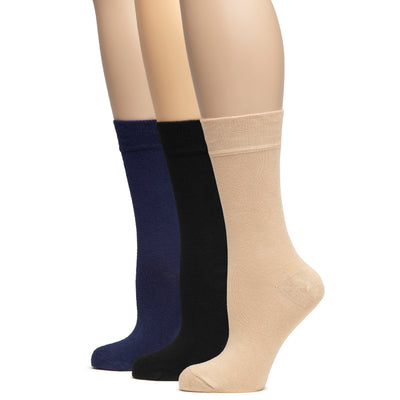
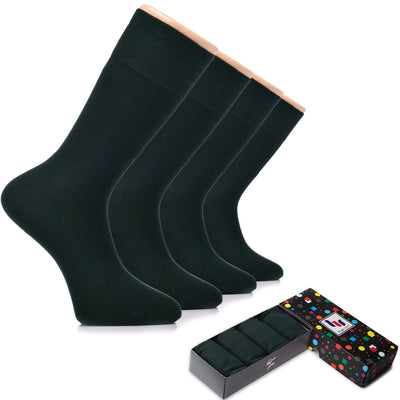
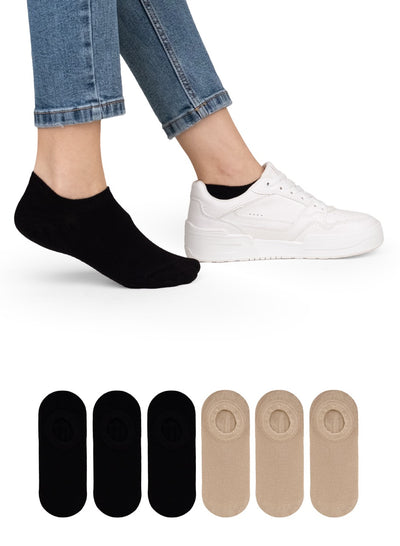
Discover All Hugh Ugoli Socks
Shop All Socks