Cart
0
You may also like
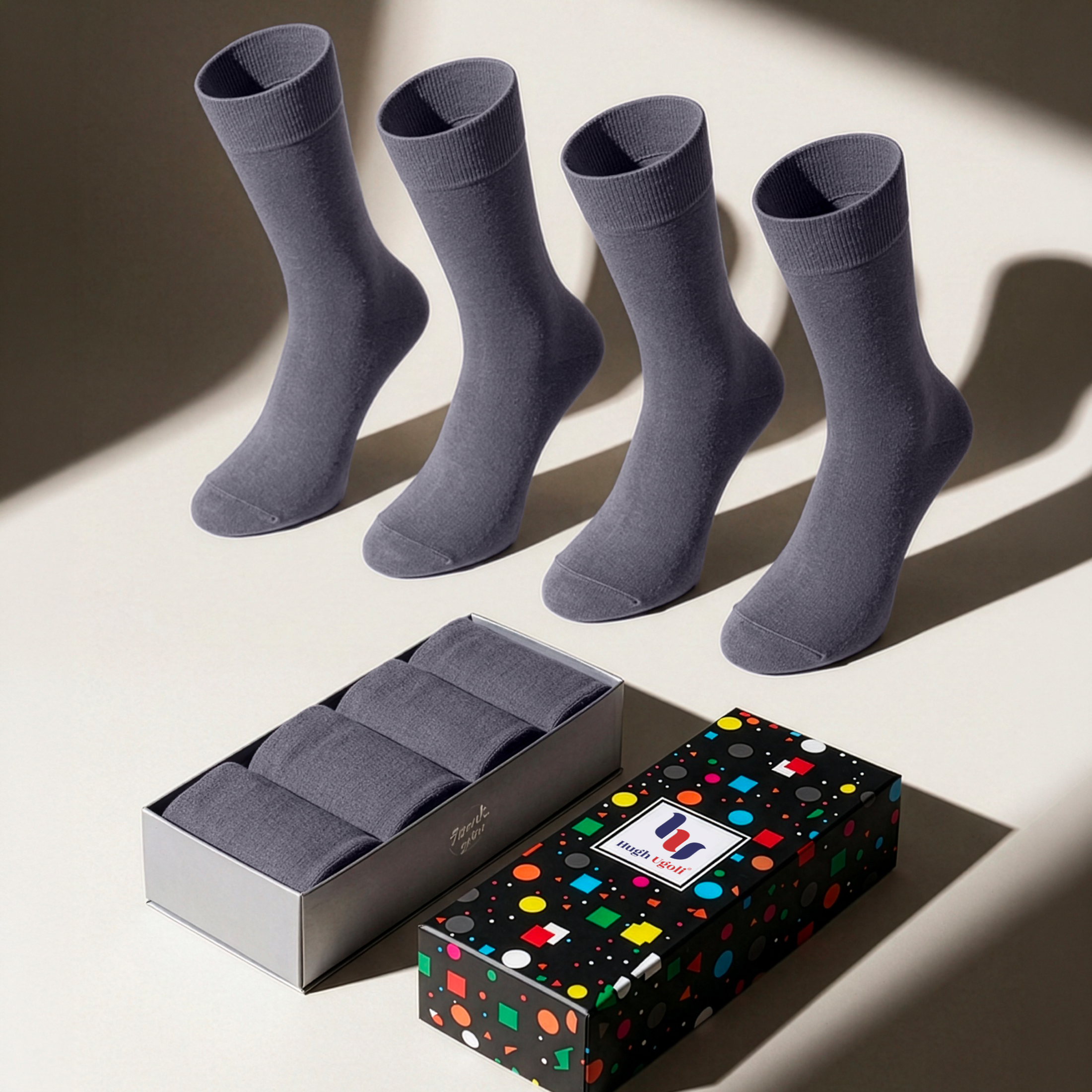
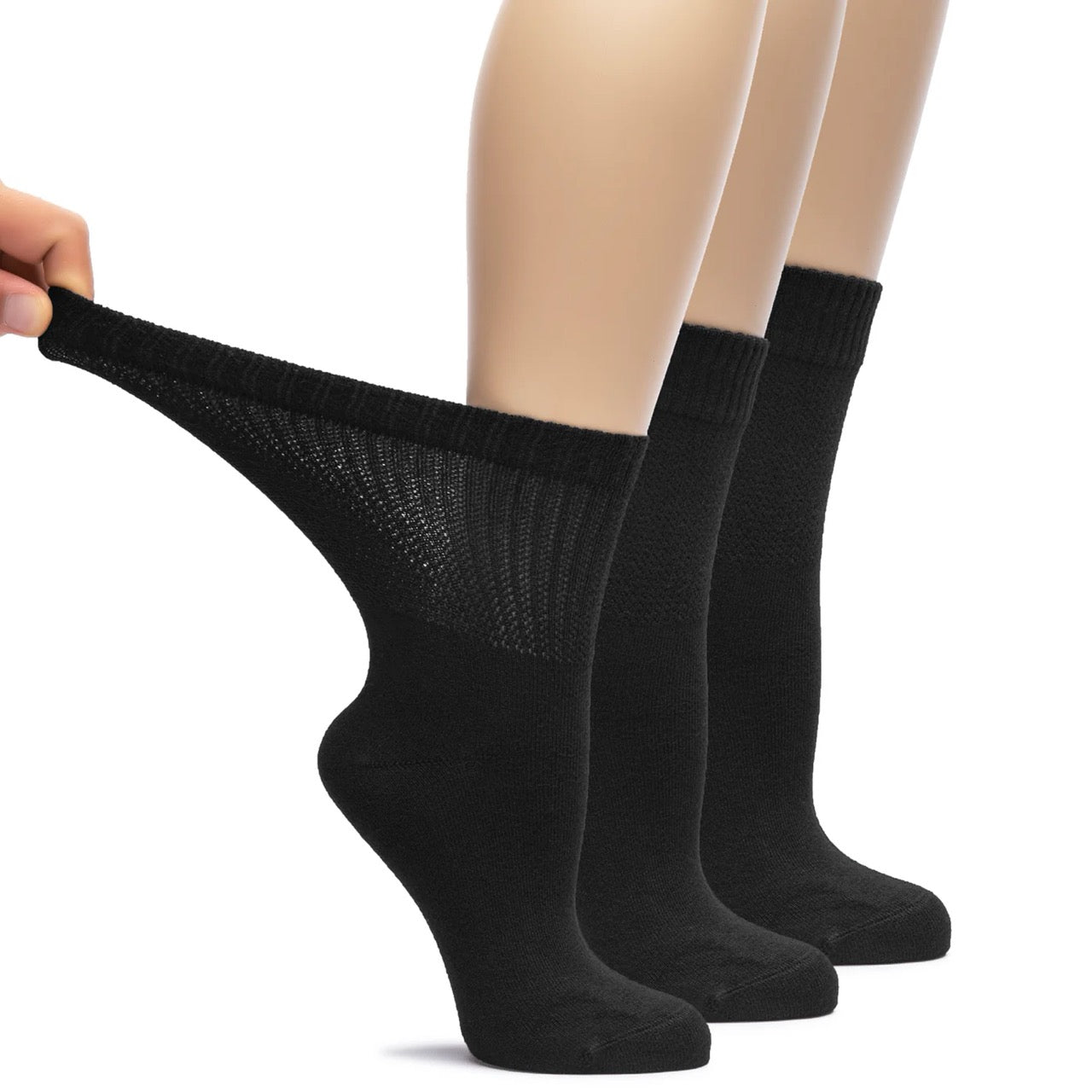
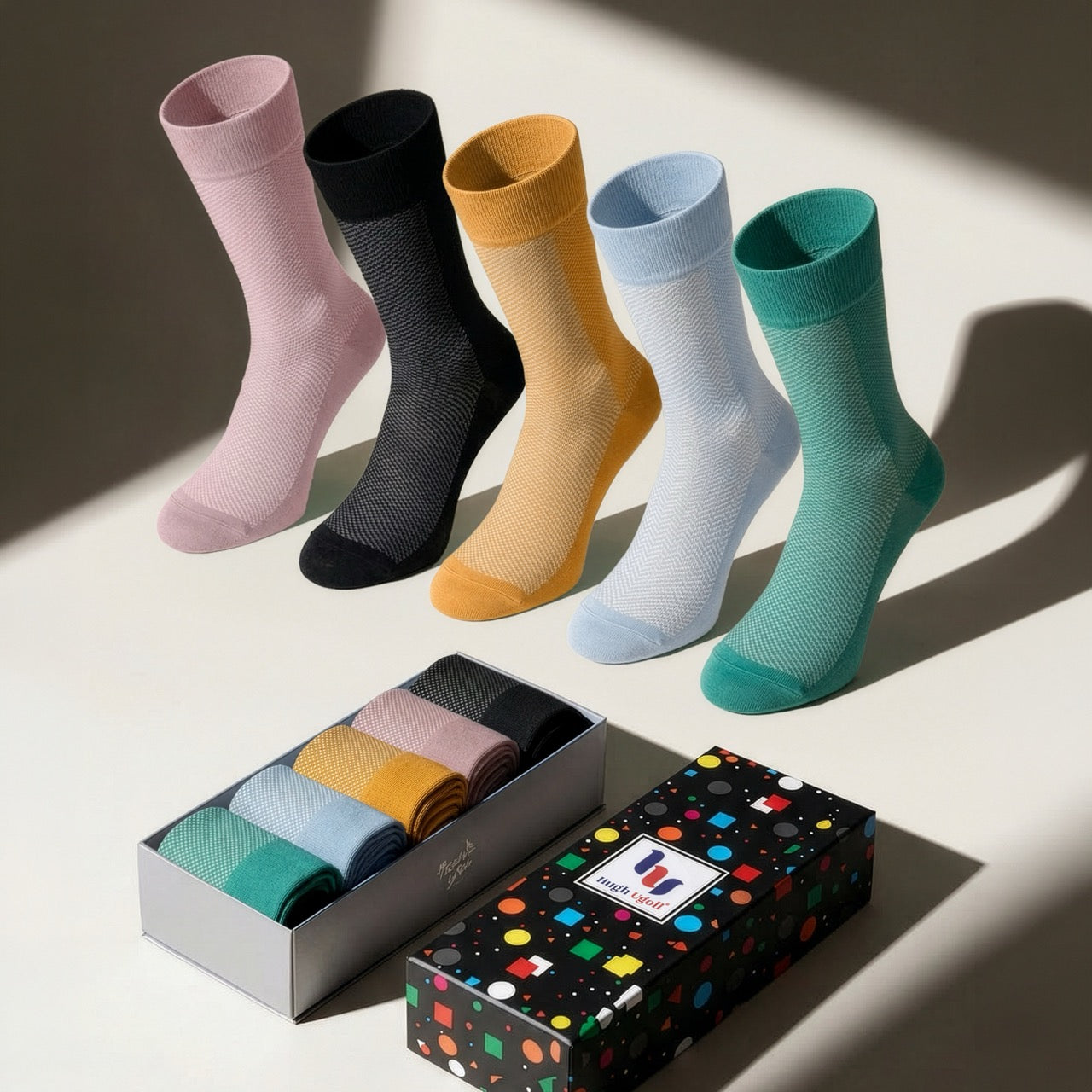
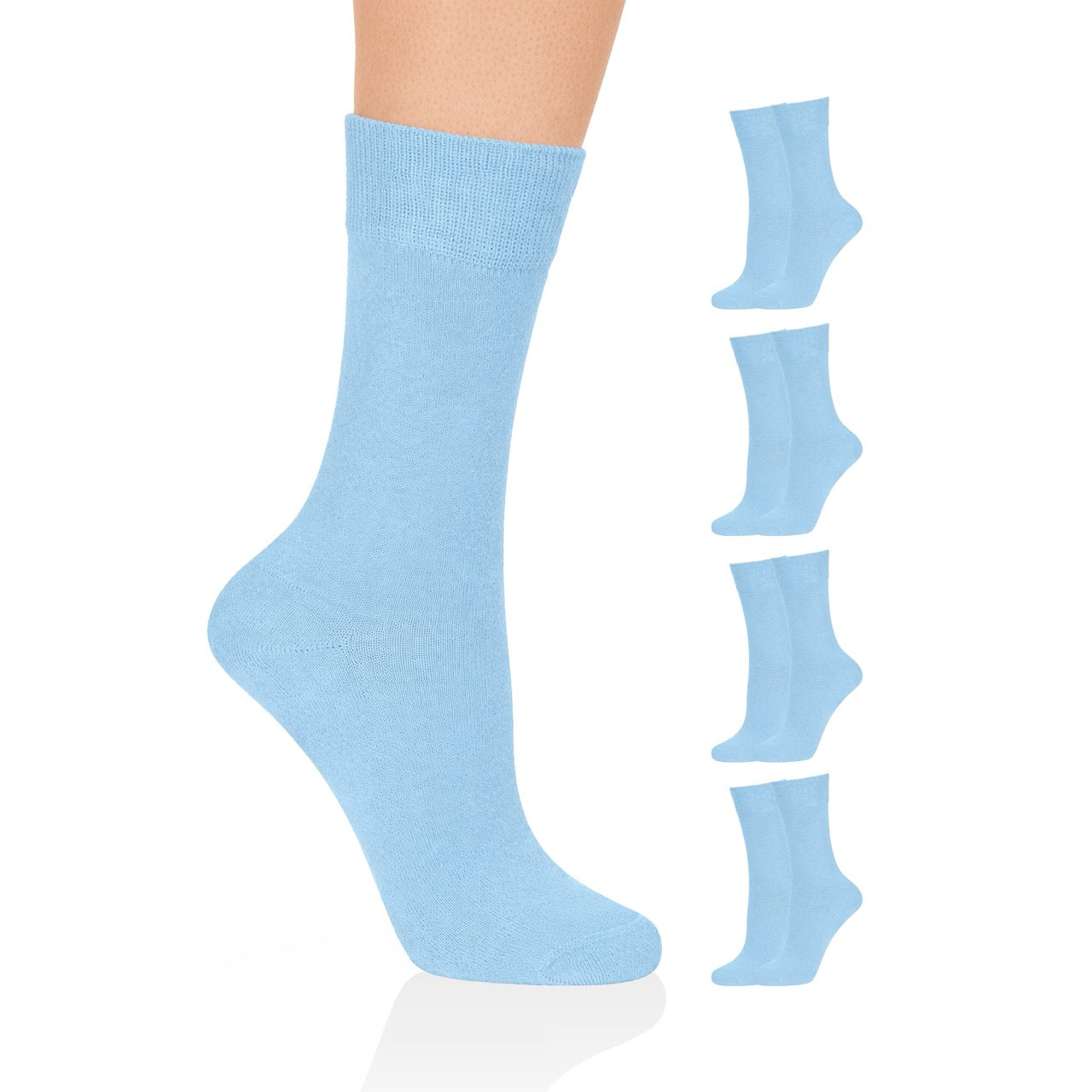
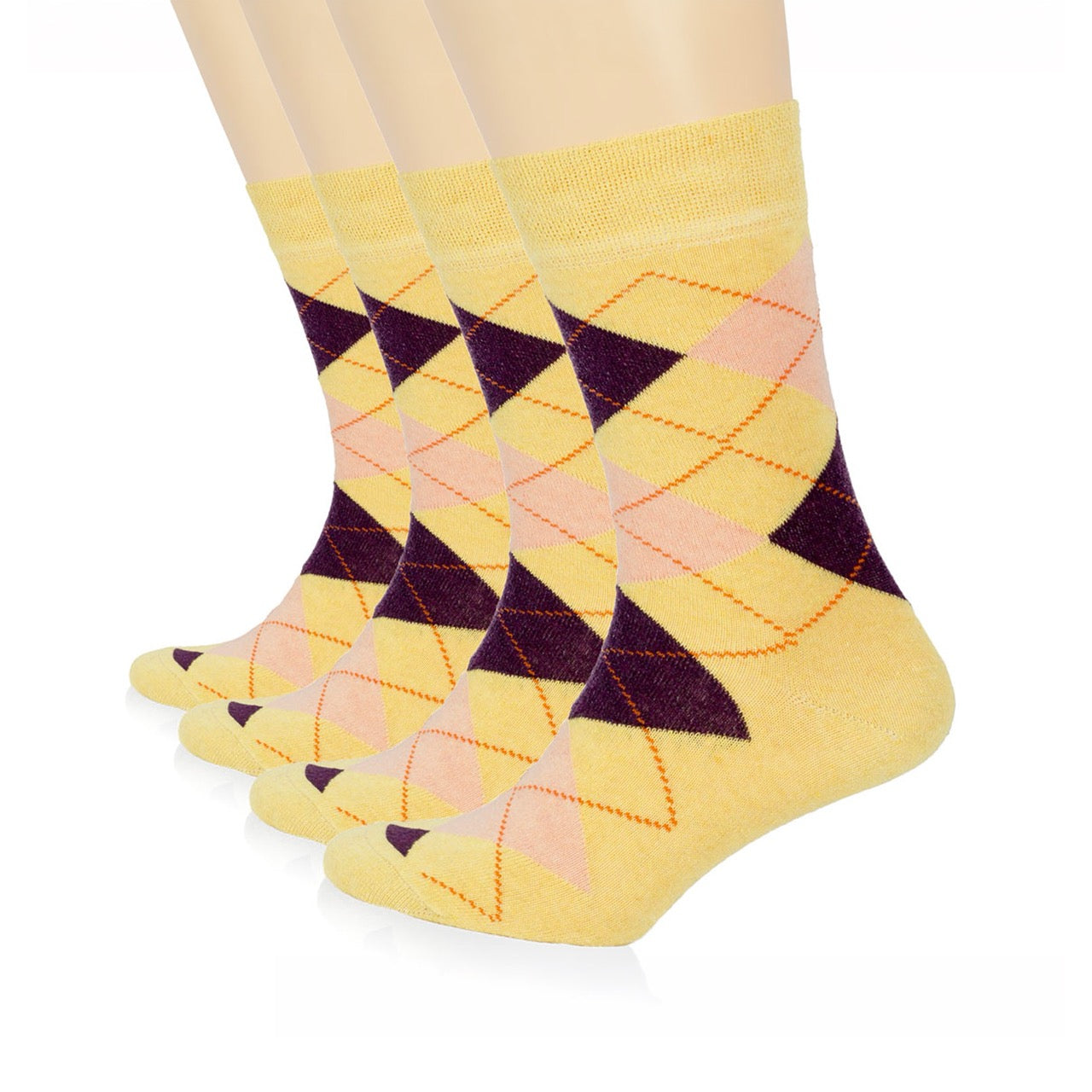
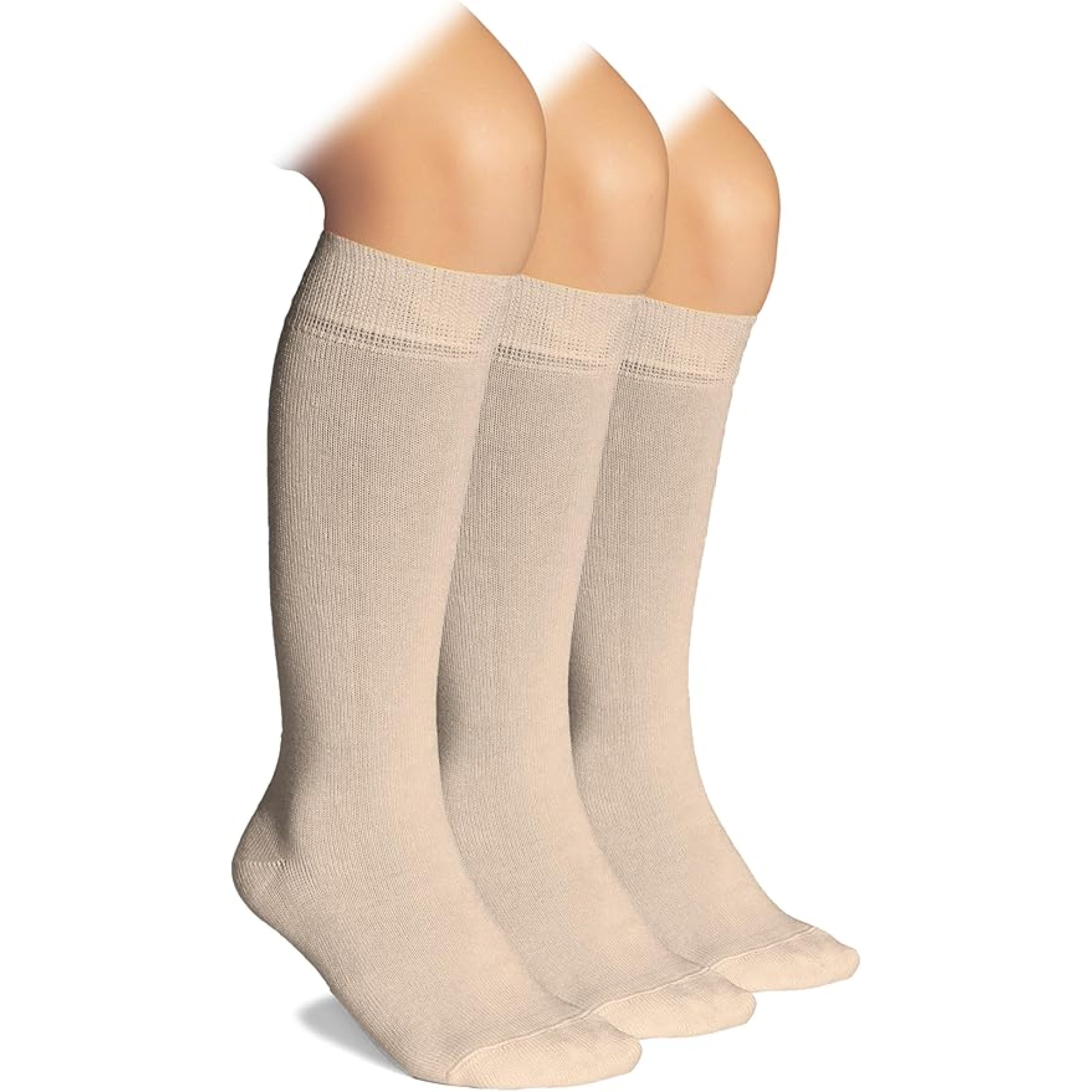


Winter self-care in 2026 goes far beyond skincare routines and warm drinks. As temperatures drop and days grow shorter, people are paying closer attention to everyday comfort choices that quietly shape how their bodies feel. One of the most overlooked yet impactful elements of winter self-care is something we all use daily: socks.
The right socks help keep feet dry, feet warm, and supported during cold weather. More importantly, they play a role in supporting circulation, reducing discomfort, and protecting overall foot health during long winter days.
During winter, our bodies face unique challenges. Cold air causes blood vessels to constrict, which can reduce blood flow to the extremities. This is why cold feet are one of the most common winter complaints.
Socks act as a first layer of defense. When chosen correctly, they help regulate temperature, reduce moisture buildup, and provide gentle support that encourages healthier circulation throughout the day.
Poor circulation often becomes more noticeable in winter. Spending long hours sitting, standing, or commuting can contribute to stiffness, swelling, and discomfort in the feet and ankles.
Socks designed to support circulation apply gentle, even pressure that helps blood move more efficiently back toward the heart. This can be especially beneficial for people who experience reducing swelling as part of their winter routine.
While compression socks are often discussed in medical contexts, winter self-care does not always require firm compression. Many people benefit from socks that offer light support without tight pressure.
The key is avoiding restrictive bands and choosing socks that fit comfortably around the calf and ankle, allowing natural blood flow without discomfort.

Winter socks should keep feet warm without trapping excessive moisture. When feet sweat and stay damp, they can feel colder over time and become more prone to irritation.
Socks with moisture wicking properties help manage perspiration, allowing feet to stay dry while still insulated against the cold.
Materials play a critical role in winter comfort. A well-made wool sock, especially one crafted from merino wool, offers natural insulation that adapts to body temperature.
Wool fibers trap warm air while still allowing moisture to escape. This balance helps prevent cold feet without causing overheating indoors.
Winter conditions increase the risk of certain foot issues. Cold temperatures, dry air, and long periods spent indoors can all take a toll.
Thick winter footwear combined with ill-fitting socks can lead to friction. Socks with a seamless toe design help prevent blisters by reducing pressure points and rubbing.
Cold weather often leads to dry, cracking skin. Soft, breathable socks help protect the skin barrier and reduce irritation caused by rough seams or stiff fabrics.
Sock length becomes especially important in winter. Length socks that extend above the ankle provide added warmth and protection against cold air entering boots or shoes.
Longer socks also distribute pressure more evenly, which can contribute to better comfort and less fatigue during extended wear.
Winter routines often involve extended periods indoors, whether working from home or commuting in heavier footwear. Socks that support comfort during long hours make a noticeable difference.
When feet feel supported and warm, overall energy levels improve. This subtle benefit aligns with the broader 2026 approach to self-care: small changes that add up over time.
The goal of winter socks is not just warmth, but balance. Overly thick socks can restrict movement or cause sweating, while thin socks may fail to provide insulation.
A well-designed winter sock keeps feet stay comfortable by combining breathability, insulation, and gentle support.
These habits help maintain foot comfort and circulation throughout the season.
In 2026, self-care is no longer seasonal or reactive. Winter simply highlights the importance of everyday comfort choices that support the body year-round.
Socks that keep feet warm, manage moisture, and encourage healthy circulation are a simple but effective way to care for yourself during the coldest months.
If you have previously explored content about circulation-friendly clothing, winter essentials, or foot-focused wellness, this approach builds naturally on those ideas. Winter self-care starts with consistency, not complexity.
Yes. Socks that fit properly and avoid tight bands help support natural blood flow, especially during cold weather.
Merino wool provides natural insulation while allowing moisture to escape, keeping feet warm and dry.
Some people benefit from light compression or supportive socks, but comfort and proper fit are more important than firm pressure.
Socks with moisture wicking properties and insulating materials help maintain warmth by keeping feet dry and protected.
He has been working for more than 20 years in the textile industry and has work experience in many parts of the world.