Cart
0
You may also like
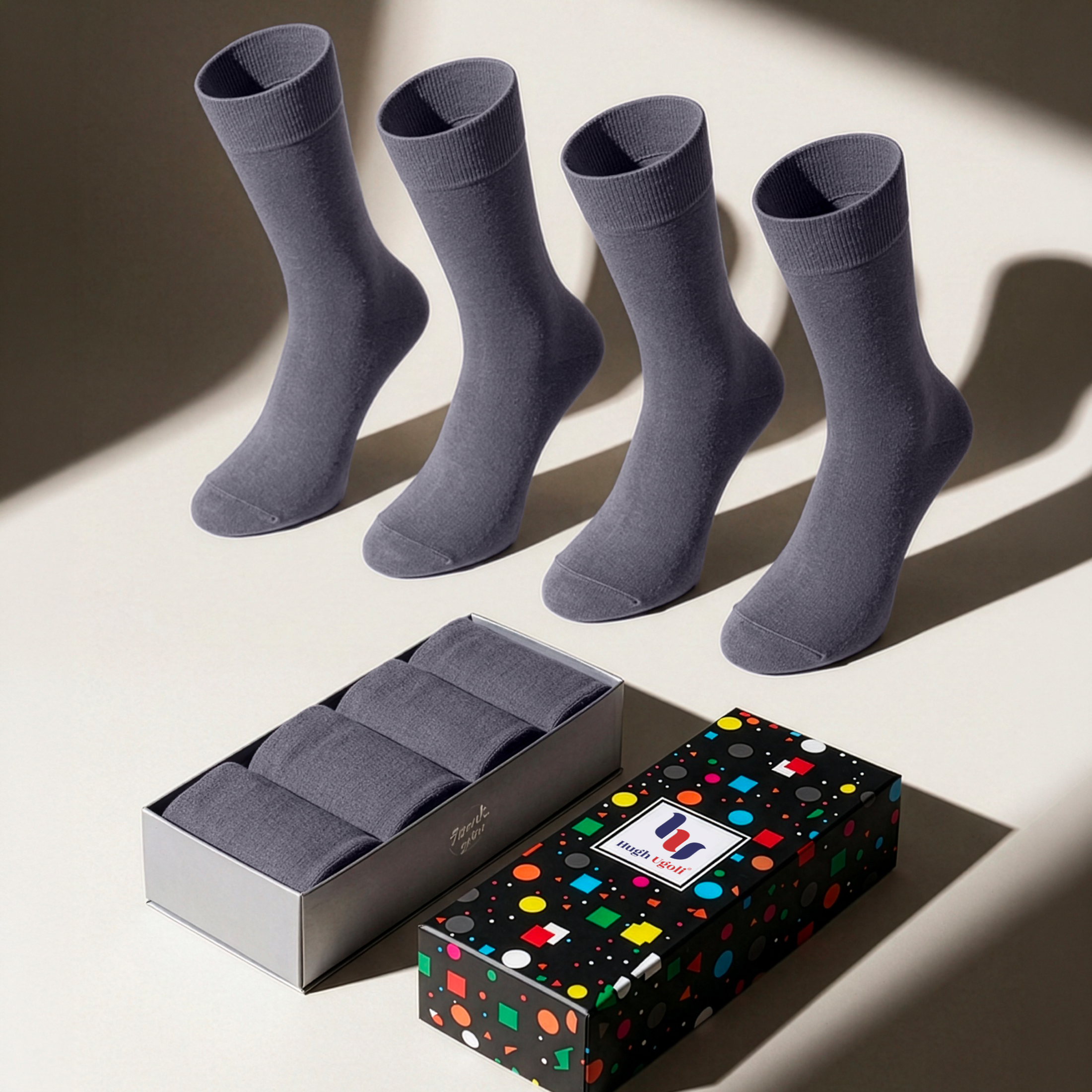
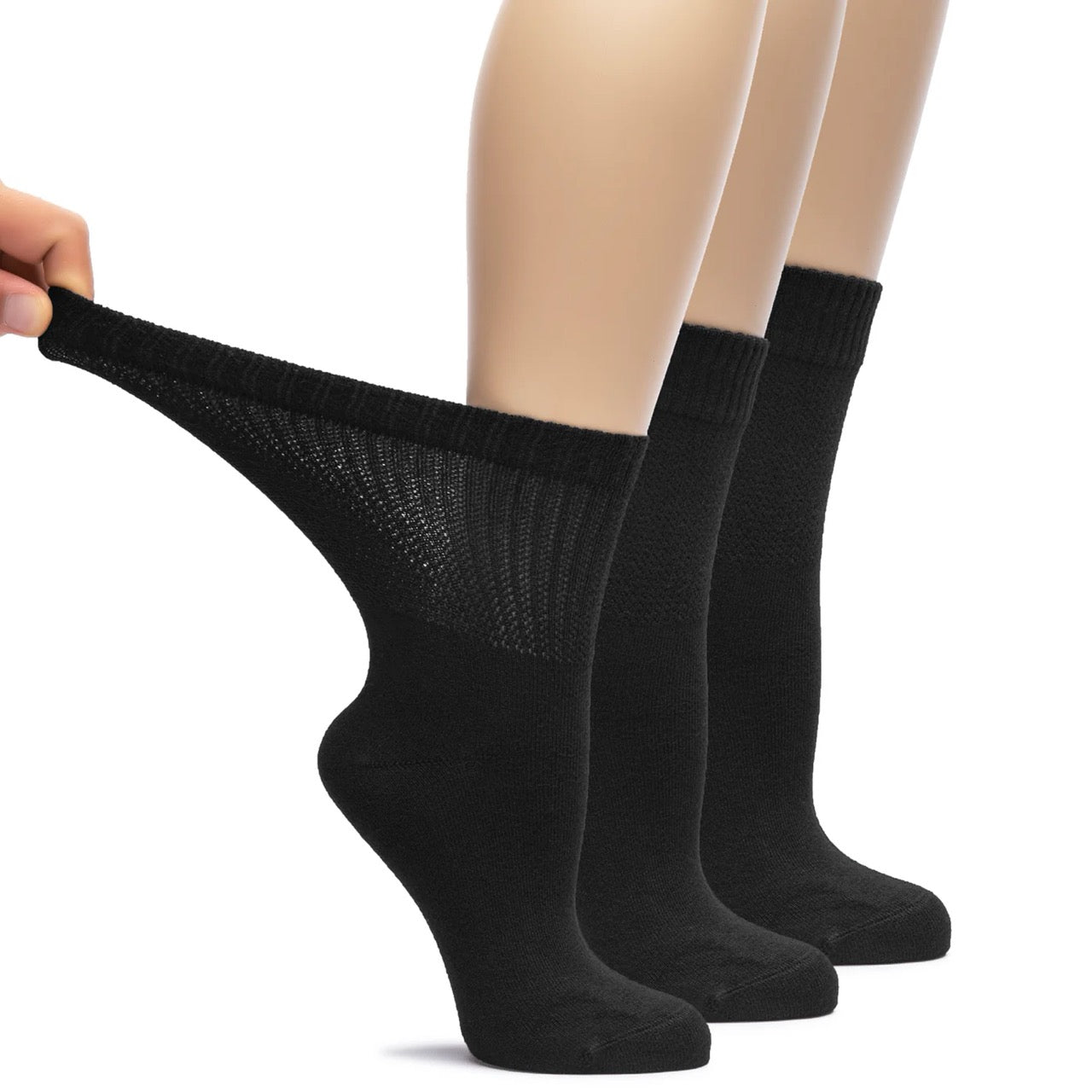

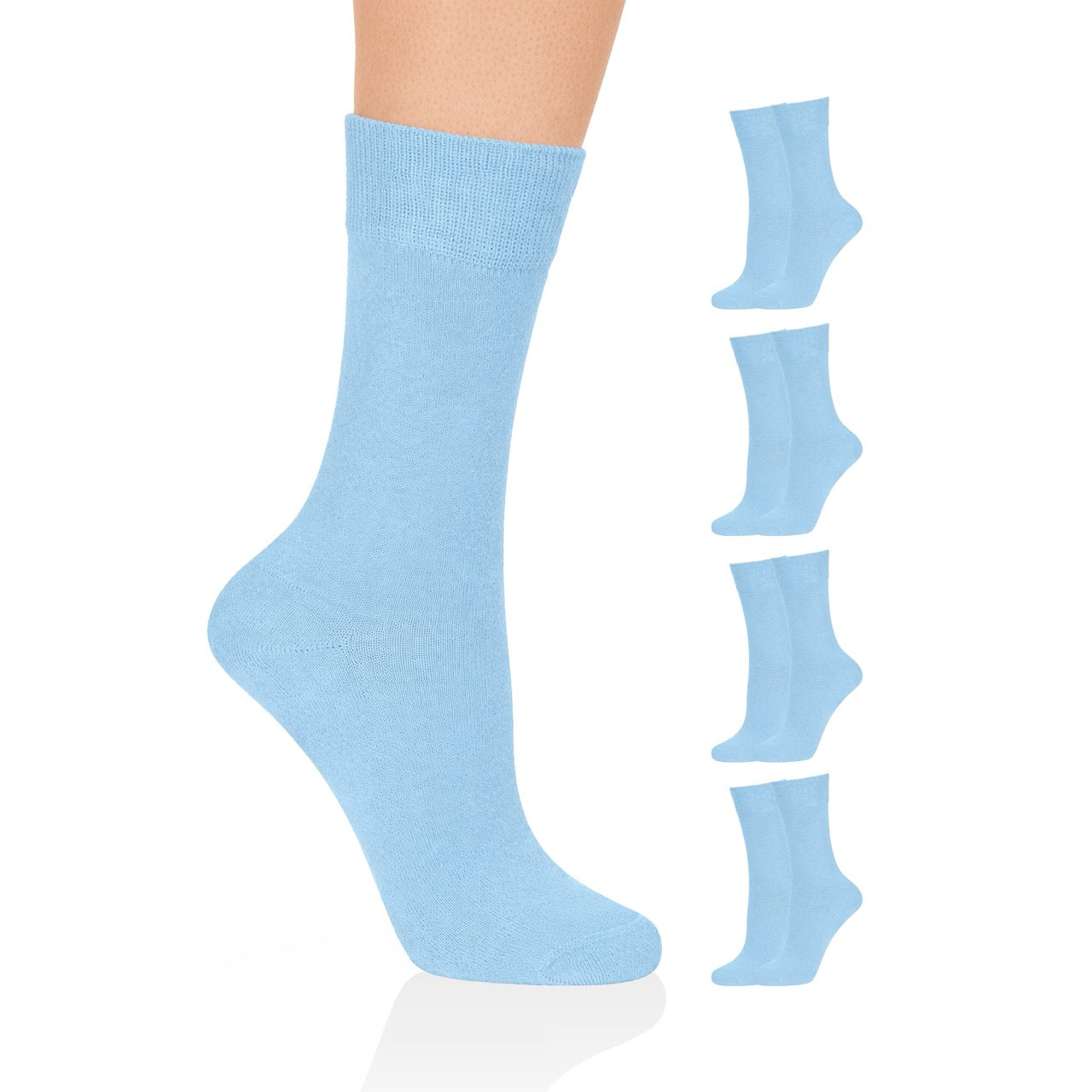
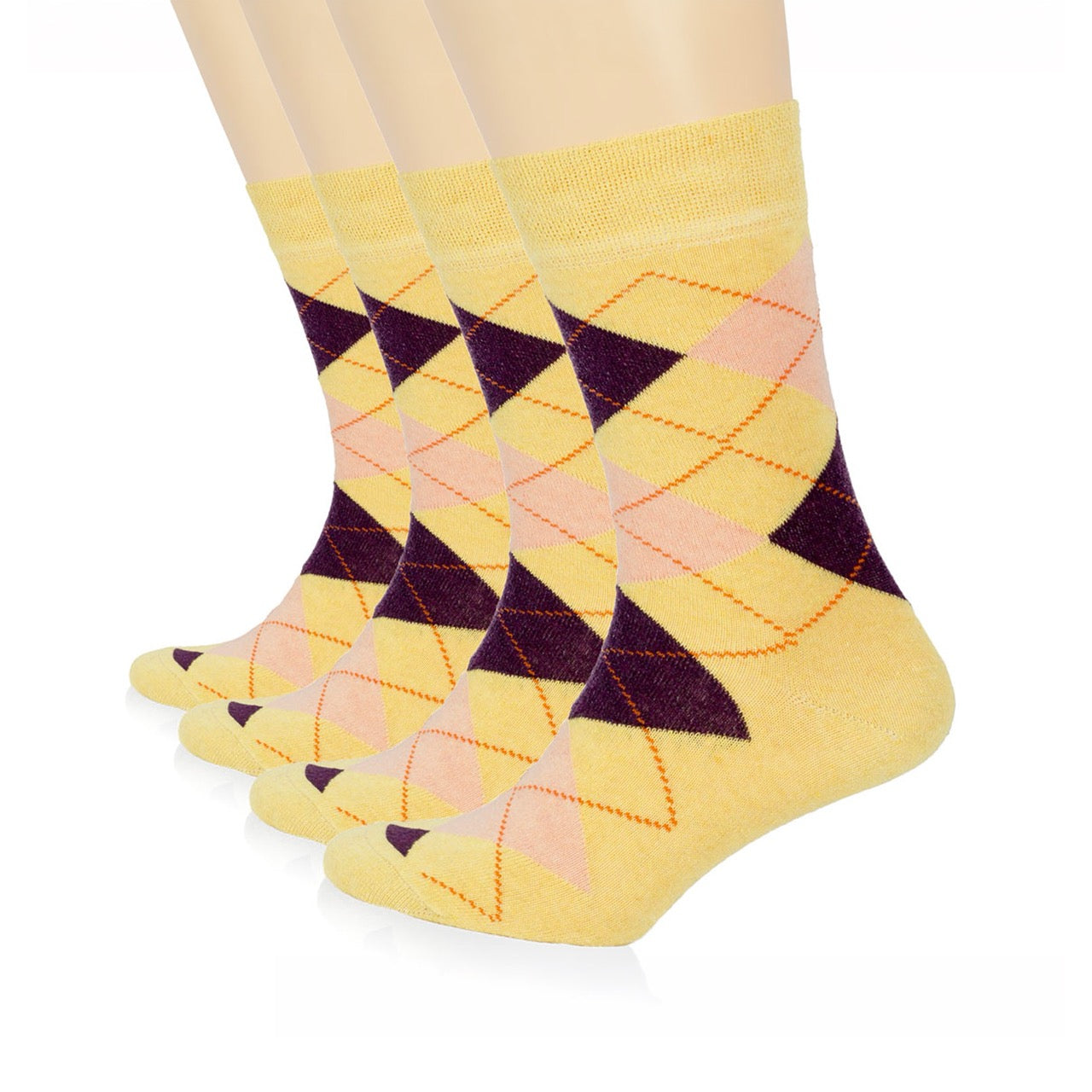
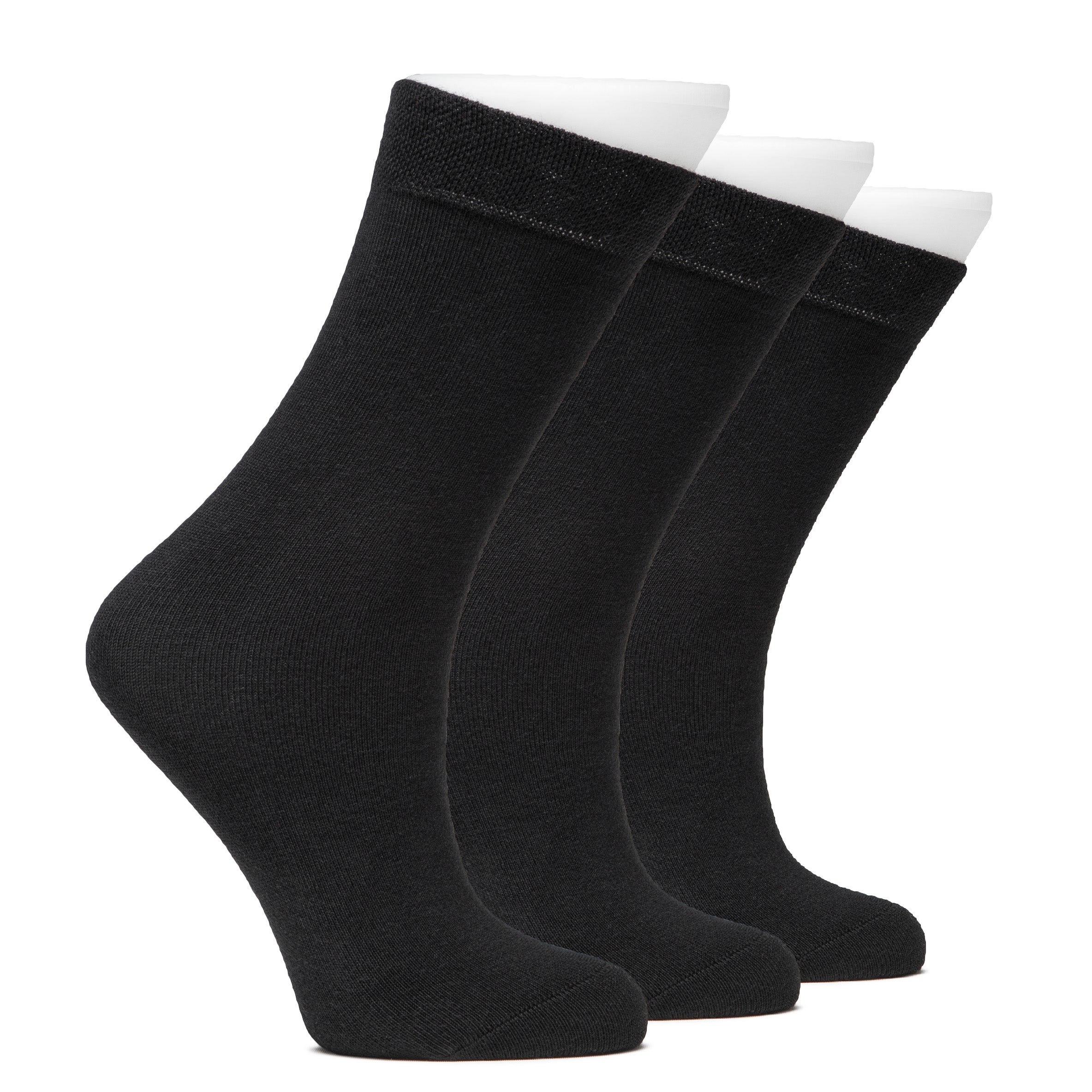
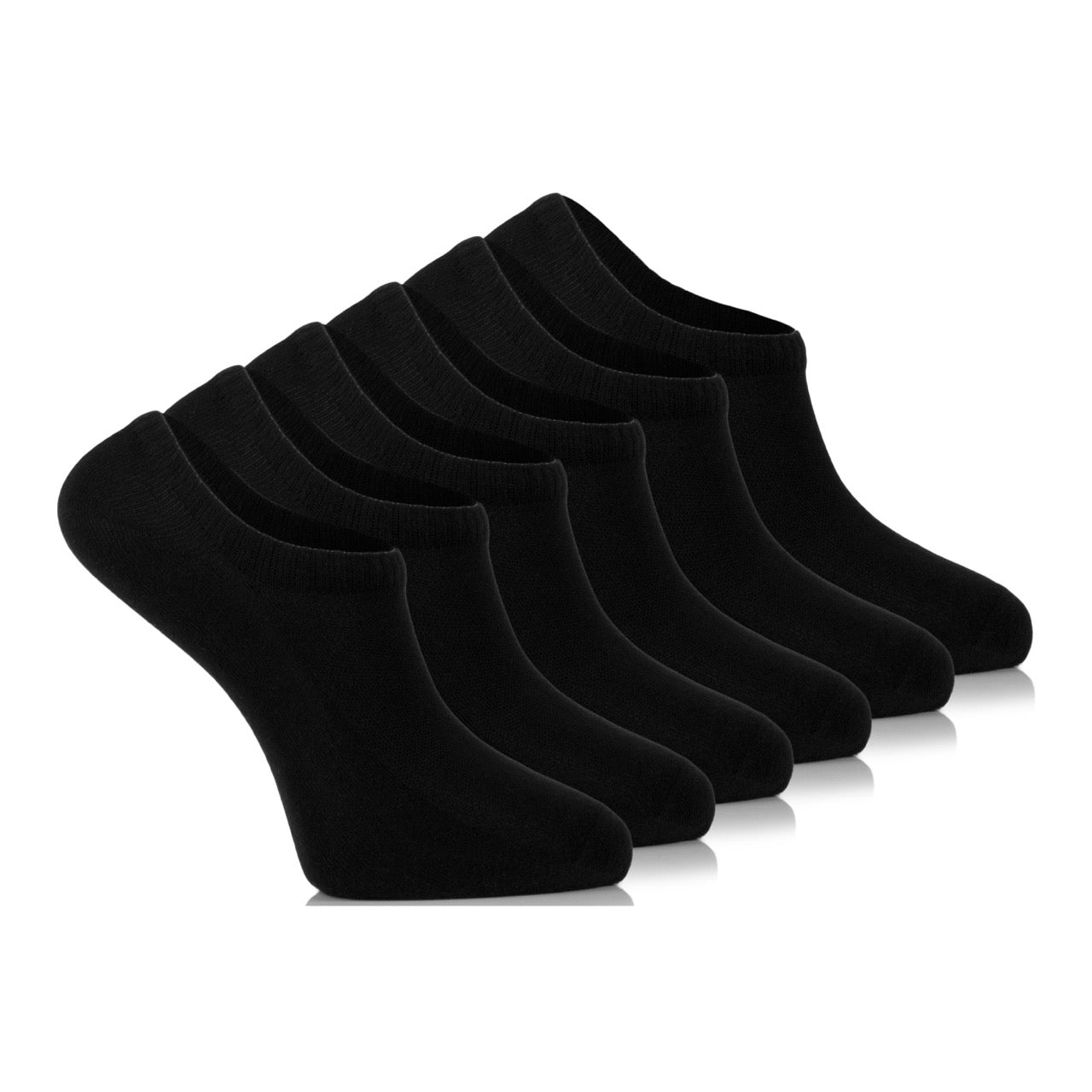
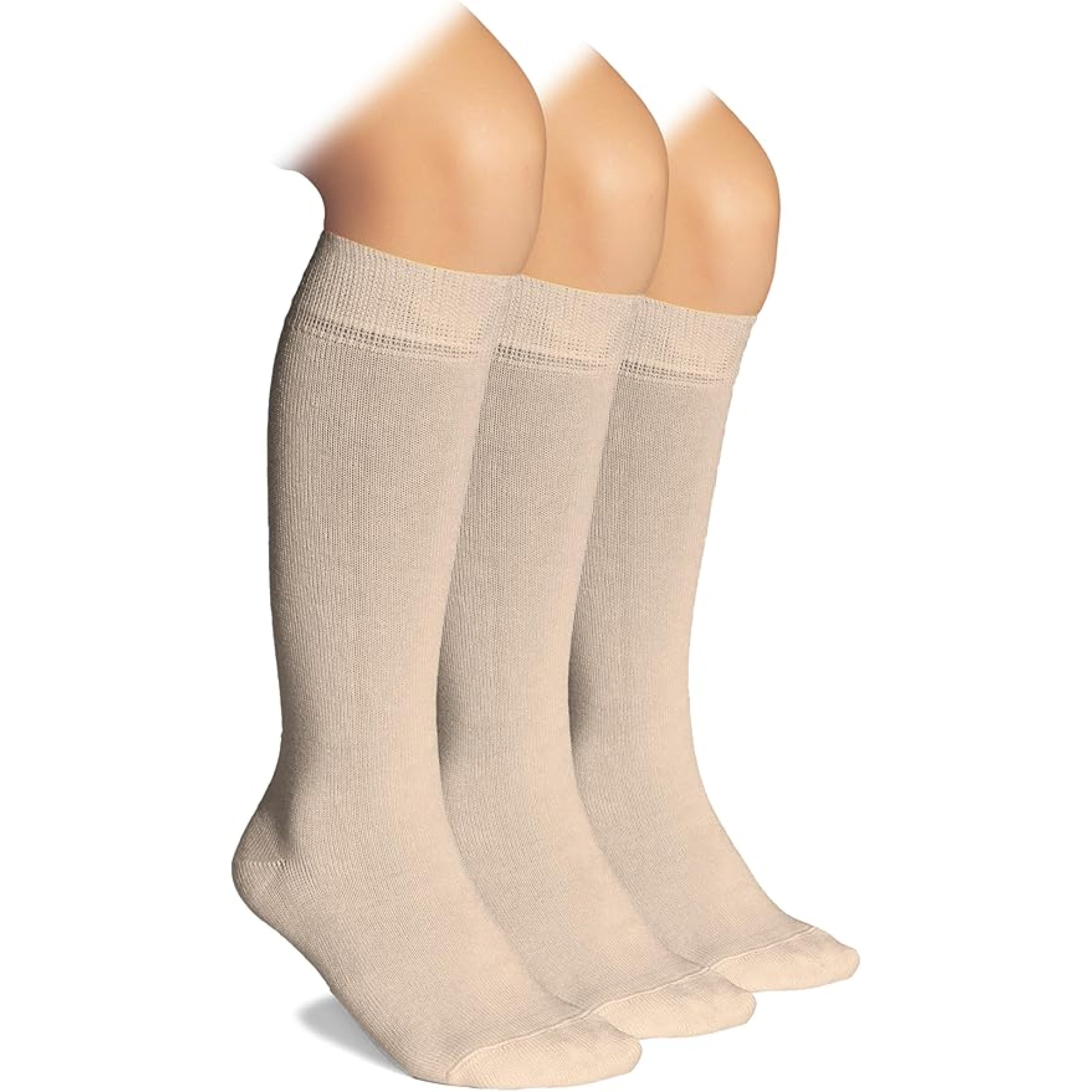


Winter travel places unique demands on your body, and your feet are often the first to feel it. Whether you are boarding a long flight or setting out on a road trip through cold weather, what you wear on your feet can shape your comfort for hours—or even days. In the travel season, socks are no longer an afterthought; they function as a critical base layer that supports warmth, circulation, and all-day ease.
As travelers aim to stay warm without overheating and stay cozy without feeling restricted, smart sock choices become just as important as jackets or winter boots. Understanding how socks work in travel conditions helps prevent discomfort before it starts.
Travel exposes feet to prolonged sitting, temperature shifts, and limited movement. On flights, cabin pressure and inactivity can leave feet feeling stiff or swollen. On road trips, long hours in the same position reduce circulation and increase sensitivity to cold.
The right socks help manage these challenges by providing insulation, cushioning, and gentle support—without creating pressure or trapping moisture.
Just as thermal tops act as a base layer for your torso, socks serve the same purpose for your feet. They regulate temperature, manage moisture, and protect skin from friction inside shoes or winter boots.
Choosing socks as a functional base layer means focusing on materials, fit, and construction rather than thickness alone.
Many travelers assume thicker socks equal warmer feet. In reality, socks that are too bulky can restrict circulation or cause sweating, which leads to colder feet over time. Balanced insulation and breathability matter more than sheer volume.
One of the most reliable materials for winter travel is merino wool. Unlike traditional wool, merino fibers are soft, lightweight, and naturally temperature regulating.
Merino wool helps keep feet warm in cold environments while allowing excess heat to escape indoors. This adaptability makes it ideal for transitions between airports, cars, and outdoor conditions.
Airplane cabins are often cooler than expected, especially during winter. At the same time, sitting for extended periods can slow circulation, making feet feel colder and more fatigued.
Socks for winter flights should balance warmth with comfort. A snug but non-restrictive fit helps support circulation without squeezing.
Winter road trips present a different set of challenges. Hours spent sitting can lead to stiffness, while frequent stops expose feet to cold pavement and fluctuating temperatures.
Socks for road trips should offer consistent warmth and flexibility. They need to perform well inside the vehicle and during brief outdoor exposure.
Winter boots are designed to insulate and protect, but their effectiveness depends heavily on what you wear inside them. Socks that are too thin may not provide enough insulation, while overly thick socks can compromise fit.
The ideal sock complements the boot’s insulation without crowding the foot. This ensures warmth while maintaining proper circulation.
Socks should fit smoothly inside boots without bunching. Wrinkles or excess fabric can create pressure points and reduce comfort during long walks or standing periods.
One of the biggest travel comfort challenges is overheating indoors after being outside in the cold. Socks that trap too much heat can make feet sweaty and uncomfortable.
Breathable socks help regulate temperature, allowing you to stay cozy without feeling overheated when you move between environments.

Moisture is the enemy of warmth. Damp socks lose their insulating ability, leaving feet feeling cold even in insulated footwear.
Materials that manage moisture effectively keep feet dry, which is essential for maintaining warmth during long travel days.
Long terminals and security lines require socks that cushion and support feet during extended walking and standing.
Brief exposure to cold ground makes insulation important, even for short outdoor moments.
After a long travel day, comfortable socks help feet relax and recover indoors.
Travel amplifies discomfort. Small irritations that go unnoticed at home become more pronounced during long journeys. Socks that fit well and feel comfortable help prevent minor issues from turning into travel fatigue.
In winter, this intentional approach becomes even more important due to colder temperatures and heavier footwear.
Many travelers gravitate toward socks designed for daily comfort, especially those with gentle fits and breathable constructions. These styles work well for both flights and road trips, offering warmth without restriction.
Rotating socks helps keep feet dry and comfortable throughout the trip.
If you have previously explored content about winter travel essentials, cold-weather comfort, or foot-friendly routines, the same principles apply here. Consistency and thoughtful choices make the biggest difference.
Socks that provide warmth without tight pressure, made from breathable materials, are ideal for winter flights.
Yes. Merino wool regulates temperature and manages moisture, making it well suited for long travel days.
Thickness matters less than insulation and fit. Socks should keep feet warm without restricting circulation.
Proper socks maintain warmth, manage moisture, and support comfort during extended sitting and walking.
He has been working for more than 20 years in the textile industry and has work experience in many parts of the world.