Cart
0
You may also like
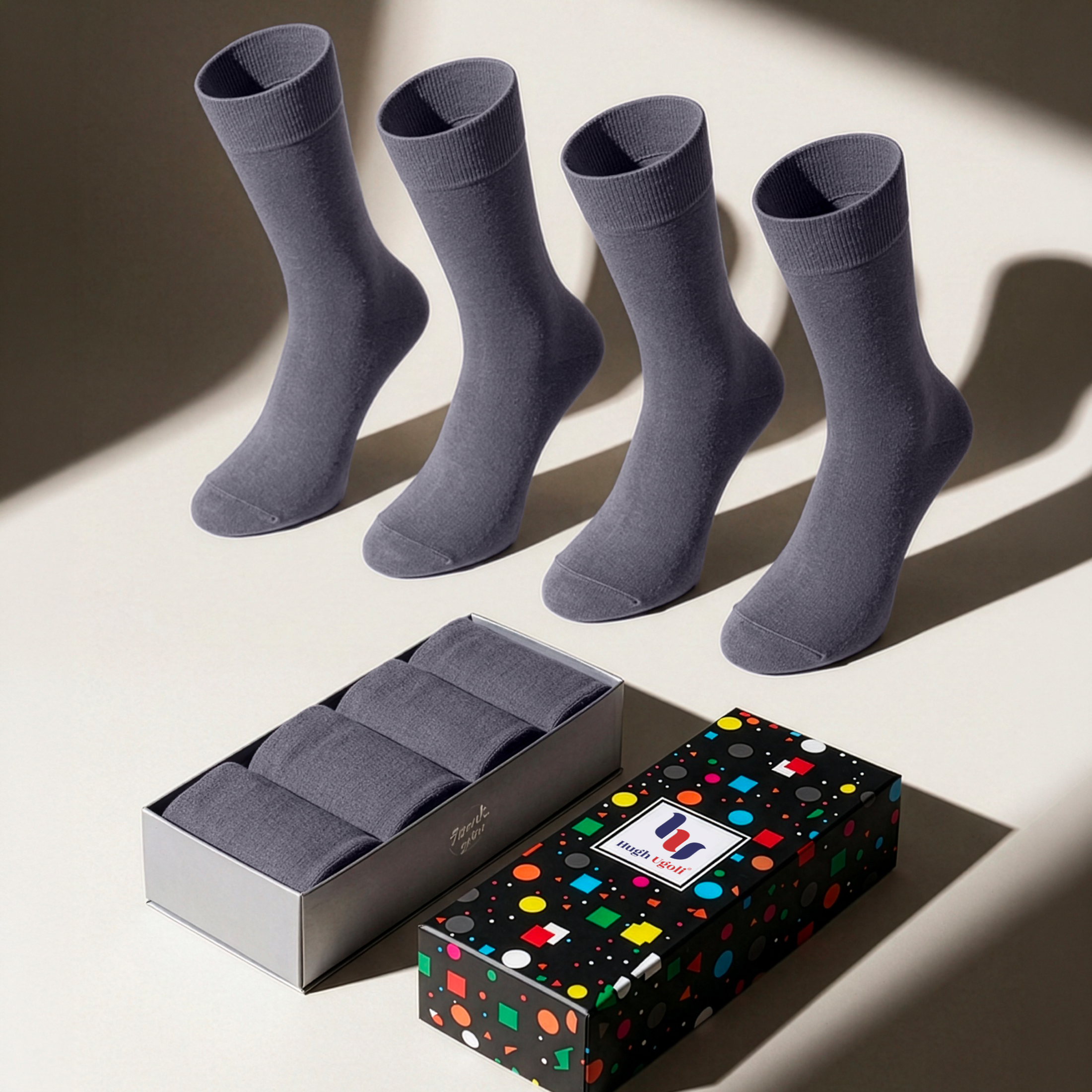
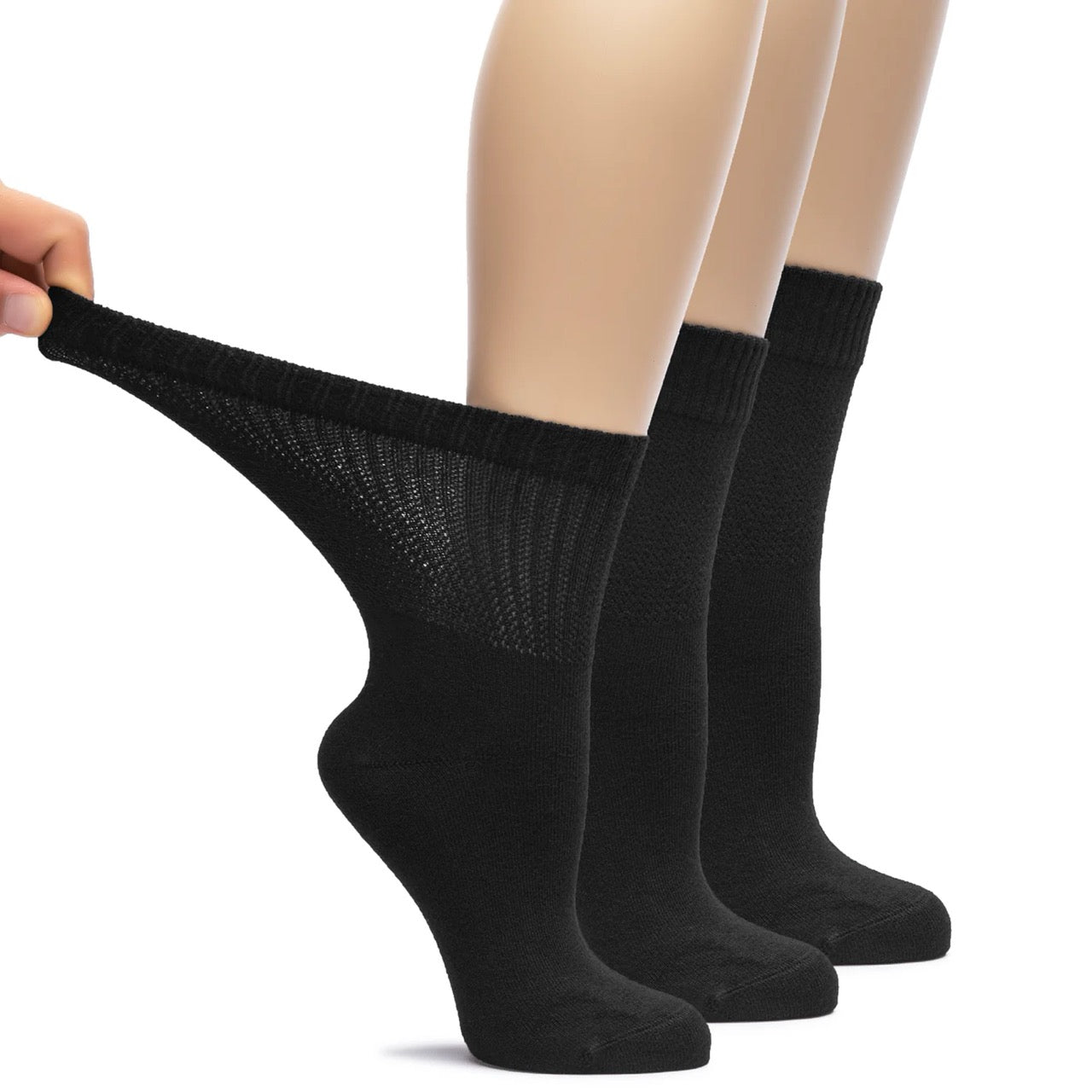
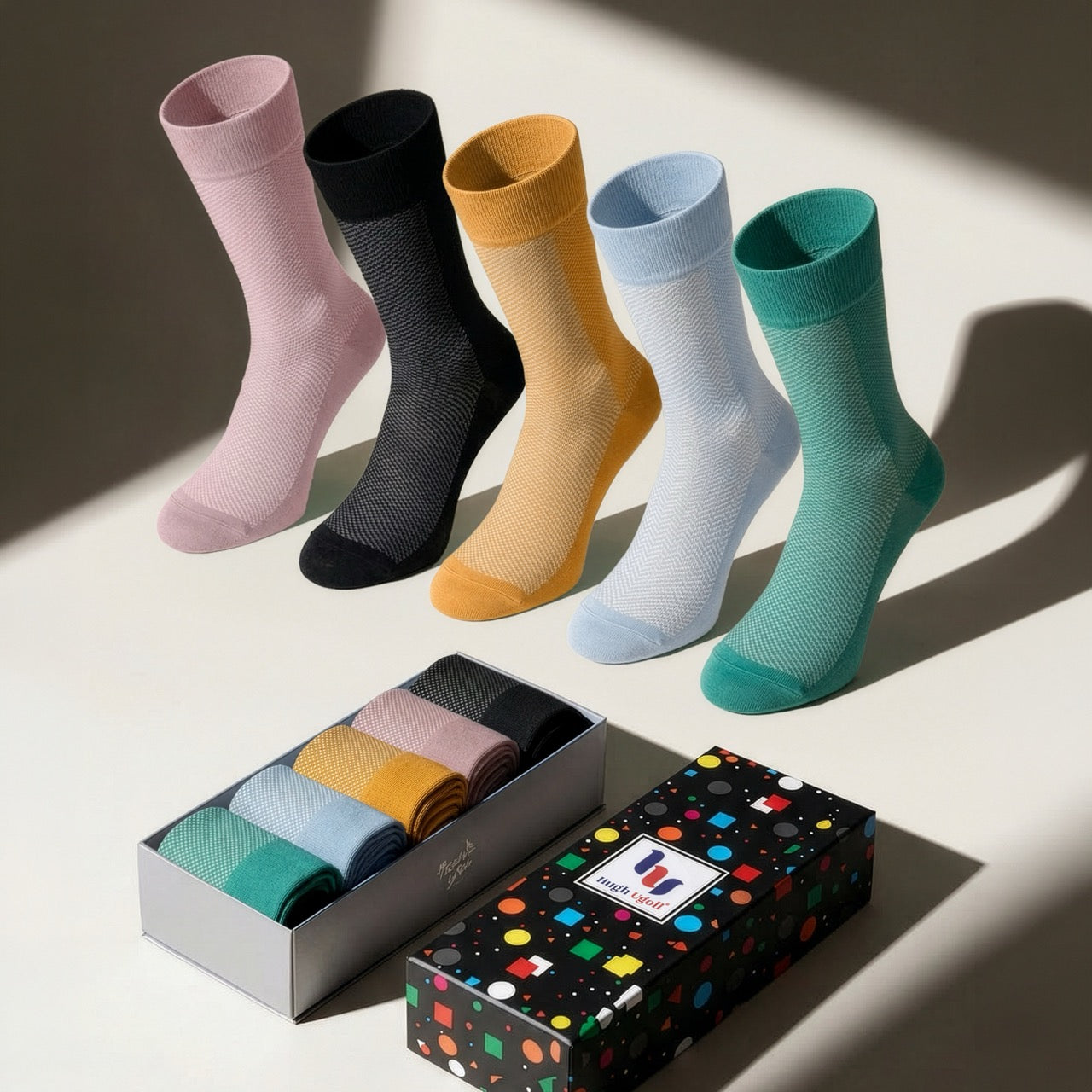
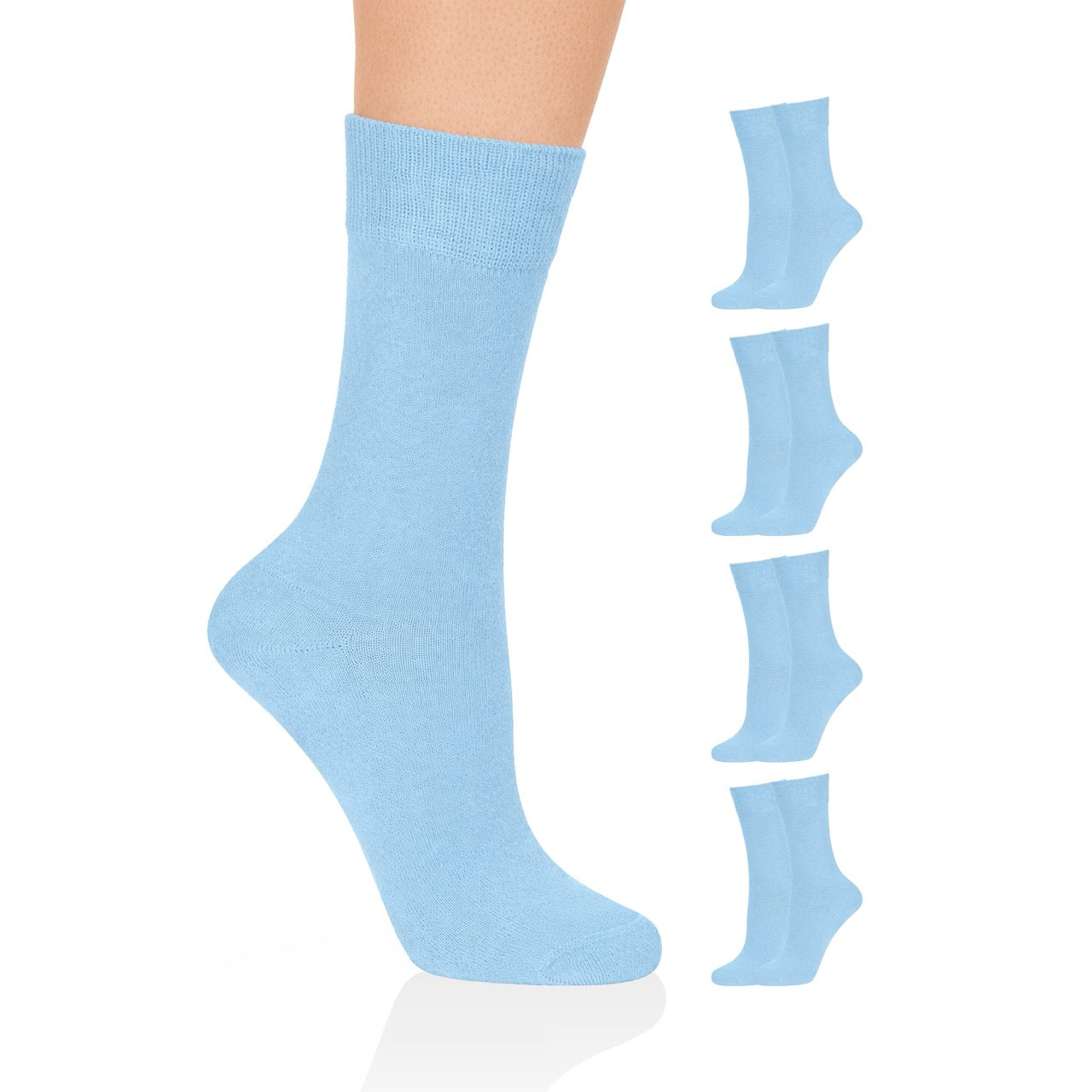
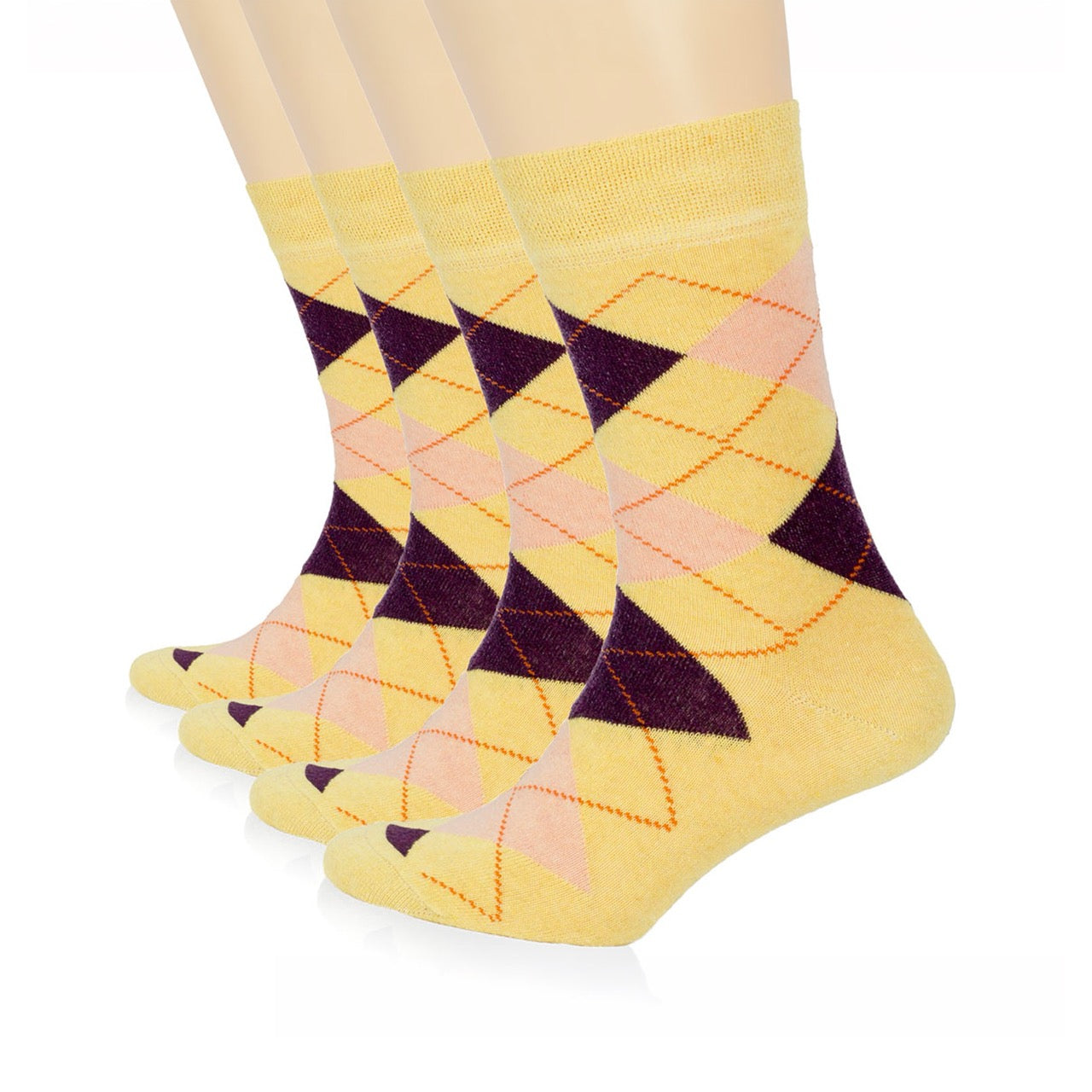
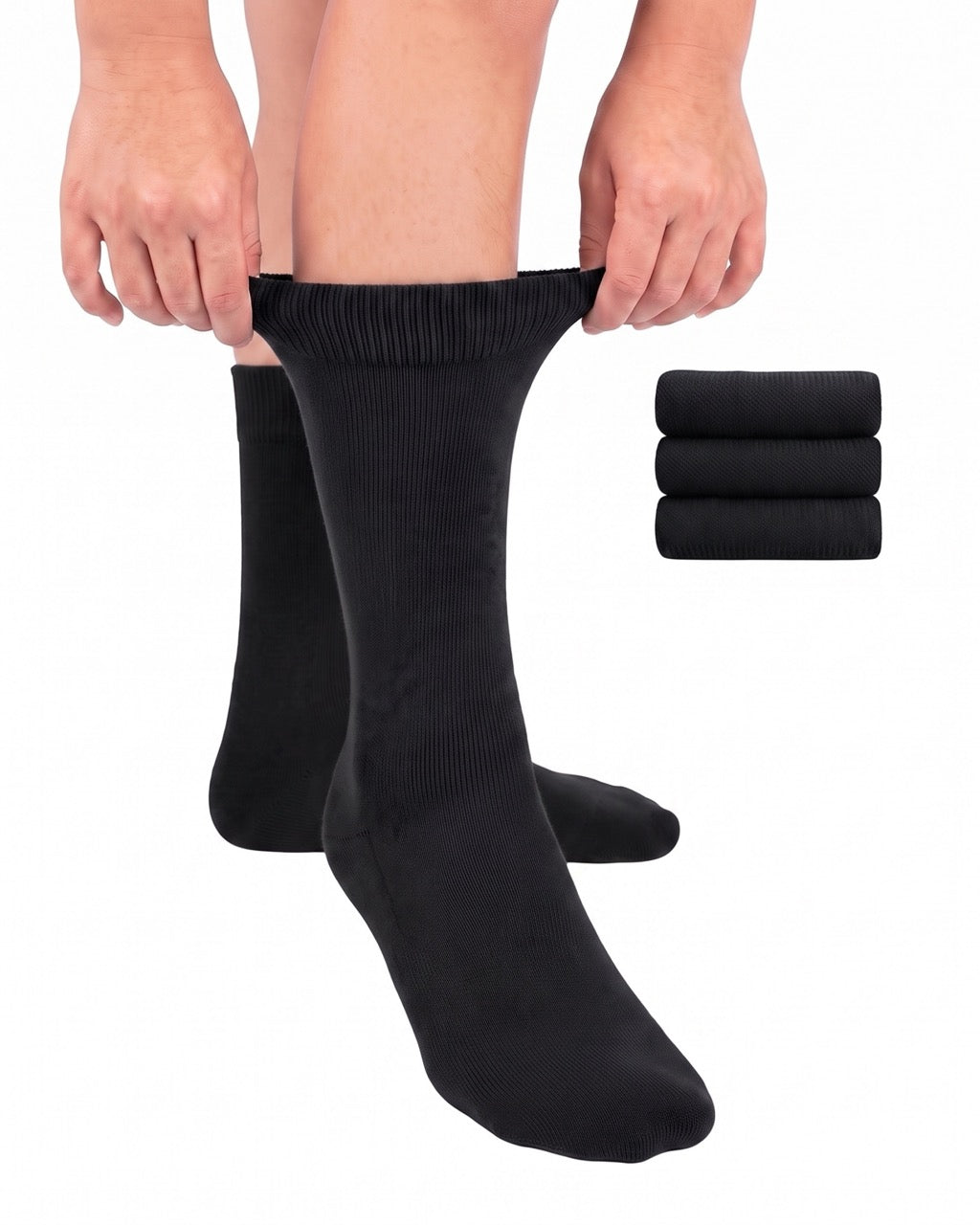
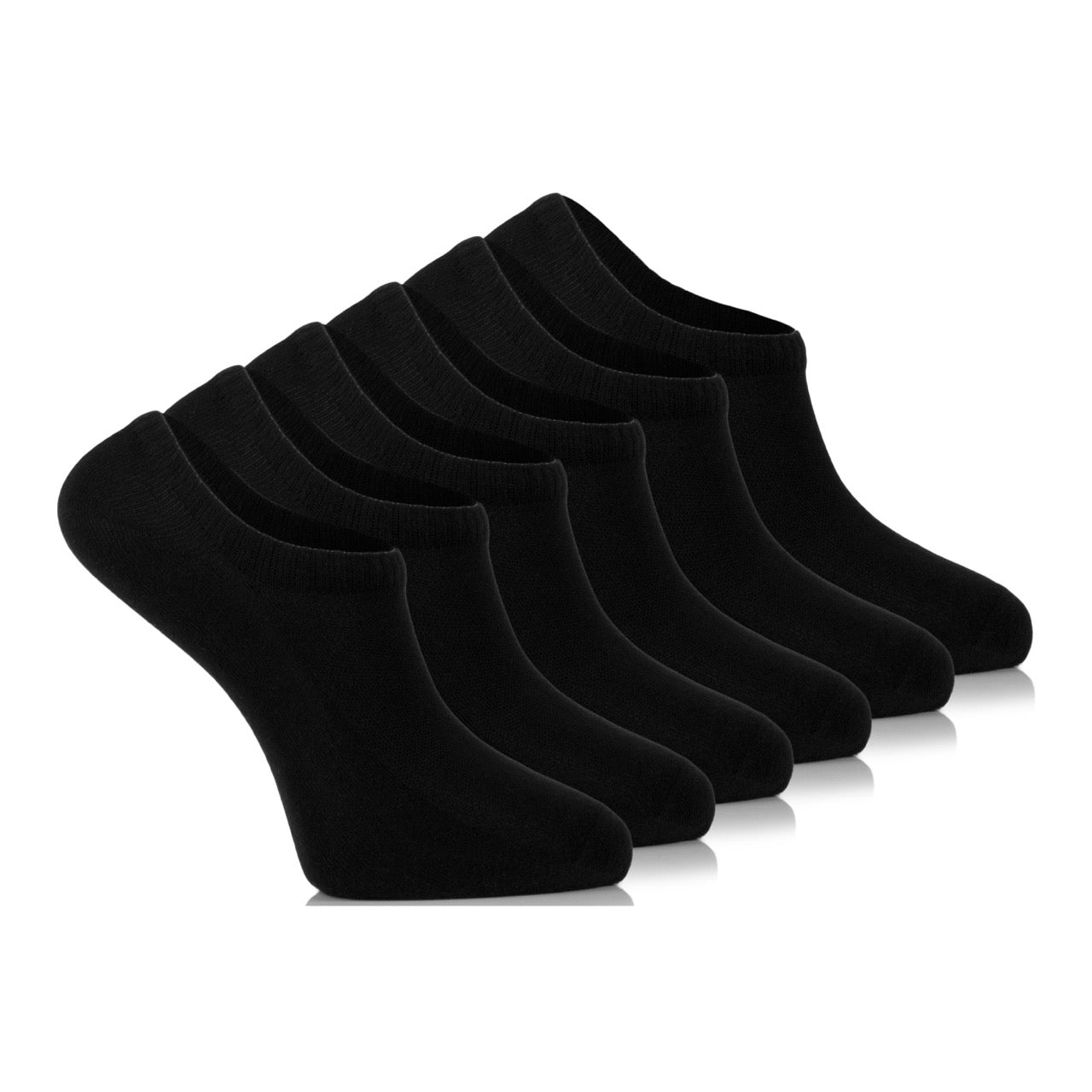
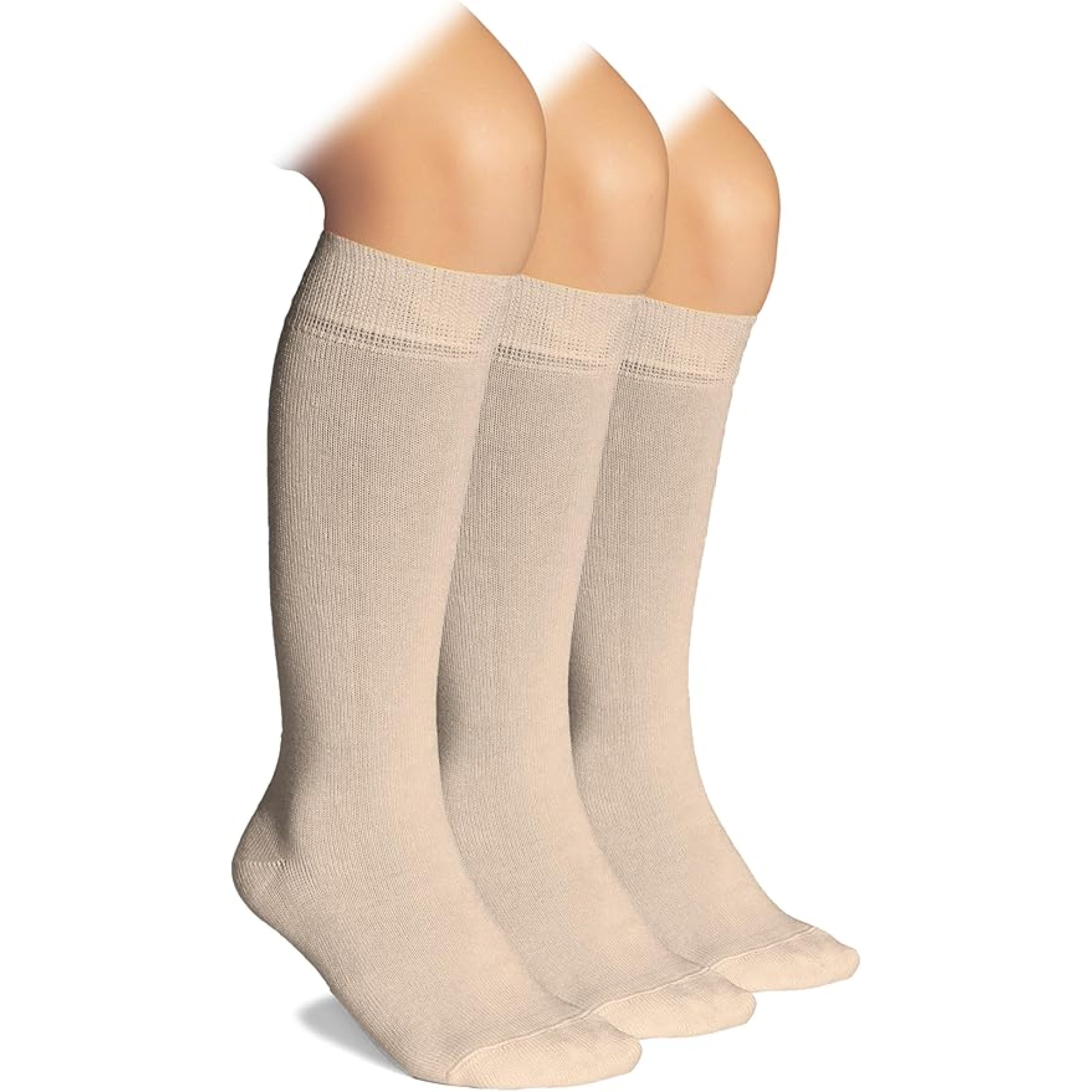


When choosing between bamboo and cotton for kids' socks, it's essential to understand the unique benefits of each. Bamboo socks are incredibly soft, eco-friendly, and offer excellent moisture-wicking abilities, making them a popular choice for sensitive skin and reducing the risk of irritation. Additionally, bamboo requires less water for production, making it a more environmentally friendly option. On the other hand, cotton socks are durable, breathable, and handle wear and tear well, providing comfort and longevity. Both options have strengths, but your child's needs and skin sensitivity should guide your choice.
Bamboo fibers are naturally breathable, moisture-wicking, and incredibly soft, making them a popular option for children with sensitive skin. Additionally, bamboo production consumes less water, making it a top eco-friendly option. This material also offers some antibacterial properties, which can help reduce odor and keep feet fresh throughout the day.
Cotton socks, known for their durability, withstand heavy wear and tear, making them a great choice for active kids. They're also breathable and provide warmth in colder conditions. Cotton socks are versatile and suitable for daily wear, balancing comfort and reliability.

Bamboo socks are a popular choice for children with sensitive skin. The natural fibers of bamboo are often marketed as hypoallergenic, and many parents find they cause less irritation than rougher fabrics, though as with any material, individual sensitivities vary. Moreover, they offer softness and are lightweight, making them suitable for warm-weather use. Another advantage is that bamboo is a renewable resource, meaning you're not only providing comfort for your child but also making an environmentally conscious choice.
While bamboo is soft and eco-friendly, cotton socks are known for their toughness. For children who are more active, whether playing sports or just running around at school, cotton socks provide durability. Cotton's natural ability to absorb sweat helps manage moisture, though it doesn't wick moisture away as actively as some other fibers.
Ultimately, both materials have unique strengths. For sensitive skin, bamboo socks might be the better option, while for children with a more active lifestyle, cotton socks offer more durability. Choosing the right socks comes down to your child's specific needs and preferences, but knowing the advantages of each material will help make an informed decision.
For more details on how to choose the best socks for active kids, read Why Cotton Socks Are Ideal for Active Kids.
Ready to shop? Browse our Bamboo Socks for Kids collection, including the Kids Bamboo Dress Crew Socks and the Kids Cotton Dress Crew Socks. For more guidance, read Fun and Functional: The Ultimate Guide to Choosing Kids Socks and What Are the Best Socks for Kids With Sweat.
Many parents find bamboo socks a comfortable option for sensitive skin, since the fibers are naturally soft. As with any material, some children may react differently, so it's worth testing a new pair.
Yes. Bamboo fibers offer good moisture-wicking and breathable properties that help keep feet dry and comfortable throughout the day.
Yes. Cotton socks are known for their durability and ability to handle everyday wear and tear, making them a good choice for active children.
For highly active kids, cotton socks are often preferred because they provide durability, comfort, and reliable support during movement.
Yes. Bamboo is a renewable resource that typically requires less water during production, making bamboo socks a more environmentally friendly option.
Bamboo fibers have some natural antibacterial properties that can help minimize odor for some wearers.
Both bamboo and cotton are breathable, but bamboo socks are often lighter and better at managing moisture in warm conditions.
Choose bamboo socks for softness, moisture management, and sensitive skin. Choose cotton socks for durability, daily wear, and active lifestyles.
He has been working for more than 20 years in the textile industry and has work experience in many parts of the world.