Cart
0
You may also like
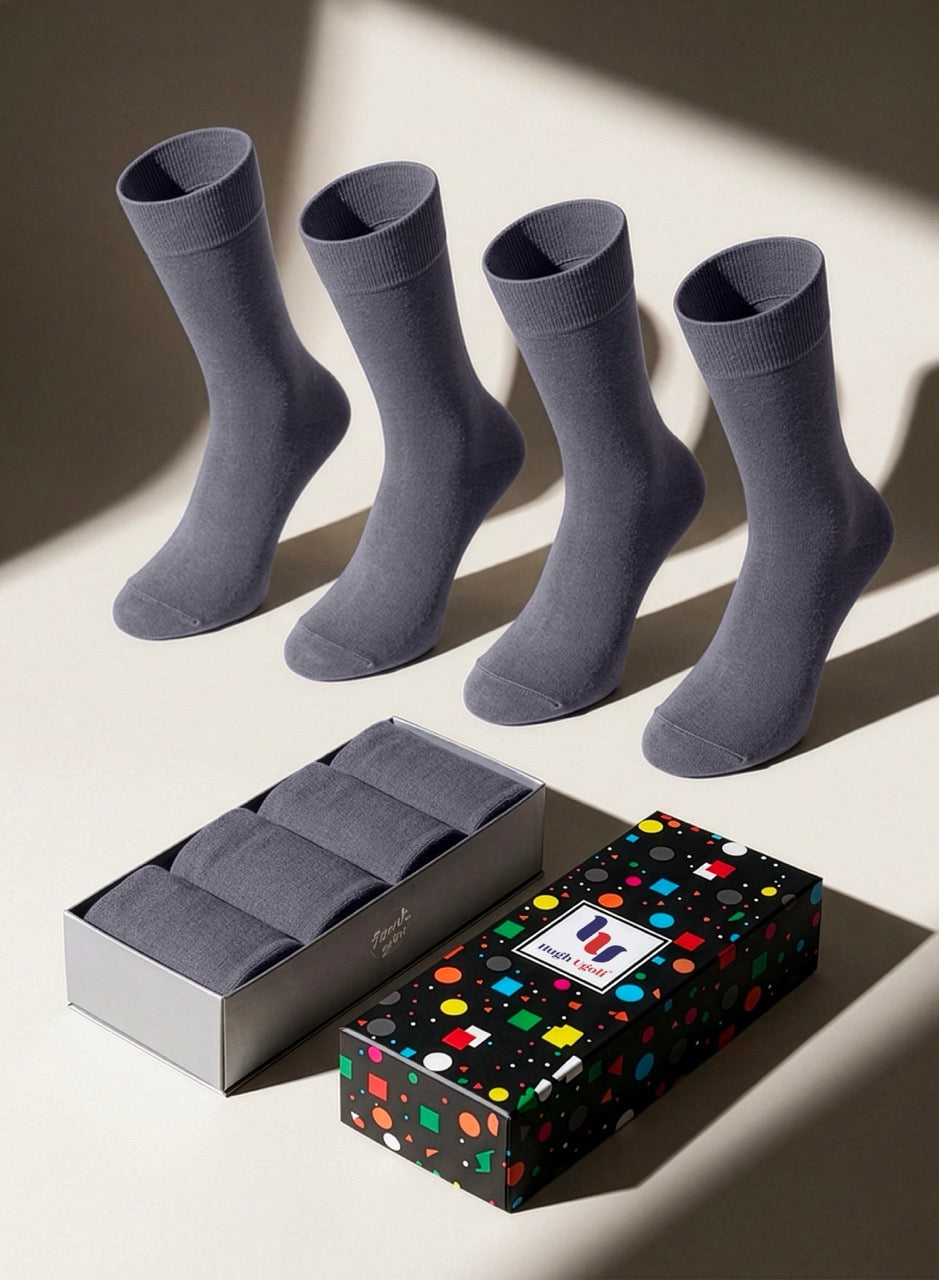
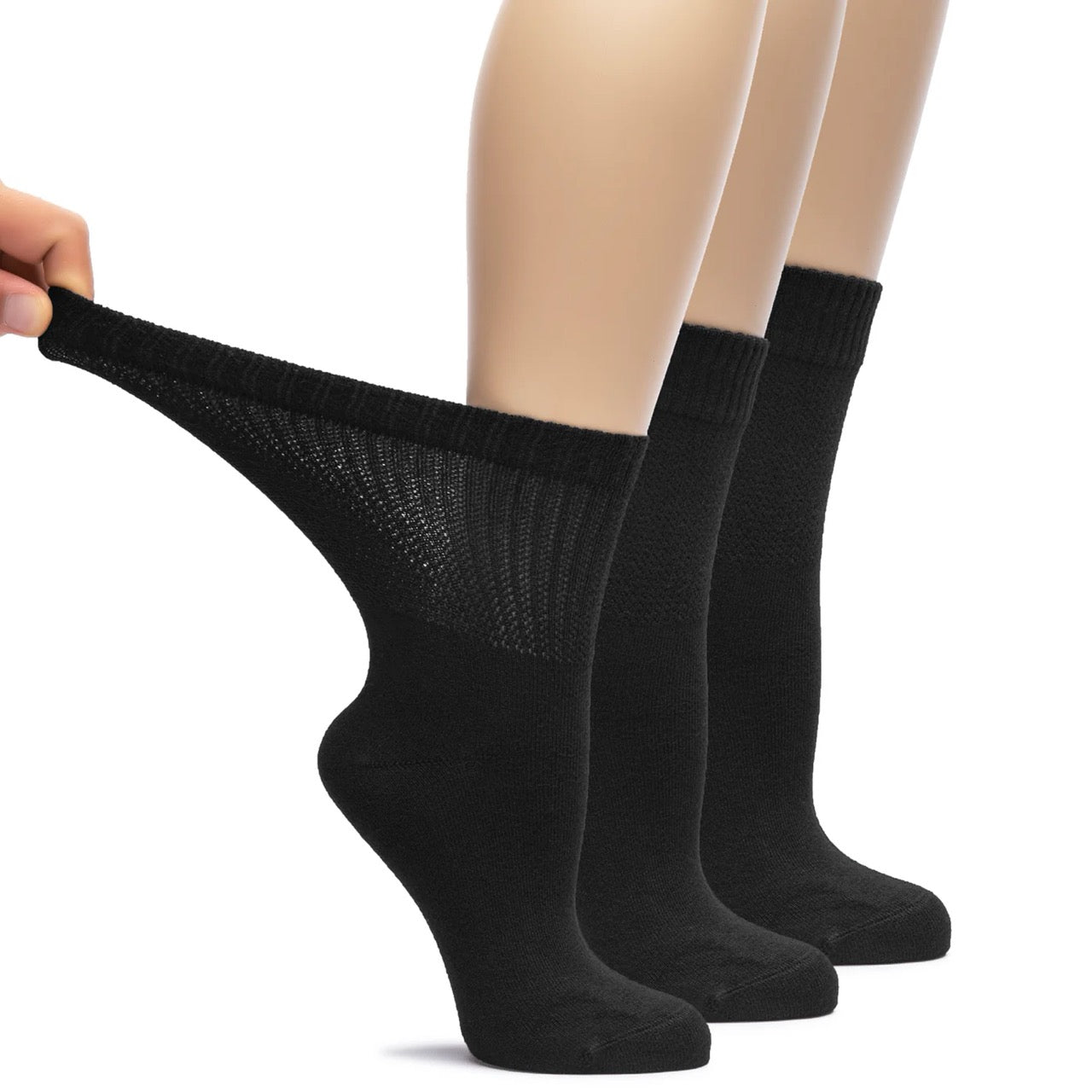
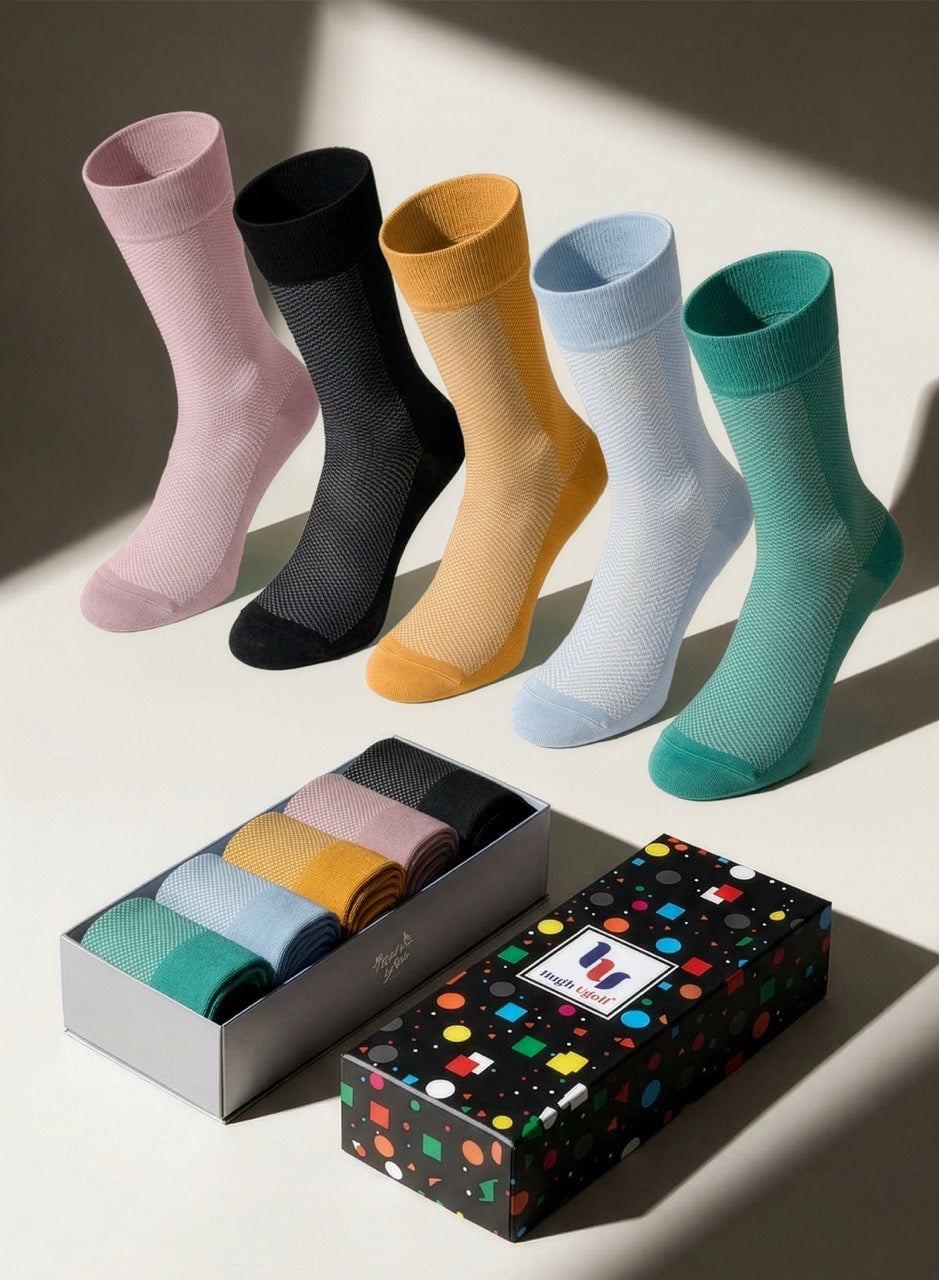
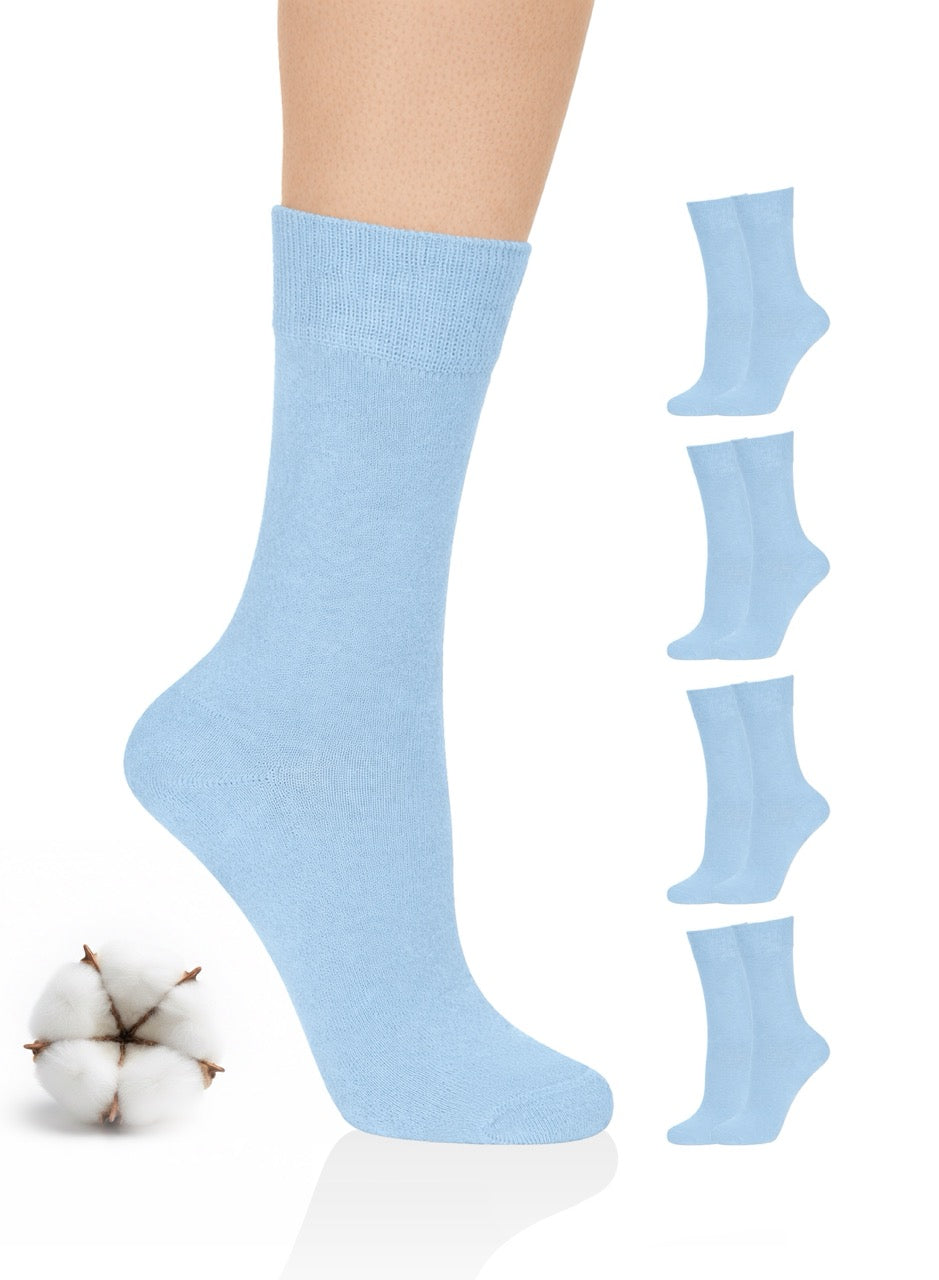
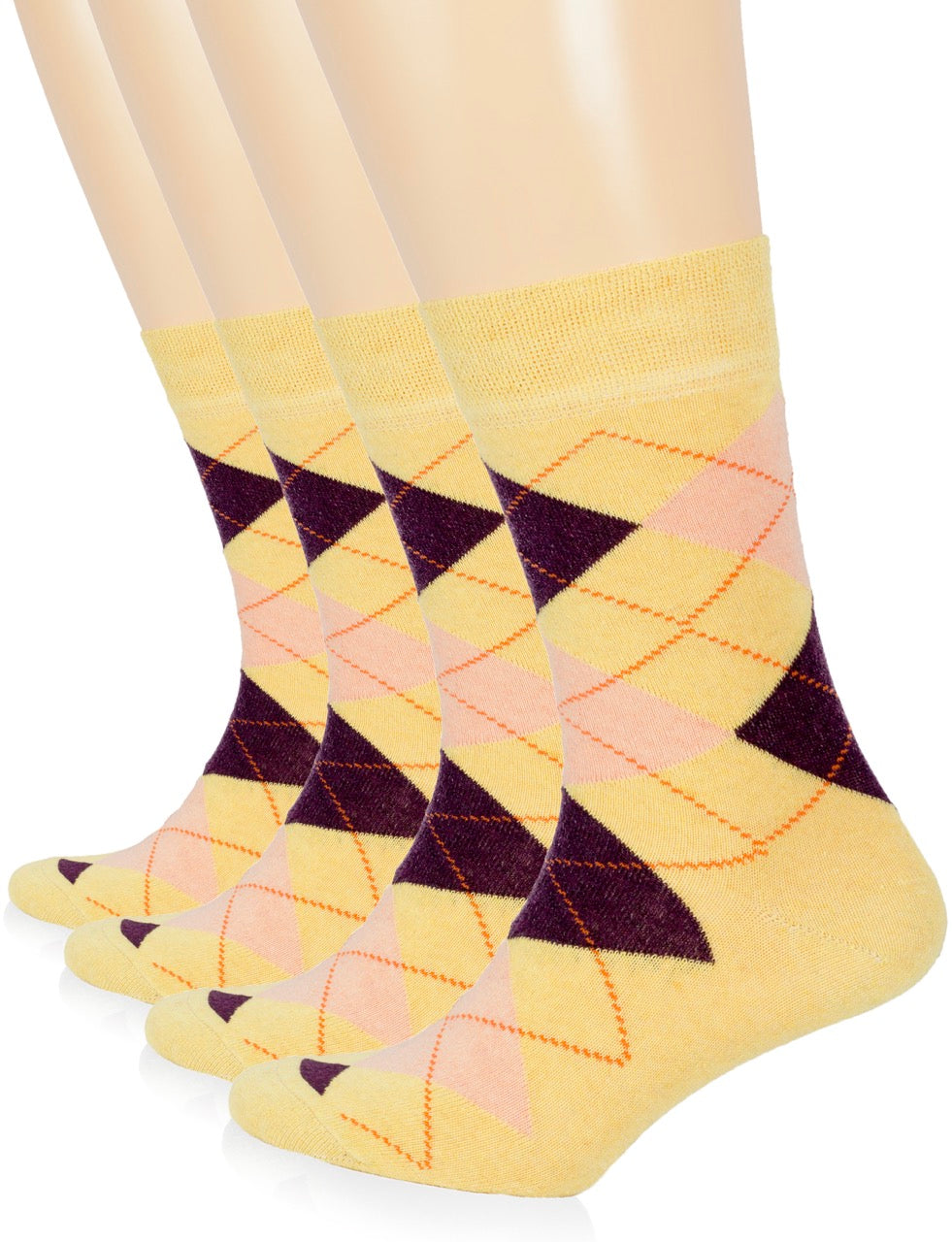
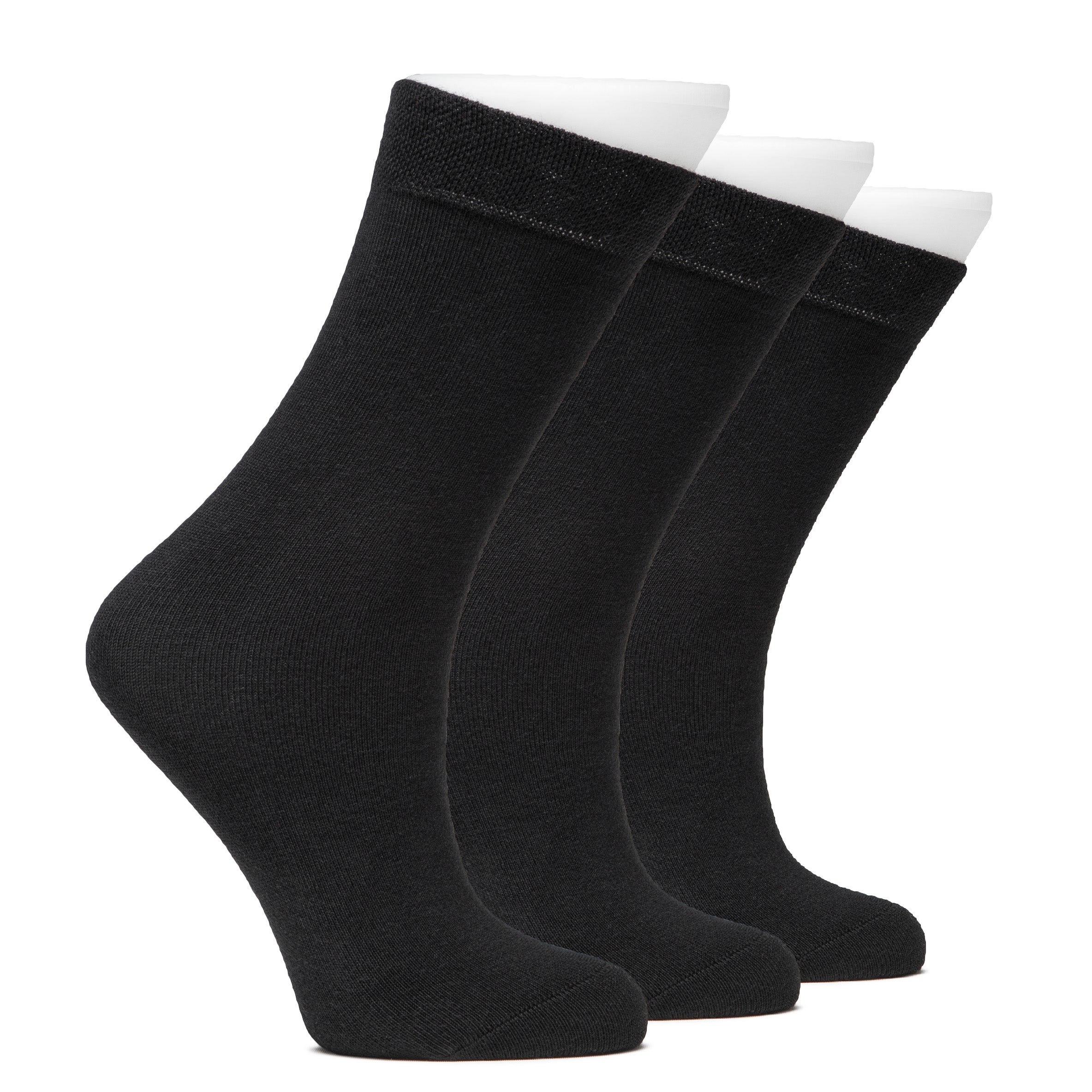
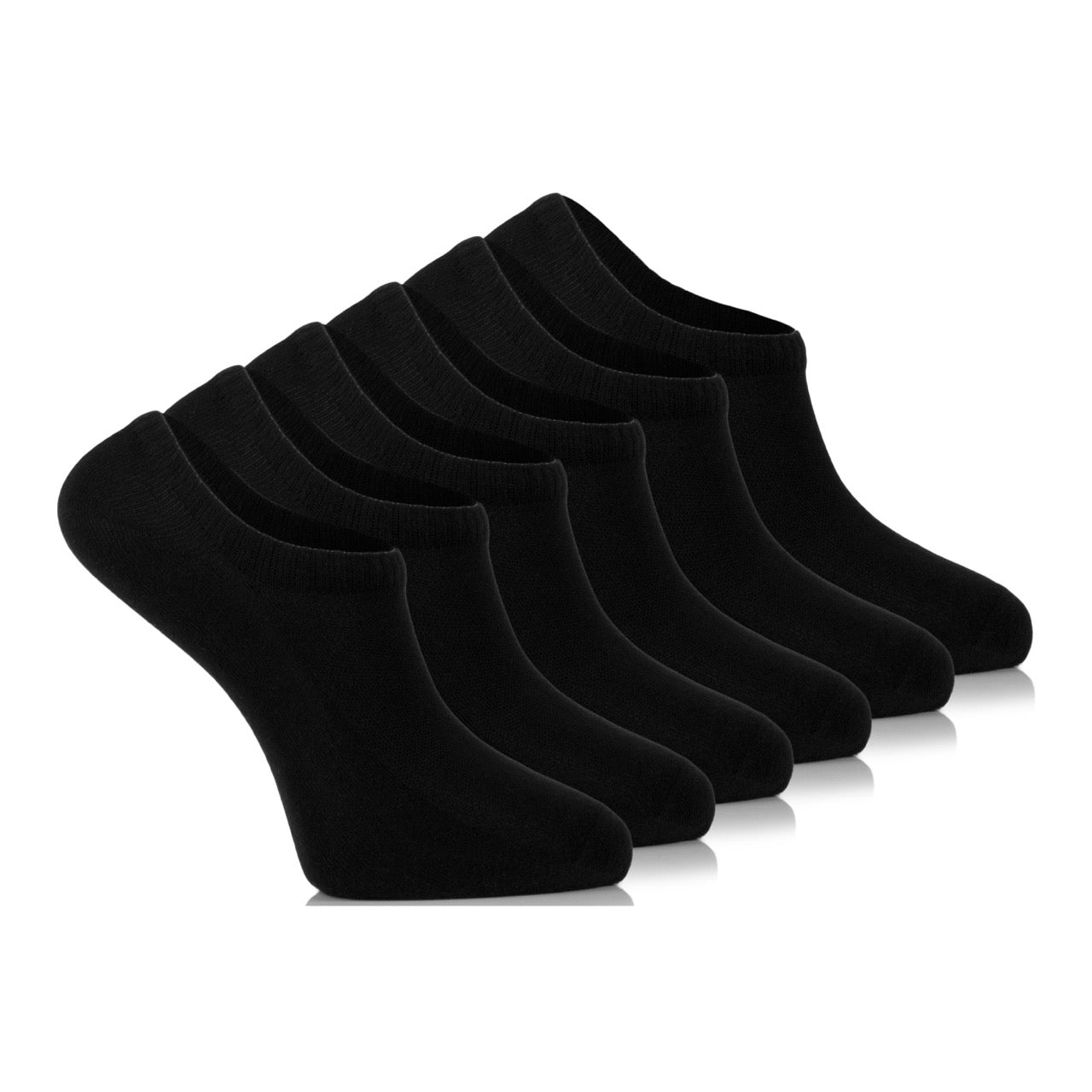
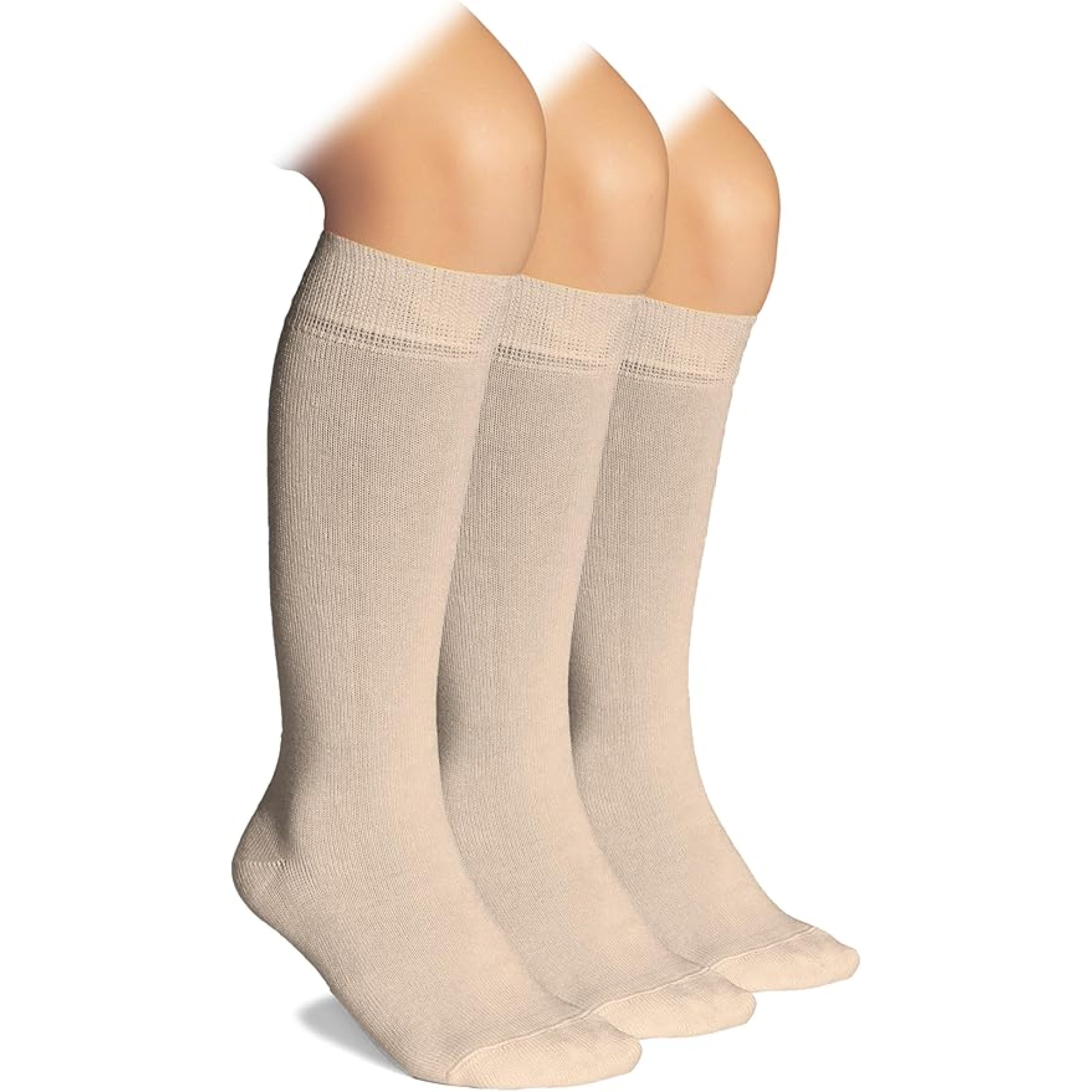


If you have diabetes, you already know how important foot care is. But here's what surprises many patients: the socks you wear every day can directly impact your foot health, circulation, and even your risk of ulcers and infections.
Podiatrists estimate that roughly 15% of diabetic patients will develop a foot ulcer in their lifetime — and a significant number of those cases are linked to ill-fitting footwear and the wrong socks. The good news? Choosing the right diabetic socks is one of the simplest, most effective steps you can take to protect yourself.
In this guide, we break down exactly what makes a sock truly diabetic-friendly, what podiatrists look for in 2026, and which products — including those from Hugh Ugoli — consistently earn top marks from foot care professionals.
Not every sock labeled "diabetic" is created equal. Board-certified podiatrists evaluate socks across six key criteria when recommending options to their patients. Here's what they look for:
This is arguably the most critical feature. Tight sock bands compress the veins in the lower leg and restrict blood flow — a serious concern for diabetics, who often already struggle with compromised circulation. A truly diabetic-friendly sock uses a non-binding, gently elasticated top that stays up without squeezing.
Podiatrists look for bands that can be stretched significantly without returning to a tight state. If a sock leaves a visible ring around your calf after wearing it, it's not suitable for diabetics.
Raised seams at the toe box are a leading cause of pressure sores and blisters in diabetic patients. Because diabetes can reduce sensation in the feet (a condition called peripheral neuropathy), patients may not feel a blister forming until it has already become a wound.
Seamless toe construction eliminates this risk entirely. Look for socks with a flat-knit toe seam or a fully circular-knit design where no ridge exists at the toe join.
Excess moisture between the toes creates the perfect environment for fungal infections like athlete's foot — and for diabetics, even a minor infection can escalate quickly. Podiatrists recommend socks made from moisture-wicking natural fibers, particularly bamboo and quality cotton blends.
Bamboo fabric is especially prized because it is naturally antibacterial, thermoregulating, and significantly softer than conventional cotton — meaning less friction against the skin.
The heel and ball of the foot absorb enormous pressure with every step. For diabetic patients who may have reduced sensation, extra padding in these areas provides an important physical buffer against impact injuries and skin breakdown.
Semi-cushioned socks offer a balance of protection and breathability — not so thick that they cause tightness in shoes, but padded enough to reduce daily wear on vulnerable skin.
Bamboo fiber contains a natural bio-agent called bamboo kun, which inhibits bacterial and fungal growth. Cotton socks treated with silver or zinc ions offer similar benefits. For diabetic patients, anti-microbial properties reduce the risk of infection developing from everyday minor abrasions.
Patients who are at risk of falls, or who walk on smooth indoor surfaces without footwear, benefit from non-slip grip soles. This is especially relevant for elderly diabetics and those recovering from foot procedures.

For men managing diabetes, the challenge is finding socks that are medically appropriate without looking clinical or uncomfortable in professional settings. Hugh Ugoli's bamboo and cotton diabetic options strike this balance perfectly.
Hugh Ugoli Men's Lightweight Bamboo Diabetic Ankle Socks (4 Pairs)
These socks check every box on the podiatrist's list. Crafted from premium bamboo fiber, they feature a seamless toe, a non-binding top band, and exceptional moisture-wicking performance. The lightweight construction keeps feet cool and comfortable across long days, and the 4-pair value pack means you'll always have a fresh pair ready.
View Product — Men's Bamboo Diabetic Ankle Socks →
Women's diabetic sock needs differ slightly — many patients want options that work with a wider range of footwear, including lower-cut shoes and boots. Hugh Ugoli offers two women's diabetic lines that podiatrists frequently recommend.
Hugh Ugoli Women's Semi-Cushion Cotton Diabetic Ankle Socks (3 Pairs)
A bestseller for good reason. These cotton-blend socks combine gentle semi-cushioning in the heel and toe with a non-binding band and seamless construction. Ideal for everyday wear and available in an extensive range of colors, they're as practical as they are comfortable.
View Product — Women's Cotton Diabetic Ankle Socks →
Hugh Ugoli Women's Bamboo Diabetic Crew Thin Socks (4 Pairs)
For those who prefer crew-length coverage — or need socks that work with boots and taller footwear — this bamboo crew sock is the definitive choice. The crew length provides gentle compression-free coverage above the ankle, and the ultra-thin bamboo construction keeps feet cool even in warmer conditions.
View Product — Women's Bamboo Diabetic Crew Socks →
This is one of the most common questions podiatrists receive when discussing diabetic foot care. The honest answer: both are excellent choices, but they excel in different areas.
| Feature | Bamboo | Cotton |
|---|---|---|
| Moisture-Wicking | ⭐⭐⭐⭐⭐ Excellent | ⭐⭐⭐⭐ Very Good |
| Antibacterial | ⭐⭐⭐⭐⭐ Natural (bamboo kun) | ⭐⭐ Moderate |
| Softness | ⭐⭐⭐⭐⭐ Exceptionally soft | ⭐⭐⭐⭐ Very soft |
| Durability | ⭐⭐⭐⭐ Very durable | ⭐⭐⭐⭐⭐ Highly durable |
| Cushioning | ⭐⭐⭐ Good (thin profiles) | ⭐⭐⭐⭐⭐ Excellent (semi-cushion) |
Podiatrists often recommend bamboo socks for patients with hyperhidrosis (excessive sweating) or those living in warmer climates, and cotton semi-cushion socks for patients who are on their feet all day or need extra impact protection.
The American Diabetes Association recommends changing socks at least once per day — and more frequently if your feet sweat heavily or you've been physically active. Always put on clean, dry socks before putting on shoes.
Wearing the same pair of socks for extended periods increases moisture retention and bacterial growth — two factors that directly increase infection risk. Investing in multi-pair packs (like Hugh Ugoli's 3-pack and 4-pack options) makes daily sock changes easy and cost-effective.
Even high-quality diabetic socks have a lifespan. Replace your socks when you notice any of the following:
No — diabetic socks are non-compressive by design. Compression socks apply graduated pressure to improve venous return. Standard over-the-counter compression socks are generally not recommended for diabetics without medical guidance.
You can, but it carries risks. Most regular socks have tight elastic bands, raised toe seams, and synthetic materials that trap moisture. Switching to purpose-made diabetic socks significantly reduces daily wear on your skin and lowers infection risk.
Absolutely. The features that make socks diabetic-friendly — seamless toes, non-binding bands, moisture-wicking fibers, extra cushioning — benefit anyone who spends long hours on their feet or has sensitive skin.
Watch how the right diabetic socks support daily comfort and foot health:
Managing diabetes requires consistent attention to detail across every aspect of your daily routine — and your socks are no exception. The right pair offers real, measurable protection: reduced blister risk, better moisture control, improved blood flow, and a lower likelihood of the skin breakdowns that can lead to serious infections.
Podiatrists in 2026 consistently point to bamboo and cotton diabetic socks with seamless toes, non-binding bands, and moisture-wicking fibers as the gold standard. Hugh Ugoli's full range of diabetic socks — for both men and women, in ankle and crew heights, in bamboo and cotton — is purpose-built to meet every one of these criteria.
Your feet carry you through life. Give them the protection they deserve.
He has been working for more than 20 years in the textile industry and has work experience in many parts of the world.