Cart
0
You may also like
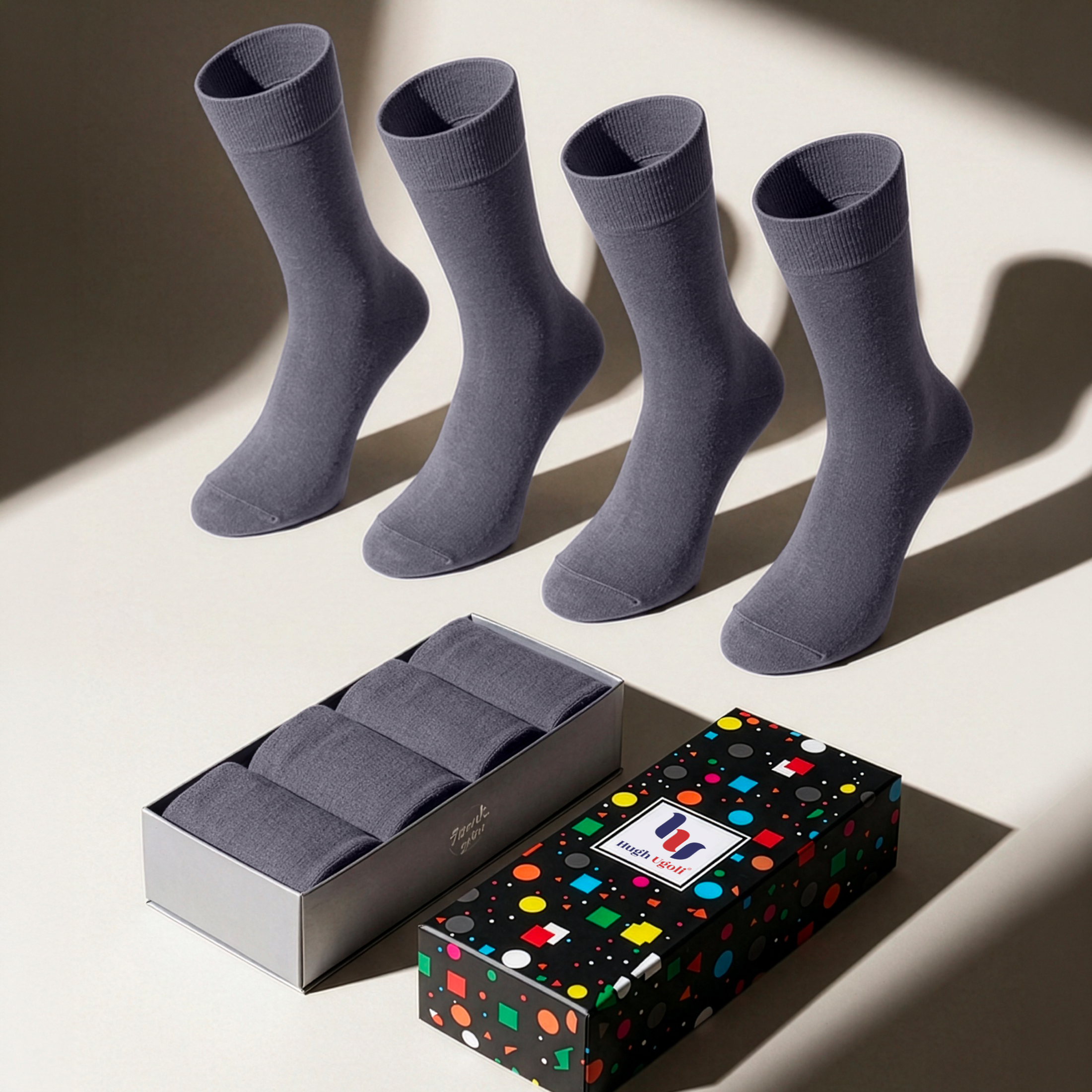
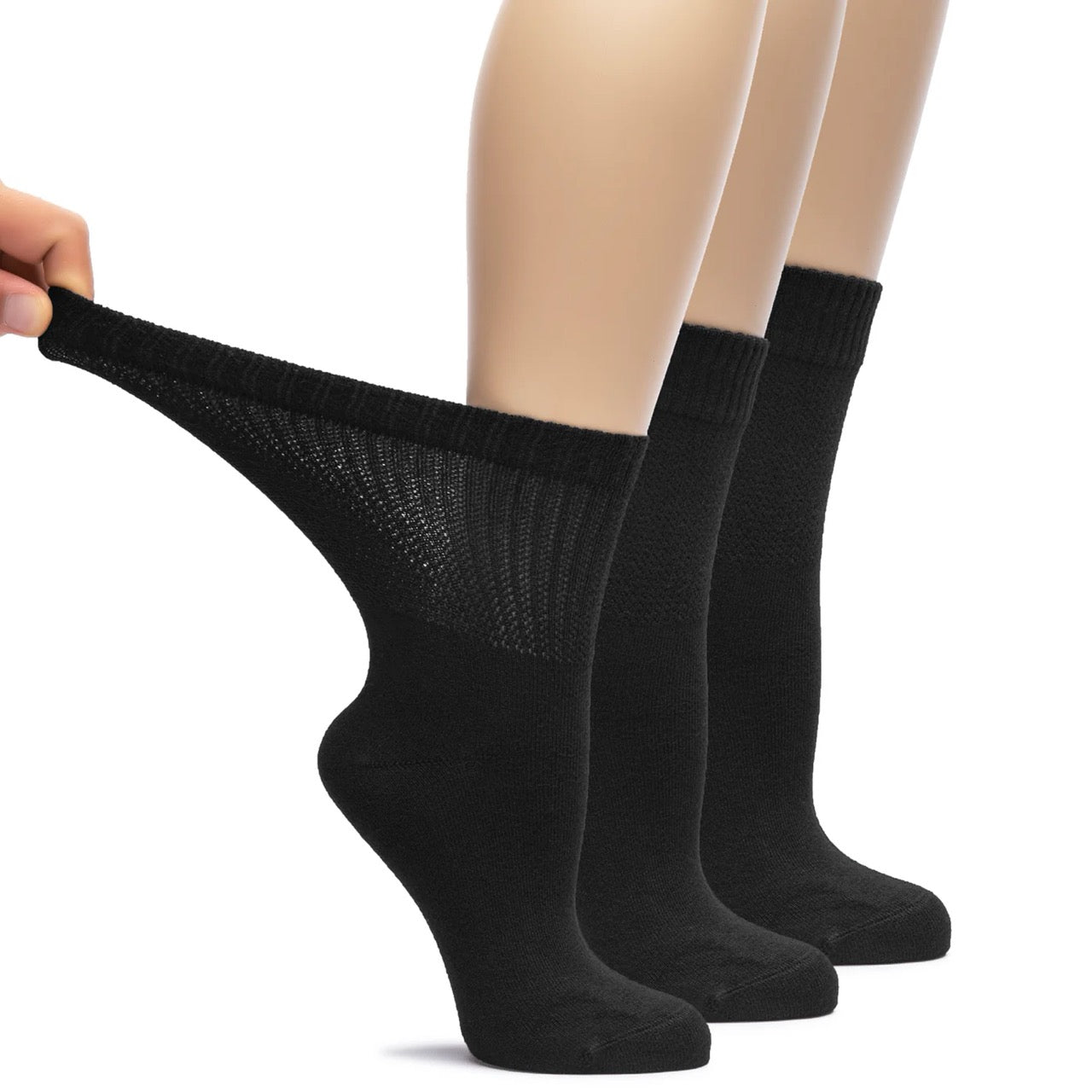

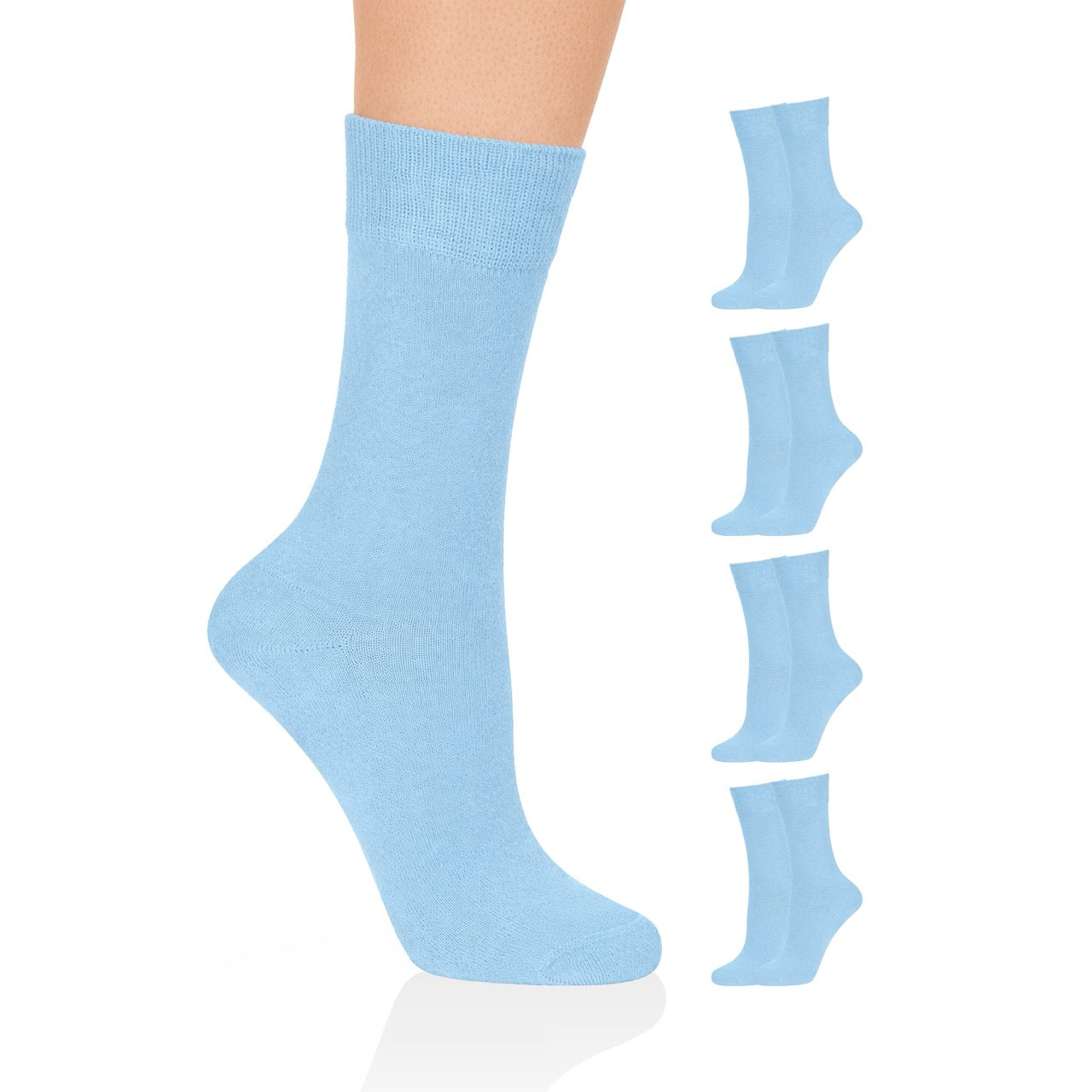
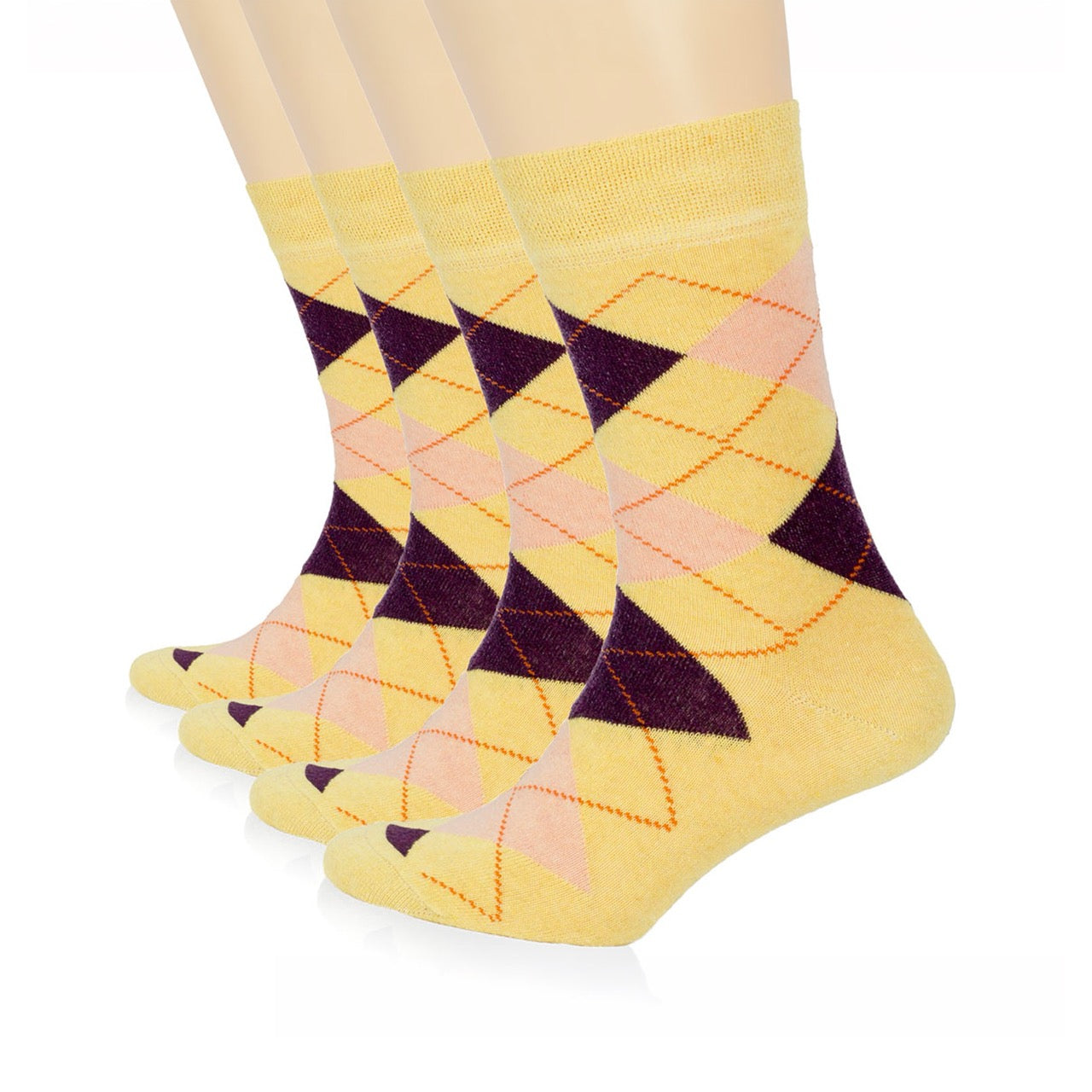
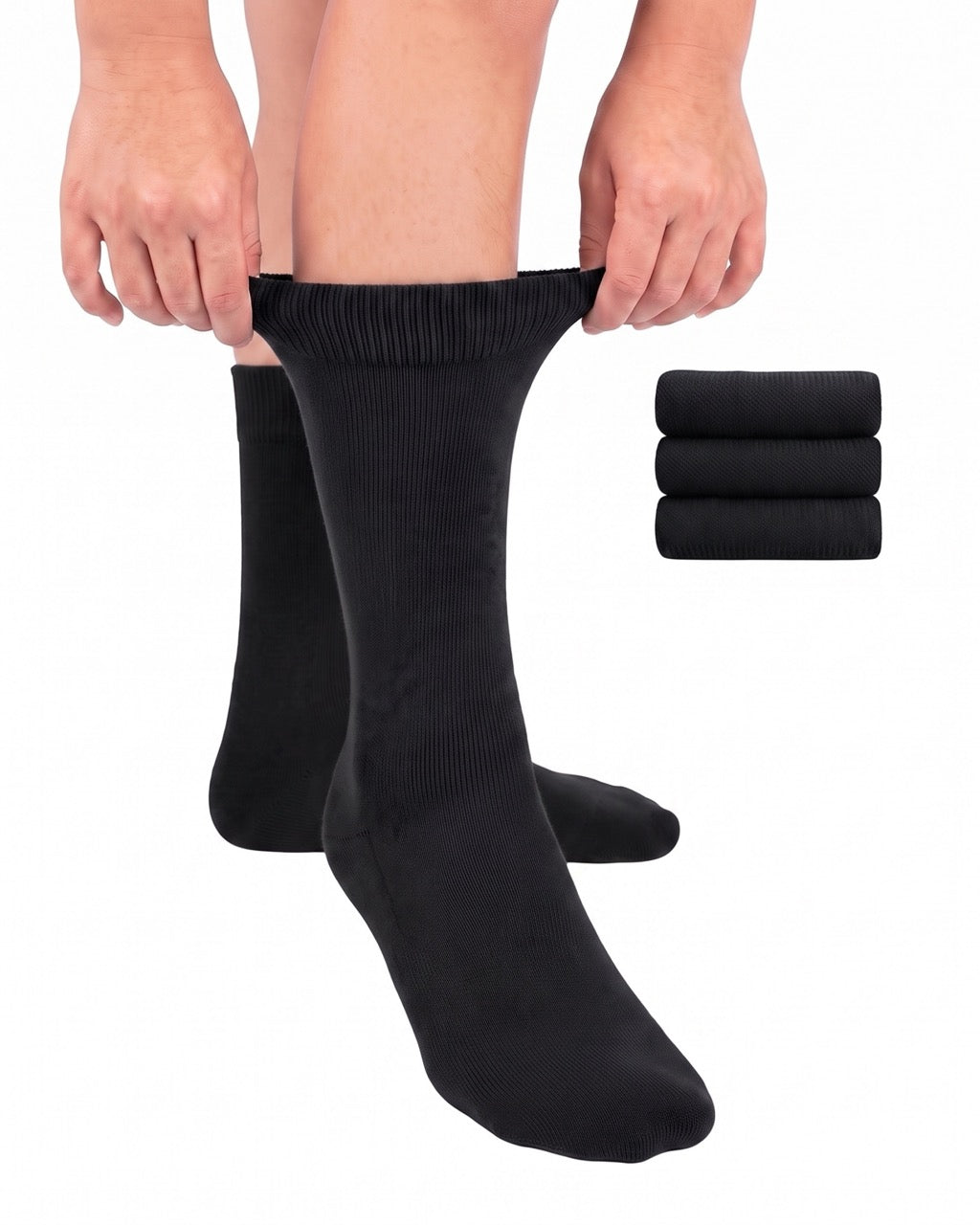


Most people put on their socks in the morning and rarely think about them again until the end of the day. Yet during a typical 10-hour workday, a surprising amount happens inside your socks. Heat builds up, moisture accumulates, friction develops, and the materials of the sock continuously respond to changing conditions.
Whether you work at a desk, walk frequently, or stands all day, your socks play an important role in comfort, foot health, and overall performance.
When you first put on a clean pair of socks, conditions inside the shoe are relatively ideal.
The sock begins by:
At this stage, most socks feel comfortable because moisture and heat levels are still low.
Feet contain thousands of sweat glands and naturally produce moisture throughout the day.
Even while sitting at a desk, your feet generate heat.
As activity continues:
The effectiveness of the sock material becomes increasingly important during this phase.
By mid-morning or lunchtime, moisture control often becomes the most important factor affecting comfort.
A quality sock works continuously to move moisture away from the skin.
This helps:
Lower-quality socks may begin feeling warm or damp during this stage.

When sweat remains trapped against the skin, several things can occur:
This is why moisture management is one of the most important functions of a sock.
Throughout the day, every step creates movement between:
Even small movements add up after thousands of steps.
For someone who walks frequently or stands all day, the cumulative effect can be substantial.
A good sock helps reduce this friction and protects the skin from irritation.
As pressure continues throughout the workday, cushioning becomes increasingly important.
Quality socks distribute pressure across the foot and help absorb impact.
This is particularly valuable for:
Proper cushioning helps maintain comfort from morning to evening.
By late afternoon, the sock has already been managing heat, moisture, pressure, and friction for many hours.
At this stage, the quality of the materials becomes very noticeable.
High-quality socks continue to:
Poor-quality socks may begin bunching, stretching, or losing support.
Many people do not realize that feet often change slightly during the day.
After prolonged activity:
Socks must adapt to these changes while maintaining comfort.
The final hours of a workday are often when sock quality becomes most apparent.
At this point, the sock has experienced:
A good sock still feels relatively comfortable at the end of the day.
A poor sock may feel restrictive, damp, or irritating.
People who spend long hours sitting or standing may notice heaviness or fatigue in their legs.
This is one reason some workers choose a compression sock for occupational use.
Compression products are specifically designed to support circulation and comfort during extended periods of inactivity or standing.
A regular sock primarily focuses on comfort and moisture control.
A compression sock applies controlled pressure that may help support circulation.
Some individuals find that wearing compression socks improves comfort during demanding workdays.
These socks are especially popular among:
Throughout the entire day, airflow remains critical.
Breathable socks help:
Without adequate breathability, heat and humidity can accumulate inside shoes.
The fabric determines how effectively a sock performs during a 10-hour day.
High-quality materials often provide:
This is why premium socks often feel noticeably different after several hours of wear.
During a typical workday, a sock continuously:
Most of this happens without the wearer even noticing.
Inside a sock, a surprising amount happens during a 10-hour workday. Heat builds, moisture accumulates, pressure increases, and friction develops with every step. A well-designed sock continuously works to manage these challenges while keeping feet comfortable.
Whether you sit for extended periods or stands all day, the right socks help maintain comfort, protect the skin, and support overall foot wellness throughout even the longest workdays.
Feet naturally produce sweat throughout the day, which is why moisture management is so important in socks.
Heat, moisture, friction, and prolonged pressure gradually increase during extended wear.
Yes. Cushioning, fit, and moisture control all contribute to overall foot comfort.
Many people find that wearing compression socks improves comfort during long periods of standing or sitting.
Managing moisture and reducing friction are among the most important functions of a quality sock.
He has been working for more than 20 years in the textile industry and has work experience in many parts of the world.