Cart
0
You may also like
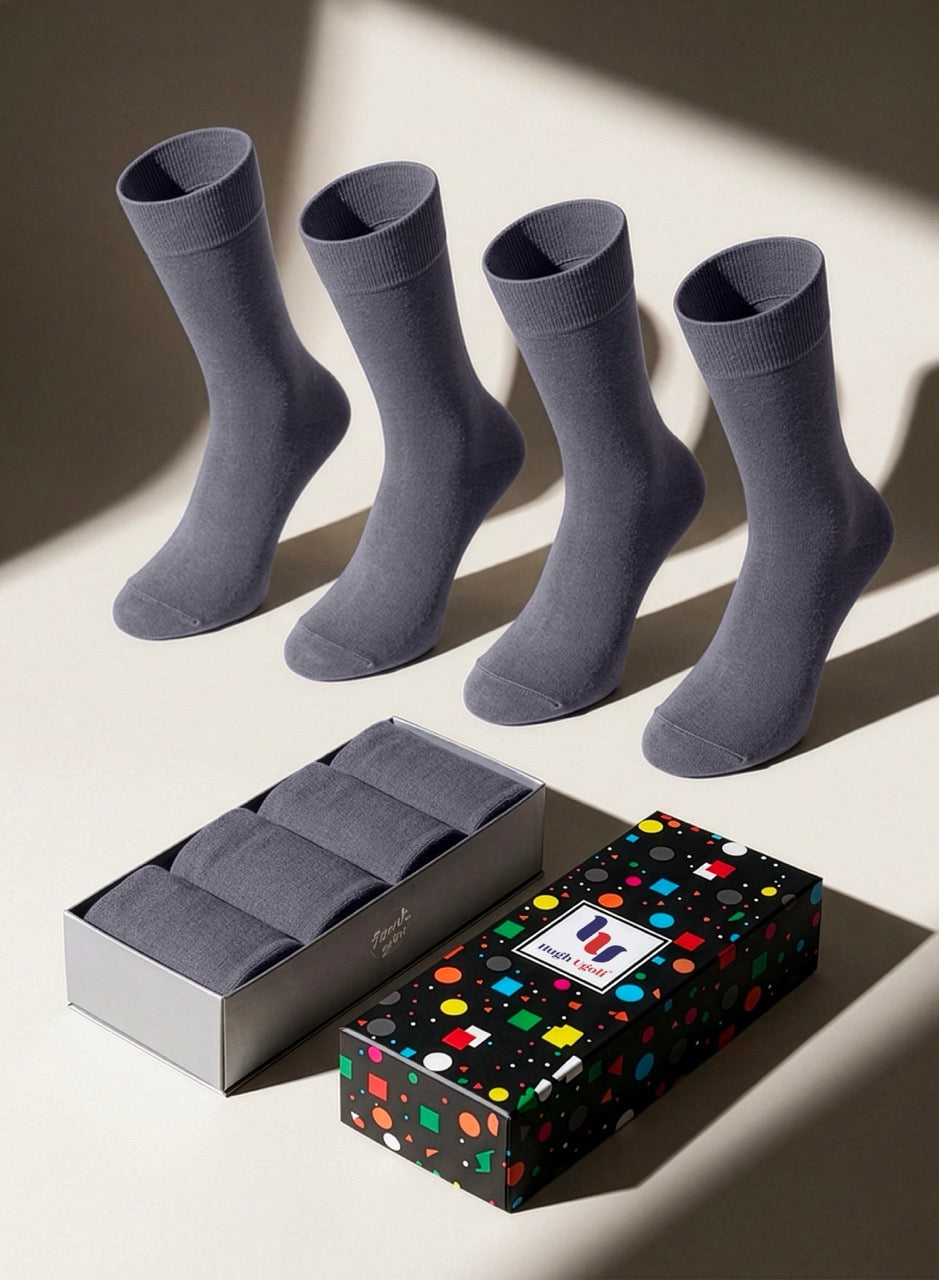
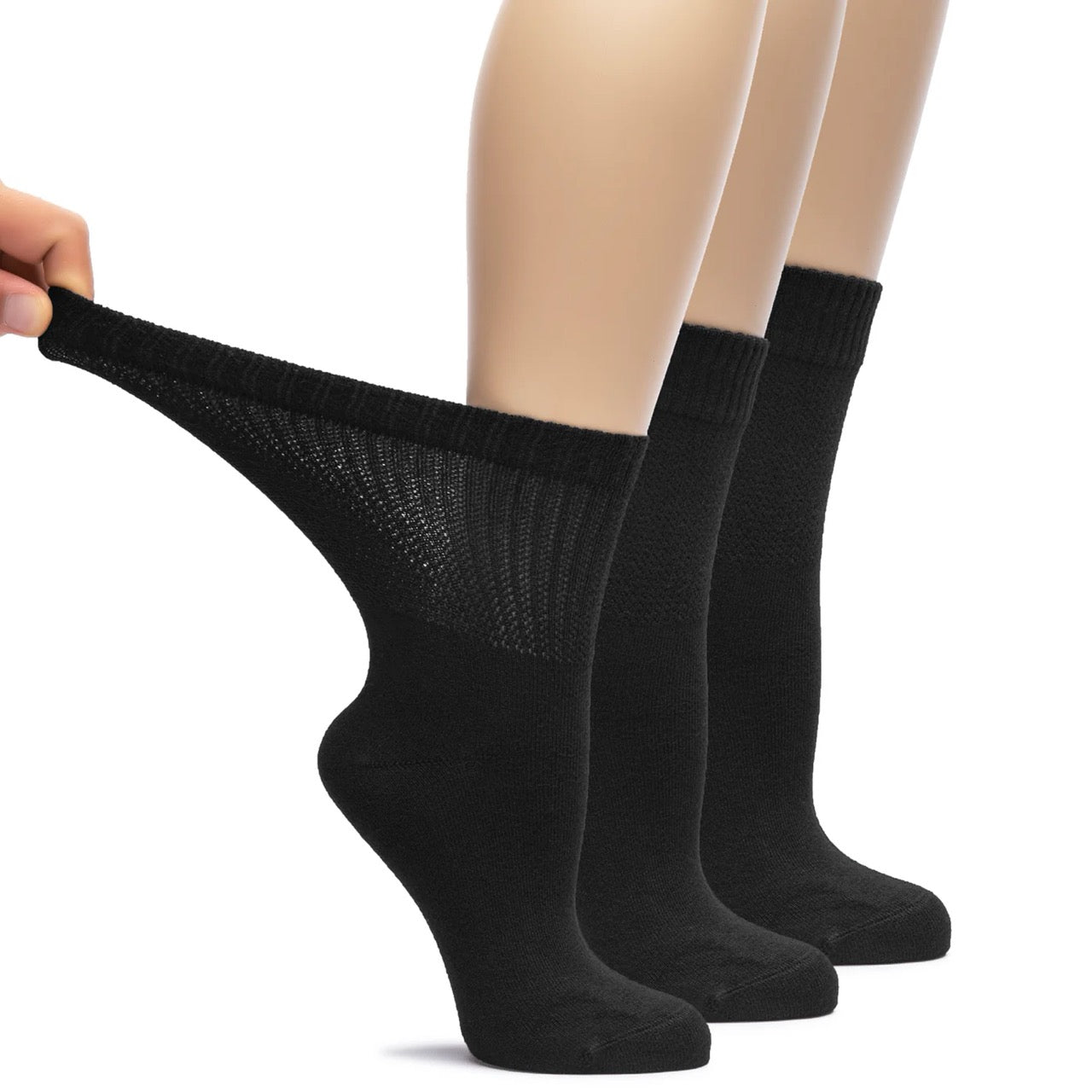
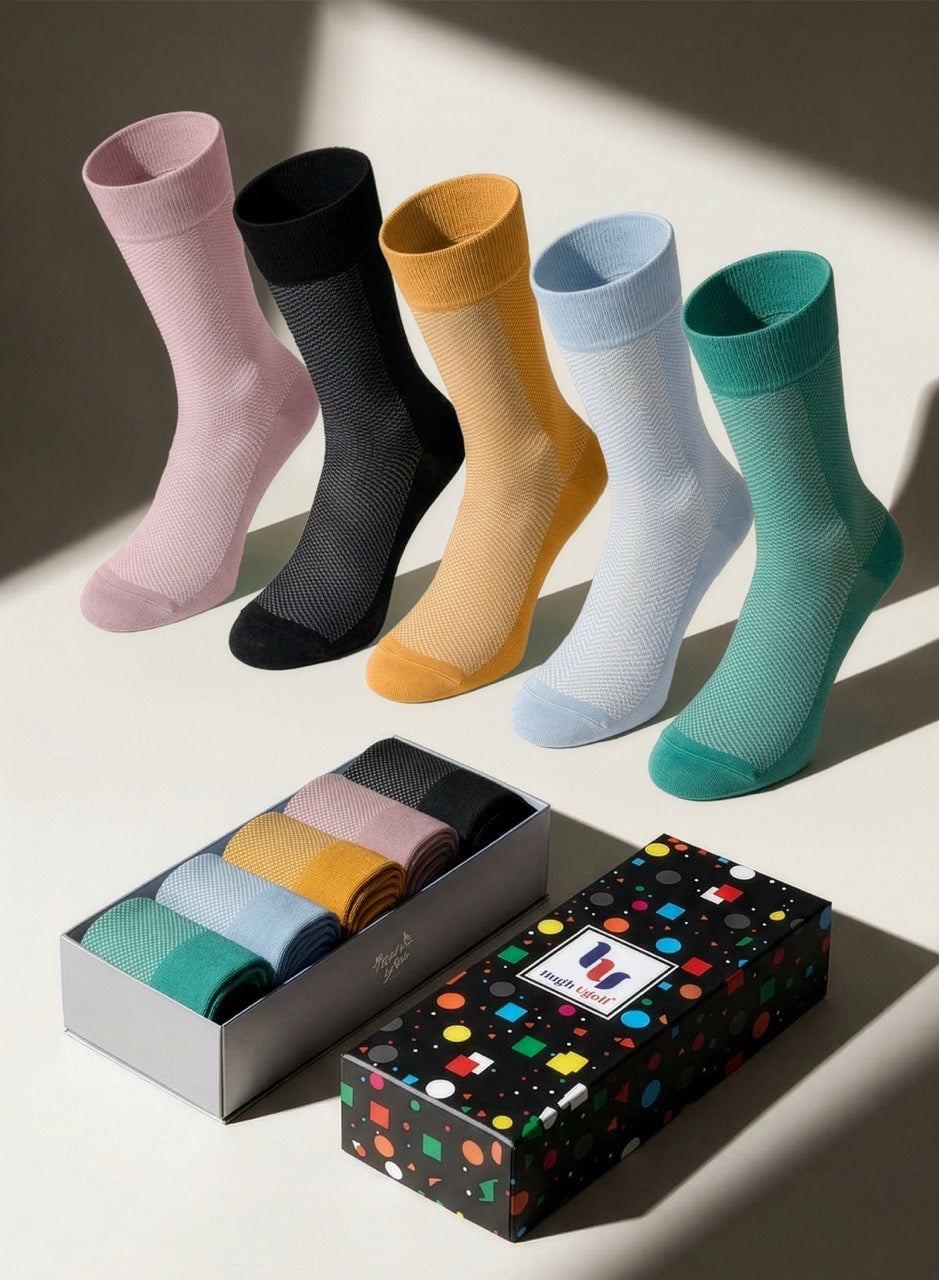
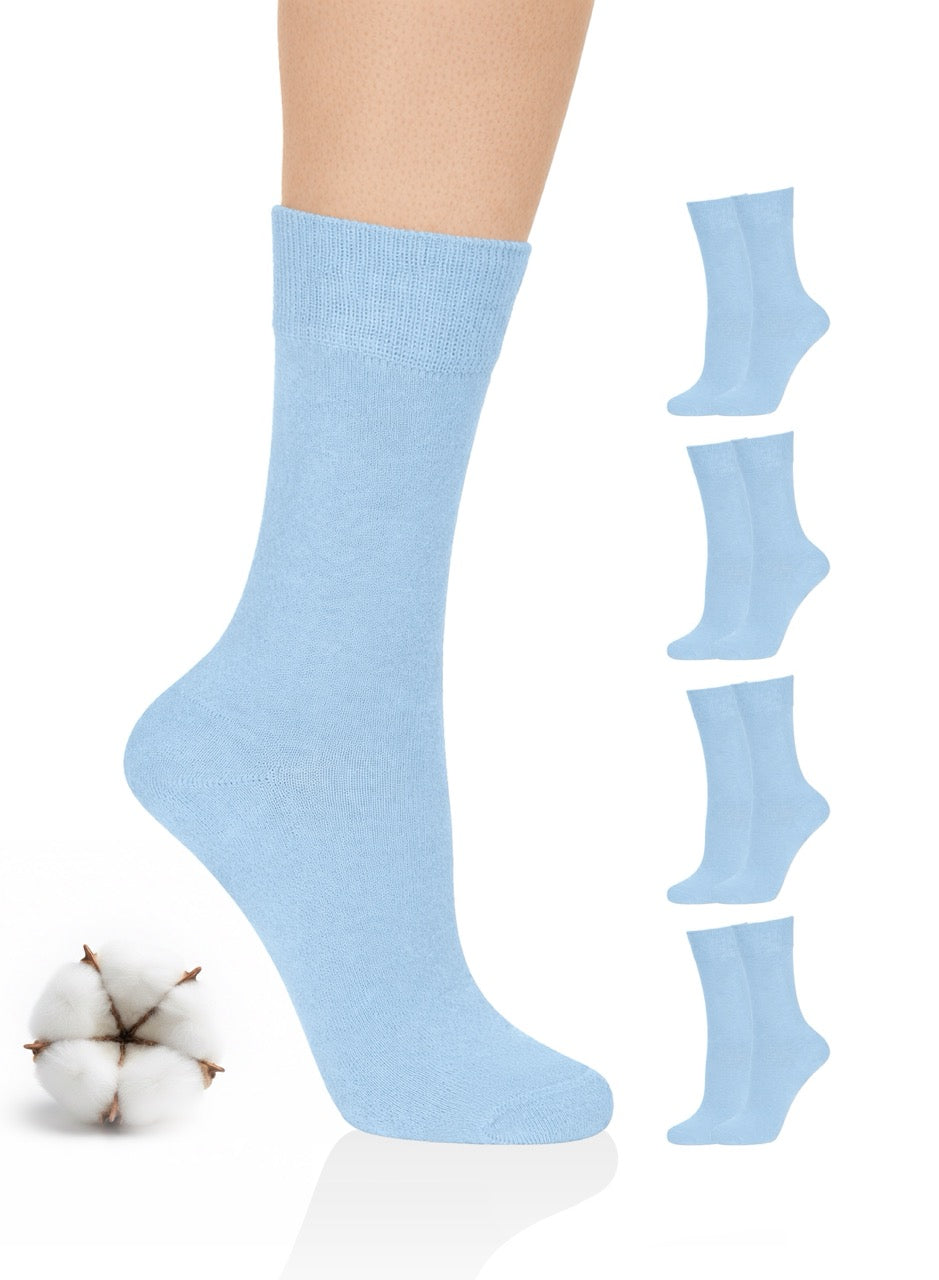
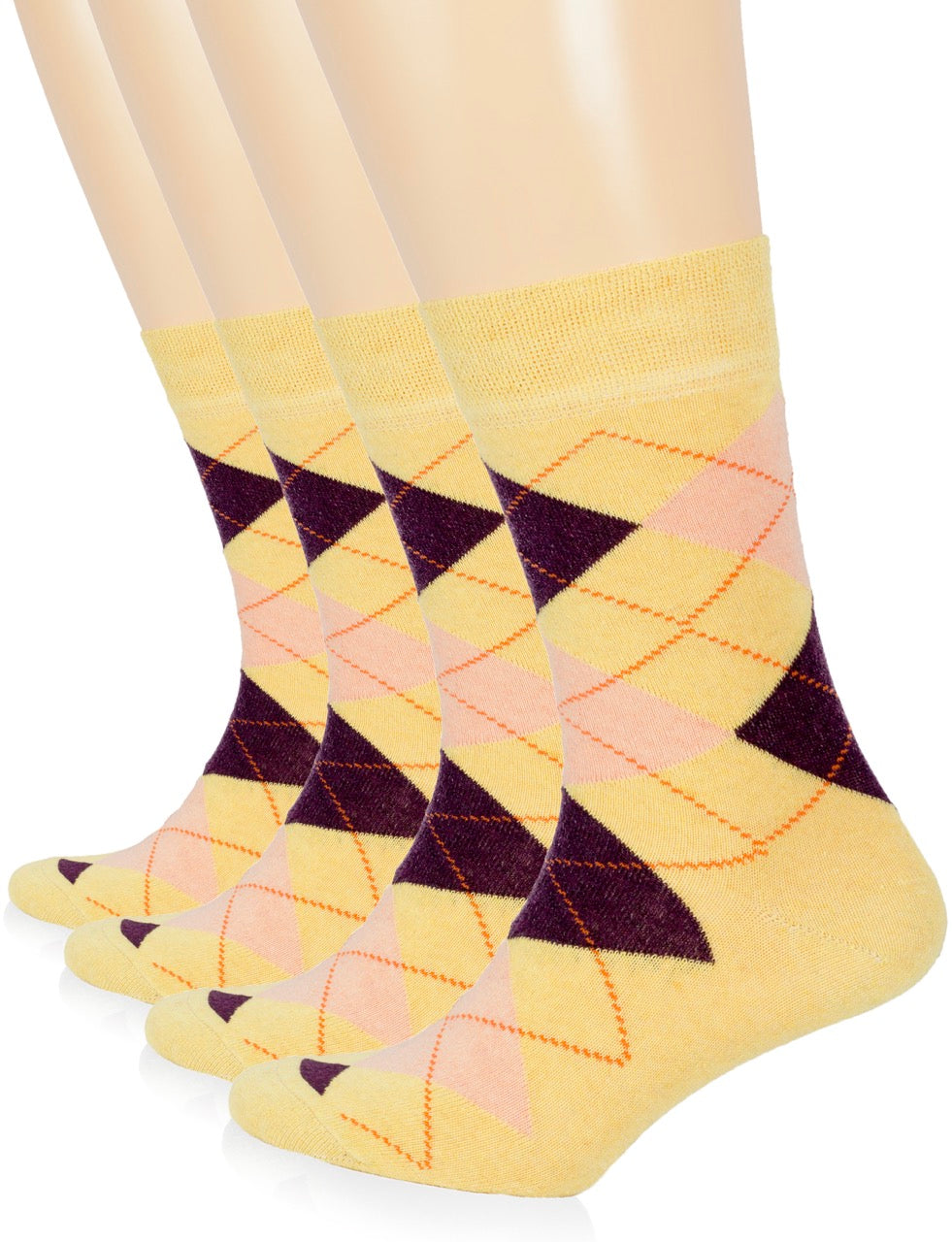
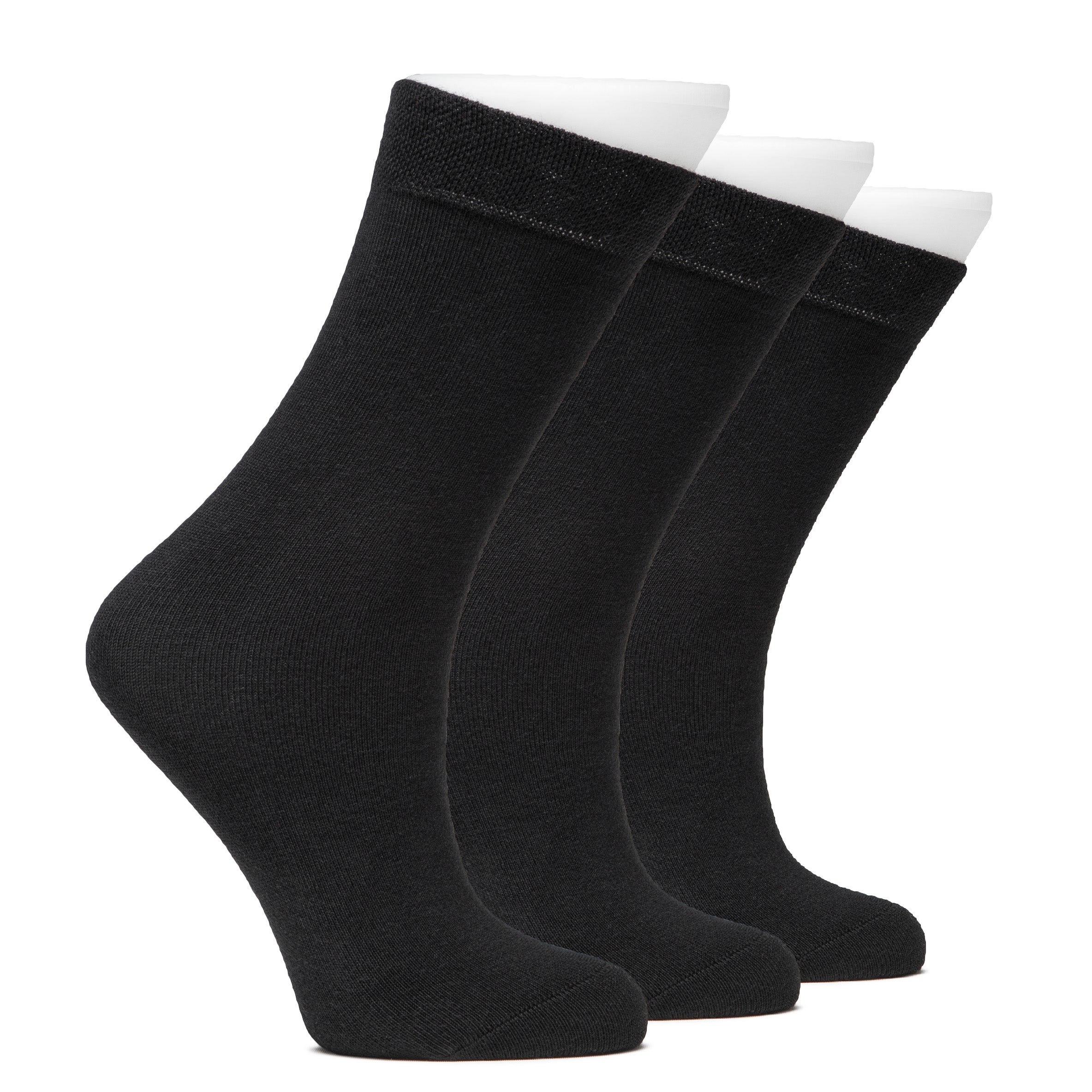
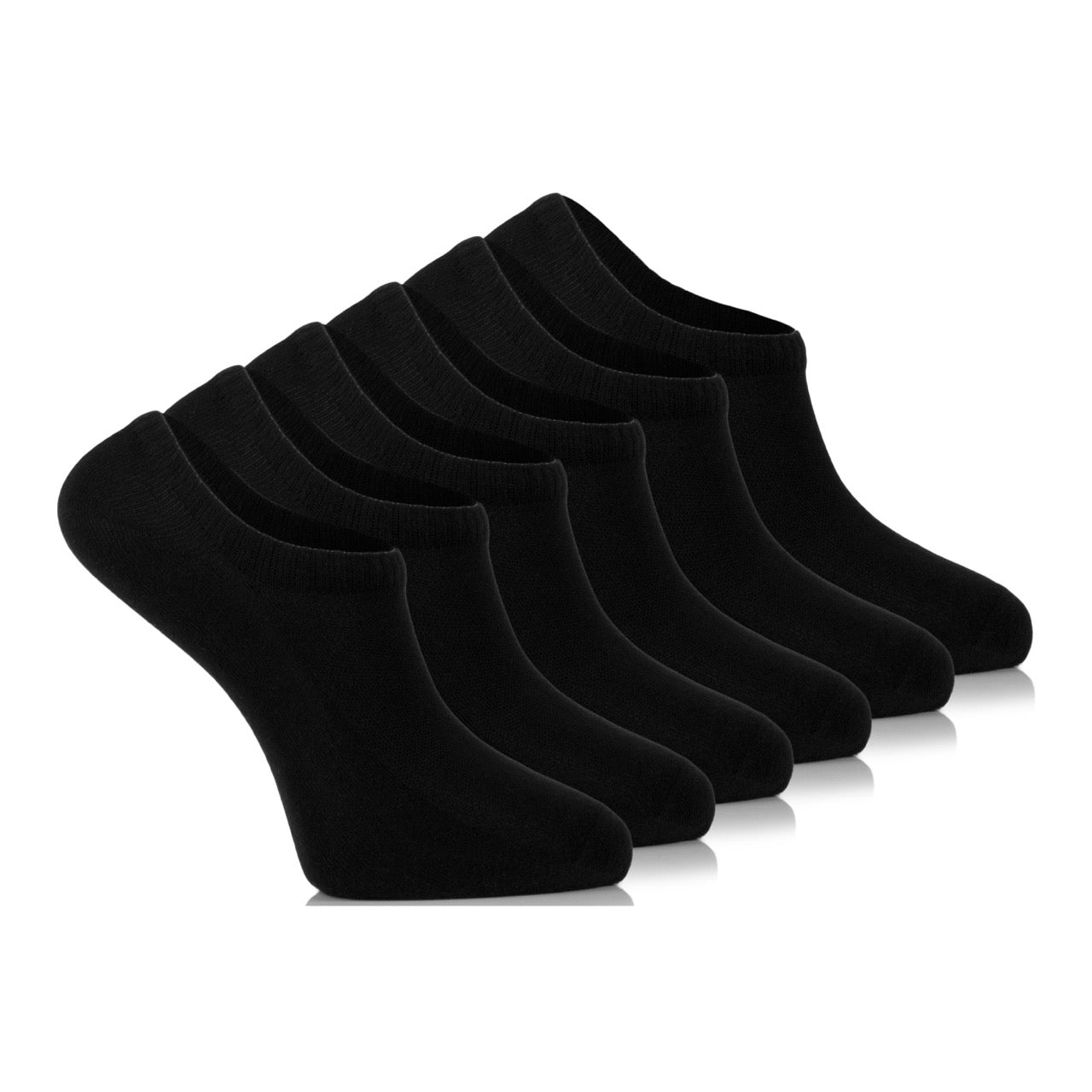
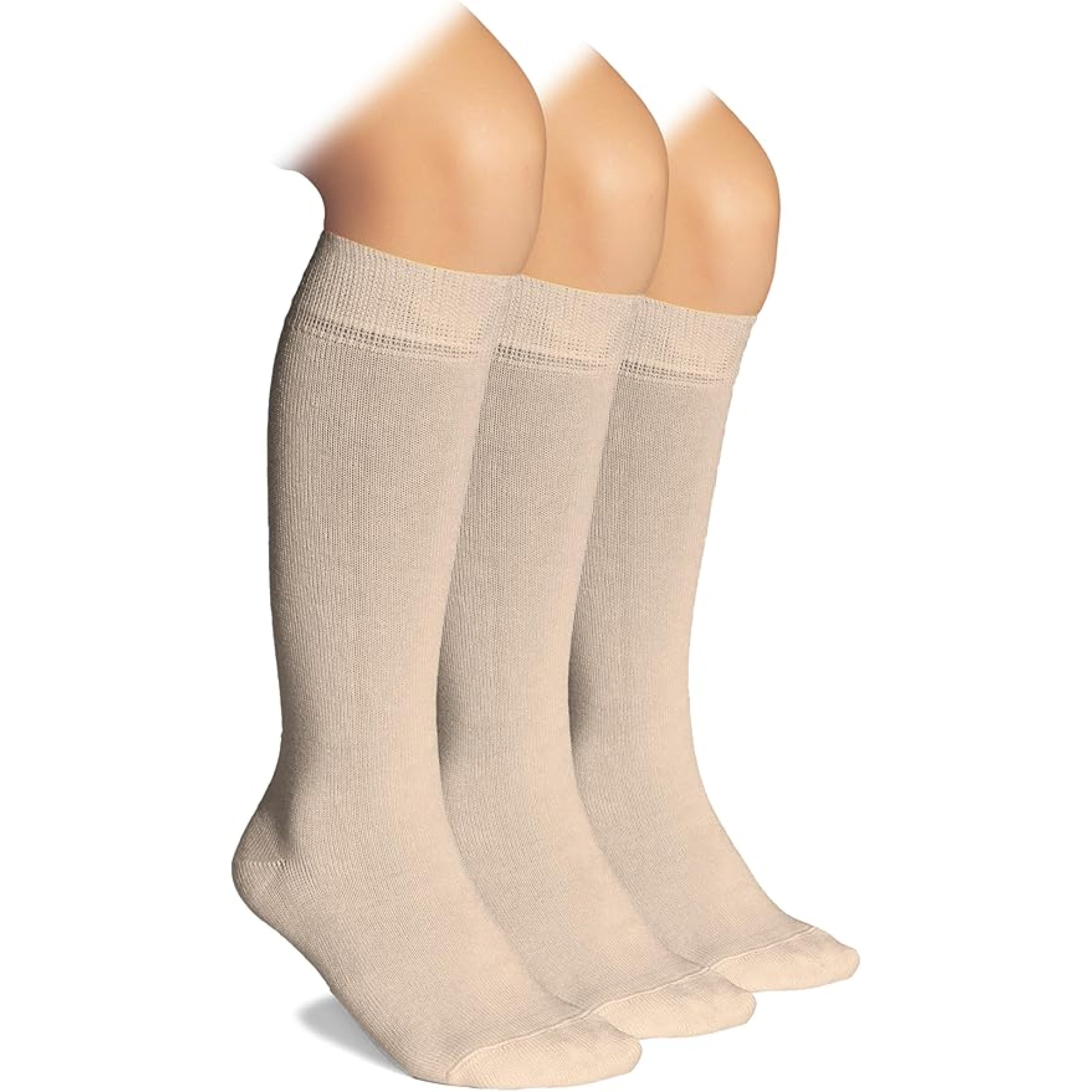


We spend roughly one-third of our lives with our feet covered, yet most people give almost zero thought to sock selection. You grab whatever's on the shelf, throw them in your cart, and wonder why your feet hurt by 3 PM. Sound familiar?
The truth is, common sock buying mistakes cost you money, comfort, and productivity. Blisters sideline your workout. Worn-out elastic ruins your entire week of clothes. Holes appear after just a few washes. These aren't random failures—they're predictable outcomes of poor sock choices.
In this guide, we'll reveal the eight most common sock buying mistakes people still make—and more importantly, how to avoid them. Whether you're shopping for everyday wear, athletic performance, or professional environments, these insights will transform how you select socks and finally give your feet the quality they deserve.
The biggest error in sock buying starts before you even check the price tag: ignoring what your socks are actually made from. Most people assume all cotton socks are created equal, but fiber content determines comfort, durability, moisture-wicking, and temperature regulation.
Why material matters: Cheap socks often use low-quality cotton blended with synthetics that trap moisture and create the perfect environment for blisters and odor. Premium socks invest in better fibers—merino wool, bamboo viscose, or high-quality cotton—that naturally regulate temperature and wick sweat away from your skin.
Merino wool, for example, regulates temperature better than cotton, prevents odor naturally, and provides superior cushioning. Bamboo socks offer hypoallergenic properties and exceptional softness. Blended fabrics with spandex provide stretch and recovery that keeps socks from sagging.
The lesson? Read the fiber content label before buying. Look for dominant premium materials (merino wool 80%+, or bamboo viscose) rather than vague "acrylic blend" descriptions. Your feet will thank you, and you'll actually get value from your purchase.
Socks come in different weights—lightweight, midweight, and heavyweight—and choosing the wrong one for your activity is a classic buying mistake that affects comfort and performance.
Lightweight socks work best for dress shoes, loafers, and warm weather. They prevent bunching inside fitted shoes and keep feet cool during summer. However, wearing lightweight athletic socks for running or hiking leaves your feet vulnerable to blisters and provides minimal cushioning.
Midweight socks offer the Goldilocks solution for everyday wear, casual sports, and all-day comfort. They provide moderate cushioning, moisture management, and fit standard shoes without excess bulk.
Heavyweight socks (with extra padding in high-impact zones) are essential for hiking, winter weather, intense athletic training, and work environments where you're on your feet all day. The cushioning reduces impact stress and prevents fatigue.
Matching sock weight to activity is non-negotiable. Wearing dress socks to the gym? You're setting yourself up for blisters. Wearing athletic socks under dress shoes? Your feet will swim in extra fabric and create pressure points. Choose the right weight, and your comfort level rises dramatically.

This might seem obvious, but fit is where most people stumble. You can't just grab any size and hope for the best. Improper fit leads to slipping, bunching, pressure points, and ultimately, discomfort throughout your day.
Good socks should feel snug but not tight around the arch and heel. They shouldn't slip down inside your shoe or bunch up around your toes. The calf fit matters too—crew-length socks should stay up without feeling like a tourniquet, and ankle socks should cover the ankle bone without riding down.
Many people buy socks too large to accommodate "growth" or "thickness," but oversized socks shift and bunch with every step, creating friction and hot spots. Others buy too small and deal with constant re-adjusting. Take time to try socks on and test the fit. Does the heel cup hold securely? Does the arch feel supported? Can you wiggle your toes freely?
Pro tip: Buy from brands that offer detailed fit guides and size charts. Some premium sock manufacturers publish measurements and fit advice on their product pages. This small effort eliminates the guesswork and ensures socks you'll actually love wearing.
Every sock encounters moisture—whether from sweat, humidity, or wet conditions. Yet many people buy socks with zero moisture-wicking capability, leading to damp feet, odor, and fungal growth.
Standard cotton absorbs moisture but doesn't wick it away efficiently. Your feet stay wet, creating an environment where blisters form and bacteria thrive. This is why athletic socks with moisture-wicking technology exist—they pull sweat away from your skin and allow it to evaporate.
Look for socks specifically designed with moisture-management features. Terms like "moisture-wicking," "breathable mesh panels," or "sweat-resistant" indicate socks engineered to keep feet dry. Merino wool naturally manages moisture exceptionally well, making it an excellent choice for active individuals.
If you live in a humid climate, exercise regularly, or work in warm environments, moisture management isn't optional—it's essential. Ignoring this feature means dealing with perpetually damp, uncomfortable feet and shortened sock lifespan.
Not all feet are the same. Some people have flat feet, others have high arches, and many experience heel pain from impact stress. Yet people often buy socks without considering their specific support needs.
Socks without arch support leave your feet to fend for themselves, increasing fatigue during long days and exacerbating existing foot conditions. Similarly, socks without heel cushioning offer no shock absorption for activities like running, walking, or standing all day.
Many premium sock brands now design options specifically for different foot types. Socks for flat feet include arch compression to provide support. Socks for high arches offer targeted cushioning in the right zones. Socks for heel pain feature extra padding under the heel to reduce impact stress.
Consider your foot type before buying. Do you experience heel pain? Look for socks with reinforced heel cushioning. Do you have flat feet? Seek socks with arch support. This targeted approach prevents discomfort and extends the usability of your socks across different activities.
Here's where cheap socks reveal themselves: poor seam construction. Socks with weak seams fall apart after a few washes, develop holes in unexpected places, and create uncomfortable pressure points on your toes.
Quality socks use flatlock seaming (smooth, reinforced stitching that doesn't irritate skin) or seamless construction that eliminates the traditional toe seam entirely. Cheap socks often have protruding stitches that rub blisters or unravel with regular washing.
Before buying, physically inspect the seams if possible. Run your finger along the toe seam—it should feel smooth, not bumpy or raised. Check if the heel and toe are reinforced (thicker material in high-wear areas). These details indicate durability and comfort that will last beyond a few wears.
Premium socks also tend to use higher-quality elastic at the top that holds its shape through dozens of washes. Cheap elastic stretches out permanently after the first wash, and suddenly your socks are sagging around your ankles.
Buying the same socks year-round ignores basic climate science. Your feet' needs change dramatically between summer and winter, and between climate zones.
In warm weather, you need lightweight, breathable socks that won't overheat your feet. Cotton-blend dress socks work well for summer shoes. Moisture-wicking athletic socks prevent sweat accumulation during hot-weather exercise.
In cold weather, you need insulation. Merino wool socks (which maintain warmth even when damp) become essential. Heavier-weight socks with thermal properties prevent cold-related foot pain and numbness.
If you live in variable climates or travel frequently, build a sock wardrobe covering different seasons. A summer collection of lightweight, breathable options and a winter collection of insulated, warm socks ensures you're always comfortable regardless of conditions.
Wearing heavy wool socks in August or thin dress socks in January defeats the purpose of investing in quality footwear. Match your sock selections to your climate.
The final common mistake: buying socks without thinking about which shoes they'll go in. Sock height, bulk, and color all need to coordinate with your typical footwear.
Dress shoes require low-profile dress socks or no-show socks to stay hidden. Athletic shoes work with crew or mid-calf socks that stay visible. Loafers and slip-ons need socks short enough not to stick out awkwardly. Work boots require thick crew socks that rise above the boot collar to prevent chafing.
Color matters too. Black socks work universally but can look odd with certain color schemes. Navy, gray, and brown offer more versatility for business casual. Colorful socks work great for athletic wear but look out of place in professional settings.
Before buying, ask yourself: "What shoes will I wear these with most?" Let that answer guide your purchase. A collection of socks that actually match your shoe wardrobe is infinitely better than a drawer of random socks that never coordinate.
Now that you understand the common mistakes, here's your sock-buying checklist:
It's tempting to buy cheap socks in bulk and call it a day. But here's the economics: a $2 sock that wears out after 30 wears costs you $0.07 per wear. A $12 premium sock lasting 300+ wears costs just $0.04 per wear—nearly half the cost. Plus, you get comfort, durability, and performance that cheap socks simply can't deliver.
Quality socks reduce blisters (saving you pain and productivity), prevent fungal infections, and coordinate better with your wardrobe. They're a small investment in your daily comfort that pays dividends across your entire life.
Ready to upgrade your sock game? Hugh Ugoli specializes in socks engineered for comfort, durability, and style. Our best-sellers address the mistakes outlined above:
Hugh Ugoli Premium Merino Wool Socks
These socks solve multiple common mistakes in one package. Crafted from 80% merino wool, they naturally regulate temperature, wick moisture, and prevent odor. The reinforced heel and toe withstand hundreds of wears. Multiple weight options let you match the perfect sock to your activity. Arch support and cushioning accommodate different foot types. Available in various heights and colors for any shoe style.
Key Benefits:
View Our Merino Wool Socks Collection →
Hugh Ugoli Bamboo Viscose Socks
For those seeking hypoallergenic comfort with exceptional softness, bamboo socks are a game-changer. They're naturally antimicrobial, moisture-wicking, and breathable—perfect for sensitive skin, athletic activity, or warm weather wear. The luxurious feel makes you actually excited to wear socks.
Key Benefits:
The common sock buying mistakes outlined in this guide—from ignoring material quality to overlooking fit—are easily avoidable once you know what to look for. You don't need to settle for uncomfortable, short-lived socks that leave your feet hurting by mid-afternoon.
By focusing on material quality, proper fit, moisture management, appropriate support, durable construction, climate considerations, and shoe coordination, you'll build a sock collection that actually works for you. Your feet spend every day carrying you through life—they deserve better than an afterthought purchase.
The small investment in quality socks pays back immediately through increased comfort, reduced foot pain, and fewer replacements needed. Start by identifying which of these eight mistakes you're currently making, then take action to correct it. Your future self will thank you.
Ready to upgrade your sock game? Browse Hugh Ugoli's full collection of premium socks engineered for comfort, durability, and style. Your feet will thank you.
He has been working for more than 20 years in the textile industry and has work experience in many parts of the world.