Cart
0
You may also like
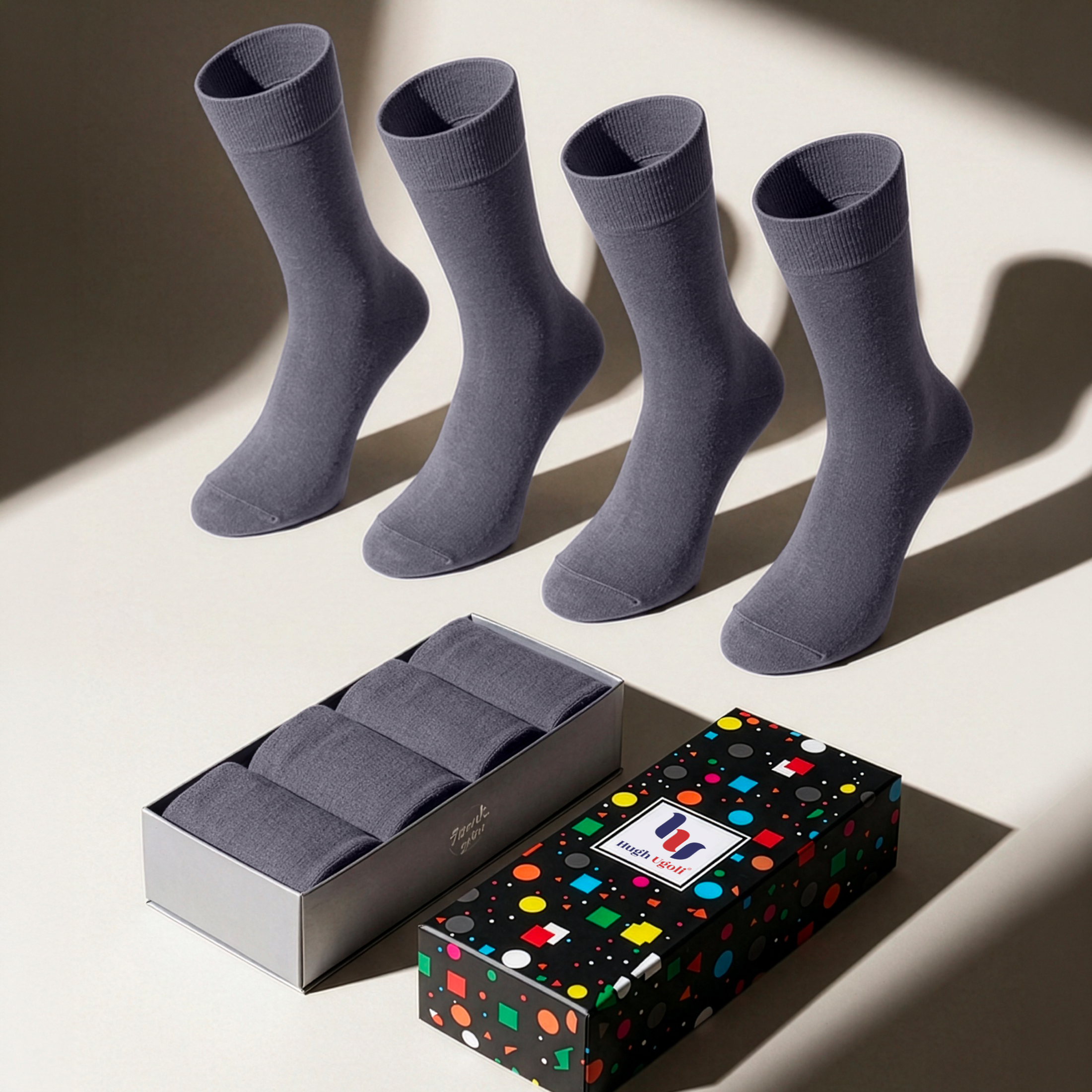
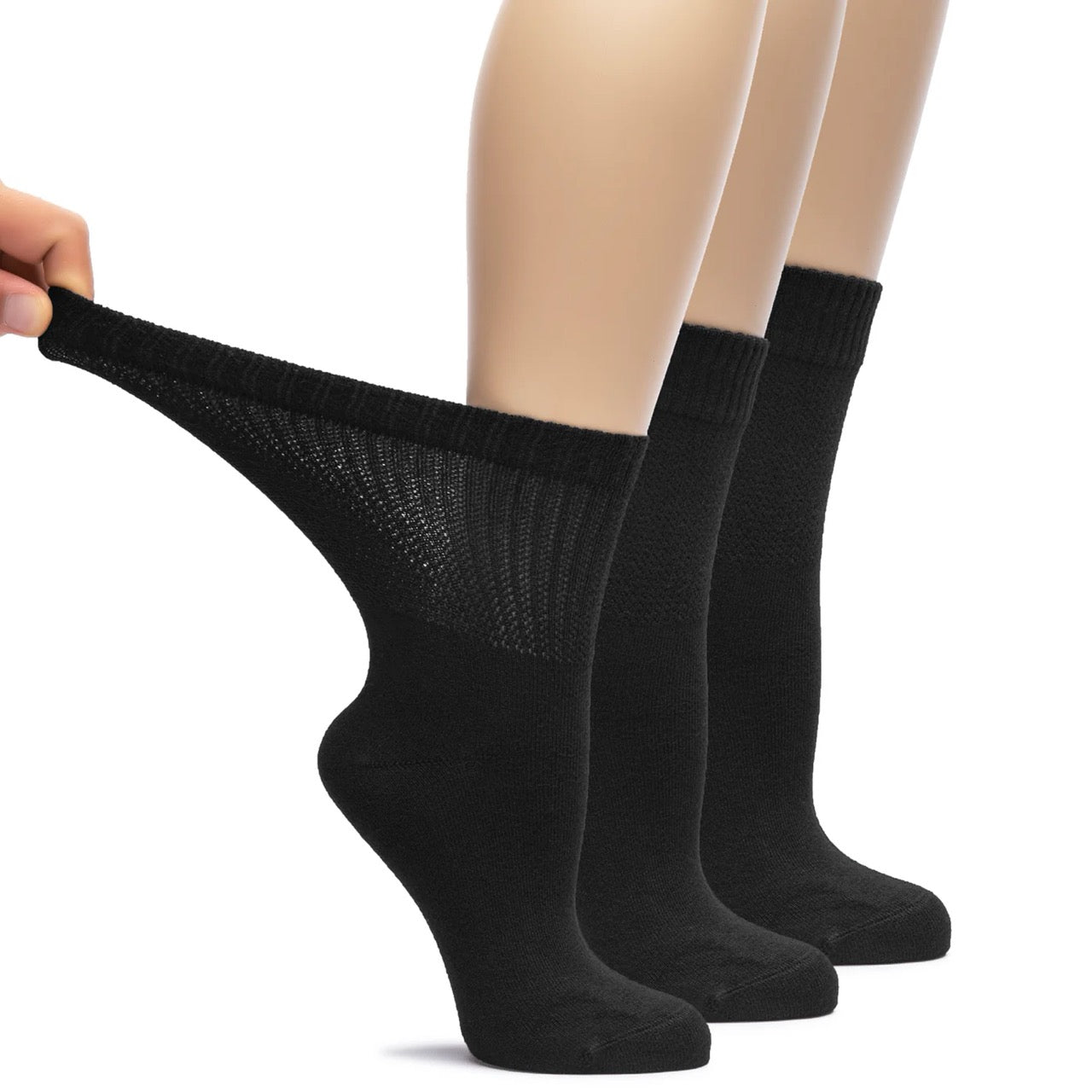

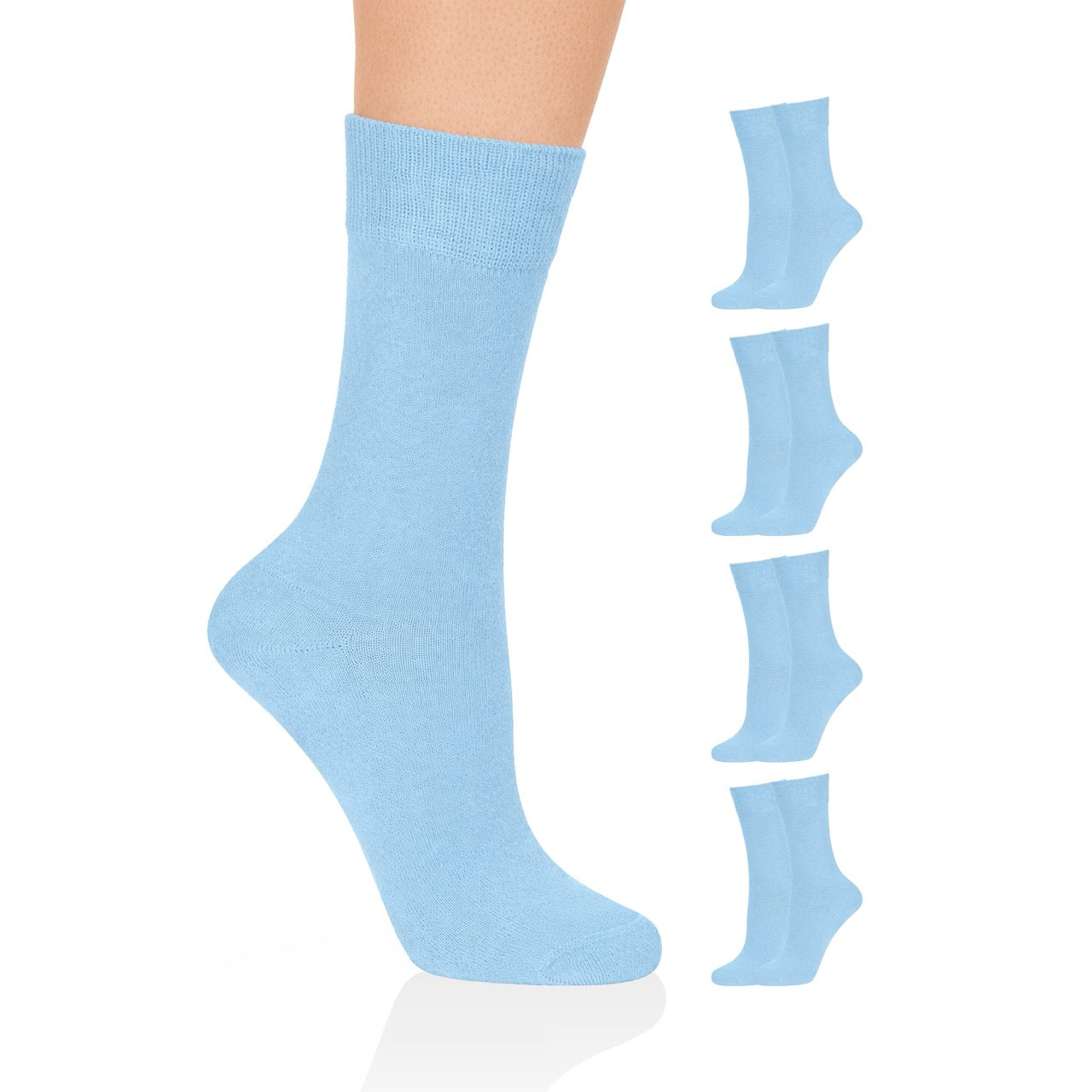
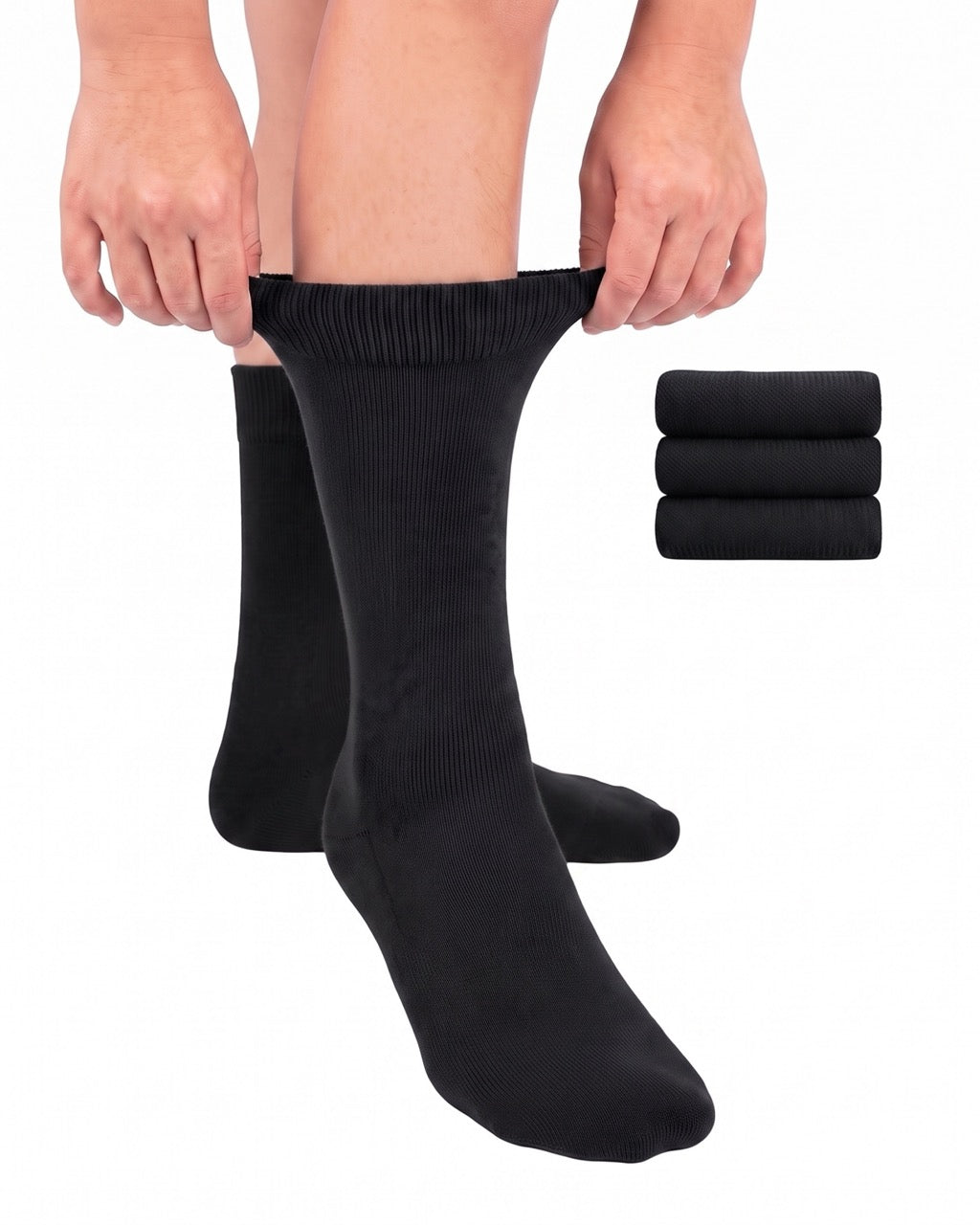
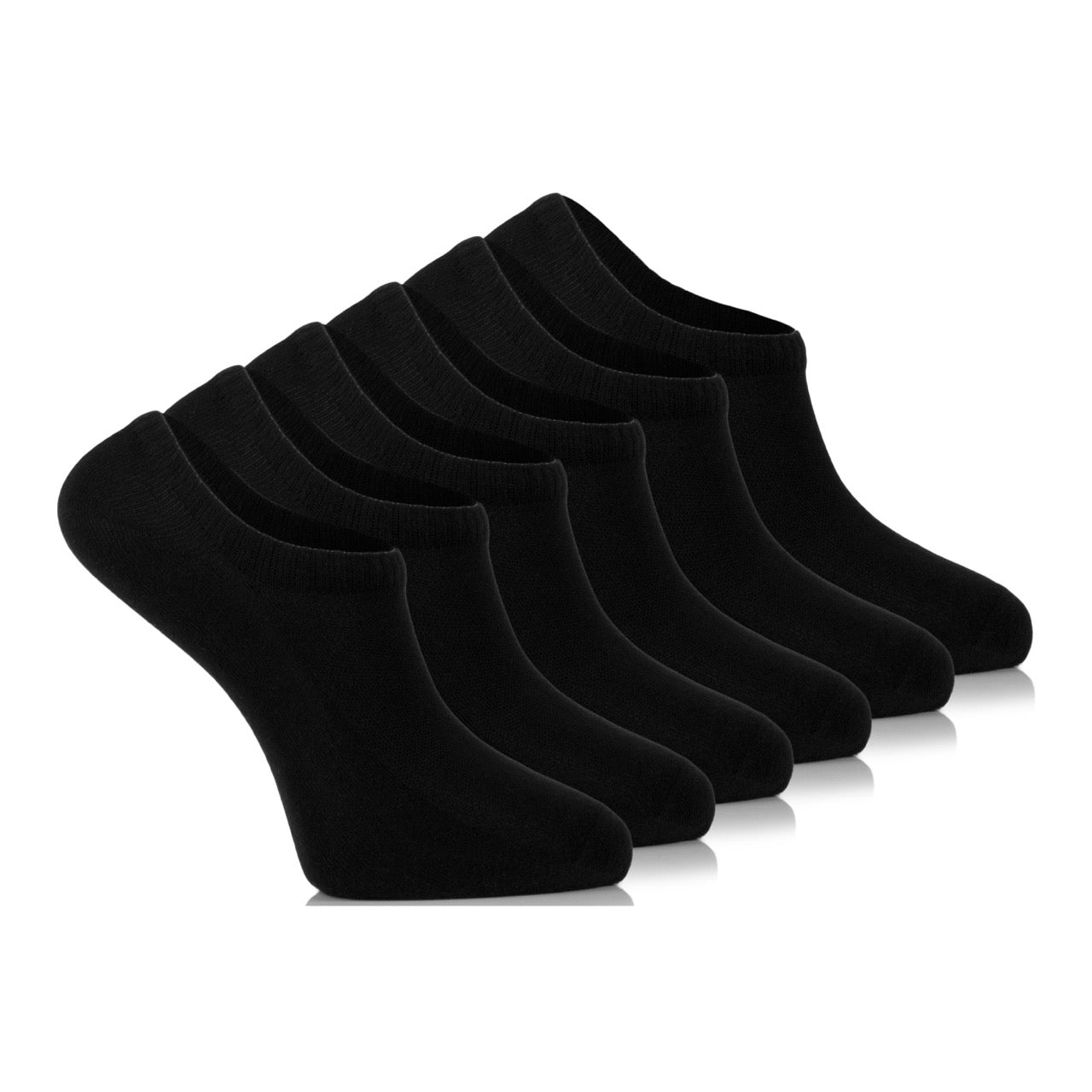
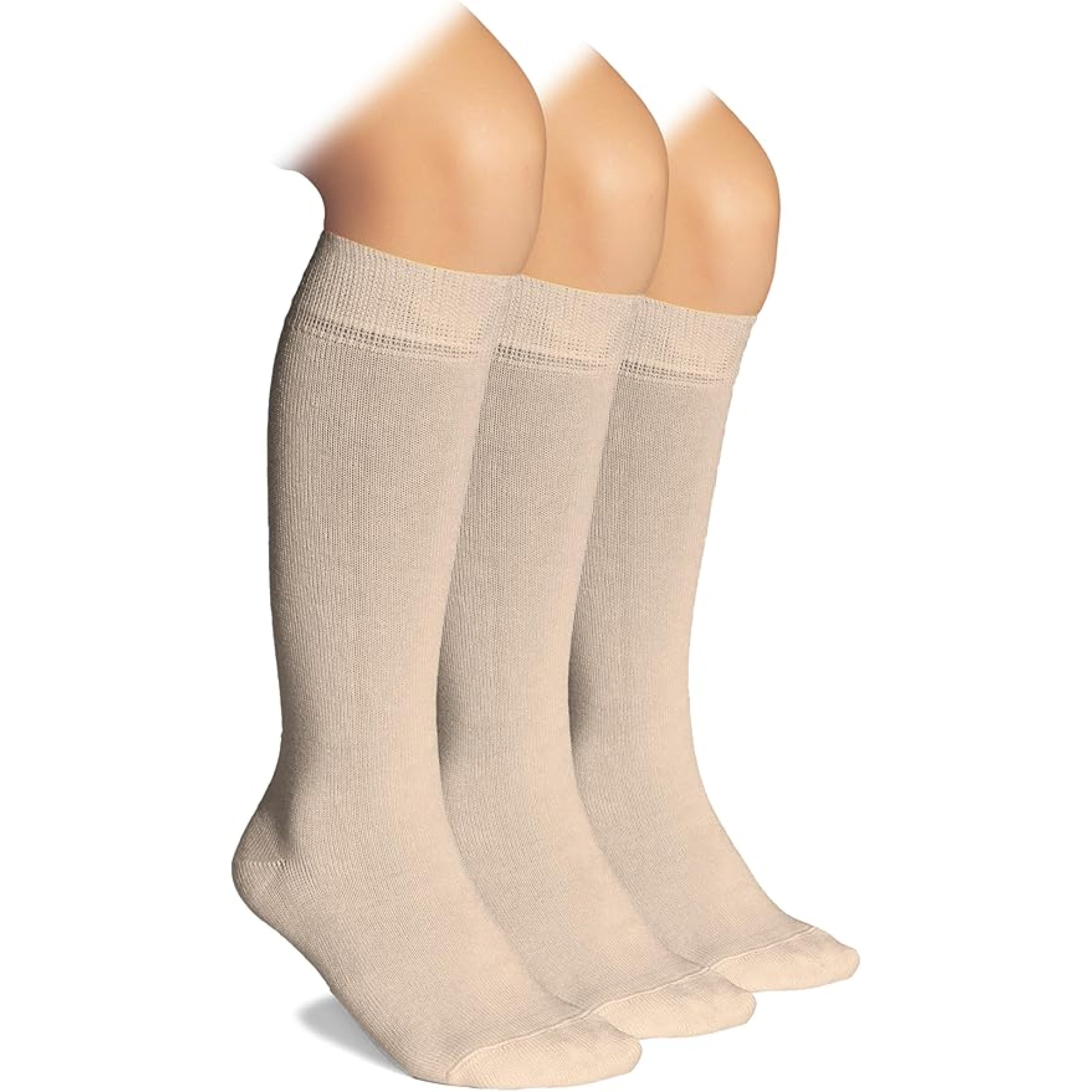


A daily diabetic foot check takes sixty to ninety seconds: look at the tops, soles, heels, toenails, ankles and between every toe; feel for warm spots and hard patches; wash in warm water and dry thoroughly between the toes; moisturise everywhere except between the toes; shake out your shoes and check inside with a hand; then put on clean dry socks with a seamless toe and a non-binding cuff, and never go barefoot. Weekly, trim nails straight across, inspect footwear for wear, and review socks for thinning and lost elasticity.
Key Takeaways
Most diabetic foot care advice arrives as a wall of paragraphs. You read it once, agree with all of it, and then forget nine-tenths of it by the following week. A checklist works differently. It sits somewhere visible, it takes under two minutes to run through, and it removes the need to remember anything at all.
This article gives you that checklist in a format you can print, alongside the reasoning behind each item so you know why it is there rather than following instructions blindly. It covers a daily routine, a weekly one, a list of things worth raising with your healthcare provider, and the questions people most often have about putting it into practice.
The reason foot care is emphasized so heavily in diabetes management comes down to a combination of two factors that can occur together. Nerve damage may reduce sensation in the feet, meaning an injury can go unnoticed. Reduced circulation may mean that when an injury does occur, it takes longer to heal. The National Institute of Diabetes and Digestive and Kidney Diseases explains how these two mechanisms interact and why small problems can escalate when they go undetected.
The practical implication is that vision has to substitute for sensation. If you cannot rely on feeling a blister, you have to look for it. And looking for it reliably, every single day, is exactly the kind of task that a checklist handles better than memory.
The CDC's guidance on diabetes and your feet makes daily inspection the first item on its list for the same reason. This is not a demanding routine — it is a short, repeatable one, and its value comes almost entirely from consistency rather than thoroughness on any given day.
Print this section, or copy it somewhere you will see it. The whole sequence takes about sixty to ninety seconds once it becomes habit.

Some items do not need daily attention but should not be left to chance either.
Two items appear on almost every clinical list of things to leave alone. Do not attempt to cut, shave, or file away corns and calluses at home, and do not use over-the-counter chemical corn removers — these products can damage the surrounding healthy skin. Callus management is a podiatrist's job. The American Diabetes Association's overview of foot complications covers why self-treatment of calluses and corns carries more risk than it appears to.
A checklist is only useful if you know what to do with what it finds. These are the findings generally treated as reasons to make contact rather than wait and see:
The general principle worth carrying: with reduced sensation, the absence of pain is not reassurance. A wound that does not hurt is still a wound. Our companion piece on how to do a daily diabetic foot check in 60 seconds walks through the inspection sequence in more detail if you want the longer version.
The failure mode for any routine is not disagreement — it is drift. A few things help.
Pair the foot check with an existing daily anchor: after the evening shower, before getting into bed, at the same time as taking medication. A new habit attached to an existing one survives far better than one that floats free.
A printed sheet taped inside a bathroom cabinet door or on the bedroom wall is more effective than one filed away in a drawer. The point of printing it is visibility.
Many people skip the sole inspection because it is awkward. A mirror laid flat on the floor, with the foot held above it, lets you see the entire sole without bending or crossing your legs. Long-handled inspection mirrors also exist. If neither works, asking a family member or caregiver to check the soles is a reasonable substitute — it is a ten-second task for someone else.
A dated note when you spot something — even just "small red patch, left heel" — turns a vague impression into a timeline. That timeline is genuinely useful at your next appointment, because "it has been there about three weeks and has not changed" is far more informative than "I think I noticed something recently."
Socks come up on every foot care list because they sit between the foot and the shoe for the entire day. A few construction details matter more than others.
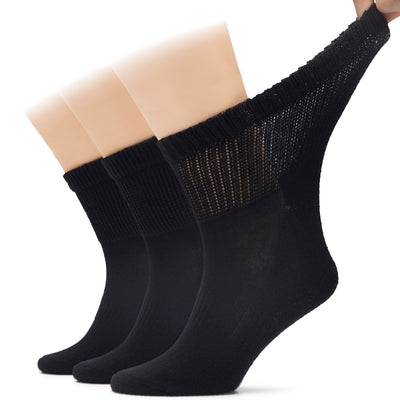
Seamless toe. A raised toe seam is a ridge of material pressing against the toes with every step. Where sensation is reduced, that friction may go unnoticed until it has caused a problem. Seamless-toe construction removes the ridge entirely.
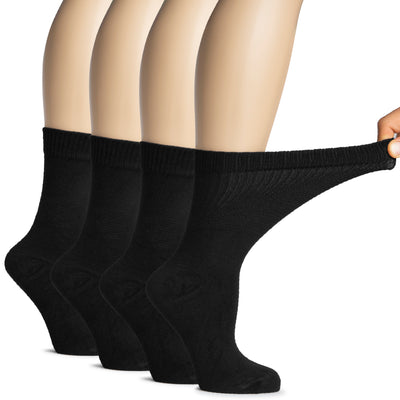
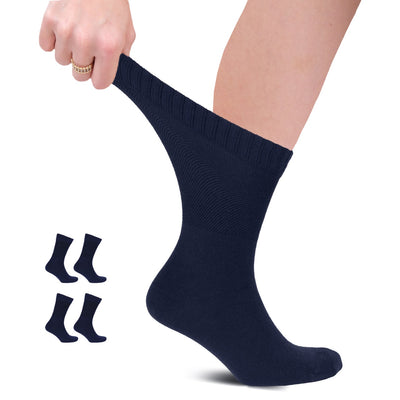
Non-binding top. A cuff that leaves an indentation is compressing the leg. Non-binding cuffs are knitted with relaxed elastic so they stay up without squeezing — designed to reduce pressure at the calf rather than to have any therapeutic effect.
Moisture management. Feet that stay damp are more prone to skin breakdown and to the between-toe issues covered above. Bamboo viscose and quality cotton both move moisture away from the skin more effectively than cheap synthetic blends.
Light colours have a practical advantage. A light-coloured sock makes drainage from a wound you have not yet noticed far more visible. Some people find this a useful early signal; others prefer darker socks and rely on the daily visual check instead. Either approach works as long as the check happens.
If you are reviewing your sock supply, our non-binding diabetic sock range is built around these features. The men's cotton diabetic ankle socks with semi-cushioning and the women's lightweight bamboo diabetic crew socks both combine a seamless toe with a relaxed cuff. To be clear about what socks can and cannot do: appropriate socks are commonly recommended as one part of a daily foot care routine, and they may help reduce friction and pressure — they are not a substitute for the daily inspection, and no sock replaces professional care.
To keep on a wall or inside a cabinet door:
EVERY DAY
1. Look at tops, soles, between toes, heels, nails, ankles
2. Feel for warm spots and hard patches
3. Wash in warm water, dry thoroughly between the toes
4. Moisturize — but never between the toes
5. Shake out shoes, check inside with your hand
6. Clean dry socks, seamless toe, non-binding top
7. No bare feet, indoors or out
EVERY WEEK
8. Trim nails straight across, file the edges
9. Inspect shoes for wear
10. Check socks for thinning and lost elasticity
11. Re-check anything you flagged earlier in the week
CALL YOUR PROVIDER IF
— a wound is not improving within a day or two
— redness is spreading
— there is drainage or odour
— one foot is warmer than the other
— there is new one-sided swelling
— skin has darkened anywhere
— the shape of the foot has changed
— there is new numbness, tingling, or pain
NEVER
— cut or shave calluses and corns yourself
— use over-the-counter corn removers
— test water temperature with your foot
— walk barefoot
The checklist above is not complicated, and that is deliberate. A routine that takes ninety seconds and asks nothing unusual of you is one you will still be doing in six months. A more elaborate protocol probably will not survive a busy week. Print it, put it where you will see it, attach it to something you already do daily, and let the repetition do the work.
This article is for general information and is not medical advice. Talk to your healthcare provider about your own feet.
Daily inspection is the standard recommendation from the CDC, NIDDK, and the American Diabetes Association. The reason for daily rather than weekly is that reduced sensation may mean an injury goes unfelt, so the check substitutes vision for feeling. Professional foot examinations at your regular healthcare appointments complement daily self-inspection but do not replace it, since a great deal can change between visits.
A daily checklist covers visual inspection of the tops, soles, heels, toenails and the skin between every toe; feeling for warm spots and hard patches; washing in warm water and drying thoroughly between the toes; moisturizing everywhere except between the toes; checking the inside of shoes before wearing them; and putting on clean, dry socks with a seamless toe and a non-binding top. Weekly items include trimming nails straight across, inspecting footwear for wear, and reviewing socks for thinning or lost elasticity.
The skin between the toes has little airflow and stays damp easily. Adding lotion keeps that area moist for longer, which creates conditions where skin can soften, break down, or develop fungal issues. The rest of the foot benefits from moisturizing because dry, cracked skin is itself a route for problems — so the guidance is to moisturize generously everywhere except the spaces between the toes, which should be dried carefully instead.
Many people can, provided they can clearly see their feet, comfortably reach them, and have good hand control. Trim straight across rather than curving down into the corners, and smooth the edges with a file. If your vision, reach, or dexterity makes this difficult, or if you have reduced sensation in your feet, having a podiatrist handle nail care is the safer route. The same applies more strongly to calluses and corns, which should not be self-treated at all.
Socks designed for people with diabetes — non-binding cuffs, seamless toes, moisture-wicking fibers — are commonly recommended by healthcare providers as part of a daily foot care routine. They are designed to reduce friction and pressure rather than to have any therapeutic effect. Regular socks with a flat toe seam and a loose cuff can serve a similar purpose. What matters is avoiding thick toe seams, tight elastic that leaves a mark, damp fabric, and any sock worn thin at the heel or ball.
Discover All Hugh Ugoli Socks
Shop All Socks