Cart
0
You may also like

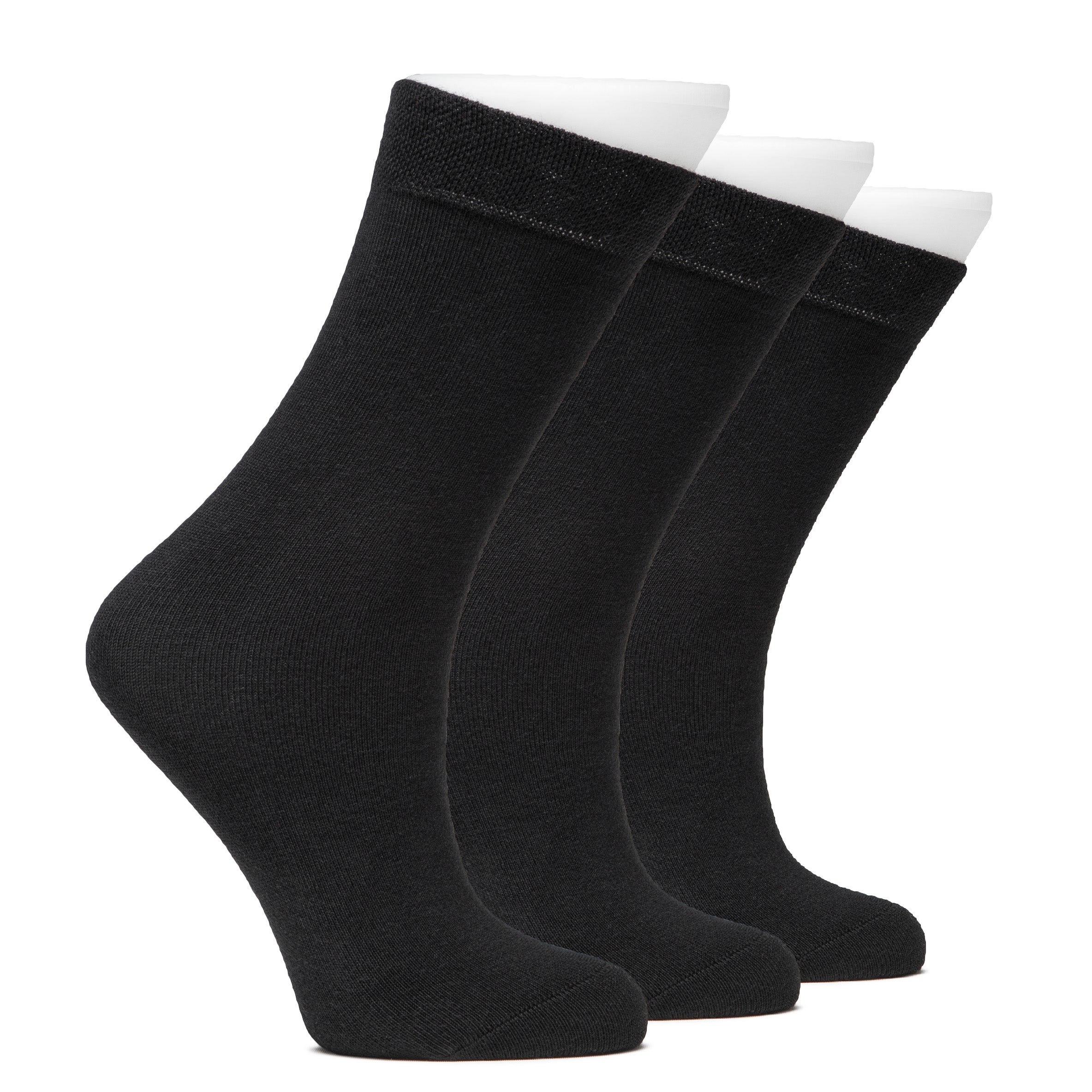
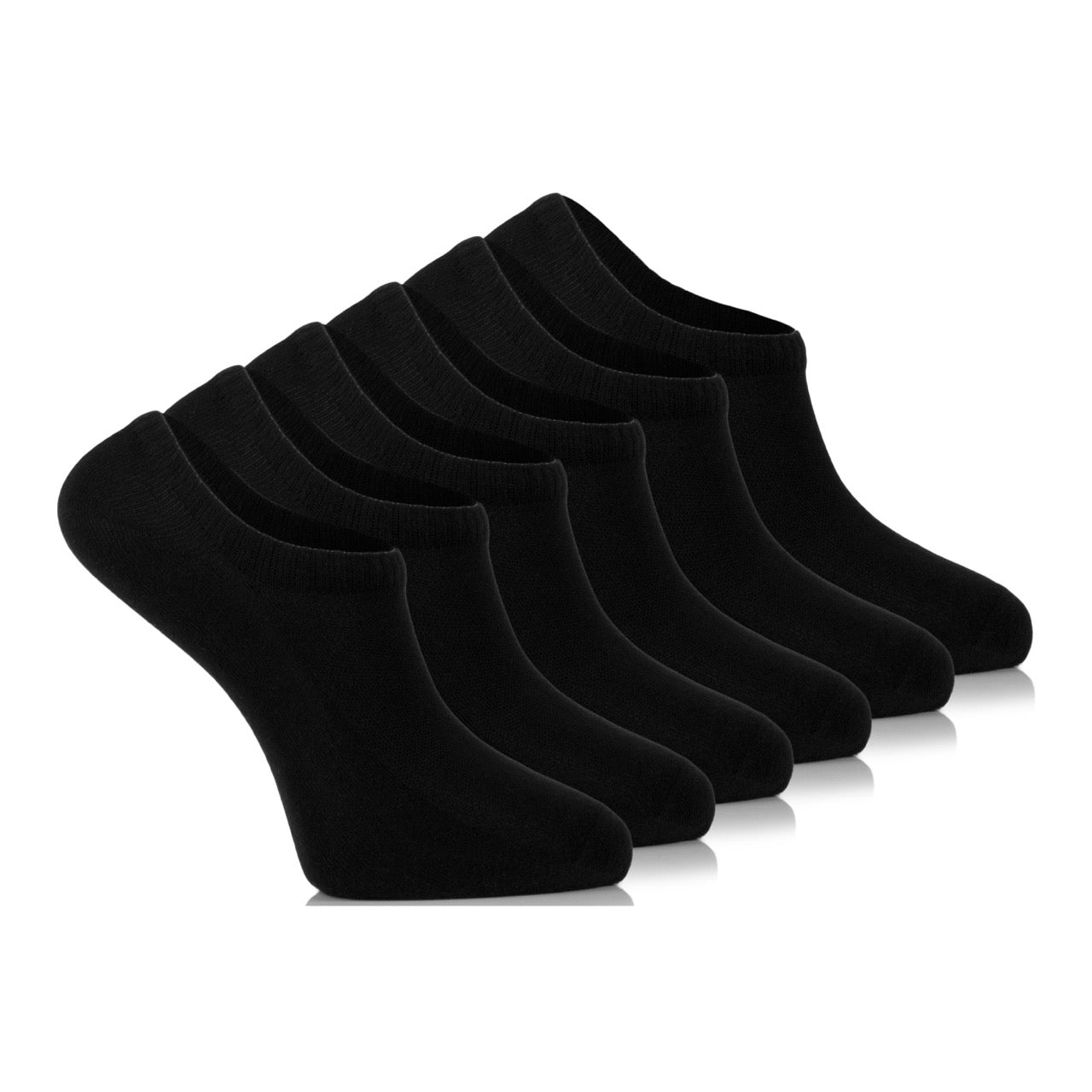
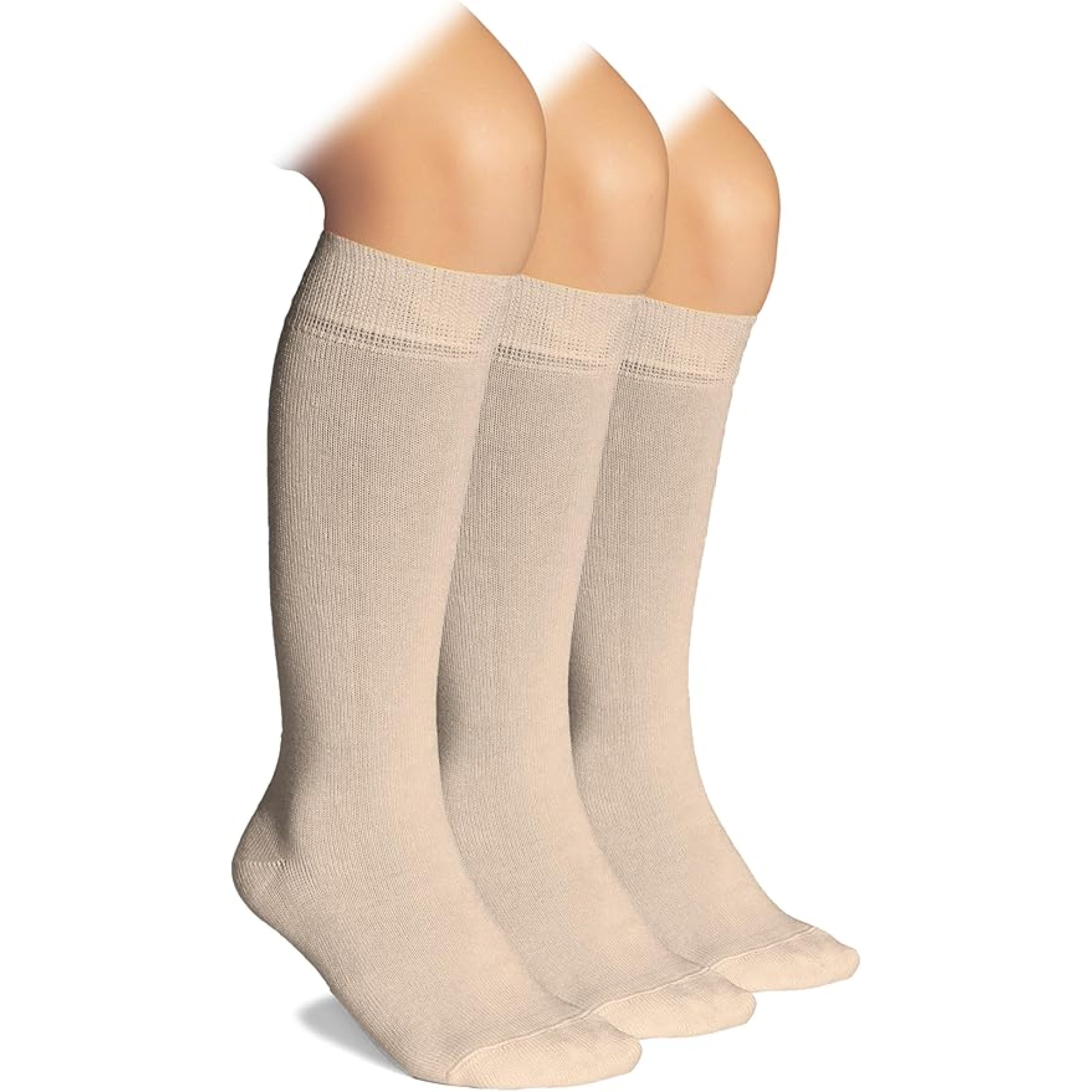


Living with diabetes often means paying closer attention to foot health. Daily discomfort, burning sensations, or pain at the bottom of your feet are common complaints, especially for people managing circulation and nerve-related issues. While footwear matters, socks play a surprisingly important role in diabetic foot care.
The right socks are not just an accessory. They are designed to protect your feet, reduce irritation, and support comfort throughout the day. Choosing wisely can help ease foot pain and lower the risk of complications linked to diabetes.
Diabetes affects the body in multiple ways, but the feet are especially vulnerable. Over time, changes in circulation and nerve function can lead to persistent discomfort and increased sensitivity.
One of the most common causes of diabetic foot pain is peripheral neuropathy. This condition involves nerve damage, reducing sensation or causing tingling, burning, or sharp pain.
Because sensation is altered, small injuries or pressure points may go unnoticed, increasing the risk of irritation and further discomfort.
Poor circulation is another major factor. Reduced blood flow can make feet feel cold, swollen, or achy and slow the healing of minor injuries.
Socks that support blood circulation without restricting movement can improve comfort and help feet feel more supported throughout the day.

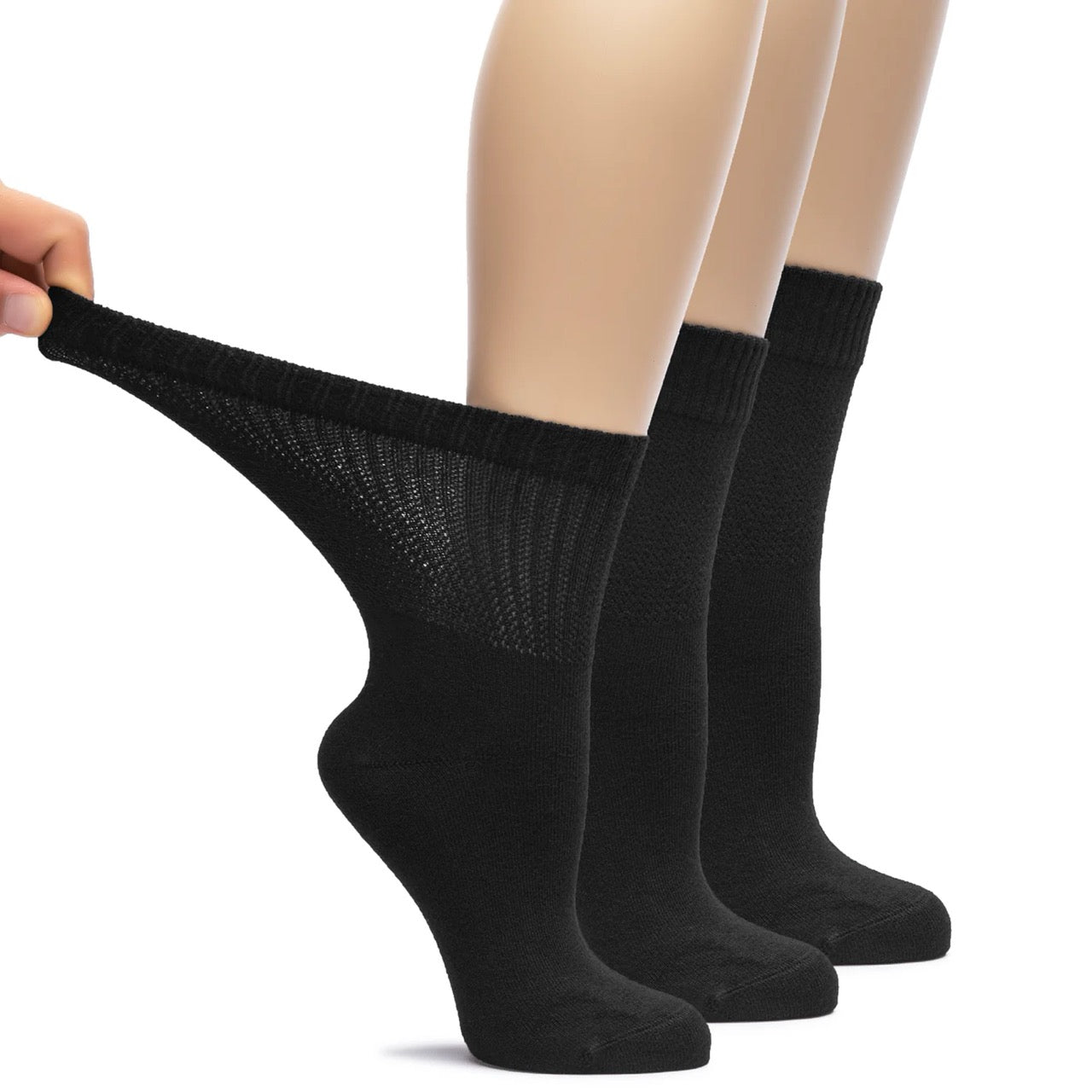
Unlike regular socks, diabetic socks are designed with specific features to address common foot problems associated with diabetes.
Pressure points are a major source of foot pain. Seams, tight bands, and uneven fabric can press into sensitive areas.
Diabetic socks focus on smooth construction and cushioning to reduce pressure on vulnerable areas, helping to minimize daily discomfort.
Excess moisture creates an environment where fungal infections can develop. Damp skin also becomes more prone to irritation and breakdown.
Socks made with moisture wicking materials help keep feet dry, which supports skin integrity and comfort throughout the day.
Many people wonder whether compression socks are the best choice for diabetic foot pain. While compression socks can be helpful in some situations, they are not always appropriate for everyone with diabetes.
Diabetic socks differ in that they focus on gentle support rather than strong compression. This helps improve comfort without risking restricted circulation.
Wearing the correct socks can influence how your feet feel from morning to night. Small design details make a meaningful difference.
Extra padding and soft fibers help cushion the bottom of your feet, absorbing impact during walking and standing.
This cushioning can ease soreness, especially for individuals who spend long hours on their feet.
Socks that avoid tight elastic bands allow blood to flow more naturally. Supporting blood circulation helps feet feel warmer and less fatigued.
This is especially important for people with diabetes who experience cold feet or swelling due to circulation challenges.
Protecting the feet is a central part of managing diabetes. The right socks act as a barrier between the foot and external friction.
Socks that fit properly reduce rubbing inside shoes. This lowers the chance of blisters, sores, and irritation that can lead to more serious issues.
This reduces the risk of complications that may require medical attention.
Dry, well-protected skin is less likely to develop fungal or bacterial infections. This is a key aspect of long-term foot health.
When selecting socks, it is important to consider how they will perform throughout daily activities.
Taking time to choose socks carefully is an important step in daily diabetic foot care.
Socks alone cannot solve every issue, but they work best as part of a consistent routine.
Inspect your feet daily for redness, cuts, or changes in skin texture. Wash and dry feet thoroughly, paying attention to areas between the toes.
Combined with proper footwear and regular foot checks, supportive socks help people with diabetes manage discomfort more effectively.
While diabetic socks are designed with people with diabetes in mind, they can also benefit individuals experiencing circulation challenges or sensitive feet.
Anyone dealing with swelling, irritation, or nerve-related discomfort may find improved comfort by wearing socks designed for diabetic foot care.
Yes. Socks designed for diabetes reduce pressure points, manage moisture, and support circulation, which helps ease daily discomfort.
Compression socks may be helpful in some cases, but they are not suitable for everyone. Diabetic socks offer a gentler alternative focused on comfort.
Many people with diabetes wear them daily as part of regular foot care routines.
By keeping feet dry and reducing friction, they help lower the risk of fungal infections and skin irritation.
He has been working for more than 20 years in the textile industry and has work experience in many parts of the world.