Cart
0
You may also like




Being told you are pre-diabetic can feel confusing or even easy to dismiss. After all, symptoms are often mild or not noticeable at all. However, this early stage is exactly when small changes—especially in foot care— can make a meaningful difference for long-term health.
Pre-diabetes is a warning sign that your body is starting to struggle with blood sugar levels and glucose levels. Even before a diagnosis of type 2 diabetes, these changes can begin to affect circulation, nerves, and overall foot health.
Pre-diabetes occurs when high blood glucose levels are above normal but not yet high enough for a diabetes diagnosis. At this stage, the body’s response to insulin becomes less efficient.
Over time, elevated glucose can affect blood vessels, leading to changes in circulation and increasing the risk of complications if left unaddressed.
Many people assume foot problems only appear after diabetes develops. In reality, early metabolic changes can already begin to influence how the feet feel and heal.
Pre-diabetes can gradually reduce blood flow, particularly to extremities like the feet. Poor circulation means less oxygen and fewer nutrients reach the tissues.
This can cause feet to feel cold, tired, or sore—especially at the bottom of your feet after long periods of standing or walking.
Elevated blood sugar may begin to affect nerves, even before diabetes is officially diagnosed. This early nerve damage can cause tingling, numbness, or unusual sensitivity.
When sensation is altered, small injuries may go unnoticed, increasing the chance of complications.

While not everyone experiences symptoms, certain foot issues can appear earlier than expected.
These issues may seem minor, but they can increase your risk of more serious problems if foot care is ignored.
One of the most effective habits to build early is to check your feet consistently.
Inspect your feet every day for redness, swelling, cracks, or changes in skin color. Early detection allows you to address problems before they worsen.
Many serious conditions, such as foot ulcers, begin with something minor—a blister, pressure spot, or unnoticed cut.
When circulation is compromised, healing slows. Taking preventive steps early reduces the likelihood of these issues developing later.
While foot care alone does not reverse pre-diabetes, it plays a critical role in reducing complications.
Paying attention to the care of your feet supports comfort, mobility, and quality of life as metabolic health changes.
Socks are often overlooked, yet they play an important role in maintaining feet healthy. Ill-fitting socks can create pressure points, trap moisture, and irritate sensitive skin.
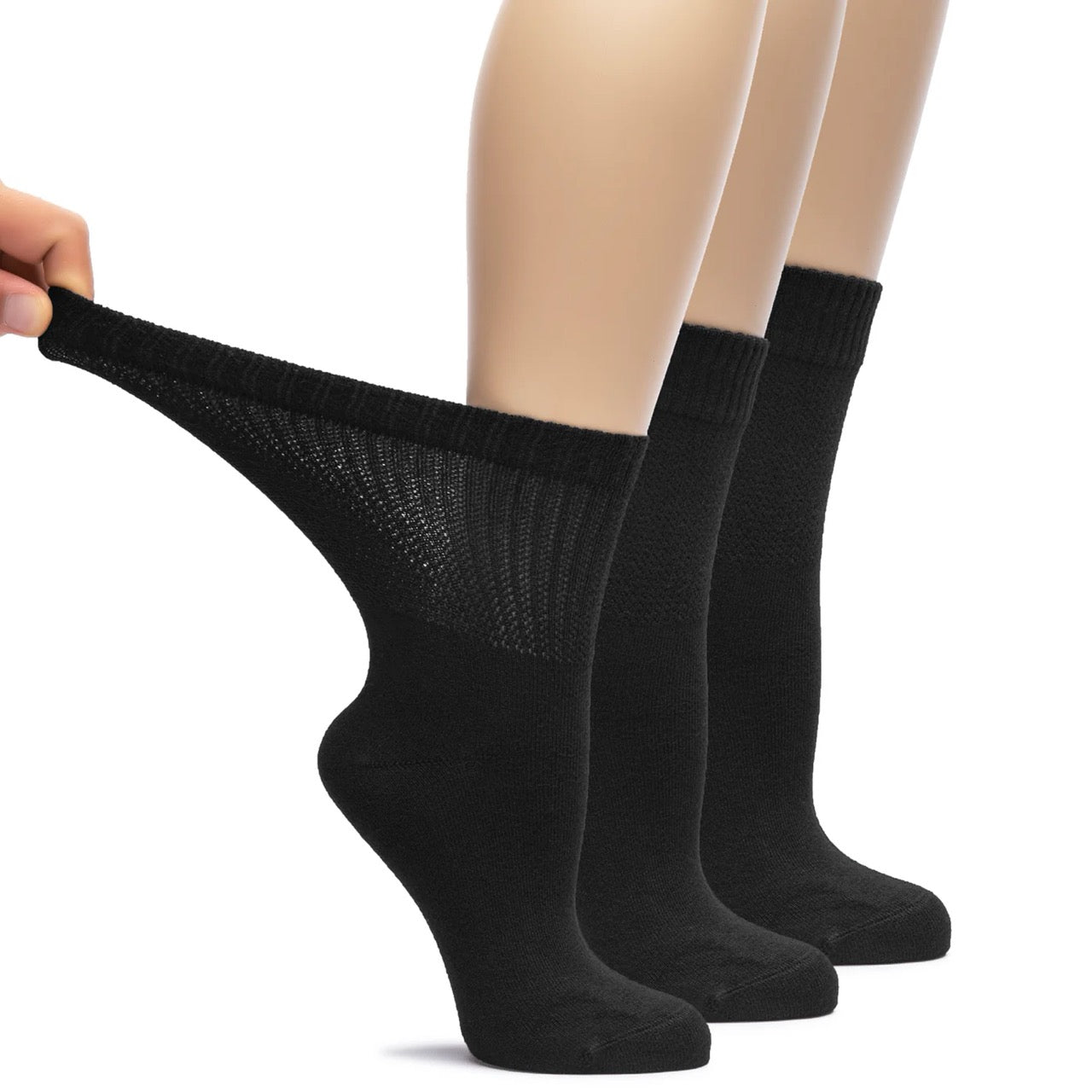
Socks designed with gentle support, smooth construction, and moisture control help protect the skin and support circulation without compression.
Pre-diabetes is a critical window for prevention. Addressing foot care now helps reduce long-term risks associated with type 2 diabetes.
Small habits—like inspecting your feet, choosing appropriate socks, and responding quickly to changes—can significantly lower the chance of future complications.
Yes. Changes in blood sugar and circulation can begin affecting the feet even before diabetes is diagnosed.
It’s recommended to inspect your feet daily to catch early signs of irritation or injury.
Foot ulcers are more common in diabetes, but early circulation and nerve changes can increase risk during pre-diabetes as well.
Begin by checking your feet every day and wearing socks that protect without restricting blood flow.
He has been working for more than 20 years in the textile industry and has work experience in many parts of the world.