Cart
0
You may also like
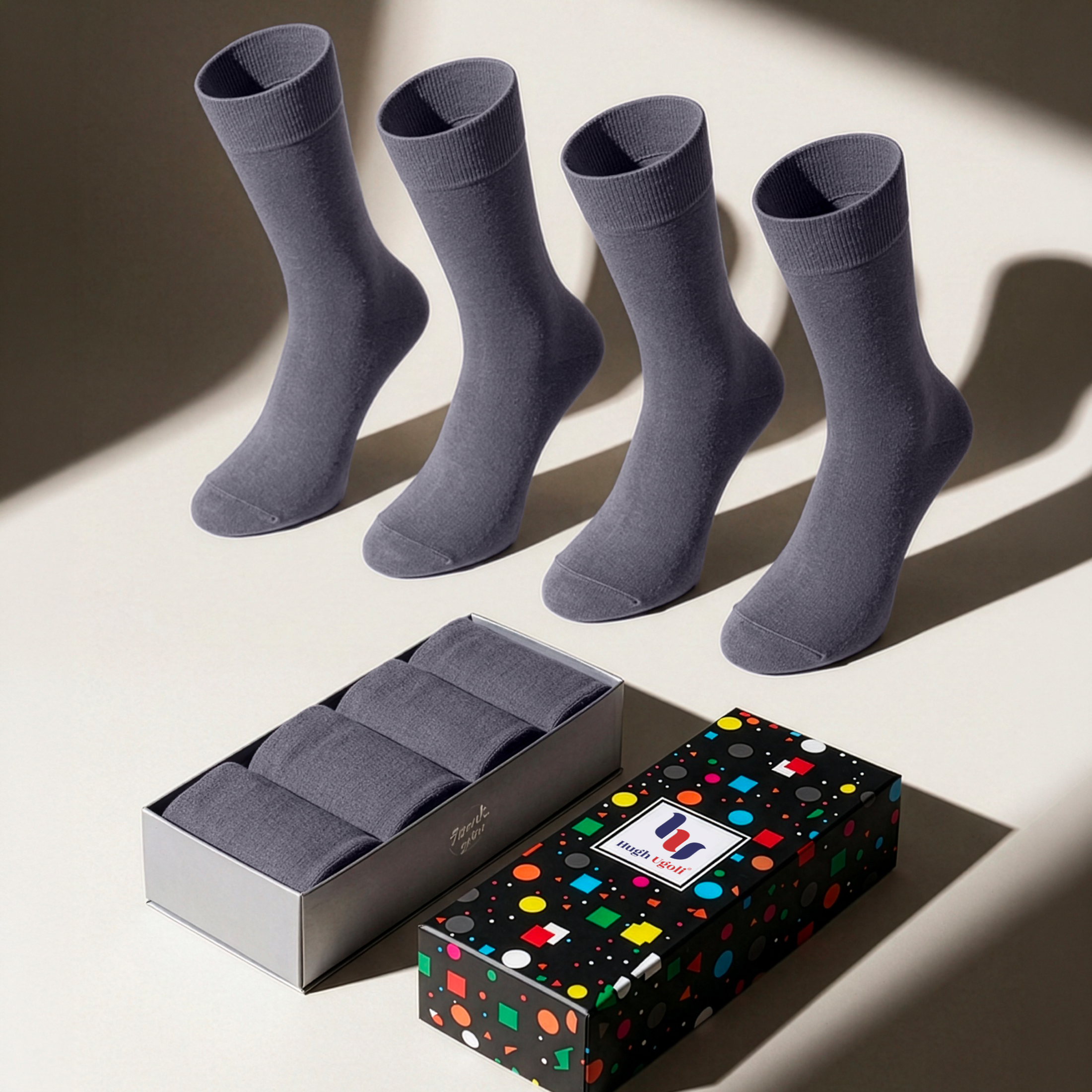
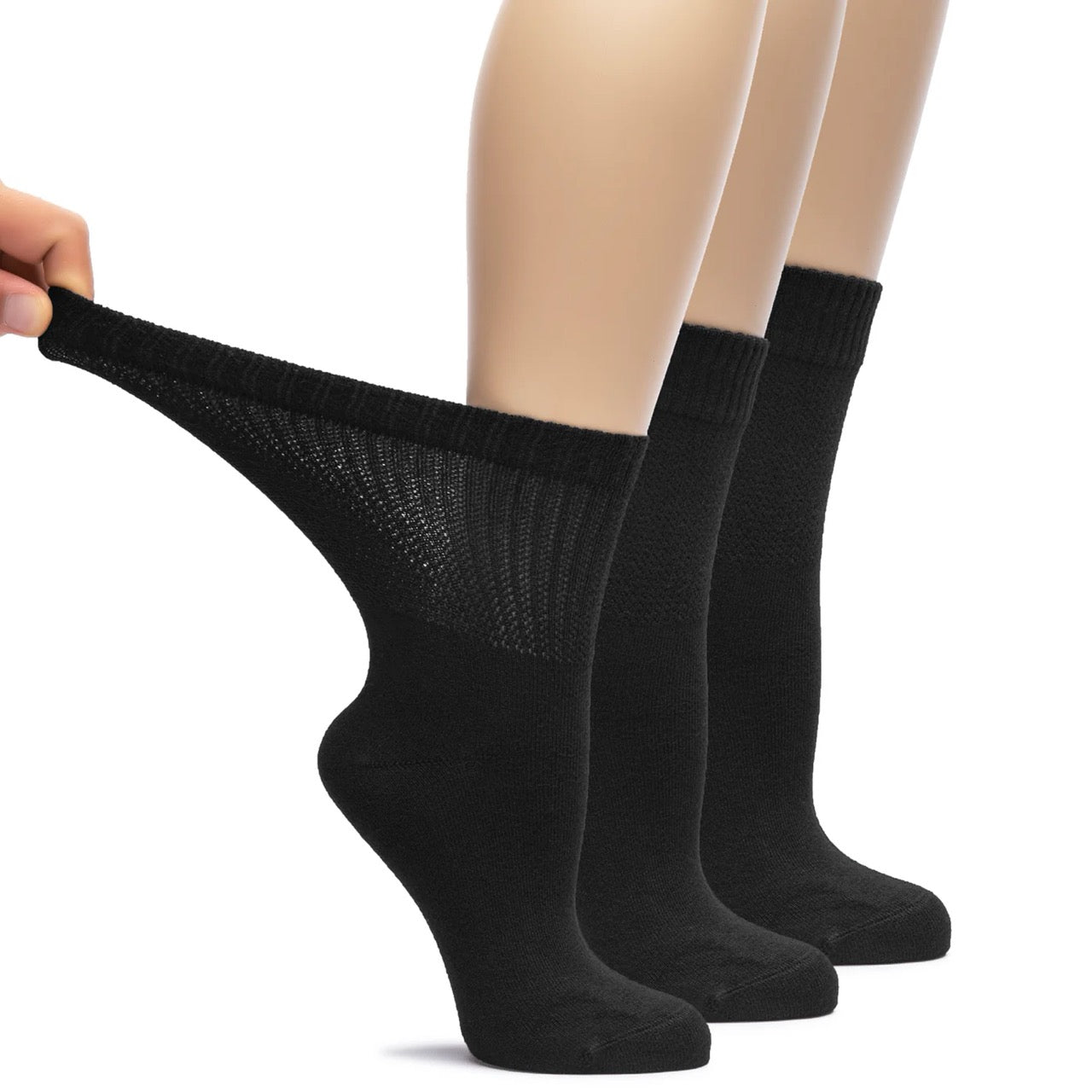

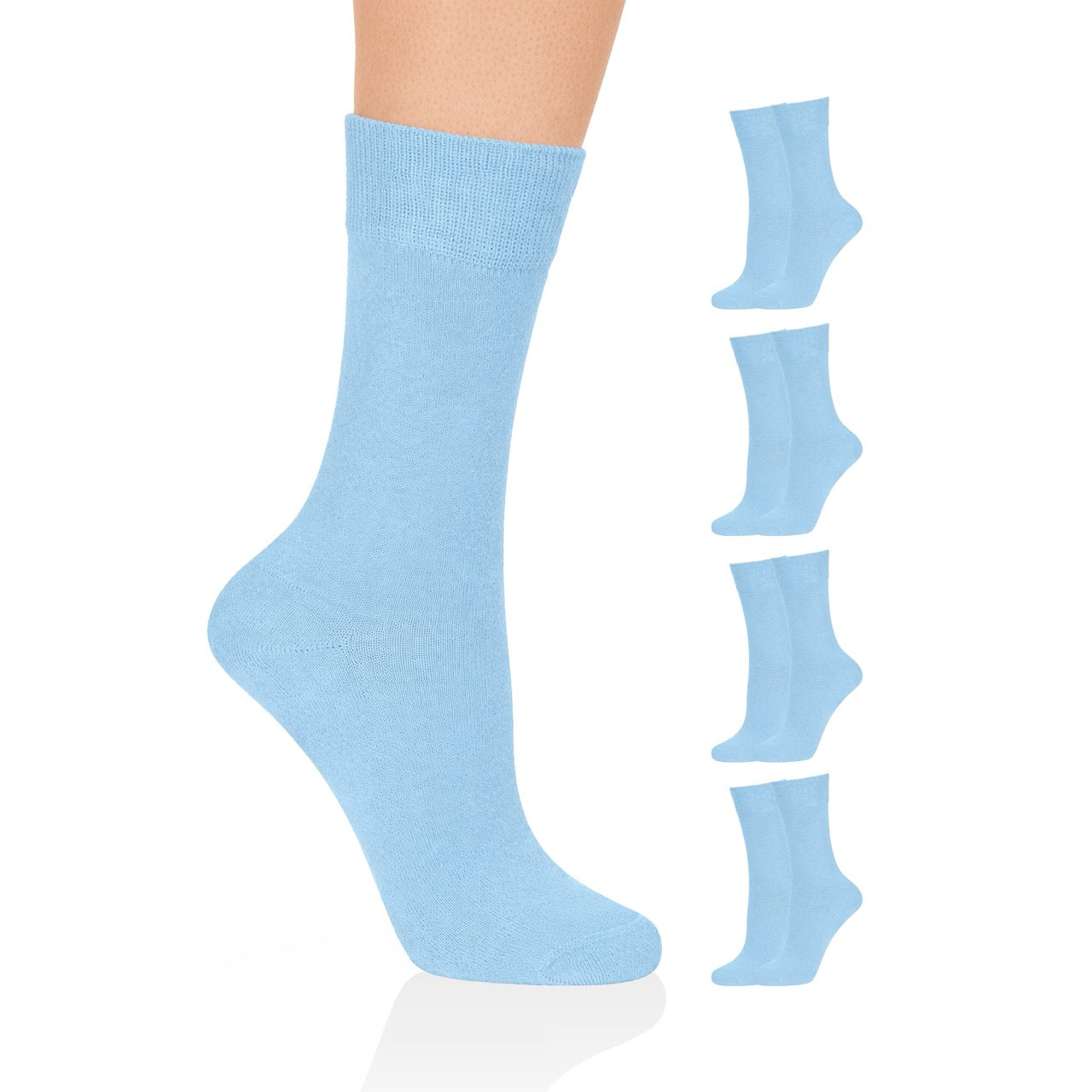


Diabetic sores on the feet are one of the most common and serious diabetes related foot complications. What often starts as a small irritation can quickly develop into a wound that is slow to heal. Understanding the early signs, adopting preventive habits, and protecting your feet every day are essential steps for maintaining long-term foot health.
For people with diabetes, changes in circulation and nerve sensitivity mean that the feet require extra attention. The National Institute of Diabetes and Digestive and Kidney Diseases (NIDDK) explains that this combination — reduced sensation plus slower healing — is exactly why daily foot care matters so much in diabetes management.
Diabetic sores, often referred to as diabetic foot ulcers, are open wounds that typically develop on pressure points of the foot. They are closely linked to nerve damage (peripheral neuropathy) and reduced blood flow, both of which are more common with prolonged high blood sugar.
Reduced sensation and impaired blood flow slow the body's ability to heal, allowing minor injuries to worsen over time before they're even noticed.
Recognizing the early signs of foot sores allows you to act before complications arise.
Because nerve damage may reduce sensation, sores can develop without noticeable pain. This is why the American Diabetes Association recommends checking your feet daily for sores, cuts, blisters, corns, or redness, rather than relying on pain to alert you.

Diabetes affects multiple systems in the body, and the feet are particularly vulnerable.
Poor circulation limits oxygen and nutrients reaching the feet. This slows healing and increases the likelihood of wounds becoming chronic.
Nerve damage can prevent you from noticing cuts, pressure points, or an ingrown toenail until infection sets in.
Several everyday foot problems can increase the risk of sores if not managed properly.
Each of these issues can create an opening in the skin, allowing bacteria to enter and cause infection.
Prevention starts with consistent, simple routines. Making foot care part of your daily life helps maintain healthy feet.
Check your feet from heel to toe, including between the toes. Look for redness, cracks, or changes in skin texture.
If bending is difficult, use a mirror or ask for assistance. Inspecting your feet daily helps catch issues early — our 60-second daily diabetic foot check walks through exactly what to look for.
Wash feet daily with lukewarm water and mild soap. Dry thoroughly, especially between toes, to prevent fungal infections.
Use clean, sharp nail clippers and trim nails straight across. Avoid cutting too close to the skin to reduce the risk of ingrown toenails.
Shoes and socks play a role in foot protection. Ill-fitting footwear increases friction and pressure.
Even at home, it's worth wearing shoes or protective footwear. Walking barefoot increases the risk of cuts and injuries you may not feel right away.
Socks help reduce friction, absorb moisture, and support comfort. Choosing non-restrictive, seamless socks is a feature the American Diabetes Association highlights as part of everyday diabetic foot care.
Preventive care is the most effective way of reducing the risk of serious complications.
These habits work together to protect your feet and maintain long-term mobility.
If you notice an open sore, signs of infection (warmth, spreading redness, drainage, odor), or a wound that doesn't heal within a few days, contact your healthcare provider promptly rather than waiting. Early treatment is consistently associated with better outcomes and helps prevent complications.
Redness, swelling, warmth, and drainage are common early signs. Because nerve damage can reduce sensation, a sore may not be painful, which is why visual daily checks matter more than waiting for discomfort.
Feet should be checked every day, including the soles and between the toes, to catch problems early — this is a standard recommendation from the American Diabetes Association.
Yes. Athlete's foot and other fungal infections can break down skin, increasing the risk of sores.
Non-restrictive, seamless socks can reduce friction and manage moisture, which supports skin health — but socks are one part of a larger foot-care routine, not a treatment on their own.
This article is for general information and is not medical advice. If you notice a sore, wound, or signs of infection on your feet, contact your healthcare provider.
He has been working for more than 20 years in the textile industry and has work experience in many parts of the world.