Cart
0
You may also like
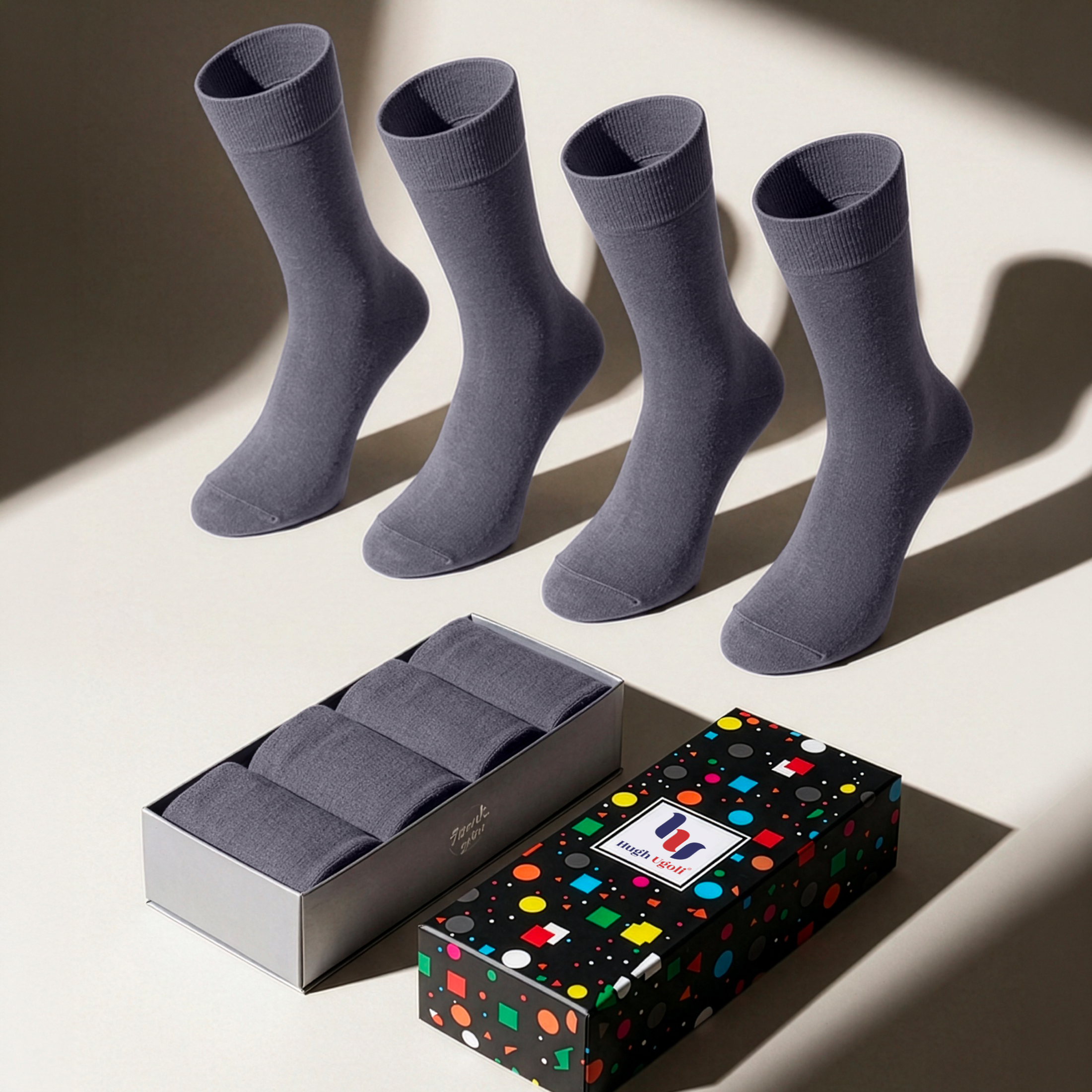
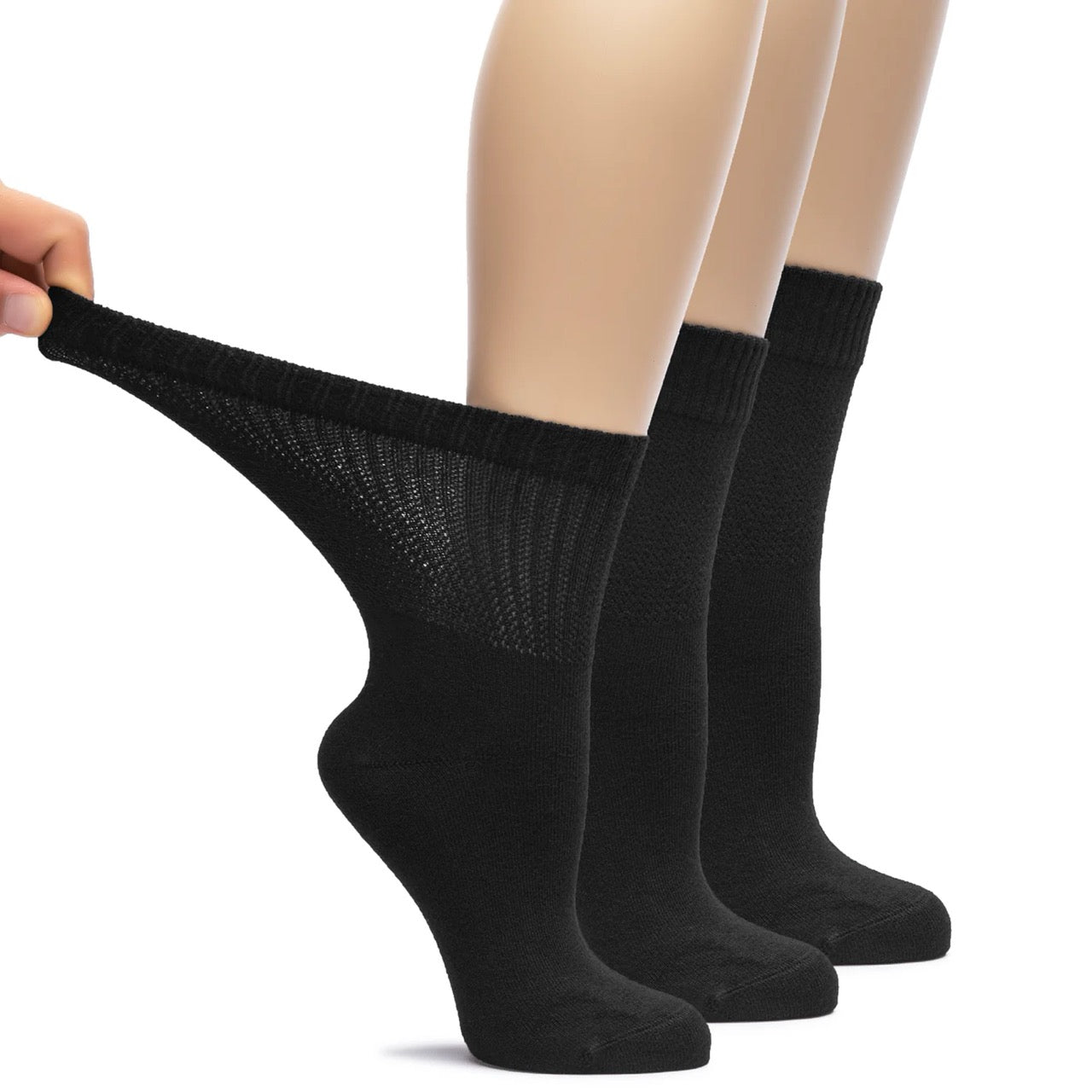
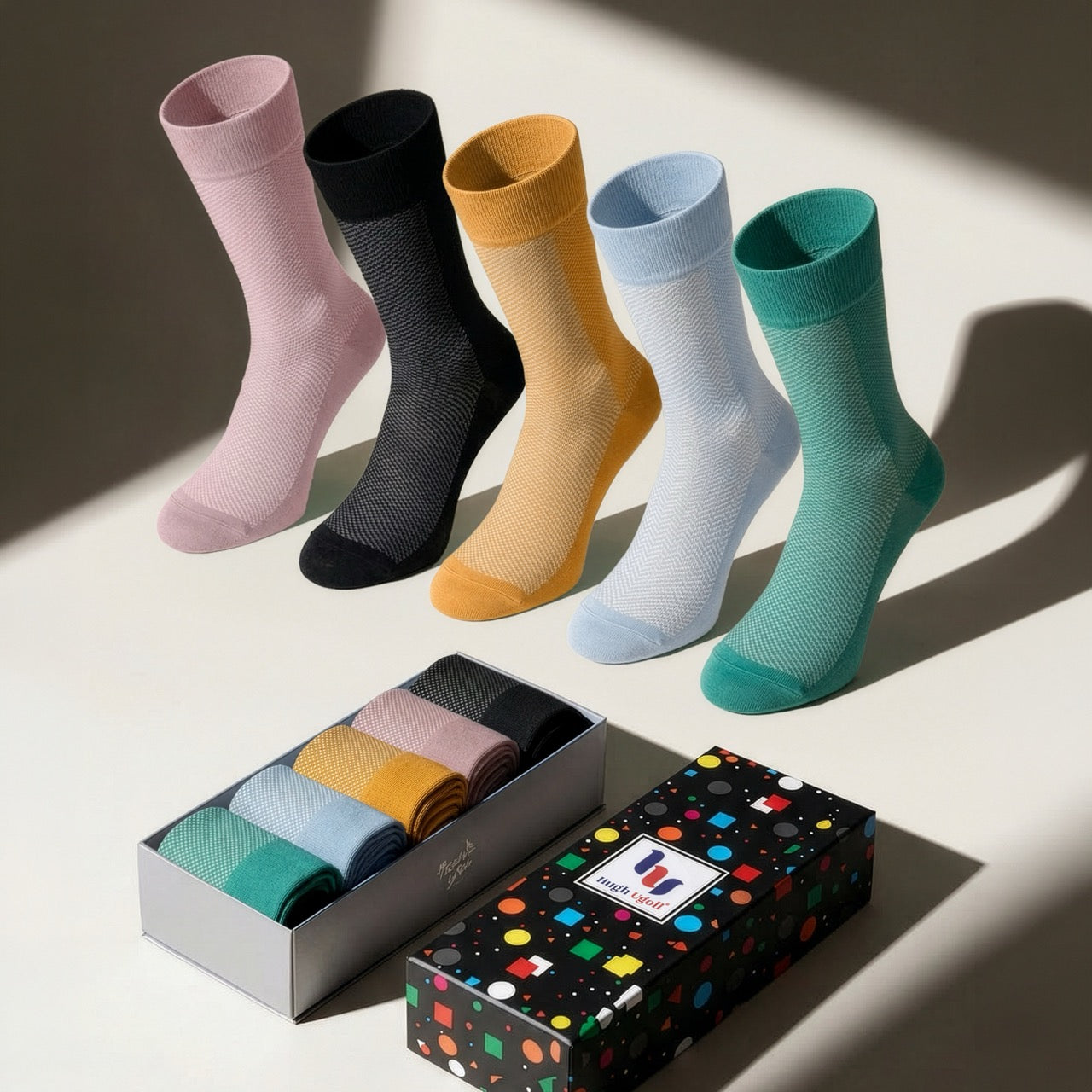
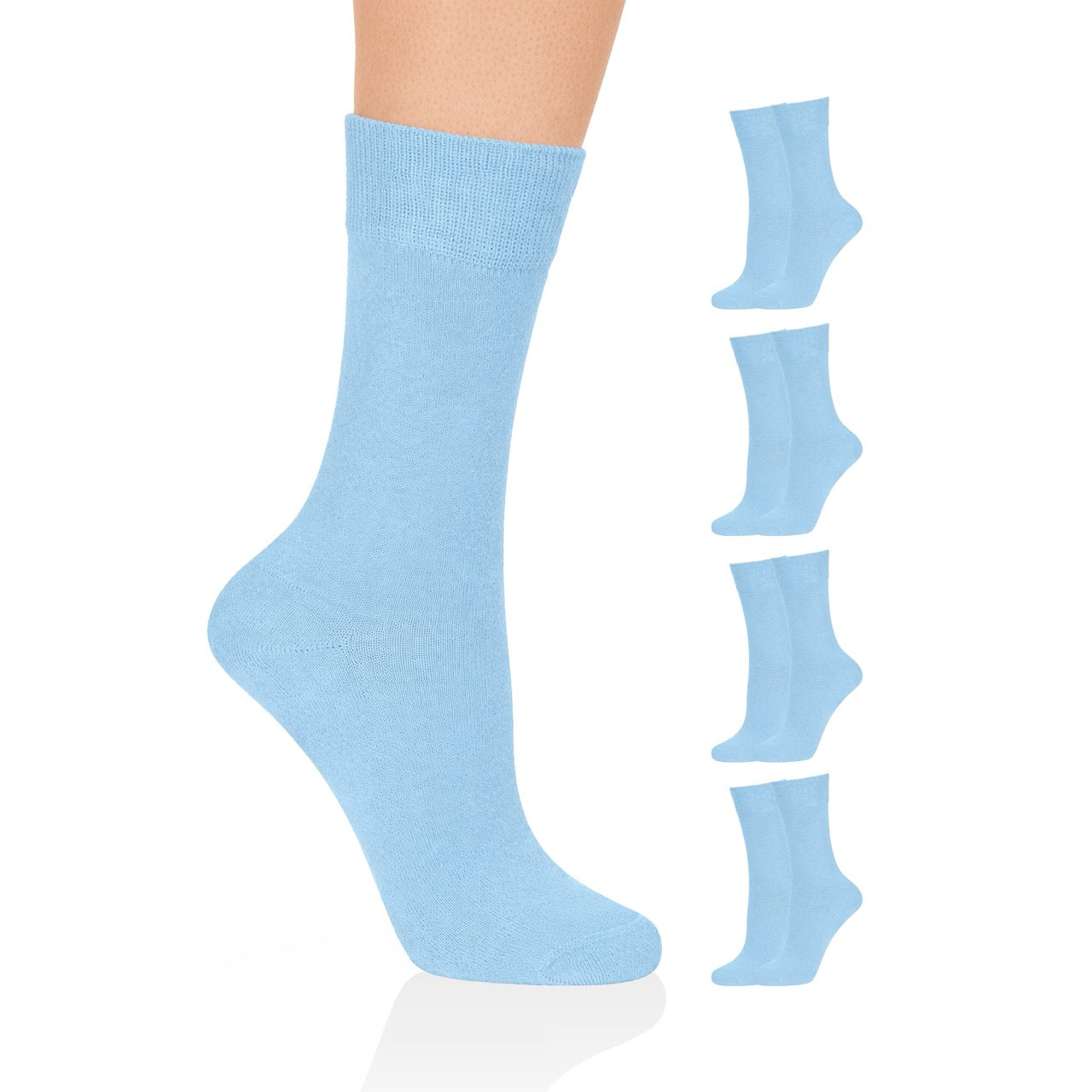
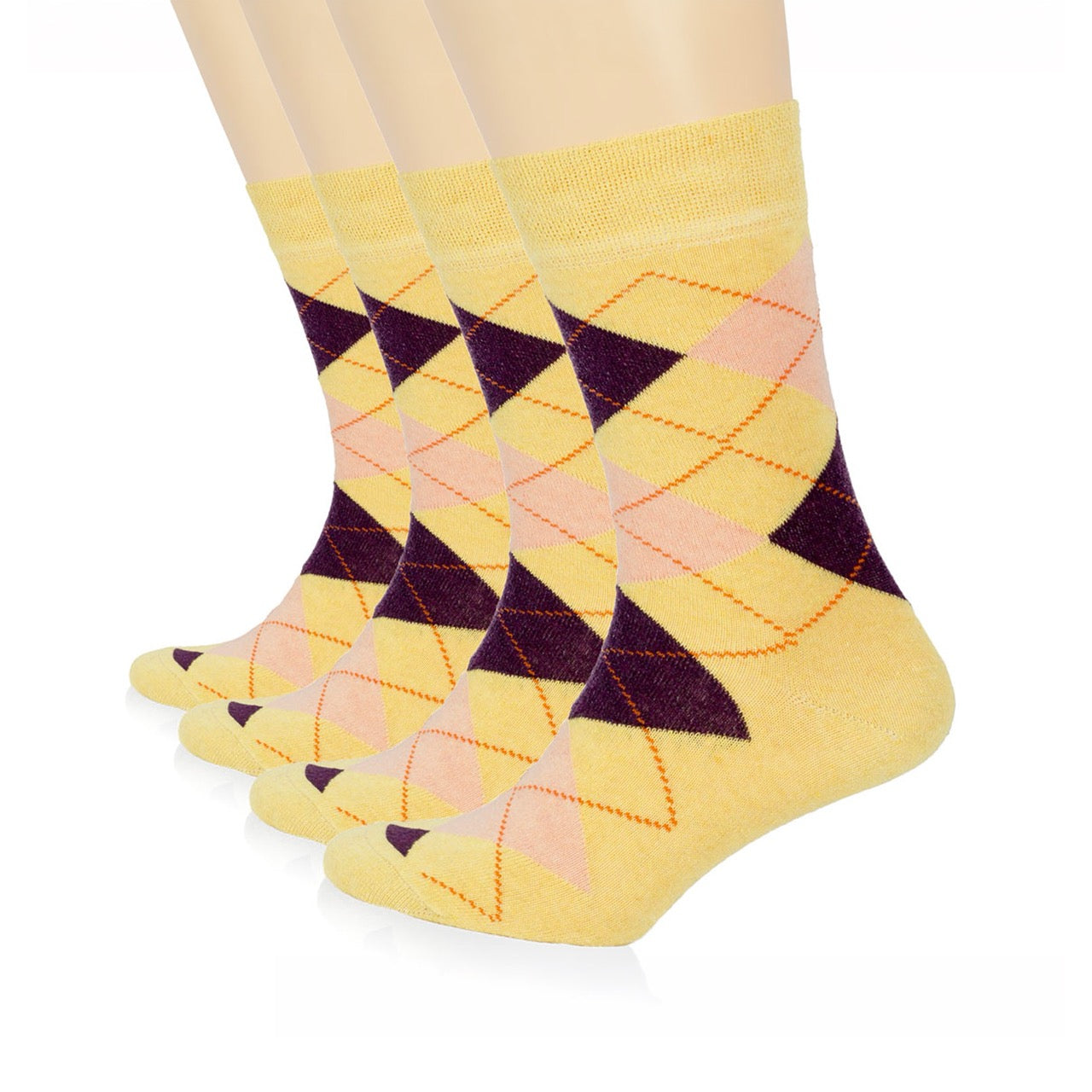
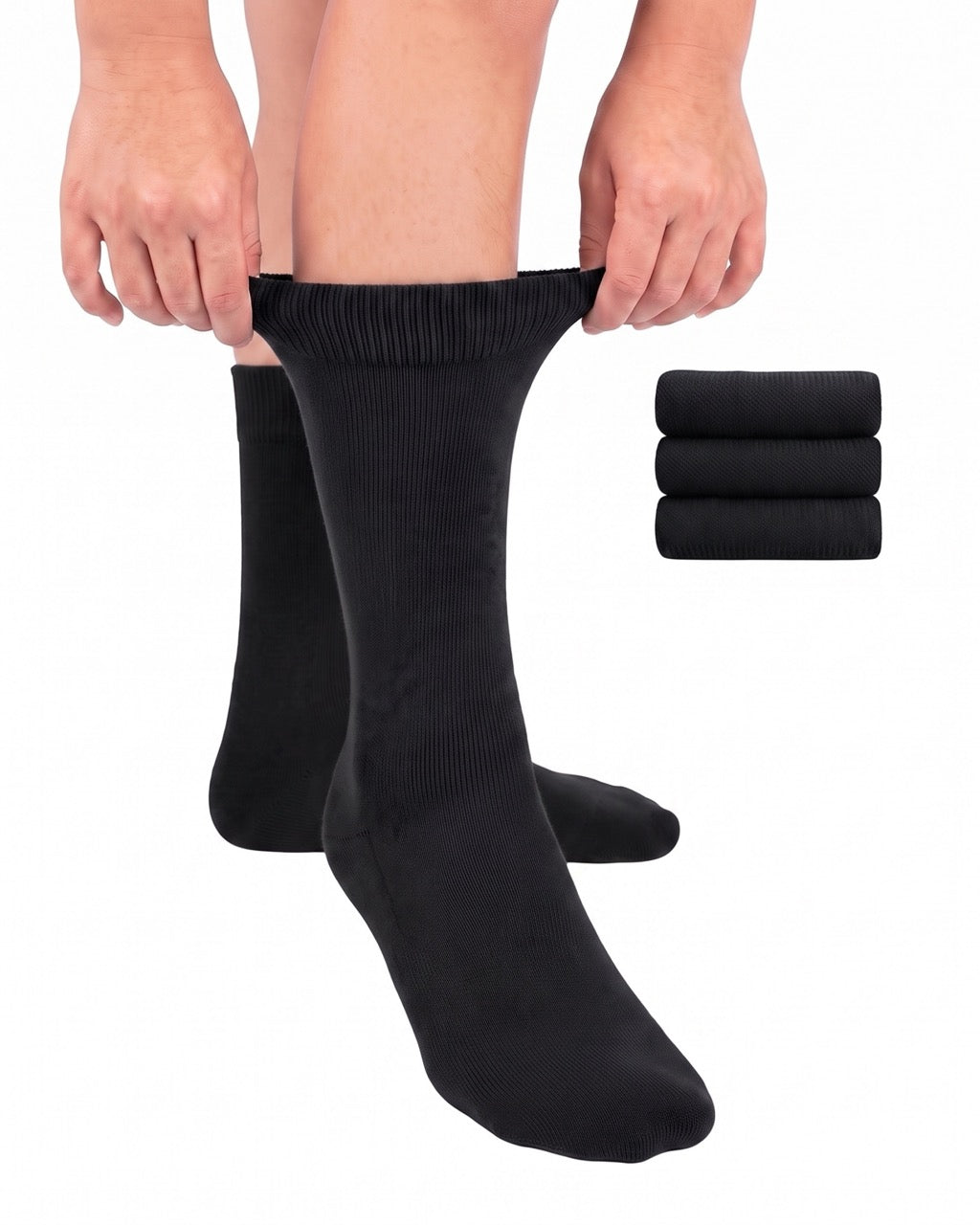
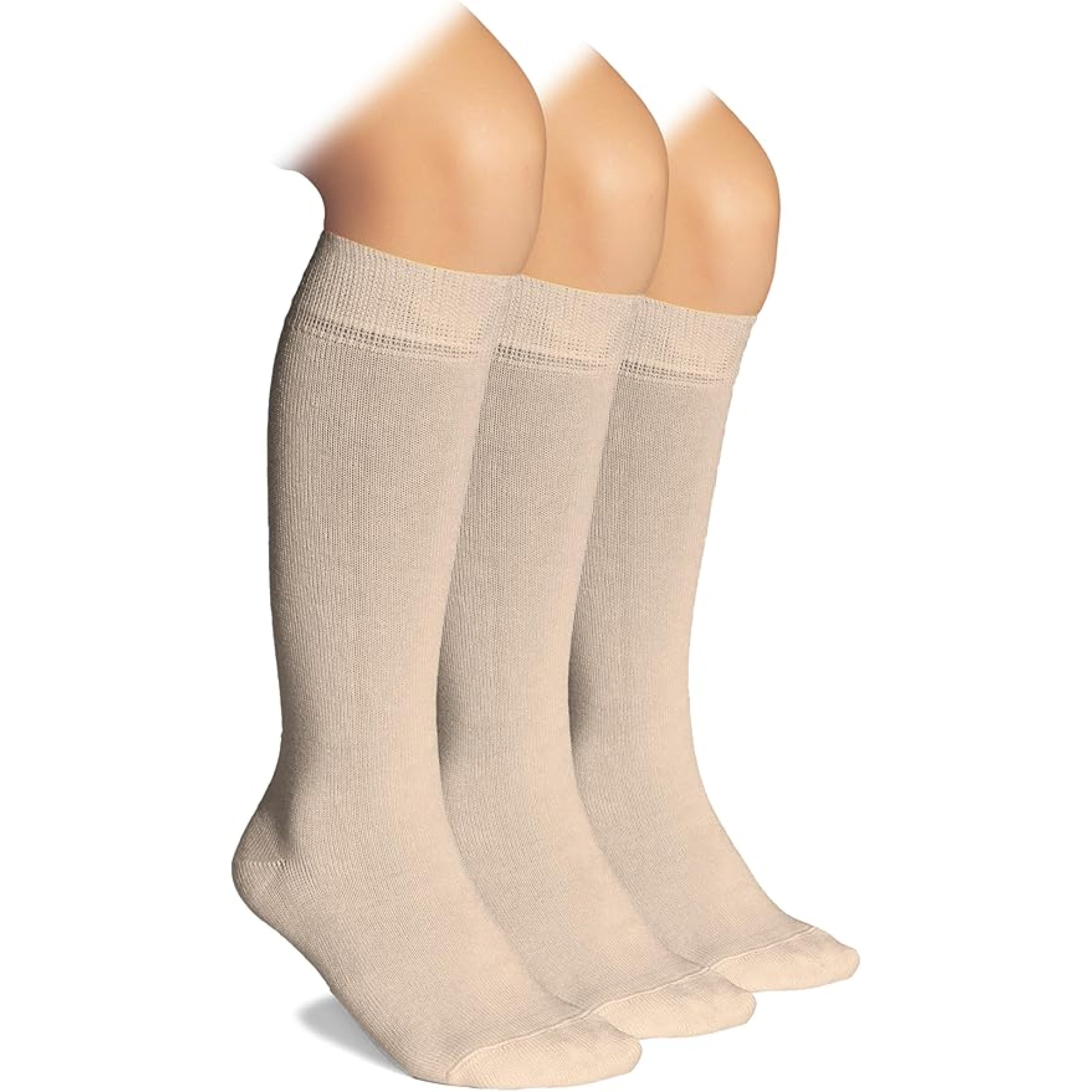


Foot swelling is more common than many people realize. Long hours on your feet, sitting for extended periods, heat, travel, and certain health conditions can all lead to swelling in the feet. While medical care matters for some causes, what you wear every day plays a surprisingly large role for everyday swelling. The right socks can provide meaningful relief for swollen feet without sacrificing comfort or style.
One important note: according to Mayo Clinic, sudden swelling, swelling in only one leg, or swelling accompanied by chest pain, shortness of breath, or dizziness can signal a blood clot or a heart condition and needs prompt medical attention — not a sock recommendation. This guide is about everyday, gradual swelling from standing, sitting, heat, or travel.
This guide explains how everyday socks help manage that kind of swelling, what features matter most, and how to choose options suitable for daily wear - not just occasional use.
Swelling often happens when fluids collect in the lower extremities. This fluid retention may result from standing too long, limited movement, heat exposure, or circulation challenges. Over time, swelling can cause discomfort, tight shoes, and fatigue that affect daily routines.
If swelling is frequent, choosing socks that support comfort becomes part of long-term ease rather than a short-term fix — and if swelling is new, worsening, or one-sided, it's worth mentioning to a doctor.
Well-designed socks gently support comfort. Unlike tight, restrictive options, the right everyday sock balances softness with structure to support comfort without cutting off circulation.
Socks with a non-binding design avoid adding pressure on top of existing swelling. This can ease discomfort and support overall comfort throughout the day.
Everyday socks for swelling should be wearable all day. They shouldn't feel medical or bulky. Comfort-focused designs make it easier to stay consistent, which matters for long term comfort.

Many people assume a compression sock is the only solution. While compression can help some people, not everyone needs or should use strong pressure. The key difference lies in the level of compression and whether it's appropriate for your situation.
Everyday socks often focus on comfort-first support, making them easier to wear consistently than stronger compression options — and appropriate when you don't have a diagnosed reason to need medical compression.
Heat can worsen the feeling of swelling. Socks made from breathable material help regulate temperature, keeping feet comfortable and reducing irritation.
Avoid tight bands at the top of the sock. A gentle, flexible cuff supports comfort without pressure points that could add to irritation.
Damp feet can increase discomfort. Quality socks manage moisture effectively, supporting skin comfort and overall foot health.
Everyday comfort often requires consistent support. Choosing high quality socks ensures they maintain shape, softness, and effectiveness over time.
Even mild swelling can impact comfort. Addressing it early with everyday habits and comfortable footwear helps — while swelling that's new, sudden, or unusual is worth a conversation with a doctor.
Socks work best when paired with simple daily habits: moving regularly, staying hydrated, and elevating feet when possible. Together, these actions support comfort day to day.
Not all swelling requires strong compression. Many people benefit from socks that provide gentle structure without the intensity of medical-grade options.
If swelling is persistent, severe, one-sided, or comes with other symptoms, professional guidance is important — this isn't something to self-manage with sock choice alone.
Managing everyday swelling isn't about quick fixes. It's about consistent, comfortable choices that support day-to-day ease and reduce daily strain. The right everyday socks become part of a sustainable routine, not a treatment for an underlying medical condition.
For mild, everyday swelling from standing, sitting, or heat, properly designed non-binding socks can support comfort. Persistent or unusual swelling should be evaluated by a doctor.
Not always. Many people benefit from light, non-binding support socks rather than full medical compression, which is best reserved for diagnosed conditions.
Most people wear them comfortably throughout the day, especially during long periods of sitting or standing.
If swelling is sudden, severe, one-sided, or comes with chest pain, shortness of breath, or dizziness, seek medical attention promptly rather than relying on sock choice.
This article is for general information and is not medical advice.
He has been working for more than 20 years in the textile industry and has work experience in many parts of the world.